Liveaboards · Egypt
Queen Sherry — a modern Red Sea liveaboard built around big-animal diving
What makes this boat unique
- Queen Sherry is a 2021, 32-metre liveaboard with 12 cabins for up to 24 passengers.
- The dive setup includes a shaded dive area, platform, separate camera rinse tank, DIN adapters, nitrox and sidemount support.
- Routes run from Marsa Alam to Marsa Alam and include eight-day, seven-night expeditions to Brothers, Elphinstone, Zabargad and the Deep South.
- A naturalist guide, snorkeling guide, night dives and full-board meals are included.
- Dugongs, turtles, dolphins, reef sharks, hammerheads, manta rays and barracudas are among the animals recorded along the routes.
The invitation
Queen Sherry is for divers who want the Red Sea's larger encounters without giving up the option of a naturalist-led, family-friendly trip. The routes leave Marsa Alam for reefs where current, isolation and open water bring the possibility of sharks, mantas, dolphins and dugongs, then return to the same port after eight days and seven nights. The boat also welcomes snorkelers and non-divers, so a group does not have to be made entirely of scuba divers. The choice is straightforward: come for pelagic sites and animal-focused itineraries, with a proper dive platform and night dives built into the package, rather than for a resort-style week spent mostly at anchor.
Boarding
Queen Sherry was built in 2021, and its purpose is clear as soon as the diving equipment comes into view: this is a purpose-built liveaboard, not a converted passenger vessel making occasional dive trips. Movement between the upper-deck cabins, the air-conditioned salon and the dive platform is part of the boat's working layout. The passenger limit keeps the group to 24 people, while 12 cabins provide the basic structure of a week at sea. The boat has two engines, so there is machinery aboard, but no cabin-by-cabin noise information is available. What stands out is the balance between a serious dive operation and spaces for people who may spend the day snorkeling, reading or simply watching the water.
The atmosphere on board
The atmosphere is shaped by a mixed group: scuba divers, snorkelers, families and people joining a naturalist itinerary can all share the boat. The crew speaks English and includes local and international members, while the naturalist guide adds a second focus beyond the dive briefing: understanding the animals and habitats encountered along the route. Evenings have the ingredients for a relaxed liveaboard rather than a formal hotel routine—outdoor dining, a bar, audio-video entertainment and the possibility of talking through the day's sightings. There is no passenger feedback to point to a particular crew style, so the honest reason to choose Queen Sherry is the structure it offers: a boat designed for diving, with room for companions who are in the water on snorkel or following the naturalist side of the trip.
The sites you’ll dive
The strongest itineraries are built around the big reefs south of Marsa Alam. Brothers Islands reaches -85m and combines isolated oceanic reefs with hard and soft corals, gorgonians and the possibility of grey sharks, hammerheads, silver tips and white-tip reef sharks. Elphinstone drops along dramatic walls to -60m, with oceanic white-tip sharks, hammerheads, grey and silky sharks, whale sharks and manta rays among the recorded life. Rocky Island is a current-swept site known for sharks, schooling barracudas and manta rays. Marsa Mubarak reaches -25m in a sheltered bay where seagrass supports resident dugongs and green turtles; Marsa Egla reaches -30m with the same dugong-and-turtle appeal. House Reef reaches -40m, while Marsa Nakari House Reef reaches -30m in a sheltered bay. Shaab Alam reaches -30m and includes a submerged wreck, caves and coral gardens. Abu Galawa Kebir reaches -18m around the Tien Hsing barge, and Numidia reaches -80m on a 1901, 150-metre wreck covered in coral. Other routes include Zabargad, Shaab Umm Gamar, Shaab Marsa Alam and Abu Galawa Soghayar, where a private sailboat wreck lies among a coral garden. Trips run eight days and seven nights, from Marsa Alam back to Marsa Alam, with named departures including Brothers, Daedalus and Elphinstone; Golden Mix; Deep South Expedition; and pelagic or dugong-focused itineraries.
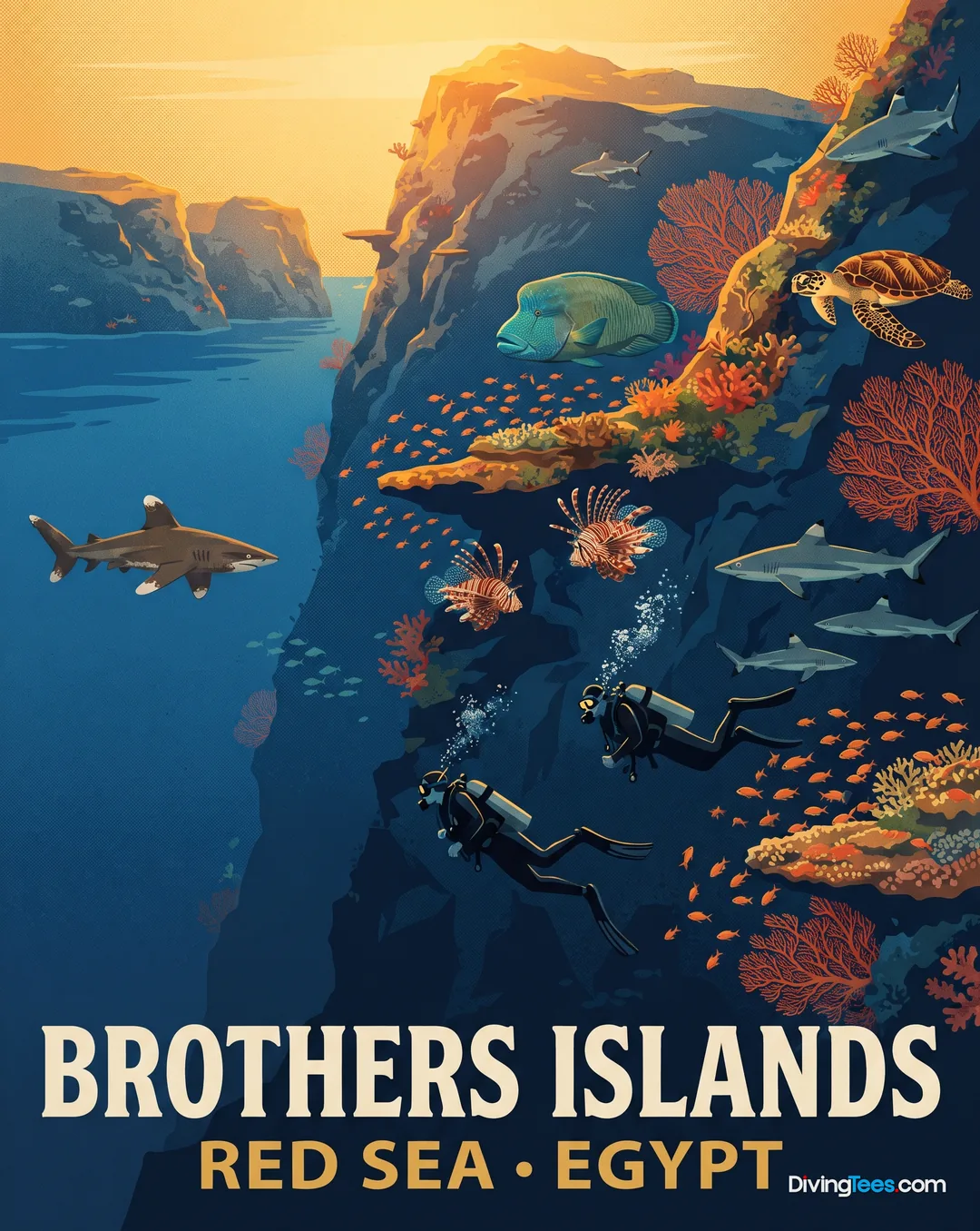
Brothers Islands →
Max. depth · 85 m
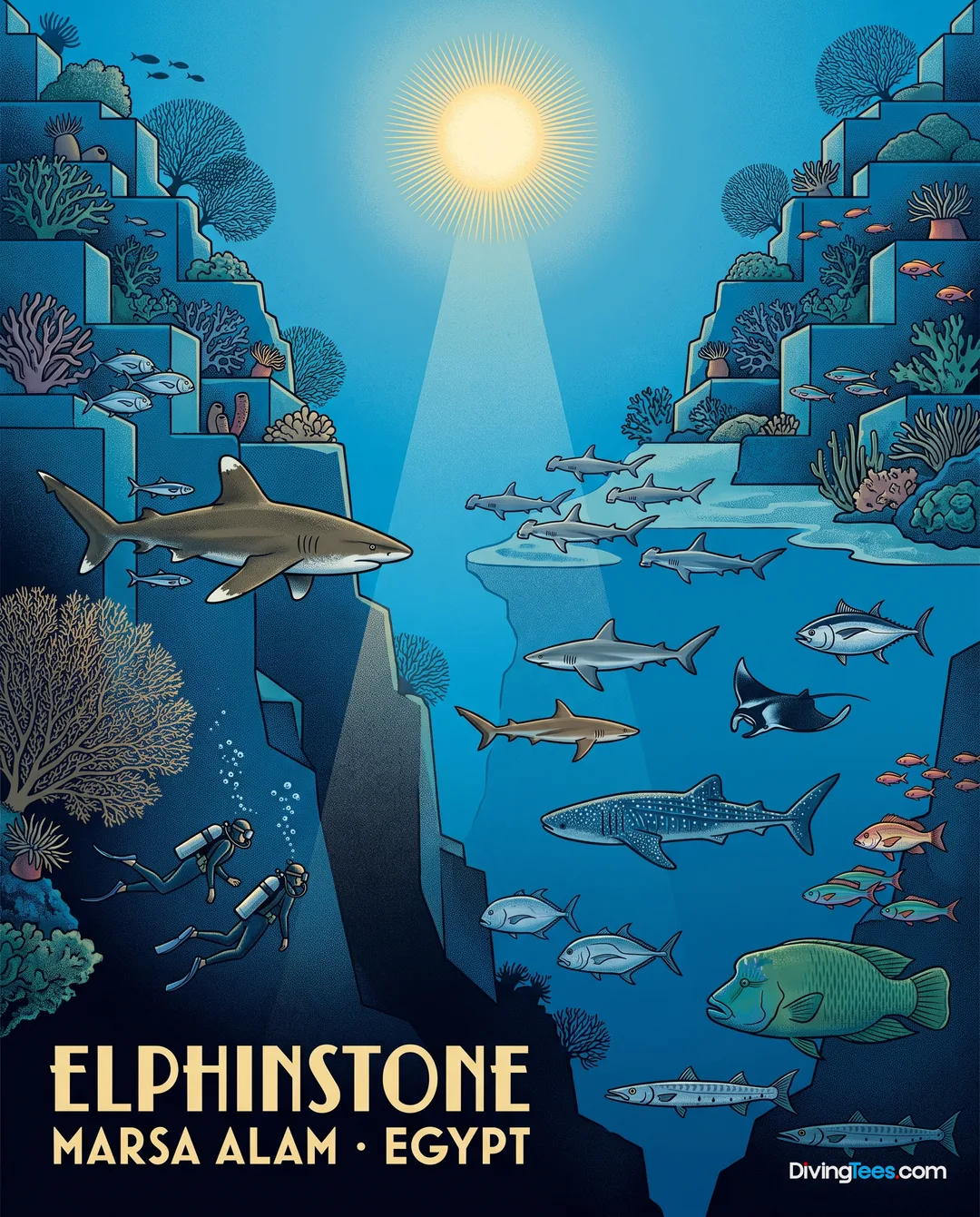
Elphinstone →
Max. depth · 60 m
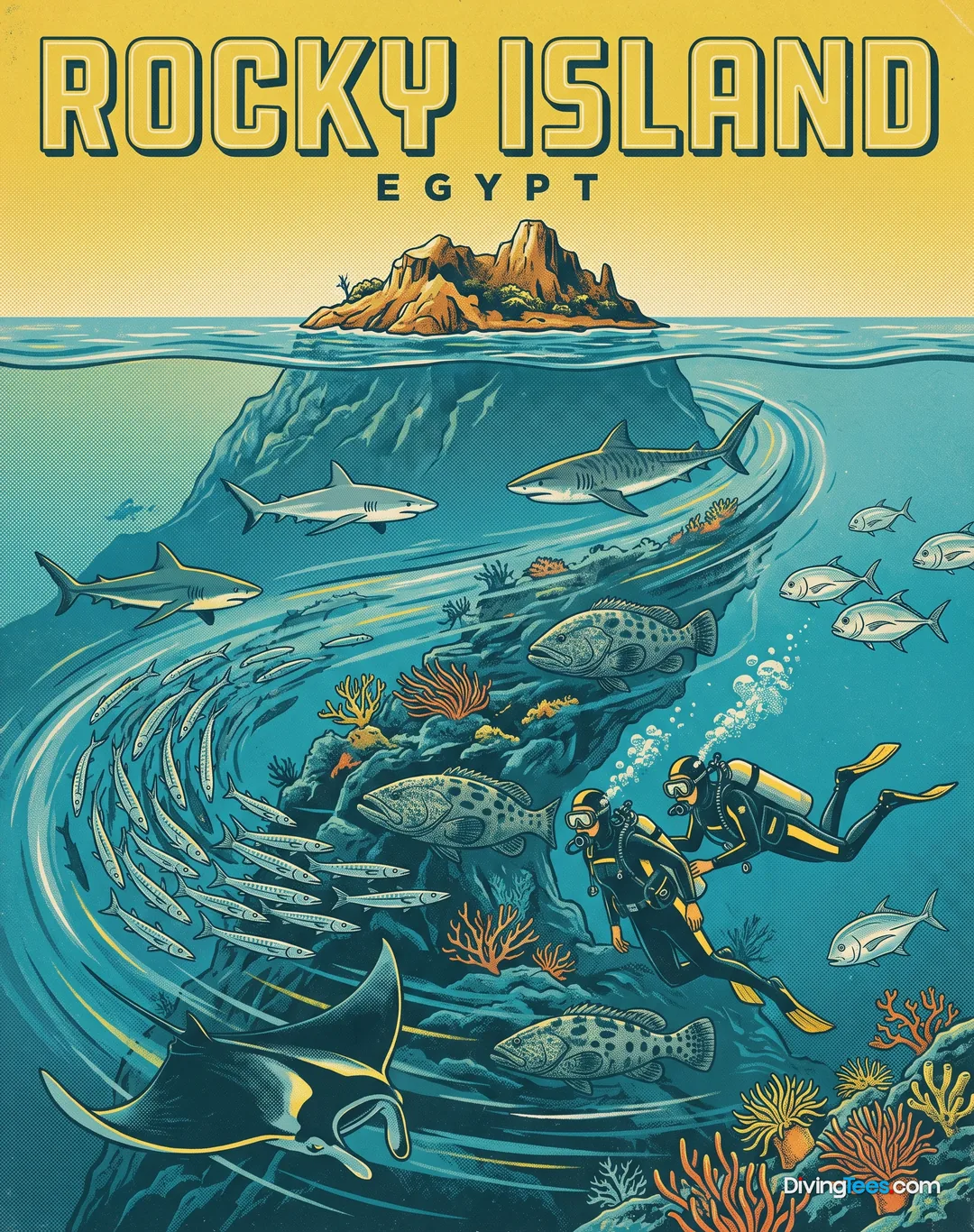
Rocky Island →
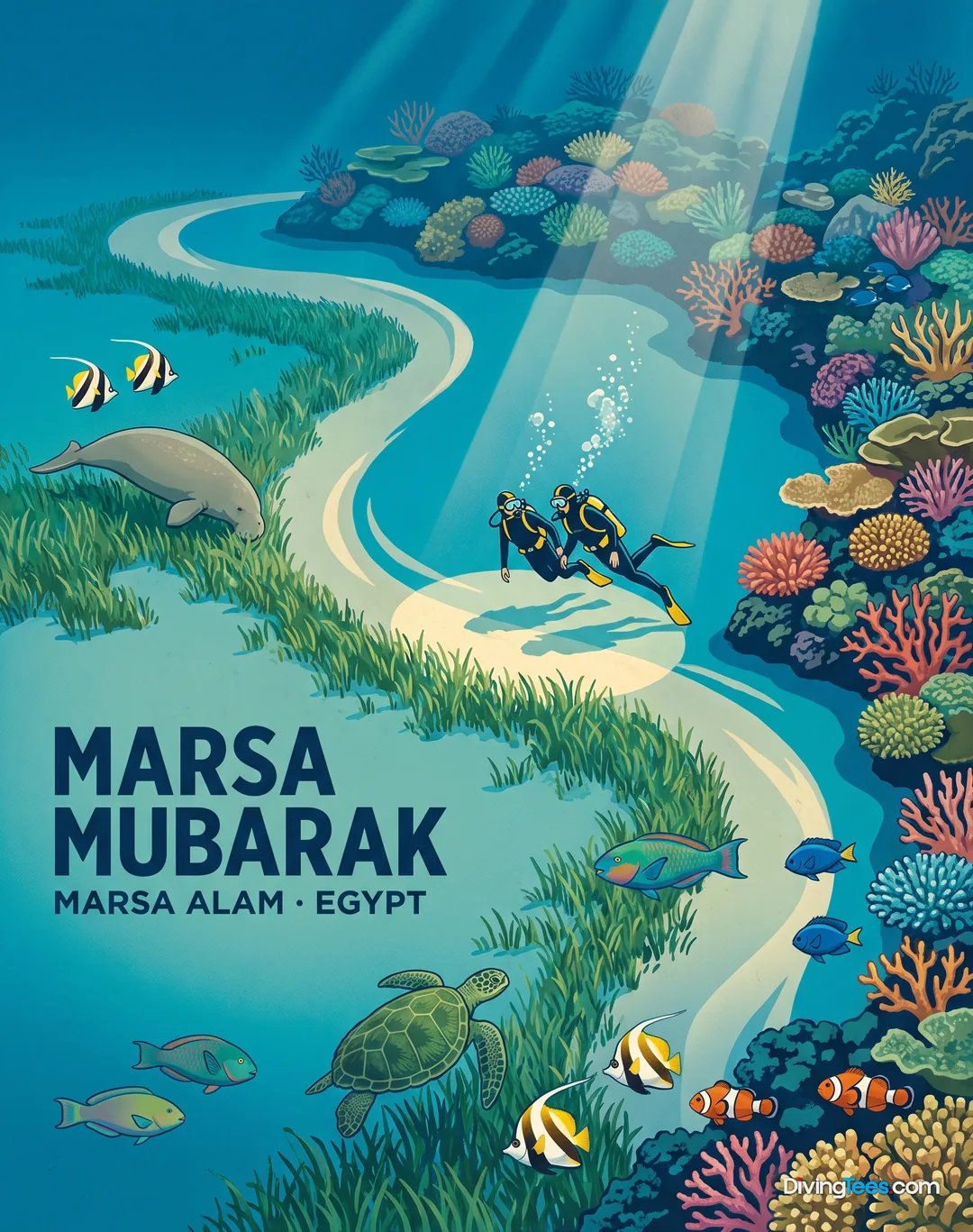
Marsa Mubarak →
Max. depth · 25 m
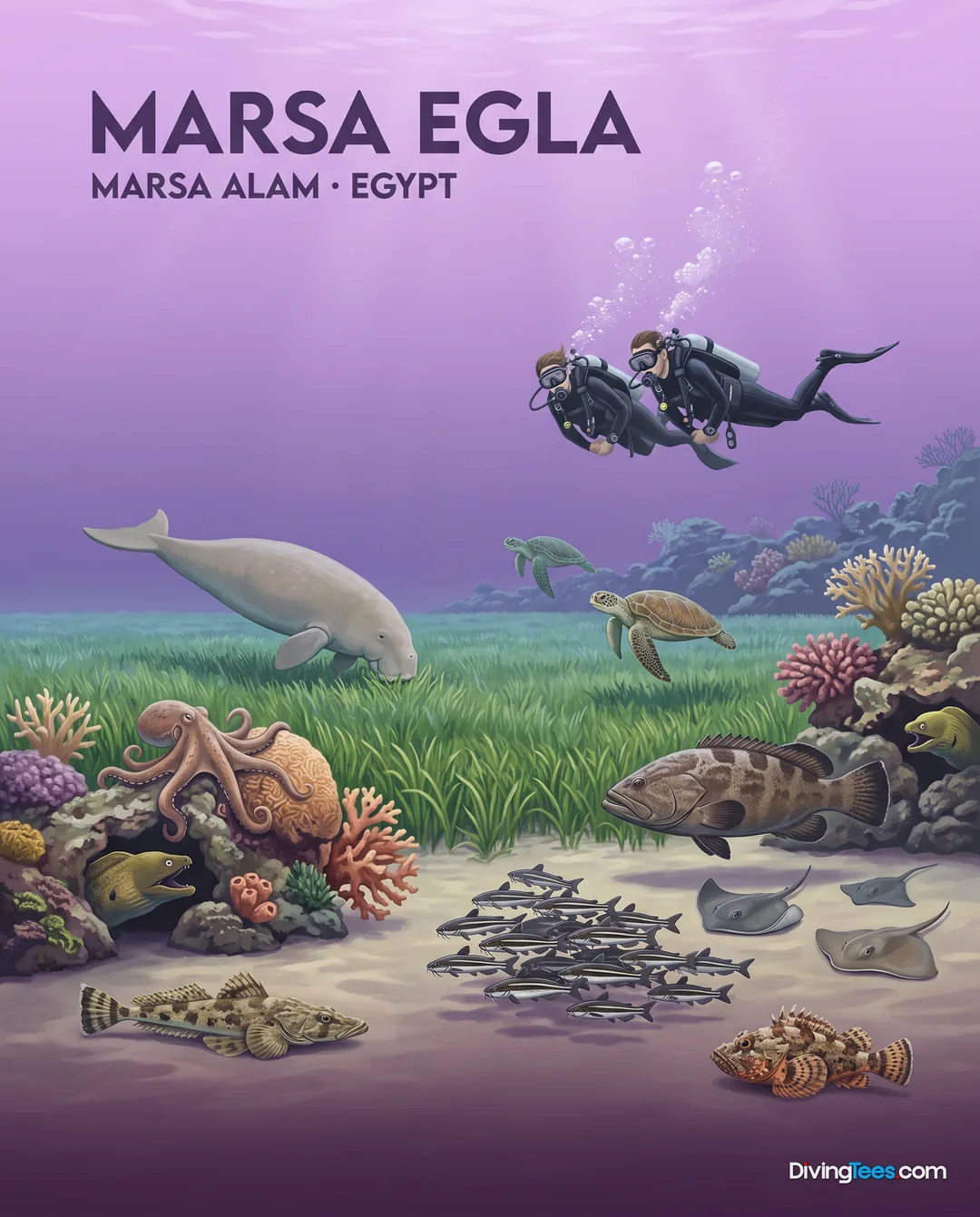
Marsa Egla →
Max. depth · 30 m
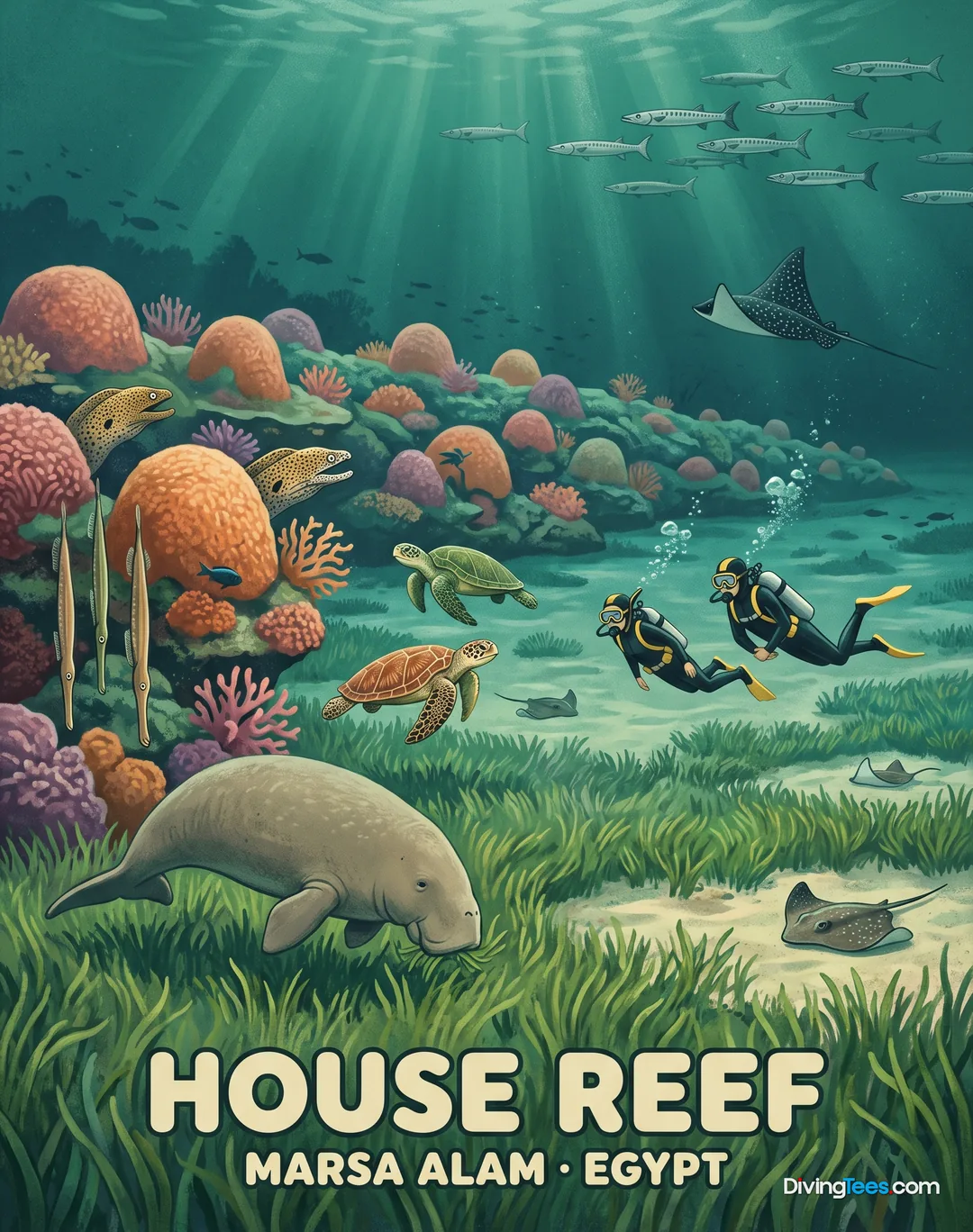
House Reef →
Max. depth · 40 m
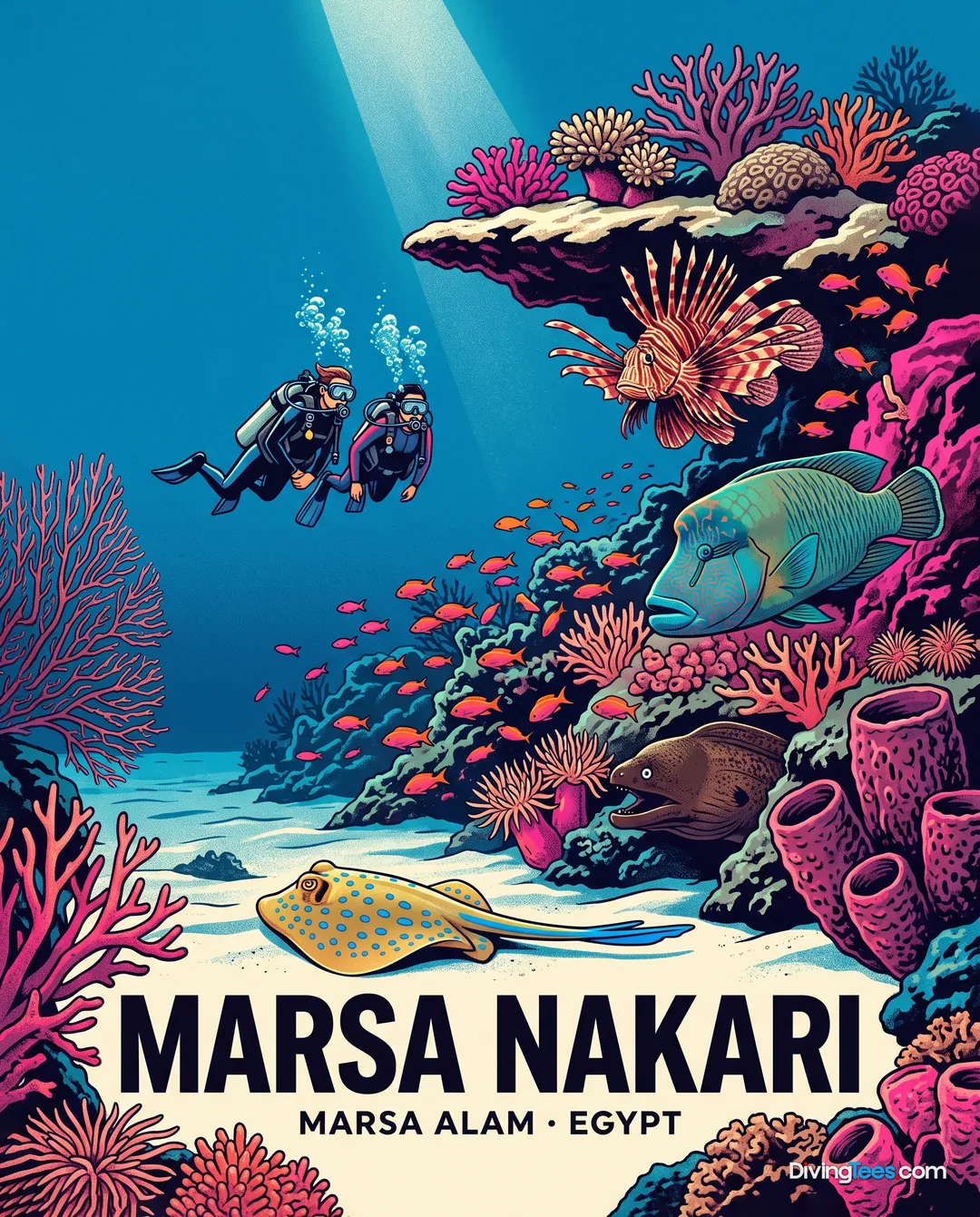
Marsa Nakari House Reef →
Max. depth · 30 m
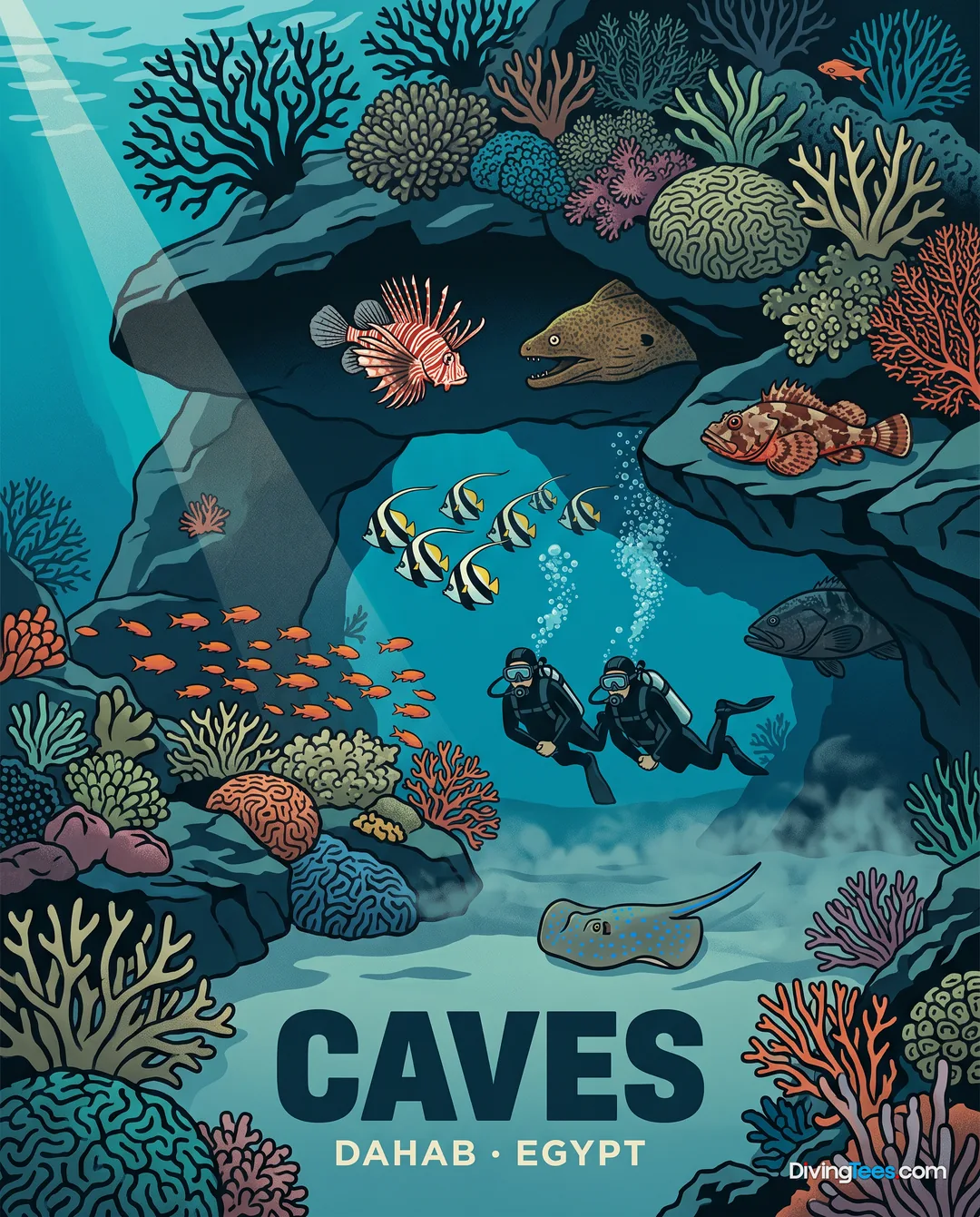
Caves →
Max. depth · 22 m
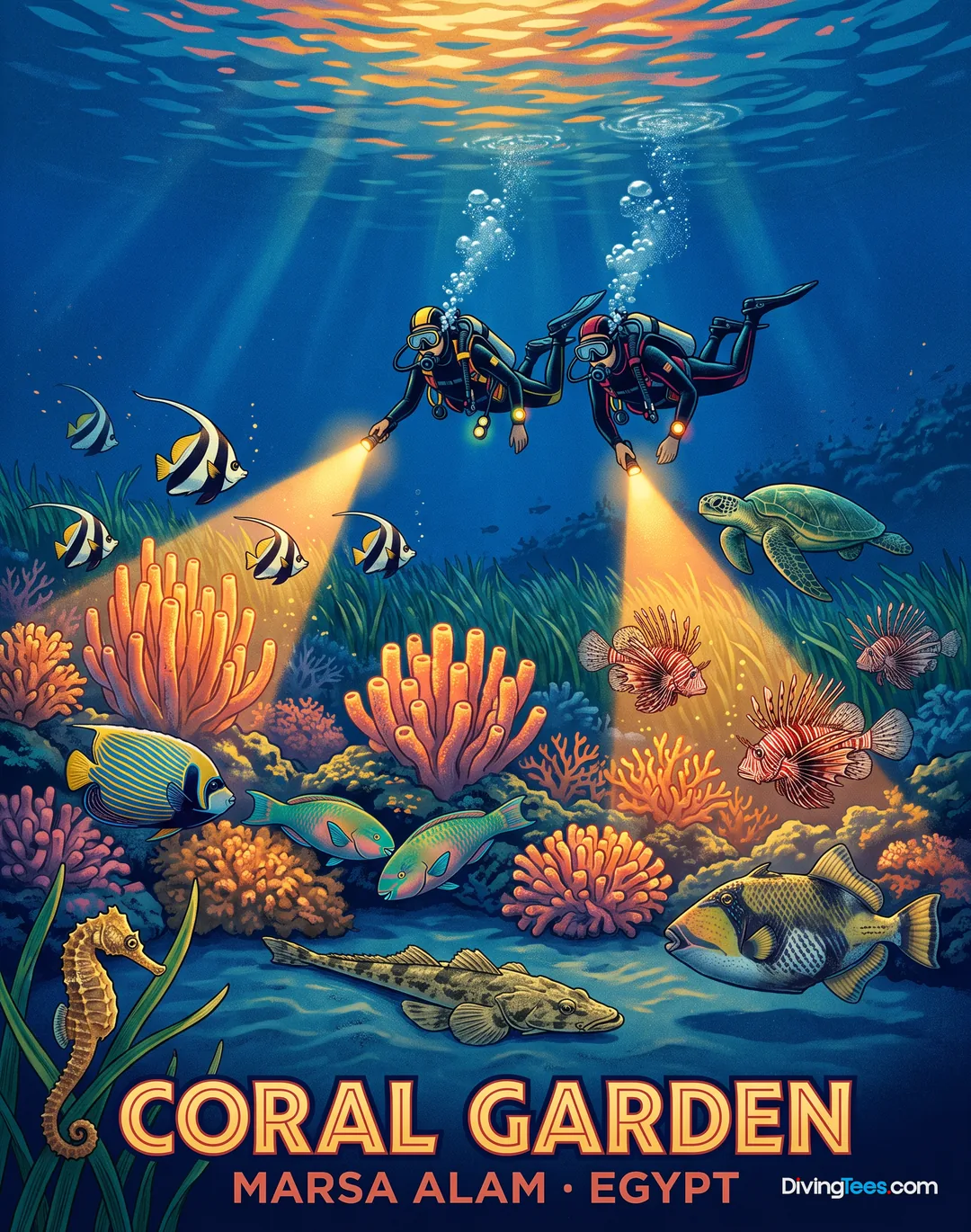
Coral Garden →
Max. depth · 20 m
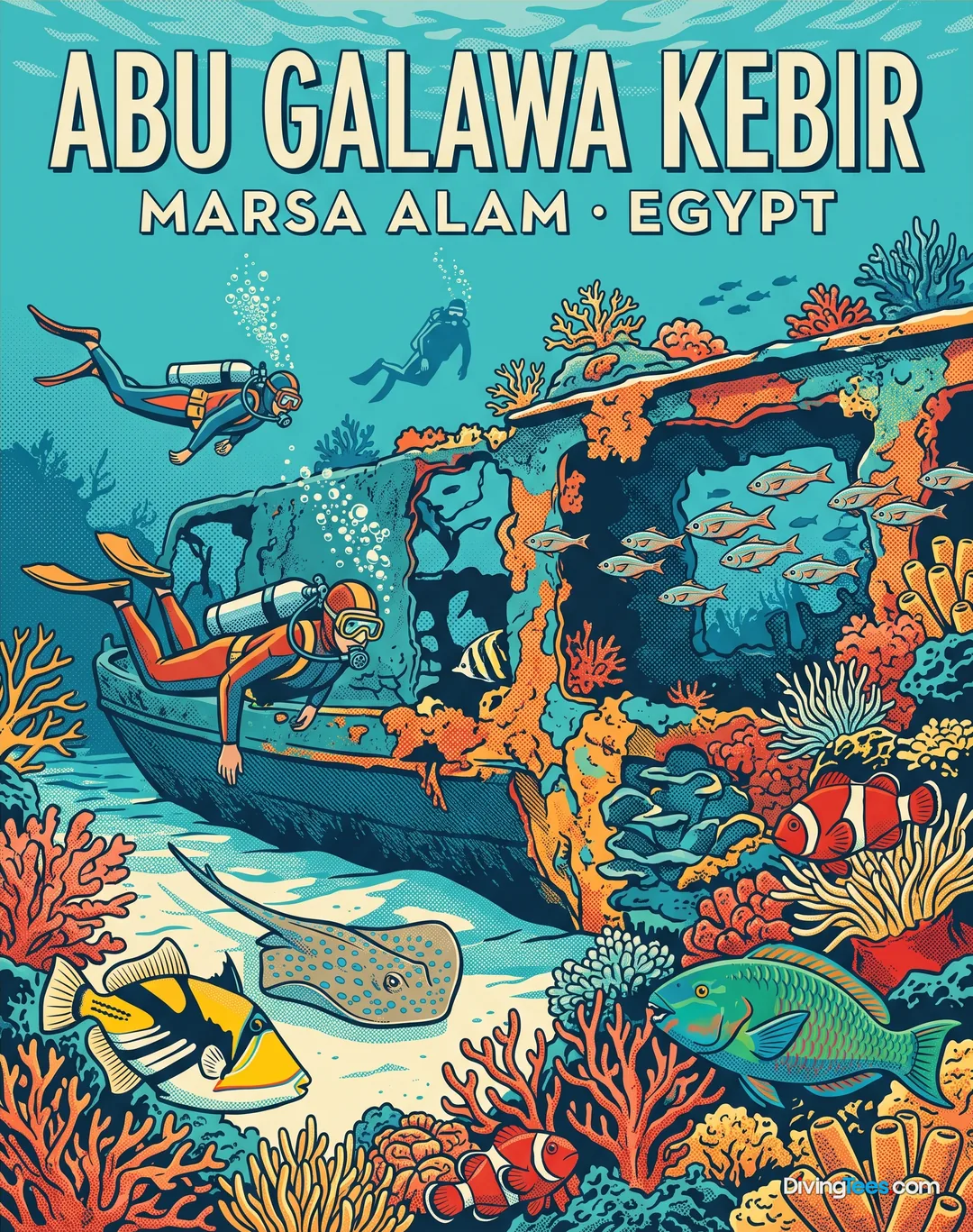
Abu Galawa Kebir →
Max. depth · 18 m
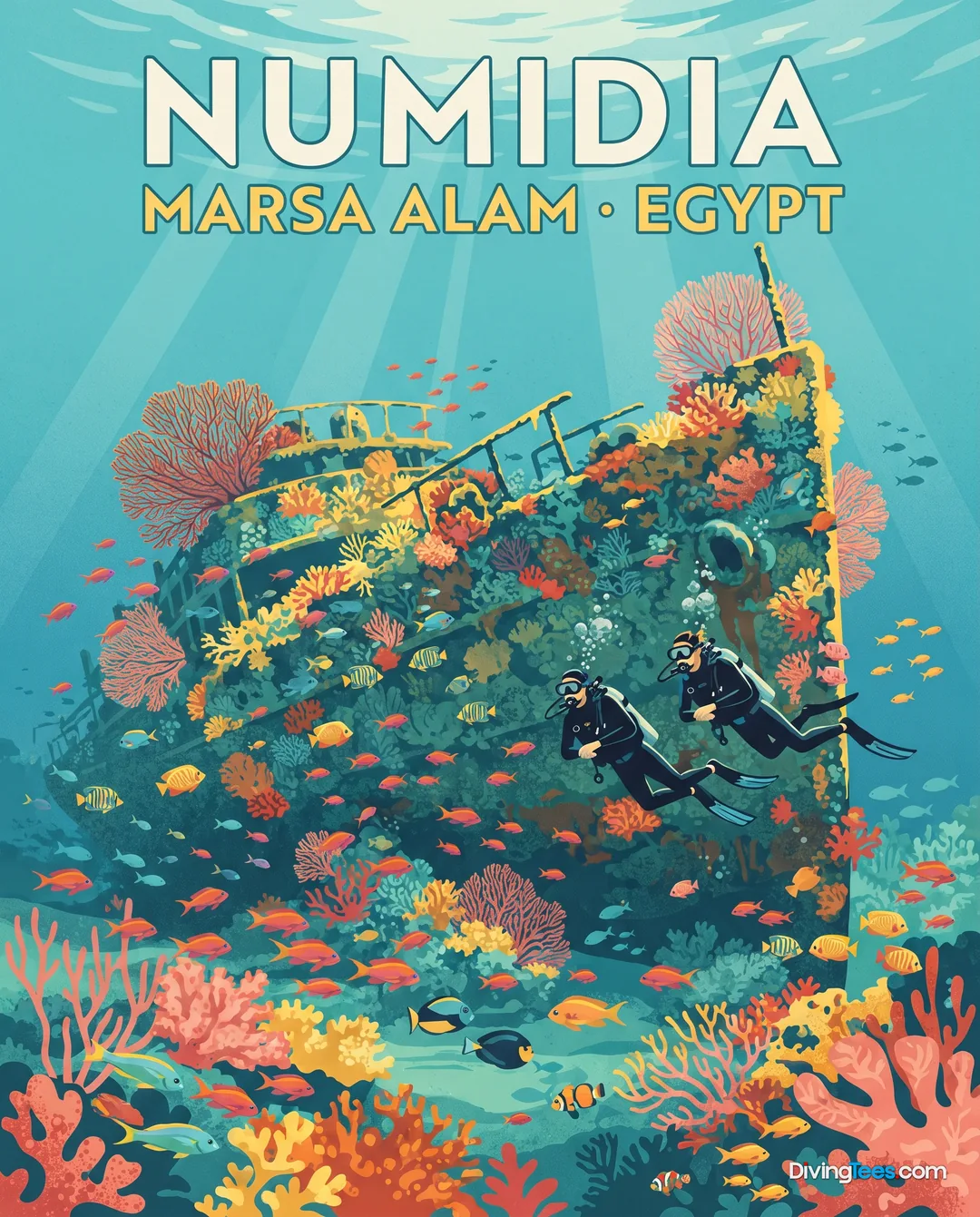
Numidia →
Max. depth · 80 m
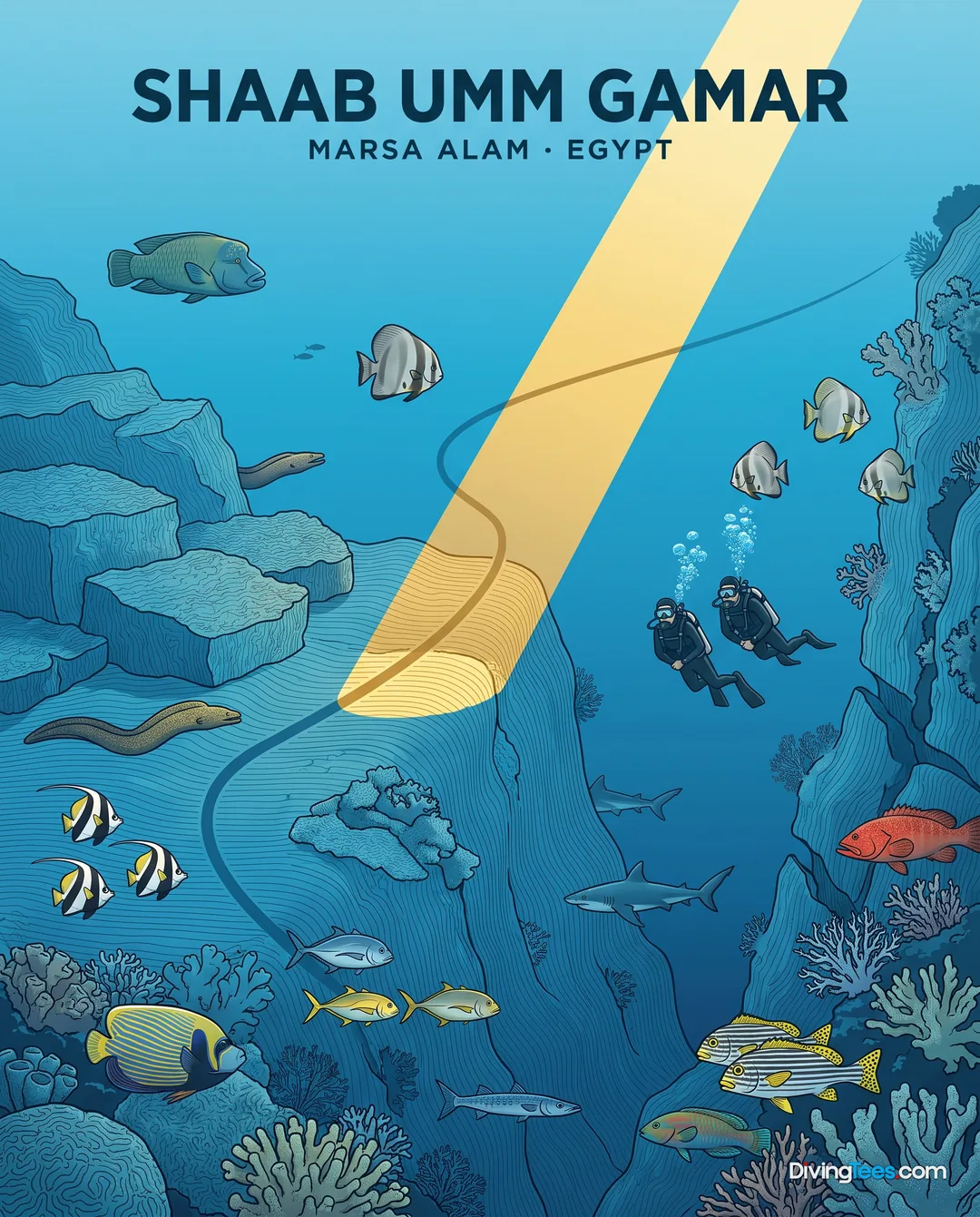
Shaab Umm Gamar →
Max. depth · 40 m
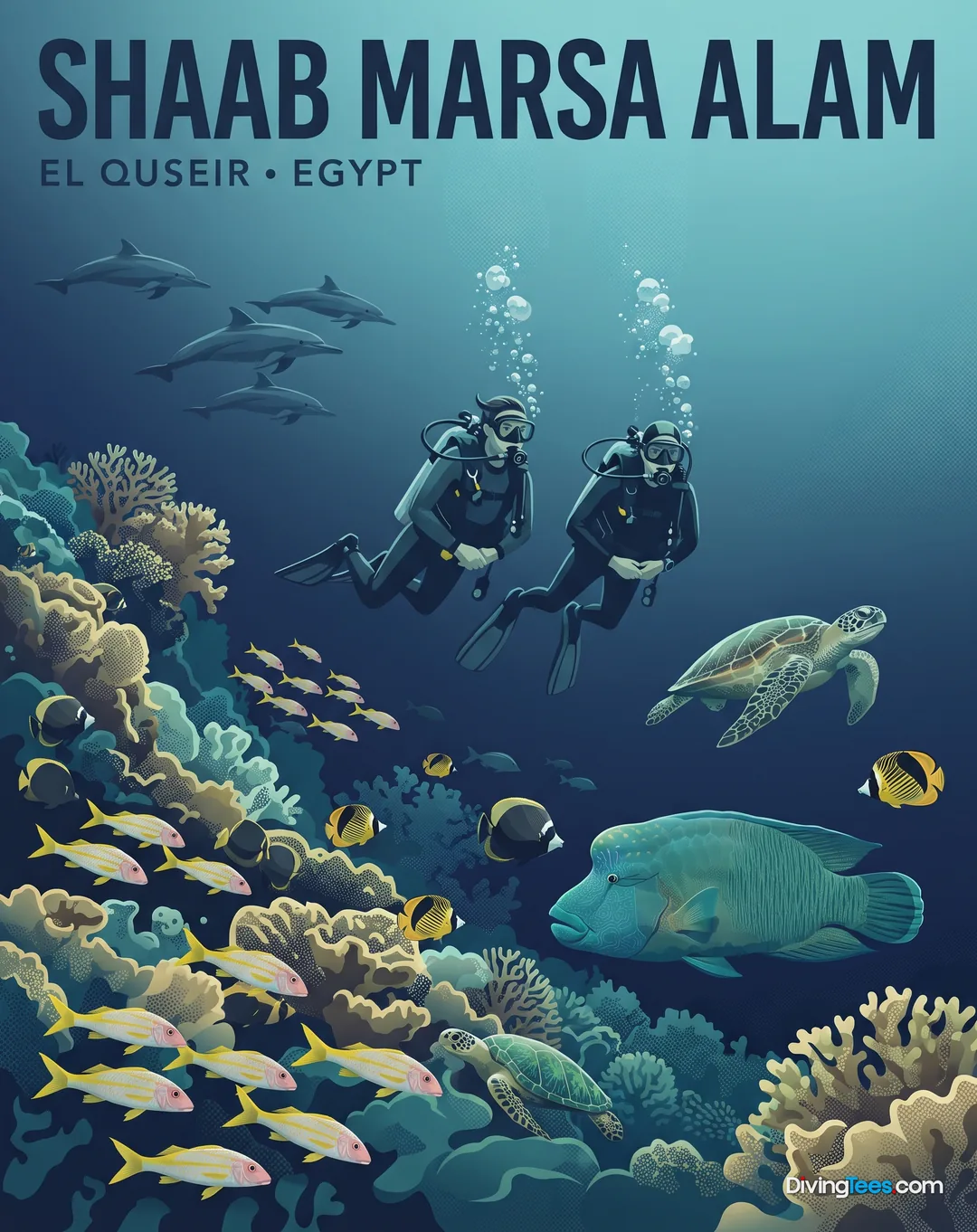
Shaab Marsa Alam →
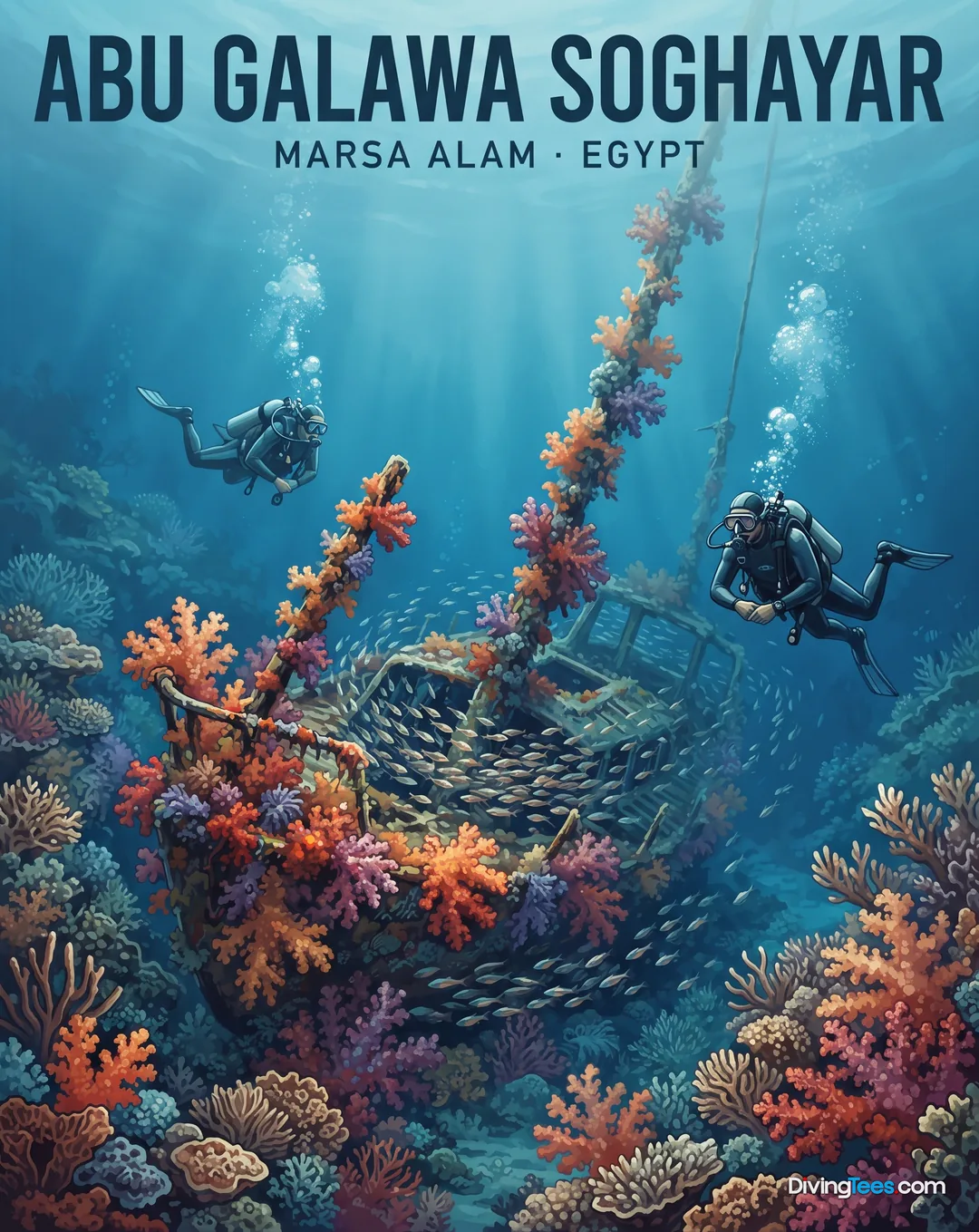
Abu Galawa Soghayar →
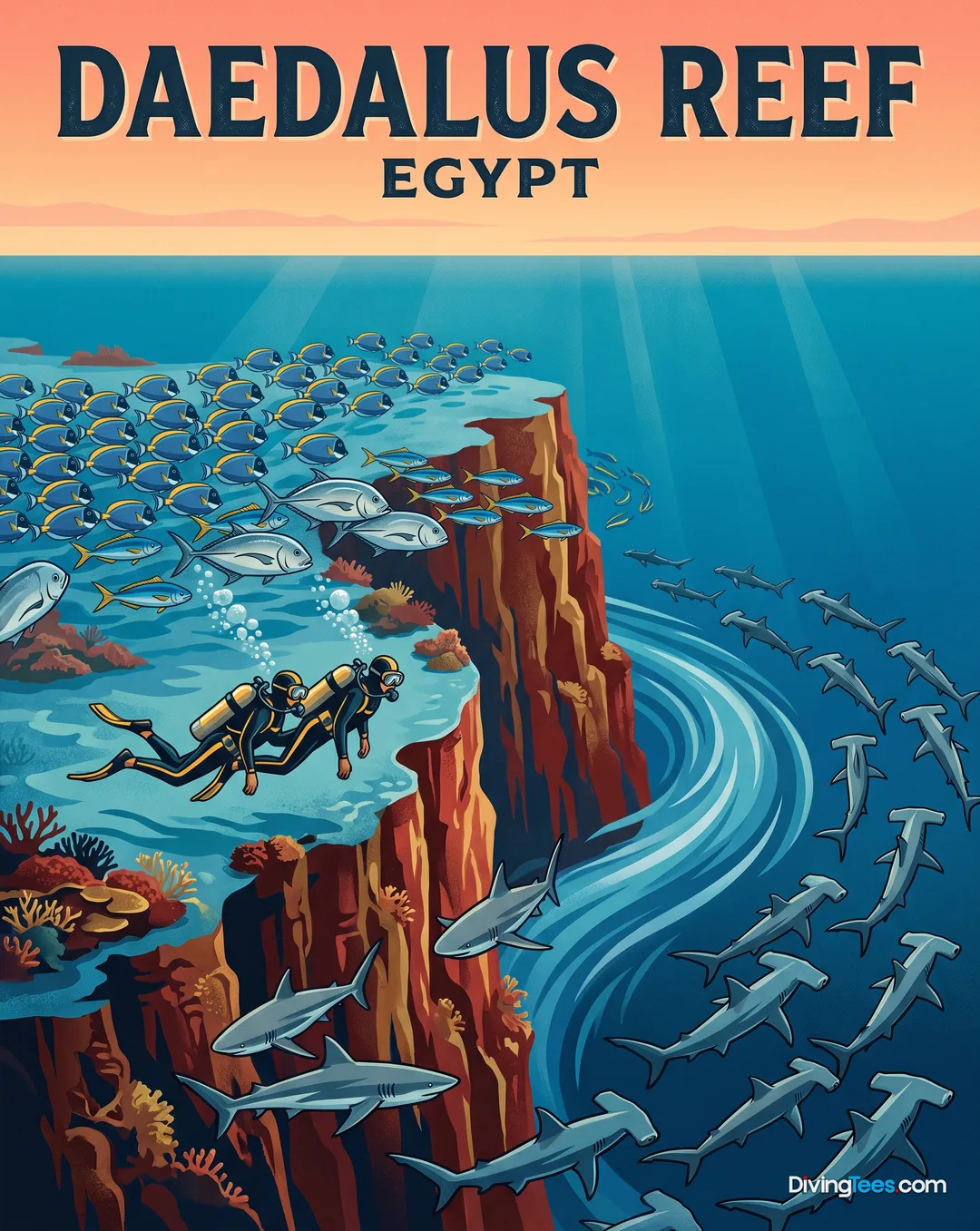
Daedalus →
Max. depth · 40 m
What you’ll meet underwater
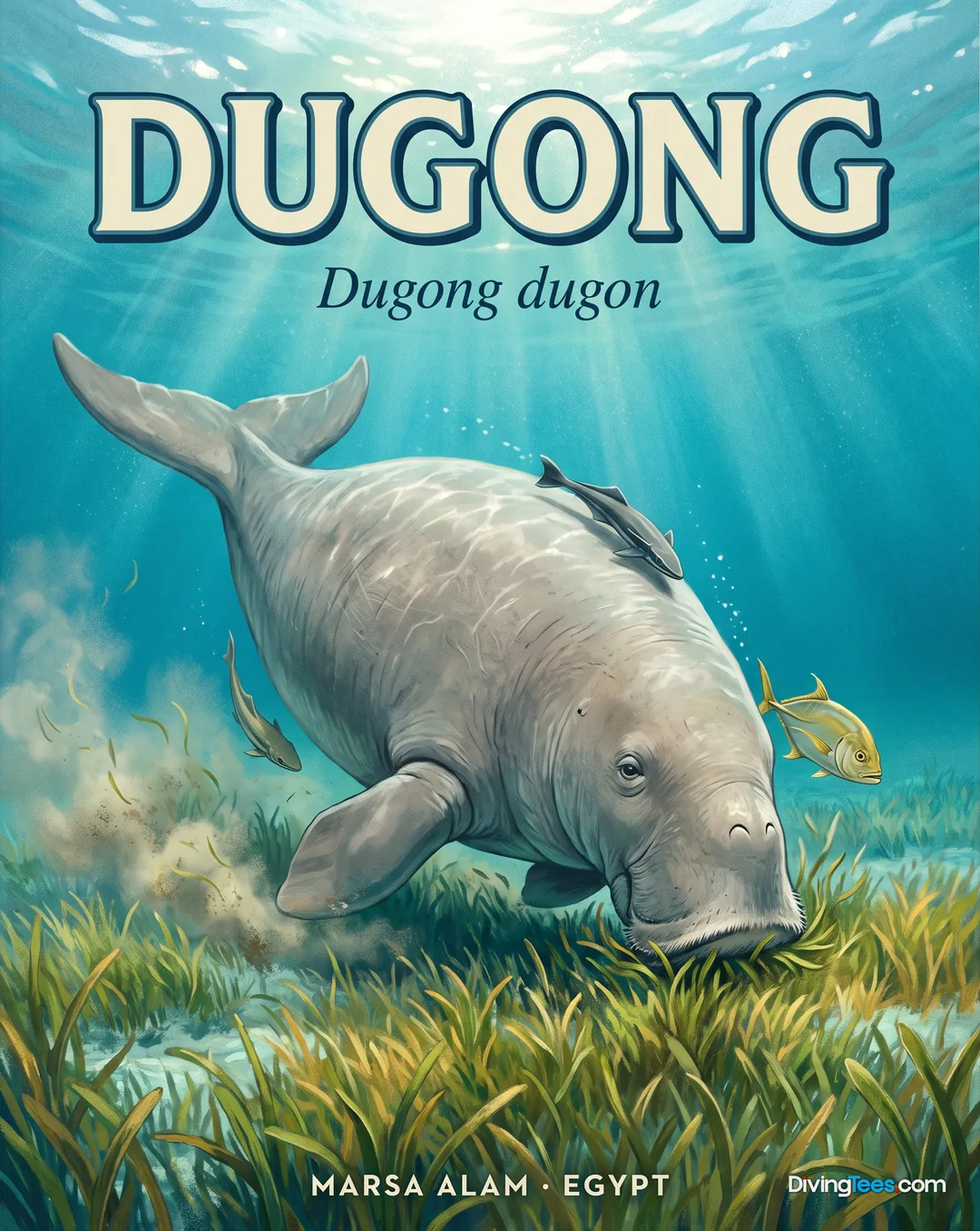
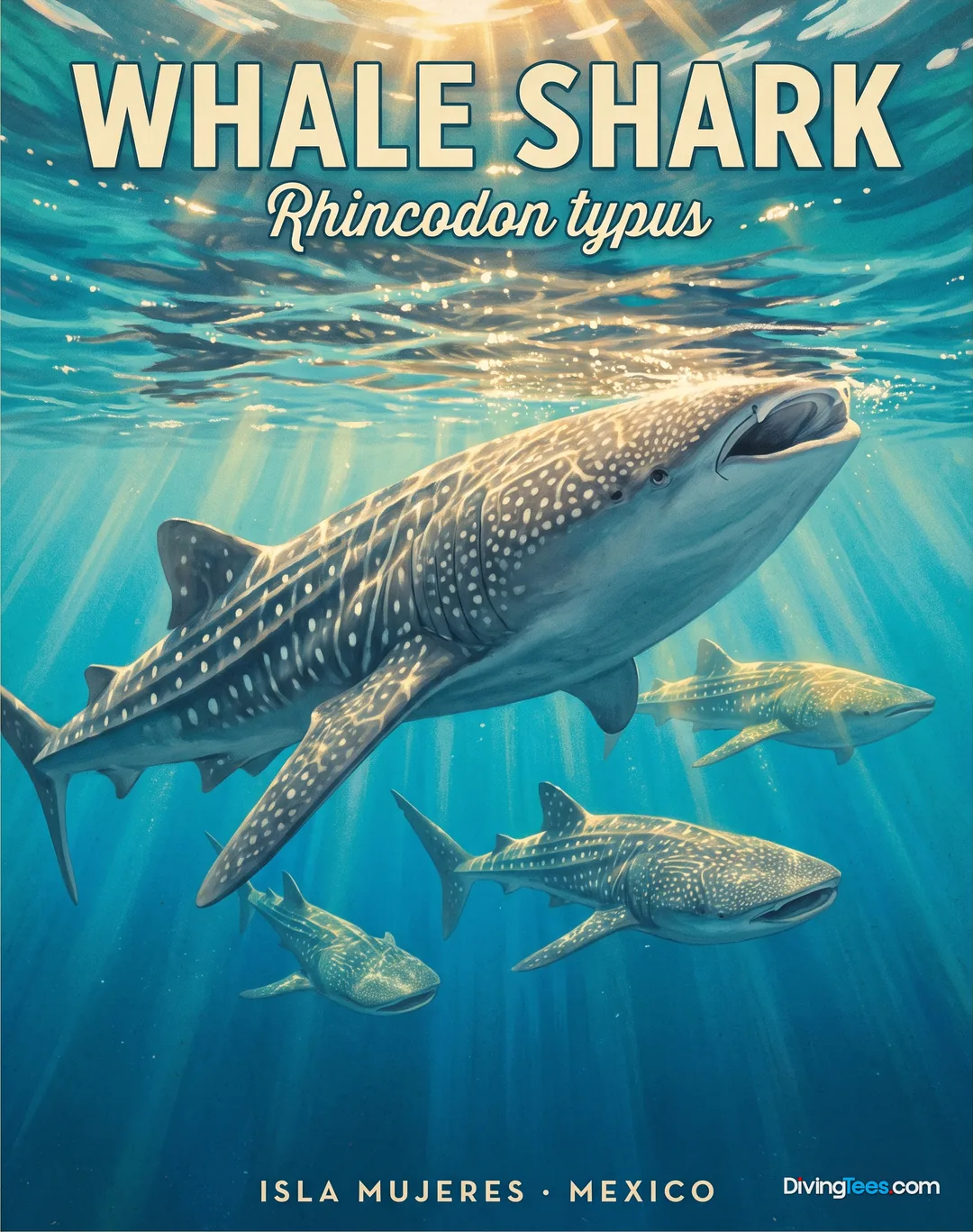
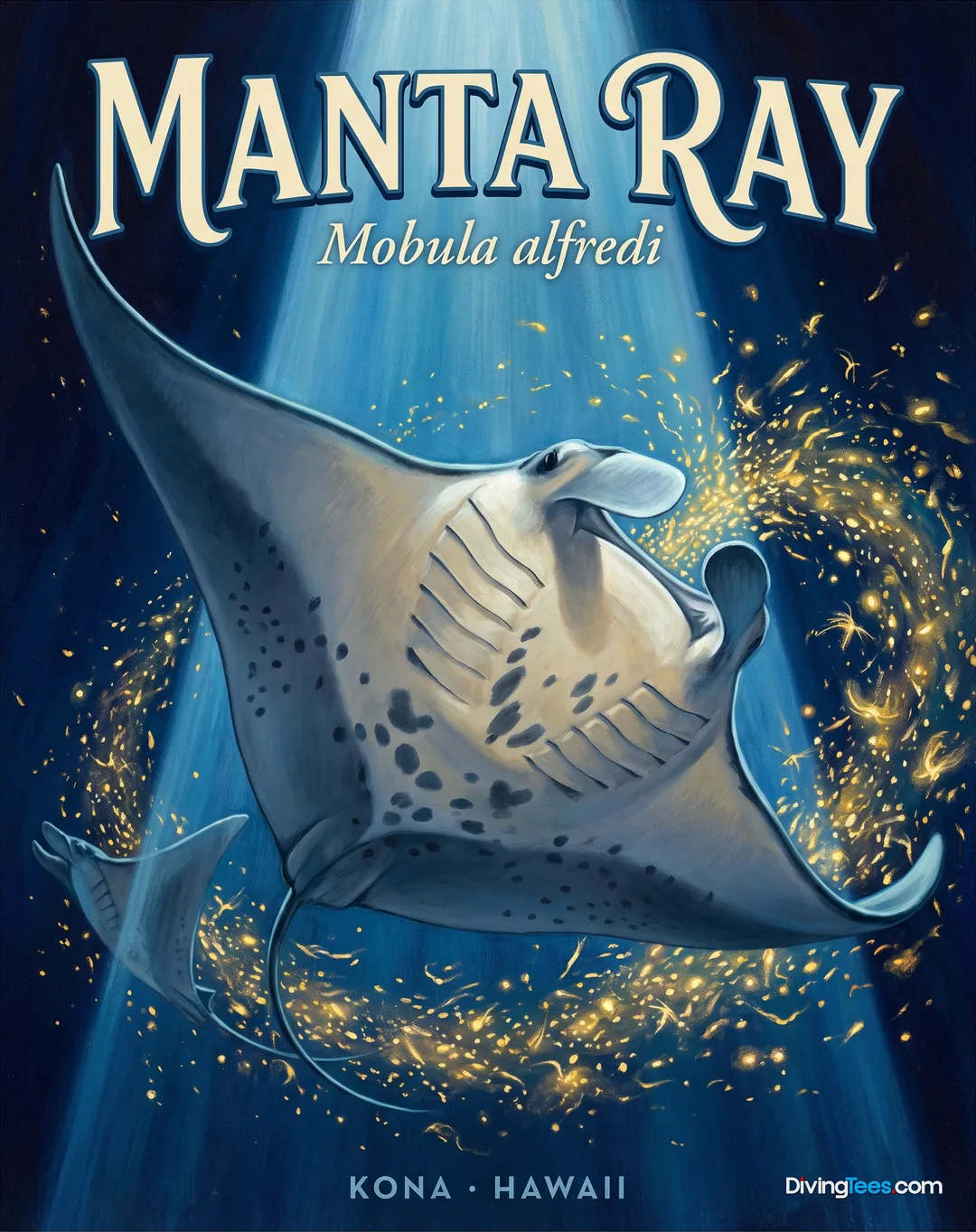
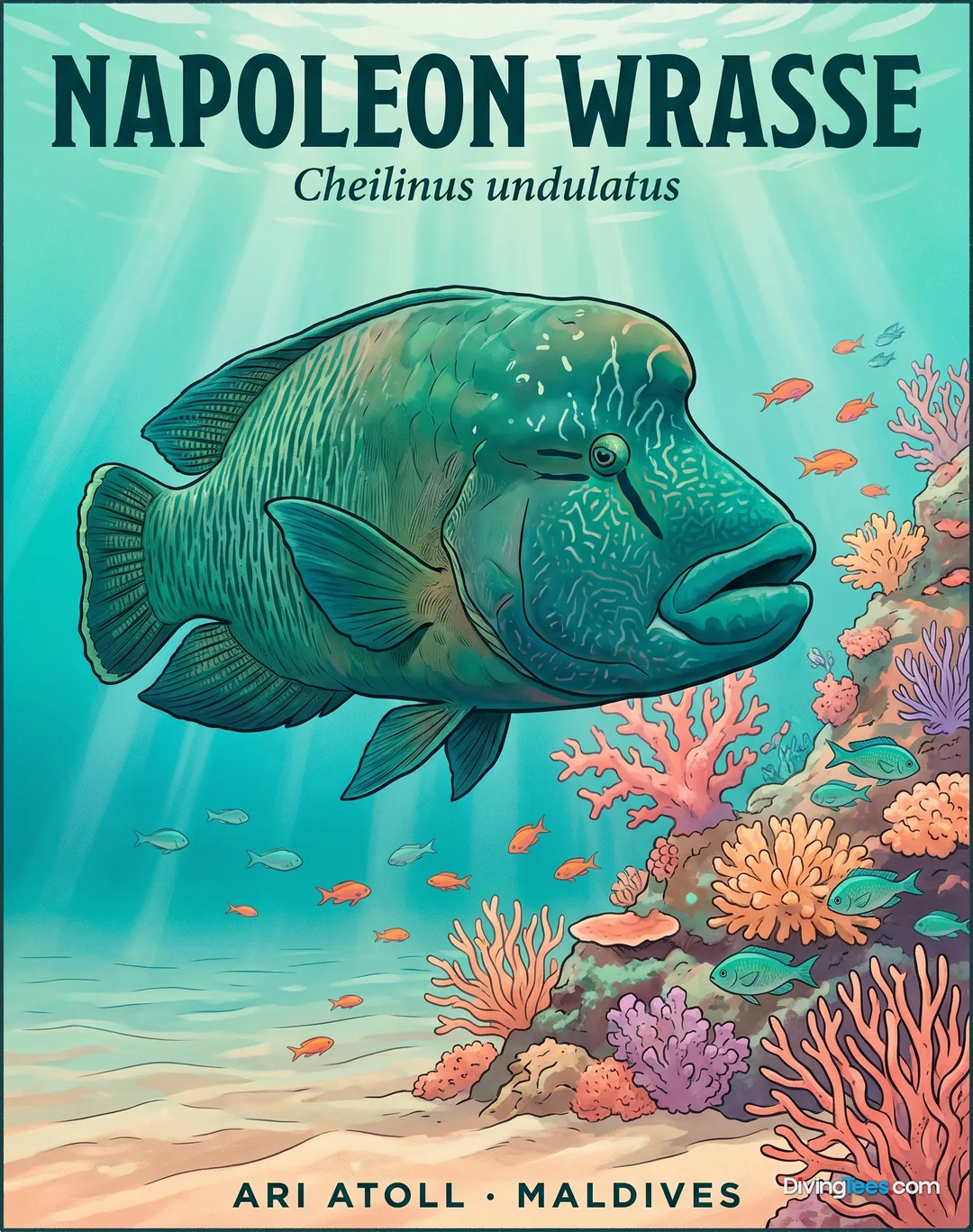
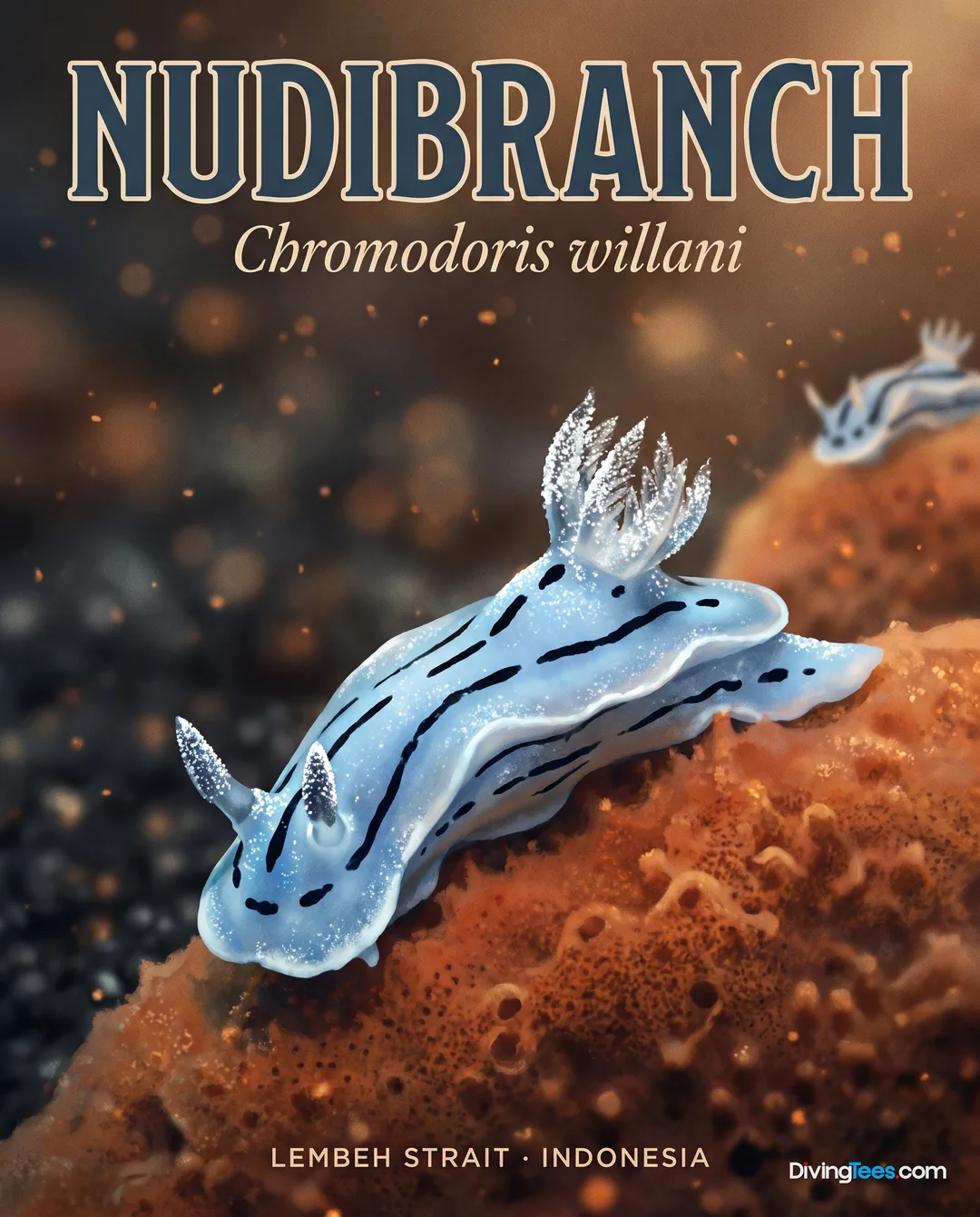
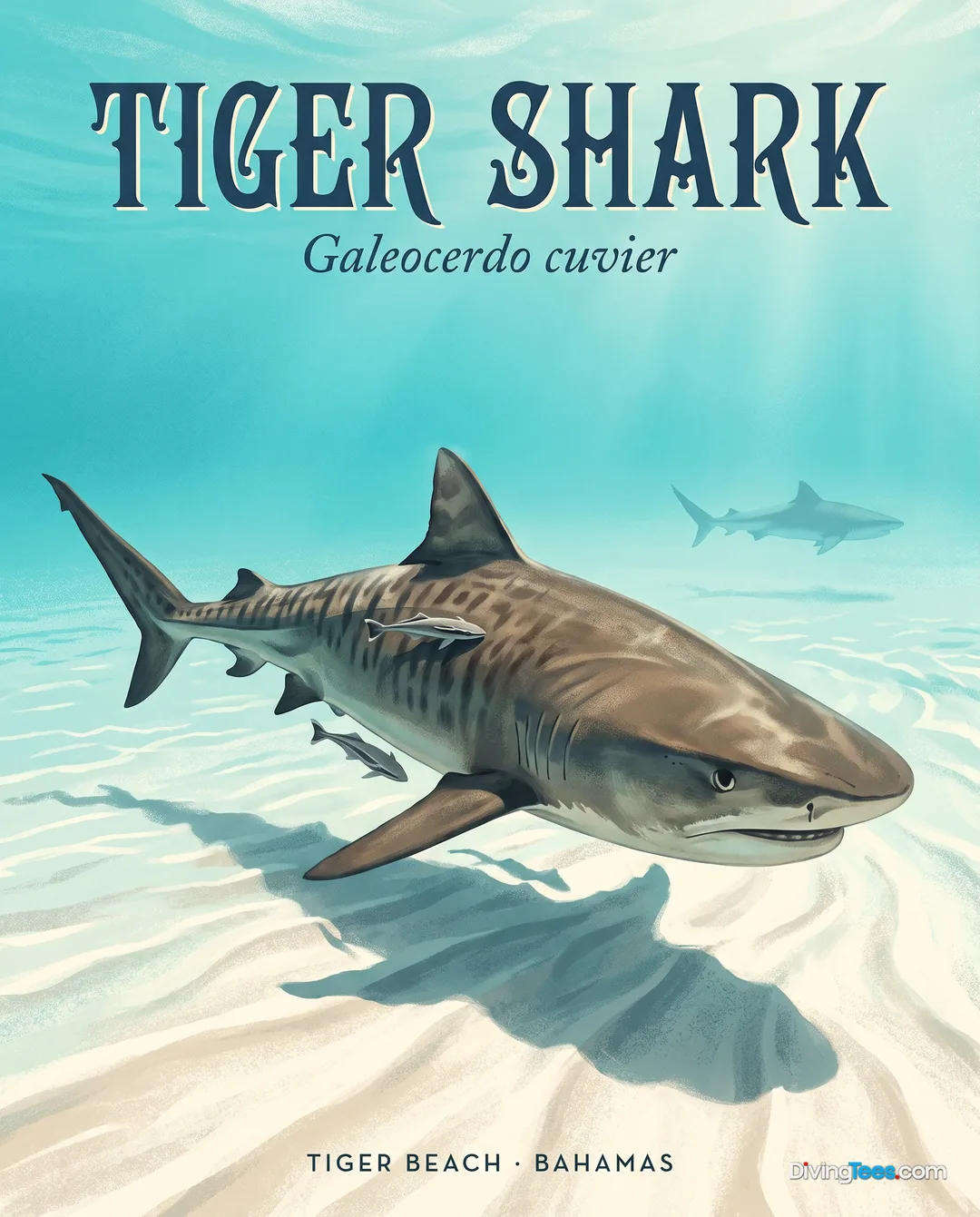
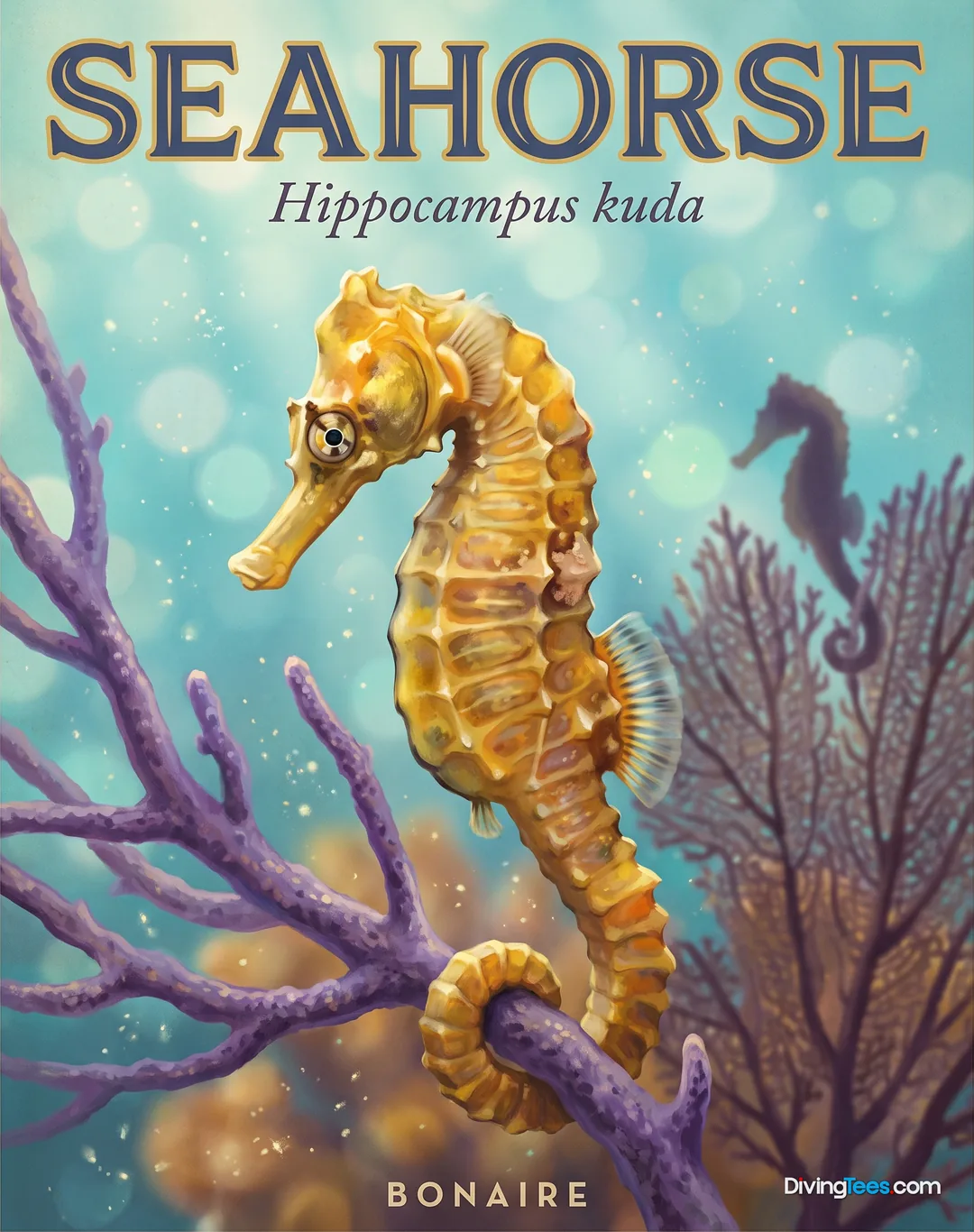
This is a route for divers who look beyond coral scenery. Barracudas, dolphins, reef sharks, sea turtles and morays recur across much of the route, with dugongs, Napoleon wrasse, manta rays, tuna, groupers, reef fish, nudibranchs, octopuses, scorpionfish and soft corals also recorded at several sites. The one-site encounters give each stop a sharper reason to exist: white-tip reef sharks and anemones at Brothers Islands; black-tip sharks, tiger sharks and fusiliers at Elphinstone; seahorses at House Reef; damselfish at Marsa Mubarak; and a stonefish at Marsa Nakari House Reef. Shaab Umm Gamar is the place for sweetlips, batfish and angelfish. Abu Galawa Soghayar is notable for glassfish around its small sailboat wreck. Strong currents at Rocky Island and Zabargad can bring pelagic life close, but sightings remain conditions-dependent. The animal list is broad; the reason to choose the route is the chance to meet different animals in very different Red Sea settings.
Who puts you in the water
A naturalist guide is included, and the crew speaks English. The boat also provides a snorkeling guide, which matters on itineraries built around dolphins, dugongs and other surface encounters. Briefing format, guide-to-diver ratios, instructor qualifications, minimum logged dives, course availability and recall procedures are not described. Safety equipment aboard includes oxygen, first-aid kits, life rafts, life jackets, fire alarms and extinguishers, radar, GPS, VHF/DSC/SSB radio, an emergency position-indicating radio beacon and distress flares. A mobile and satellite communications setup and a spotlight are also carried. The practical picture is therefore solid on emergency equipment and language, but incomplete on how dive groups are divided and who leads each group.
The dive deck and the gear
The dive deck is shaded and built around a proper platform, with rinse tanks, a separate rinse tank for cameras and tenders for divers. DIN adapters are available, and sidemount diving is supported. Nitrox is available as an optional extra, while the dive package and night dives are included. The equipment-rental listing is present, but no tank volume, tank material, compressor type, rental brands, SMB provision or tender count is given. The same applies to the way divers enter and leave the water beyond the platform and tenders. That makes the key strengths clear—shade, camera handling, DIN compatibility and a working platform—without pretending to know the details that determine whether a particular setup suits a technical or heavy-camera diver.
Between dives
Between dives, the shaded dive area is the practical refuge from the Red Sea sun. The air-conditioned salon gives divers somewhere cooler to sit with a book, review a camera or wait for the next briefing, while the observation deck and outdoor dining area move the day back into the open air. There is a bar, a library and audio-video entertainment, but the boat's strongest use of quiet time is simple: rinse the salt from the body, dry equipment, eat, then watch the surface from a shaded seat. A separate camera rinse tank protects that transition from the next dive. Snorkelers have their own equipment and a snorkeling guide, so non-divers are not left waiting for the scuba group to return.
A day on board
The day is organised around diving rather than around a clock. A briefing comes before the first entry, equipment is checked on the shaded deck, and the platform sends divers into the water for the site's planned descent. After surfacing, the tender supports the return, tanks are dealt with, cameras go into the separate rinse tank and food or snacks bridge the interval before the next dive. The route can include repeated daytime dives, and night dives are included, so darkness becomes another part of the itinerary rather than an optional afterthought. Between entries, the salon, observation deck and outdoor dining area provide the places to eat, cool down or watch the sea. The boat moves when the route requires it, then the same sequence begins again: briefing, water, recovery, food, rest. No fixed onboard times are published, so the order is more useful than an invented schedule.
What you eat aboard
Meals are served full board, with buffet service, local cuisine and snacks available throughout the day. Non-alcoholic drinks, drinking water, tea and coffee are included; beer and wine are available, while alcoholic drinks are extra. On a four-dive day, the important point is the timing: food is there to restore energy between water entries, not just to make one large evening meal. The buffet format also works for a mixed group, with divers eating quickly when the next briefing is close and non-divers taking more time. Welcome cocktails mark the start, but the useful parts of the food service are the repeated snacks, the local dishes and the steady supply of water and hot drinks.
Nights at sea
The cabin choice is simple: Lower Deck Cabin, Upper Deck Cabin or Upper Deck Suite. All cabins are air-conditioned, have a private bathroom and standard windows; the cabin deck is the upper deck, and sea views are part of the boat's layout. That gives the nights a practical character rather than a hotel-room promise: you close the door, control the temperature and have a private shower after a day in salt water. The air-conditioned salon offers another place to cool down before sleep. Cabin towels and deck towels are included, as are hot-water showers. The useful question is not whether the boat has decorative space, but whether the cabin gives enough separation from the busy dive routine. Queen Sherry provides the essentials cleanly, while the suite is the option for more room within the same compact liveaboard rhythm.
Lower Deck Cabin
Upper Deck Cabin
Upper Deck Suite
What to know before boarding
Queen Sherry departs from Marsa Alam and returns to Marsa Alam. Airport and hotel transfers are included, covering the journey to and from the boat. Transfer arrangements are communicated for the trip rather than left for guests to organise at the dock. Arriving in Marsa Alam the night before is the sensible way to protect the first morning from flight delays.
Deck plan
- Year built
- 2021
- Length
- 32 m
- Maximum number of passengers
- 24
- Number of cabins
- 12
- Engines
- 2 × Man 610 hp
- Website
- divesafarimaster.com ↗
Hello, I'm Marina, DivingDeal.com's AI assistant. I answer in detail about hotels, dive centres and liveaboards.

Thinking about the whole trip and the flights? Talk it over with Edith →
Marina is an AI. Some links are affiliate links: DivingDeal may earn a commission, at no extra cost to you. Bookings are made with the partner.