Liveaboards · Egypt
Ashrafi — a modern Red Sea liveaboard built for diving and kite adventures
What makes this boat unique
- Ashrafi was built in 2021 and renovated in 2023, with 12 cabins and private bathrooms for up to 24 passengers.
- The Northern Red Sea route runs from Hurghada to Hurghada over 8 days and 7 nights, with shorter 3-day and 2-night departures also recorded.
- The dive operation includes nitrox, DIN adapters, technical and sidemount diving, night dives, two Zodiac support boats and a separate camera rinse area.
- Full-board dining combines local and Western food with vegan and vegetarian choices, snacks throughout the day and non-alcoholic drinks.
- The boat welcomes snorkelers and non-divers as well as divers, with English-speaking crew and a local dive guide named Youssef.
The invitation
Ashrafi is aimed at divers who want the Red Sea under the hull and a boat that can accommodate more than one kind of traveller. Its programme combines diving with kite adventures, while the full-board kitchen takes food seriously rather than treating it as an afterthought. The Northern Red Sea itinerary brings walls, coral gardens, shallow lagoons and sites where dolphins or larger reef animals may pass. On board, non-divers and snorkelers are welcome, so a family or mixed group does not have to split up for the week. The choice is simple: come for a dedicated diving platform, nitrox and night dives, but keep a more relaxed shared boat around the water.
Boarding
Ashrafi makes a relatively recent impression: the boat was built in 2021 and renovated in 2023. Its cabins sit on the upper deck in the middle of the boat, and the bay windows give them a direct connection with the sea rather than the enclosed feeling of a lower-deck berth. The layout is divided between lower-deck cabins, upper-deck master suites and an upper-deck twin cabin, all with private bathrooms. A shaded dive area, outdoor terrace and observation deck keep the boat oriented around life outside the cabin. Two support boats are carried for the diving operation, so the main vessel can remain clear while divers are taken to and collected from the sites.
The atmosphere on board
Ashrafi is set up for a mixed group: divers, snorkelers and non-divers can all use the boat without the trip becoming a pure transfer between cabin and dive platform. The crew speaks English, and the local team includes Youssef as the recommended dive guide. That gives the boat a recognisable human point of contact without pretending that every detail of the guiding system is known. The capacity is limited to 24 passengers, enough for a real group atmosphere but not the scale of a ferry. Evenings can move from the outdoor dining area to the bar or the indoor lounge, with the sea, the day’s dives and the next site providing most of the conversation.
The sites you’ll dive
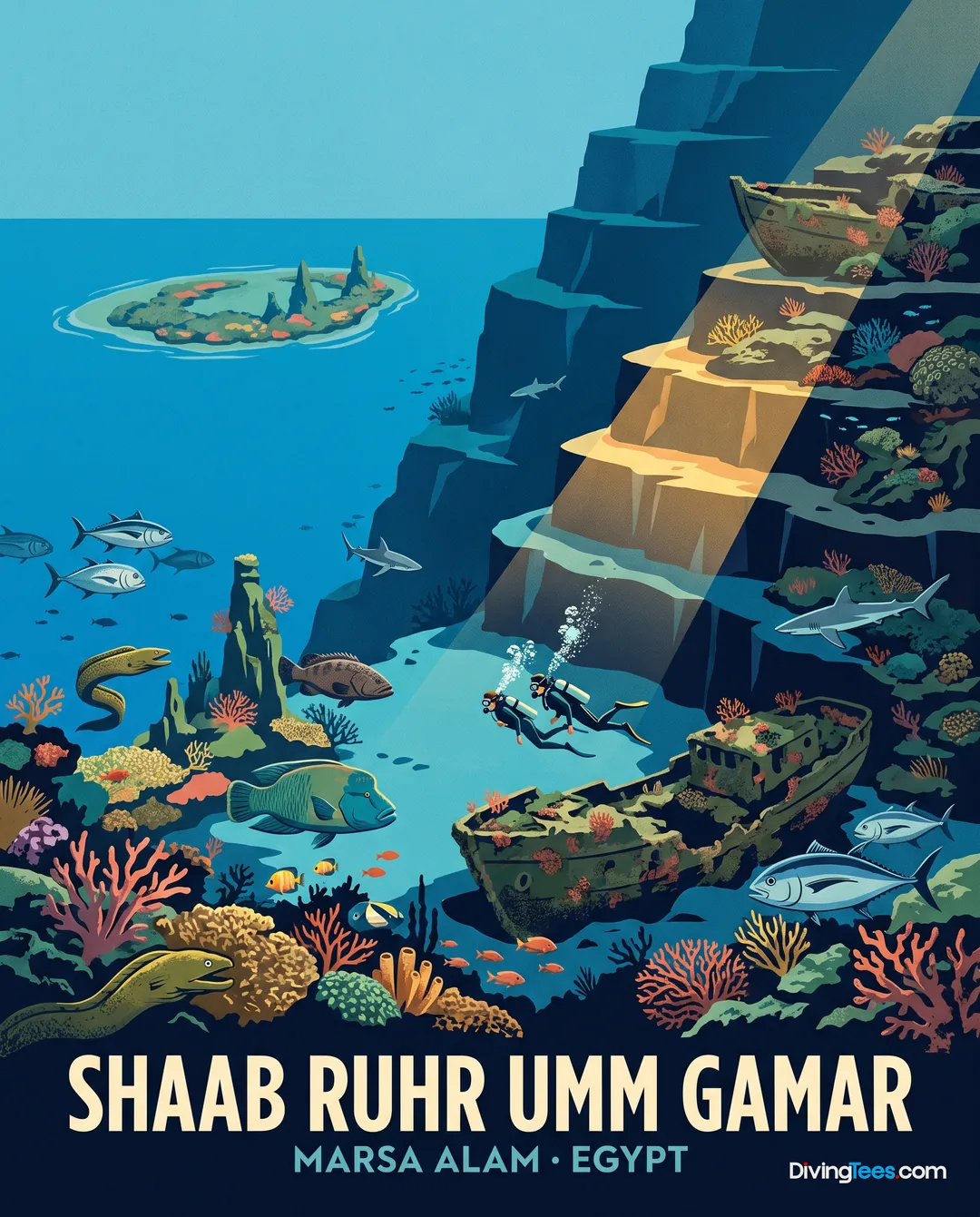
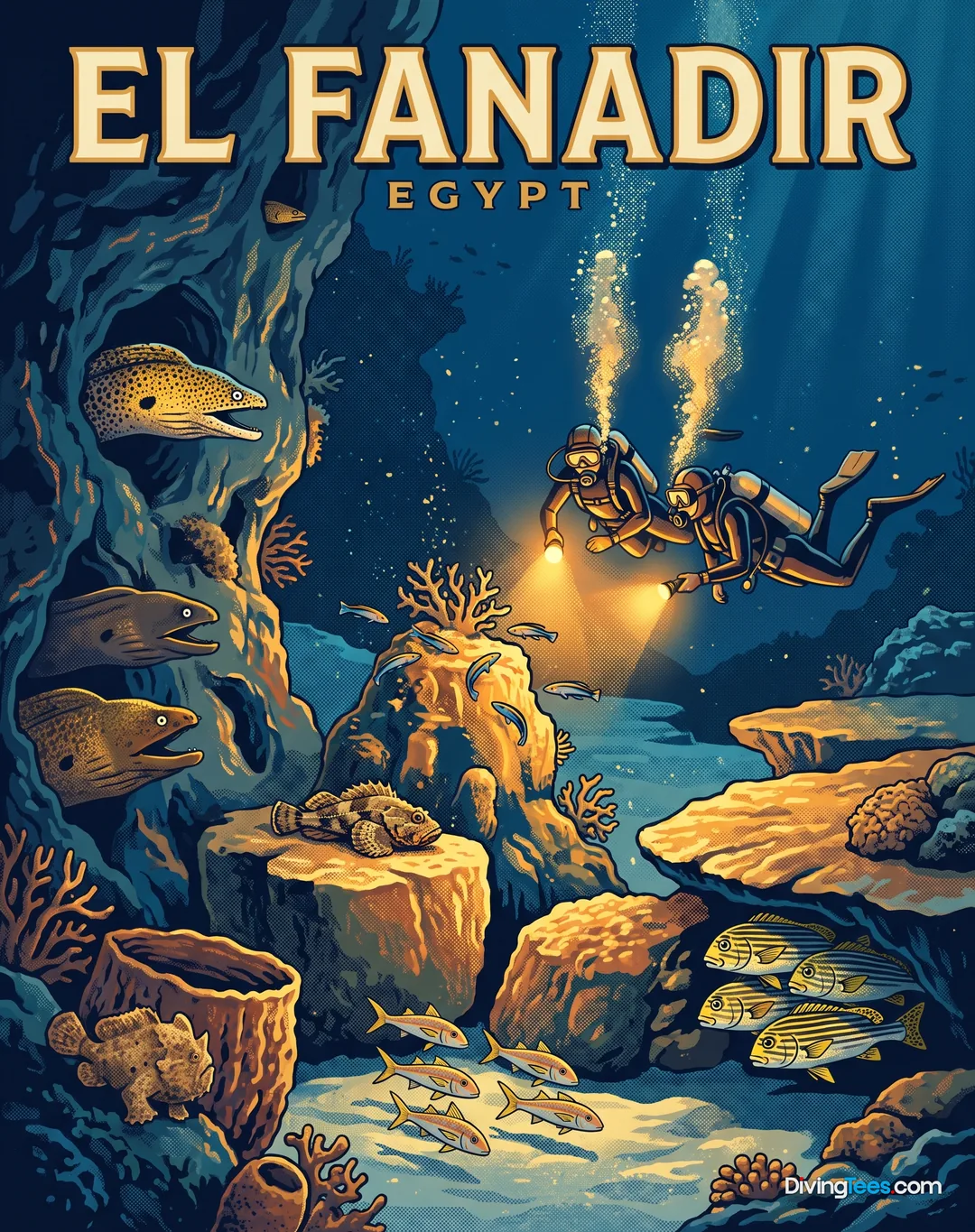
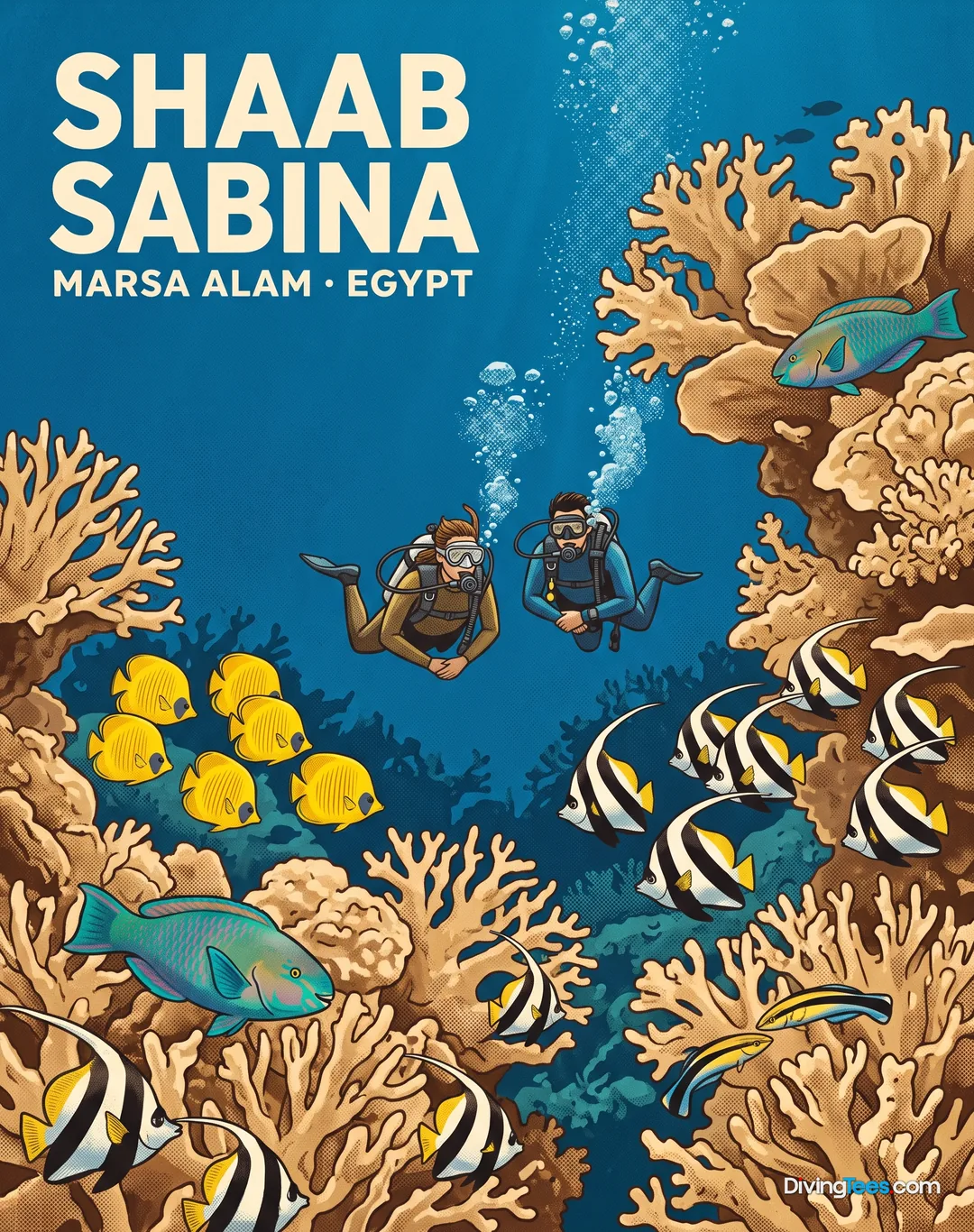
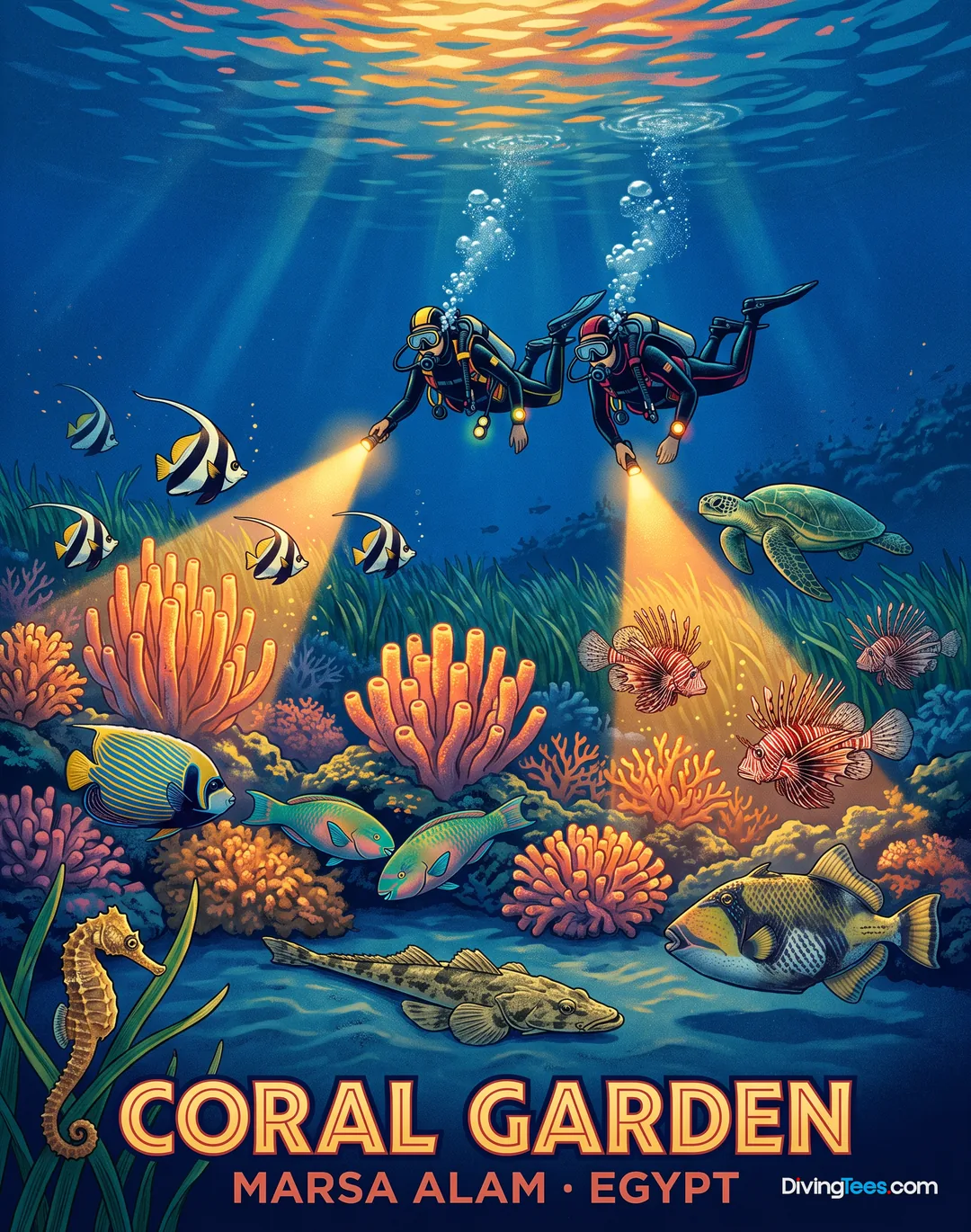
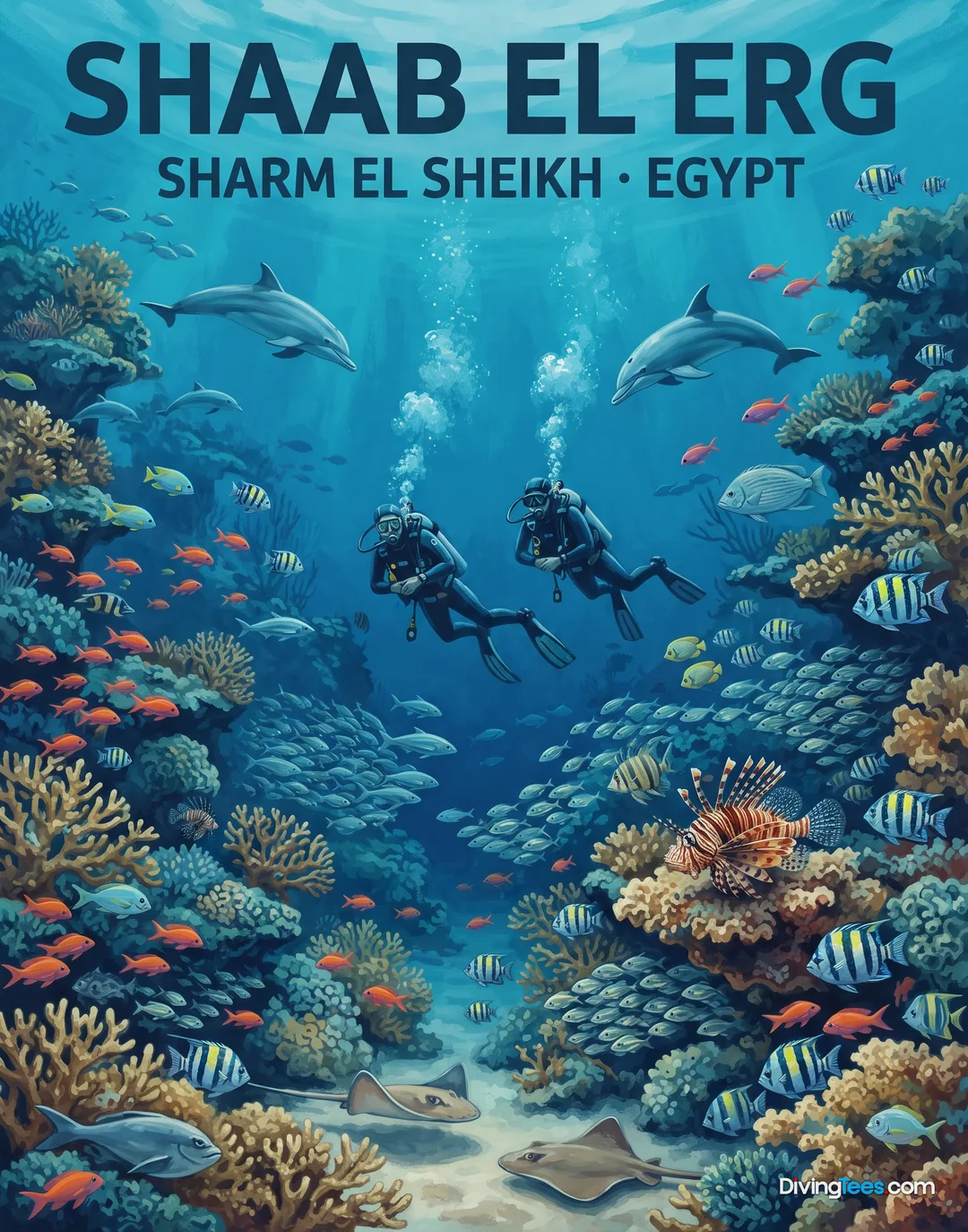
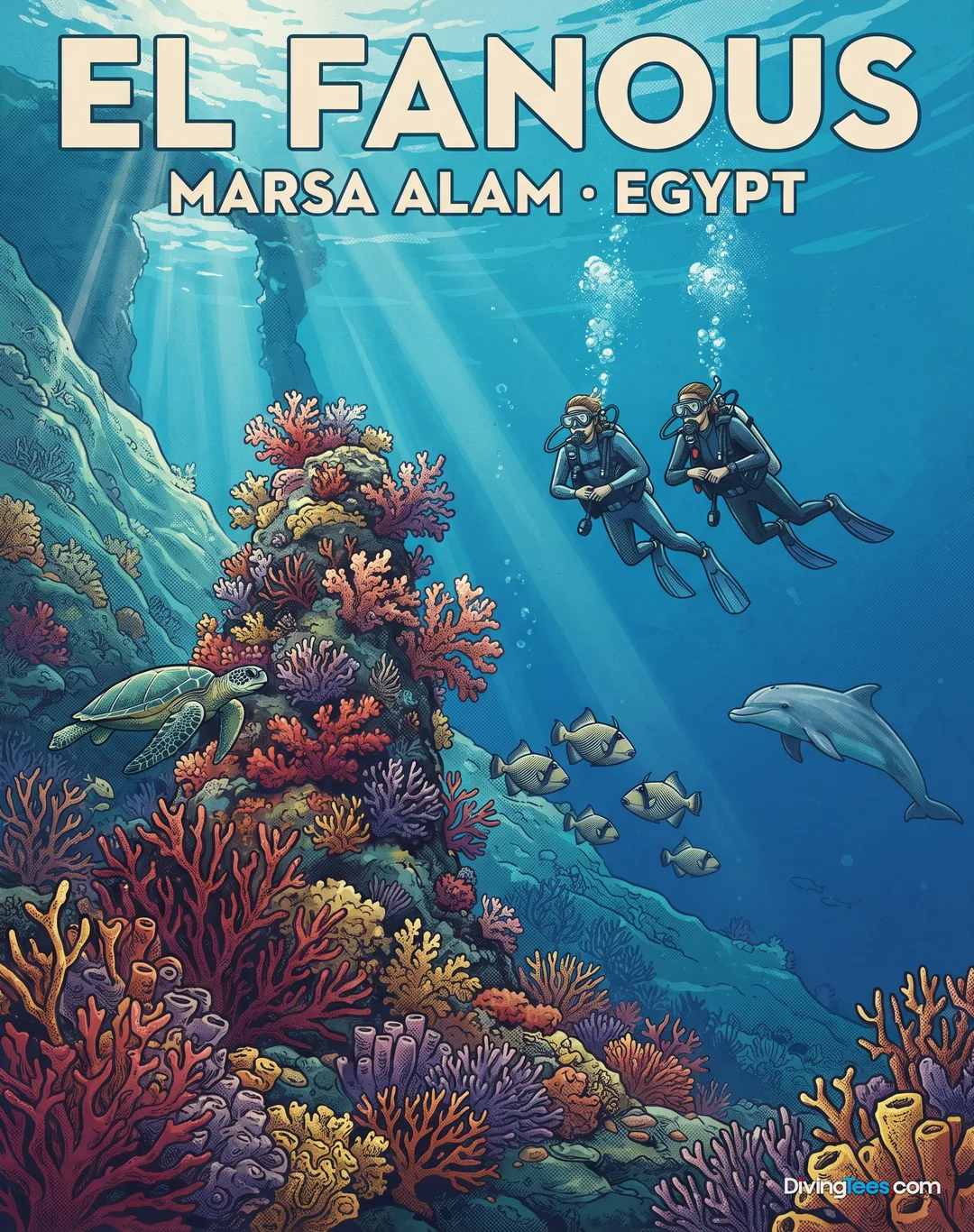
The Northern Red Sea route runs Hurghada to Hurghada over 8 days and 7 nights, with shorter Hurghada-to-Hurghada trips of 3 days and 2 nights also recorded. Shaab Ruhr Umm Gamar combines an oval reef full of fish with a plateau scattered with small pinnacles and the ghostly remains of at least three wrecks; the maximum depth is -40m. El Fanadir follows a lively wall to a shallow coral pinnacle with a cleaning station, reaching -40m. Shaab Sabina is shallower, at -14m, and opens into a maze-like coral garden. Shaab El Erg brings classic Red Sea reef scenery and is known on this route for possible spinner dolphin encounters. El Fanous West reaches -15m and links protected reef to a calm lagoon, while El Fanous East descends to -18m across a sloping coral garden with two ergs rising from sand and dolphins sometimes passing nearby.
Itineraries, dates and prices
Prices per person. Each month shows its lowest price: click a month, or pick an itinerary.
Next departures · 6 departuresfrom £829$1,108€990
November 2026
December 2026
See dates and prices
If you click these links and make a purchase on the partner site, DivingDeal may earn a commission, at no extra cost to you.
Dates and prices taken from Divebooker and liveaboard.com, updated 23 October 2026
What you’ll meet underwater
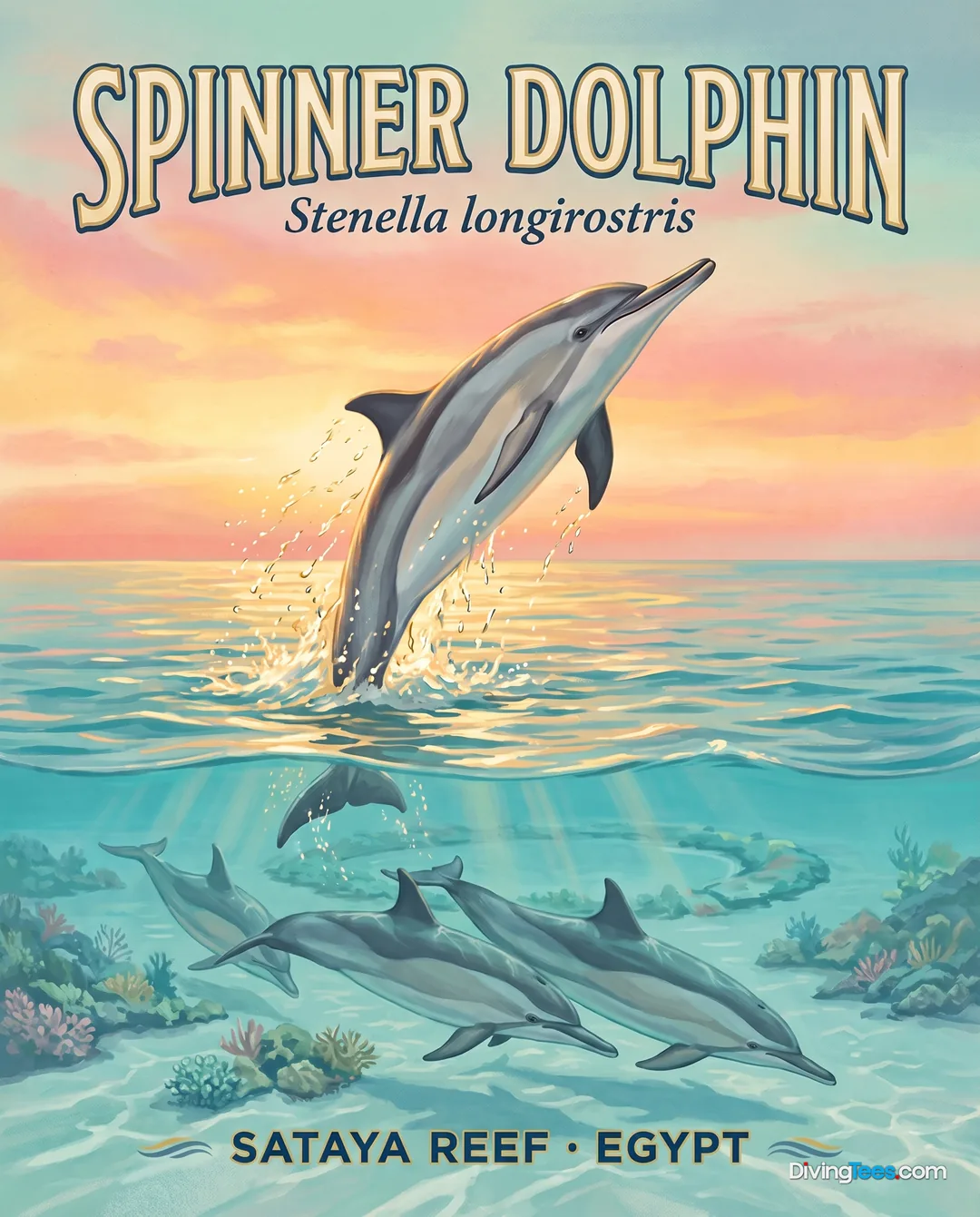
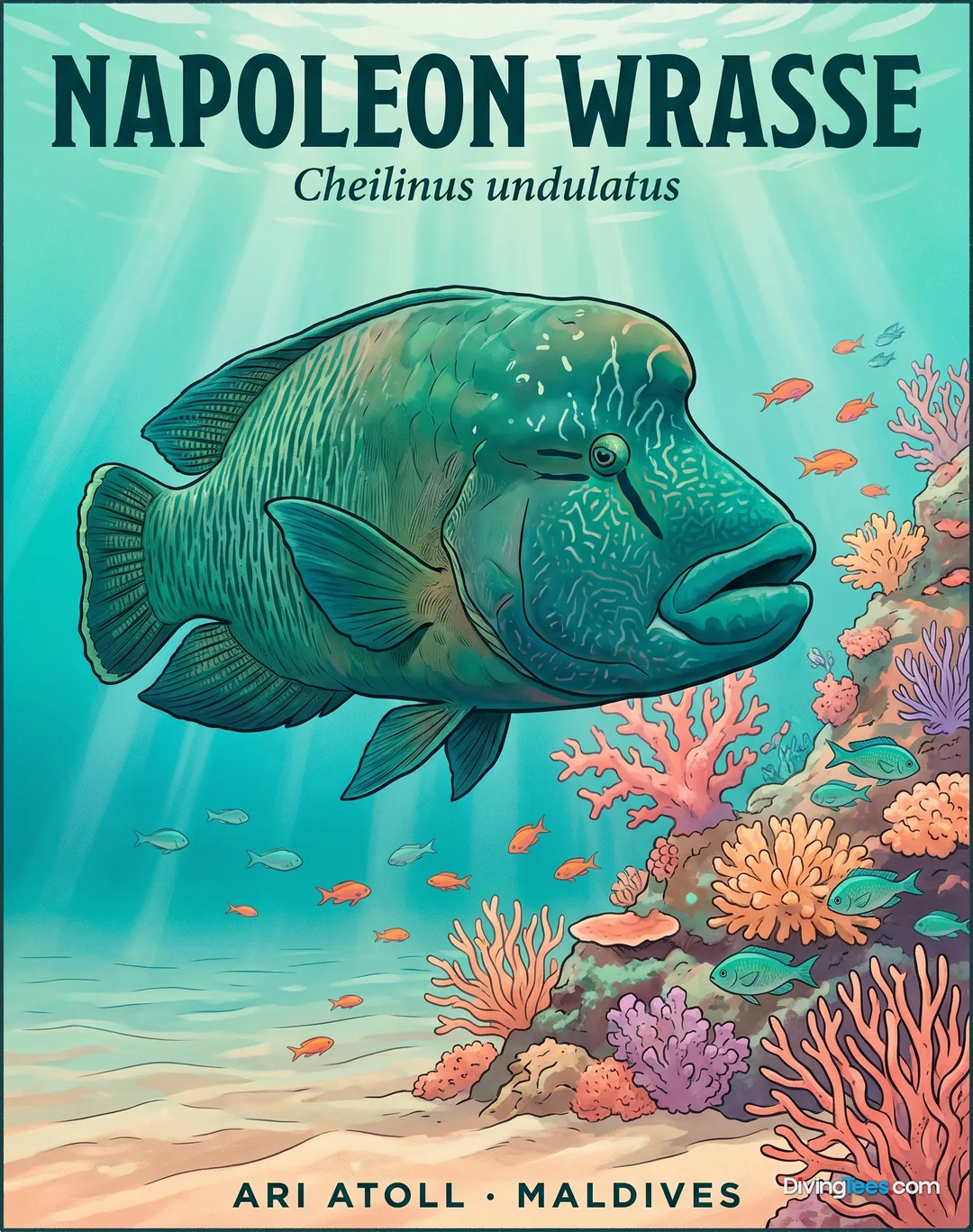
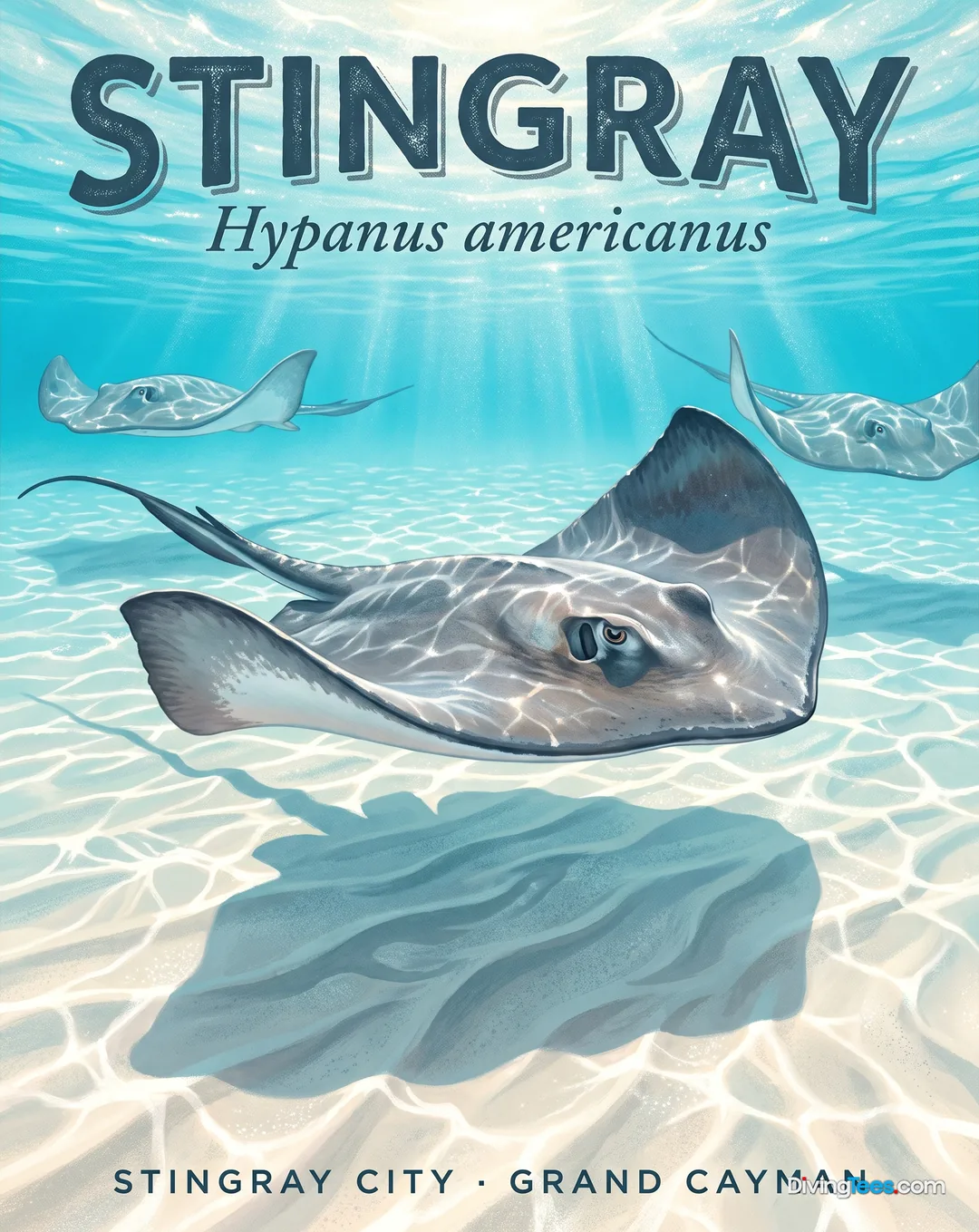
The recurring cast on this route is made up of sea turtles, dolphins, anthias, giant morays, scorpionfish, butterflyfish and parrotfish, recorded across several of the listed sites rather than confined to one signature dive. The site-specific rewards are more revealing. Shaab Ruhr Umm Gamar is the place associated with grey reef sharks, reef sharks, giant groupers, groupers, Napoleon wrasse, tuna and jacks, alongside the wreck remains and reef pinnacles. Shaab El Erg is the site to watch for barracuda and spinner dolphins. Shaab Sabina adds hard and soft corals and damselfish within its broad garden. At El Fanadir, a cleaning station on the shallow pinnacle gives morays and other reef fish a particular reason to hold their attention. El Fanous East and West are also listed for dolphins, turtles and blue-spotted or blotched stingrays in their shallow reef and lagoon settings.
Who puts you in the water
Youssef is the recommended dive guide, and the crew speaks English. The boat carries oxygen and first-aid kits, with crew trained in first aid. Navigation and communication equipment includes VHF/DSC/SSB radio, GPS, radar, an emergency locator beacon, and satellite or mobile phones. A private dive guide is available as an optional service for divers who want individual supervision.
The dive deck and the gear
The dive deck is built around a shaded working area, a dedicated platform and two 5.5-metre Zodiac support boats, each powered by a 40 HP engine. Divers can use DIN adapters, and the operation supports technical and sidemount diving as well as standard recreational equipment. Nitrox is available as an optional extra; the blending system and mix procedure are not detailed. The deck has rinse tanks, with a separate rinse area for cameras, plus charging stations and outdoor showers. Rental equipment can be arranged, but brands and tank volumes are not specified. Night dives are included in the diving package, and the boats’ role is clear: they take divers out to the site and bring them back while Ashrafi remains the base.
Between dives
Between dives, Ashrafi gives the group several ways to come off the deck without disappearing into a cabin. The shaded dive area protects the equipment work, while the terrace and observation deck offer open air when the water is calm and the view is worth following. The air-conditioned indoor lounge is the fallback in the heat. Photographers have a dedicated area, camera charging stations and a separate camera rinse tank, so a wet camera does not have to share the ordinary gear routine. For a quieter interval there is a library; for a more social one, outdoor dining, the bar and audio-video entertainment. Wi-Fi is available when the boat has a connection.
A day on board
A day on Ashrafi is organised around the dives rather than a sightseeing timetable. A briefing comes before entering the water; after the dive, the Zodiac returns divers to the platform, where the shaded deck, rinse tanks and showers handle the transition back to the boat. Meals and snacks break up the surface intervals, and the terrace, lounge or observation deck take over until the next briefing. Some movement between sites happens while the group is eating or resting, although the exact sailing schedule is not fixed here. The day finishes with a night dive when included in the programme, followed by the return to the boat, a meal or snack and the quieter part of the evening.
What you eat aboard
Meals are served full board, with buffet service, local and Western dishes, vegan and vegetarian options, snacks throughout the day and complimentary non-alcoholic drinks. The food is described as gastronomic, but the useful detail is the range: a diver can eat familiar food, try local cooking or keep to a plant-based diet without planning around shore restaurants. A beach barbecue is part of the programme, and the bar also serves welcome cocktails. On a boat built around repeated dives, that matters. Meals and snacks are not decoration between excursions; they are the fuel stops that keep the surface intervals from becoming an exercise in waiting.
Nights at sea
The cabin choice is practical rather than complicated: lower-deck cabins, upper-deck master suites and an upper-deck twin cabin. Cabins have air conditioning, private bathrooms, hot-water showers and daily housekeeping; the upper-deck cabins are positioned midships and have bay windows. That location matters on a week at sea: the main movement of the boat is not concentrated at the bow or stern of those cabins. The rest of the vessel gives nights a choice of spaces rather than forcing everyone into one salon, with an air-conditioned indoor lounge, terrace, observation deck and outdoor dining area. Ashrafi also has a library and audio-video entertainment for the hours when the sea is quiet and the dive gear is drying.
Lower Deck Cabins
Upper Deck Master Suites
Upper Deck Twin Cabin
What to know before boarding
Ashrafi departs from and returns to Hurghada. Airport and hotel transfers are included. Arriving in Hurghada the night before is the sensible choice, leaving room for a delayed flight without putting the boat’s departure at risk.
Deck plan
- Year built
- 2021
- Year renovated
- 2023
- Length
- 30 m
- Beam
- 7.6 m
- Maximum number of passengers
- 24
- Number of cabins
- 12
- Number of bathrooms
- 12
- Engines
- 2 × Daewoo 720 hp each
- Cruising speed
- 12 knots
- Tenders
- 2 Zodiac support boats (5.5 m, 40 hp each)
- Website
- crystalreefadventures.com ↗
Hello, I'm Marina, DivingDeal.com's AI assistant. I answer in detail about hotels, dive centres and liveaboards.
Thinking about the whole trip and the flights? Talk it over with Edith →
Marina is an AI. Some links are affiliate links: DivingDeal may earn a commission, at no extra cost to you. Bookings are made with the partner.