Liveaboards · Egypt
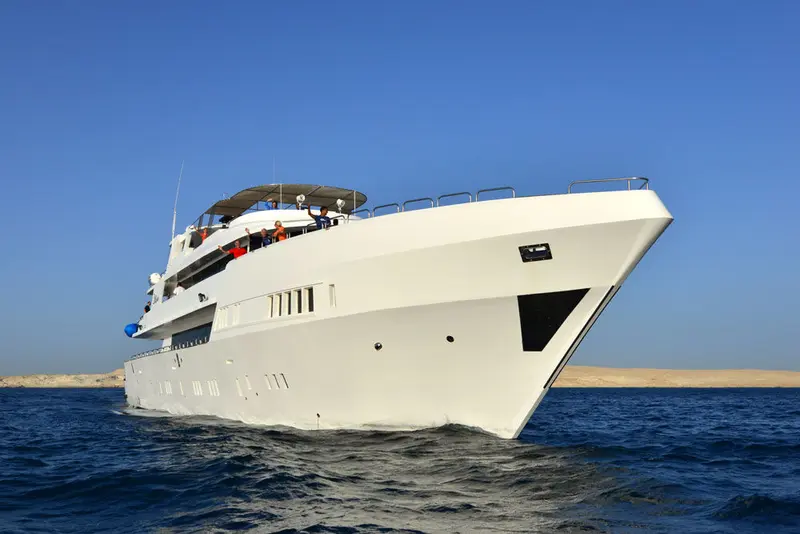
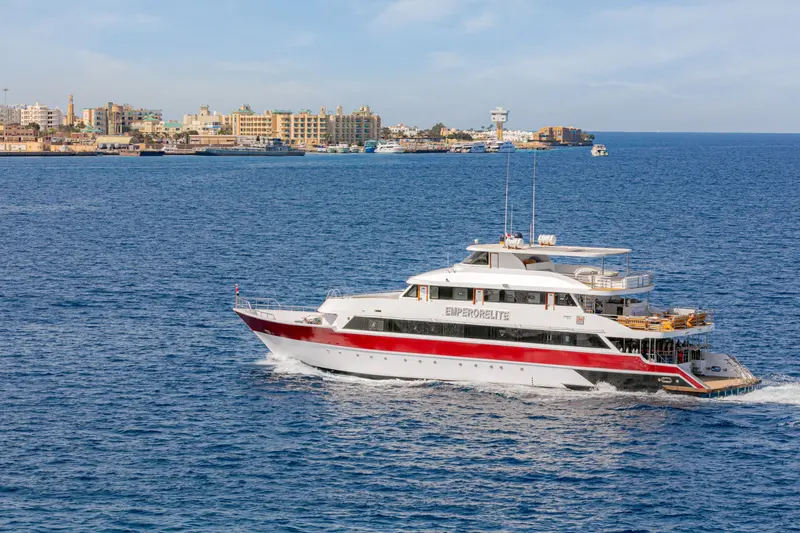
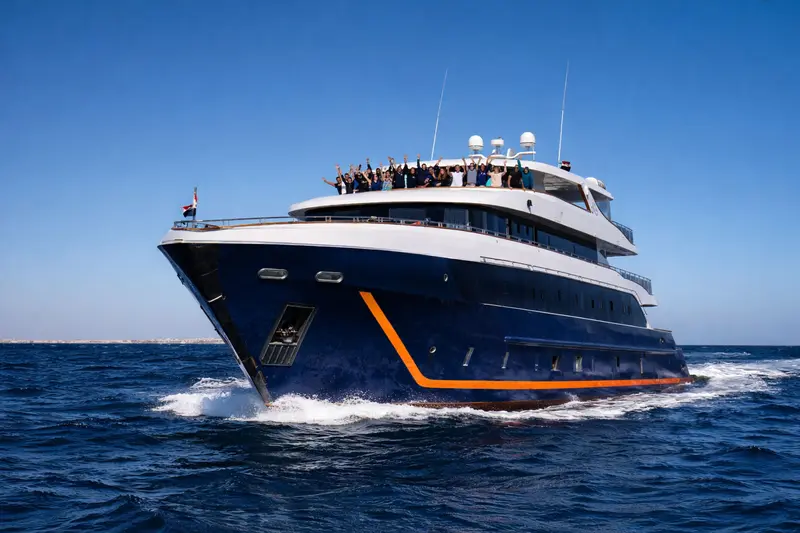
Blue Storm — a modern Egyptian liveaboard built around diving
What makes this boat unique
- A modern 40-metre yacht for up to 24 guests, with 11 air-conditioned cabins and a private bathroom in every cabin.
- Nitrox 32 is free for certified nitrox divers, with DIN fittings, rinse tanks, charging stations and a spacious dive platform.
- Routes run from Hurghada or Port Ghalib to sites including the Brothers, Daedalus, Elphinstone, Rocky Island, Zabargad and Fury Shoals.
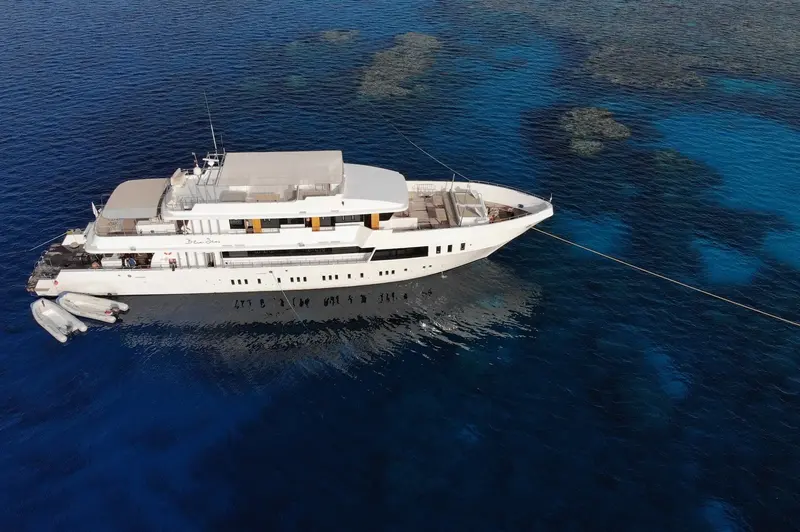
- The boat carries one large 6.2-metre tender with an 85-horsepower outboard and two smaller Yamaha tenders with 40-horsepower engines.
- Vegetarian meals, local and Western dishes, buffet service, soft drinks, water, tea, coffee and snacks are provided on board.
For subtitles in English: start the video firstthen click the gearat the top right of the video, select “Subtitles/CC”, then “Auto-translate” and choose “English”.
The invitation
Blue Storm suits divers who want the reach of a full Red Sea liveaboard without giving up a proper private cabin. The boat is designed first around the dive operation: a broad platform, tenders for reefs that cannot be reached directly, free nitrox for certified divers and enough room to keep the diving gear organised for a week. The routes are the reason to come. From Port Ghalib, the boat can head south towards Daedalus, Brothers, Elphinstone, Rocky Island, Zabargad or Fury Shoals; from Hurghada, northern reefs and Tiran are also possible. The choice is less about finding a floating resort than choosing a platform that gets a smaller group to serious Red Sea sites. You step aboard looking for long walls, current and pelagic life, then return to a cabin with its own bathroom rather than a bunk and a shared shower.
Boarding
At the dock, Blue Storm presents as a purpose-built modern yacht rather than a converted passenger boat. Its clean layout and dedicated diving spaces make the operation legible from the first walk aboard: cabins and living areas stay separate from the equipment zone, while the dive platform opens directly onto the water. The steel construction and working machinery give it the solid, practical feel expected of a vessel that spends its weeks moving between distant reefs. Two Doosan diesel engines carry the boat at cruising speed, but the point is not speed for its own sake; it is the range to reach the remote southern routes and return with the dive plan intact. Once aboard, movement is straightforward. Gear goes into personal diving boxes, luggage continues to the cabin, and the first briefing covers the boat, safety and diving before the evening meal.
The atmosphere on board
The atmosphere is organised without becoming formal. A tour guide takes guests through the boat, safety, diving and practical details, then the dive briefings give buddy pairs enough information to explore independently instead of following a single crowded line. Divers with fewer logged dives are placed in small groups with more experienced divers or a guide, which keeps the harder sites from becoming a test of confidence. English and German are spoken. By evening, the same people who compared currents at lunch are usually gathered around the meal and the next route discussion, while the crew keeps the boat moving, the tanks filled and the common areas working. Blue Storm scores higher for the boat and food than for the crew and diving, but the balance is clear: the vessel provides modern comfort and reach, while the crew's value is felt in the briefing, the launch and the quiet handling of the day.
The sites you’ll dive
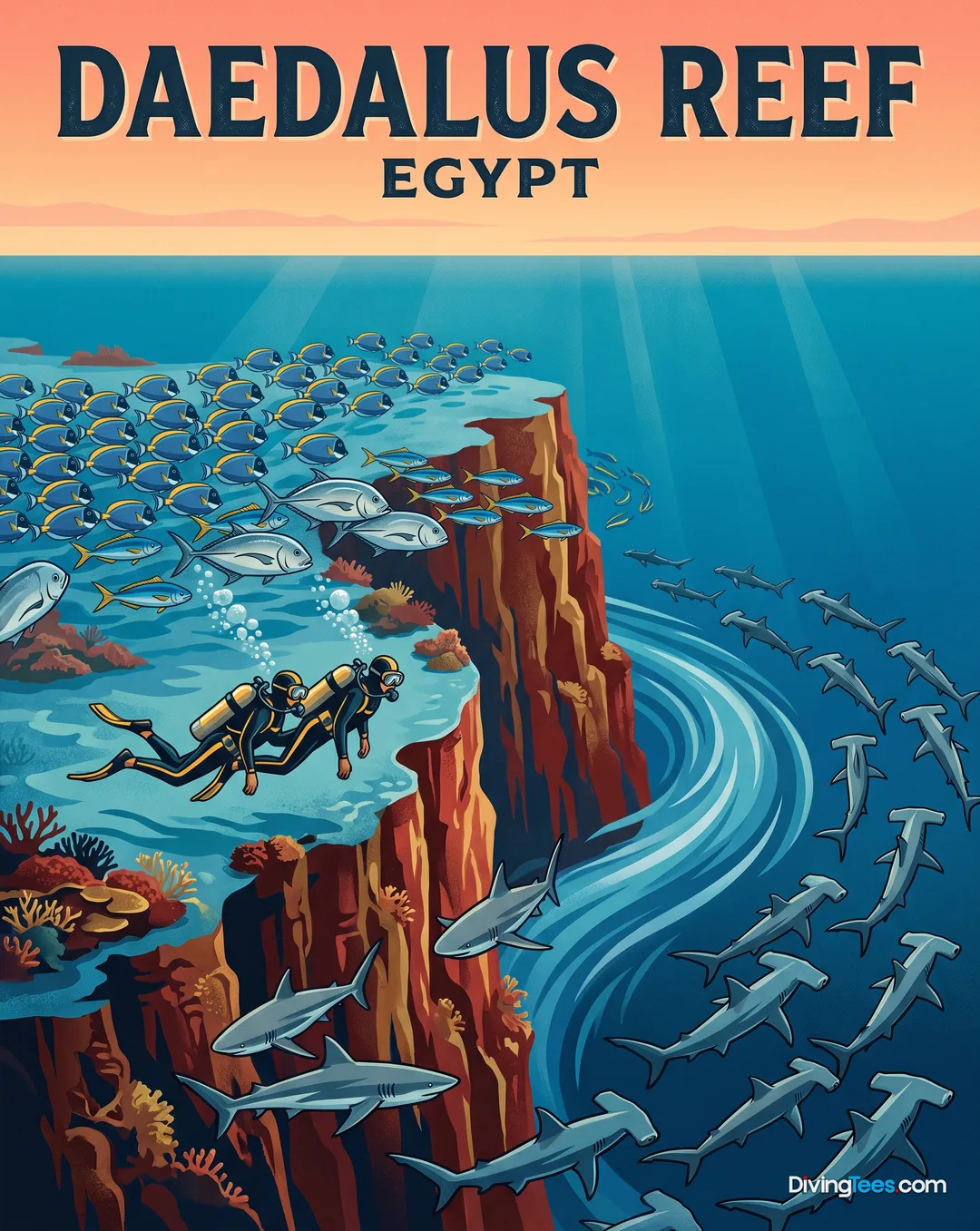
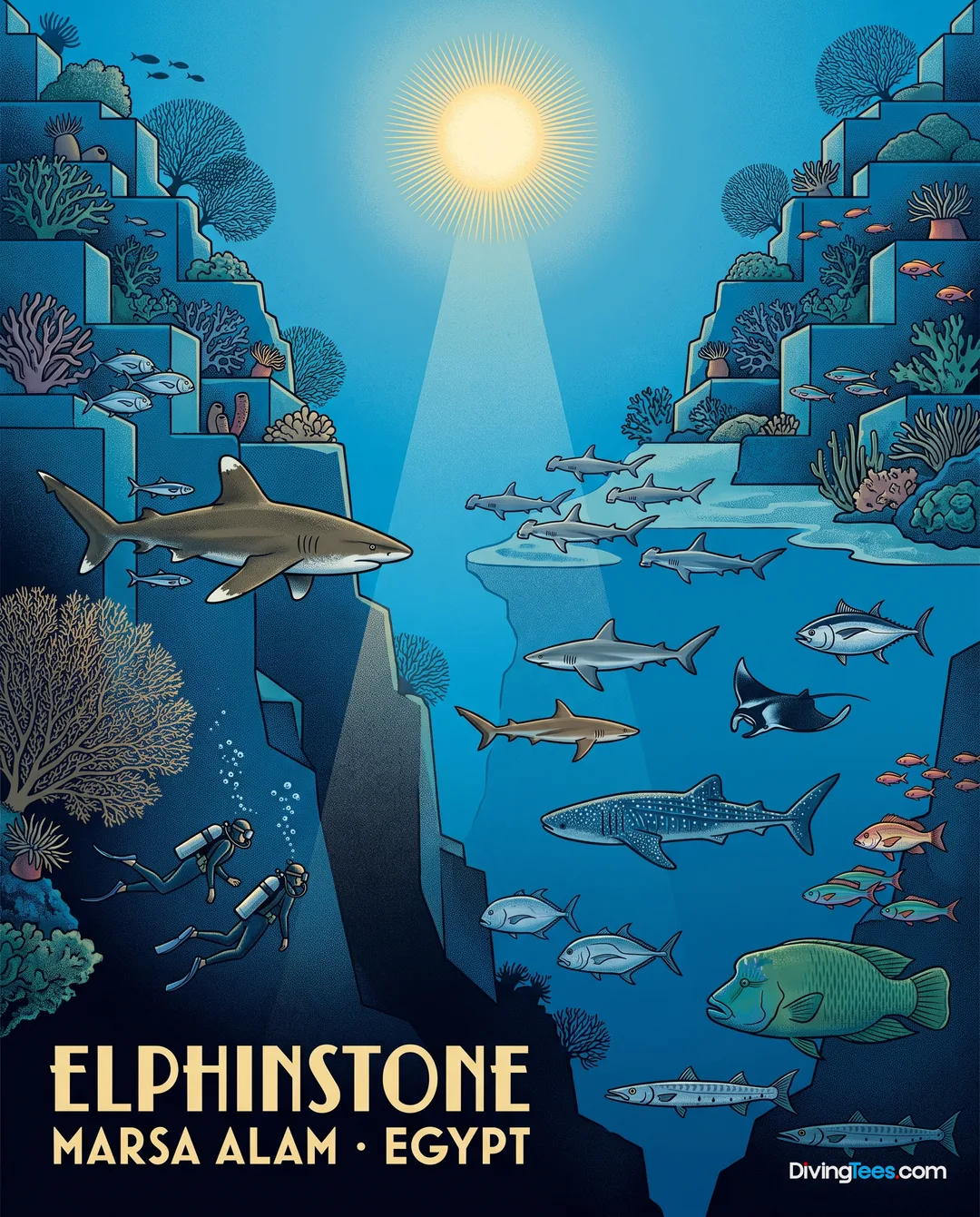
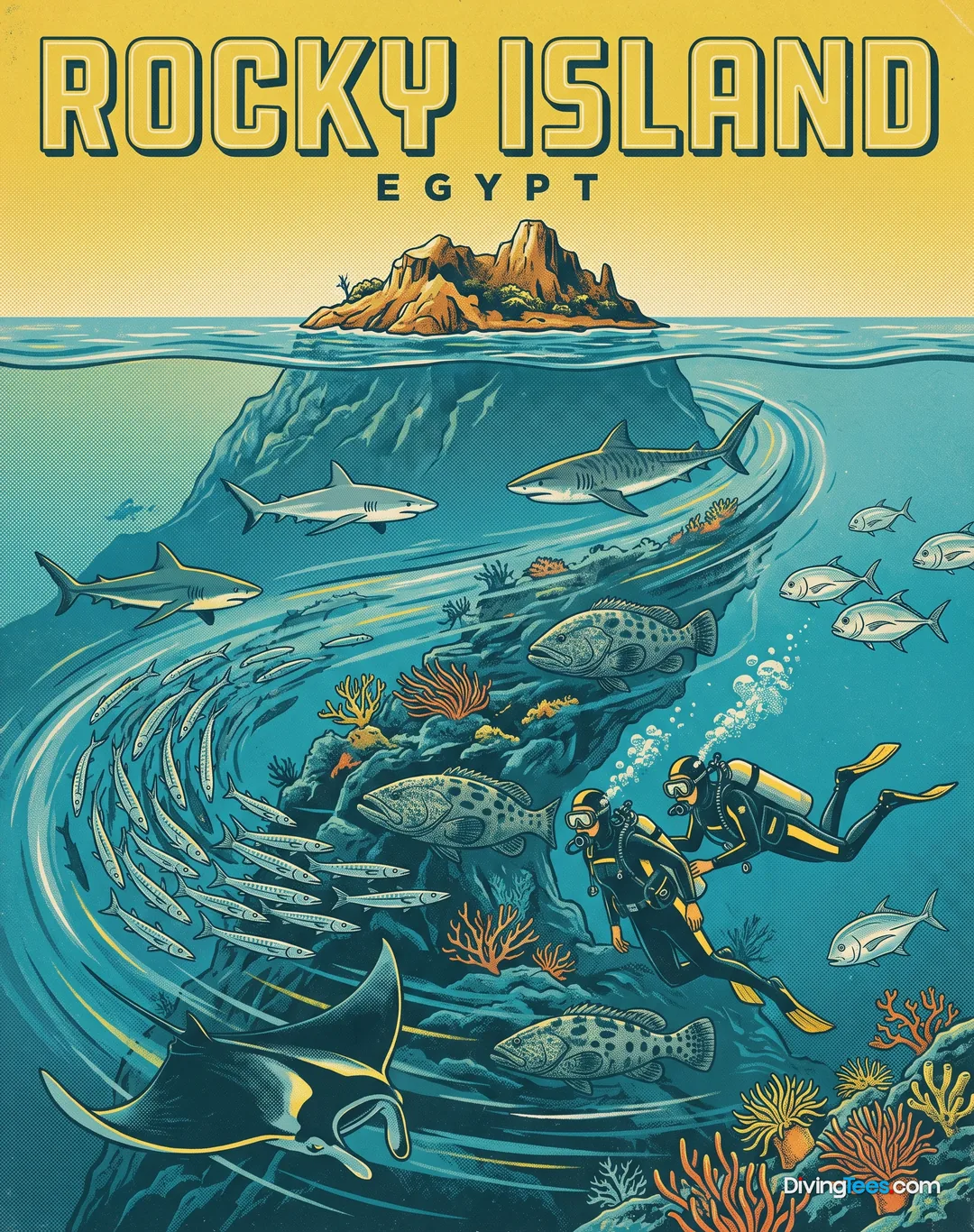
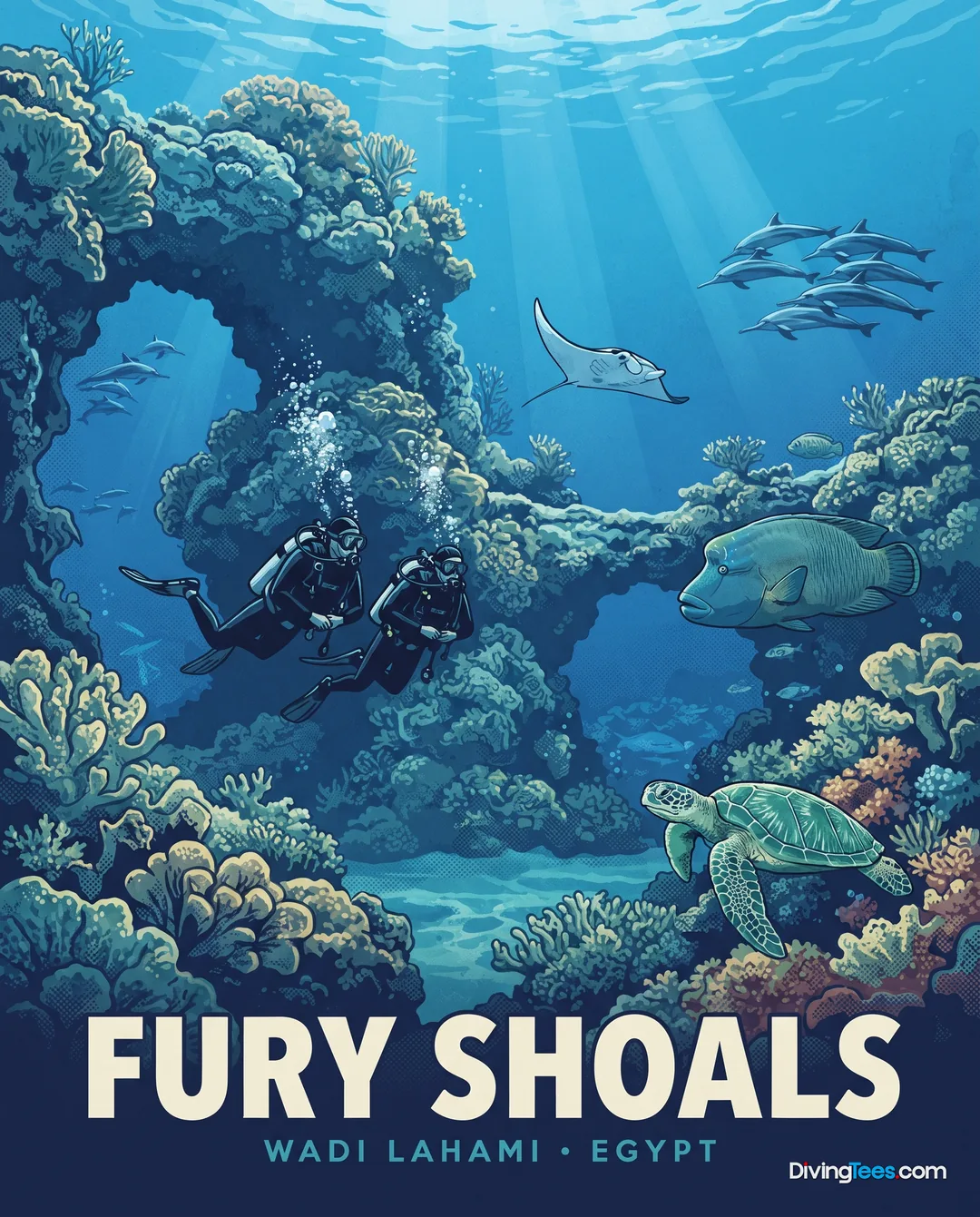
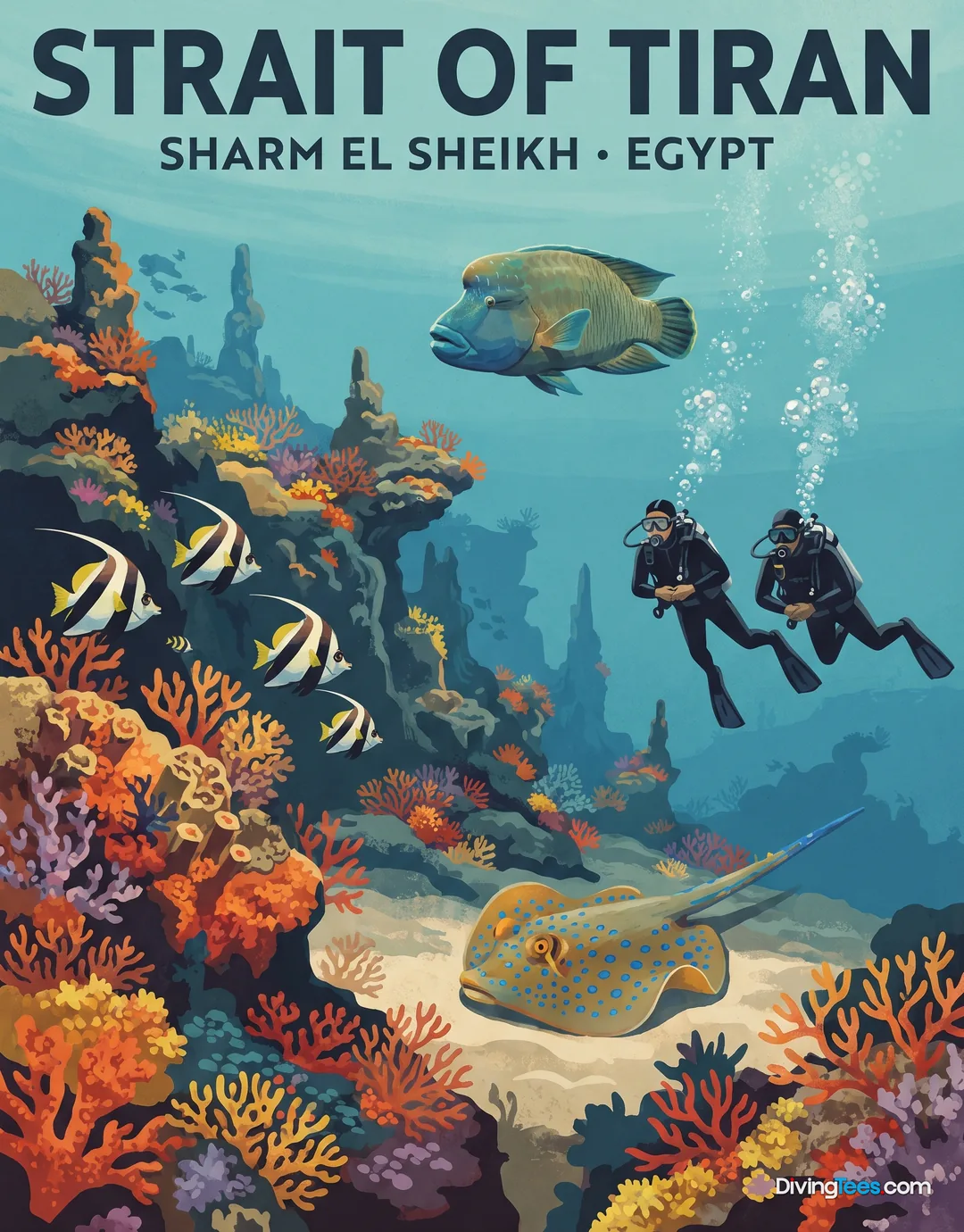
The strongest Blue Storm routes are eight-day, seven-night circuits from Port Ghalib or Hurghada. Brothers, Daedalus and Elphinstone combines isolated walls with pelagic encounters: the Brothers are exposed oceanic reefs, Daedalus is a remote pinnacle known for hammerheads, and Elphinstone's walls run to max -60m, with oceanic whitetip sharks, grey reefs and hammerheads possible while dives remain within the boat's 40m limit. Daedalus, Rocky and Zabargad adds Rocky Island's strong current, soft corals and gorgonians to Zabargad's walls, coral towers and a 70-metre wreck at 24m. Daedalus and Fury Shoals changes the mood: Fury Shoals is a vast reef complex of hard-coral canyons, with turtles, dolphins and reef life. North and Tiran routes reach the Strait of Tiran's four current-fed reefs, while North and Brothers links northern reefs with the offshore islands. Other recorded departures include St. Johns and North & Tiran.
Itineraries, dates and prices
Prices per person. Each month shows its lowest price: click a month, or pick an itinerary.
Next departures · 41 departuresfrom £1,017$1,360€1,215
November 2026
December 2026
April 2027
See dates and prices
If you click these links and make a purchase on the partner site, DivingDeal may earn a commission, at no extra cost to you.
Dates and prices taken from Divebooker and liveaboard.com, updated 25 October 2026
What you’ll meet underwater
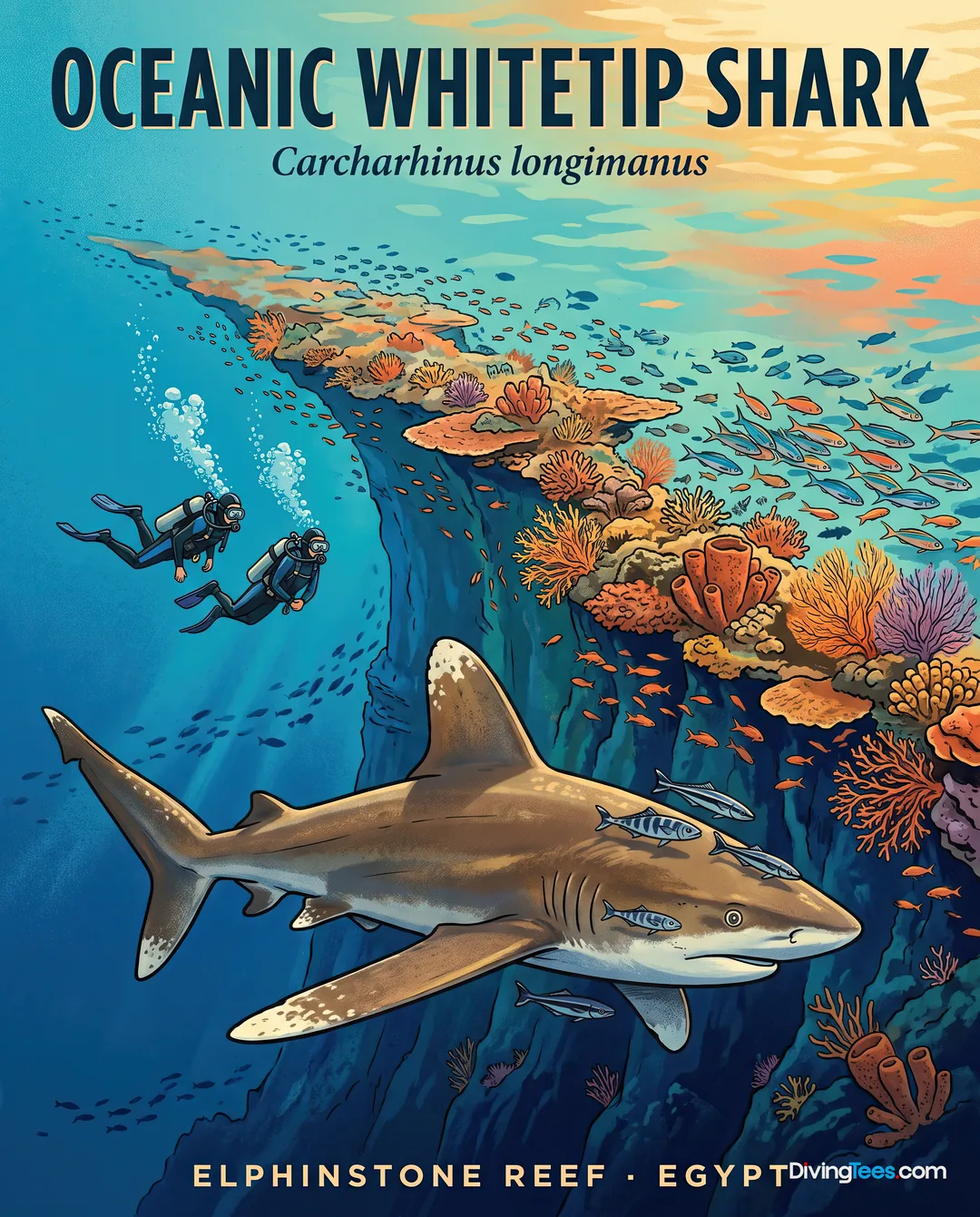
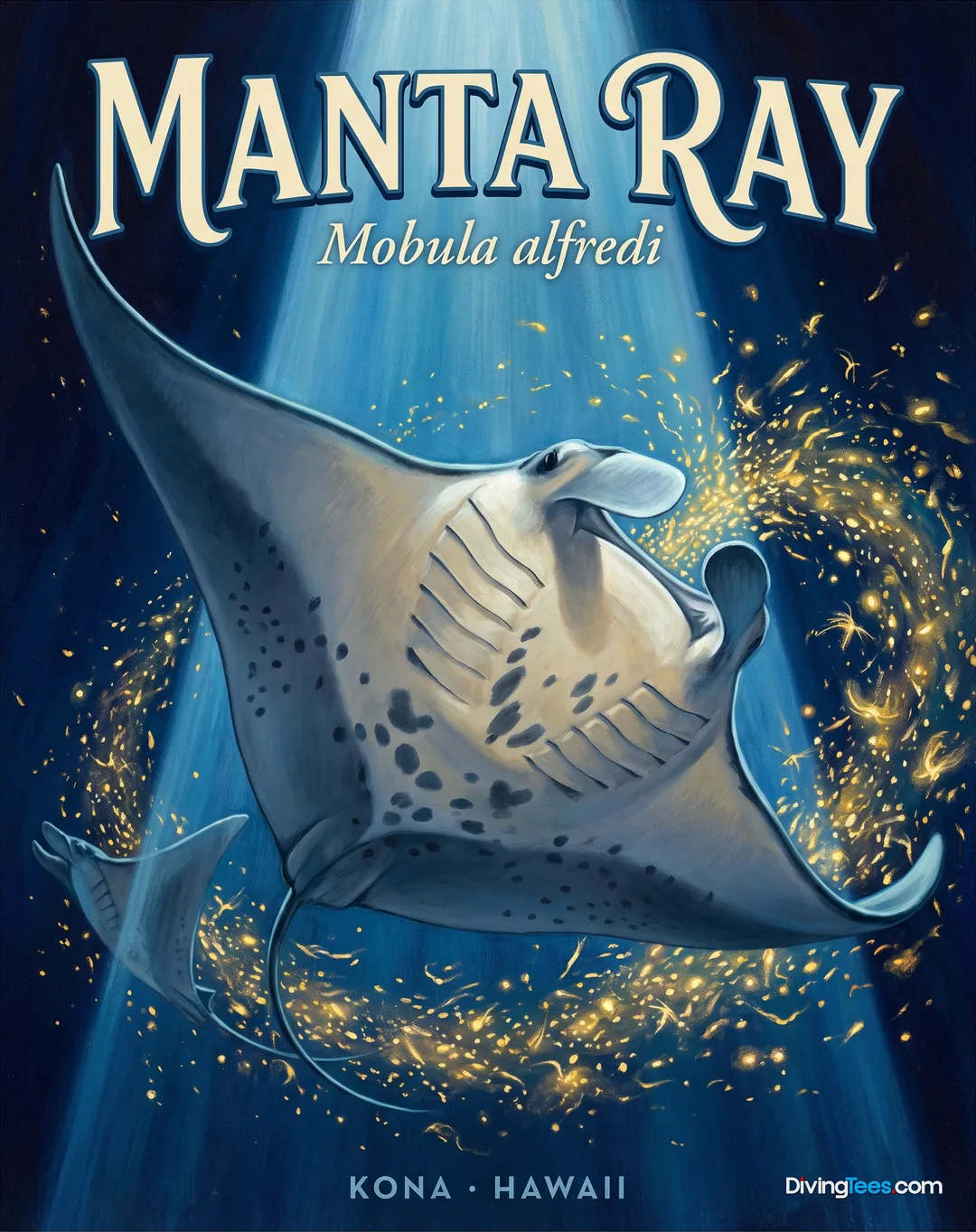
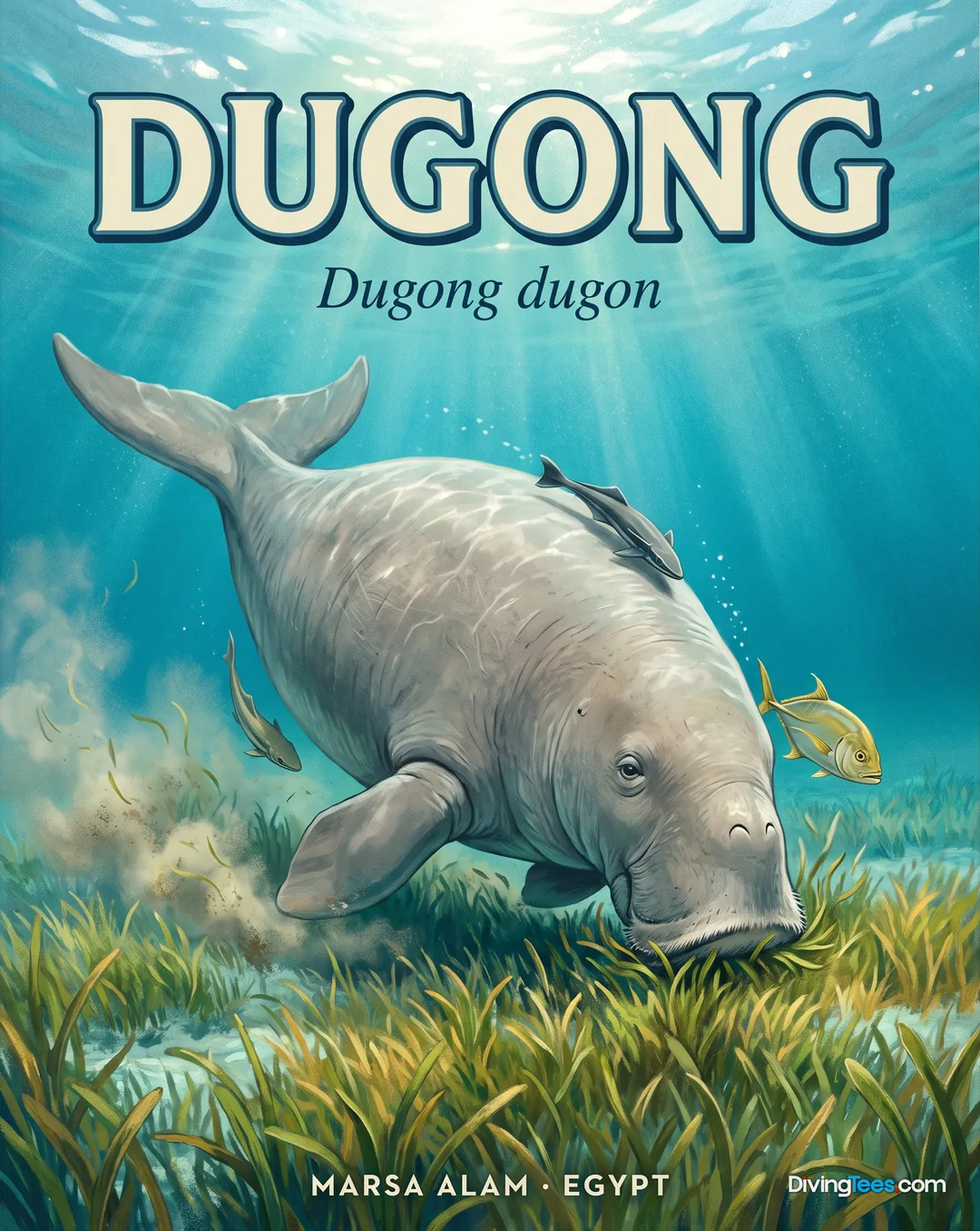
Turtles, manta rays, reef sharks, hammerheads, barracudas, dolphins, grey reef sharks, jacks, soft corals and morays form the recurring spectacle across this route. The current is part of the reason: at Rocky Island it sweeps past walls covered in soft corals, fans, sponges and black coral, while at Daedalus it can bring hammerheads and other pelagic fish onto the reef edge. Elphinstone is the place to look for an oceanic whitetip shark, with gorgonians and labrids also recorded there. Zabargad is the only named site on this route associated with a possible dugong, as well as manta rays, dolphins, sharks and nesting turtles. Brothers Islands has the route's distinctive anemones and combines hard and soft corals with grey sharks, hammerheads and silvertips. Fury Shoals is the site linked with triggerfish, while Daedalus is where the big-eyed trevally appears in the route record. At Shaab Ruhr Umm Gamar, small pinnacles and the remains of at least three wrecks shelter giant groupers, tuna and reef sharks.
Who puts you in the water
A minimum of 50 logged dives is required for Marine Park routes such as the Brothers, Daedalus, Rocky Island and Zabargad, and the last dive should be no more than a year old. At those sites, two licensed guides are required, with one guide for no more than eight divers. The tour guide gives detailed briefings before each site, then groups are adjusted to experience and conditions; newer divers can stay with a guide or a small group of more experienced divers. Deco diving is prohibited and the boat's maximum diving depth is 40 metres. Two 50-litre oxygen cylinders, first-aid equipment, defibrillator equipment and emergency communications are carried on board. Night dives are prohibited in Marine Parks, while elsewhere a night dive may be possible when the route and conditions allow. Nitrox training and other diving courses can be completed on board.
The dive deck and the gear
The dive deck is built for repeated use rather than a single impressive photograph. Standard cylinders are 12-litre aluminium tanks with DIN valves; INT adapters are on board, and 15-litre steel tanks can be arranged as a paid extra. Nitrox 32 is produced through a membrane system and is free for certified nitrox divers. An analyser is on board, and the basic nitrox course can be completed during the trip. The jacket stays attached to the tank for the safari, with hangers for wetsuits, rinse tanks and charging stations for lights and cameras. Rental equipment, torches, computers and tanks must be arranged in advance. The large tender carries divers to sites the main boat cannot reach directly, while two smaller Yamaha tenders provide additional support. Divers enter and return through the dedicated platform, with the tender collecting them where they surface.
Between dives
Between dives, Blue Storm gives guests a choice rather than a single communal room. The air-conditioned salon is the refuge when the Red Sea sun has done enough, with audio and video entertainment for anyone who wants it. Outside, the terrace and sun decks provide the place to dry off, read, compare sightings or watch the tender bring divers back from the reef. Some afternoons are simply the transfer between sites, with the boat underway and the dive deck quiet except for cylinders being checked and jackets left mounted on their tanks. Non-divers and snorkellers are welcome, so the surface life does not belong only to people planning the next descent. The useful luxury is space between dives: somewhere to sit without blocking the route from cabin to platform.
A day on board
The day begins with the option of an early-morning dive, before breakfast and the move to the next reef. Most diving days allow up to four dives, with marine-park days allowing up to three; the first day carries two or three dives and the final day two. Between descents, the crew changes cylinders, checks the platform and moves the boat when the route requires it, while divers eat, sleep, sit in the shade or watch the reef slide away astern. Detailed briefings come before each site, leaving buddy pairs free to follow the planned profile. Afternoon dives may be on walls, pinnacles, gardens or wreck remains rather than repeating the same terrain. Where regulations and conditions allow, a night dive closes the diving day. Dinner follows, then the salon quiets and the boat prepares for the next briefing.
What you eat aboard
The galley serves full-board buffet meals built around both Western and local cooking, with vegetarian options available. Soft drinks, drinking water, tea, coffee and snacks are included, while beer and selected wines can be bought on board. Snacks matter more than decoration here: between three or four dives, a plate that appears without a long wait is part of the dive operation. Breakfast follows the first dive, with later meals filling the gaps between water time and the evening. The food score is the boat's strongest review result, and that fits the practical promise of a liveaboard that feeds divers repeatedly rather than treating dinner as the only event of the day.
Nights at sea
The cabins are simple in the useful sense: air conditioning, a private shower and toilet, and categories that let guests choose between lower-deck twin or triple accommodation and sea-view doubles or twins on the main and upper decks. Sea-view cabins bring daylight and the horizon; lower-deck cabins keep the sleeping space closer to the hull and away from the social areas. Blue Storm is not a tiny boat where every engine vibration disappears, but it gives 24 guests enough separation to avoid turning the week into a queue for the bathroom. After a night dive or a late dinner, the cabin is a quiet place to close the door, rinse the salt from the day and sleep until the next briefing. The salon is air-conditioned, while the terrace and upper outdoor areas provide the opposite: open air, shade and stars when the boat is stopped.
Twin/Triple Lower Deck
Double Sea View Upper Deck
Twin Sea View Main Deck
Double Sea View Main Deck
What to know before boarding
Blue Storm departs and returns on routes using Port Ghalib or Hurghada; the exact port depends on the safari, with recorded trips also ending in Hurghada after starting in Port Ghalib. Airport transfers are included for the relevant departure port: from Hurghada or Marsa Alam airports to Port Ghalib, and from Hurghada Airport for Hurghada departures. A Blue Planet guide meets arriving guests at the Egyptian airport with a sign and leads the transfer to the boat. Arriving the night before is sensible, especially for an early flight or a route leaving from Port Ghalib.
- Length
- 40 m
- Maximum number of passengers
- 24
- Number of cabins
- 11
- Number of bathrooms
- 11
- Engines
- 2 Doosan engines / diesel engine, model no. V888TI
- Cruising speed
- 12 knots
- Tenders
- 1 × 6.2 m with 85 hp outboard, 2 × 520 with 40 hp (Yamaha)
- Website
- blueplanet-liveaboards.com ↗
Hello, I'm Marina, DivingDeal.com's AI assistant. I answer in detail about hotels, dive centres and liveaboards.
Thinking about the whole trip and the flights? Talk it over with Edith →
Marina is an AI. Some links are affiliate links: DivingDeal may earn a commission, at no extra cost to you. Bookings are made with the partner.