Liveaboards · Egypt
Discovery I — a compact Red Sea workhorse for serious diving
What makes this boat unique
- Discovery I is a 32-metre wooden liveaboard, renovated in 2011 and 2017.
- The boat carries up to 20 divers in 10 air-conditioned cabins, each with a private bathroom.
- Free nitrox, 12-litre aluminium tanks, DIN adaptors and two 5.25-metre zodiacs support the diving operation.
- Its routes reach the Brothers, Daedalus, Elphinstone, St. John’s, the northern wrecks and Tiran.
The invitation
Discovery I is for divers who would rather spend a week reaching Red Sea reefs than dressing up a floating hotel. Its wooden hull and compact capacity keep the operation close-knit, while the routes lead to places that day boats cannot reach: the Brothers, Daedalus, Elphinstone and the remote reefs of the Deep South. The boat is not the newest in the fleet, and that matters if the hull itself is your priority. The crew, food and diving score better than the vessel, which is the useful distinction here: Discovery I earns its place through the people running it and the water it reaches. Step aboard for four dives on a good day, free nitrox in a 12-litre tank, and a week built around walls, currents, wrecks and pelagic encounters.
Boarding
From the dock, Discovery I looks like a working Red Sea safari boat rather than a resort transplanted onto the water. The wooden hull gives the boat a warmer, more traditional character, while the refits have kept the important living and diving areas usable. Inside, the air-conditioned salon has a separate dining area, lounge seating and a bar; outside, two shaded sundecks give divers somewhere to dry off and talk through the last dive. The scale helps. With no more than 20 passengers, the crew can keep the boat easy to navigate and the group familiar from the first days. The MAN engines are arranged as a twin installation, and the practical layout keeps the journey focused on getting divers to the next reef.
The atmosphere on board
Discovery I suits divers who want the crew close to the operation. English is spoken on board, and the small passenger capacity means the same faces return to the deck after every dive. The crew handles the practical sequence that makes a safari work: tanks ready, tenders moving, food arriving, cabins cleaned and wet divers back under cover. That consistency is where the boat's reputation comes from. Passenger scores place the crew at 8.9, food at 9.4 and diving at 8.7, above the boat score of 8.1. In plain terms, the vessel shows its age more than the people do. Evenings settle around the separate lounge and dining area, the bar and the day's sightings rather than formal entertainment.
The sites you’ll dive
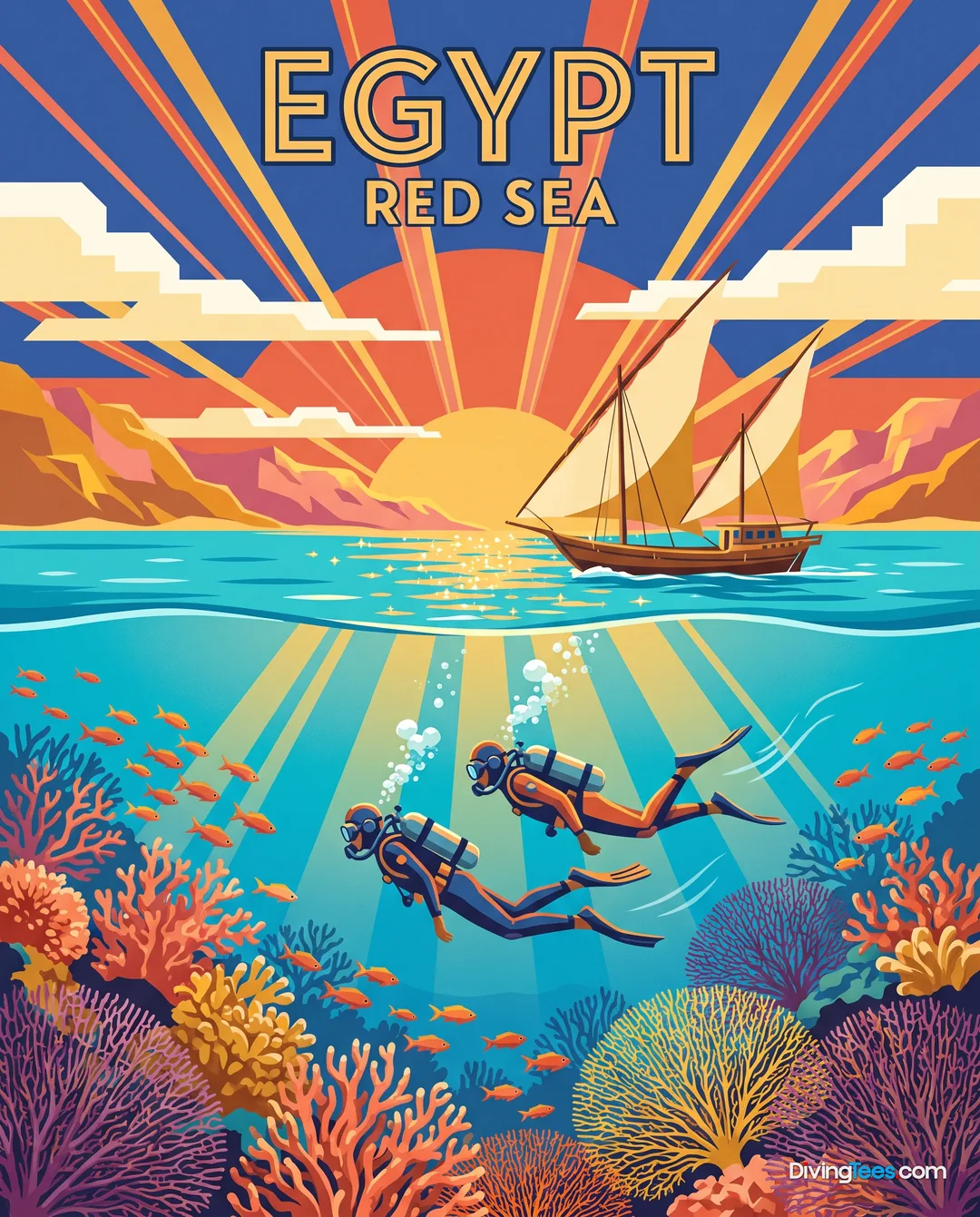
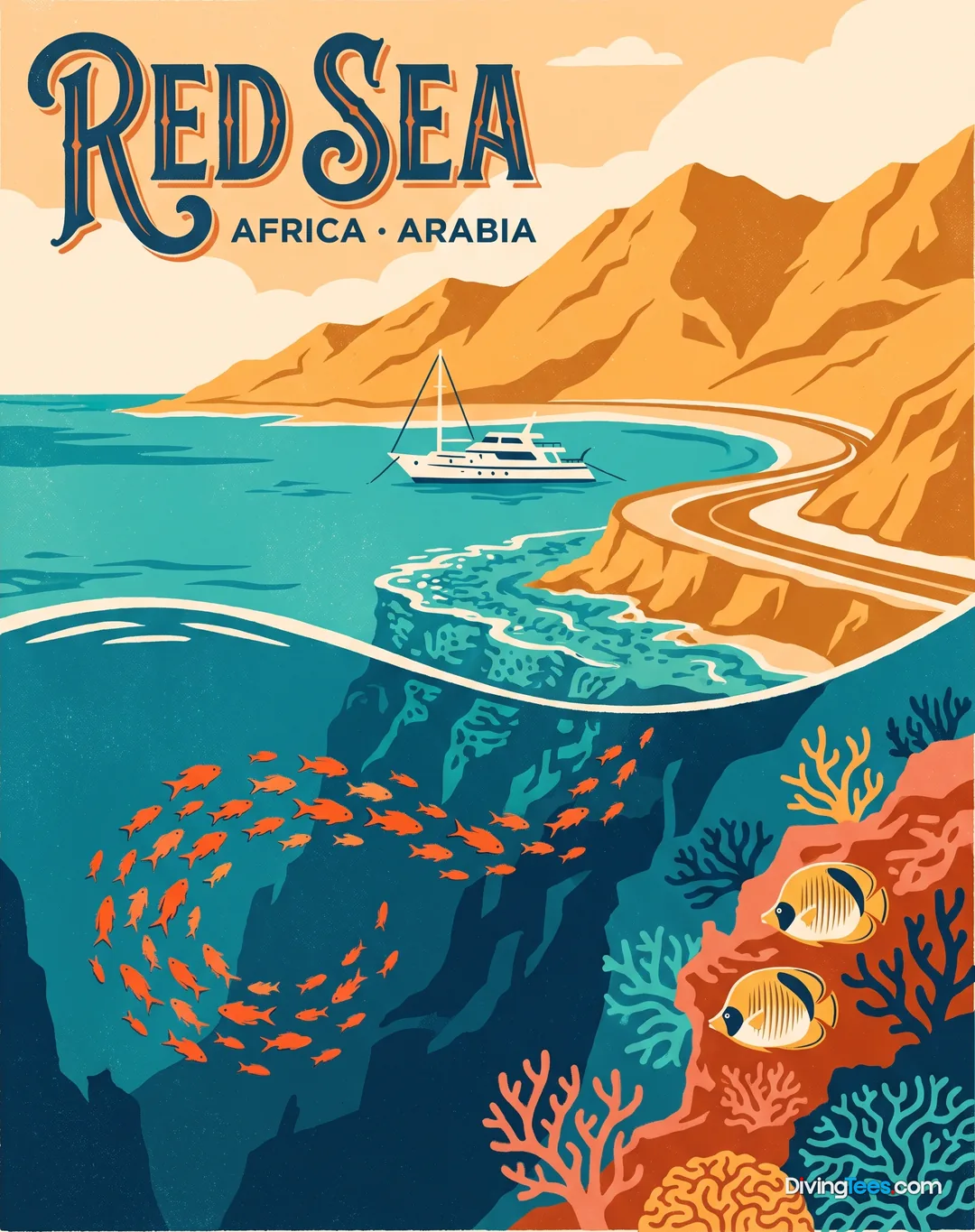
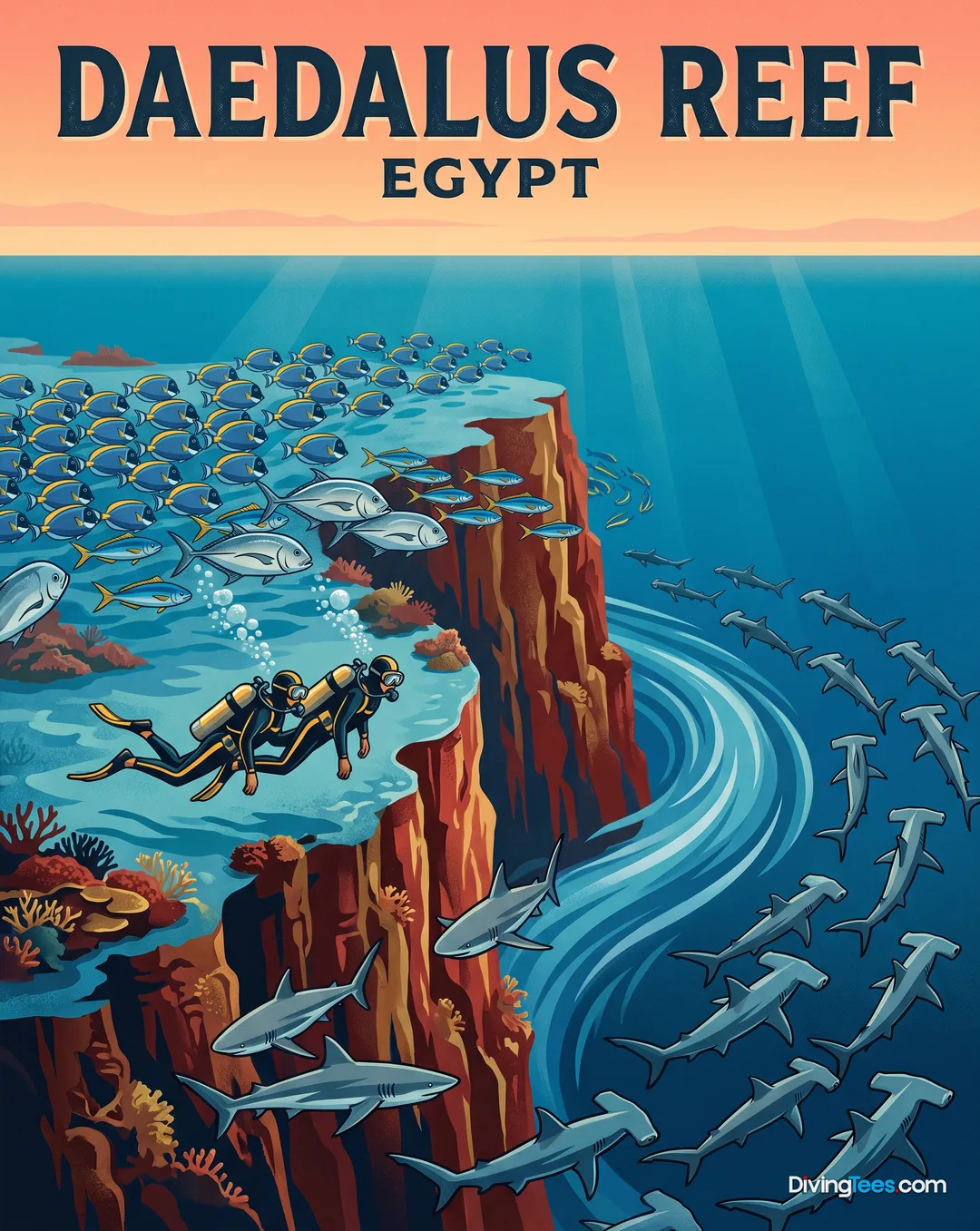
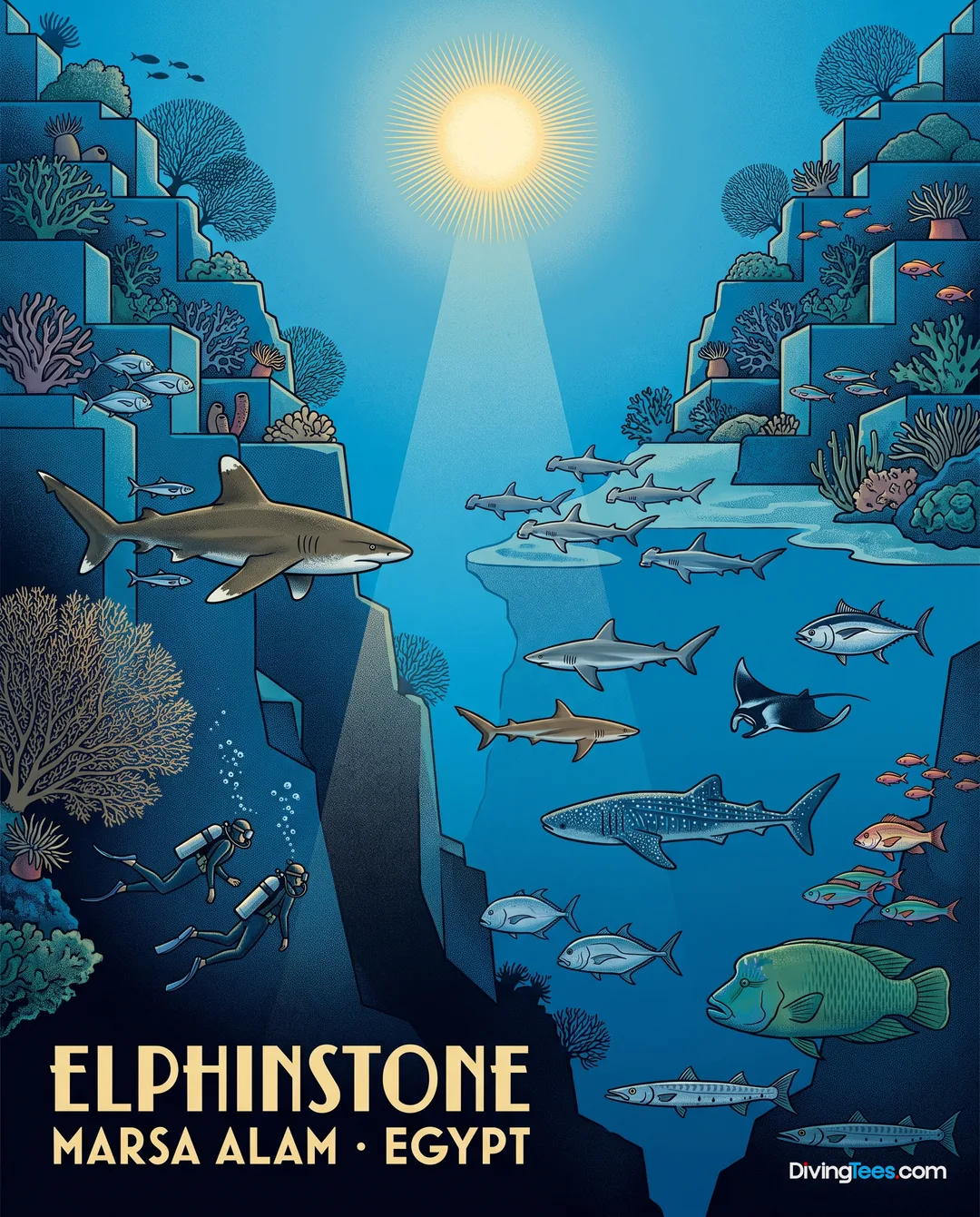
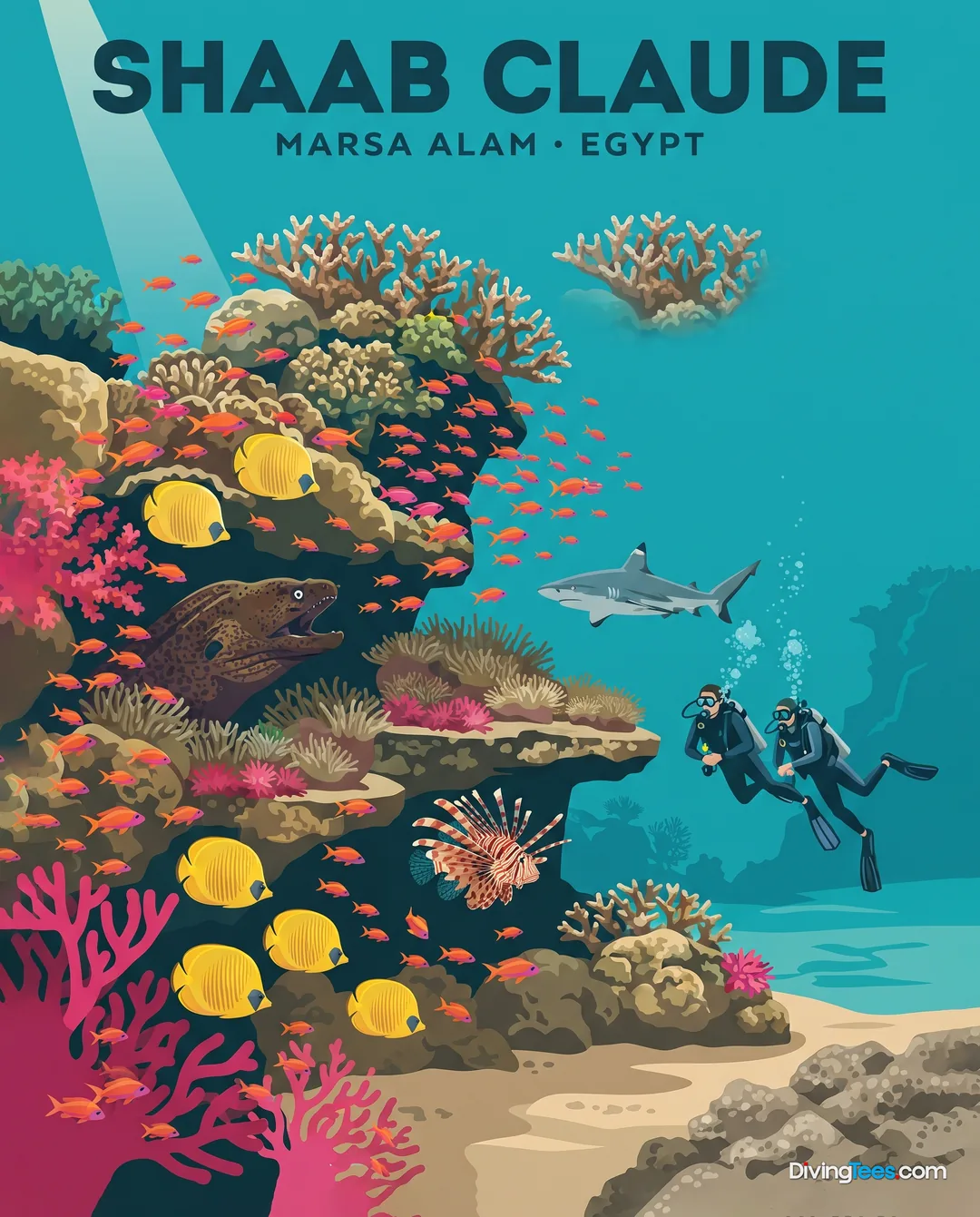
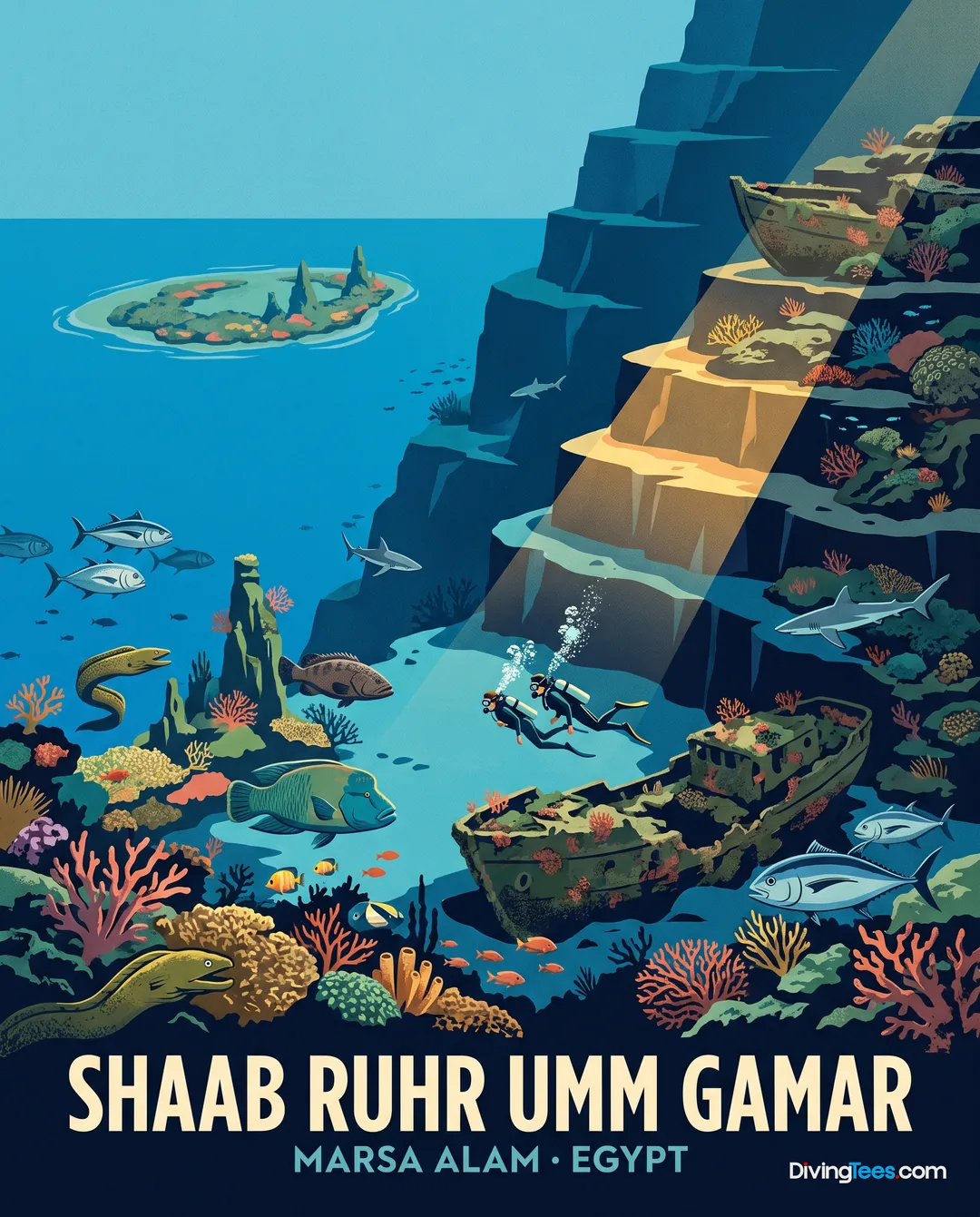
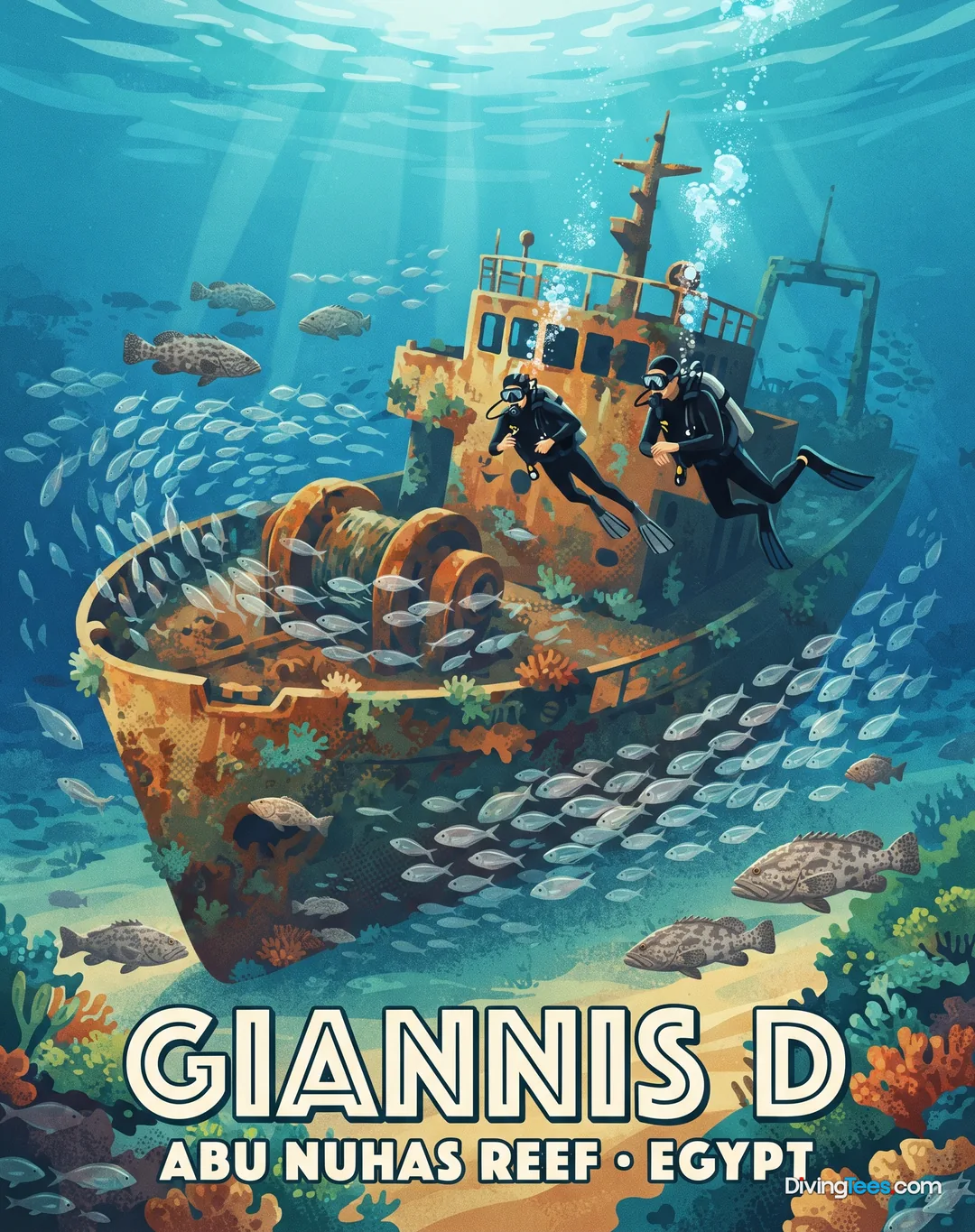
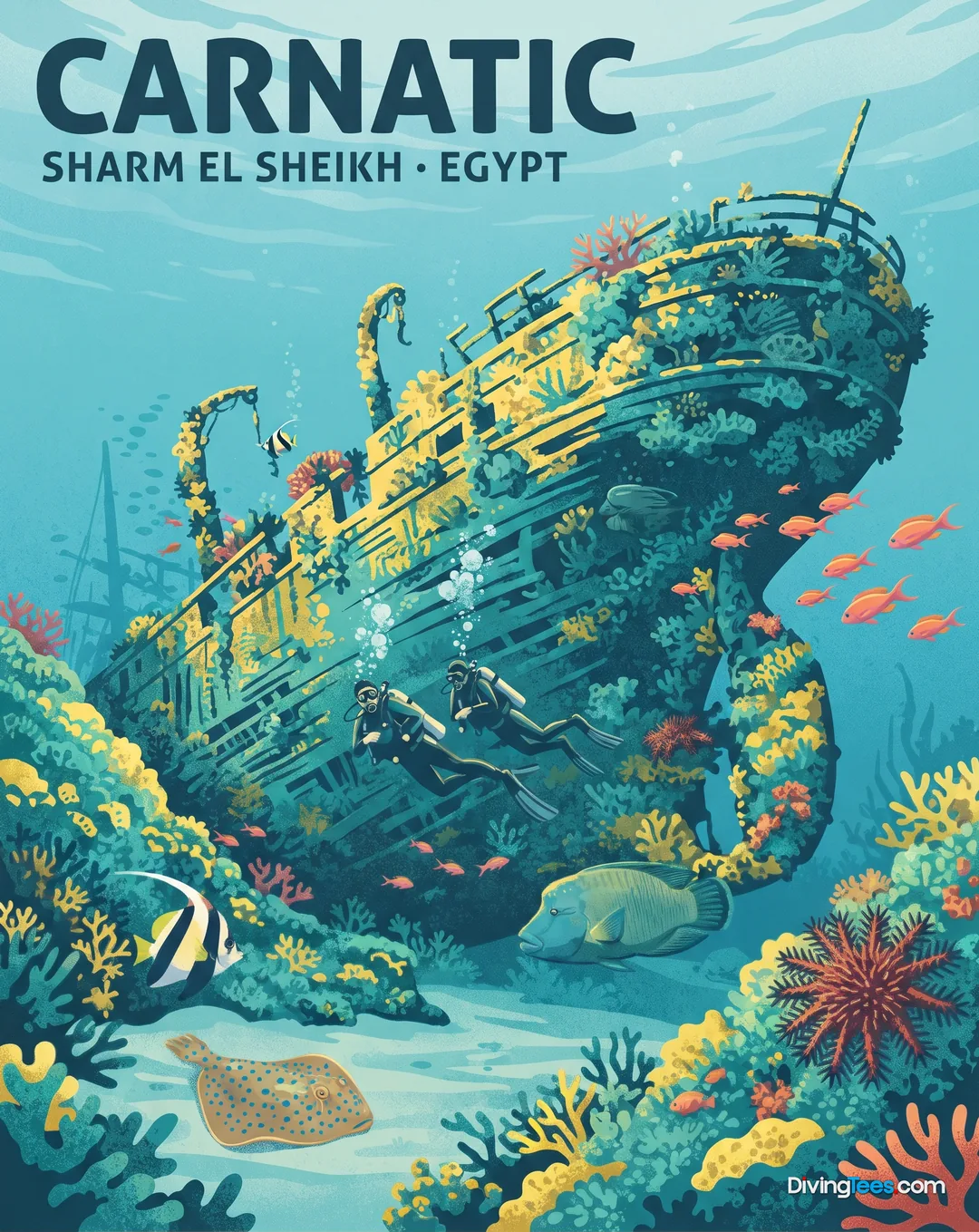
The route is the reason to choose Discovery I. Recorded departures run for 8 days and 7 nights, with Hurghada round trips covering either the Brothers, Daedalus and Elphinstone, or the northern wrecks, Ras Mohamed and Tiran; one longer option adds the Brothers and Safaga. Deep South itineraries reach St. John's, Fury Shoal and Elphinstone. At the Brothers, isolated oceanic walls and soft corals draw grey reef sharks, hammerheads and other pelagics; the site reaches -85m. Daedalus is another remote pinnacle, with deep walls and frequent pelagic encounters, down to -40m. Elphinstone combines steep coral walls with shark encounters and reaches -60m. Shaab Claude offers swim-throughs, Porites coral and white-tip reef sharks to -22m. Shaab Ruhr Umm Gamar combines an oval reef, pinnacles and the remains of at least three wrecks to -40m. In the north, Tiran brings current-fed reefs, while the wreck routes include the Thistlegorm, Giannis D, Carnatic and Dunraven.
Itineraries, dates and prices
Prices per person. Each month shows its lowest price: click a month, or pick an itinerary.
Next departures · 101 departuresfrom £603$806€720
November 2026
December 2026
See dates and prices
If you click these links and make a purchase on the partner site, DivingDeal may earn a commission, at no extra cost to you.
Dates and prices taken from Divebooker and liveaboard.com, updated 21 October 2026
What you’ll meet underwater
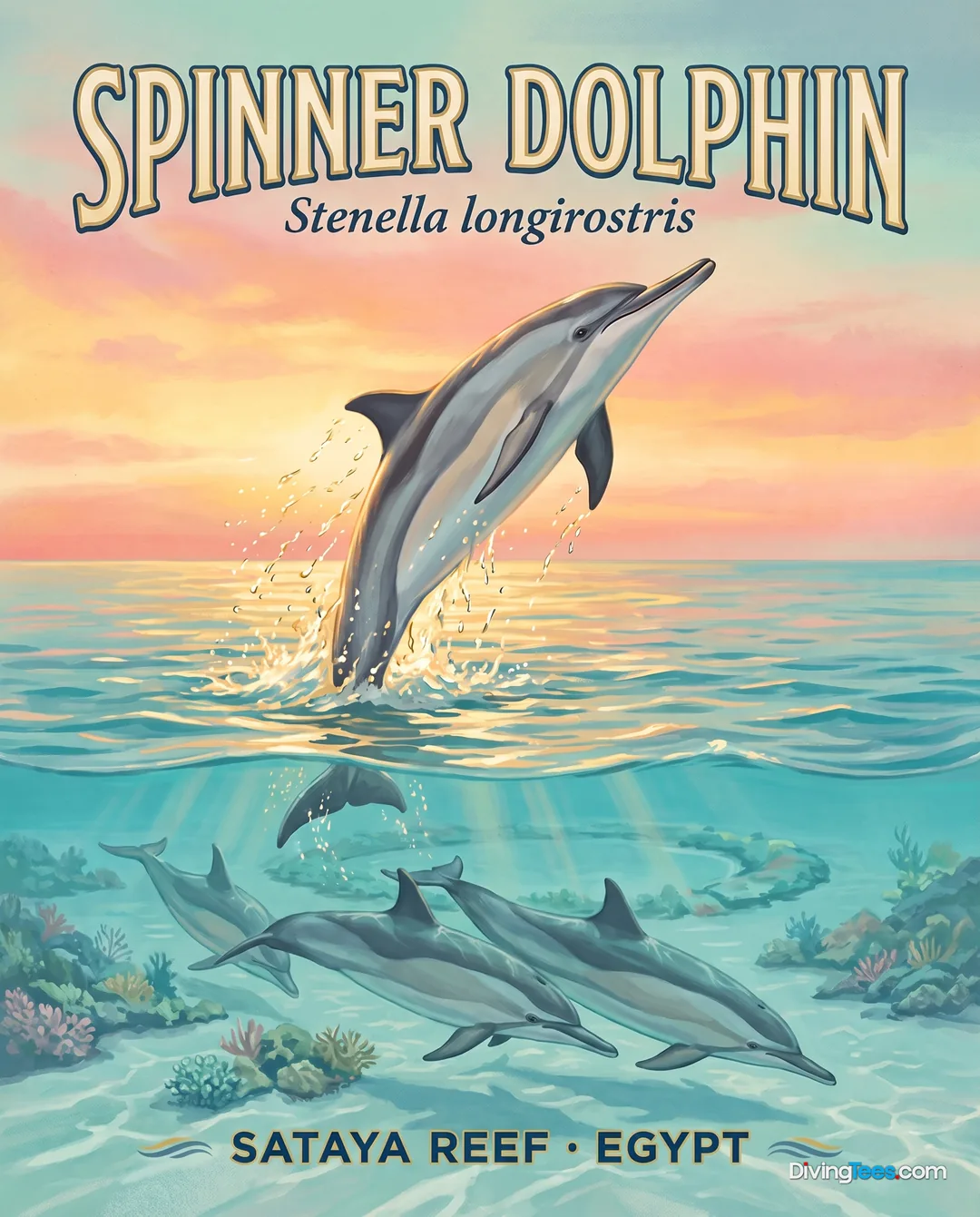
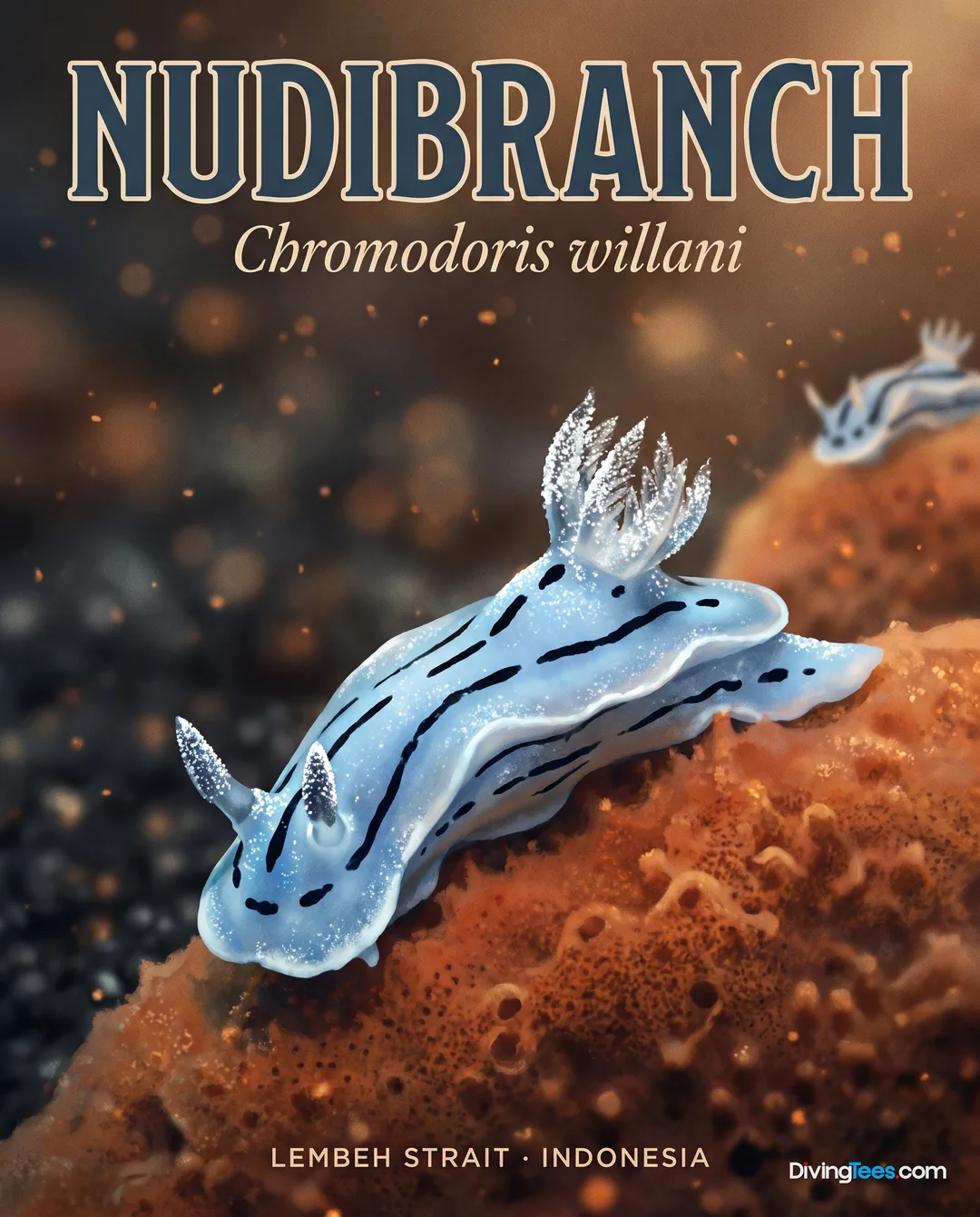
The common sightings are the animals that make this route worth repeating: barracuda, grey reef sharks, reef sharks, turtles, tuna and morays appear across several sites, alongside anthias, jacks, snappers, napoleons and soft coral. Currents and exposed walls are where the larger encounters become possible, especially at the Brothers, Daedalus, Elphinstone and the Strait of Tiran. Some animals give a site its particular reason to exist. The only recorded blacktip reef sharks and labrids are at Elphinstone; Shaab Ruhr Umm Gamar is the only site on this route recorded with a giant grouper. Shaab El Erg is the place for spinner dolphins, glassfish, nudibranchs and octopus. Strait of Tiran is the only listed site with the green turtle and surgeonfish, while Daedalus is the only one recorded with big-eye trevally. Shaab Sabina has the route's recorded damselfish, and Gamul Soraya its batfish.
Who puts you in the water
Dive guides lead the groups and briefings in English. A dive guide, weights and 12-litre tanks are included in the standard diving package, with three to four dives planned on most diving days and two on the final day. The operation accommodates recreational diving as well as technical, rebreather and sidemount setups. Safety equipment includes oxygen, first-aid kits, life jackets, life rafts, fire alarms and extinguishers. Navigation and communication equipment includes radar, GPS, sonar, VHF/DSC/SSB radio, an emergency position-indicating radio beacon and a searchlight. The tenders handle the final transfer between the platform and the reef.
The dive deck and the gear
The dive deck is arranged for repeated diving, with a dedicated shaded work area, platform, tank racks, rinse tanks and a separate rinse for cameras. The standard tanks are 12-litre aluminium cylinders, with DIN adaptors available; 15-litre tanks and rental equipment are optional extras. A Bauer compressor fills the tanks, and a membrane system supplies free nitrox. Nitrox is included in 12-litre tanks, while nitrox in a 15-litre tank is an extra. The boat supports technical diving, rebreathers and sidemount, though the diver must bring or arrange the relevant equipment. Two 5.25-metre zodiacs, each with a 40 HP outboard, take groups to the reef and collect them after the dive. Divers return to a platform with hot showers and outdoor rinse points.
Between dives
Between dives, the shaded sundecks are the natural meeting place: wet gear dries around the group, cameras go through their rinse, and the last current is dissected before anyone decides whether to sit in the sun. One shaded deck has a bar, and the observation deck gives a higher, quieter place to look out over the reef or the open Red Sea. The air-conditioned salon is the refuge when the heat becomes too much, with sofas, a television, music and a small library. Non-divers can snorkel, and the boat also has a photo area and a separate camera rinse. There is enough variety to make a surface interval comfortable without turning the trip into a resort holiday.
A day on board
A diving day starts before the sun has fully taken over the sky: briefing first, then the first descent while the reef is still quiet. Breakfast follows the opening dive, with further dives spaced through the day until three or four have been completed. Lunch and snacks keep the short surface intervals functional, while the shaded deck gives wet divers somewhere to sit without baking in the sun. On suitable itineraries, a night dive follows the daytime schedule; the final diving day is reduced to two dives. The boat may move between sites while divers eat, rest or change tanks, then anchor again for the next briefing. On the final Friday, Discovery I returns to port at about 15:30. The week ends with tanks empty, cameras rinsed and the route still being discussed over dinner.
What you eat aboard
Meals are served buffet-style, with both local and Western cooking and options for vegetarian and vegan diets. Full board covers the meals, while soft drinks, tea, coffee and snacks are available through the day; beer and wine are separate. The timing follows the diving rather than a fixed restaurant service: food appears when divers come back hungry, and snacks fill the short gaps before the next briefing. That matters on a route built around three or four dives a day. The table is less about lingering over a long meal than restoring energy, comparing sightings and getting back on deck before the next zodiac departure.
Nights at sea
The cabin choice is simple: standard lower-deck cabins, or standard twin and double cabins on the upper deck. All are air-conditioned, non-smoking and fitted with a private bathroom, while some have a sea view. The lower deck is where engine noise matters most; upper-deck cabins offer a better chance of hearing the water rather than the machinery, but the boat remains a working liveaboard. Between dives, the interior salon provides cool air, a bar, a television, music and a small library. At night, the space is quiet enough for an early finish after a long day in the water. Towels are supplied, and daily cabin cleaning keeps the small rooms practical over a full week.
Standard Lower Deck Cabins
Standard Upper Deck Twin Cabins
Standard Upper Deck Double Cabins
What to know before boarding
The recorded routes depart from and return to Hurghada, while the Port Ghalib-to-Hurghada itinerary begins in Port Ghalib. Transfers to and from Hurghada or Marsa Alam airports are included on the Saturday check-in and check-out days; Marsa Alam means RMF airport, not the town. Check-in is from 16:00 on Saturday, the boat sails early Sunday, and return to port is about 15:30 on Friday. Arriving the night before is the sensible choice, especially when the boat must be reached before the Sunday departure deadline.
Deck plan
- Year built
- 2005
- Year renovated
- 2011 and 2017
- Length
- 32 m
- Beam
- 7.5 m
- Maximum number of passengers
- 20
- Number of cabins
- 10
- Number of bathrooms
- 10
- Engines
- 2 × 500 hp MAN
- Tenders
- 2 × 5.3 m zodiacs with 40 hp outboard engines
- Website
- discovery-divers.com ↗
Hello, I'm Marina, DivingDeal.com's AI assistant. I answer in detail about hotels, dive centres and liveaboards.
Thinking about the whole trip and the flights? Talk it over with Edith →
Marina is an AI. Some links are affiliate links: DivingDeal may earn a commission, at no extra cost to you. Bookings are made with the partner.