
Sea Lions Dive Center
Google 4.9/5 (479 reviews)
49 km away as the crow flies
La Paz · Mexico · Americas
Max. depth · 22 mLa Reina offers a dynamic dive where oceanic manta rays converge in summer, alongside resident sea lions and active pelagic schools.
For subtitles in English: start the video firstthen click the gearat the top right of the video, select “Subtitles/CC”, then “Auto-translate” and choose “English”.
Diving La Reina, you're descending onto a site known for constant motion and rich marine life, situated north of Isla Cerralvo. It’s not a quiet coral garden; this is where the open ocean meets the reef, creating conditions for activity. The topography supports a diverse ecosystem, attracting larger pelagics alongside its resident populations.
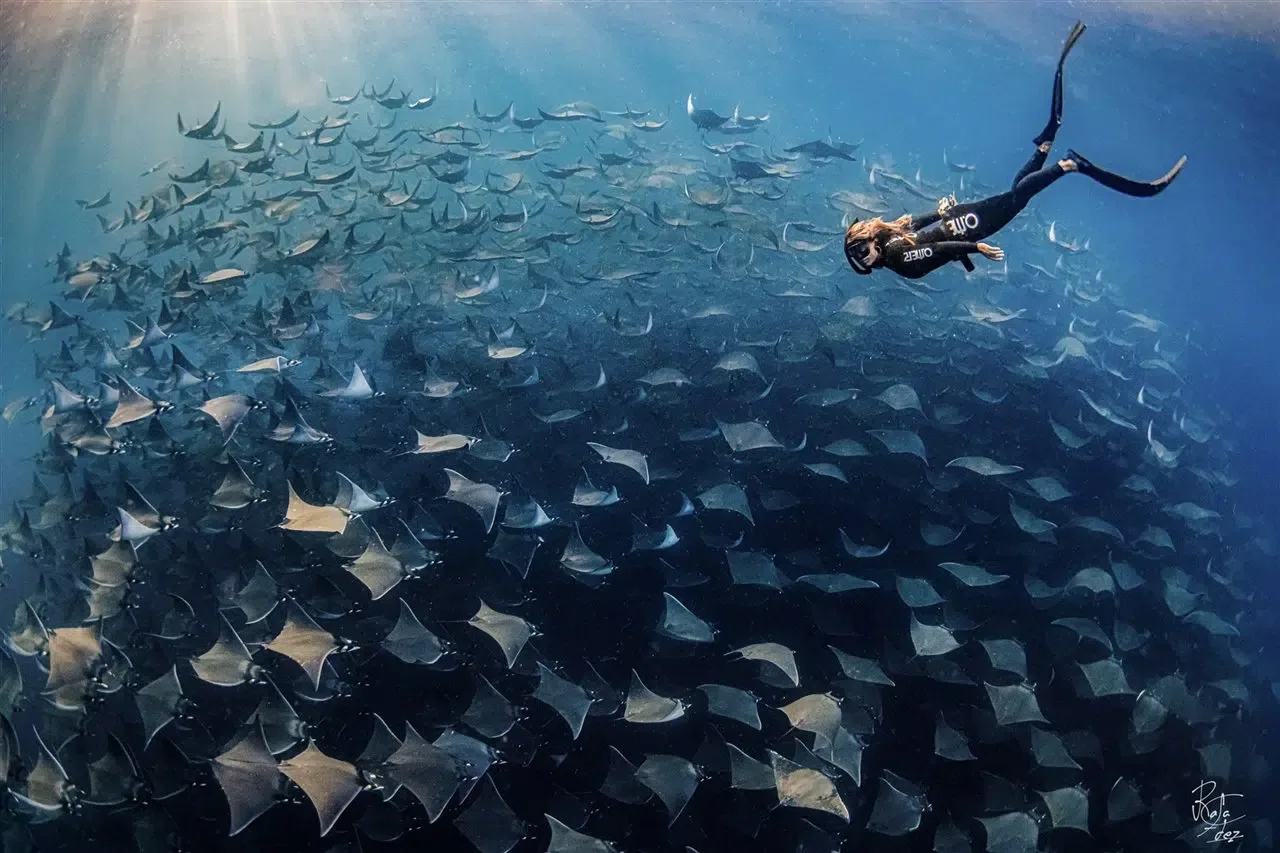
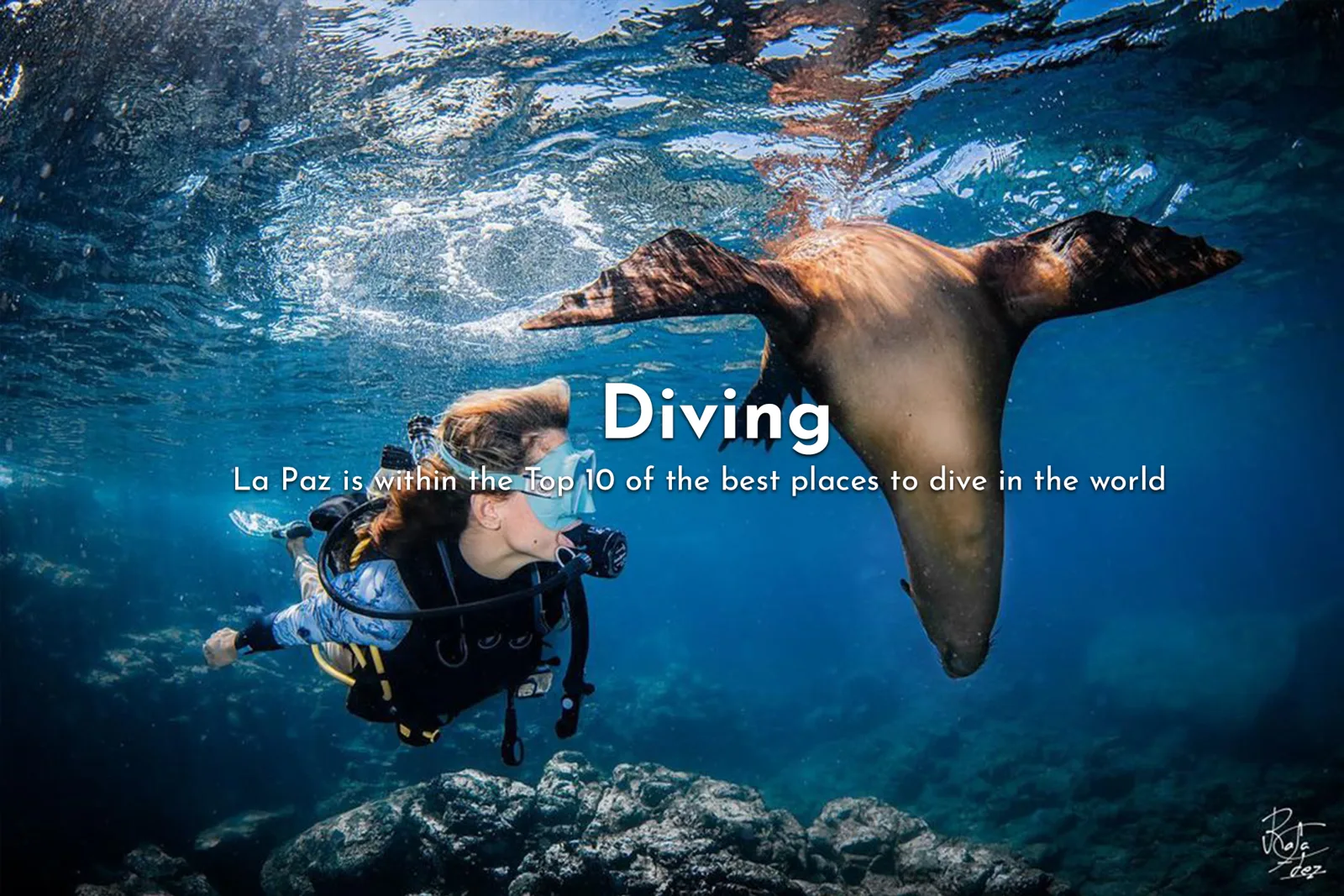
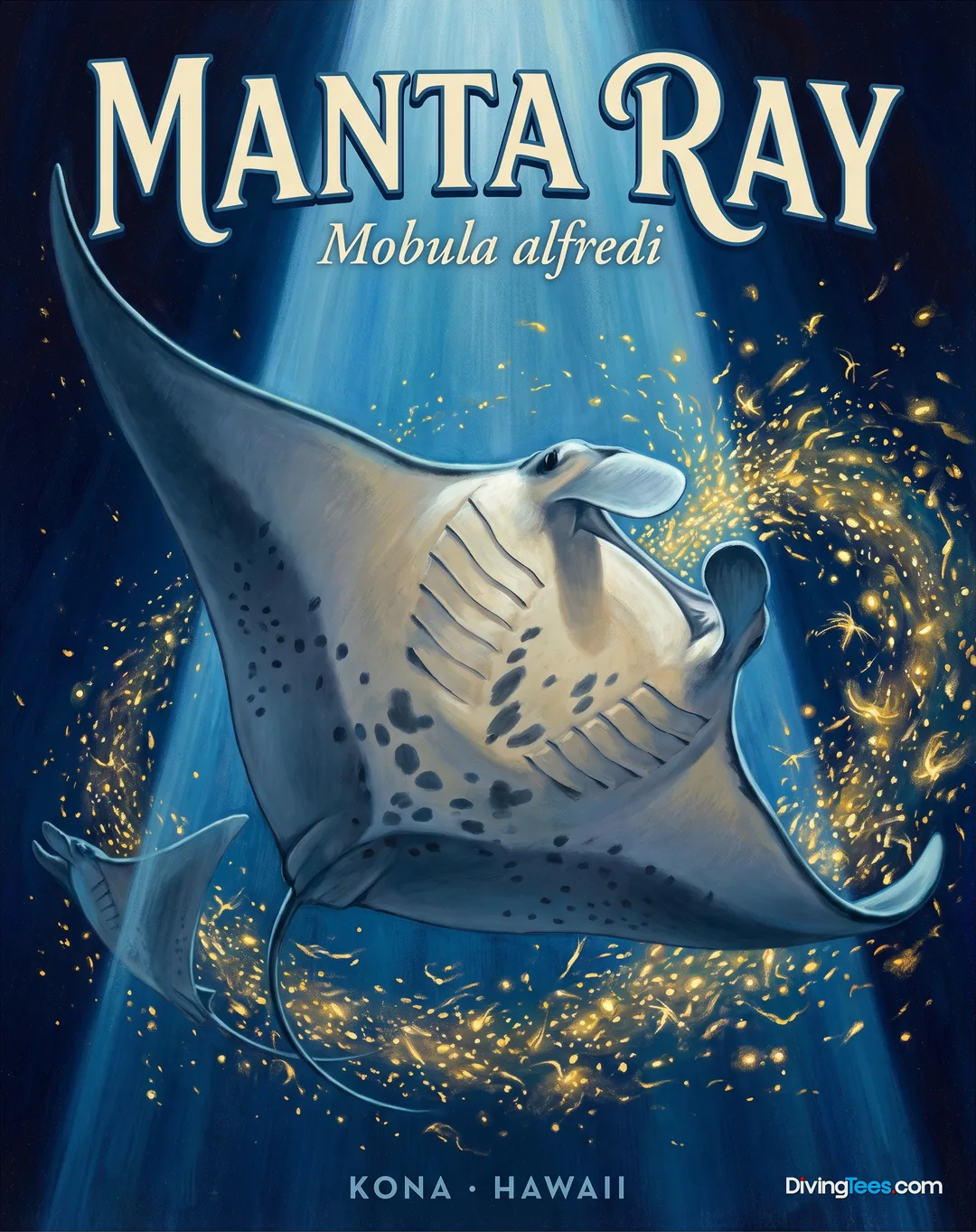
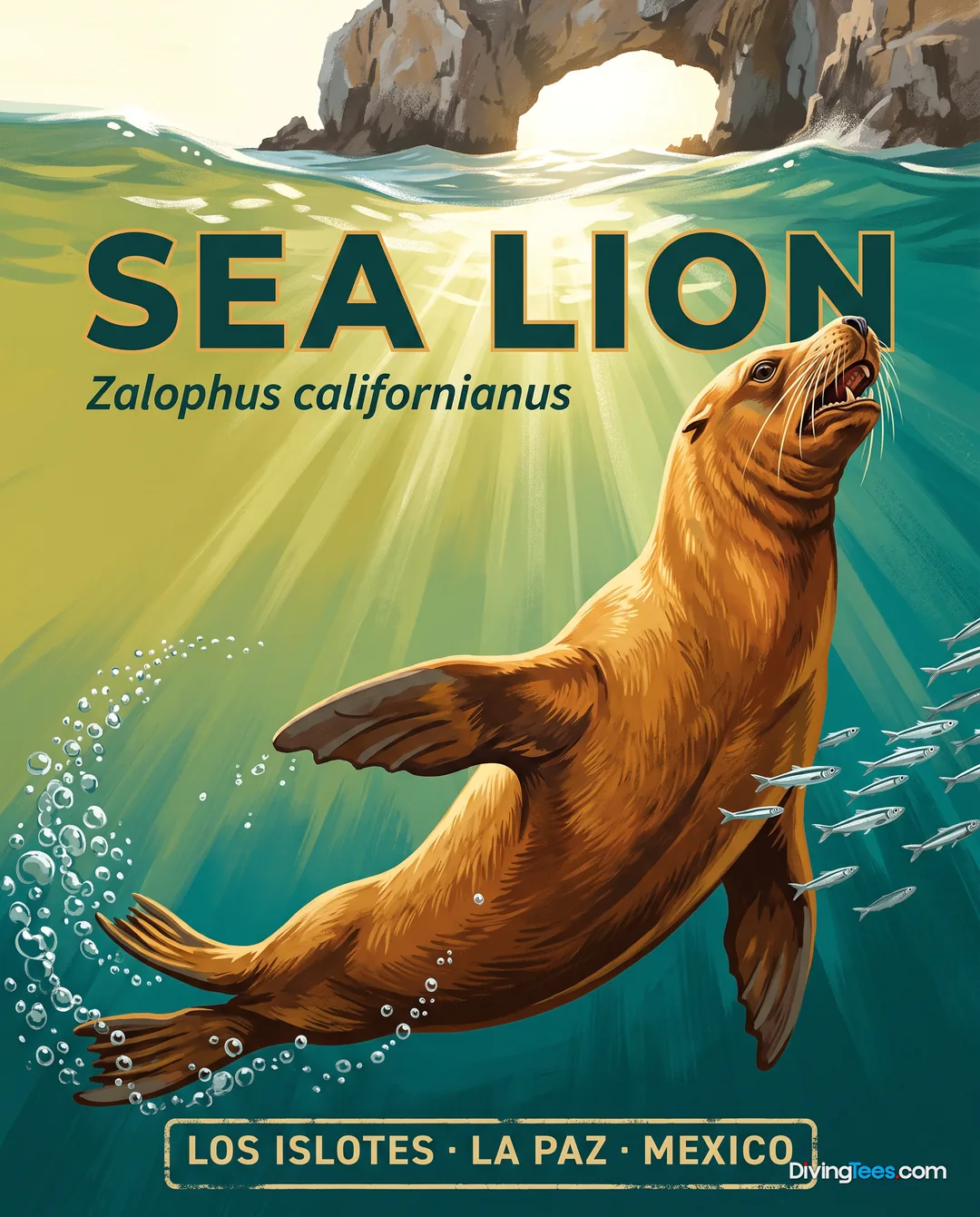
The site truly comes alive in the summer months, becoming a dedicated cleaning station for oceanic manta rays. This is where you’ll see these giants arriving to have parasites removed by smaller fish, often hovering patiently over specific coral heads. These encounters are not guaranteed, but during the season, the chances are notably high for divers who understand how to respect their space and behaviour. Beyond the seasonal visitors, smaller groups of resident sea lions are present throughout the year.
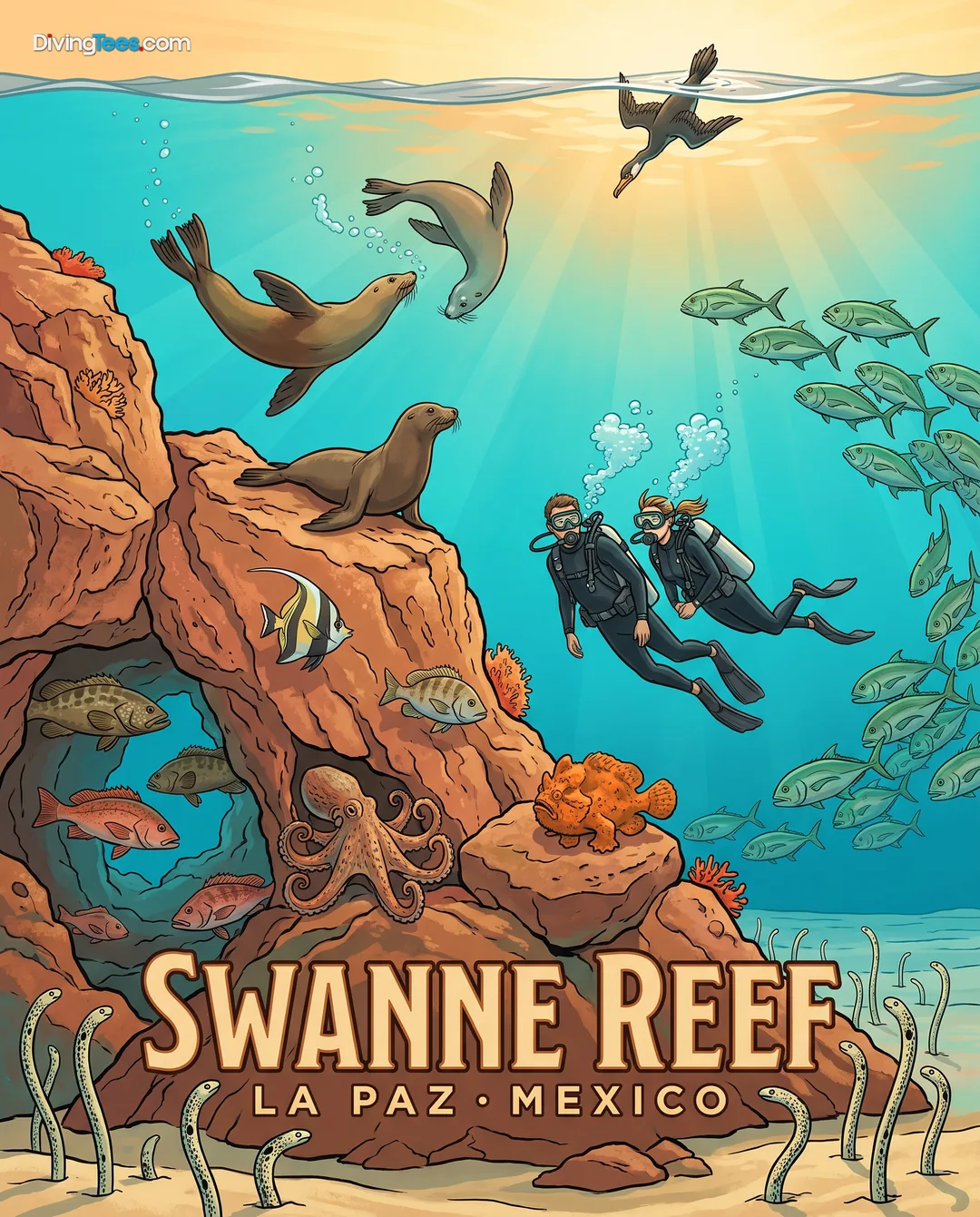
Below the surface, you’ll encounter a landscape populated with soft corals, providing shelter and hunting grounds for moray eels. Schools of both pelagic and reef fish move through the water column and along the reef structure. The site holds a varied fish population, from the smaller reef dwellers to the larger, faster-moving pelagic species that patrol the surrounding waters.
The maximum depth at La Reina is 22 metres, making it accessible for a wide range of certified divers. However, conditions here can change. While the site does offer abundant marine activity all year, the currents, particularly at certain times of the year, can be strong. This isn't a drift dive in the conventional sense, as you'll often want to hold position at key points, but you do need to be prepared for movement in the water.
What sets La Reina apart is this combination of a seasonal, large animal aggregation with consistent, year-round resident marine life, all within a setting that often features brisk currents. It's an environment that selects for adaptable and active marine species, and in turn, for divers who appreciate a more dynamic underwater experience. The interaction you find here, whether it’s with a curious sea lion or a passing school of Jacks, is the draw.
La Reina is a site that requires an Advanced Open Water certification minimum, due to potential strong currents at certain times of the year and the active nature of the dive. The maximum depth reached is 22 metres. While specific visibility metrics vary, conditions generally allow for appreciation of the broader aquatic activity. The best period to encounter oceanic manta rays is during the summer months.
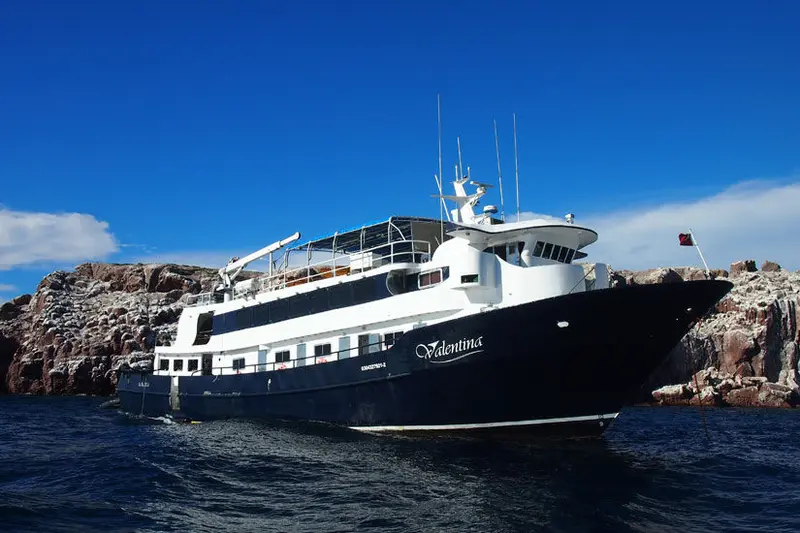
2 liveaboards depart from La Paz another way to explore the region, over several days at sea.
Summer is the key period for oceanic manta rays at La Reina, when the site becomes a cleaning station. These mantas arrive to have parasites removed by smaller fish and may hover over coral heads. Encounters are not guaranteed, but the season offers notably high chances when you respect their space and behaviour.
La Reina requires a minimum Advanced Open Water certification because the dive is active and currents can become strong at certain times of the year. You should be prepared for movement in the water and for holding position at key points while exploring a site with constant marine activity.
La Reina reaches a maximum depth of 22 metres. At that depth, you can explore soft coral habitat that shelters moray eels, while schools of pelagic and reef fish move through the water column and along the reef structure. The site also supports larger pelagic species and resident sea lions.
La Reina is a dynamic dive where currents can be strong during certain times of the year, so you need to be ready for movement rather than treating it as a conventional drift dive. You may see year-round sea lions, active pelagic fish schools, moray eels, soft corals, and summer manta rays.