Liveaboards · Mexico
Adventure — a working aluminium liveaboard for Baja diving
What makes this boat unique
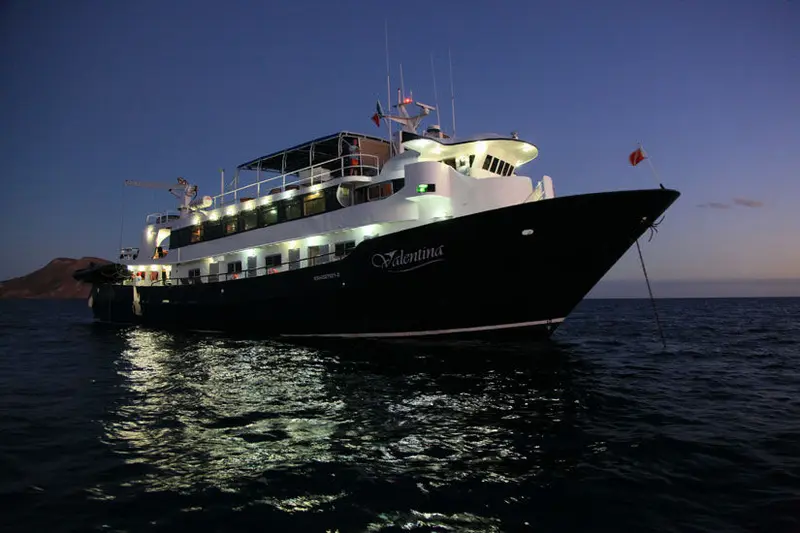
- Adventure is a solid aluminium liveaboard built for long runs between dive sites in the Sea of Cortez and the Revillagigedo Islands.
- The boat carries up to 16 passengers in air-conditioned cabins and is supported by two tenders for diver transfers.
- Its dive setup includes 80-cubic-foot aluminium tanks, two air compressors, a nitrox membrane and DIN adapters.
- Sea of Cortez trips run for 5 days and 4 nights; Revillagigedo trips run for 9 days and 8 nights.
- English- and Spanish-speaking crew provide the diving, meals and daily cabin service.
The invitation
Adventure makes sense for divers who want Baja’s remote sites without turning the boat into a floating resort. Its aluminium hull and long-range layout are there for the miles between La Paz, the Sea of Cortez sites and the Revillagigedo Islands; the reward is access to sea lions, wrecks, volcanic pinnacles, mantas and pelagic life across two very different itineraries. The choice is between a 5-day Sea of Cortez trip with 4 nights aboard and a longer 9-day, 8-night run to Socorro, San Benedicto and Roca Partida. The boat suits divers who value the operation underwater: shaded tank stations, two compressors, tenders that take divers to the sites and guides who stay close when someone needs help. It is older working equipment, renovated rather than freshly built, but that is part of the proposition. The crew and the diving carry the experience.
Boarding
Adventure arrives as a purposeful boat rather than a polished hotel. The hull is aluminium, the lines are built for speed and distance, and the twin Caterpillar engines give it the feel of a vessel designed to get out to the islands and back. Built in 1977 and renovated in 2011, it has the history of a boat that has spent its life working. A living room, dining room and full galley occupy the main interior, while the stern is arranged around tanks, benches and access to the water. Two broad stairs lead down from the dive platform, so the return from a tender is direct rather than a climb through the boat. Above, benches and open areas provide room to sit in sun or shade. Adventure is not trying to hide its function: it is arranged around diving, meals and the long passages that make these sites possible.
The atmosphere on board
Adventure’s atmosphere is shaped less by decoration than by the crew’s presence during a demanding dive schedule. The team stays involved from the first instructions, and the divemasters are experienced in the water and able to support divers who run into trouble. That changes the feel of a trip: a diver can ask for help without making a production of it, then return to the group for food and the next plan. The boat can feel spacious when the passenger load is light, and the clean shared facilities help keep a long trip comfortable. English and Spanish are spoken aboard. In the evening, the salon gives the group a place to review the day, while the deck offers a quieter alternative. The strongest impression is practical competence, backed by food that keeps morale high.
The sites you’ll dive
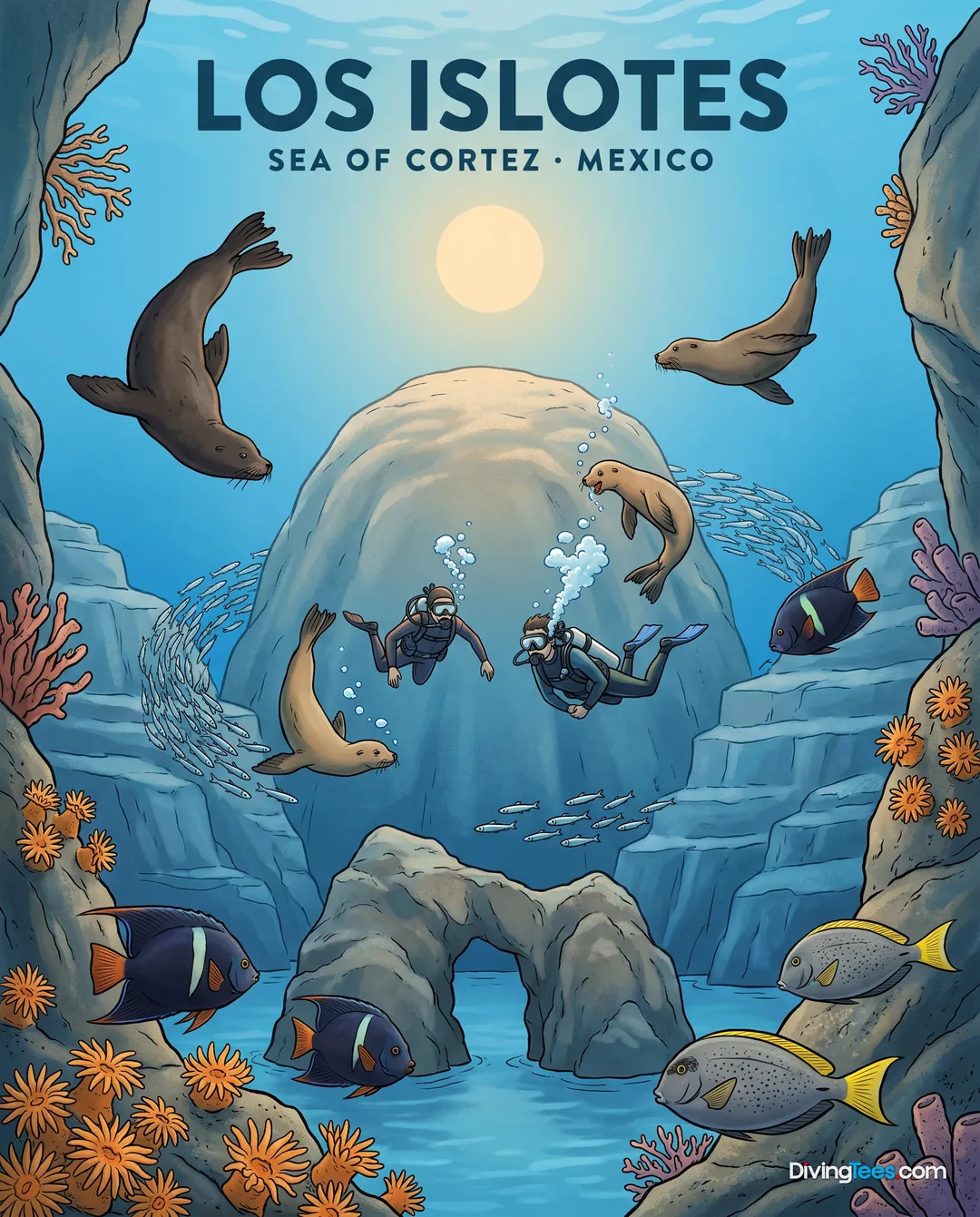
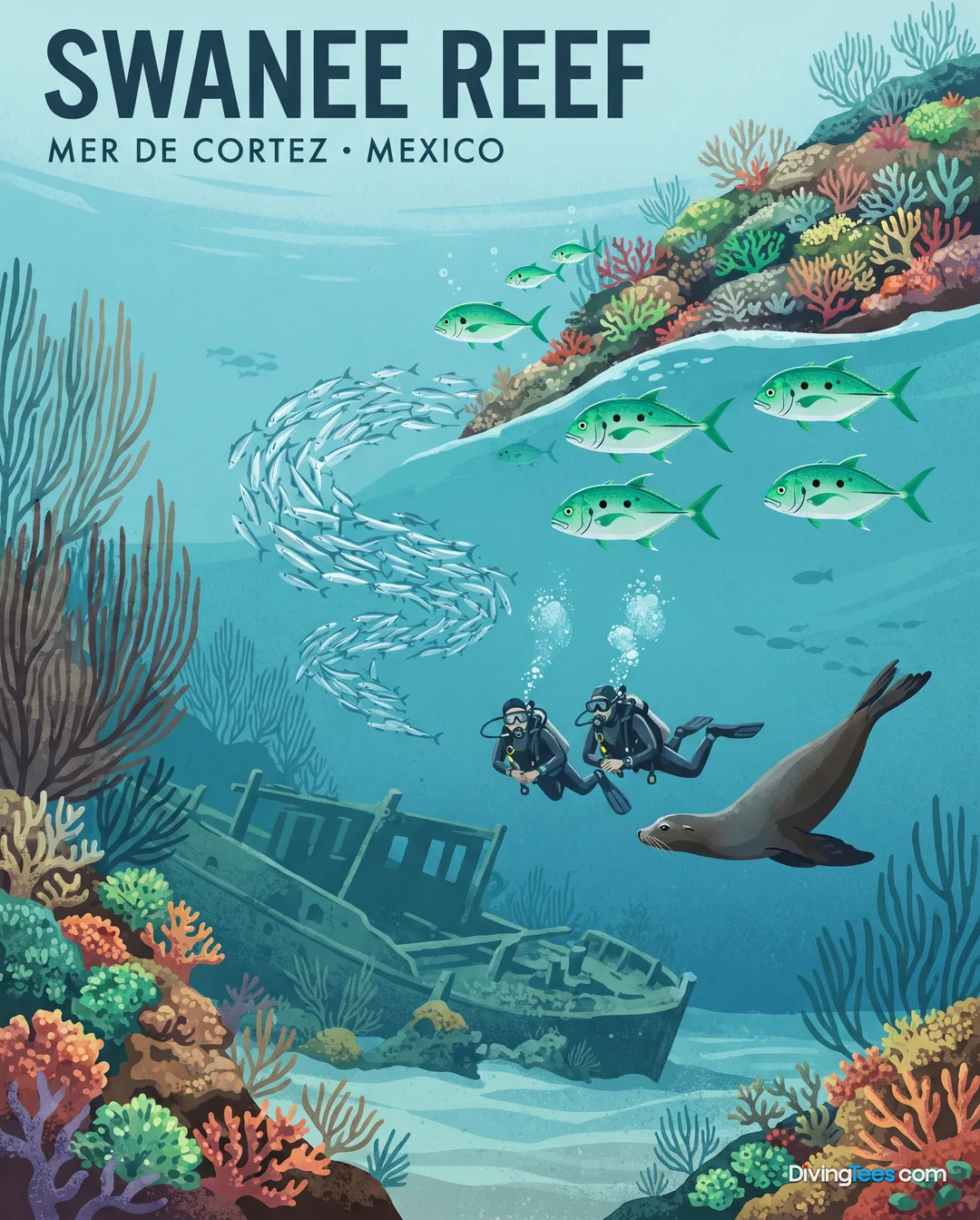
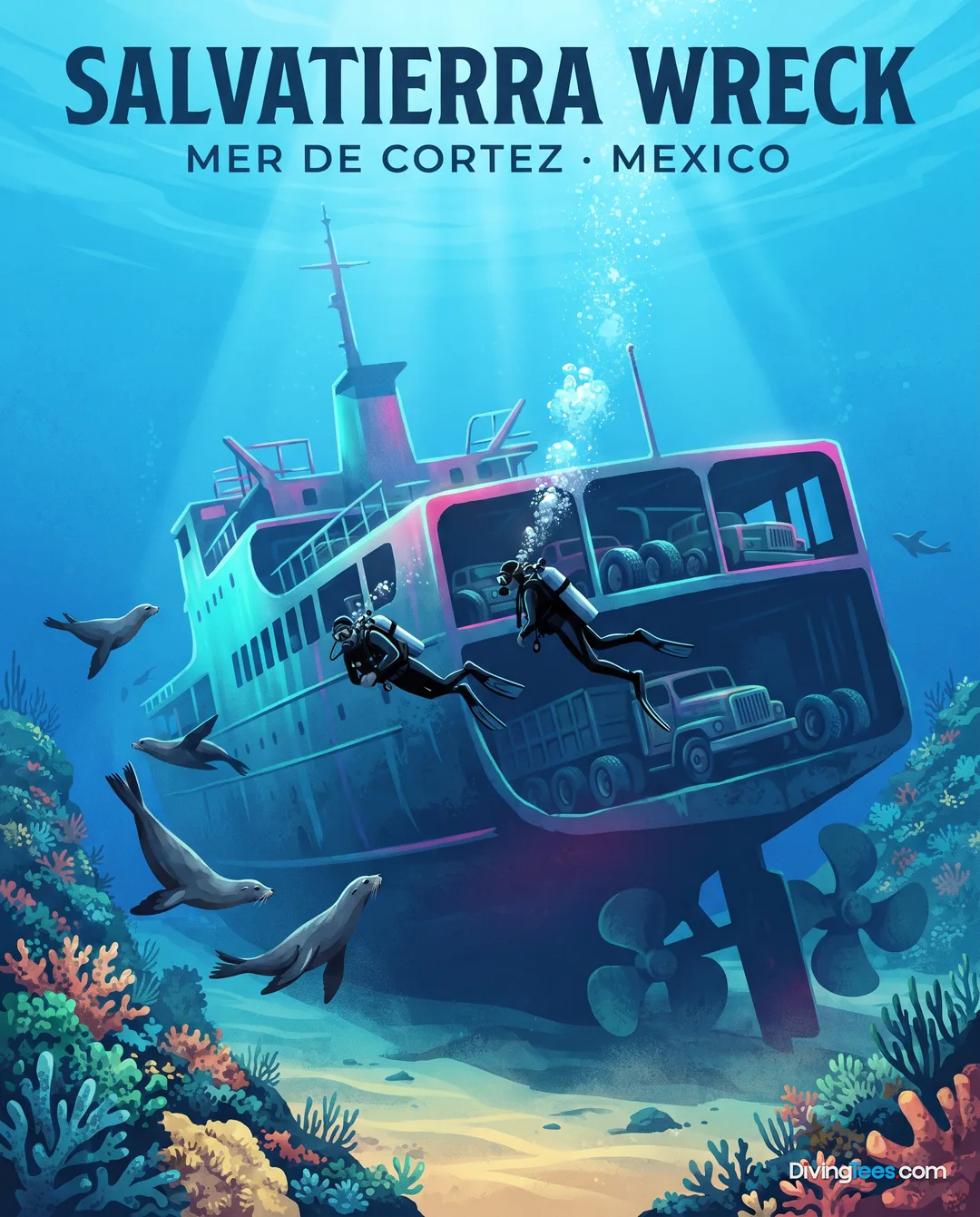
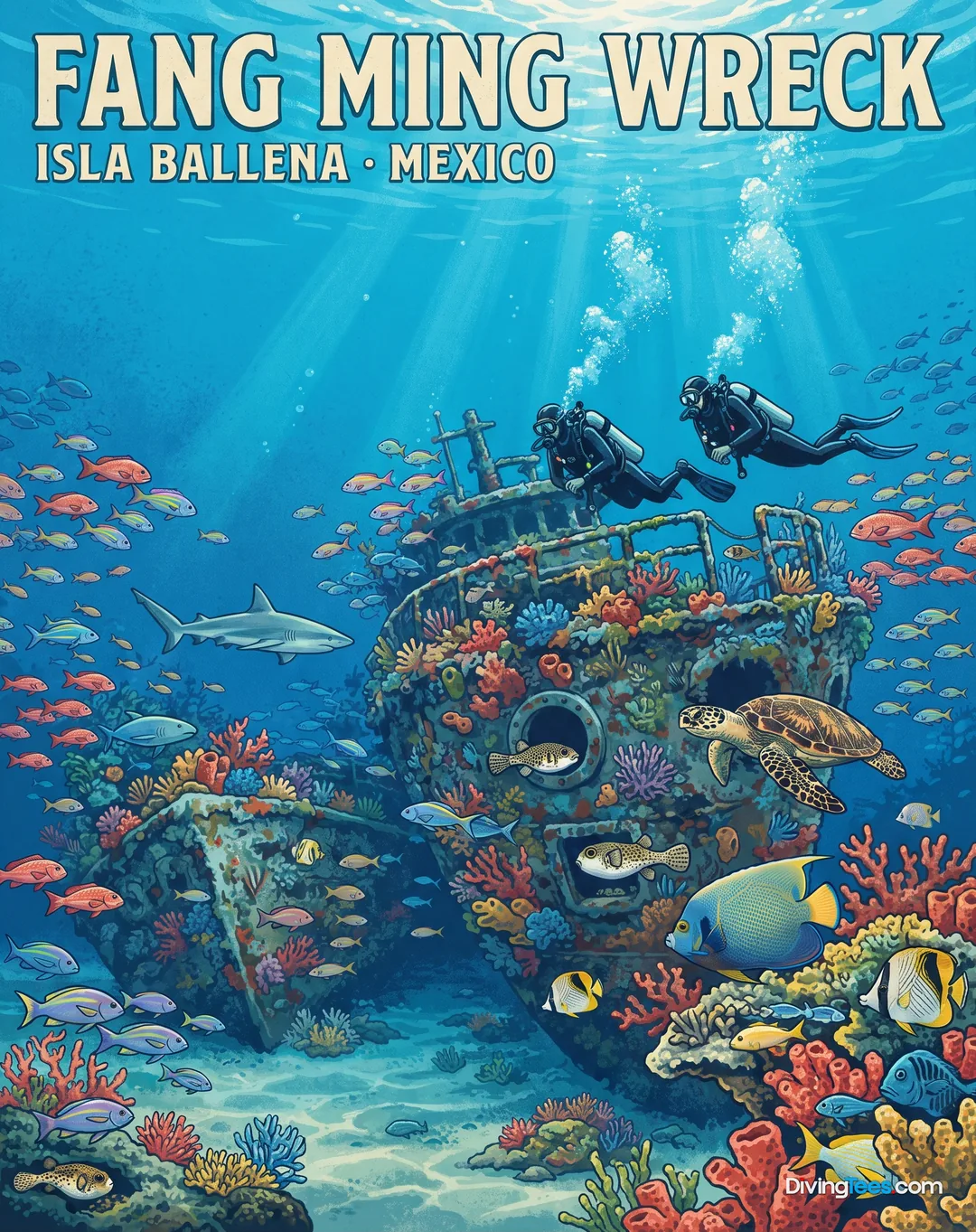
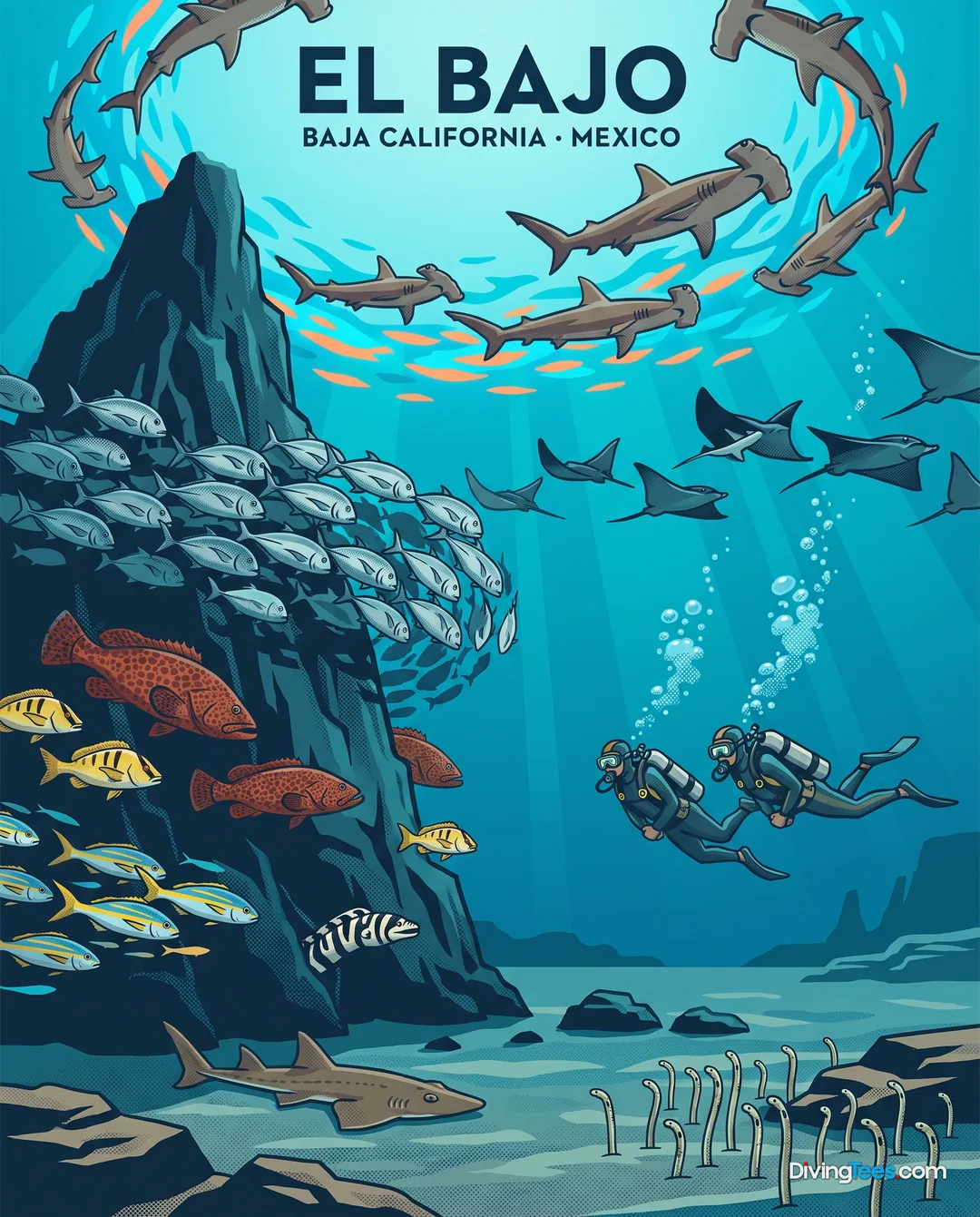
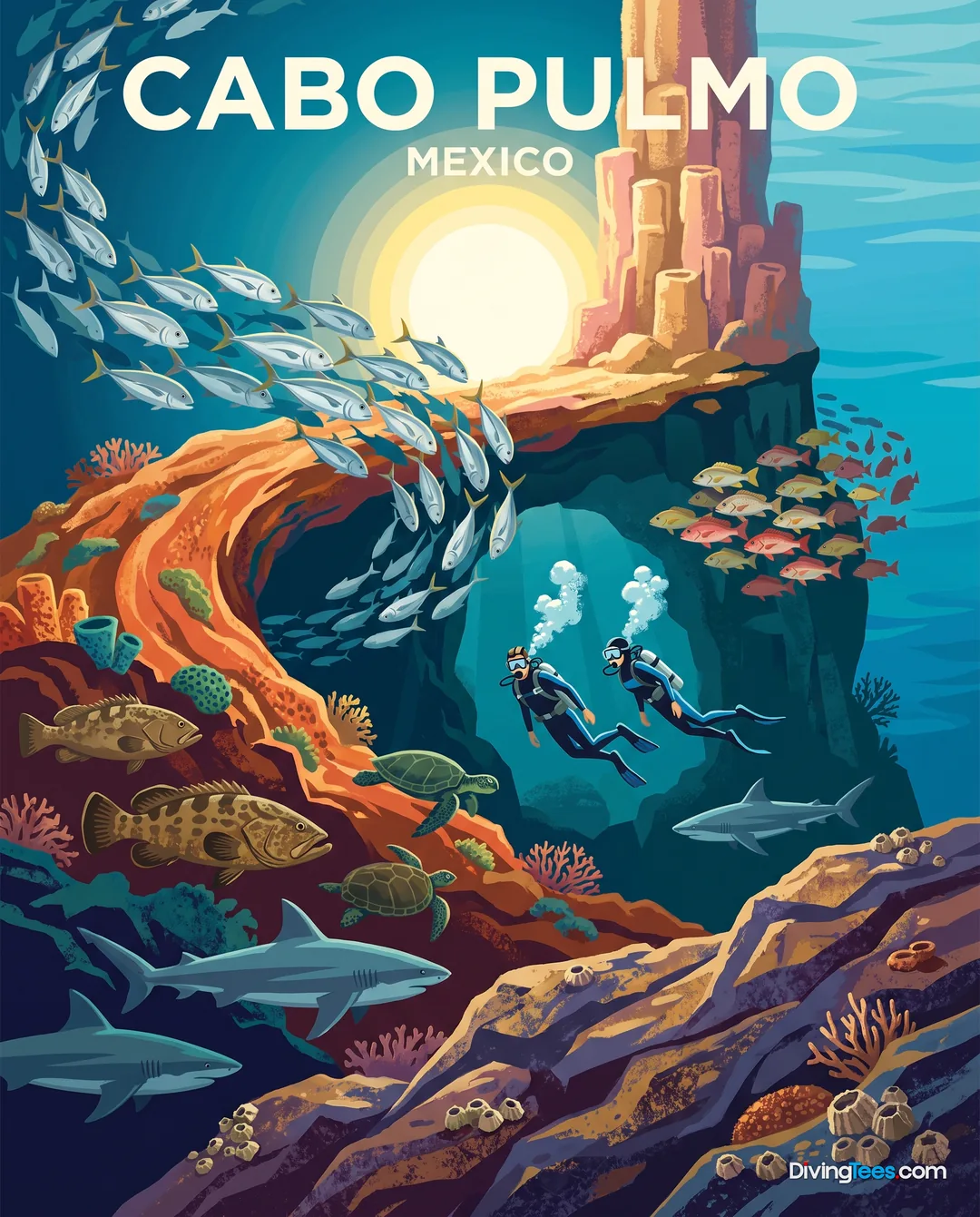
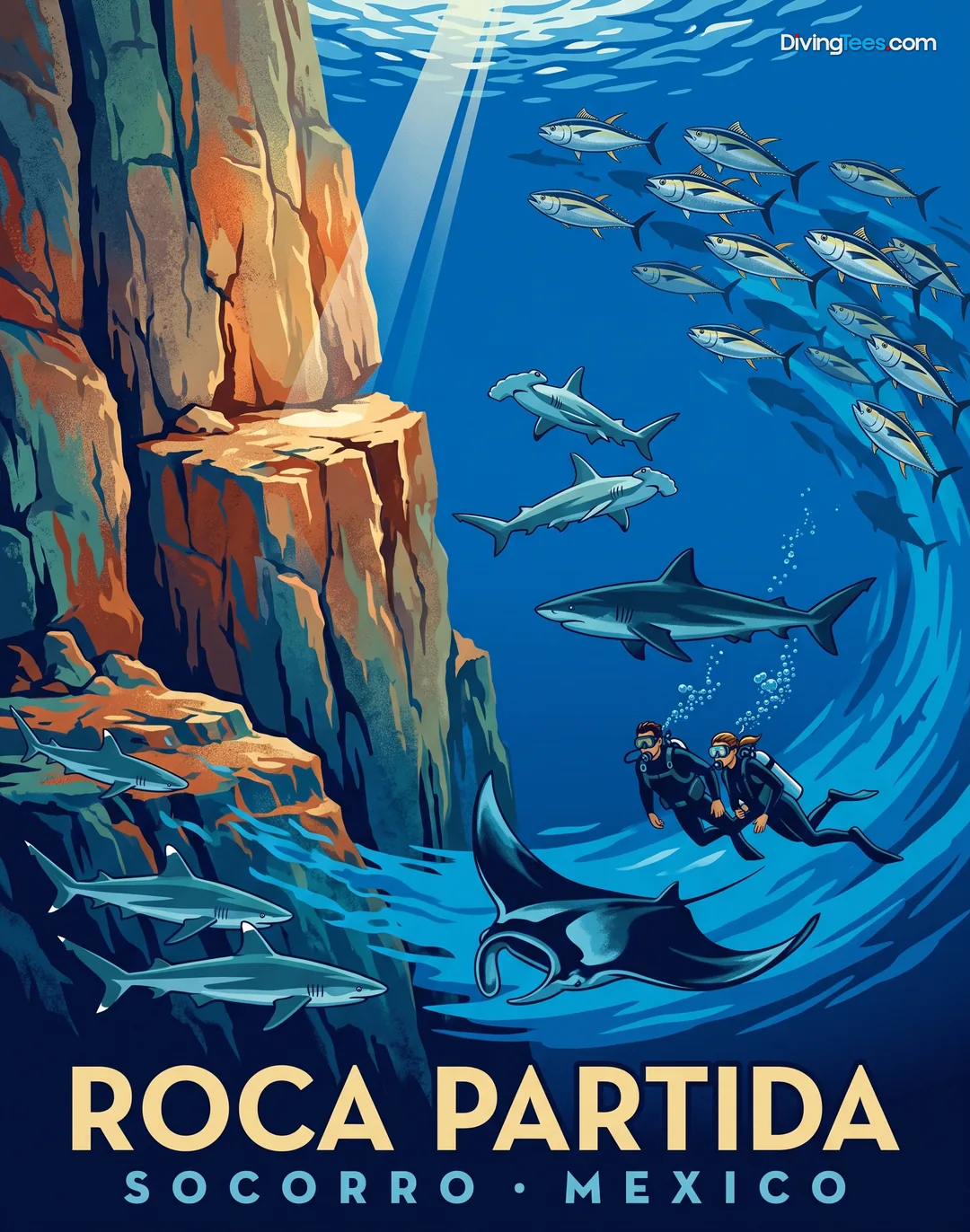
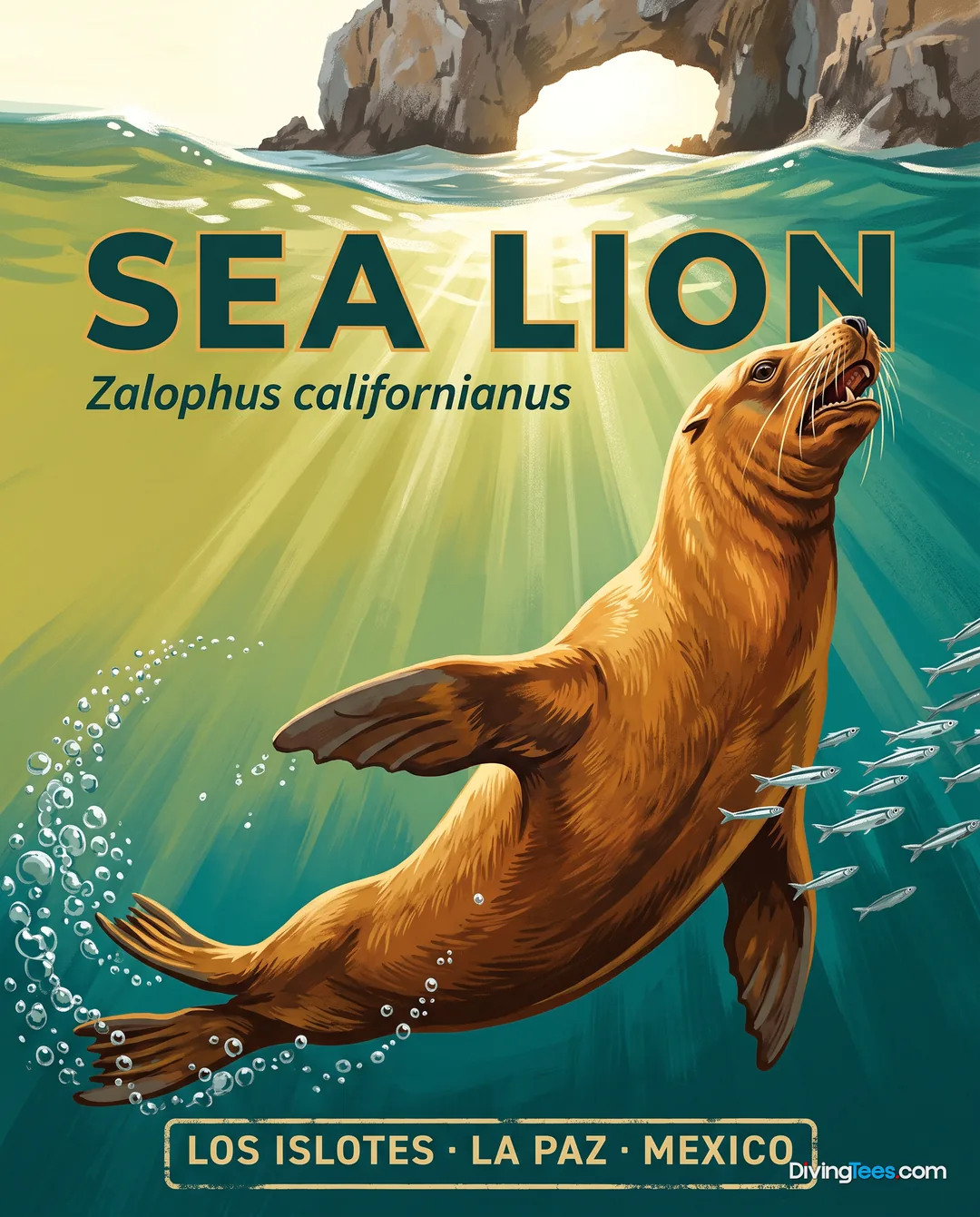
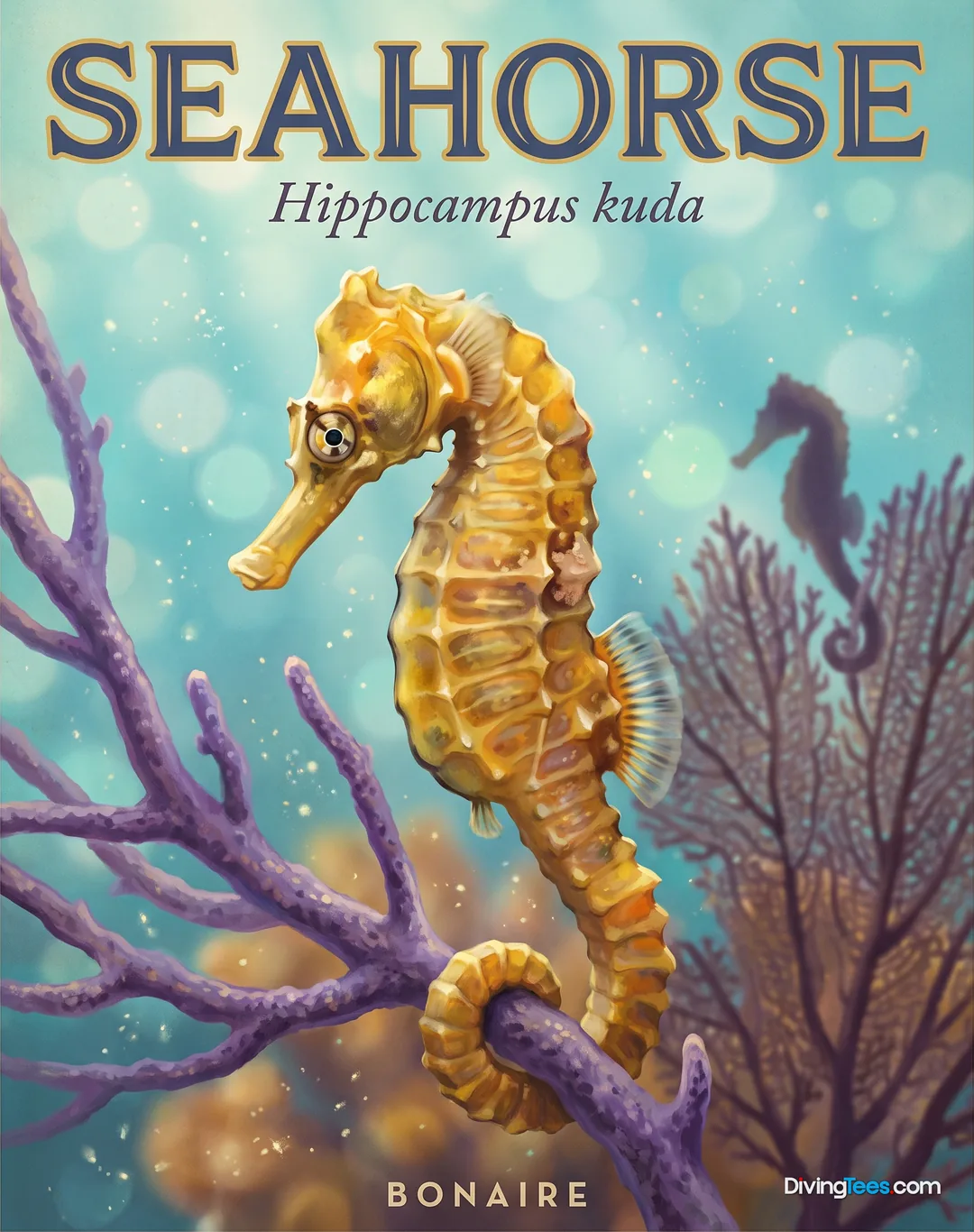
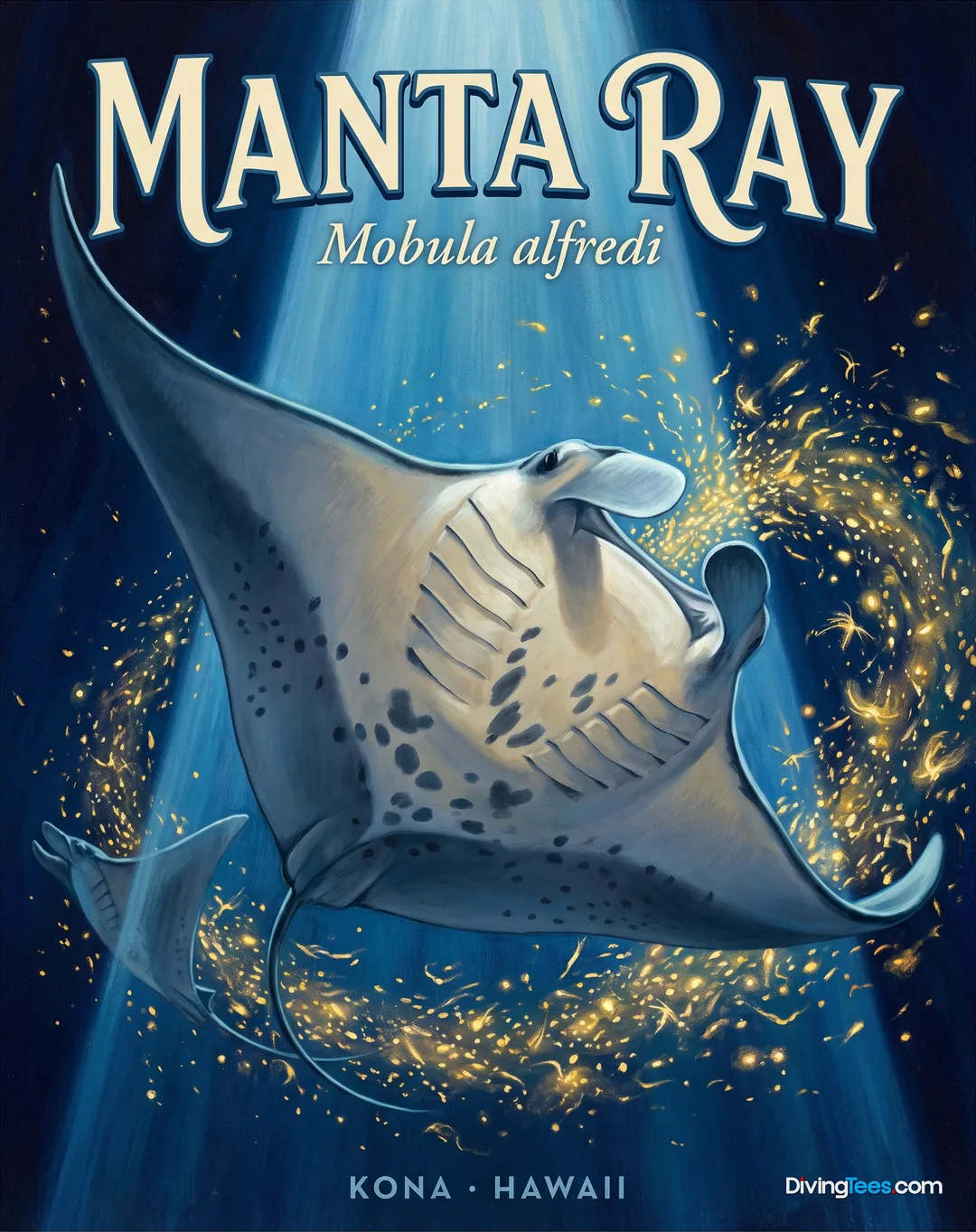
The Sea of Cortez itinerary runs for 5 days and 4 nights from La Paz, with sites that change with weather and sea conditions. Los Islotes puts divers beside California sea lions and reef fish; Swanee Reef combines a shallow reef with the Salvatierra wreck, reaching a maximum of -11m. La Reynita is a rocky pinnacle swept by current, with schooling fish and large groupers down to -30m. San Rafaelito reaches -30m among coral heads and small caves where parrotfish shelter, with sea lions and rays possible. The Salvatierra itself lies to -18m, with cargo trucks still resting on the wreck and their tyres inflated. Fang Ming Wreck reaches -21m and includes the Fang Ming and Lapas03, two deliberately scuttled vessels now supporting marine life. Isla Ballena offers caves, a hidden air pocket and sandy garden-eel beds to -18m; Punta Lobos slopes into a rocky wall to -27m, with giant seahorses, octopus and seasonal mobulas. La Reyna reaches -25m at a rocky islet where open-ocean life includes giant Pacific manta rays. El Bajo drops to -18m on a coral reef near Cabo Pulmo, with schooling fish and possible pelagic encounters. The longer Revillagigedo trip lasts 9 days and 8 nights and reaches San Benedicto, Socorro and Roca Partida, with a 20–24-hour open-ocean crossing.
Itineraries, dates and prices
Prices per person. Each month shows its lowest price: click a month, or pick an itinerary.
Next departures · 18 departuresfrom £2,461$3,290€2,939
November 2026
January 2027
March 2027
April 2027
May 2027
See dates and prices
If you click these links and make a purchase on the partner site, DivingDeal may earn a commission, at no extra cost to you.
Dates and prices taken from Divebooker and liveaboard.com, updated 22 October 2026
What you’ll meet underwater
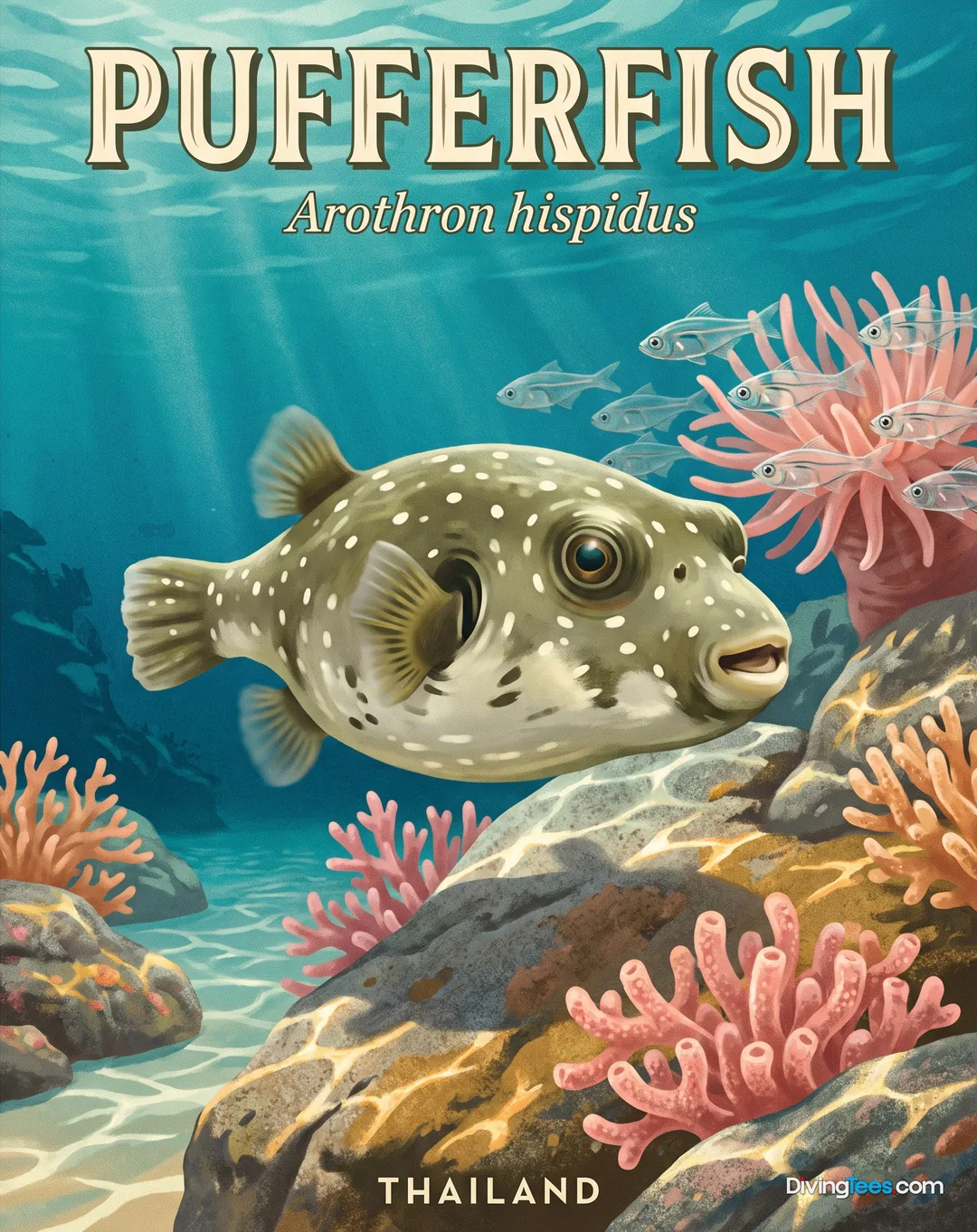
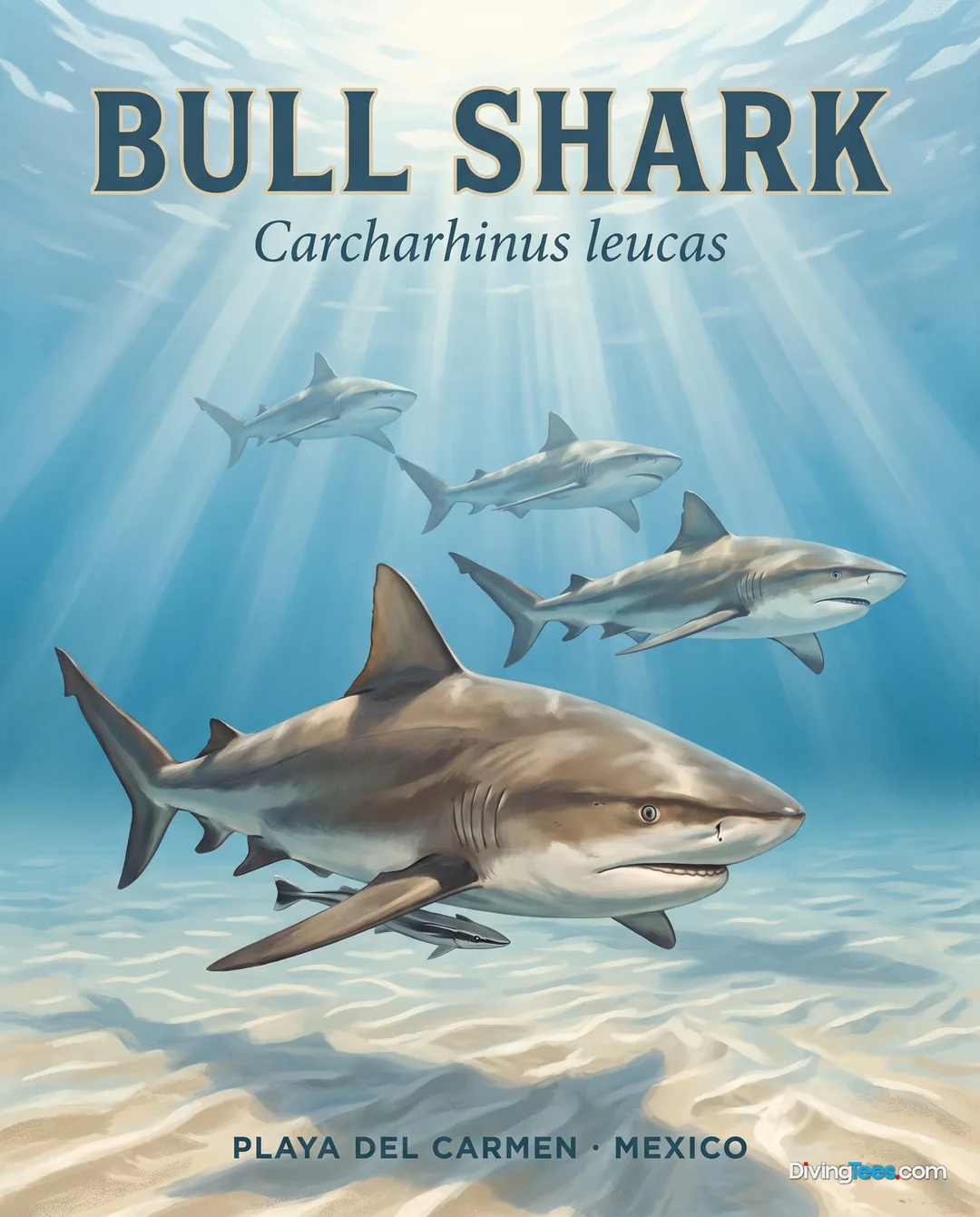
Across this route, groupers and sea turtles are among the animals recorded most widely, with morays, octopus and snappers also recurring at several sites. Nudibranchs and rays add the smaller, slower discoveries between the larger encounters. The specific reasons to choose individual dives are sharper. Los Islotes is the place for California sea lions and the route’s recorded lobster sighting. Isla Ballena is the site associated with dolphins. La Reina is where oceanic manta rays converge in summer, while La Reyna is noted for giant Pacific manta rays and green, zebra and jewel morays. Fang Ming Wreck is the only listed site with reef sharks, hard and soft corals and pufferfish. El Bajo is the site linked with bull sharks and tuna, as well as schooling fish and pelagic action. Swanee Reef is the named site for green turtles. Salvatierra Wreck can produce barracuda among its trucks and artificial-reef life. Nothing is guaranteed, but the route gives each descent a distinct reason to enter the water.

Who puts you in the water
The diving is led by bilingual divemasters who speak English and Spanish. They run the briefings, organise the entries and remain available in the water when a diver needs extra support. Proof of certification is required before diving; the Sea of Cortez itinerary is presented for both newer and experienced divers, while Revillagigedo departures require Advanced Open Water or a higher certification level. A nitrox certification is required to use nitrox, with a course available aboard. The boat carries oxygen, first-aid kits, fire alarms and extinguishers, radio equipment, GPS, radar and sonar. The crew’s role is visible in the details: briefing before entry, help at the platform and assistance underwater when a diver has a problem.
The dive deck and the gear
The dive station is arranged for repeated entries, not for a single sightseeing dive. Adventure carries 80-cubic-foot aluminium tanks, with two air compressors and a membrane system for nitrox. Weight belts and weights are provided, and DIN adapters are available. Rental equipment can be arranged as an extra. The stern has benches for securing tanks, a shaded work area, rinse bins and a separate rinse setup for cameras; fresh water and air are available for cleaning and drying gear. Divers reach the water from a platform with two wide stairs, or from one of the two tenders when the site calls for a drop away from the hull. Outdoor showers are available after the dive. Nitrox is an extra, and a nitrox course can be completed aboard.
Between dives
Between dives, divers spread out between the shaded dive area, the upper deck and the air-conditioned salon. The upper deck has benches and chairs for reading, drying off or watching the coast pass during a move; the salon has a Smart TV, books, cards and board games. Fresh water and air are available around the stern for rinsing and drying equipment, while outdoor showers make the first rinse after a dive easy. The boat also carries two tenders and four double kayaks, giving the surface hours more purpose when the itinerary allows. Starlink internet is available as a paid extra, but the useful habit on this kind of trip is still the old one: eat, rinse, log the dive and sleep before the next briefing.
A day on board
A Sea of Cortez day is built around three or four dives when conditions allow. Breakfast comes before the first briefing and entry; after the dive, the stern becomes a place for rinsing gear, recording sightings and getting dry before the next meal. Full diving days can include a third and fourth descent, and the sample itinerary places a night dive after the daytime work, when octopus, nudibranchs and hunting eels come out under the beam. Other days are shaped by the site: drift diving at Las Ánimas, sea-lion encounters at the islands, or a wreck followed by the return to the boat. The compressor, galley and dive team keep working while divers eat, rest and move between sites. On the final day, dives at Los Islotes or Fang Ming Wreck give way to the run back to La Paz. Socorro follows the same basic cycle over seven full diving days, but the passage out and back is part of the expedition.
What you eat aboard
Meals are prepared in the onboard galley and lean toward local cooking, with full-board service covering breakfast, snacks, lunch and dinner. Non-alcoholic drinks, tea, coffee and snacks are available through the day; dinner comes with a glass of wine, and beer is available aboard. Vegetarian and vegan alternatives are part of the food plan, with other options for dietary restrictions. The food is one of Adventure’s strongest points, and that matters more after the third or fourth dive than a polished dining room would. A meal is where the group compares sightings, checks the next briefing and gets enough food back in before the next entry. Dinner is the slower table: local plates, a drink and the first conversation about what might be waiting tomorrow.
Nights at sea
The cabins sit on the lower deck, where air conditioning, hot-water sinks, mirrors, reading lights and 110-volt outlets make the practical side of a liveaboard straightforward. Double cabins are available on the upper deck or inner deck, with quad cabins on the inner deck. Some cabins have sea views; others trade the view for a more protected position inside the boat. The important detail is the lower-deck setting: engine and machinery noise can be part of the night on any working vessel, so light sleepers should bring earplugs. Between dives, the interior salon offers air conditioning and the upper deck gives more air, sun and shade. Storage is limited, which makes a soft, compact bag more useful than a hard case. These are cabins for sleeping between dives, not rooms built to keep a diver indoors.
Double Cabin Upper Deck
Double Cabin Inner Deck
Quad Cabins Inner Deck
What to know before boarding
Sea of Cortez departures leave from and return to Marina Asipona in La Paz. Revillagigedo departures leave from and return to Cabo San Lucas, using Dock 4. Airport and hotel transfers can be arranged but are not included. Arriving at least one day before boarding is the sensible choice.
Deck plan
- Year built
- 1977
- Year renovated
- 2011
- Length
- 30.5 m
- Beam
- 6.7 m
- Maximum number of passengers
- 16
- Number of cabins
- 10
- Number of bathrooms
- 7
- Engines
- 2 × Cat 3412
- Cruising speed
- 11 knots
- Tenders
- 2
- Website
- sunridertours.com ↗
Hello, I'm Marina, DivingDeal.com's AI assistant. I answer in detail about hotels, dive centres and liveaboards.
Thinking about the whole trip and the flights? Talk it over with Edith →
Marina is an AI. Some links are affiliate links: DivingDeal may earn a commission, at no extra cost to you. Bookings are made with the partner.