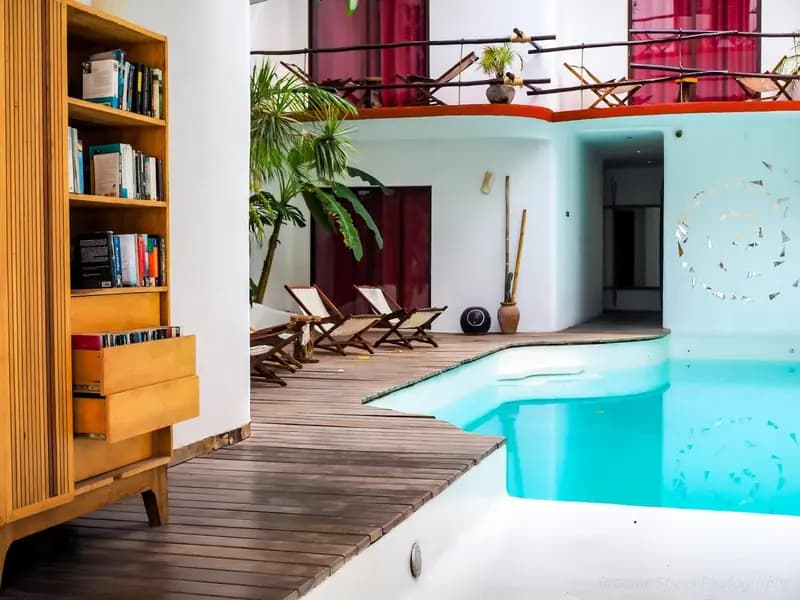
Kinbe Hotel Boutique
★★★★
★ 8.5/10 (955 reviews)
3.2 km away as the crow flies
Dive centre · Playa del Carmen · Mexico
4.383 Google reviewsExplore the unique freshwater cenotes and Caribbean reefs with a PADI 5 Star centre established in 1991.
For subtitles in English: start the video firstthen click the gearat the top right of the video, select “Subtitles/CC”, then “Auto-translate” and choose “English”.
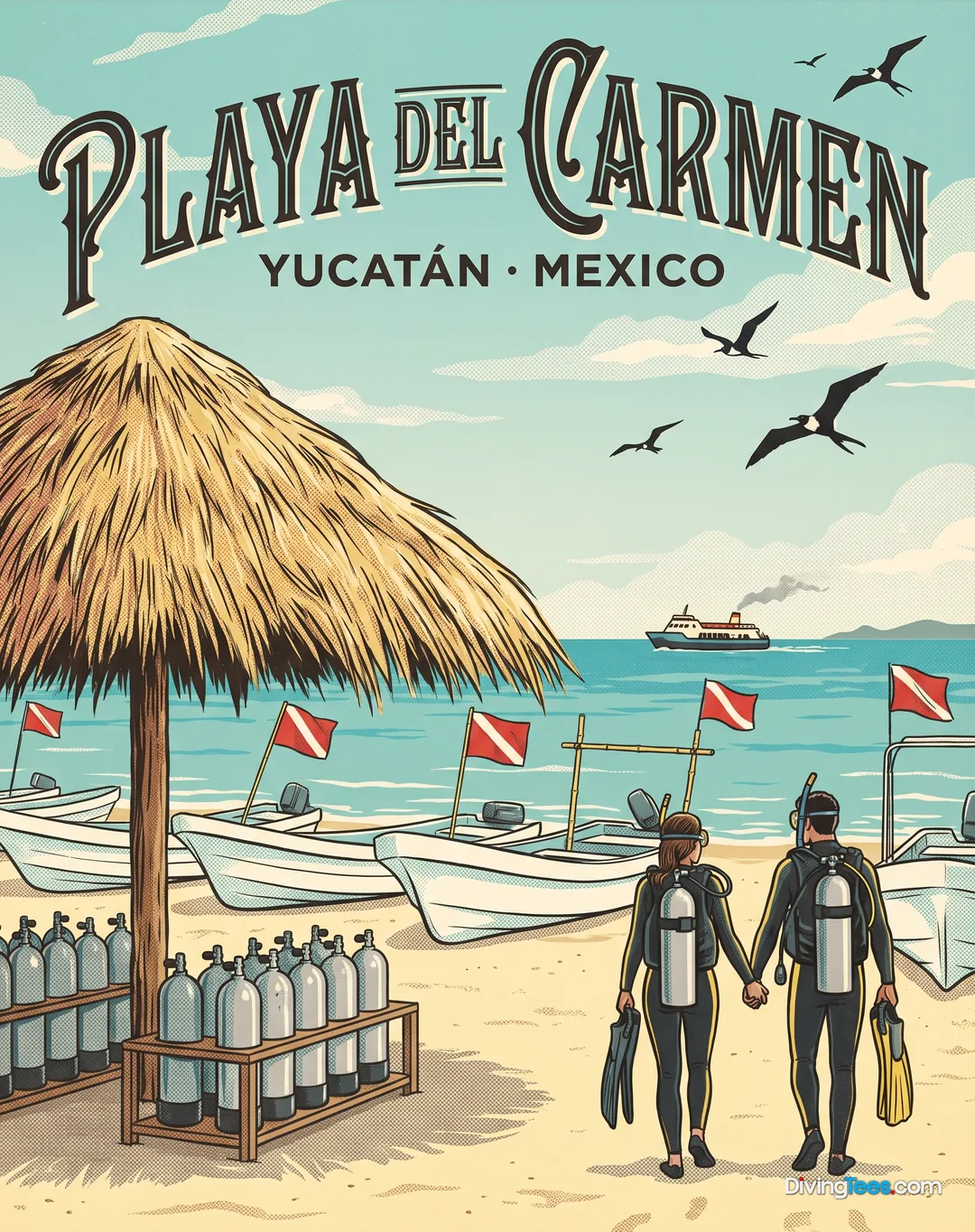
Located in the heart of Playa del Carmen, ScubaCaribe has been a fixture of the Mexican Caribbean diving scene since 1991. As a PADI 5 Star centre, they have built a reputation over three decades for maintaining high safety standards while exploring the diverse underwater landscapes of the Yucatan Peninsula.
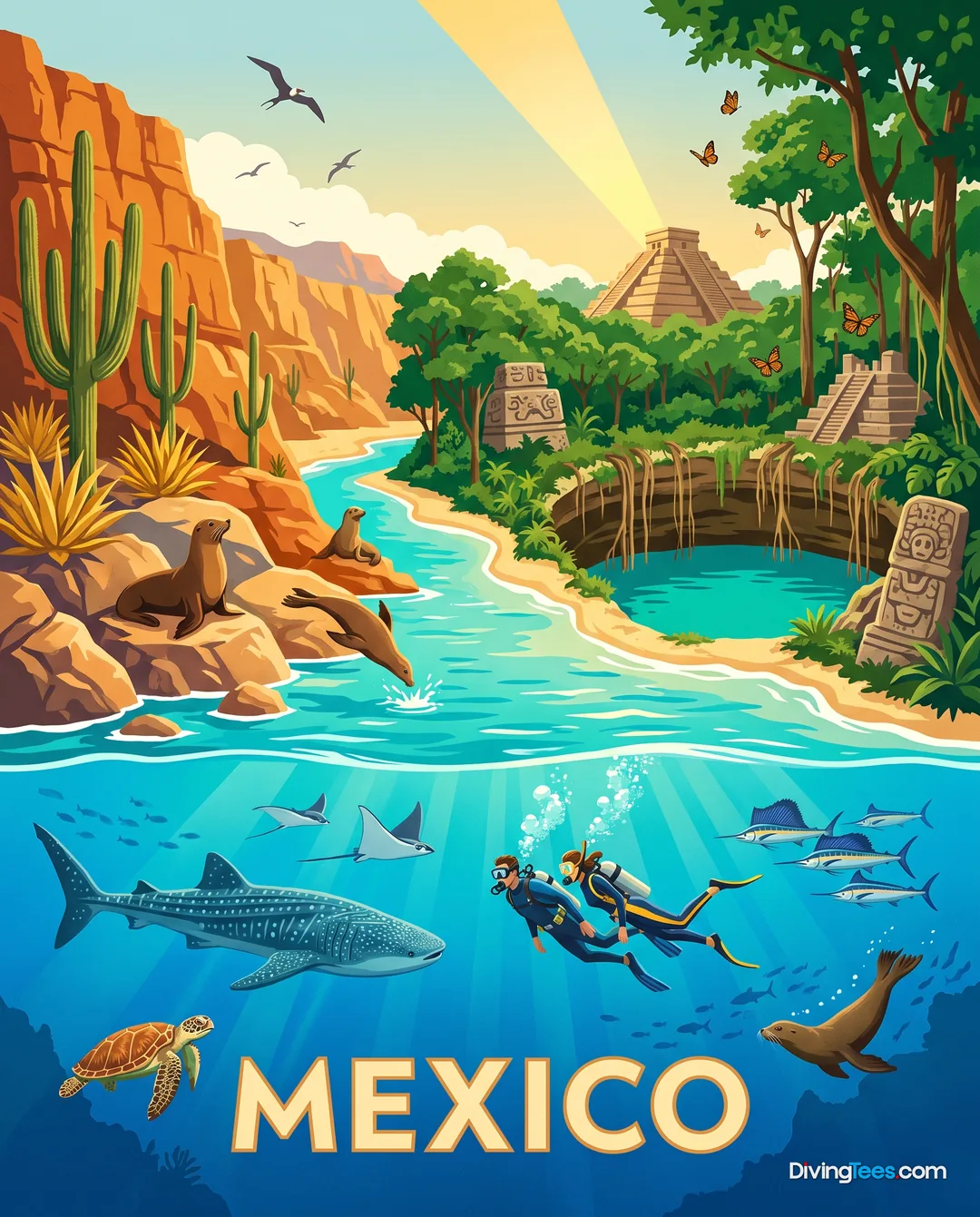
The centre serves as a gateway to several distinct diving environments. You can choose between the vibrant coral reefs of the Caribbean, the submerged sculptures of the Cancun Underwater Museum, or the breathtaking freshwater cenotes that define this region.
The team at ScubaCaribe is composed of multilingual instructors, ensuring clear communication for both English and Spanish speakers. Their extensive experience is backed by a long history of operating across multiple international sites and a deep involvement in local marine conservation efforts.
As an ambassador for the environment, the centre is actively involved in projects such as the Coribbean Reefs Project in Cancun, which focuses on the restoration of coral ecosystems. This commitment to the ocean is also reflected in their diving practices, such as their strict no-feeding policy during shark encounters.
ScubaCaribe offers a comprehensive curriculum through PADI, catering to every stage of a diver's development. Beginners can start with the PADI Discover Scuba Diving programme, progressing through to Open Water Diver and Advanced Open Water Diver certifications.
For those looking to specialise, the centre provides training for the Nitrox, Deep, and Wreck specialties. More advanced divers can pursue the Divemaster course to begin their professional career in the diving industry.
The centre provides a full range of rental kit for divers who prefer not to carry their own equipment. This includes regulators, wetsuits, fins, and masks, all maintained to high standards.
For those looking to extend their diving, Nitrox is available on-site. The centre uses Scubapro equipment, ensuring reliability and performance for both recreational and more advanced diving profiles.
The Cenotes of Playa del Carmen, including sites like Dos Ojos, El Pit, and Chac Mool, offer incredible freshwater cave diving adventures. These sites require a cave diving certification due to the technical nature of the environments.
The Cancun Underwater Museum (MUSA) features over 500 submerged sculptures that have been designed to act as artificial reefs. This site is accessible from the Open Water Diver level and offers exceptional visibility.
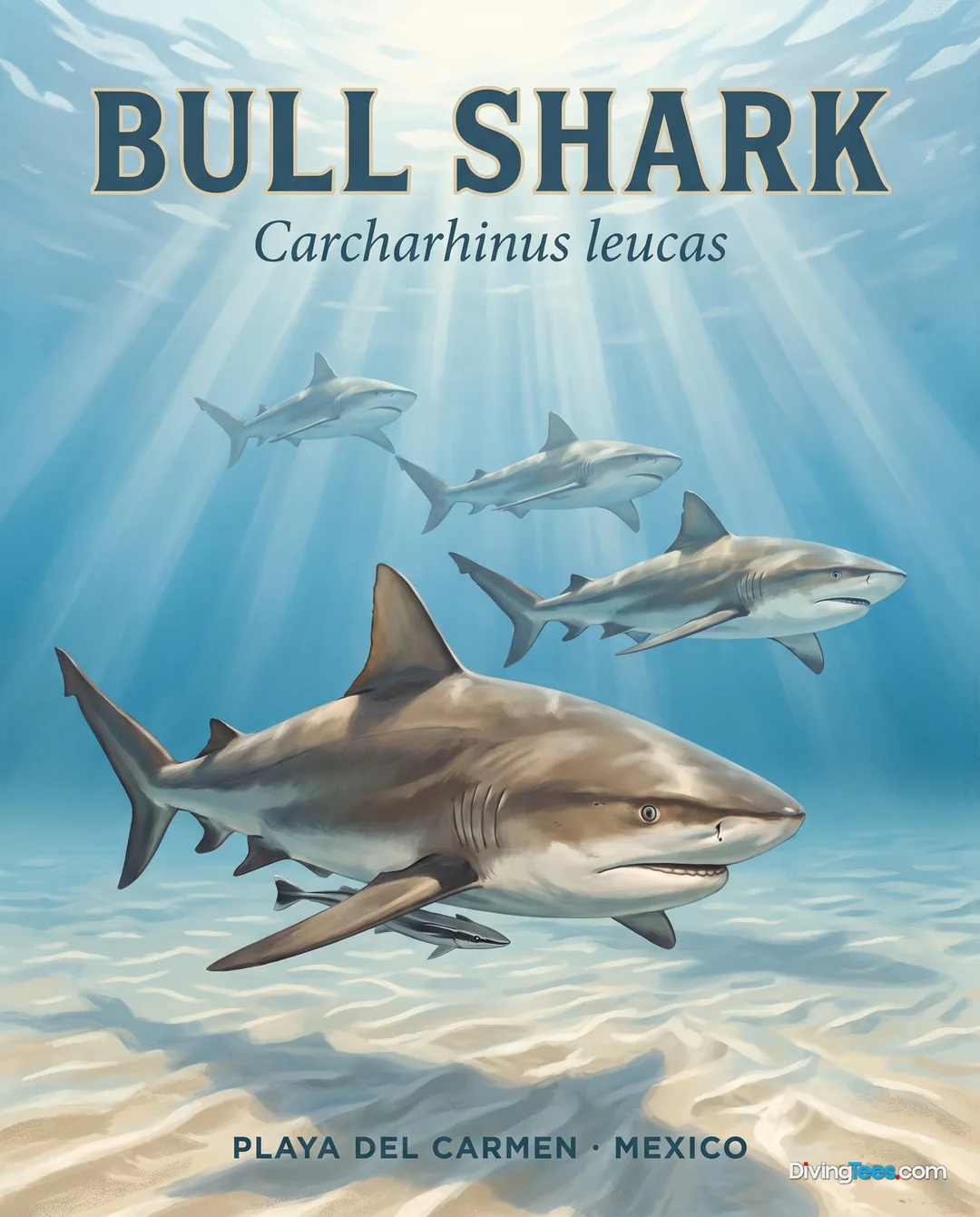
Bull shark encounters are a unique opportunity for experienced divers between November and March. These non-cage dives require expert guidance and follow strict best-practice protocols to protect the animals.
And some of the dive sites the centre runs.
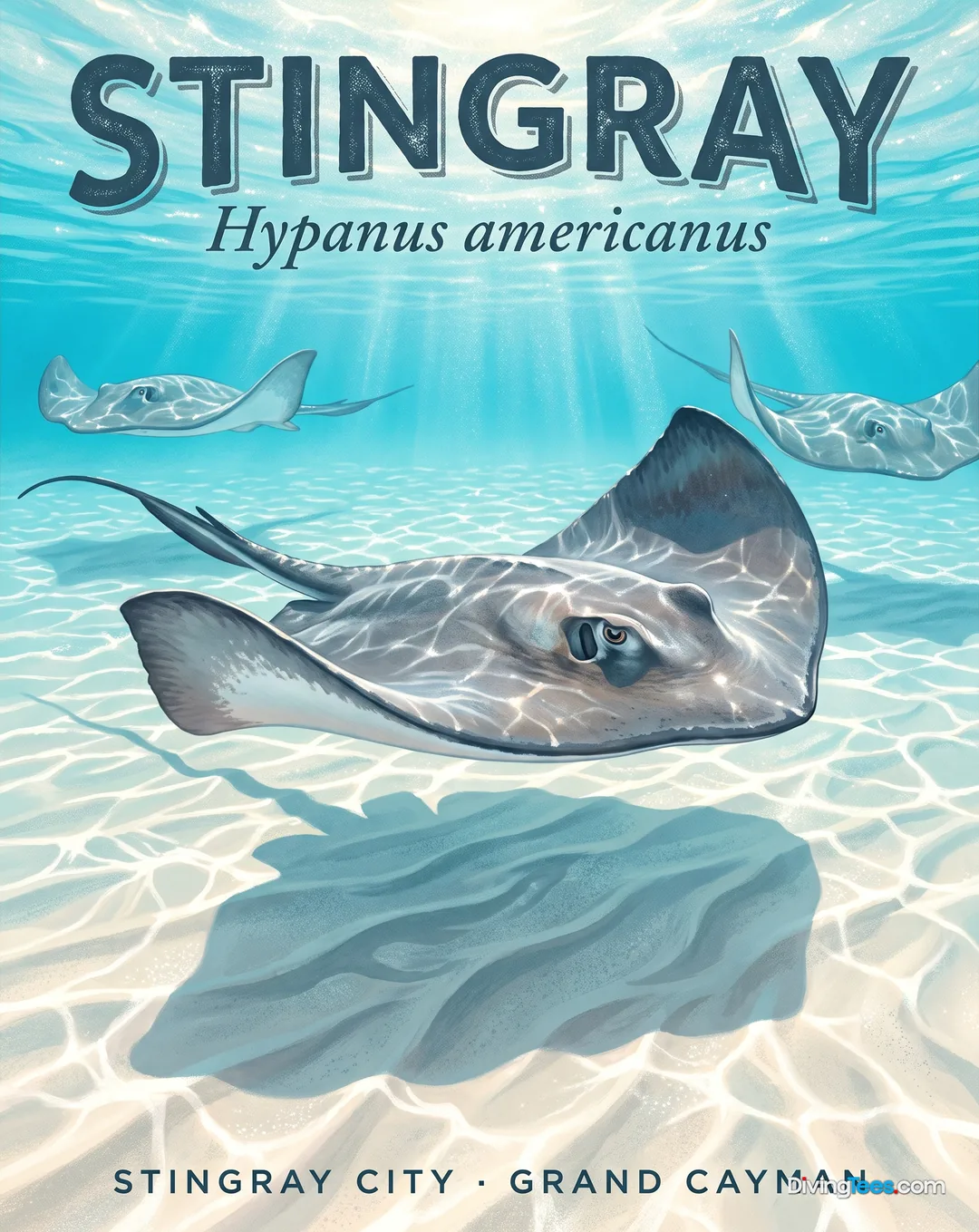
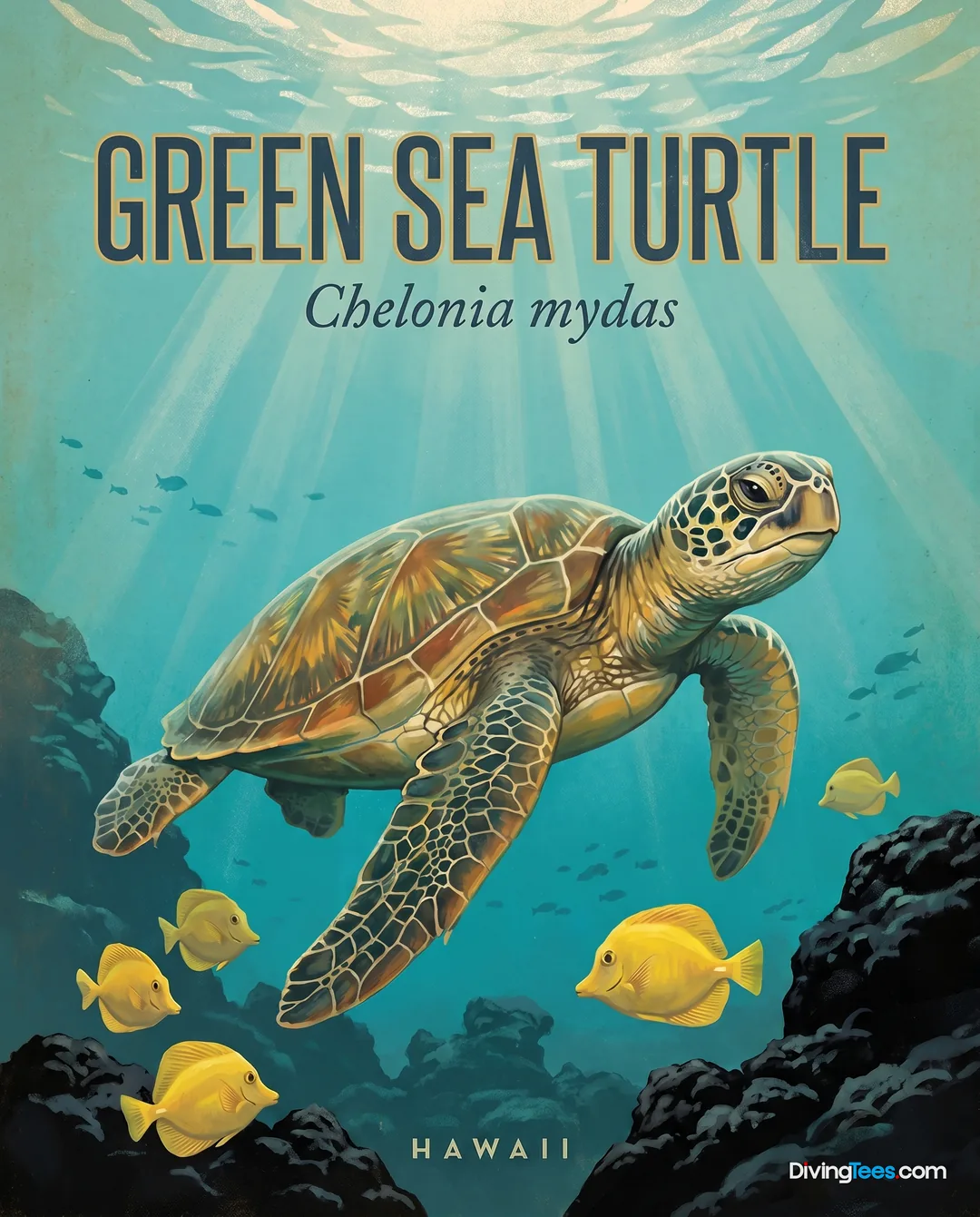
The Caribbean reefs are teeming with life, where you will find schools of colourful reef fish, parrotfish (Calotomus), and surgeonfish (Acanthuridae). Large groups of grunts and jacks (Carangidae) often move through the water, alongside sightings of various sea turtles (Cheloniidae) and stingrays.
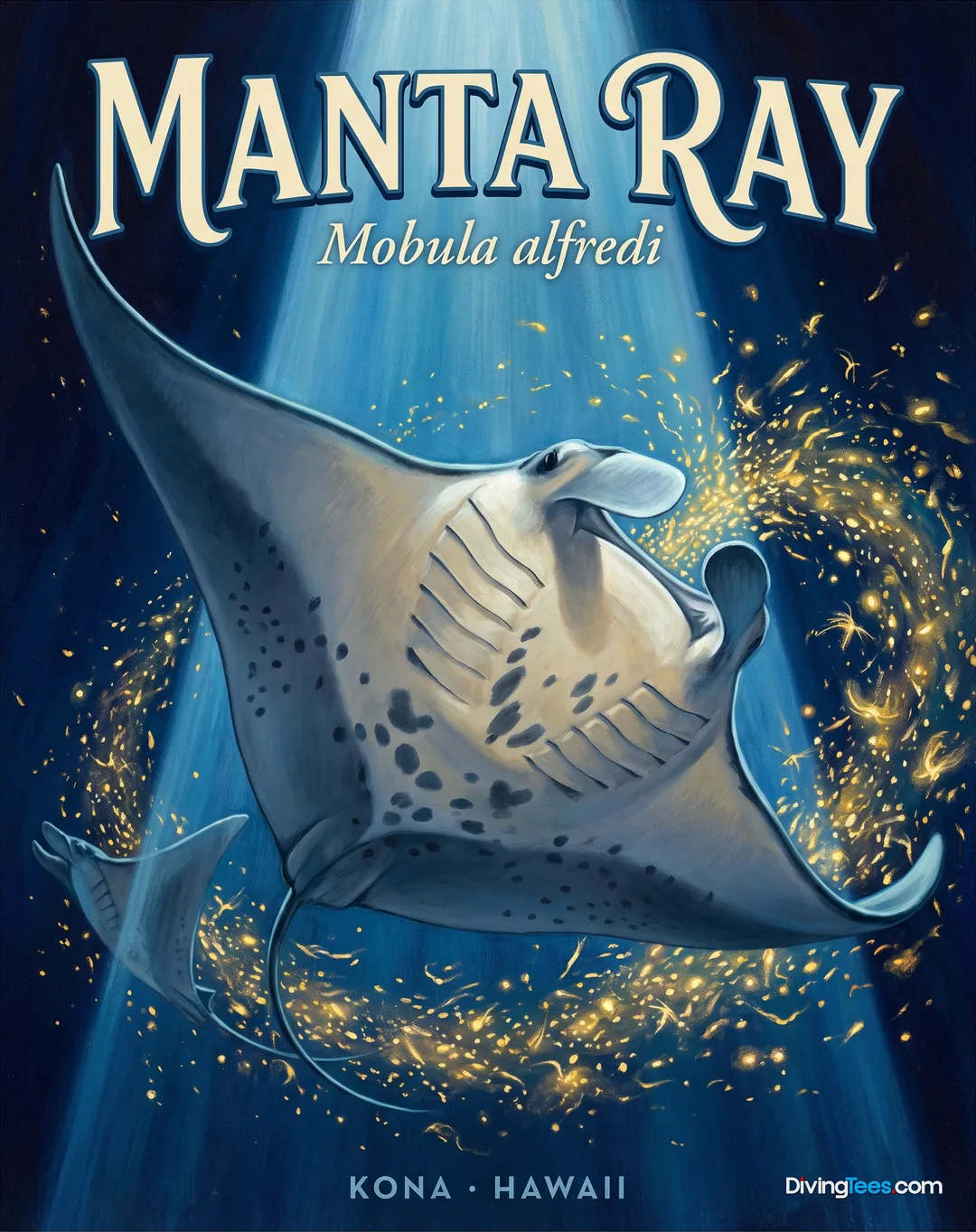
In the deeper or more seasonal waters, you might encounter bull sharks from November to March, or whale sharks from June to September. Other pelagics include Manta rays (Mobula alfredi), eagle rays (Aetobatus), and various species of reef sharks.
The reef structure itself is built from hard corals (Scleractinia), brain corals, and soft corals (Alcyonacea), alongside gorgonians and sea fans (Gorgoniidae). You will also see sponges (Porifera) and various anemones (Actiniaria) providing habitat for smaller inhabitants.
For those with an eye for macro life, the area hosts a variety of crustaceans including Spiny lobster (Palinuridae), crabs (Brachyura), and various species of shrimp (Caridea). Look closely for nudibranchs (Chromodoris willani), seahorses (Hippocampus kuda), and different types of moray eels, such as the green moray (Gymnothorax funebris) or spotted moray eels.
Diving in the region is influenced by the seasonal presence of large pelagics. For example, the arrival of bull sharks is tied to the cooler water temperatures between November and March.
While the reef environments are generally accessible, the cenote systems require specific technical training to navigate the cave and swim-through environments safely.
Hello, I'm Marina, DivingDeal.com's AI assistant. I answer in detail about hotels, dive centres and liveaboards.

Thinking about the whole trip and the flights? Talk it over with Edith →
Marina is an AI. Some links are affiliate links: DivingDeal may earn a commission, at no extra cost to you. Bookings are made with the partner.
★★★★
★ 8.5/10 (955 reviews)
3.2 km away as the crow flies
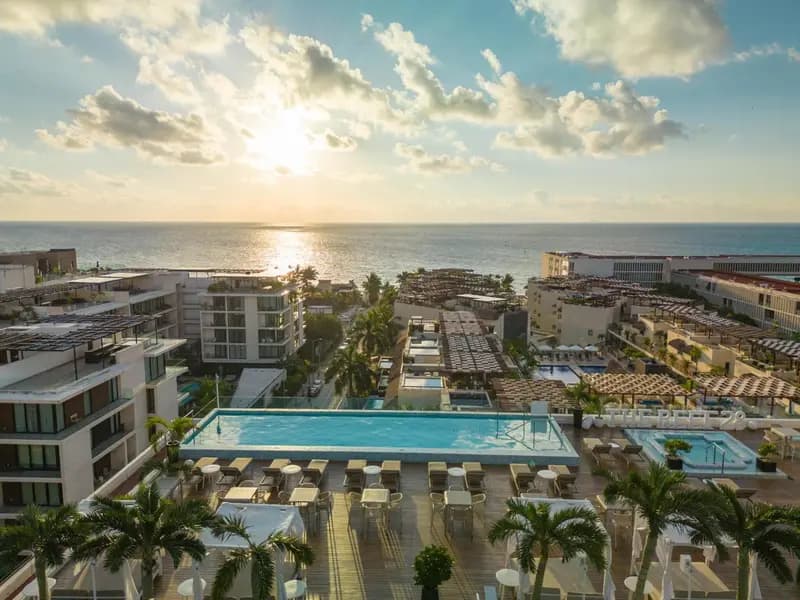
★★★★★
★ 8.1/10 (886 reviews)
4 km away as the crow flies
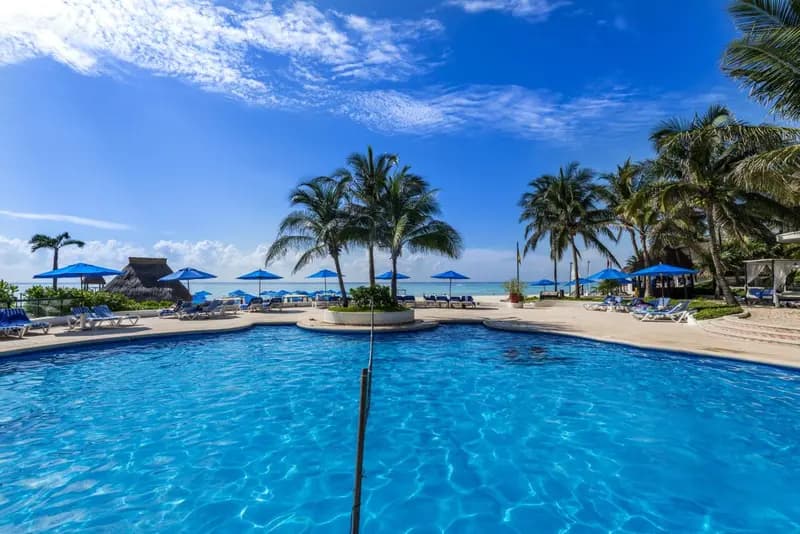
★★★★
★ 8/10 (1,076 reviews)
1.1 km away as the crow flies
Your last day stays dry: no diving in the 18-24 hours before a flight the perfect window to see the destination from another angle.
 Culture
⏱ 12 h · ★ 5.0 (74 reviews)
from €352
see on Viator ↗
 Culture
⏱ 3 h · ★ 5.0 (37 reviews)
from €71
see on Viator ↗
 Nature
⏱ 6 h · ★ 5.0 (28 reviews)
from €175
see on Viator ↗
 City
City⏱ 1 h · ★ 5.0 (26 reviews)
from €88
see on Viator ↗
Ratings and reviews collected by Viator and Tripadvisor.