Ana y Jose Tulum Hotel & Beach Club
★★★★★
★ 8.9/10 (85 reviews)
6.1 km away as the crow flies
Dive centre · Tulum · Mexico
5.0515 Google reviewsSpecialist cenote guides with over 10 years of experience lead small groups through the Riviera Maya's most iconic cave systems.
For subtitles in English: start the video firstthen click the gearat the top right of the video, select “Subtitles/CC”, then “Auto-translate” and choose “English”.
Located in the heart of Tulum, Flying Fish Tulum has spent over a decade helping divers navigate the unique underwater landscapes of the Riviera Maya. The centre is positioned for easy access, situated only 500 metres from the central ADO Bus Station, making it a practical base for those exploring the region.
While many dive centres focus solely on the coast, this team has carved out a niche as cenote specialists. They bridge the gap between the Caribbean reefs and the intricate freshwater cave systems, providing a comprehensive look at the region's diverse aquatic environments.
The centre operates with a focus on small, manageable groups to ensure a personalised experience. They maintain a strict ratio of no more than four divers per guide, allowing for a more attentive approach to buoyancy control and navigation, which is particularly vital in the delicate environments of the cenotes.
Their team of experienced local guides possesses an in-depth knowledge of the local topography, from the mangrove lagoons to the deeper vertical shafts. This expertise helps them match the specific dive site to your current certification level and comfort, whether you are a beginner or an advanced diver.
Flying Fish Tulum offers a structured progression of PADI courses designed to build confidence in both reef and cave environments. Beginners can start with Discover Scuba Diving or work towards their Open Water Diver certification.
For those looking to advance their skills, the centre provides the Advanced Open Water Diver course. Their instructors are experienced in guiding divers through the specific challenges of the local sites, helping you transition from open water to the more technical environments of the cenotes.
The centre provides a full range of rental equipment for those not travelling with their own kit. This includes everything required for a complete dive setup, ensuring you can arrive ready to head straight to the water.
For cenote excursions, the centre takes care of the logistics. Their tours include transport to the sites, as well as equipment, lunch, snacks, and water, allowing you to focus entirely on your dive profile.
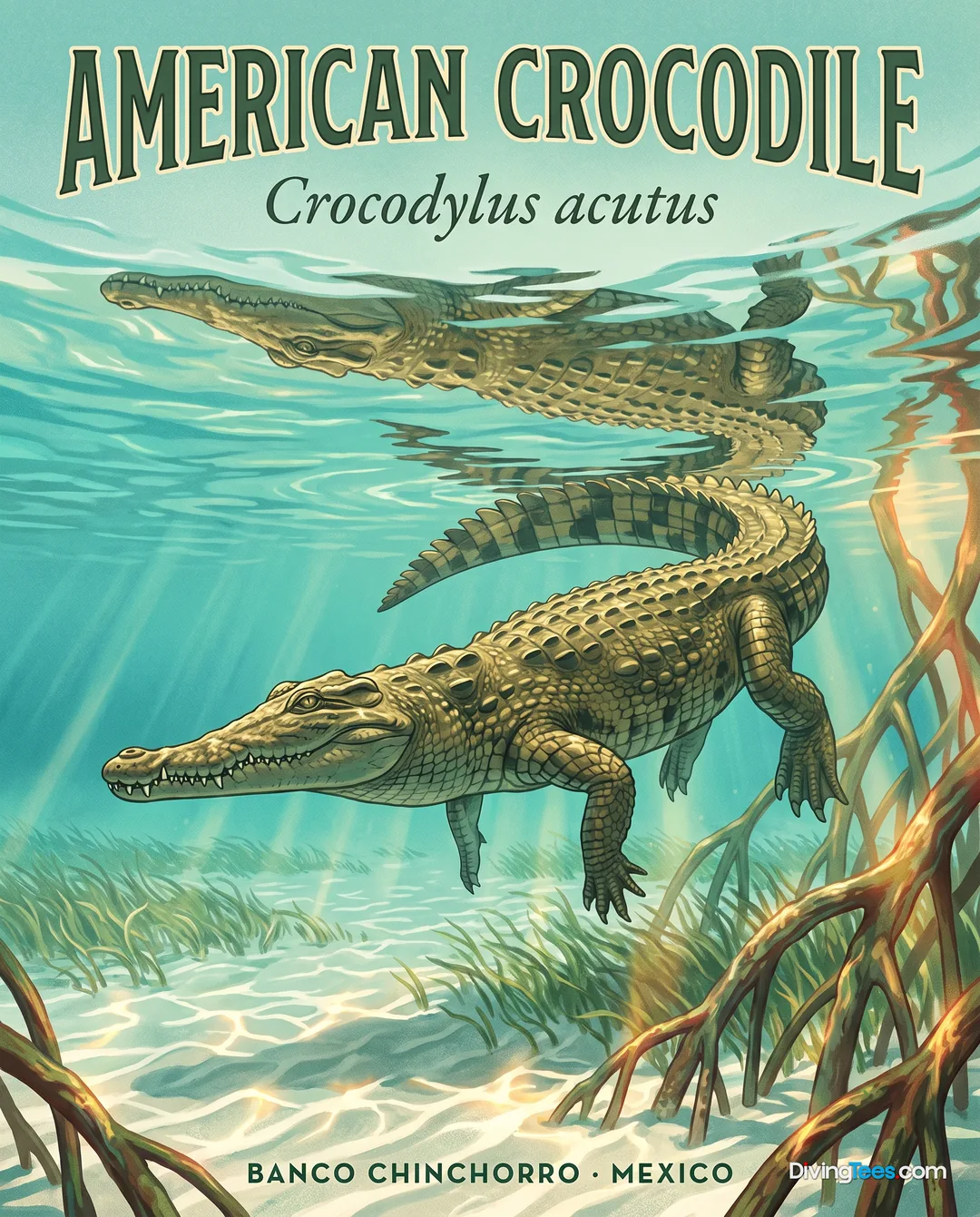
Casa Cenote (Cenote Manati) is a shallow lagoon environment ranging from 4 to 8 metres, ideal for those new to cenote diving. You can glide under jungle roots and natural tunnels while watching for freshwater crabs and the resident crocodile, Panchito.
Dos Ojos Cenote is one of the most famous systems in Mexico, offering spectacular cave formations. Divers can explore the brightly lit Barbie Line or the more atmospheric Bat Cave, depending on their preference for light and shadow.
El Pit Cenote is a landmark site for advanced divers, featuring a vast vertical cavern and dramatic light beams. The descent through crystal-clear water and past various haloclines makes it one of the most iconic experiences in the region.
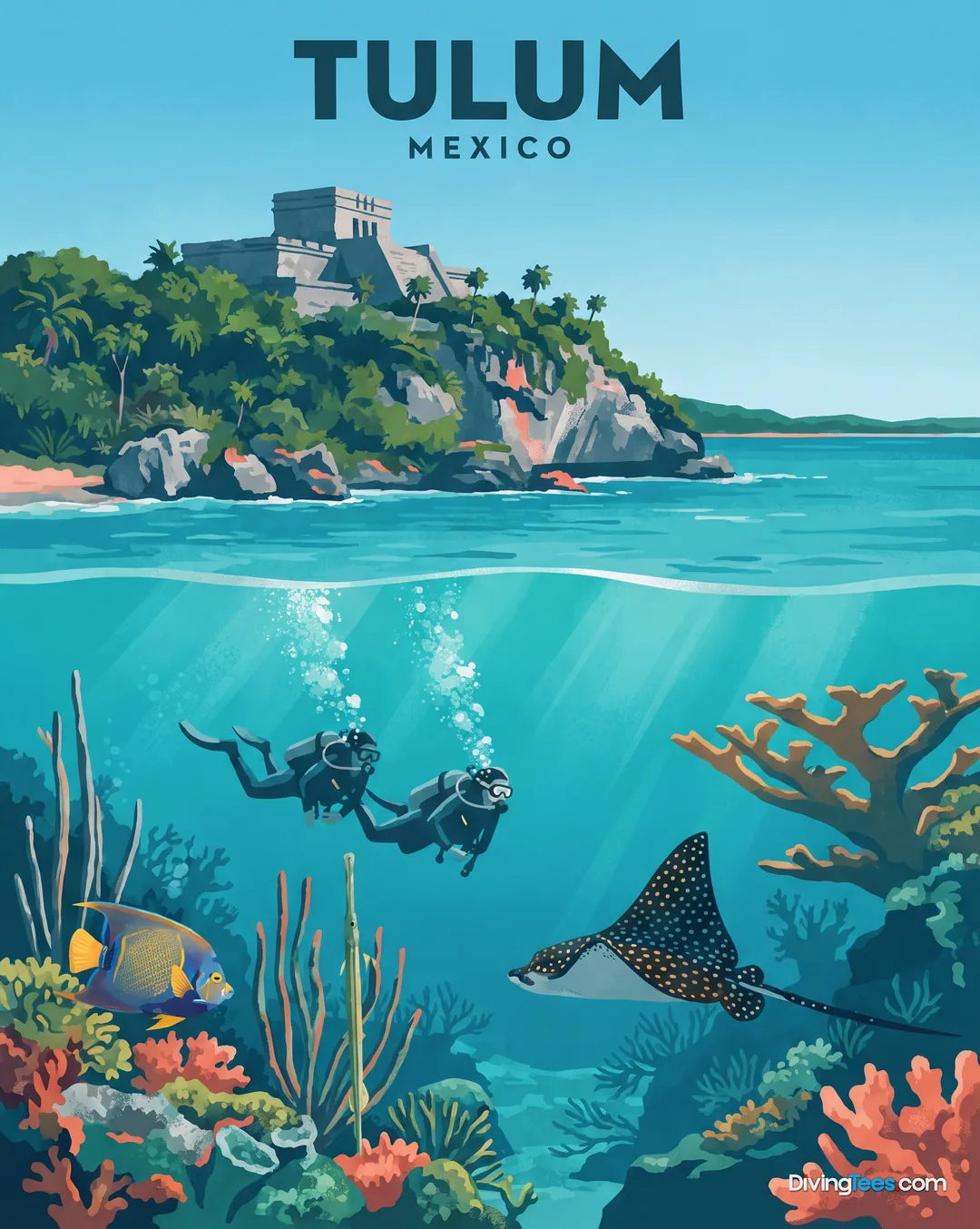
Tulum Reef provides a classic Caribbean reef experience in the Tankah Bay area. You can expect to find coral formations and various tropical fish, with the chance to see turtles and stingrays on the reef top.
And some of the dive sites the centre runs.
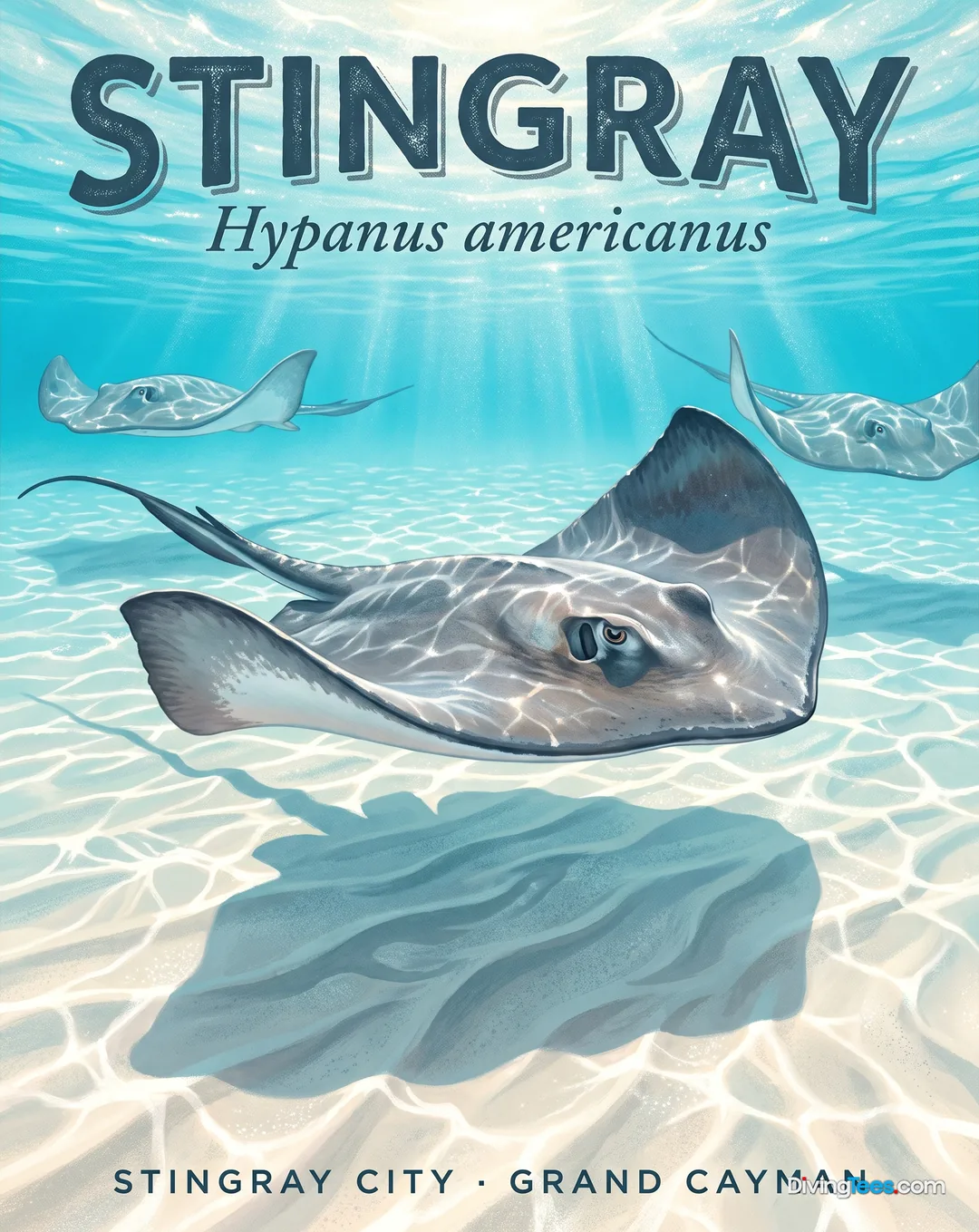
The marine life varies significantly between the coastal reefs and the freshwater cenotes. On the reefs, you will encounter a vibrant array of tropical fish, moray eels (Muraenidae), and various species of turtles. You may also spot Southern stingrays (Hypanus americanus) and large schools of fish moving along the coral structures.
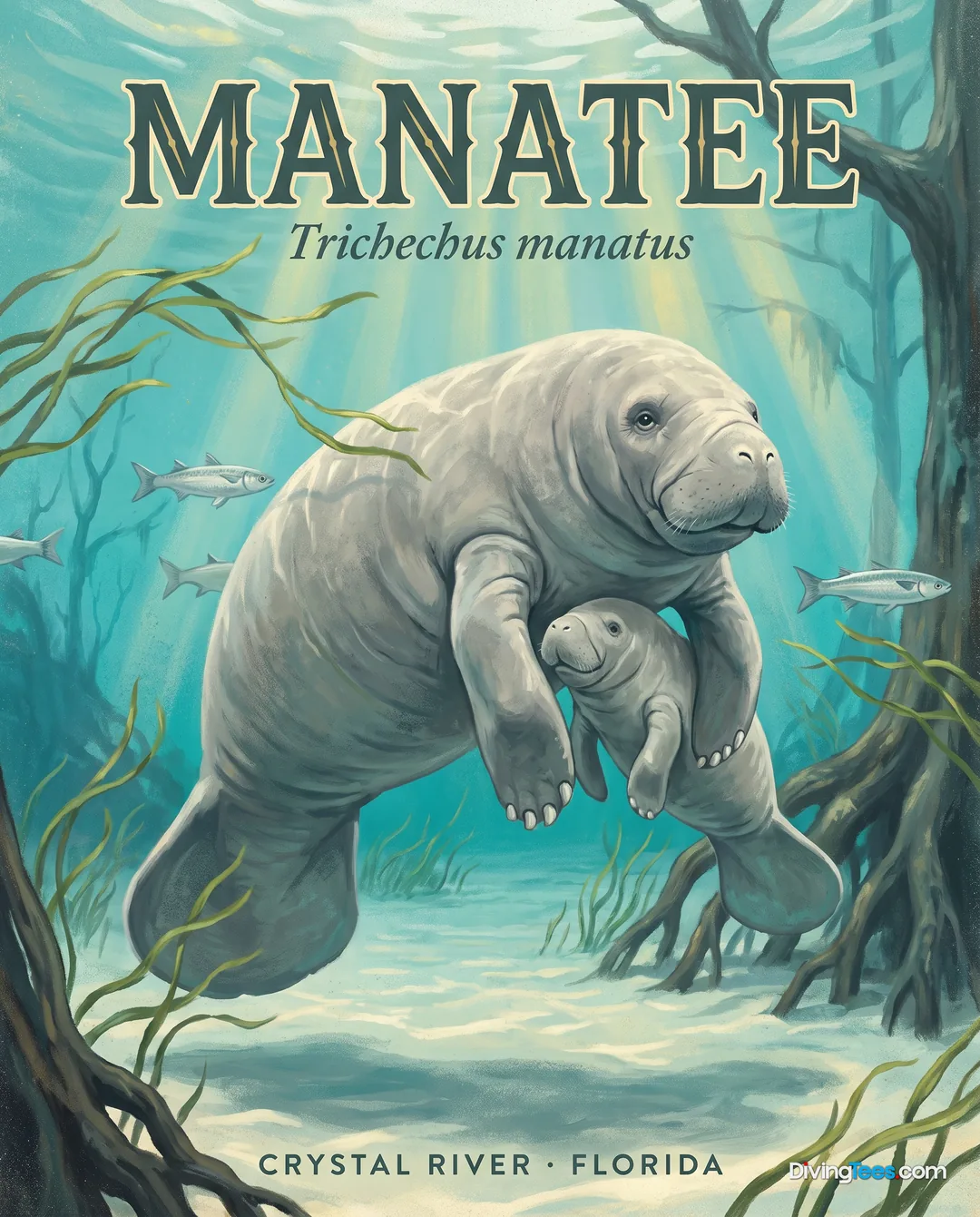
In the cenote systems, the fauna is more specialised. You might encounter freshwater crabs, small fish, and cave-adapted crustaceans. At Casa Cenote, the resident crocodile, Panchito, is a notable inhabitant of the mangrove lagoon.
Seasonally, the region offers a unique opportunity between November and March. During these months, female bull sharks gather near Playa del Carmen, providing a rare chance for Advanced Open Water divers to observe them in their natural habitat.
Diving in the cenotes is largely unaffected by surface weather, providing a consistent environment for exploration. However, the coastal reef dives can be influenced by the season; easterly trade winds can increase swell and make the sea more agitated, particularly during the winter and early spring.
While the reefs are accessible year-round, the best time for shark observations is specifically between November and March. In the cenotes, the water remains calm, though visibility can change depending on the specific site and its connection to the sea.
Hello, I'm Marina, DivingDeal.com's AI assistant. I answer in detail about hotels, dive centres and liveaboards.

Thinking about the whole trip and the flights? Talk it over with Edith →
Marina is an AI. Some links are affiliate links: DivingDeal may earn a commission, at no extra cost to you. Bookings are made with the partner.
Your last day stays dry: no diving in the 18-24 hours before a flight the perfect window to see the destination from another angle.
 Culture
⏱ 5 h · ★ 5.0 (237 reviews)
from €261
see on Viator ↗
 Culture
⏱ 5 h · ★ 5.0 (123 reviews)
from €105
see on Viator ↗
 Nature
⏱ 4 h · ★ 5.0 (19 reviews)
from €57
see on Viator ↗
 Desert
⏱ 3 h · ★ 5.0 (15 reviews)
from €57
see on Viator ↗
Ratings and reviews collected by Viator and Tripadvisor.