Ana y Jose Tulum Hotel & Beach Club
★★★★★
★ 8.9/10 (85 reviews)
6.2 km away as the crow flies
Dive centre · Tulum · Mexico
4.941 Google reviewsMaster the technical complexities of cave and sidemount diving with expert instructors in the heart of the Riviera Maya.
For subtitles in English: start the video firstthen click the gearat the top right of the video, select “Subtitles/CC”, then “Auto-translate” and choose “English”.
Located in Tulum, Go Dive Mexico has been a fixture of the local diving community since 1999. The centre is positioned perfectly to access the diverse underwater landscapes of the Yucatan Peninsula, from the intricate freshwater systems of the cenotes to the vibrant Caribbean reefs.
While the centre welcomes all divers, it has built a strong reputation for its technical expertise. It serves as a hub for those looking to progress beyond recreational limits, offering specialised training and guided trips that extend from the local reef flats to more remote expeditions.
The instructor team at Go Dive Mexico is highly qualified, holding certifications from PADI, IANTD, and TDI. This multi-agency expertise ensures that whether you are following a standard recreational path or a rigorous technical programme, you are learning from specialists in their respective fields.
The team's expertise is particularly deep in technical disciplines, including cave diving, sidemount, and trimix. This allows them to lead complex expeditions and provide high-level instruction for divers looking to master decompression procedures or DPV (diver propulsion vehicle) specialty courses.
Go Dive Mexico offers a comprehensive catalogue of courses through PADI and other technical agencies. Beginners can start with the Open Water Diver course, while those looking to expand their recreational skills can progress through various recreational courses.
For the technical diver, the centre provides advanced training including Advanced Nitrox, Decompression Procedures, and Advanced Wreck. Specialist technical paths are available in Sidemount, Tec Sidemount, Cave Diving, Cavern Diving, and Trimix. They also offer DPV specialty training for those looking to incorporate propulsion vehicles into their diving.
The centre is equipped to support technical diving requirements, providing Nitrox and Trimix. On-site safety is a priority, with oxygen availability maintained for all diving activities.
Full kit hire is available for those not travelling with their own equipment, covering the essential components needed for both reef and technical environments.
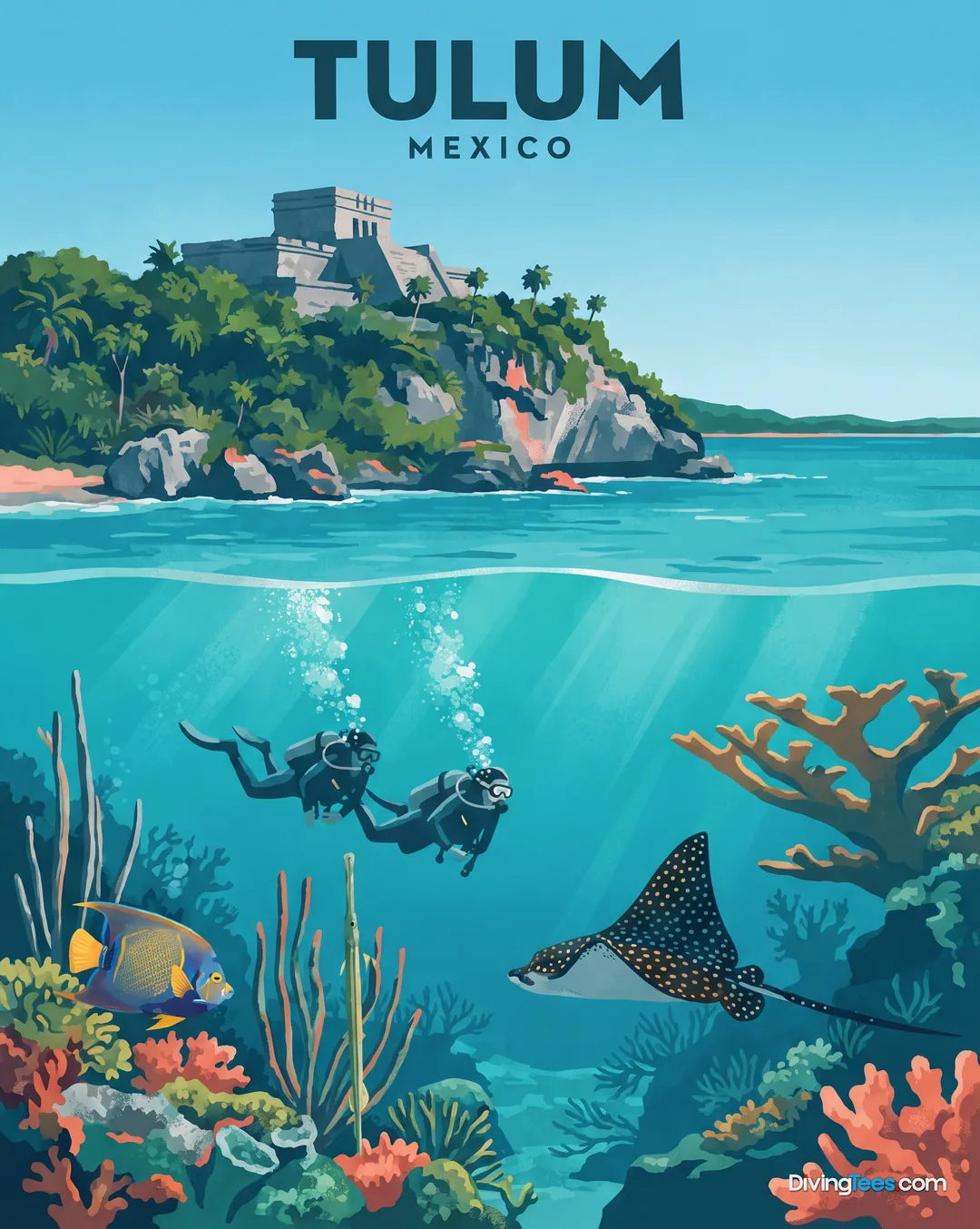
Cenotes de la Riviera Maya: These freshwater systems offer a range of environments, from cavern diving accessible to all levels to more challenging cave explorations for advanced divers. They are renowned for their unique geological formations and mystical atmosphere.
Cozumel Reefs: Located off the island of Cozumel, these vibrant coral reefs are a staple of Caribbean diving. They provide excellent opportunities to observe diverse marine life in a classic reef setting.
Caribbean Reefs: The local reefs offer colourful coral environments and a variety of marine life. These sites are ideal for both recreational exploration and more advanced drift diving.
And some of the dive sites the centre runs.
The reefs are home to a variety of colourful marine life, including many species of tropical fish. You will encounter snapper schools, parrotfish (Calotomus), and surgeonfish (Acanthuridae) moving amongst the corals. Angelfish (Pomacanthidae) and various juvenile reef fish add to the biodiversity of the reef top.
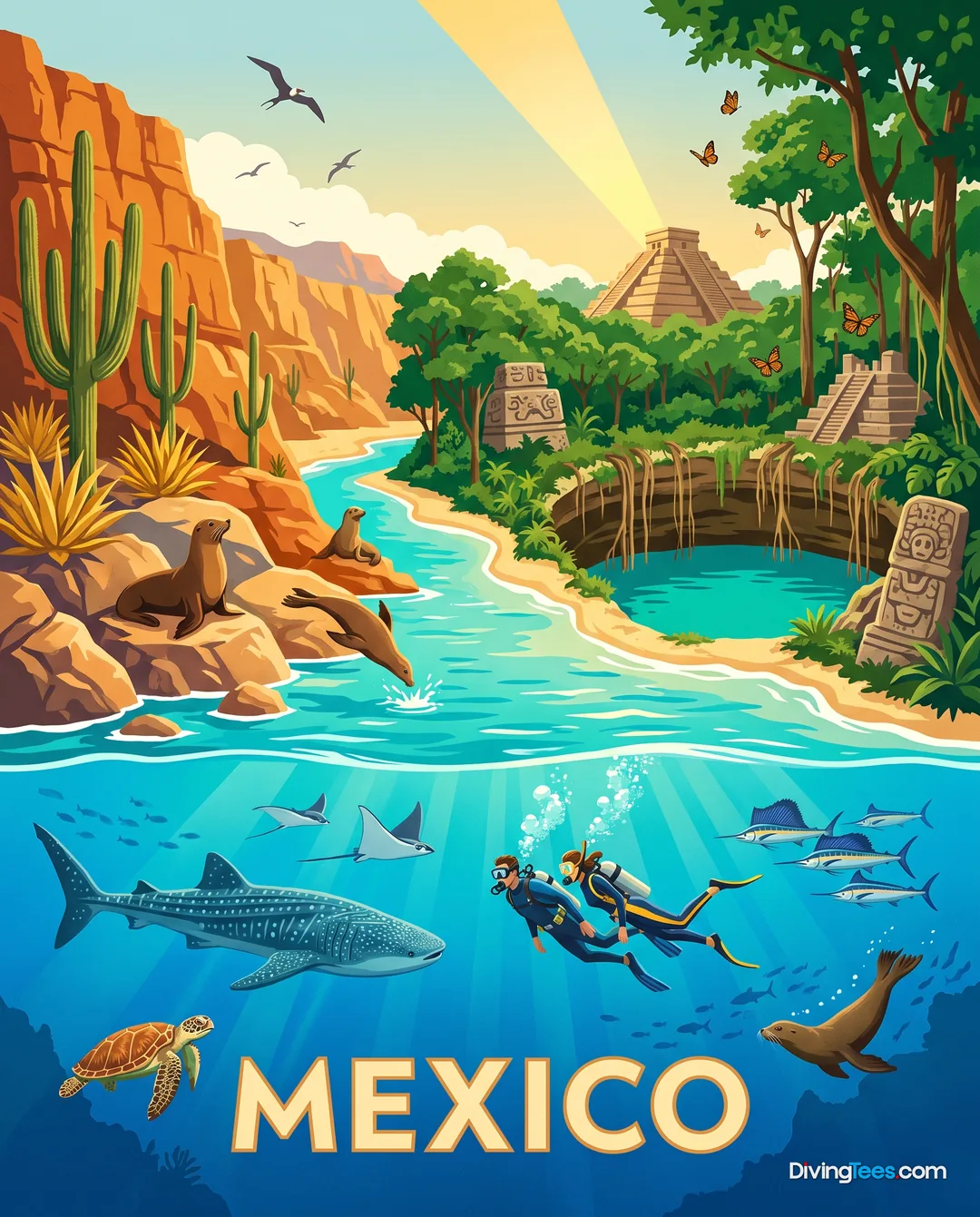
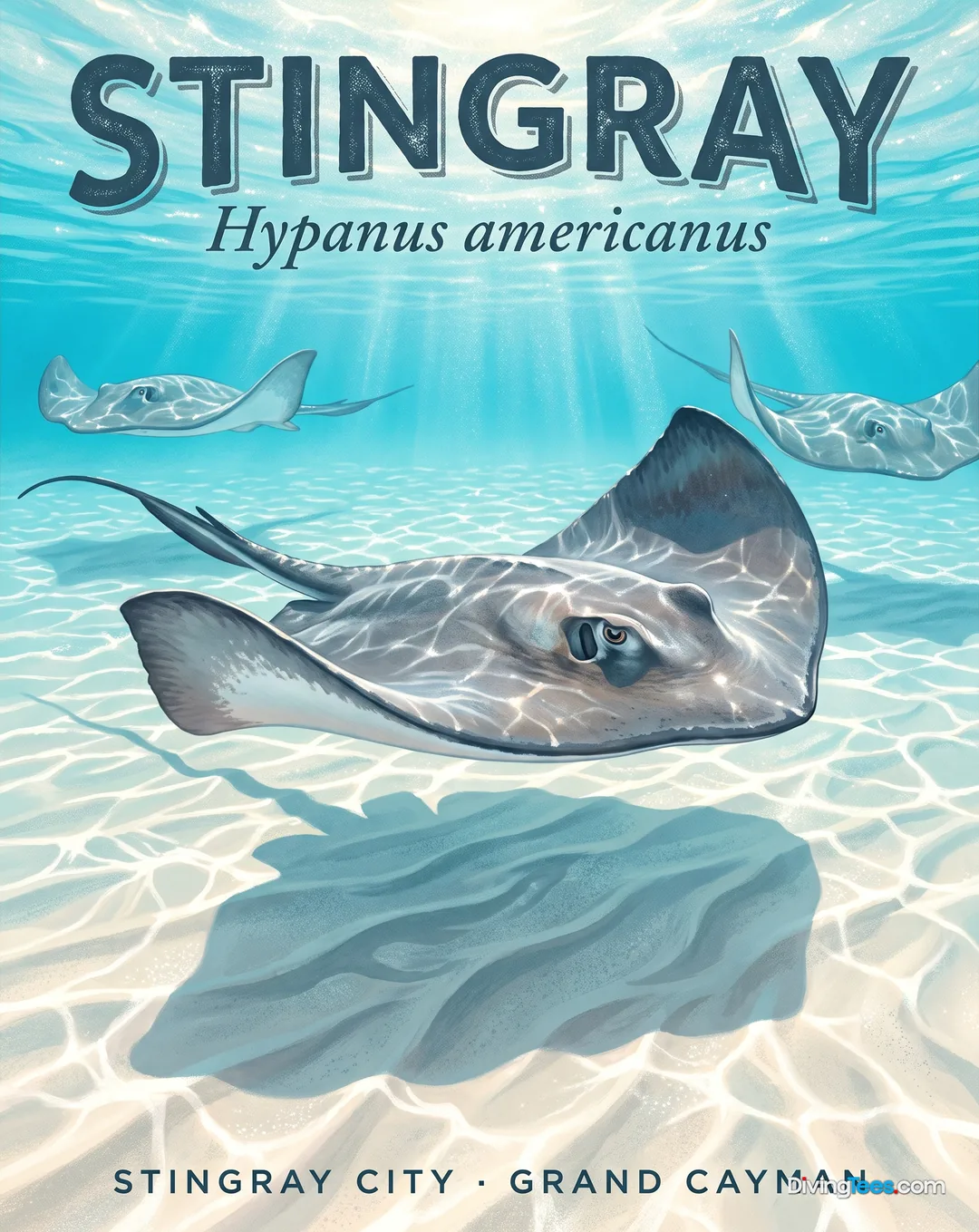
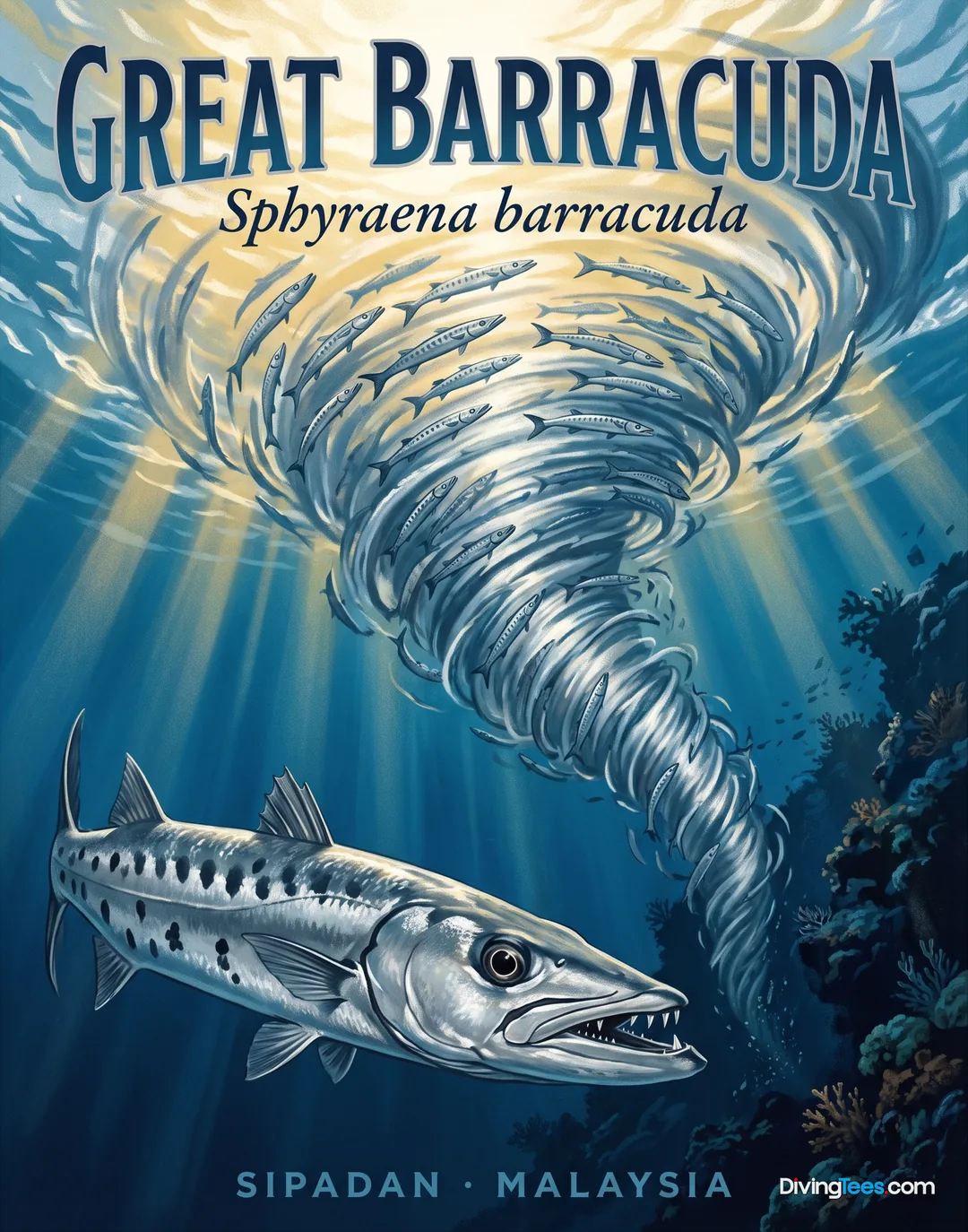
In the deeper or more open areas, larger pelagics can be seen. This includes barracuda (Sphyraena) and various rays (Batoidea). During specific aggregation periods, you may have the opportunity to dive with whale sharks.
Macro life and smaller inhabitants are abundant throughout the region. Divers can find various crustaceans, including crabs (Brachyura), and look for moray eels (Muraenidae), such as the green moray (Gymnothorax funebris). Green sea turtles (Chelonia mydas) are also frequently observed in these waters.
For those interested in seasonal sightings, the Riviera Maya hosts whale shark aggregations. The centre also organises expeditions to Socorro and Cabo Pulmo for divers seeking larger pelagic species.
Diving in the area varies significantly depending on whether you are in the freshwater cenotes or the saltwater Caribbean. The cenotes offer protected environments, while the offshore reefs can be subject to different conditions depending on the season.
Hello, I'm Marina, DivingDeal.com's AI assistant. I answer in detail about hotels, dive centres and liveaboards.

Thinking about the whole trip and the flights? Talk it over with Edith →
Marina is an AI. Some links are affiliate links: DivingDeal may earn a commission, at no extra cost to you. Bookings are made with the partner.
Your last day stays dry: no diving in the 18-24 hours before a flight the perfect window to see the destination from another angle.
 Culture
⏱ 5 h · ★ 5.0 (237 reviews)
from €261
see on Viator ↗
 Culture
⏱ 5 h · ★ 5.0 (123 reviews)
from €105
see on Viator ↗
 Nature
⏱ 4 h · ★ 5.0 (19 reviews)
from €57
see on Viator ↗
 Desert
⏱ 3 h · ★ 5.0 (15 reviews)
from €57
see on Viator ↗
Ratings and reviews collected by Viator and Tripadvisor.