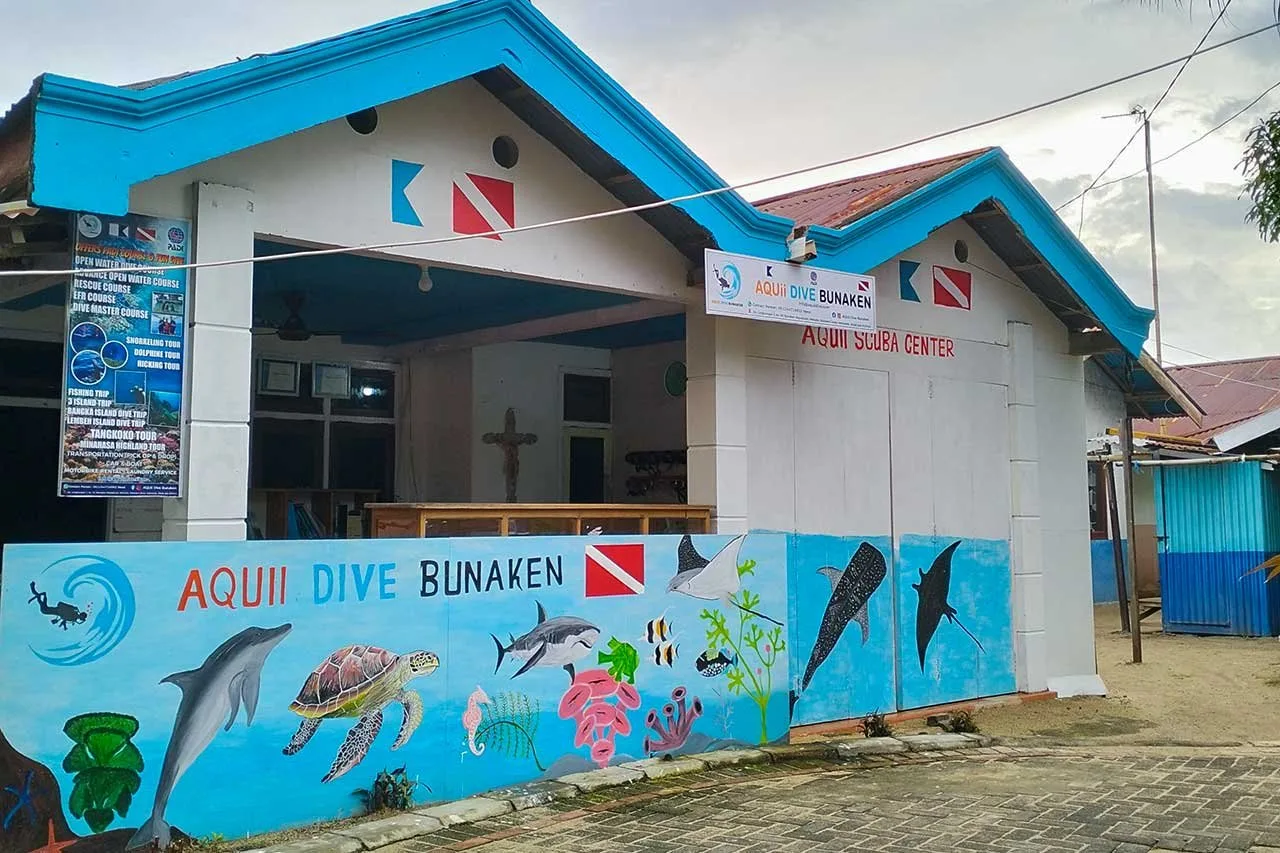
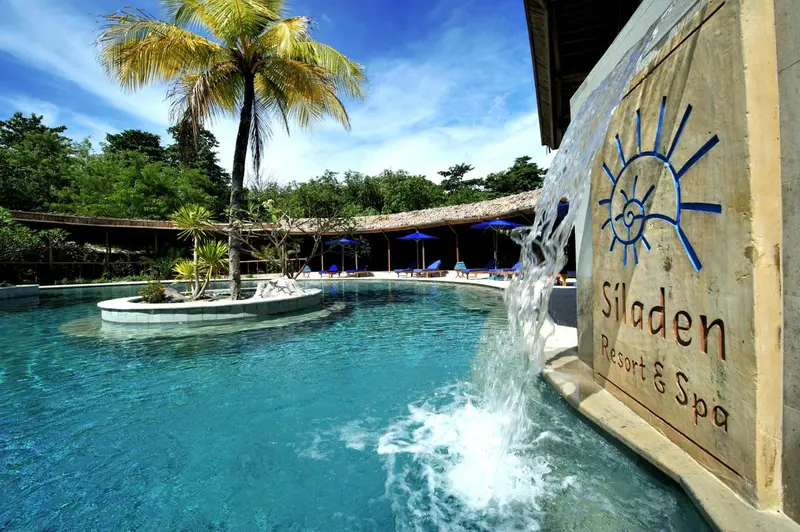
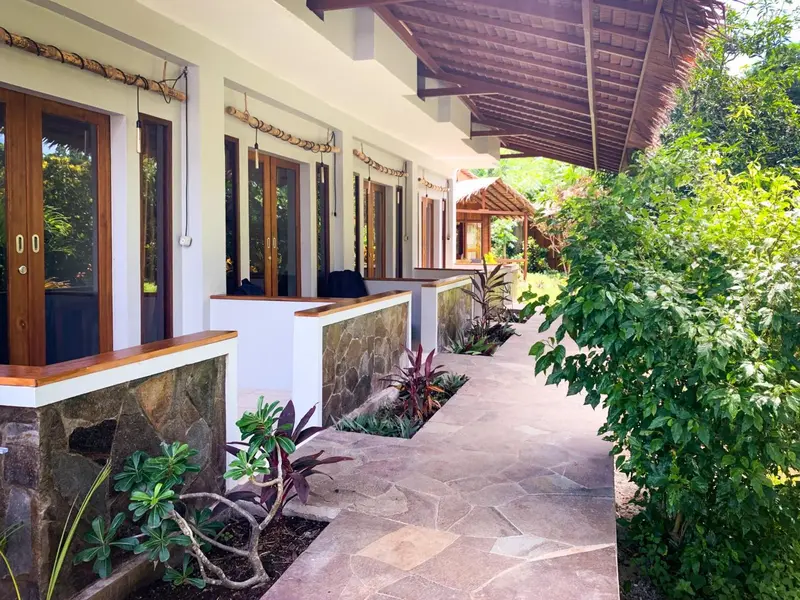
 Dive centre in the hotel
3WILL Bunaken Dive Resort
★★
Google 4.7/5 (158 reviews)
The dive centre
3will Bunaken Dive Resort
SSI
Google 4.7/5 (170 reviews)
Dives: Bunaken National Park
Indonesia · Asia
Vertical reef walls, turtles and clear drift dives define Bunaken, reached by boat from Manado for a land-based week of daily outings.
For subtitles in English: start the video firstthen click the gearat the top right of the video, select “Subtitles/CC”, then “Auto-translate” and choose “English”.
Bunaken is for divers who want reef structure rather than a resort timetable: vertical walls begin close to the island, with gardens and drift routes reached by daily boat trips. Turtles and reef fish are the familiar encounters, while changing current turns the same wall into a quiet inspection or a moving dive. Stay on the island and the boats, accommodation and embarkation are usually tied together; stay in Manado and every diving day starts with the crossing.
Bunaken’s signature is the wall. Reef faces drop away close to shore, joined by shallower coral gardens and sites where the island’s shape channels moving water. On a calm dive, you can work along the vertical relief, watching reef fish against the blue and keeping the wall as your reference. Elsewhere, the current becomes the point of the dive: settle into a drift dive, stay alert for acceleration around the corners, and follow the guide’s plan for the exit and safety stop. Conditions are variable rather than uniformly demanding. Visibility commonly reaches 20 to 30 metres when the sea is settled, but rain, runoff, chop and monsoon weather can reduce it to 10 to 15 metres. The usual format is a boat outing from an island base, with the day’s sector adjusted to wind and swell.
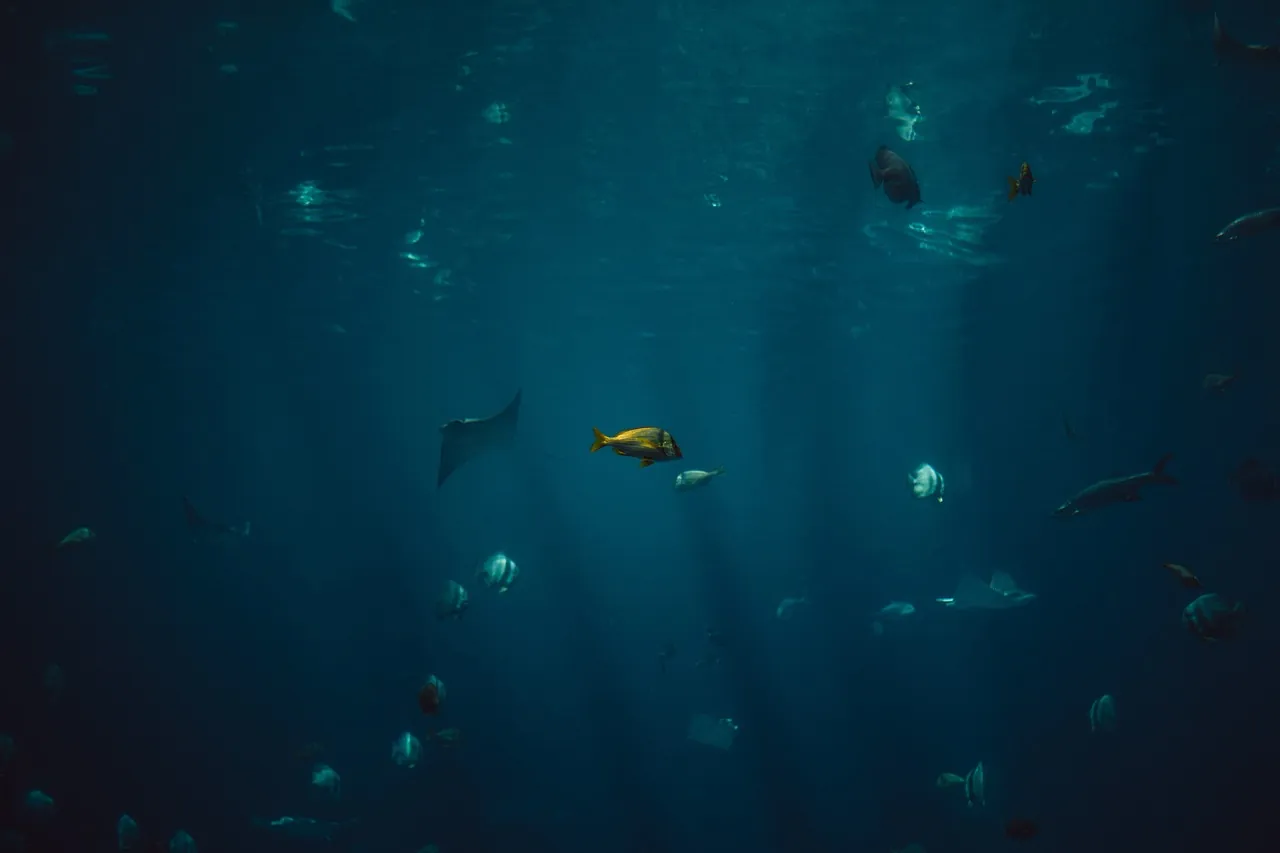
Turtles are Bunaken’s most dependable large encounter, appearing alongside the reef fish that occupy the walls and coral gardens. The setting does much of the visual work: a turtle passing over a vertical face, schools of smaller fish held against the relief, and the changing distance between diver and reef as the current carries the group. This is not a destination to book around a particular seasonal animal appearance. The recurring interest is the combination of turtles, fish and dramatic reef structure, with visibility making the difference to how clearly the wall and its occupants stand out. From April to October, the clearer conditions are especially useful for wide-angle photography, while a local briefing can identify sheltered sectors when wind or rain has reduced the view elsewhere.
April, May, June, September and October offer the most dependable conditions for a Bunaken diving holiday. The dry season generally brings calmer water and better visibility, often making the walls easier to read and the drift dives more comfortable to manage. July and August remain diveable, but wind can expose the boats and make the sea rougher. The rainy season, from November through March, brings more rain, chop and swell, with runoff reducing visibility and some sites becoming harder to reach. Build in several diving days rather than relying on one perfect outing, because the sheltered and exposed sectors can change with the weather.
Bunaken suits all levels, provided the dive is matched to the site. Beginners can use the shallower gardens and calmer walls, but should not assume that every wall is equally forgiving. Current can strengthen where the reef channels the flow, so buoyancy control, a steady descent and careful attention to the briefing matter. An Advanced Open Water qualification is useful for deeper wall profiles, while a drift-diving speciality helps you get more from the moving-water sites. The same applies to BSAC, PADI and SSI divers: local experience matters more than simply holding an advanced card.
From London Heathrow, Gatwick or Manchester, reach Manado with one or more flight connections, then continue by boat to Bunaken. There is no road or direct flight link to the island. The crossing takes roughly 40 to 60 minutes, depending on the departure point, boat and conditions. Public boats follow tides and local schedules rather than every arriving flight: outward departures are often in the afternoon, while returns to Manado are generally in the morning. If your flight arrives outside that pattern, arrange a private or organised transfer. On Bunaken, accommodation and dive centres commonly coordinate the boat departures, so staying on the island removes the need to repeat the crossing before every outing.
Treat the boat timetable as part of the dive plan, not as a detail to sort out after booking flights. If you arrive in Manado outside the public boat window, have a private or organised transfer arranged before you travel. Keep at least half a day, and preferably a full day, between the planned return to Manado and a flight, because tides, wind and swell can shift the crossing. Ask which sectors remain usable in the prevailing wind, and take the less central alternative when the classic walls are busy. Morning dives are the sensible choice when you want less boat traffic. On current-prone walls, listen for the exact entry, exit and downcurrent instructions rather than treating a drift dive as simply a faster tour. Bring protection against accidental contact with the reef and current. Finally, check that the boat uses the park’s buoys or designated anchoring areas: anchoring directly on coral is both damaging and contrary to the park rules.
Plan on five to seven days, which gives the weather room to rearrange the boat programme and lets you try different sectors. Staying on Bunaken keeps the daily routine simple, with accommodation and embarkation usually close together in the coastal villages. Manado offers more land-based services, but every diving day then depends on the crossing. Non-divers have limited but worthwhile options, including snorkelling, boat trips, village walks, beaches and excursions around Manado.
Hello, I'm Marina, DivingDeal.com's AI assistant. I guide you through destinations, areas and countries.
Thinking about the whole trip and the flights? Talk it over with Edith →
Marina is an AI. Some links are affiliate links: DivingDeal may earn a commission, at no extra cost to you. Bookings are made with the partner.
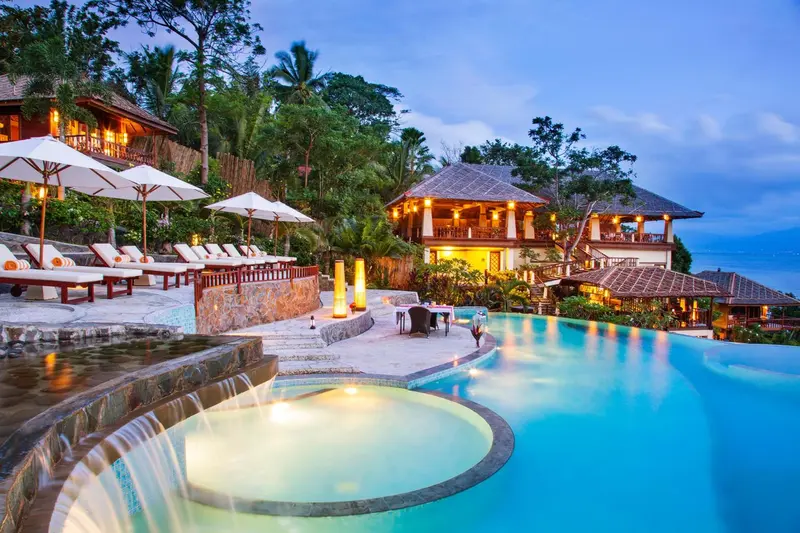
In each one, the dive centre is inside the hotel: step out of your room and go diving.
Dive centre in the hotel★★
Google 4.7/5 (158 reviews)
The dive centre
3will Bunaken Dive Resort
SSI
Google 4.7/5 (170 reviews)
Dives: Bunaken National Park
April, May, June, September and October generally offer the most dependable conditions, with calmer water and better visibility. July and August remain diveable but can be rougher for boats. From November through March, rain, chop, swell and runoff may reduce visibility and make some sites harder to reach.
Bunaken suits divers of different levels when the site matches their experience. Beginners can use shallower gardens and calmer walls, while current-prone areas require buoyancy control, a steady descent and close attention to the briefing. Advanced training helps with deeper wall profiles, and drift-diving experience is useful on moving-water sites.
You can explore vertical reef walls, shallower coral gardens and drift routes shaped by the island’s topography. Turtles are recurring large encounters, alongside reef fish around the walls and gardens. When conditions are settled, clear water helps wide-angle photographers capture turtles, fish and the reef’s dramatic relief.
Plan a land-based stay on Bunaken so accommodation, dive centres and boat departures are usually close together. Allow several diving days for weather changes and different sectors. If staying in Manado, arrange the crossing around tides and local schedules, and leave at least half a day before any onward flight.