
Gorontalo Dive
Google 4.9/5 (89 reviews)
Indonesia · Asia
Protected coral gardens and pinnacles at Olele, shallow whale sharks at Botubarani, macro life and clear water define Gorontalo’s Tomini Bay diving.
For subtitles in English: start the video firstthen click the gearat the top right of the video, select “Subtitles/CC”, then “Auto-translate” and choose “English”.
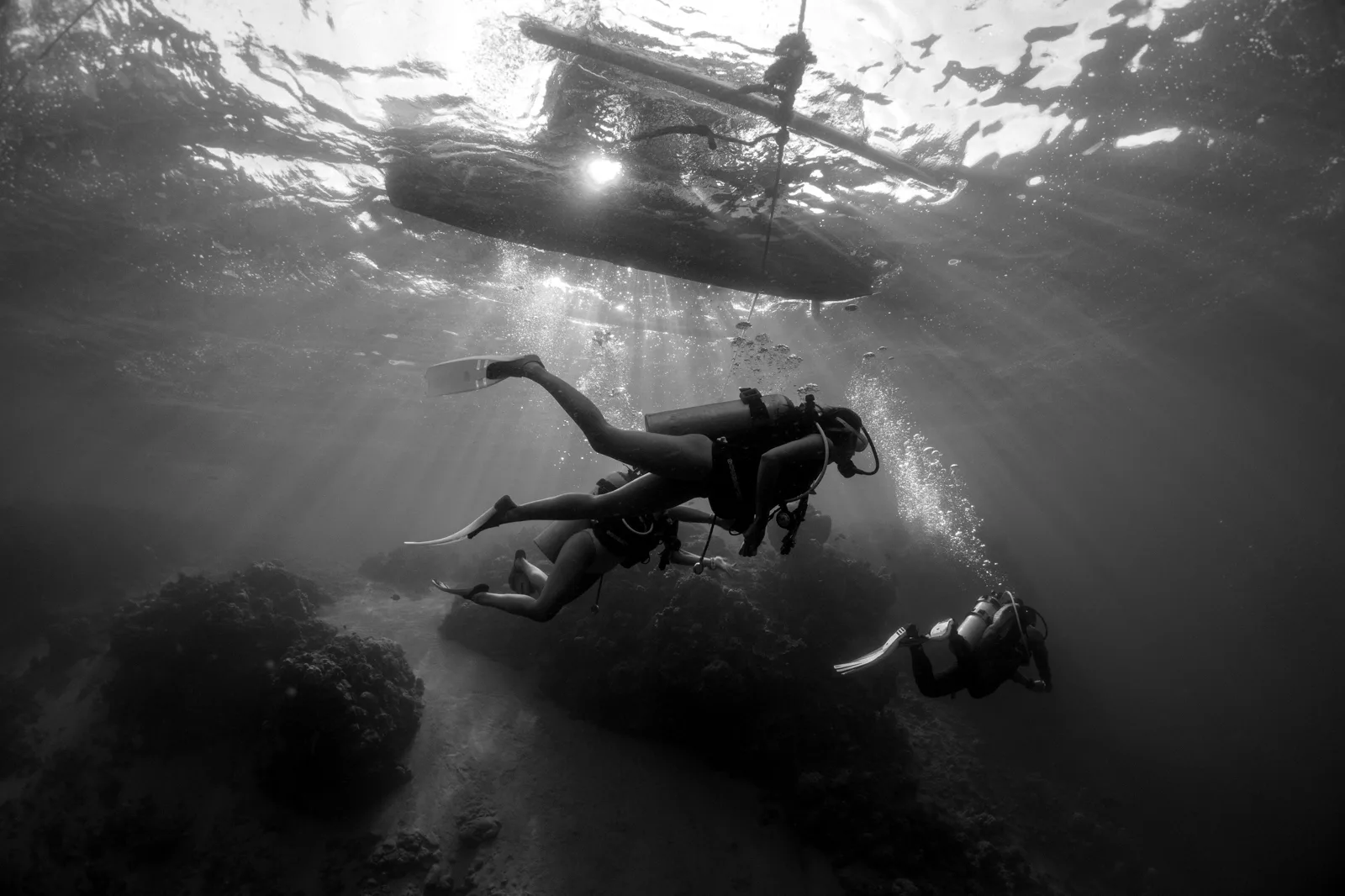
Olele’s protected coral gardens, pinnacles and underwater cavities give Gorontalo its proper diving identity. Botubarani adds something quite different, whale sharks feeding close to shore in shallow water, where mask, snorkel and fins may be all you need. Between them lie boat dives on drop-offs, reefs, wrecks and macro subjects, all based around the coast of Tomini Bay. Gorontalo works best as a land-based Indonesian trip, with enough variety for a week or more without the expense or routine of a liveaboard.
The diving moves between coral gardens, drop-offs, pinnacles, cavities and wrecks. Olele is the place for reef structure and protected underwater scenery, while other sectors add wall profiles and macro subjects. Botubarani is not a conventional deep reef dive: the whale sharks gather in shallow water near the shoreline, so treat it as a separate coastal encounter. Most reef outings are by boat, with reported runs of roughly 10 to 60 minutes depending on the sector. Currents are variable rather than a fixed feature of every dive, and the right response is to confirm the day’s site and conditions before leaving. Visibility is often around 20 to 30 metres, with occasional improvement towards 40 metres, though local conditions can reduce it. This is boat diving with changing profiles, not a single repetitive reef circuit.
The headline encounter is the whale shark at Botubarani, where these large fish come into very shallow water close to the coast. June is the month most often associated with sightings, with encounters also reported from May to August and, in some local observations, across a wider January to September window. Their presence is tied to local feeding activity, so several reserve days make more sense than relying on one scheduled attempt. Away from Botubarani, Gorontalo combines reef scenery with macro diving. Turtles, reef sharks and nudibranchs are among the life reported from the area, but the appeal is the contrast between searching carefully over small subjects and looking out across Olele’s larger coral relief. Expect the whale shark outing to be a shallow observation trip, not a deep-animal expedition.
November to April is the main season because the sea is generally at its calmest then, making the boat transfers and exposed coastal sites more comfortable. Gorontalo remains diveable throughout the year, so the rest of the calendar is not automatically ruled out. The practical distinction is that calmer seasonal conditions give you more flexibility when several sectors lie in different directions from the town. If whale sharks are the priority, the timing changes: plan around June, with the broader possibility of sightings from May into August. Keep the two aims separate, choosing the calmer main diving season for Olele and allowing extra time when travelling specifically for Botubarani.
Gorontalo can suit beginners on appropriately chosen sites, as well as experienced divers who enjoy changing terrain and a dedicated macro search. Currents are variable, so comfort in current and the ability to adjust a dive plan matter more than collecting a particular advanced speciality. BSAC, PADI and SSI divers should find the destination compatible with ordinary recreational training, provided the day’s profile matches their experience. Botubarani is especially approachable because the whale shark encounter is shallow, while Olele and the boat reefs deserve sensible assessment of conditions before entry.
From London Heathrow, Gatwick or Manchester, reaching Gorontalo normally means arranging a domestic flight connection within Indonesia before continuing to the destination. Build the itinerary around that connecting journey rather than assuming a simple direct arrival. Once in Gorontalo, the coast is reached by road, using a car, motorbike, minibus or bentor, followed by a boat for the offshore dive areas. Operators can arrange the land transfers, meals and accommodation, but the exact route depends on the sector being visited. Ask where the boat is leaving from before committing to a programme, because western and south-eastern outings involve different road and sea legs. If accommodation is booked separately, arrange your own local transport rather than assuming the village transfer is included.
Treat Botubarani as a morning whale shark outing, and allow several days if that encounter is central to the trip. The animals are seasonal and their feeding activity is not guaranteed, so do not build the whole holiday around a single boat departure. Ask for the exact coastal sector before booking each day, because Olele and the south-eastern sites do not share the same transfer pattern. Include Olele for its reefs and relief, rather than reducing Gorontalo to whale sharks. Take your own macro equipment or specialist accessories if they matter to your diving, as availability locally may be limited. Keep one day free for weather, boat availability or a missed sighting, and leave a land day before flying rather than scheduling the last boat trip against your departure. At Olele, the community marine park is no-fishing territory and is patrolled, so follow that rule precisely. Do not mistake Botubarani’s shallow encounter for a deep wall dive.
Plan Gorontalo as a land-based stay, using the town or a coastal village as the base for daily boat outings. A week to ten days gives time to combine Olele’s protected reefs, other coastal sectors and a Botubarani morning, while retaining a day in hand. The area also works for a non-diving companion, with beaches, Tomini Bay scenery, villages and whale shark observation from the coast. Keep the final day for land activities and the journey towards your flight.
Hello, I'm Marina, DivingDeal.com's AI assistant. I guide you through destinations, areas and countries.
Thinking about the whole trip and the flights? Talk it over with Edith →
Marina is an AI. Some links are affiliate links: DivingDeal may earn a commission, at no extra cost to you. Bookings are made with the partner.
You will generally find the calmest boat conditions from November through April, making transfers and exposed coastal sites more comfortable. Gorontalo remains diveable throughout the year. For whale sharks at Botubarani, plan around June, with sightings also reported from May through August, and allow several reserve days because feeding activity affects encounters.
You can visit Gorontalo as a beginner when the selected site matches your experience and conditions. Experienced divers can enjoy changing terrain and dedicated macro searches. Currents are variable, so you should be comfortable adjusting plans. Botubarani is shallow, while Olele and boat reefs require sensible assessment before entering.
Gorontalo combines Olele’s community-protected coral gardens, pinnacles and underwater cavities with drop-offs, walls, wrecks and macro subjects elsewhere along Tomini Bay. You may also encounter turtles, reef sharks and nudibranchs. At Botubarani, whale sharks feed close to shore in shallow water, creating a separate coastal observation experience.
Plan Gorontalo as a land-based trip, using the town or a coastal village for daily outings. Arrange domestic flight connections, road transfers and boats with your operator, confirming each departure sector. Include Olele, reserve time for Botubarani, keep a day available for weather or missed sightings, and leave a land day before flying.