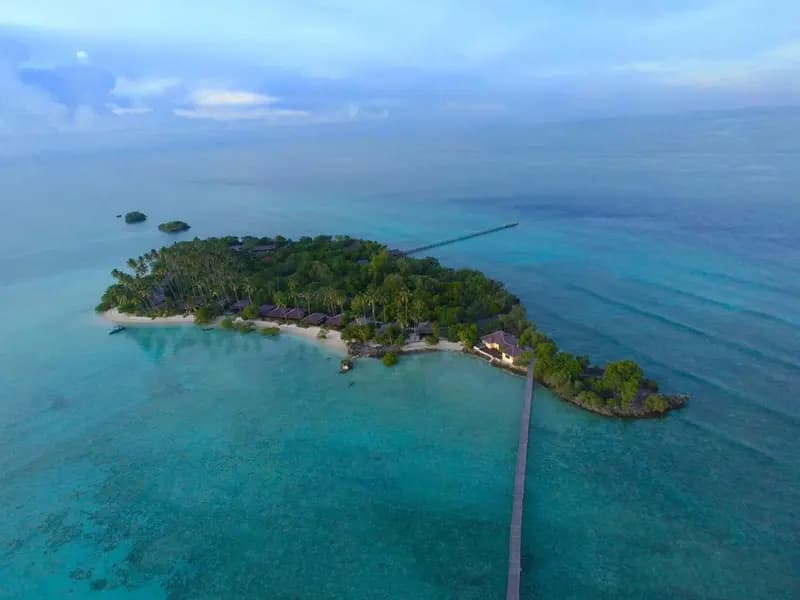



Maratua - Extra Divers
★ 4.6/5 (81 reviews)
7.1 km away as the crow flies
Derawan Islands · Indonesia · Asia
Max. depth · 65 mKakaban offers dramatic wall dives, strong currents attracting pelagics, and a rich macro environment on its vibrant coral reefs.
For subtitles in English: start the video firstthen click the gearat the top right of the video, select “Subtitles/CC”, then “Auto-translate” and choose “English”.
Kakaban is a crater-like island, its outer rim forming steep limestone cliffs that plunge vertically into deep water. This creates a dramatic wall topography around much of the island, with sheer drop-offs extending from shallow reef tops to depths well beyond recreational limits. As you descend, the wall reveals an intricate, living sculpture of hard and soft corals, providing countless micro-habitats. Sunlight filters through the water, illuminating the vibrant hues of these formations, setting the stage for a dive focused on observation and discovery.
The underwater terrain at Kakaban is dynamic, featuring sharp drop-offs and sheer walls that can reach depths of 65 metres or more. Some sections, like Barracuda Point, are exposed to significant current, while others, such as Kakaban Wall, offer more sheltered conditions. This variability means you can experience different dive profiles and marine encounters depending on the specific area and conditions. The deep chimney-cave system known as Blue Light Cave also intersects the wall, though this is reserved for highly experienced technical divers.
What sets Kakaban apart is its dual appeal: it's both a site for encountering pelagic species and a haven for macro life. While the regional waters are home to sharks, barracudas, trevally, tuna, and eagle rays (Myliobatidae), Kakaban's specific allure lies in its vibrant coral reefs. These reefs act as a nursery and sanctuary, fostering a rich environment where a multitude of unique macro species thrive, ensuring that every dive offers new photographic opportunities and encounters.
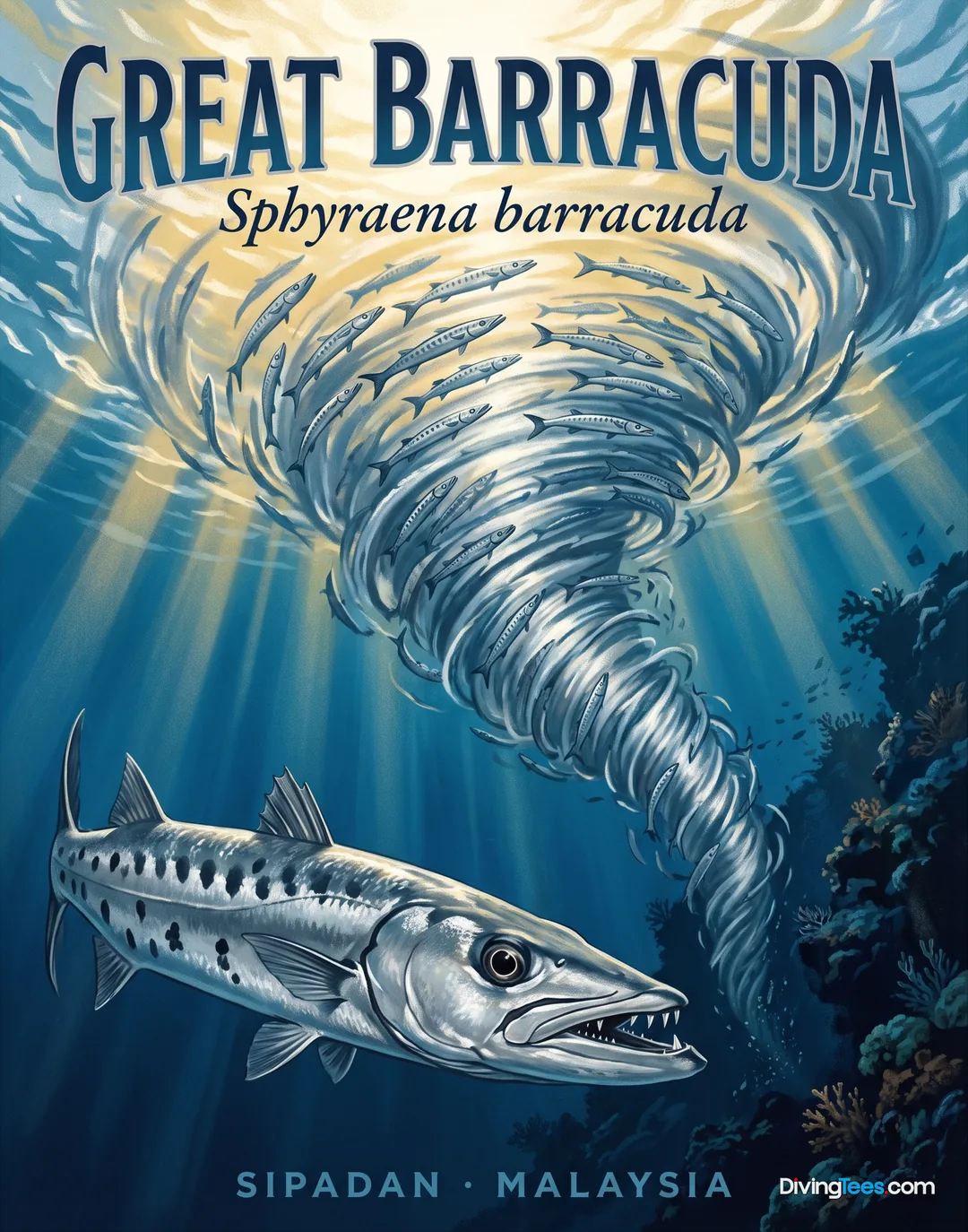
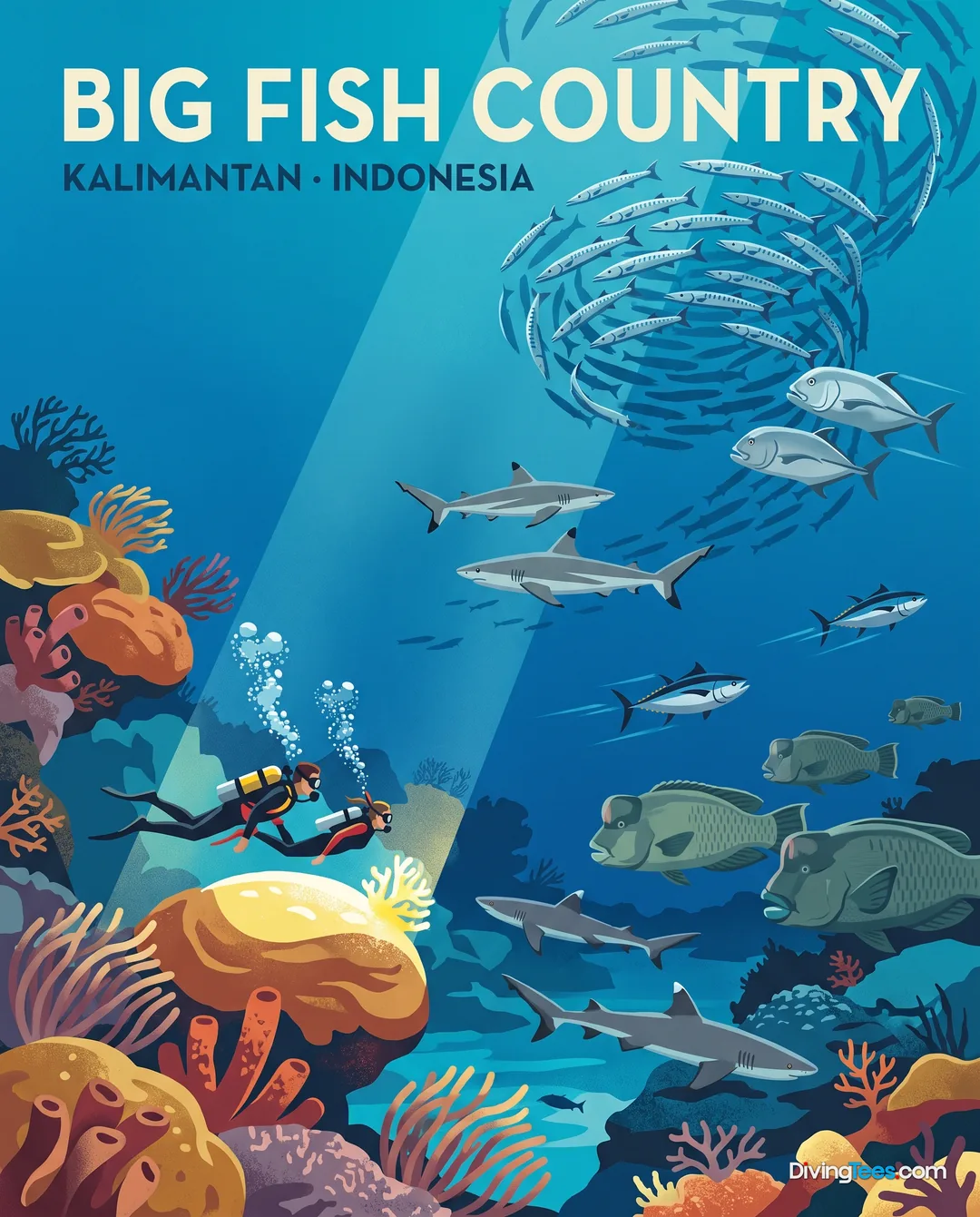
At points like Barracuda Point, the sheer wall and strong, sometimes ripping, currents attract large schools of barracuda, jackfish, and trevally. Here, you'll often find yourself using a reef hook along a lip around 30 metres, holding position to watch the pelagic action unfold. Whitetip reef sharks, grey reef sharks, and blacktip reef sharks are also common sightings in these more exposed areas, along with leopard sharks (Stegostoma tigrinum) and various species of tuna.
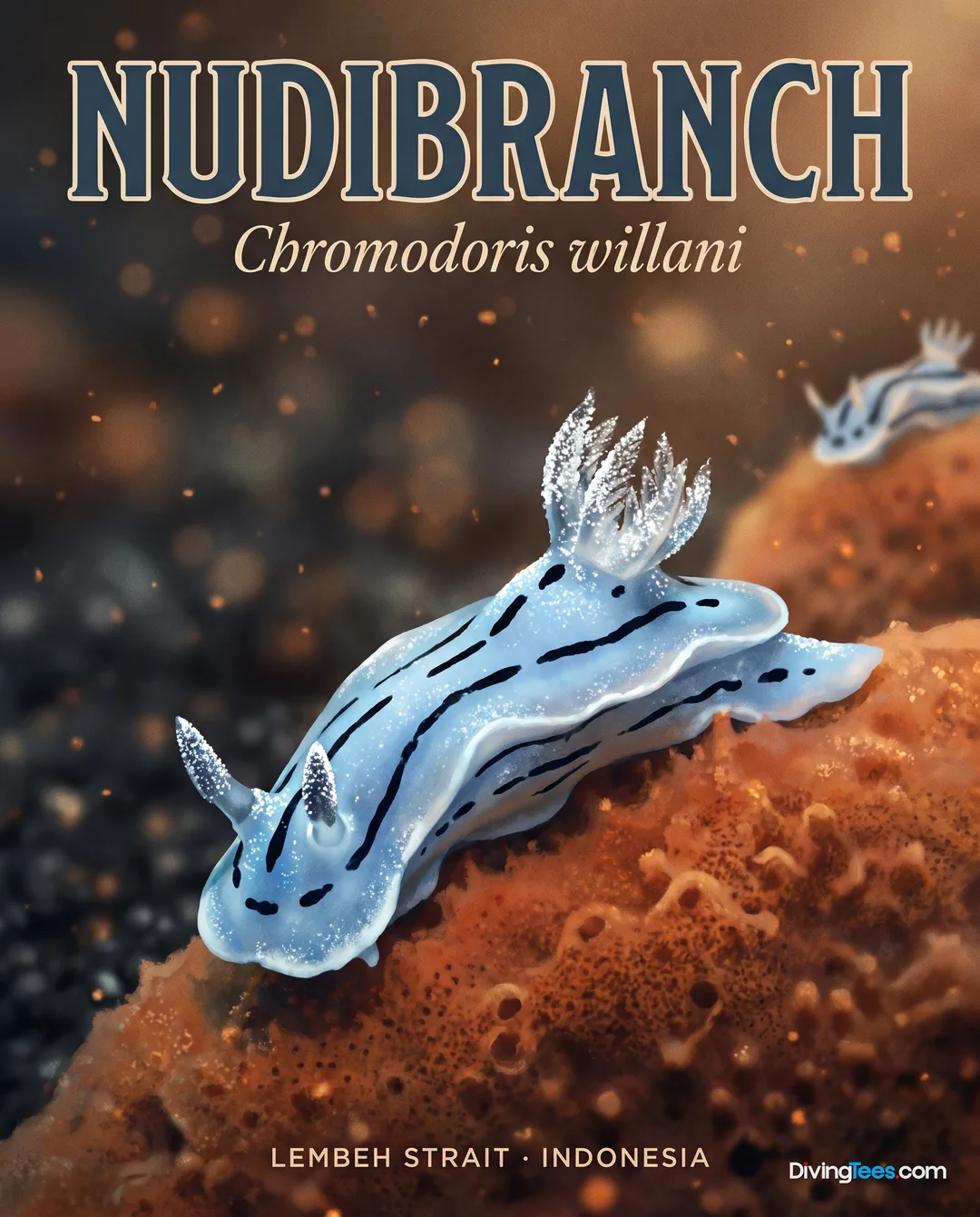
Beyond the pelagic action, Kakaban is renowned as a macro diving site. Every coral head, every crevice, and every sandy patch holds a discovery. Patience is rewarded here as your eyes adjust to the miniature world, revealing creatures like nudibranchs, pygmy seahorses, frogfish, ribbon eels, harlequin shrimp, and cuttlefish. This intimate experience demands attention to detail and offers a deep appreciation for the complexity of the reef's smaller inhabitants.
The coral reef environment at Kakaban is dynamic and alive. You'll find yourself slowly drifting or patiently observing, allowing the subtle movements of the reef to unfold before you. The intricate relationship between different species becomes evident, from the smallest invertebrates camouflaged among the polyps to the darting reef fish that call these corals home. It's a prime location to hone your observational skills, understanding the delicate balance and constant activity that defines a healthy coral ecosystem.
Kakaban is also famous for its central brackish Jellyfish Lake, home to several species of non-stinging jellyfish. While this is a snorkeling attraction rather than a scuba site, it significantly enhances the appeal of trips to Kakaban, offering a unique surface interval experience. The island's accessibility by boat from Maratua and Sangalaki makes it a key destination within the Derawan Archipelago, typically a 20-minute journey from either island.
Diving at Kakaban ranges from 5 metres to a maximum depth of 65 metres. The site is generally recommended for intermediate to advanced divers. For drift and wall sites, an Advanced Open Water certification or at least 20 logged dives are advisable. Currents around Kakaban's walls and points are variable; while some sections like Kakaban Wall can be relatively calm, areas such as Barracuda Point and Blue Light Cave are known for powerful, sometimes ripping, flows. Visibility typically ranges from 5 to 25 metres. The best diving conditions are generally found from April to October or April to December, corresponding to the dry season with calmer seas and better visibility.
★ 4.6/5 (81 reviews)
7.1 km away as the crow flies

★ 4.6/5 (80 reviews)
18 km away as the crow flies

★ 5/5 (3 reviews)
26 km away as the crow flies

★ 5/5 (1 review)
25 km away as the crow flies