
Javascuba Indonesia
Google 4.7/5 (146 reviews)
Indonesia · Asia
Shallow coral reefs, reef fish, turtles and reef sharks lie beyond Jakarta, with outer islands offering clearer water and longer boat-based diving days
Coral reefs begin with a boat journey from Jakarta, not a long expedition into Indonesia. Around Pramuka, Pari and Sepa, shallow sites make room for first dives, training and uncomplicated reef days, while the outer islands reward those prepared to travel farther. This is a practical weekend base rather than a dedicated liveaboard destination: dive from Jakarta, sleep on an island, or combine both with Jakarta’s museums and historic districts before or afterwards.
The diving is mainly from boats over shallow coastal reefs, with conditions changing noticeably between the islands. Pramuka and nearby islands are useful for sheltered, less demanding dives, while the outer islands are generally chosen for better reef condition and visibility. Currents are variable rather than a defining feature, so the character of a dive depends on the site, tide and day’s sea state. Near Jakarta, continental run-off can reduce visibility; farther out, the water is commonly clearer. Expect reef exploration rather than deep walls, wreck penetration or a guaranteed drift dive. A typical outing involves a boat transfer, one or more shallow reef dives, surface time on the island and a return journey. A day trip works for close islands, but an overnight stay makes the outer reefs far more worthwhile.
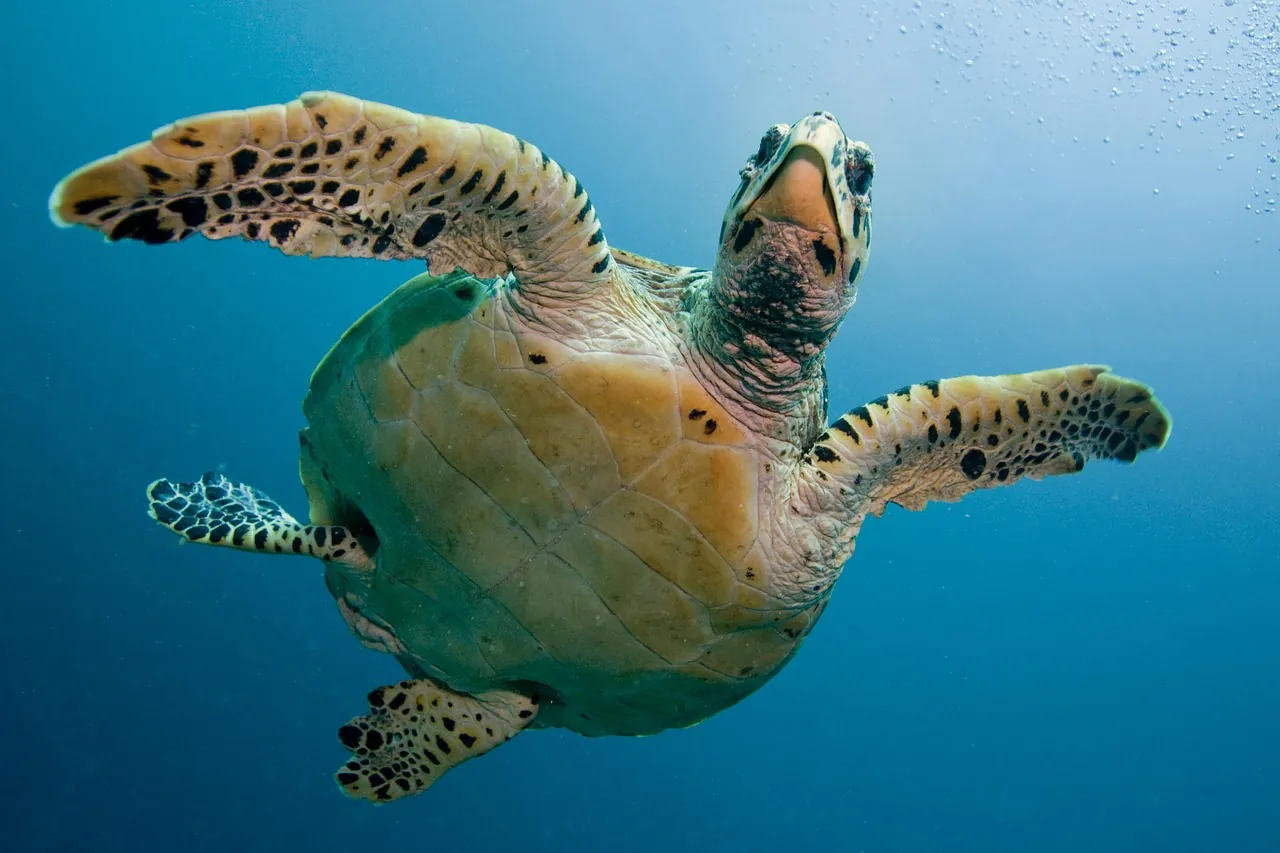
Underwater, the recurring cast is coral, reef fish, turtles and reef sharks. The shallow reefs around Pramuka, Pari and Sepa give beginners a manageable setting in which to look closely at coral communities rather than chase depth or speed. Pari also offers the chance to combine reef snorkelling with nearby seagrass beds, adding a different coastal habitat to the day. Turtles and reef sharks are part of the destination’s appeal, but the experience is still primarily reef diving, not a guaranteed large-animal encounter. The outer islands are favoured when clearer water and healthier-looking coral matter more than the shortest crossing. Marine life can therefore be enjoyed throughout a diving stay, while the strongest reason to choose the April to September window is the improved chance of getting out to the reefs comfortably.
April to September is the sensible period for the islands, when the winds are generally lighter, the sea more manageable and visibility more favourable. The west monsoon makes December, January and February the awkward months: larger waves can interrupt boat departures and make an island programme unreliable. Conditions close to Jakarta can still be affected by mainland run-off, even in the better season, so the outer islands remain the safer choice when visibility matters. Weekends and Indonesian holiday periods bring more boats and visitors. A weekday departure, where possible, gives a calmer rhythm and reduces some of the pressure around the busiest island trips.
The shallow reefs around Pramuka and the nearer islands suit beginners, refresher dives and training, provided the day’s conditions remain suitable. Qualified divers from BSAC, PADI or SSI do not need an advanced speciality simply to enjoy the main style of diving here. Experience with boat entries, changing visibility and variable current is useful, particularly on outer-island trips. Those looking for depth, demanding navigation or technical diving will find the destination less compelling than divers who value relaxed reef exploration and straightforward island logistics.
From London or Manchester, arrange the journey to Jakarta, then make your way to Marina Ancol by taxi or urban transport. The water crossing is compulsory: nearby islands can be reached by ferry or fast boat, while outer islands require roughly two hours or more depending on the island and vessel. Timetables and departure points vary, and west-monsoon waves can disrupt them, so leave proper slack around onward connections. Once on an island, accommodation, dive departures and local facilities are generally close enough to reach on foot, although arrangements differ between islands. A same-day return is possible for nearer destinations. For outer islands, the crossing takes a substantial share of the day and an overnight stay makes the journey more practical.
Ask exactly which island is the base and whether the boat is visiting nearby reefs or travelling to outer sites. Those details change the visibility, crossing time and amount of water time far more than a brochure heading suggests. For clearer reefs, accept the longer journey and spend a night ashore rather than attempting an ambitious out-and-back day trip. From Marina Ancol, compare the real boat schedule, not just the advertised diving time. Keep a generous margin on the return, especially during the west monsoon, and avoid building an important onward connection around the final boat. Near-Jakarta sites should not be treated as equivalent to outer-island reefs. Check whether an excursion is genuinely a diving day, rather than a sightseeing or snorkelling trip with a single short immersion. Weekdays are preferable when possible, while coral restoration areas demand strict no-touch, no-collection behaviour.
Allow three to five days if the trip is meant to include both Jakarta and the islands. One day can cover a close island, but the better arrangement is a transfer day followed by several boat outings, with at least one night on an outer island. On the islands, accommodation and departure points are generally walkable, though the exact layout varies. Non-divers can swim, snorkel, visit beaches, explore mangroves or simply enjoy the island scenery while divers are on the boat.
Hello, I'm Marina, DivingDeal.com's AI assistant. I guide you through destinations, areas and countries.
Thinking about the whole trip and the flights? Talk it over with Edith →
Marina is an AI. Some links are affiliate links: DivingDeal may earn a commission, at no extra cost to you. Bookings are made with the partner.
April to September is the sensible period for diving around Jakarta’s islands, with generally lighter winds, more manageable seas and better visibility. December, January and February can bring larger waves and disrupted boat departures. Mainland run-off may still reduce visibility near Jakarta, so choose outer islands when clearer water matters.
Jakarta suits beginners, refresher divers and training on shallow reefs around Pramuka and nearby islands, provided conditions are suitable. Qualified BSAC, PADI or SSI divers do not need an advanced speciality for the main diving style. Boat entries, changing visibility and variable currents are useful experience, especially on outer-island trips.
Around Jakarta’s islands, expect shallow coral reefs with reef fish, turtles and reef sharks. Pramuka offers coral restoration areas, while Pari adds nearby seagrass beds for another coastal habitat. Sepa provides an island setting for boat-based diving. The focus is relaxed reef exploration, rather than deep walls, wreck penetration or guaranteed large-animal encounters.
Arrange your journey to Jakarta, then travel to Marina Ancol for ferries or fast boats to the islands. Confirm the island base, reef location and boat schedule, allowing slack around onward connections. Close islands suit day trips, while outer reefs are more practical with an overnight stay and a flexible return plan.