Liveaboards · Indonesia
Majik — a handcrafted phinisi for small-group diving
What makes this boat unique
- Majik carries up to 8 guests in 4 en-suite cabins, making the boat suited to friends, families, and private charters.
- Two cruise directors who are also dive instructors guide the diving and adapt the programme to divers and non-divers.
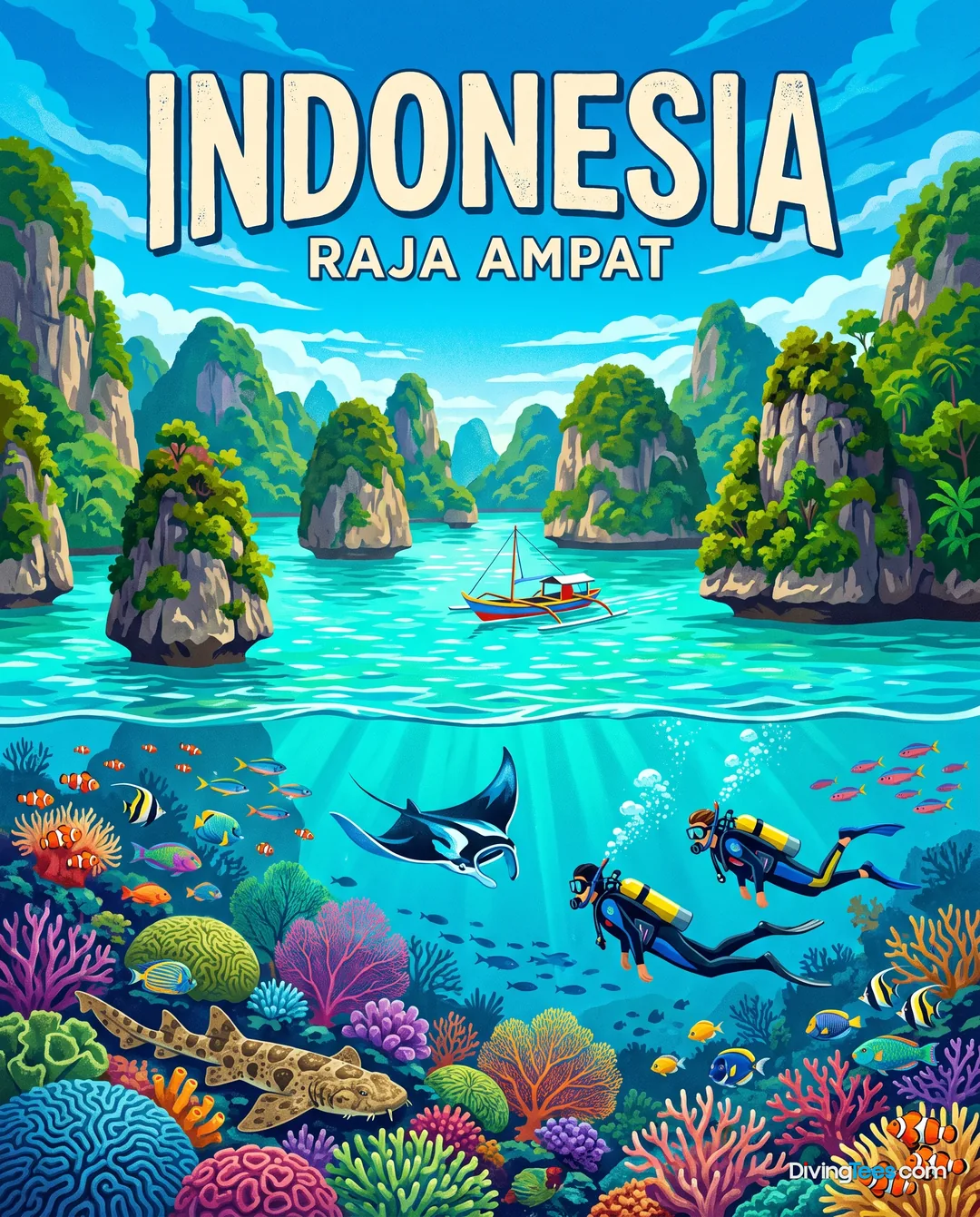
- Seasonal routes cover Raja Ampat, Komodo, the Banda Sea, the Forgotten Islands, and other Indonesian regions.
- Free nitrox is produced with a dedicated Komba KNA 320 nitrox compressor.
- Two 5-metre RHIBs handle diving, snorkelling, and shore excursions.
The invitation
Majik is for divers who want a small boat without giving up private space or polished service. Four cabins mean the guest list stays short, and the crew can adjust the day around divers, snorkellers, kayakers, and people who would rather walk ashore or stay on deck. The boat moves between Raja Ampat, Komodo, the Banda Sea, and the Forgotten Islands as the seasons change, so the choice is not only about the vessel but also about the kind of Indonesia wanted below the surface. Two cruise directors are dive instructors, not simply hosts who hand the diving to someone else. They stay close to the operation, help with equipment, and shape the diving around the group. Majik suits a small group that wants to charter the whole boat, but it also works for a couple or family looking for a quieter liveaboard than a twenty-passenger vessel.
Boarding
Built in 2022 using traditional phinisi methods, Majik combines a working wooden hull with the clean comfort of a modern yacht. The first impression is less floating hotel than carefully finished Indonesian boat: timber, open air, shaded lounges, and enough separate areas that guests do not have to sit in one place between dives. The main spaces open towards the sea, while the saloon gives the group somewhere cooler to eat or talk when the sun is strong. The two RHIBs sit ready for the practical part of the trip, carrying divers away from the boat and back again after the dive. There is a camera desk on the main deck, useful when housings and batteries become part of the daily routine. Majik feels deliberately small rather than crowded. After a day or two, the boat's size becomes an advantage: the crew knows whose gear belongs where, and guests quickly know one another.
The atmosphere on board
Majik's atmosphere comes from the small guest list and the crew's involvement in ordinary details. People returning from a dive are helped with blocks and equipment, and photographers can get assistance with housings rather than having to manage everything alone on a busy deck. The two cruise directors remain visible through the day, moving between briefings, guests, and the practical work around the water. That makes the boat feel looked after without turning the service formal. Divers and non-divers can follow different plans and still meet again for meals, drinks, or an evening on deck. Guests have also been alerted to sharks, dolphins, and mantas while simply relaxing above the water, which says something about how closely the crew watches the surroundings. By evening, the group usually has shared stories from below, food on the table, and a boat small enough that nobody disappears into a crowd.
Who puts you in the water
Two cruise directors, both dive instructors, lead the diving in English. Dive groups run at up to four or five guests per guide, keeping the group small enough for a guide to watch divers rather than simply count bubbles from a distance. Majik recommends at least 30 logged dives for diving cruises, a sensible threshold for itineraries that may involve current, remote sites, and repeated entries from a tender. Dives are generally planned for about 60 minutes, with the maximum depth limited to 30 to 40 metres according to training, experience, and buddy qualification. Courses may be possible, but they must be agreed with the cruise director before departure, and theory and confined-water work must already be completed. Emergency oxygen is carried on board and the dive crew is trained to administer it. The available information does not describe a defibrillator or a separate recall system.
The dive deck and the gear
The dive operation is built around a proper working deck and two 5-metre RHIBs. Divers leave the mothership in the tenders and return to the RHIB after surfacing, which allows the boat to stay clear of the reef while the tender collects people where they finish the dive. Majik carries DIN and yoke tanks; tank volume and material are not listed, so divers with a specific cylinder requirement should check before travelling. Two Coltri compressors rated at 315 L/min handle air, while a Komba KNA 320 membrane compressor produces nitrox. Nitrox is free for certified divers, and dive-gear rental is available for an extra charge. The onboard gear includes a 3 mm wetsuit, and a camera station sits on the main deck. Dive computers are not part of the provided equipment and can be rented separately. The boat is not set up for technical diving, so this is a recreational operation rather than a decompression-focused one.
Between dives
Between dives, Majik gives the group several different ways to disappear for a while. The sun deck is the place for open sky and a wide view, while the shaded lounges and indoor saloon work better when the heat builds or a camera needs attention. Two sea kayaks and two stand-up paddleboards let non-divers explore the edges of an anchorage instead of waiting on the boat. Snorkelling and shore excursions can be arranged alongside the diving, and the crew can take guests on island walks when the route allows it. A massage service and quiet corners make the long surface interval genuinely useful rather than just a pause beside the tanks. When the boat is under way, the view changes slowly from deck level: islands, open water, and the next anchorage replace the dive site on the horizon.
A day on board
A day on Majik is shaped by the water rather than by a printed clock. The first briefing comes before the day's diving, with the RHIBs taking each group to the site and returning divers to the boat after the dive. There are usually three dives in a day, with up to four depending on navigation and the route. Breakfast, snacks, lunch, and dinner break up the diving without making the day feel like a restaurant timetable. Between entries, guests can sleep, work at the camera desk, swim, kayak, snorkel, or sit in the shade while the crew prepares the next move. The boat may get under way between sites or during longer transfers, and shore excursions can replace a dive when the itinerary calls for land. By evening, the final return to the boat leaves time for a drink, a meal, and the next day's briefing.
What you eat aboard
Meals are cooked aboard as a mix of Western, Indonesian, and fusion food, with the chef adapting dishes for dietary restrictions when these are communicated before arrival. The arrangement is generous for a dive trip: two breakfasts, a two- or three-course lunch, afternoon snacks, and a two- or three-course dinner are provided on scheduled cruises. That pattern keeps food close to the diving rather than turning every meal into a formal event. Breakfast can be light before the first entry and more substantial afterwards; snacks bridge the gap when a group returns hungry from the water. Guests describe the food as one of Majik's strong points, and the open galley lets the preparation remain part of life on board. Drinks after dives have become part of the ritual too. Soft drinks are available throughout the day, while alcoholic drinks are separate from the included meals.
Nights at sea
The Deluxe Cabins are 18 square metres on the lower deck, with air conditioning, hot-water en-suite bathrooms, and beds that convert between double and twin arrangements. The Master Cabin gives more room for a desk and sofa, while the 41-square-metre Master Deluxe adds direct access to the swimming platform. Those distinctions matter after several dives: the Deluxe cabins are comfortable bases, while the two larger cabins give couples more space to spread out and dry equipment or camera clothing. All cabins have 220V outlets, so cameras and lights can be charged without taking over the social areas. The lower-deck position keeps the rooms close to the water but also close to the boat's working life; engine and sea sounds are part of sleeping aboard, as they are on any liveaboard. Above, open-air and shaded areas provide a choice between breeze, shade, and quiet.
Deluxe Cabin
Master Cabin
Master Deluxe Cabin
What to know before boarding
Raja Ampat itineraries depart from and return to Sorong, while Komodo routes use Labuan Bajo. Scheduled cruises include two-way transfers from the airport or a hotel within a similar distance. Arriving the night before is the safer choice, leaving room for a delayed flight without putting the boarding connection at risk.
What the boat does for the ocean
Majik supplies reef-friendly toiletries on board, including soap and shampoo, to reduce the impact of routine washing on the water around the boat.
- Year built
- 2022
- Length
- 35 m
- Beam
- 7.5 m
- Maximum number of passengers
- 8
- Number of cabins
- 4
- Engines
- Doosan 360 hp
- Tenders
- 2 × RHIB 5 m
- Website
- majikcruise.com ↗
Hello, I'm Marina, DivingDeal.com's AI assistant. I answer in detail about hotels, dive centres and liveaboards.

Thinking about the whole trip and the flights? Talk it over with Edith →
Marina is an AI. Some links are affiliate links: DivingDeal may earn a commission, at no extra cost to you. Bookings are made with the partner.