Savu South Alor
★ 4.6/5 (71 reviews)
22 km away as the crow flies
Alor · Indonesia · Asia
Max. depth · 30 mExplore Beang Abang's unique black sand slope, where geothermal hot springs create a rich environment for rare macro life.
Beang Abang is found within a quiet bay on the southern shores of Pantar Island, setting it apart from the often-strong drift dives common in the Alor Strait. This site is defined by its black volcanic sand, a direct result of the island's active geology. Hot springs emerge from the beach here, carrying minerals into the shallows that create a unique substrate, fostering a specific ecosystem dedicated to macro life. The topography unfolds as a gentle slope of fine black sand, stretching out from the shore, providing a consistent environment for exploration.
Upon descent, you'll find yourself on a vast expanse of dark, fine sand. The dive profile involves methodically exploring this sandy bottom, typically staying within the shallower zones where the light still penetrates, illuminating the subtle movements of camouflaged creatures. You'll spend significant bottom time moving slowly, eyes scanning for patterns and shapes against the dark background, often finding small patches of debris or substrate where critters prefer to hide. This patient approach is key to uncovering the site's hidden gems.
This black sand environment is a magnet for unusual marine invertebrates and small, cryptic fish, earning Beang Abang its reputation as a premier muck diving location. The substrate provides ideal camouflage and hunting grounds for creatures like the ornate ghost pipefish (Solenostomus paradoxus), which blends seamlessly with soft corals or hydroids. Ribbon eels (Rhinomuraena quaesita) are frequently spotted, their colourful bodies contrasted against the dark sand as they peek from their burrows, often at depths between 8 and 30 metres.
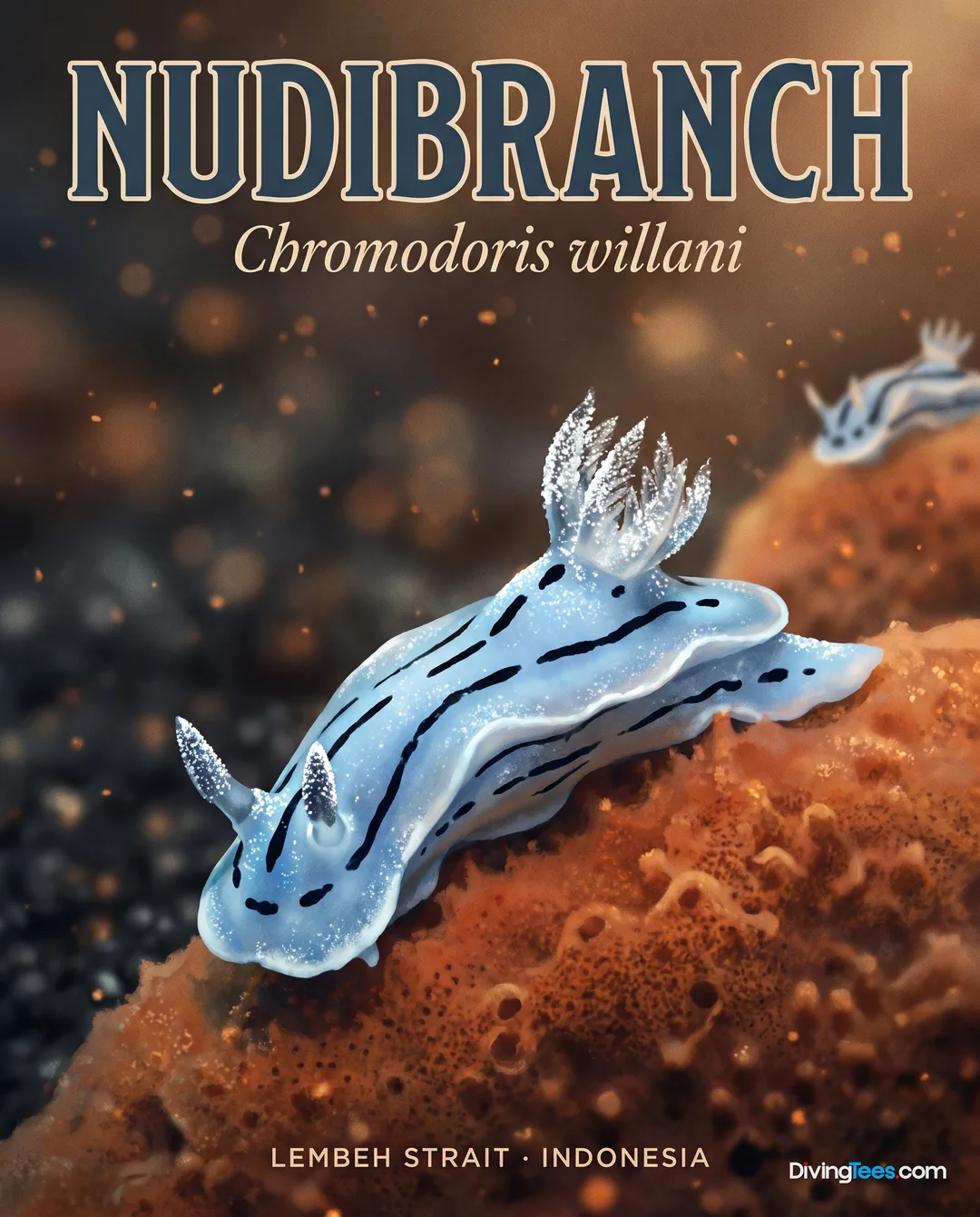
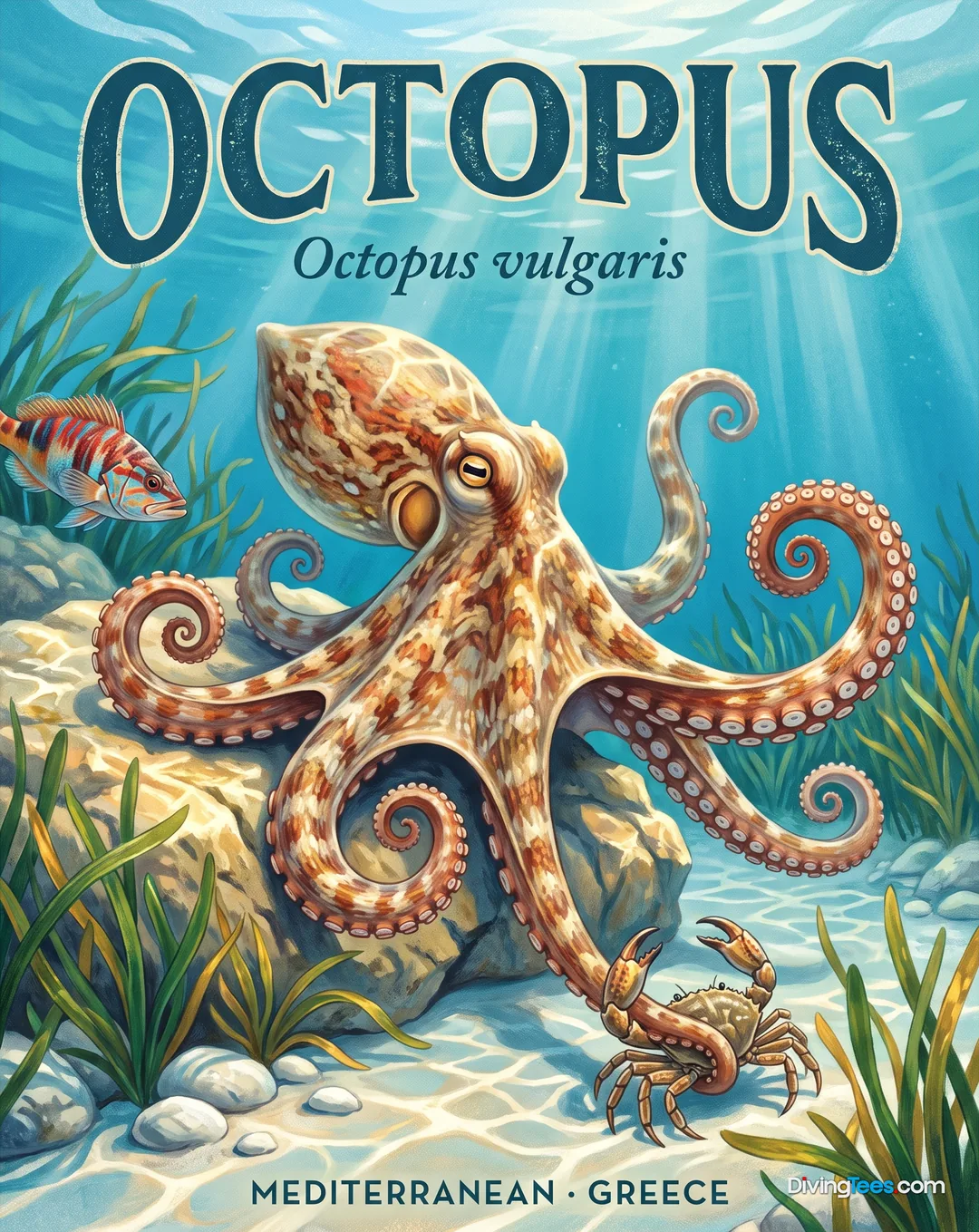
Beyond the more common finds, Beang Abang is also home to a variety of octopus species, known for their intelligence and ability to adapt their texture and colour to their surroundings. You might encounter the mimic octopus, known for its ability to imitate other marine animals, or the flamboyant cuttlefish, displaying its vibrant colours. Nudibranchs, in their myriad forms and vibrant hues, are another highlight, often found grazing on detritus or hydroids, adding splashes of colour to the dark substrate.
For those with a keen eye, the elusive hairy frogfish (Antennarius striatus), perfectly camouflaged on the sandy bottom, presents a rewarding photographic challenge. Other frogfish species are also present, often blending seamlessly with their surroundings. Bobtail squid are another common sight, often partially buried in the sand, waiting for prey. The unique interaction of the hot springs with the seawater contributes to this distinct local environment, encouraging the specific adaptations of the fauna found here.
The conditions at Beang Abang, due to its sheltered bay location, typically involve gentler currents compared to the stronger flows experienced in other parts of the Alor Strait. While currents in Alor can be variable, this site is primarily a muck and critter dive, allowing for a relaxed pace. This is crucial for observing and photographing the intricate details of macro subjects without being swept away, making it suitable for focused exploration rather than high-speed drift diving.
Beang Abang is regarded as a must-visit muck site and a macro-photography hotspot, especially at night, with its volcanic black sand and hot springs creating a unique environment. It is repeatedly highlighted in dive travel literature as one of Alor–Pantar’s premier critter-hunting bays for rare cephalopods and unconventional macro subjects. The site's specific geological features and sheltered position make it a distinct and rewarding dive experience within the Alor region.
Dive depth at Beang Abang ranges from 8 to 30 metres. Visibility typically ranges from 15 to 30 metres, with the clearest conditions expected between March and December. Water temperatures can fluctuate between 16 and 30°C. While currents in Alor can be variable, conditions at Beang Abang are generally manageable for intermediate divers, suitable for experienced macro and night divers comfortable with muck environments. The best conditions for diving are generally from March to November.
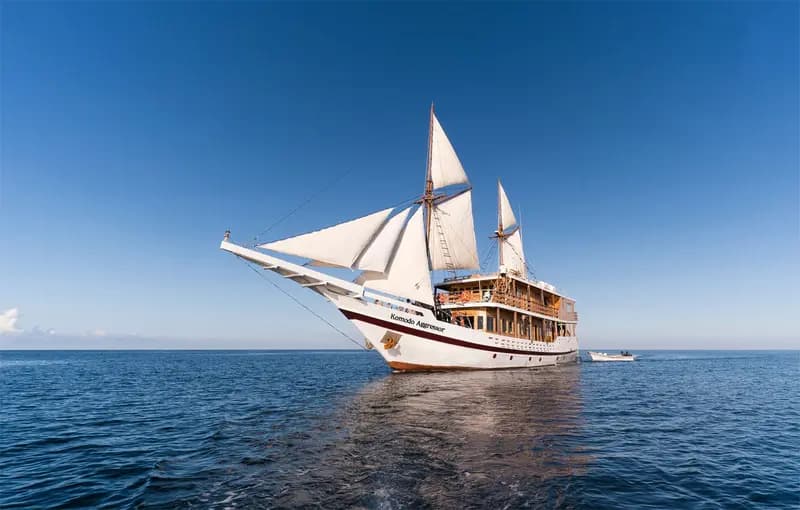
2 liveaboards depart from Alor another way to explore the region, over several days at sea.