
Dive In Alor
Google 4.9/5 (103 reviews)
Alor · Indonesia · Asia
Max. depth · 25 mDescend along a vibrant wall draped in coral, then drift into the blue where giant trevallies patrol the thermocline.
Dropping into Andy's Bus Stop, you immediately encounter a steep wall that plunges from a shallow reef into the mid-depths. This is a quintessential Alor wall dive, where the vertical face is covered in an array of hard and soft corals, a testament to the nutrient-rich waters of the Pantar Strait. The sheer density and variety of life adhering to the rock create an ever-changing tapestry of colour and texture, demanding a slow descent to fully appreciate the details.
As you follow the contour of the wall, the vibrant colours of the reef envelop you. Anthias flutter in clouds, a constant, shimmering display of life that adds a dynamic element to the scene. These small, schooling fish swarm over the coral formations, their movements a clear indicator of the invisible currents that sculpt this underwater landscape. Their presence amplifies the feeling of being in a truly alive ecosystem, where every nook and cranny holds something to discover, including large barrel sponges and patchwork coral formations.
Beyond the immediate beauty of the wall, a different kind of drama unfolds in the blue. This site is renowned for its potential for significant pelagic encounters, urging you to periodically avert your gaze from the reef and scan the open water. Here, hunting giant trevallies (Caranx ignobilis) are often spotted, their powerful forms slicing through the water with purpose. Their presence is a reminder of the raw, untamed energy that defines many of Alor's dive sites.
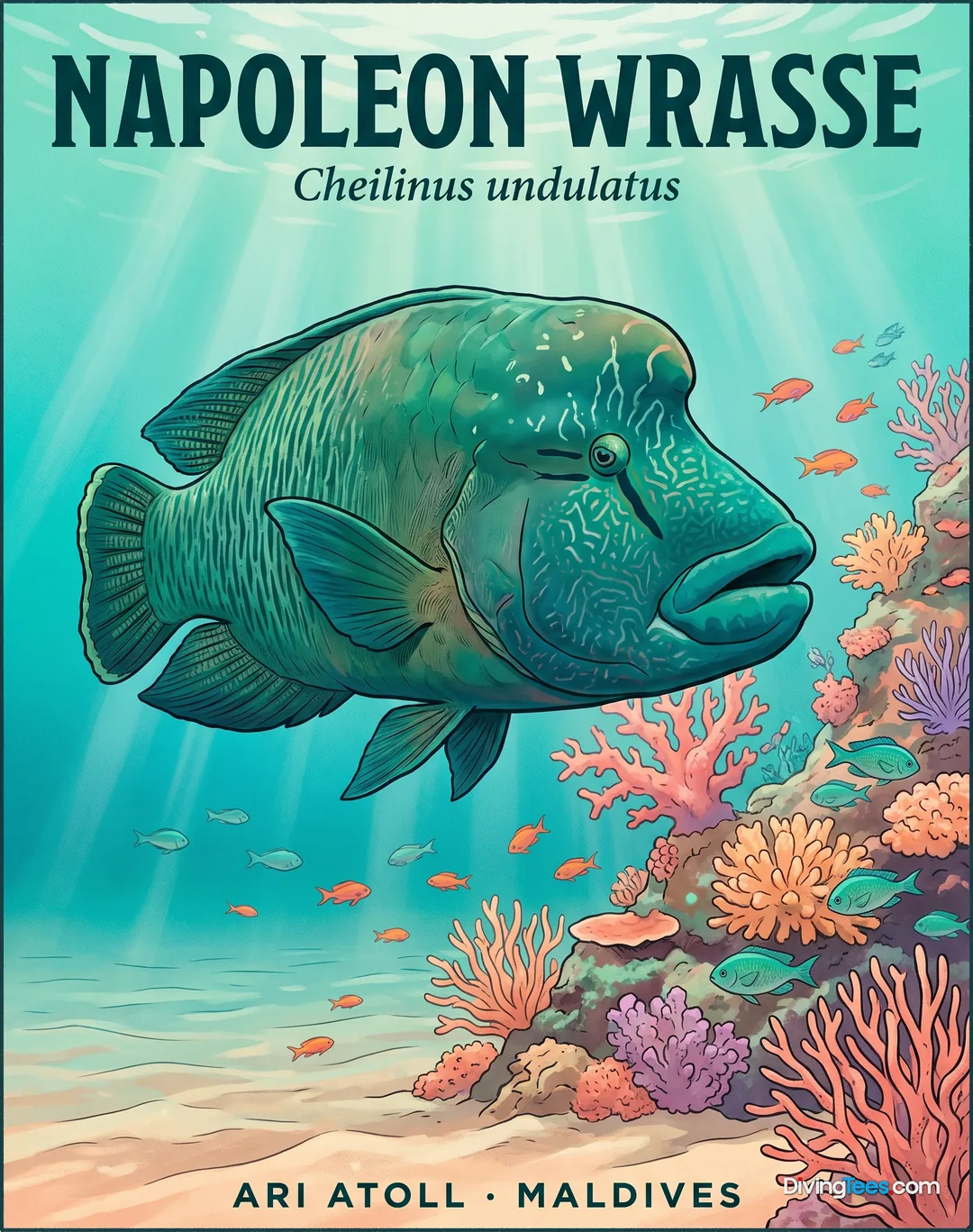
The surge of activity in the blue doesn't stop there. Keep a keen watch for tuna (Thunnus spp.) powering past, their streamlined bodies perfectly adapted for speed. Occasionally, you might catch a glimpse of a majestic Napoleon wrasse (Cheilinus undulatus), its distinctive hump-head silhouetted against the open water. These larger inhabitants highlight the rich food chain that supports such a diverse ecosystem, making every moment an anticipation of the next exciting sighting, sometimes including reef sharks.
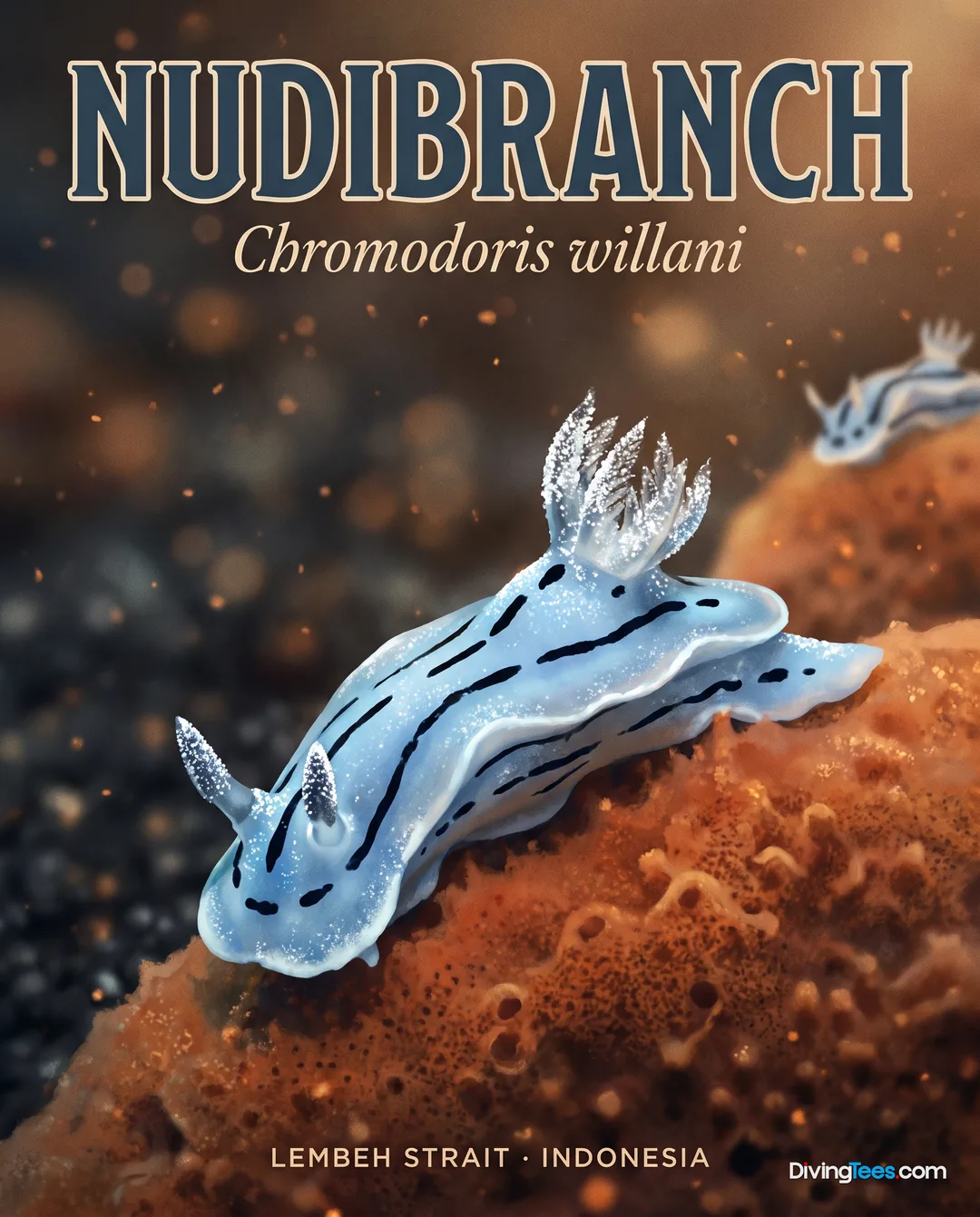
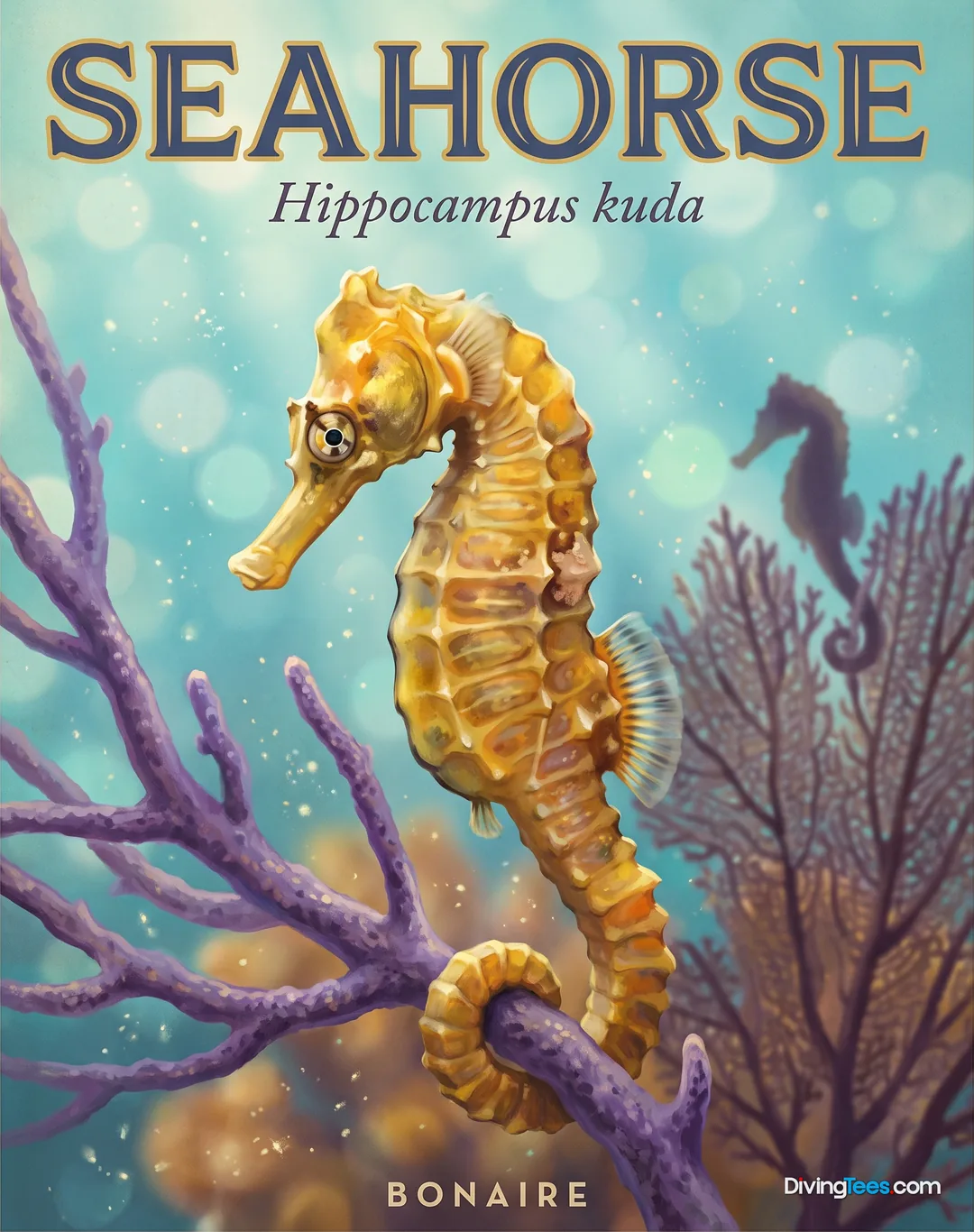
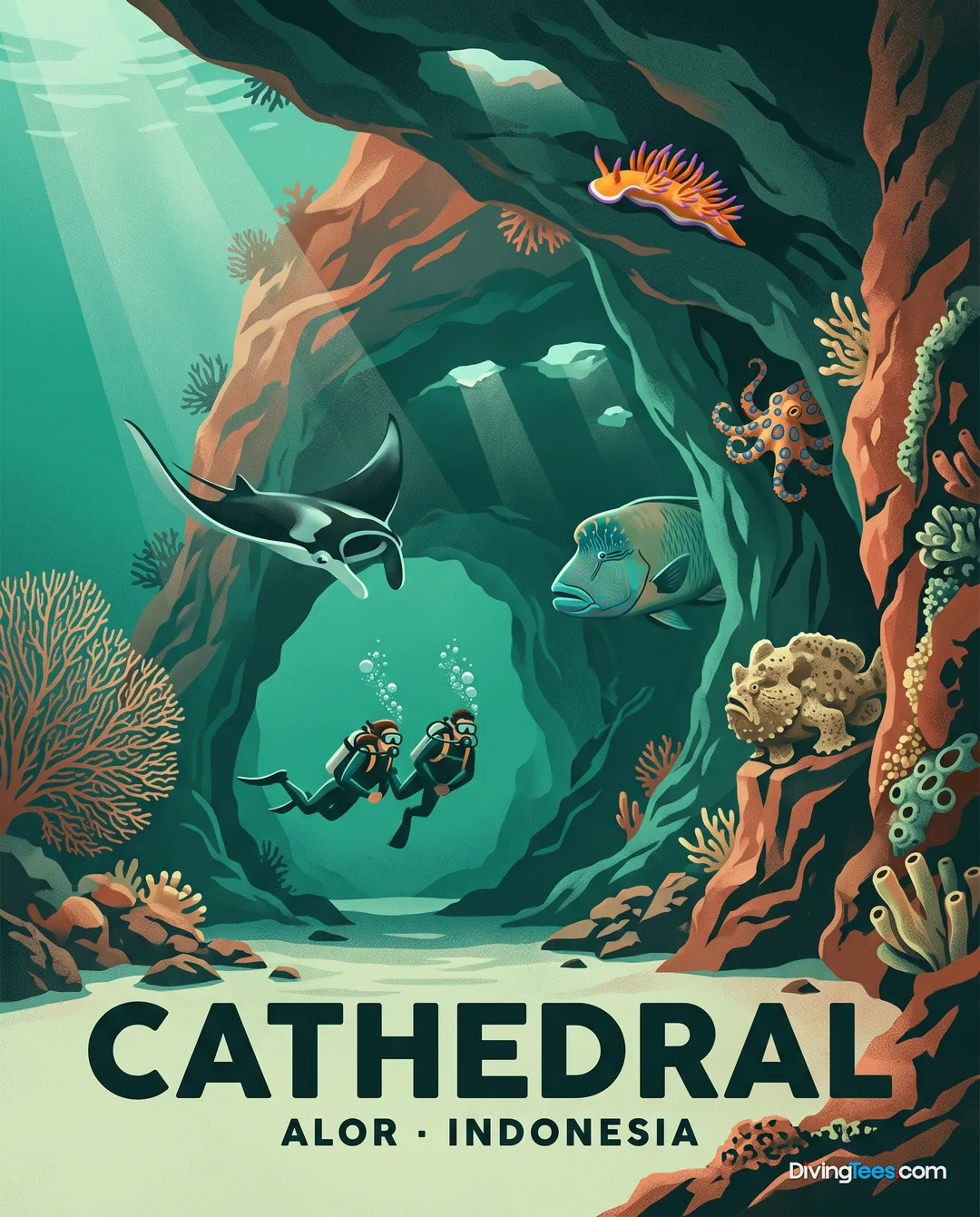
The topography of Andy's Bus Stop includes a large cavern feature along the wall, offering a different perspective on the reef's structure. While the focus is often on the larger life, the site also holds rich macro opportunities. Look closely among the corals and sponges for smaller inhabitants such as octopus, various nudibranchs, and even pygmy seahorses on gorgonian sea fans. Lampert’s sea cucumbers and blue brittle stars are also present, adding to the diversity of the reef's residents.
Currents at Andy's Bus Stop are a defining feature, often shifting from gentle drifts to very strong flows. These currents, influenced by tidal exchanges and moon phases, can create unpredictable conditions, sometimes leading to 'washing machine' effects where water moves in multiple directions. This variability is part of what drives the rich ecosystem, bringing nutrients and attracting pelagic species, but it requires attentive diving. For a more relaxed drift experience, consider planning your dive during a half-moon phase when tidal flows are typically milder.
Visibility at this site generally ranges from a clear 15 to an outstanding 40 metres, offering extensive views of both the wall and the open blue. The cooler water and thermoclines common in South Alor contribute to the site's dynamic environment. While the site is primarily a natural wall, one unique feature mentioned by some operators is an underwater bus wreck element, adding a quirky character to the dive compared to typical natural-wall dives.
The best time to experience Andy's Bus Stop is from March to December, coinciding with Alor's dry season between May and October. During these months, visibility can reach its peak, and conditions are generally more favourable. It's advisable to avoid the December to March period due to the rainy season, which can bring lower visibility, stronger winds, and increased rainfall across the region, potentially impacting the dive experience.
Andy's Bus Stop is accessible for certified open water divers with good buoyancy control and some experience with wall dives. Depths typically range from 5 to 25 metres, suitable for recreational profiles. Currents are variable and can range from light to very strong, influenced by tides and moon phases, sometimes creating unpredictable conditions. Visibility generally ranges from 15 to 40 metres. The best period for diving here is from March to December, with optimal conditions during the dry season from May to October.
47 liveaboards run trips to Alor.
You can dive Andy’s Bus Stop from March to December, with conditions generally most favourable during the dry season from May to October. Visibility may reach forty metres during this period. From December to March, rainy-season weather can bring lower visibility, stronger winds, and increased rainfall.
Andy’s Bus Stop is accessible to certified open water divers who have good buoyancy control and some experience with wall dives. You should be prepared to follow a steep wall and remain attentive to changing conditions, since currents may shift unexpectedly and can become very strong.
Andy’s Bus Stop ranges from five to twenty-five metres, making it suitable for recreational profiles. Currents vary from light to very strong and are influenced by tides and moon phases. They can become unpredictable, with water moving in several directions, while half-moon phases may bring milder tidal flows.
At Andy’s Bus Stop, you can explore a steep wall covered with hard and soft corals, plus a large cavern. Look for swarms of anthias, hunting giant trevallies, tuna, Napoleon wrasse, octopus, nudibranchs, pygmy seahorses, Lampert’s sea cucumbers, and blue brittle stars, with pelagic action in the blue.