Liveaboards · Indonesia
Neptune One — a traditional phinisi built around serious diving
What makes this boat unique
- A traditional Indonesian phinisi renovated in 2022, with eight air-conditioned cabins and a private bathroom for every guest cabin.
- The shaded dive deck has individual gear storage, separate rinse tanks for dive equipment and cameras, DIN adaptors, hot-water showers and two diver tenders.
- The Bauer membrane system produces EANx 32% Nitrox, supported by two Bauer Poseidon air compressors.
- Raja Ampat itineraries run for 8 days and 7 nights from Sorong, with North and Central or South and Central routes.
For subtitles in English: start the video firstthen click the gearat the top right of the video, select “Subtitles/CC”, then “Auto-translate” and choose “English”.
The invitation
Neptune One is for divers who want Raja Ampat reached properly, not reduced to the few sites accessible from shore. The traditional phinisi carries up to 16 passengers, but its eight cabins keep the group small enough for the crew to learn who needs help with a camera, who prefers a slower descent and who is first on the dive deck every morning. The reason to choose it is the combination: a genuinely comfortable boat, a dive operation designed for repeated entries, and access to the reefs around Raja Ampat’s North, Central and South areas. Three meals a day, shade over the working deck, camera facilities and two tenders matter when the trip is built around up to four dives. The boat also welcomes snorkelers and non-divers, so a mixed group does not leave one half of the party waiting on the dock.
Boarding
The first impression is of a substantial traditional phinisi rather than a compact day boat dressed up for overnight use. Its broad hull and several working levels give the vessel a composed presence at the dock, while the 2022 renovation places the boat firmly in the modern liveaboard category. Inside, the finish is arranged for long stays: air-conditioned common spaces, a dining area, a photo workspace and an observation deck rather than one crowded room doing everything. Movement is practical. Diving equipment stays on its own deck, cameras have a separate rinse area, and the tenders take divers away from the main hull for entries and pickups. The boat runs on 600 HP Yanmar engines at a cruising speed of 7.5 knots. That is not a speedboat’s pace; it is the pace of a vessel carrying a week’s worth of diving, meals and sleep between remote reefs.
The atmosphere on board
Neptune One is large enough to offer privacy but carries few enough people for the crew to remain visible throughout the day. The crew speaks English, Chinese and Indonesian, and the passenger experience is shaped as much by the guides and deck team as by the cabins. They handle the repeated small jobs that make four dives possible: keeping the working area orderly, moving meals into the gaps and making sure the boat remains comfortable when everyone returns at once. The crew scores slightly below the food and diving, but still strongly; that suggests a boat whose people are a central part of the experience rather than a service layer added to it. Evenings can stay social in the lounge or outside, with audio and video entertainment available when the day’s diving has used up the appetite for conversation. The atmosphere suits divers who want comfort without a formal hotel routine.
The sites you’ll dive
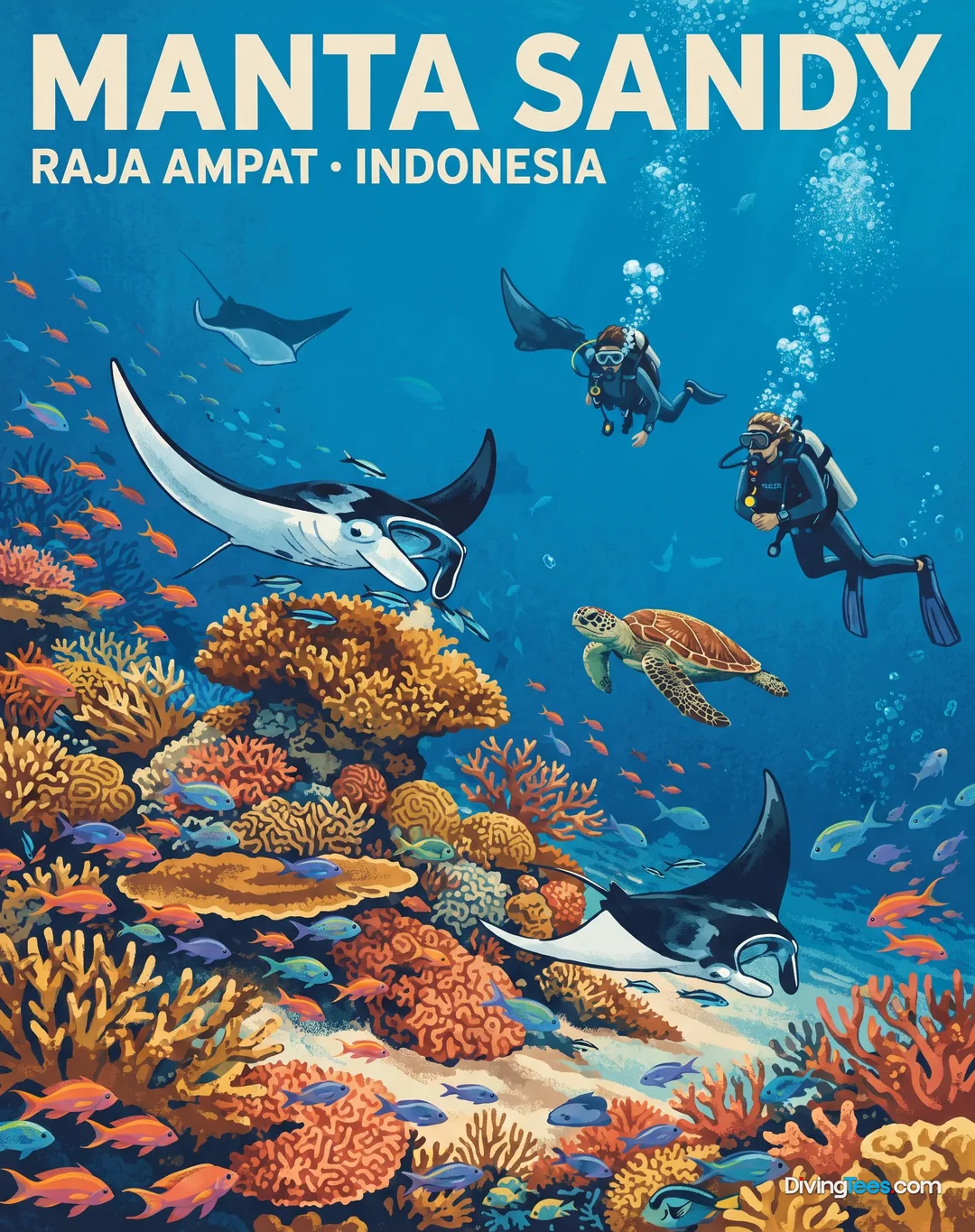
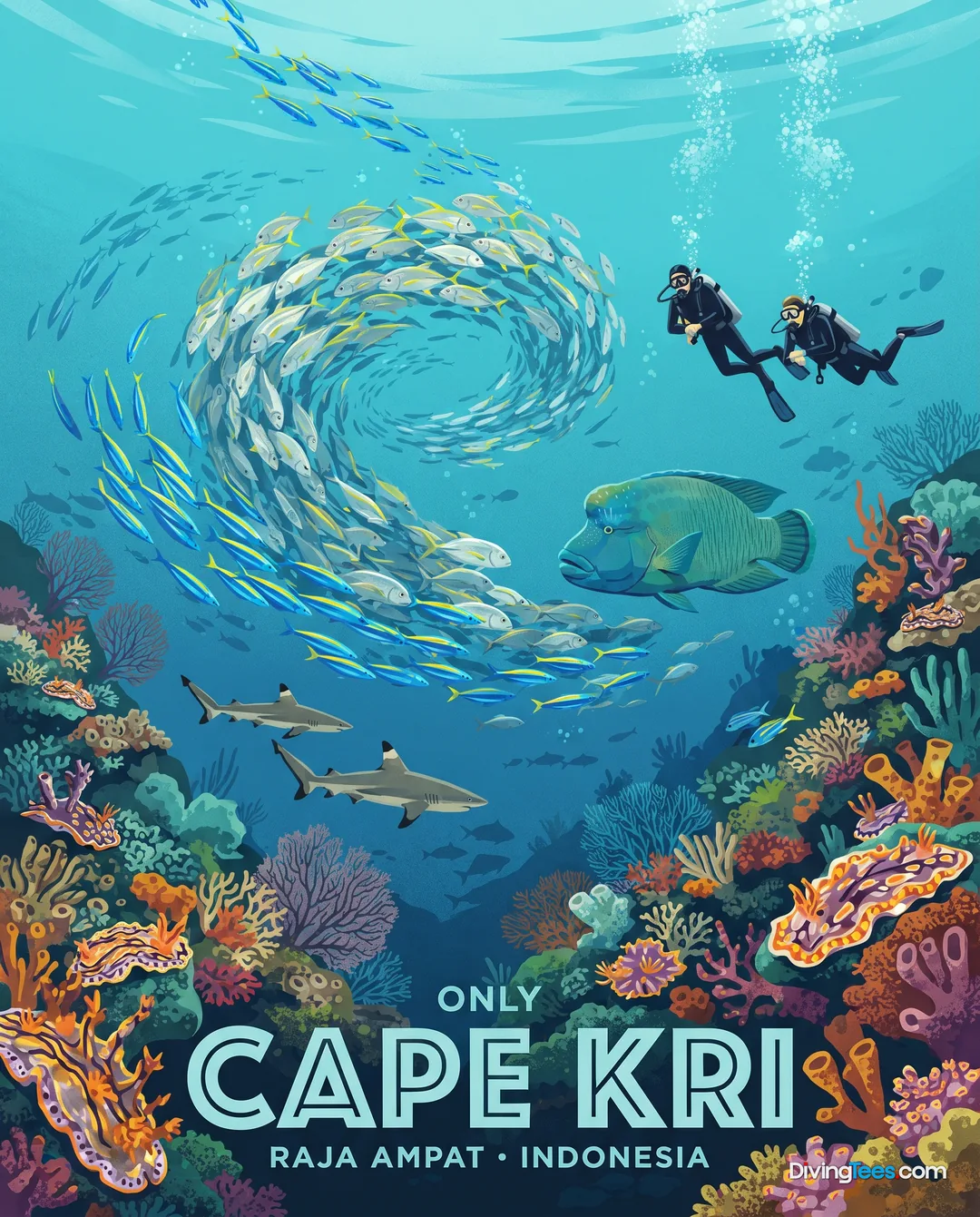
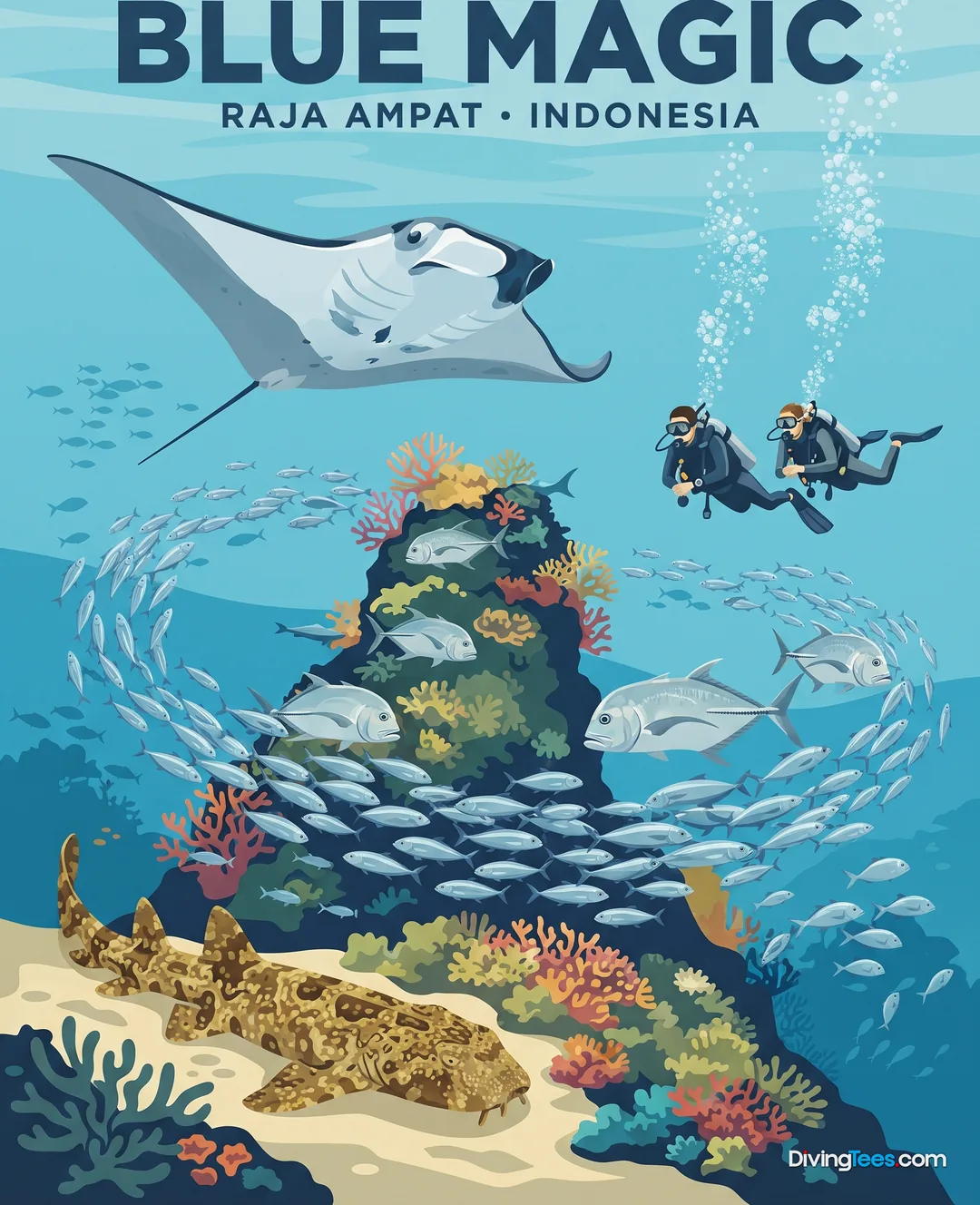
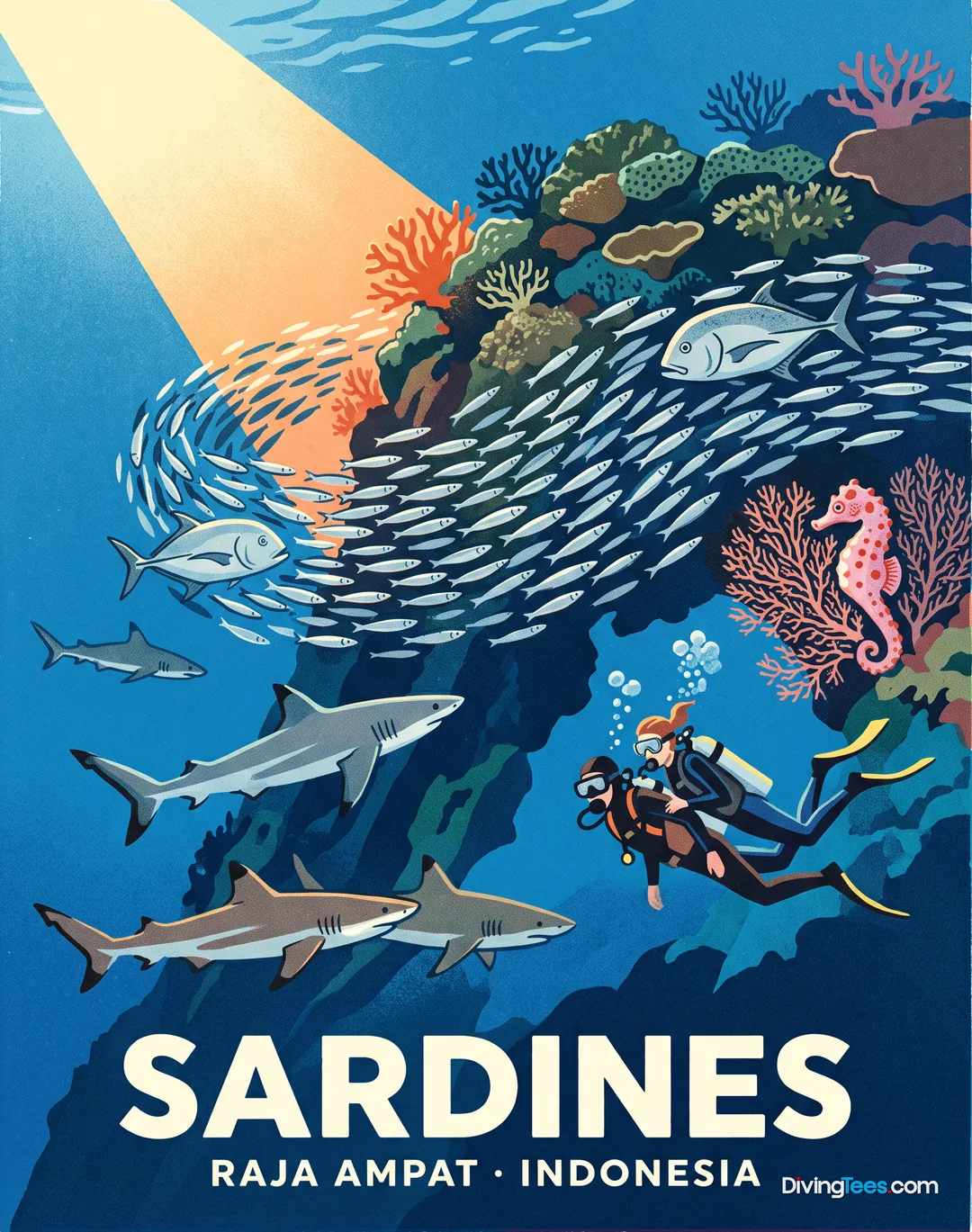
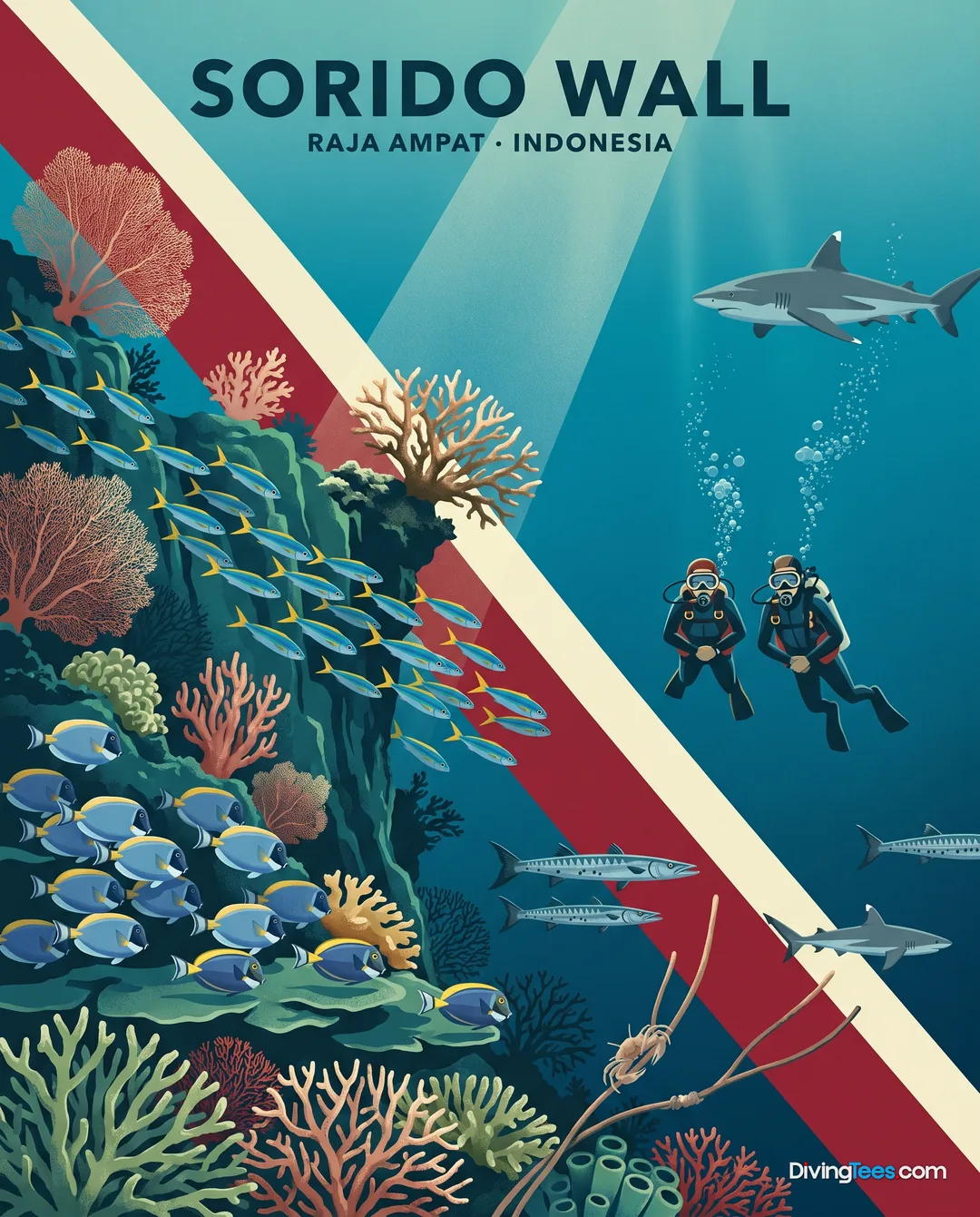
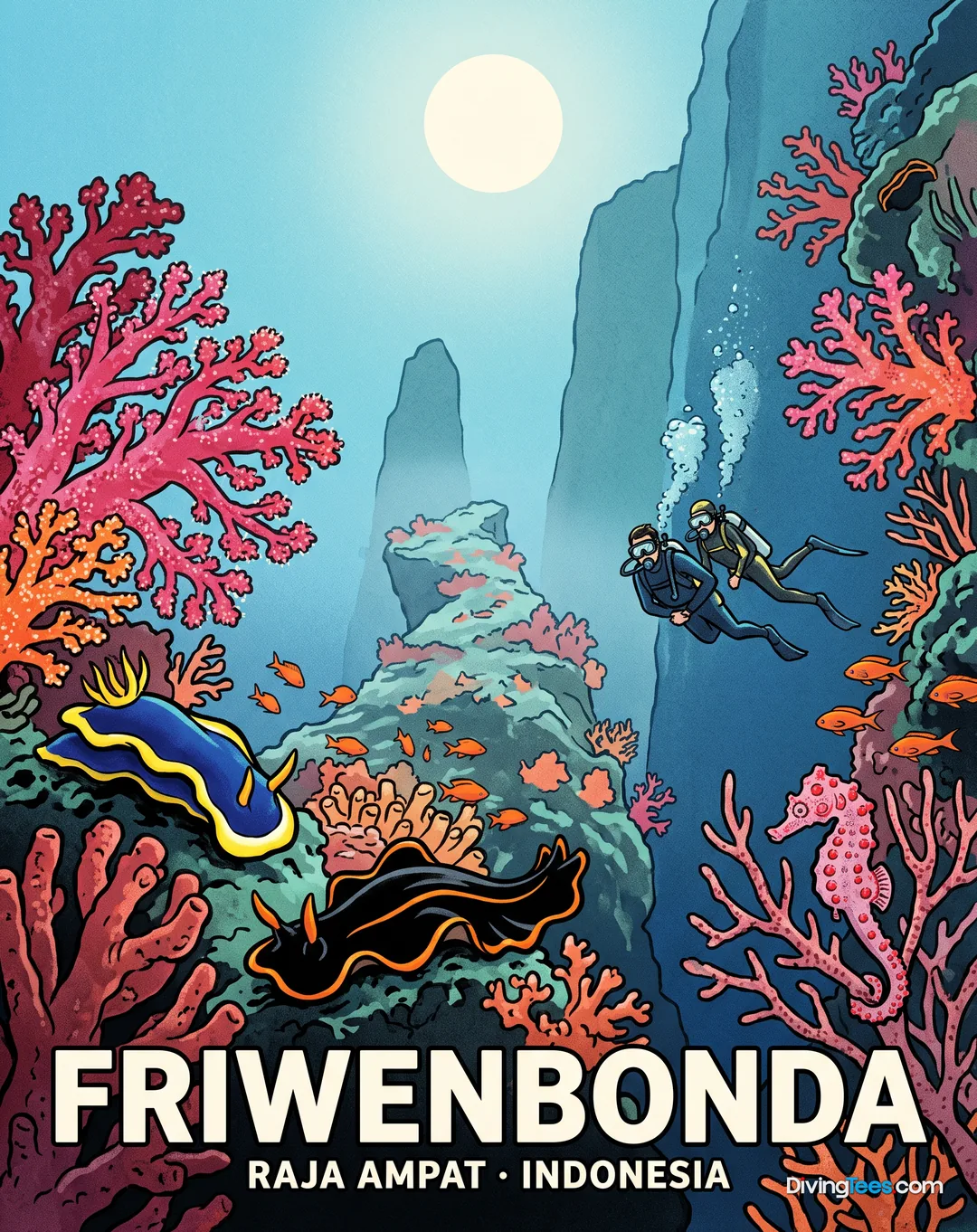
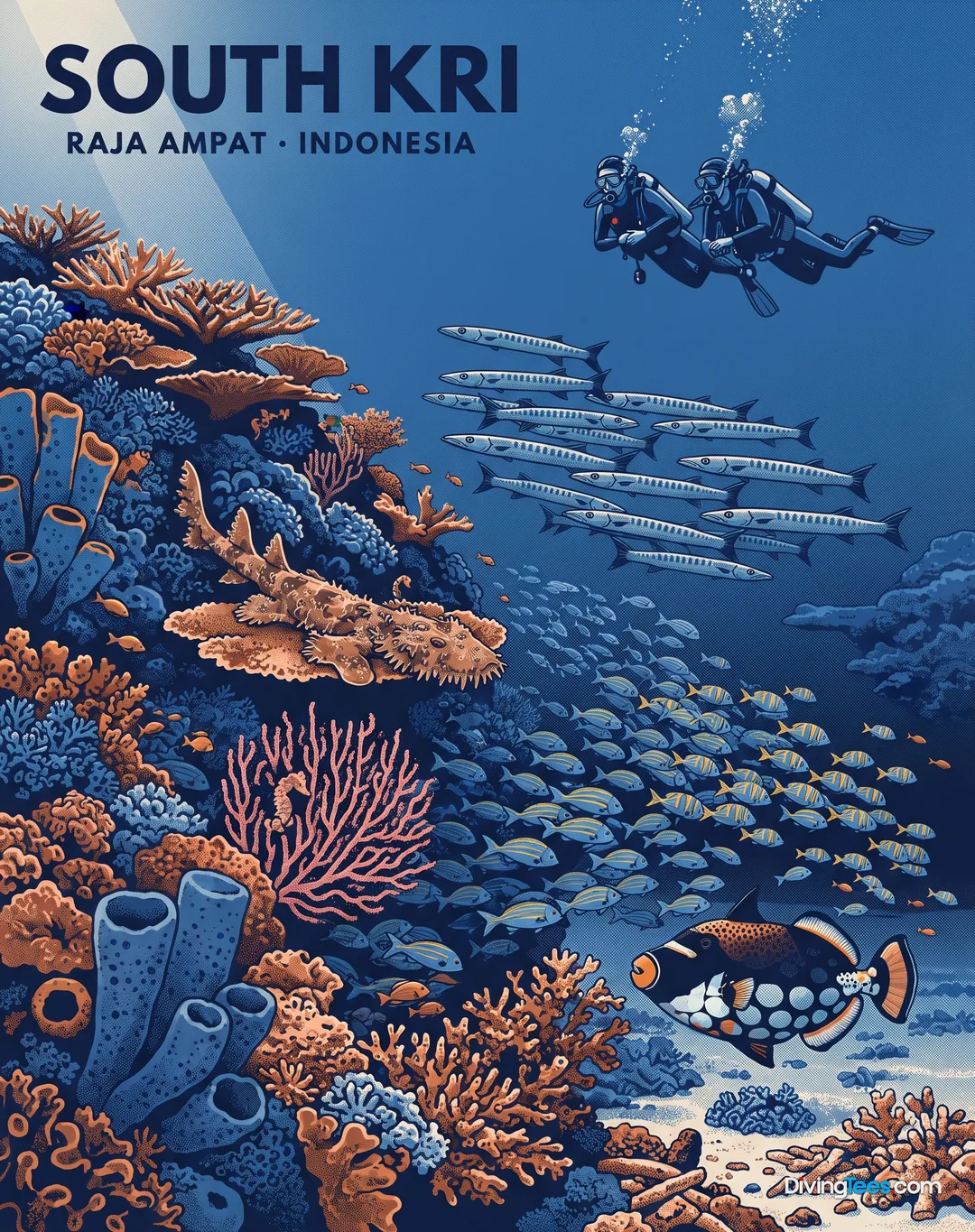
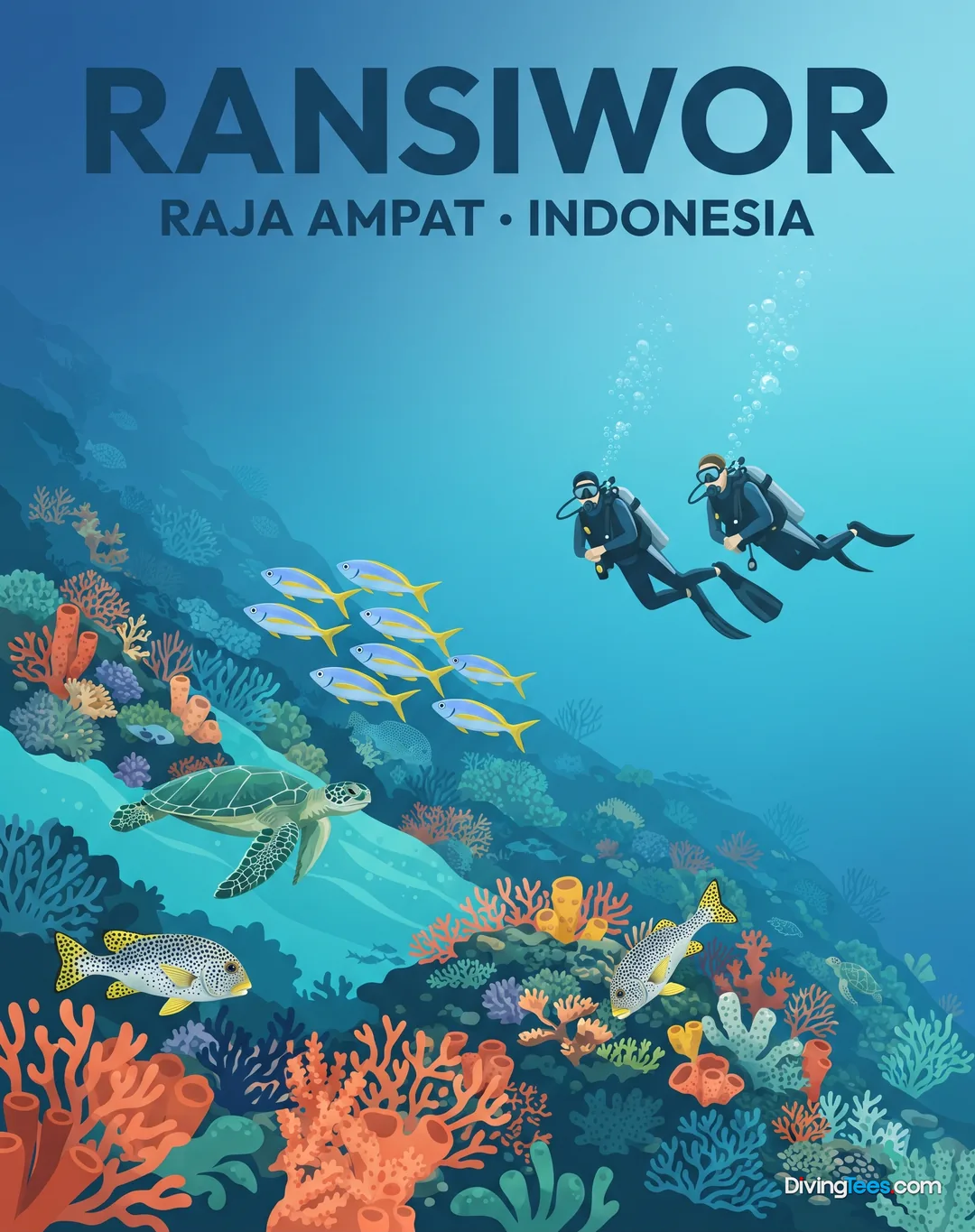
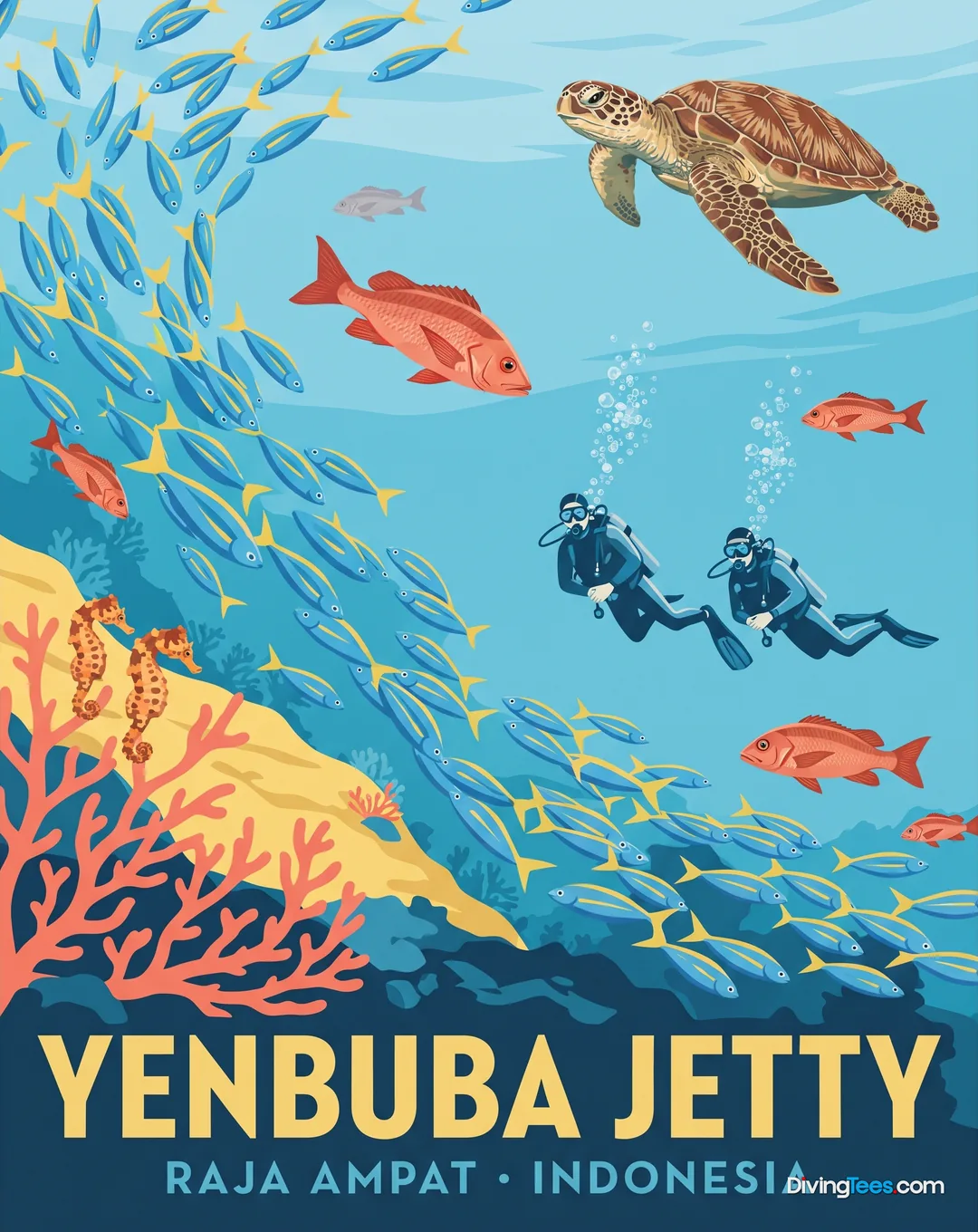
Raja Ampat is the centre of Neptune One’s strongest case. Manta Sandy brings divers and snorkelers to reef manta cleaning stations, where the animals hover while cleaner fish work over them. At Mike’s Point, overhangs carry soft corals and sweetlips before the reef opens onto a plateau visited by eagle rays; the site reaches -40m. Melissa’s Garden stays shallower, with soft corals and staghorn formations down to -35m. Cape Kri is the abundance dive, with huge schools of fish, Napoleon wrasse and reef sharks. Blue Magic combines schooling fish with oceanic mantas, wobbegongs and pelagic traffic. Sardines puts dense fish concentrations and hunting pelagics into one fast-moving scene. Walls at Sorido Wall and Friwenbonda carry barracuda, reef sharks, soft corals and macro life, while South Kri turns the current into a relaxed drift over schooling fish and small creatures. Ransiwor reaches -30m and follows gentle slopes past cleaning stations; Yenbuba Jetty reaches -30m beneath fish-filled, coral-covered pilings. North and Central and South and Central Raja Ampat departures both run 8 days and 7 nights from Sorong.
What you’ll meet underwater
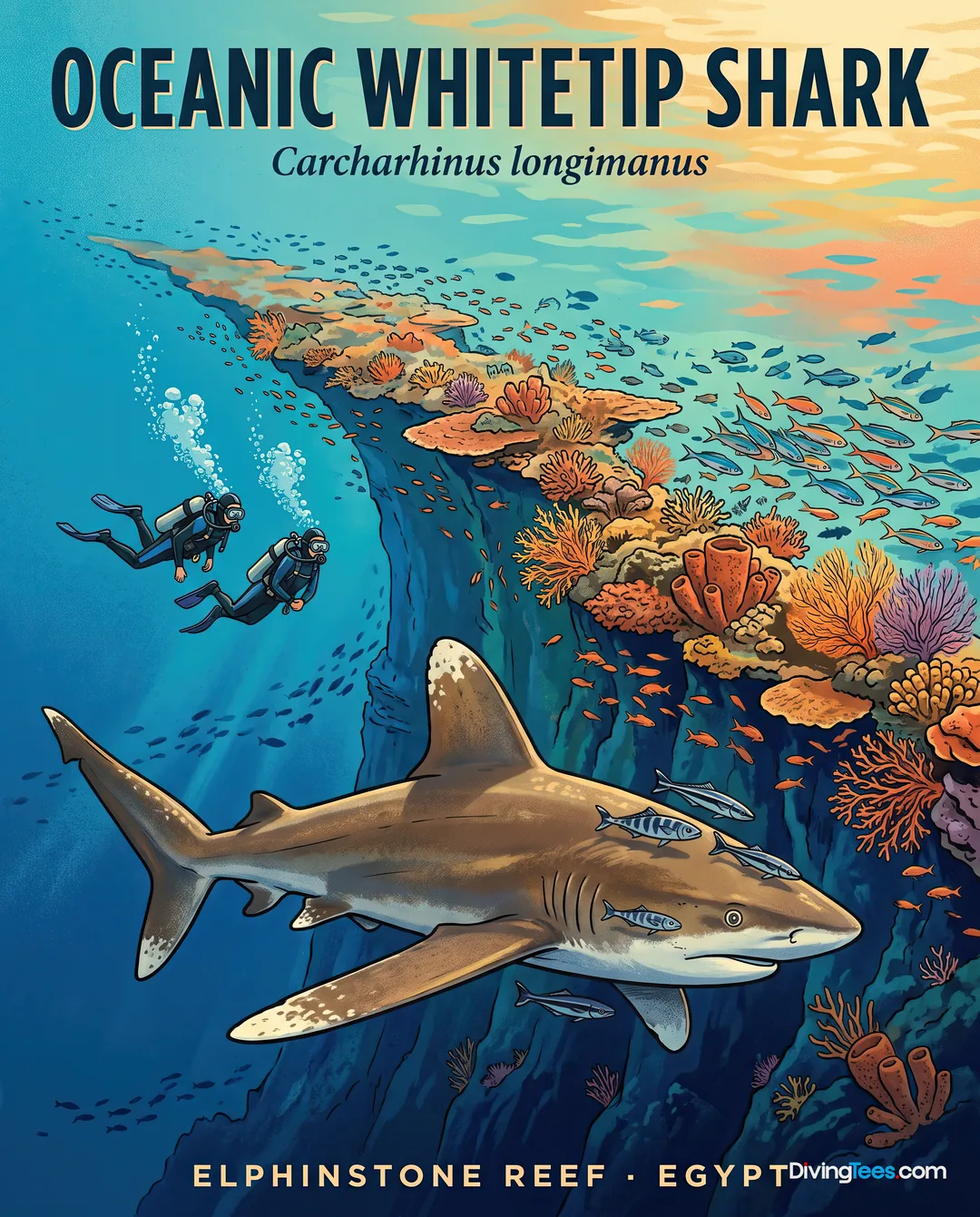
The recurring spectacle is density: barracuda, reef sharks, trevally, fusiliers, sweetlips, Napoleon wrasse, humphead parrotfish, turtles, soft corals, nudibranchs, eagle rays and pygmy seahorses appear across several sites rather than belonging to one lucky corner of the route. Cleaning stations give the larger animals a reason to hold position, which is why Manta Sandy is visited for reef mantas and Blue Magic for oceanic mantas. Currents can gather the big schooling fish and hunting pelagics at sites such as Sardines, Cape Mansuar and Cross Over. The site-specific encounters are what make repeat dives worthwhile: a giant grouper and white-tip reef shark at Cape Kri, an oceanic whitetip shark and tuna at Blue Magic, an octopus and clownfish at Ransiwor, and surgeonfish at Sorido Wall. South Kri is the place for big-eye trevally, crabs and shrimp, while Yenbuba Jetty rewards a careful look with anthias and damselfish among the schools and coral pilings.

Who puts you in the water
The crew and dive guides speak English, Chinese and Indonesian, so briefings can be handled across a mixed international group. Dive groups are organised around guided diving, with the tenders carrying divers to the reef and returning to collect them after the exit. Most Indonesian itineraries require Open Water certification and more than 30 logged dives; sites with strong currents or depths beyond 18 metres make Advanced Open Water a sensible level for this Raja Ampat route. The boat can arrange refresher sessions and introductory courses for less experienced divers, while a private dive guide is available as an optional extra. Briefings and dive profiles follow conservative PADI and SSI guidance. Emergency oxygen, first-aid kits and crew trained in first aid are carried on board, alongside marine communications and navigation equipment. A Nautilus Lifeline GPS is provided, giving each diver a personal surface-location device rather than leaving the tender to search a broad patch of sea.
The dive deck and the gear
The dive deck is spacious, shaded and organised around individual gear storage. Equipment has its own rinse tanks, while underwater cameras get a separate rinse tank, charging stations and storage; that separation prevents a camera system from sharing the same working bath as sandy fins and wetsuits. DIN adaptors are available, and hot-water showers let divers rinse off properly after returning aboard. EANx 32% Nitrox is produced on board by a Bauer membrane system, with two Bauer Poseidon air compressors supporting filling operations. Nitrox is an optional extra, not part of the standard inclusions. Full rental equipment is available, although tank volume, tank material and rental brands are not specified here. Two diver tenders, described as 100 HP Yamaha-powered RHIBs, take groups to the sites and collect them after the exit. The platform is the launch point; the tender system keeps repeated entries and pickups away from a congested main deck.
Between dives
Between dives, the shaded dive area is the practical centre of the boat: a place to sit with wet gear, review a camera screen and watch the tender come back from a pickup. When the sun is welcome, the terrace and observation deck provide more open space, while the air-conditioned lounge gives the body somewhere cooler to settle. Kayaks and stand-up paddleboards are available for the surface intervals that turn into an afternoon without a dive. The camera area has charging stations, storage and a separate rinse tank, so a photographer can work without competing with masks, fins and regulators. Internet is available as a paid extra. The boat also offers excursions on land and snorkeling activities, which gives non-divers a proper day rather than a view from the rail while the divers are underwater.
A day on board
A diving day begins before the boat has fully warmed to the light: the compressor is already part of the background, the first briefing gathers the group, and the early-morning dive sends divers out by tender. Breakfast follows the first entry, then the second dive comes after the surface interval, with lunch marking the middle of the day. An afternoon dive completes the main sequence. When conditions and the itinerary allow, a night or sunset dive adds a fourth entry rather than replacing the day’s diving. Between drops, divers move from the shaded deck to the lounge, camera station or observation deck, with kayaks and paddleboards available when the boat is stopped. The boat gets underway between sites, and that passage is part of the day’s reset: gear is checked, memory cards are changed and snacks appear before the next briefing. Dinner comes after the final dive, followed by a quieter evening on deck or in the air-conditioned lounge.
What you eat aboard
The galley serves three full meals a day, with Indonesian and Western dishes appearing alongside buffet service and dinners ordered from a menu. Local ingredients bring the boat’s location to the table without forcing every meal into one style of cooking. Vegetarian and vegan options are available, and dietary requirements can be handled when arranged in advance. Fruit and snacks are available through the day, which matters more than it sounds when the next dive arrives before hunger has caught up with the previous one. Meals divide the day into useful pauses: breakfast after the first entry, lunch during the longer surface interval, and dinner after the afternoon or night dive. The food is one of Neptune One’s strongest points, but the real advantage is consistency. Four dives leave little room for a slow, elaborate meal schedule; the galley has to feed divers well without making them wait.
Nights at sea
The eight cabins are on the upper and lower cabin levels, with air conditioning, private bathrooms, standard windows and storage for the clothing that actually comes on a dive trip. The four lower-deck cabins use twin beds. The four upper-deck cabins can be arranged with double or twin beds, and the sea-view categories include cabins with an accessible balcony. Deluxe Suite, Deluxe Sea View and Deluxe Sea View with Balcony cover the available choices. After a dive-heavy day, the useful luxury is not decoration: it is closing a private door, taking a hot shower and letting the air conditioning dry the room before the next wake-up. The boat has enough separate spaces that a cabin can remain a place to sleep rather than becoming the only quiet corner on board. Guests who choose a balcony cabin gain an outdoor edge, while the standard windows keep the other cabins connected to the light and water without claiming private deck space.
Deluxe Suite
Deluxe Sea View
Deluxe Sea View with Balcony
What to know before boarding
Raja Ampat departures and returns use Sorong. Group airport transfers on embarkation and disembarkation days are included, and hotel transfers are included as well. The exact transfer arrangements and check-in details are communicated before the trip because they vary with the itinerary. Arriving in Sorong the night before is the sensible choice, leaving room for a delayed flight without putting the boat’s departure at risk.
Deck plan
- Year built
- 2017
- Year renovated
- 2022
- Length
- 38 m
- Beam
- 8.3 m
- Maximum number of passengers
- 16
- Number of cabins
- 8
- Number of bathrooms
- 8
- Engines
- 600 hp Yanmar
- Cruising speed
- 7.5 knots
- Tenders
- 2
- Website
- neptuneliveaboards.com ↗
Hello, I'm Marina, DivingDeal.com's AI assistant. I answer in detail about hotels, dive centres and liveaboards.

Thinking about the whole trip and the flights? Talk it over with Edith →
Marina is an AI. Some links are affiliate links: DivingDeal may earn a commission, at no extra cost to you. Bookings are made with the partner.