

French Kiss Divers
★ 5/5 (1,938 reviews)
Nusa Penida · Indonesia · Asia
Max. depth · 30 mDescend into Labyrinth, where an intricate network of canyons and deep passages creates a unique topography, often visited by passing manta rays.
Labyrinth is aptly named, presenting an intricate maze of canyons, passages, and corridors on the southern coast of Nusa Penida. The site is exposed to the open ocean, which contributes to its dynamic and often exhilarating dive experience. You navigate a landscape built from enormous, tilted rock pillars, some exceeding 15 metres in height, that have stacked and formed tunnels and secluded pockets.
The dive profile at Labyrinth takes you through a series of distinct depth zones. You begin in shallower corridors, between 5 and 10 metres, that gradually lead to deeper channels. These deeper sections reach beyond 30 metres, requiring careful depth management and an awareness of your no-decompression limits.
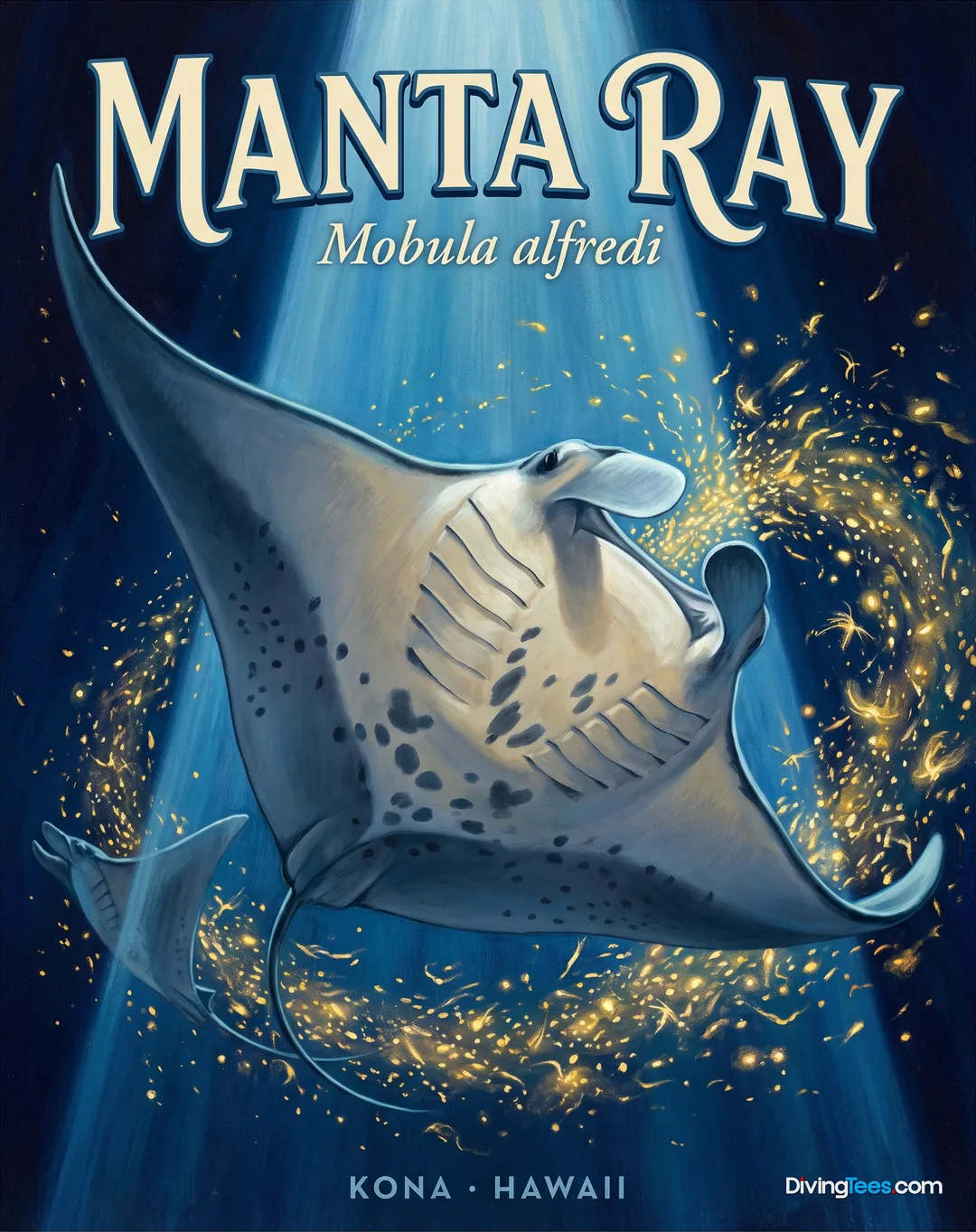
Due to its location near Manta Point, Labyrinth often sees manta rays (Mobula alfredi) passing through, either heading to or returning from cleaning stations. These encounters are typically transient, as the mantas move along the exposed reef structure. Beyond the pelagics, the site supports a diversity of reef inhabitants, finding shelter within the complex rock formations.
The topography here is characterised by an entanglement of massive rock structures, forming a truly unique underwater environment. Unlike typical walls or sloping reefs, Labyrinth demands constant attention to navigation as you weave between these natural formations. This geological arrangement sculpts the flow of water, making current awareness a priority.
Among the resident species, you may spot brown-banded bamboo sharks (Chiloscyllium punctatum) in their preferred rocky habitats, resting in crevices and under ledges. The nooks and crannies of the labyrinthine structure provide ideal hiding places for a variety of reef fish, which school and forage against the backdrop of imposing rock pillars. Your dive here is a continuous exploration of these ever-changing underwater landscapes.
This is an advanced dive, suitable for divers with a minimum of 50 logged dives due to potentially strong and shifting currents. Depths range from 5 metres in the shallower corridors, extending down to over 30 metres in the deeper channels. Visibility is consistently excellent. The best time to dive Labyrinth is year-round; however, the warmer season from November to May typically offers better visibility, especially around sites frequented by manta rays.