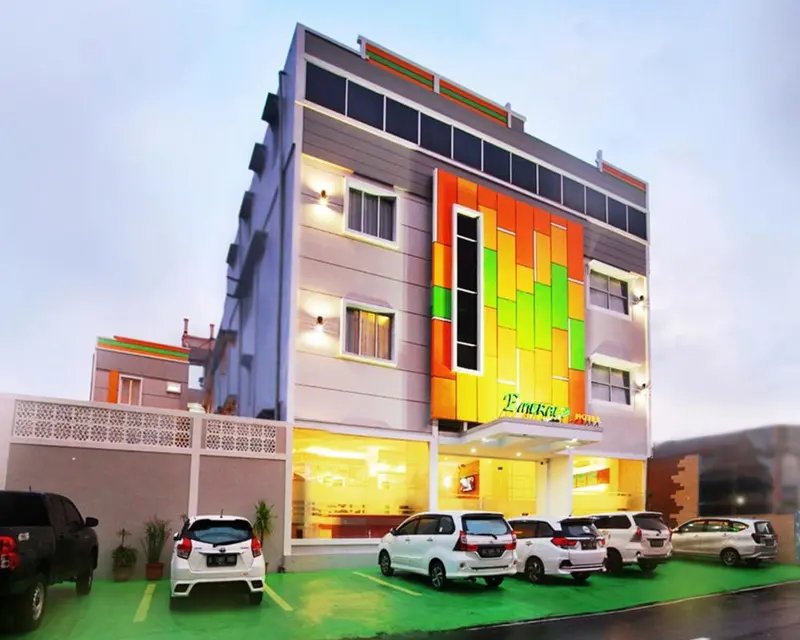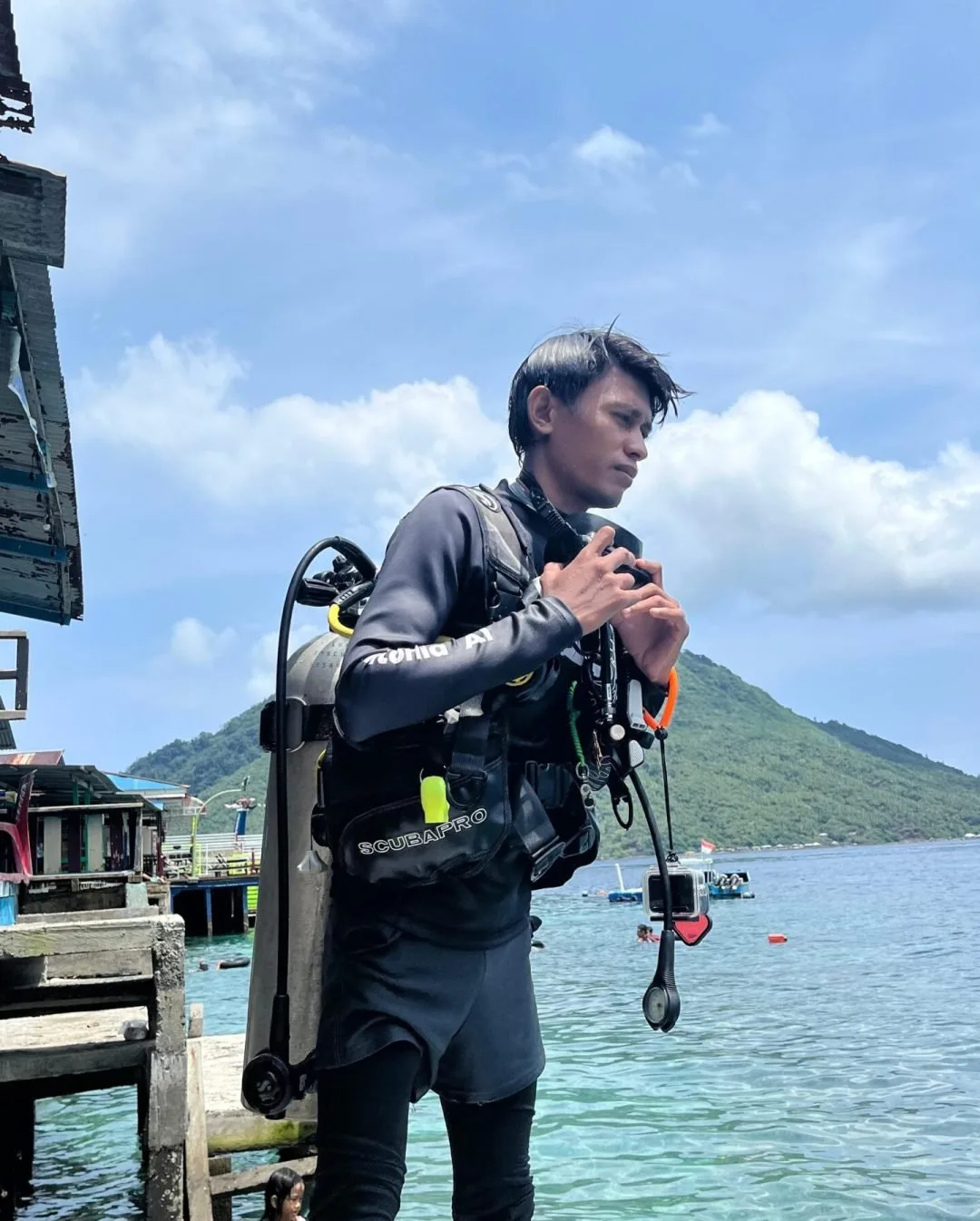

Nukila Dive Center
Google 5/5 (151 reviews)
Indonesia · Asia
Volcanic walls, macro slopes, local wrecks and current-swept water around Hiri, Maitara and Tidore make Ternate a practical base for North Maluku.
For subtitles in English: start the video firstthen click the gearat the top right of the video, select “Subtitles/CC”, then “Auto-translate” and choose “English”.
Ternate suits divers who want more than a single underwater theme. From an urban island base, daily boats reach volcanic walls, coastal reefs, sandy macro ground and local wrecks, with Hiri, Maitara and Tidore adding different scenery when the sea allows. It feels more like an independent Indonesian journey than a polished international dive resort, and the low visitor numbers are part of its appeal. Allow a week or more to make the travel worthwhile.
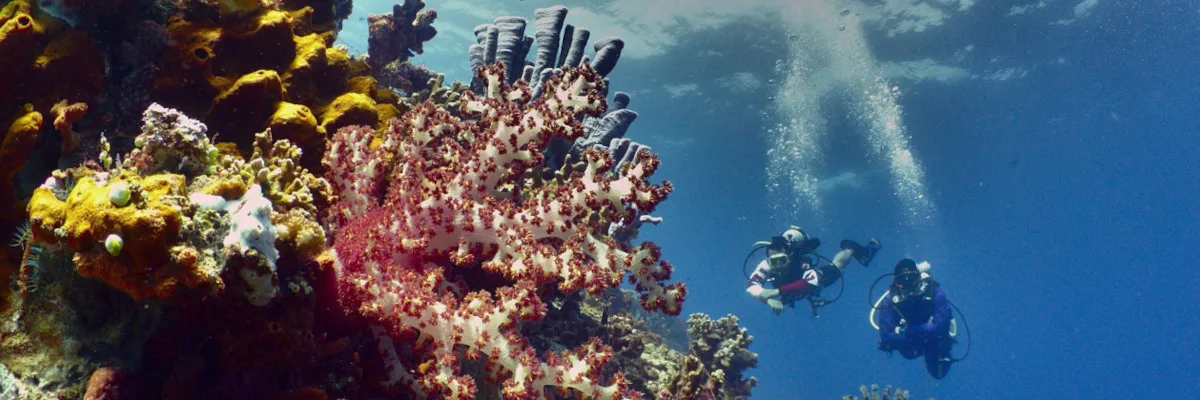
Underwater, Ternate moves between macro terrain and open volcanic relief. Search sandy patches and sloping ground for small subjects, then switch to walls, coastal reefs or a local wreck when the profile calls for a bigger landscape. Hiri and some exposed drop-offs can be current-swept, with a drift dive or a downcurrent section bringing tuna, barracuda, trevally and reef sharks into view. Conditions are variable rather than uniformly easy, so the day’s site choice matters. Visibility is commonly around 10 to 25 metres, occasionally better, but wind, current and the individual site all make a difference. Shore and boat diving both have a place here, although the island excursions involve proper sea crossings rather than a quick trip round the harbour.
The appeal is the change of scale. On sand and sloping ground, the dive is about patience and close observation, while exposed walls and current-swept water are where the larger fish become more likely. Tuna, barracuda and trevally are associated with the moving water, and reef sharks are among the possible encounters on suitable sites. Coastal reefs provide a different pace, with volcanic structure and local wrecks adding shelter and texture. There is no fixed wildlife calendar to plan around, so choose the site according to the day’s conditions and whether the priority is macro or pelagic action. A macro diver should bring the equipment needed for that aim rather than assume every local rental option will cover it.
May to October is the more dependable window, as winds and sea conditions are generally kinder for boat trips and island crossings. December and January are the months to treat cautiously, when monsoon weather can make exposed sites and neighbouring islands less comfortable or temporarily impractical. The rainy season may sometimes bring better visibility, but that does not make the sea easier to navigate. Ternate’s north side can provide a useful fallback when other coasts are affected by wind and waves. Build the itinerary around flexibility rather than promising yourself a particular island on a particular day.
Sheltered coastal sites can suit newer divers, including those progressing through PADI, SSI or BSAC training, but Ternate is not uniformly gentle. Current-swept sites and deeper volcanic walls are better matched to experienced divers with solid buoyancy and sound surface awareness. Advanced Open Water is useful for the deeper profiles, while a current-diving speciality is relevant for exposed outings. Ask for macro ground when you want a controlled, slower dive, and for current-exposed water only when your experience supports it.
From London Heathrow, London Gatwick or Manchester, reach Ternate by taking connecting flights through an Indonesian hub such as Jakarta, Manado, Makassar or Ambon, then continue to Sultan Babullah Airport. The journey needs several connections, so leave a generous margin between the international flight, the domestic leg and any boat planned afterwards. Ternate itself is reached by air, but trips to Tidore, Maitara, Hiri and parts of Halmahera depend on local boats or fast craft. The Sofifi to Ternate crossing takes about 45 minutes, and sea schedules remain dependent on weather and local operating patterns. Once on the island, road transfers are needed for places such as Sulamadaha and Jikomalamo, rather than assuming everything is walkable from town.
Keep a spare day for the islands. Hiri, Maitara, Tidore and Halmahera should be scheduled for the steadiest sea, with coastal or northern sites held back as alternatives when wind or waves turn a crossing into a poor proposition. Do not treat every Ternate dive as easy: some walls and Hiri outings are genuinely current-swept. If macro is the priority, request sand or sloping ground specifically and bring your own macro equipment. If pelagics are the aim, ask for exposed water and accept that conditions will decide the final choice. Check exactly which sites are covered by the boat based in Ternate, because a trip described broadly as North Maluku may include places requiring separate land and sea arrangements. Keep the final diving day well away from the flight home, and do not confuse a Ternate stay with an expedition covering all of Halmahera or Morotai.
Plan on seven to ten days, using Ternate town as the base for daily boat departures and keeping spare days for weather. Combine local coastal and volcanic sites with one or two outings to Hiri, Maitara or Tidore, rather than trying to force every crossing into a fixed sequence. Non-divers have beaches, snorkelling, volcanic viewpoints, villages and sultanate history to explore. Leave a final day for land-based Ternate before flying home, rather than relying on a last boat connection.
Hello, I'm Marina, DivingDeal.com's AI assistant. I guide you through destinations, areas and countries.
Thinking about the whole trip and the flights? Talk it over with Edith →
Marina is an AI. Some links are affiliate links: DivingDeal may earn a commission, at no extra cost to you. Bookings are made with the partner.
Visit during May to October, when winds and sea conditions are generally kinder for boat trips and island crossings. Treat December and January cautiously because monsoon weather can make exposed sites and neighbouring islands uncomfortable or impractical. Keep your itinerary flexible, since rainy-season visibility can improve without making the sea easier to navigate.
Sheltered coastal sites in Ternate can suit newer divers, including people progressing through PADI, SSI or BSAC training. However, current-swept sites and deeper volcanic walls call for experienced divers with solid buoyancy and surface awareness. Advanced Open Water helps with deeper profiles, while current-diving training is relevant for exposed outings. Choose macro ground for slower diving.
Ternate combines sandy macro terrain, sloping ground, volcanic walls, coastal reefs and local wrecks. Current-swept water can bring tuna, barracuda and trevally, while reef sharks are possible at suitable sites. Boat trips to Hiri, Maitara and Tidore add different scenery, and visibility commonly ranges from around ten to twenty-five metres, depending on conditions and location.
Use Ternate town as your base for daily boat departures, and plan at least a week so you can keep spare days for weather. Combine local sites with outings to Hiri, Maitara or Tidore, while retaining coastal or northern alternatives. Request macro ground or exposed water according to your priorities, and leave your final diving day well before flying home.