
Tompotika Dive Center
Google 4.7/5 (139 reviews)
Indonesia · Asia
Sandy macro slopes, submerged rock, frogfish and mimic octopus sit within a small coastal lodge, alongside a shore-accessible house reef.
For subtitles in English: start the video firstthen click the gearat the top right of the video, select “Subtitles/CC”, then “Auto-translate” and choose “English”.
Sandy slopes are as much a part of Tompotika as its rock reefs and drop-offs. This is a place for divers who want macro searching, open-water fish and quiet evenings at a small coastal lodge, rather than a built-up resort or a liveaboard routine. Boat sites lie close to the base, while the house reef allows an extra dive or a night dive without waiting for a boat. The result is a focused, low-key Sulawesi stay.
Tompotika's diving moves between sandy bottoms and fringing reefs, rocky reefs, drop-offs and submerged rock formations. The sandy areas reward slow finning and patient searching for small animals, while the more open reliefs bring schooling surgeonfish, trevally, barracuda, tuna and reef sharks. Currents are variable, so the feel of a dive depends on the site and the conditions on the day. Regular boat outings take roughly 10 to 30 minutes from the base, and the house reef provides a useful alternative when a shore entry suits the plan. Night dives are part of the mix, as are repeated dives using air or Nitrox. This is not a destination where every dive follows the same reef profile. Expect to switch from close-focus muck work to looking out into blue water around rock and drop-off terrain.
The animal list covers both the patient macro diver and the diver who still looks up from the sand. Search the slopes and fringing reefs for frogfish, ghost pipefish, mimic octopuses and blue-ringed octopuses. On the rock reefs, surgeonfish gather in schools, with trevally, barracuda and tuna adding movement above the terrain. Reef sharks are also part of the wider picture. Night diving changes the pace again, putting the emphasis on the small creatures that are easily overlooked during the day. The travel window from April to November is the sensible period for planning these encounters, but Tompotika is not presented around one headline seasonal animal. Bring the macro equipment you actually use, particularly if close searching is a central reason for coming.
Plan a Tompotika trip between April and November, the recognised favourable period for visiting. For a remote coastal lodge reached by a long transfer, using this established window is the practical choice, giving the boat programme the best chance of running as planned. The destination has no stated seasonal closure, so the decision is less about chasing one particular animal and more about matching the trip to the broader diving season. Conditions and currents can still vary from site to site, and the daily plan should remain flexible. Outside the main window, a traveller would be taking on more uncertainty for a destination whose appeal already depends on a long journey and a small local operation.
Tompotika suits beginners as well as experienced divers, provided the briefing and the day's conditions are taken seriously. The house reef offers a straightforward way to settle in, while boat sites allow the guide to match the plan to the group. PADI, SSI and BSAC divers should find the format familiar. Nitrox is useful for repeated diving days, although it does not remove the need to manage variable currents and changing site profiles. Strong experience is not a prerequisite, but comfort in the water and patience for muck diving will make the trip more rewarding.
From London Heathrow, London Gatwick or Manchester, the journey starts with an internal flight connection to Luwuk. Luwuk is the regional gateway for Tompotika. From there, allow about three hours by road to the Balantak Peninsula, with the final transfer sometimes combining road and boat depending on the lodge arrangement. Build in connection time rather than treating the onward journey as a quick airport transfer, and coordinate arrival details with the accommodation before travelling. Once at the coastal base, the regular dive sites are reached by boat, generally within 10 to 30 minutes, while the house reef is reached directly from the beach. The long road journey is the main logistical constraint, not local commuting.
Do not squeeze Tompotika into a short break. Seven to ten days makes more sense because it spreads the long Luwuk transfer across a proper programme of boat dives, house reef dives, muck dives and night dives. Keep a full day between the final dive and any flight, since the return begins with the same lengthy road journey. Ask for both sides of Tompotika's character: sandy macro slopes as well as the rock formations where larger fish pass. If repeated diving is planned, Nitrox is worth considering, and anyone with a preferred macro setup should bring it rather than assume a complete local rental range. Small boats favour small groups, so pack and plan accordingly. Finally, do not read the marine protected area label as proof of a fully no-take reserve. Protection and patrols are part of the local effort, but the precise zoning and restrictions should be checked locally rather than assumed.
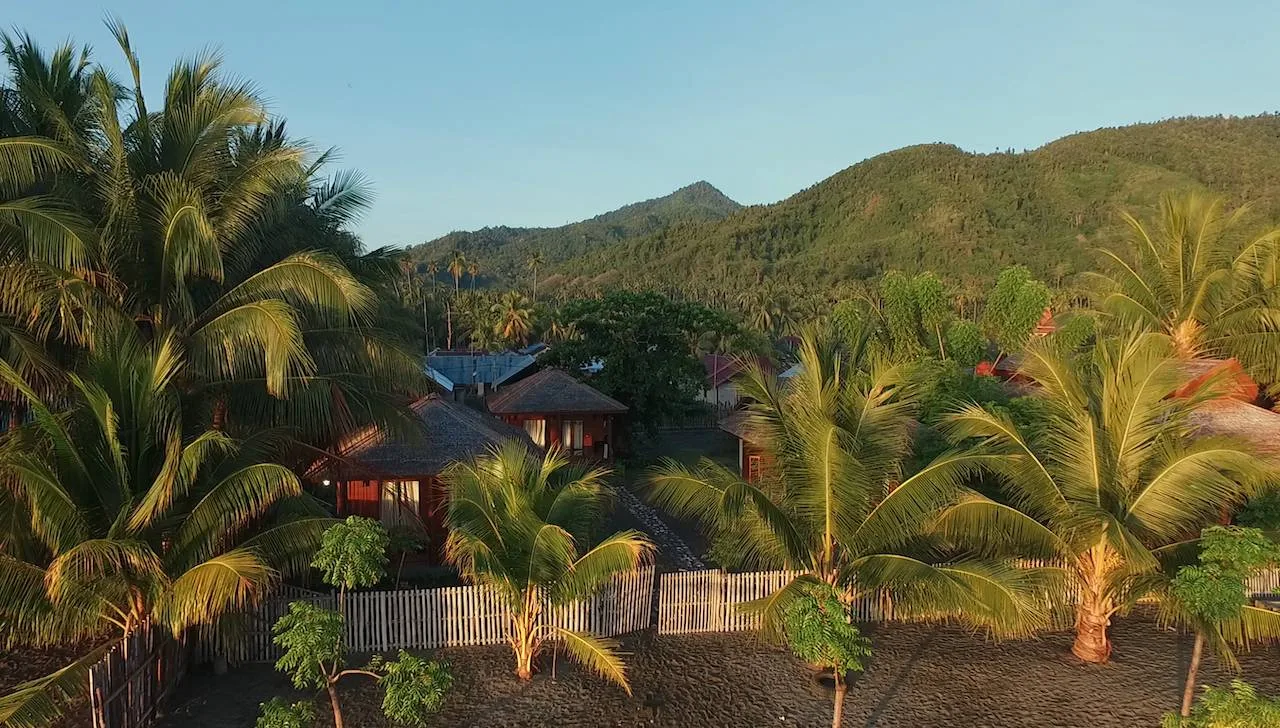
The stay is centred on a small coastal lodge with the diving operation on site or immediately beside it. Boat dives form the main daytime programme, with the house reef available from the beach for an extra or night dive. Allowing seven to ten days gives room for both styles of diving without rushing the transfer. Above water, the options are deliberately simple: beach time, nature around the Balantak Peninsula, villages, traditional coastal life and, if a day is kept free, a land excursion towards Luwuk.
Hello, I'm Marina, DivingDeal.com's AI assistant. I guide you through destinations, areas and countries.
Thinking about the whole trip and the flights? Talk it over with Edith →
Marina is an AI. Some links are affiliate links: DivingDeal may earn a commission, at no extra cost to you. Bookings are made with the partner.
Plan your Tompotika trip between April and November, the recognised main diving window. This period gives the boat programme a stronger chance of running as planned, although conditions and currents can vary between sites. The choice is about matching the broader diving season, rather than timing a particular seasonal animal encounter.
Tompotika suits beginners and experienced divers when you follow briefings and respect the day’s conditions. The house reef offers a straightforward way to settle in, while boat sites can be matched to the group. Comfort in the water and patience for muck diving matter, and Nitrox can support repeated diving days.
Tompotika combines sandy slopes, fringing reefs, rock reefs, drop-offs and submerged formations. Look for frogfish, ghost pipefish, mimic octopuses and blue-ringed octopuses, then look up for surgeonfish schools, trevally, barracuda, tuna and reef sharks. Night dives shift attention back toward small creatures that are easy to overlook during daylight.
Plan seven to ten days at Tompotika so you can combine boat dives, house reef dives, muck diving and night diving without rushing. Allow a full day between your final dive and any flight. Travel via Luwuk, then expect about three hours by road to the Balantak Peninsula, with a possible boat connection.