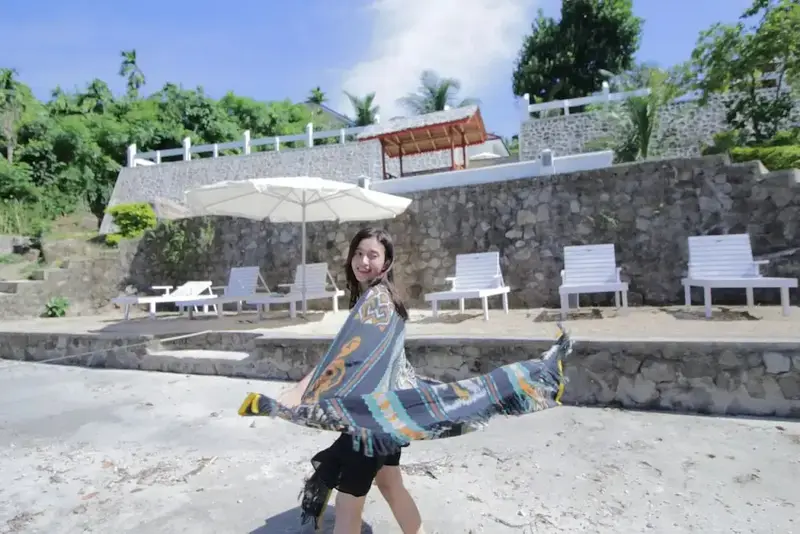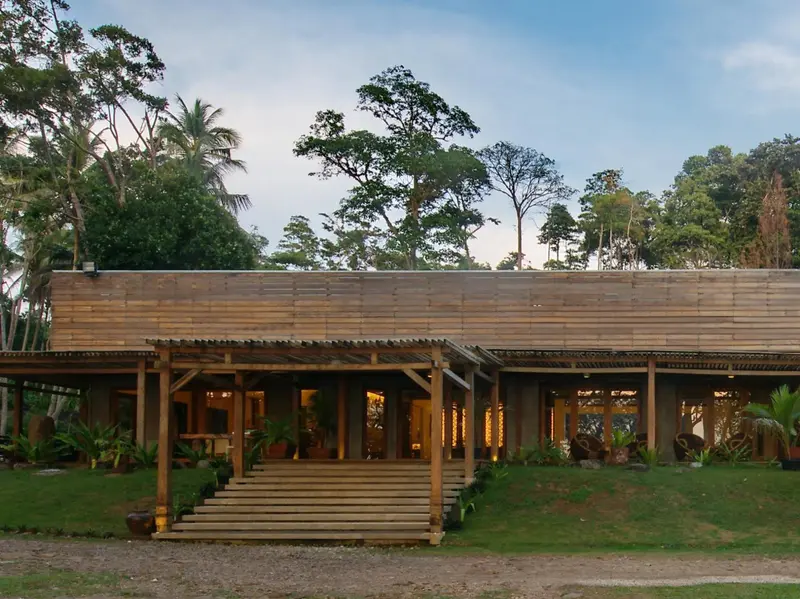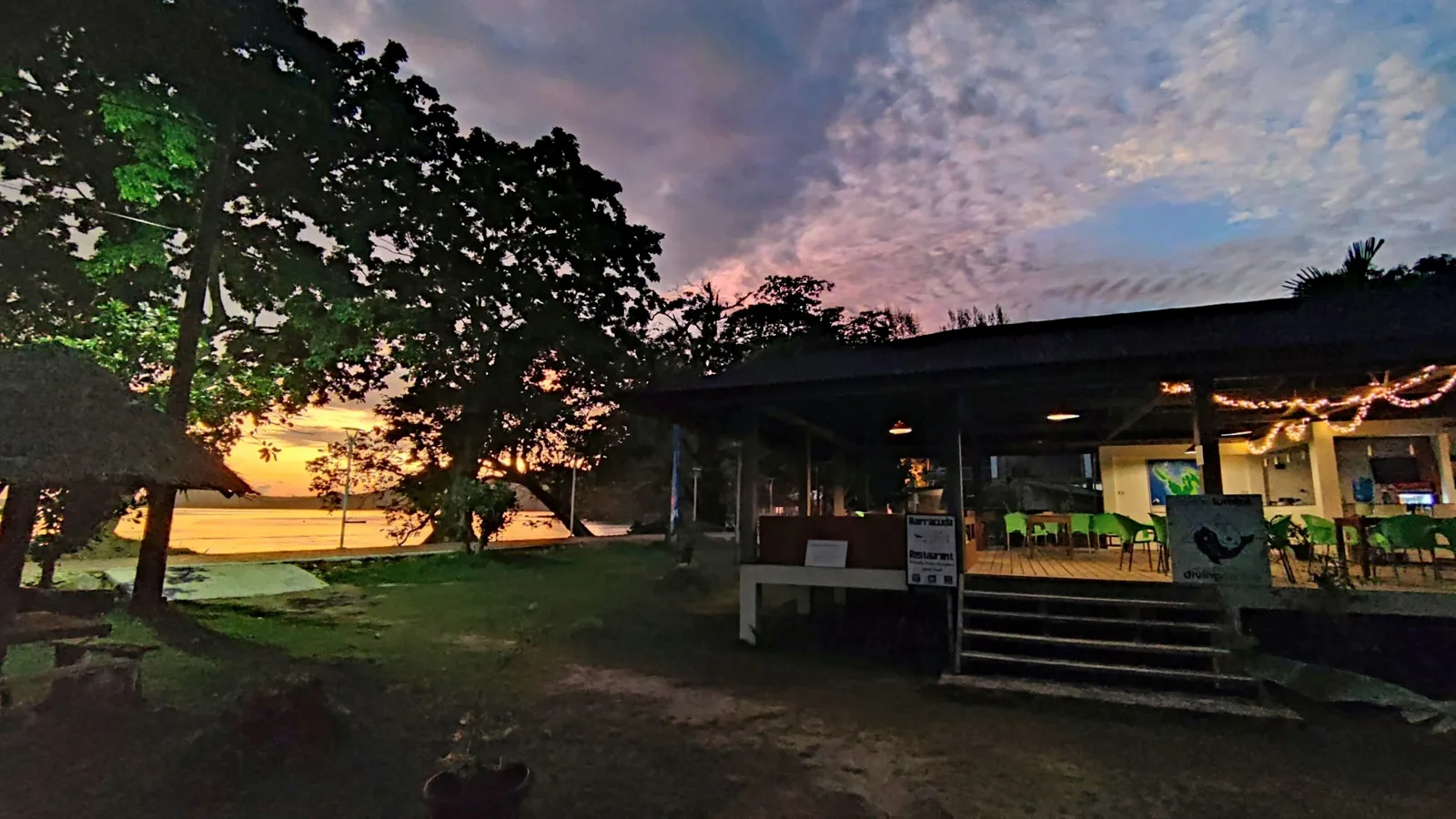

Lumba Lumba Diving Centre & Beach Resort
Google 4.8/5 (546 reviews)
Indonesia · Asia
Volcanic drop-offs, Rubiah’s reefs, black-sand coves and shifting currents make We Island a thoughtful tropical base for shore and boat diving.
For subtitles in English: start the video firstthen click the gearat the top right of the video, select “Subtitles/CC”, then “Auto-translate” and choose “English”.
The volcanic drop-offs, pinacles and reef shelves around Iboih, Gapang and Rubiah define We Island underwater. It is a shore-based Indonesian escape, with some diving straight from the coast and other sites reached by short boat runs. Currents vary rather than following one simple pattern, so the island rewards divers who enjoy changing conditions without needing a liveaboard. Above water, beaches, forest, volcanic scenery and Sabang make it a proper island stay rather than a dive operation with a beach attached.
We Island combines reef diving with the more dramatic shape of tropical drop-offs, pinacles and exposed walls. Iboih and Gapang provide the practical bases, while Rubiah and other sectors are reached by boat according to the sea state and the day’s current. Easier dives are available, but a drift dive or a site with a stronger downcurrent can be part of the programme when conditions line up. Visibility can reach 20 to 30 metres on the clearest sites, though that is a good-condition figure, not a daily promise. Rain, swell and run-off can reduce it, particularly during the monsoon. Some dives are made from shore, others from boats, and the short transfers keep the day flexible without turning the island into a liveaboard destination.
Marine life here is encountered across tropical reefs, wall faces, pinacles and the shallower water around Iboih, Gapang and Rubiah. The setting is the main attraction: reef communities occupy changing relief, from accessible coastal sections to more exposed underwater faces where current brings movement through the water. Expect the usual close observation that reef diving rewards, with small life and fish activity best appreciated by settling over the reef rather than rushing between features. There is no particular seasonal wildlife event around which to build a trip. Timing matters more for the visibility and access that let you see the reef properly, with clearer conditions generally associated with the calmer months from spring into autumn.
March to October is the sensible window for a first visit, when the sea is generally calmer and visibility is more often favourable. The rainy season and monsoon influence become more troublesome from November through February, with the north-west monsoon usually strongest from November to January and its effects sometimes lingering later. Rain, swell and run-off can cloud the water, roughen the crossing and close exposed western or northern sites while more sheltered areas continue to operate. The island can be dived throughout the year, but travelling in the calmer season gives more choice between shore dives, Rubiah and the boat sites, as well as a better chance of keeping the ferry journey straightforward.
We Island suits beginners as well as experienced divers, provided the site is matched to the day’s conditions. Training and uncomplicated coastal dives are available around the main bases, while exposed walls, pinacles and variable currents call for better control and sound judgement. An Advanced Open Water qualification is useful for deeper or more exposed diving, although it does not remove the need to listen to the guide’s assessment of the sea. Divers accustomed to drift diving will find more options, while newer divers should not assume every boat outing will feel like a sheltered reef dive.
From London Heathrow, Gatwick or Manchester, the journey runs via Banda Aceh, with connections commonly routed through Kuala Lumpur, Jakarta or Medan. Banda Aceh is the mainland gateway. From there, allow about 30 minutes by road to Ulee Lheue harbour, then roughly 45 minutes on the fast ferry to Balohan on We Island. The ferry is not a minor detail: sea conditions and changing schedules can affect the whole connection, and a late arrival may mean spending the night on the mainland. From Balohan, continue by road towards Iboih or Gapang. Once based there, some accommodation and dive facilities are close enough to reach on foot; elsewhere, arrange a local car or taxi.
Treat the ferry as part of the dive plan, not as a transfer that can be squeezed between fixed bookings. Leave a proper margin after landing in Banda Aceh for the road to Ulee Lheue, and do not schedule an essential dive immediately after reaching the island. Before each boat day, ask which side is workable: monsoon swell can make western and northern sites impractical while another sector remains usable. Early departures are often the calmer choice, although they are not a guarantee. Keep a full reserve day before the flight home, because a delayed crossing can otherwise break the return connection. Carry a back-up means of payment, and check ferry times again at the port rather than relying solely on an earlier timetable. A lightweight 3 mm suit is a reasonable starting point, but the site and the day’s conditions matter more than packing one fixed configuration.
Plan on seven to ten days, which allows the long approach, several diving days and a buffer for rough water or a missed ferry. Iboih and Gapang are the natural bases, with accommodation and diving clustered around the beach and village. Staying in one of them avoids unnecessary road transfers, while Rubiah and other sectors remain reachable by short boat trips. Non-divers can swim, snorkel, walk through forest and volcanic landscapes, visit Sabang and see the marked zero kilometre of Indonesia.
Hello, I'm Marina, DivingDeal.com's AI assistant. I guide you through destinations, areas and countries.
Thinking about the whole trip and the flights? Talk it over with Edith →
Marina is an AI. Some links are affiliate links: DivingDeal may earn a commission, at no extra cost to you. Bookings are made with the partner.
March to October is the sensible window, with generally calmer seas and visibility more often favourable. From November through February, rain, swell and run-off can cloud the water, roughen the ferry crossing and close exposed western or northern sites. Sheltered areas may still operate, but conditions can limit your choices.
We Island suits beginners when you choose uncomplicated coastal dives and match the site to the conditions. Exposed walls, pinnacles and variable currents require stronger control and sound judgement. An Advanced Open Water qualification is useful for deeper or more exposed diving, while drift-diving experience helps when currents become part of the plan.
Diving around We Island brings you across tropical reefs, wall faces, pinnacles and reef shelves near Iboih, Gapang and Rubiah. The attraction is the changing underwater relief, from accessible coastal sections to exposed faces shaped by current. Settle over the reef to notice small life and fish activity rather than rushing between features.
Base yourself in Iboih or Gapang, where accommodation and dive facilities cluster around the beach and village. Treat the ferry from Ulee Lheue as part of the dive plan, leave a reserve day before flying home, and keep your schedule flexible for weather. Short boat trips reach Rubiah and other sectors, while Sabang, forest and volcanic landscapes add non-diving options.