Liveaboards · Philippines
Navis 1 — A spacious catamaran for wrecks, reefs and long days underwater
What makes this boat unique
- Navis 1 is a renovated twin-hulled catamaran with nine air-conditioned cabins, private bathrooms and large windows.
- The Coron Safari runs for 7 days and 6 nights with approximately 18–20 dives, including WWII wrecks, Barracuda Lake, dugong areas and Apo Reef.
- The Apo Reef Safari runs for 5 days and 4 nights with approximately 12 dives, centred on sharks, manta rays, walls and coral gardens.
- The dive setup includes two diver tenders, a shaded platform, DIN adapters, nitrox, camera facilities and night dives.
For subtitles in English: start the video firstthen click the gearat the top right of the video, select “Subtitles/CC”, then “Auto-translate” and choose “English”.
The invitation
Navis 1 makes sense for divers who want northern Palawan in one continuous trip rather than a choice between Coron’s wrecks and Apo Reef’s open-water walls. The longer Coron Safari combines Japanese WWII wrecks, a freshwater thermocline, island stops, possible dugong encounters and several days around Apo Reef. The shorter itinerary goes straight for the reef, with sharks, mantas, turtles and large coral formations as its main argument. That range is the point: one week can move from steel and wartime history to coral walls and pelagic water without changing boats. The catamaran gives the trip room to breathe between dives, while a dedicated camera room and separate camera rinse support divers who want to bring back more than a memory. It suits advanced divers with at least 20 logged dives, not someone looking for a first liveaboard or a gentle resort course.
Boarding
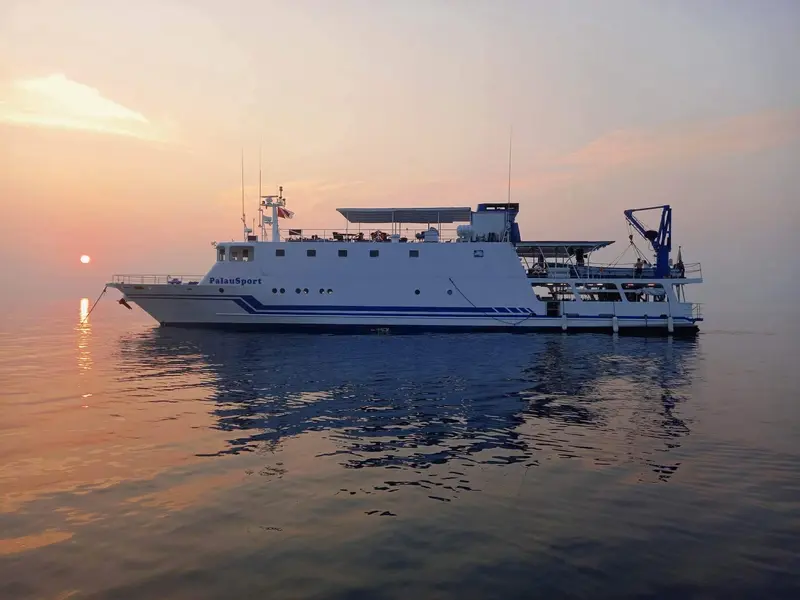
From the dock, Navis 1 presents as a broad twin-hulled catamaran rather than a narrow yacht built around passage-making. The renovated vessel has a practical, modern feel: air-conditioned cabins below, a large dining area, an indoor lounge and an open roof deck with a bar above. Movement between the living spaces and the dive operation is straightforward, with the boat arranged for people who spend much of the day wet, carrying gear and looking for shade. The wide hull gives the common areas a less compressed feel than many smaller liveaboards, while the passenger limit keeps the group recognisable. Once aboard, the useful details become obvious: a place to sit after a dive, room to handle cameras, and enough separation between meals, rest and equipment. The boat was built in 2009 and renovated in 2022, so its character comes from a working dive platform brought up to date rather than from a polished new-build fantasy.
The atmosphere on board
The atmosphere is carried by a crew that passengers remember for service as much as for logistics. Crew and food score especially well, and that shows in the parts of a trip that can wear people down: meals arrive reliably, the diving stays organised, and the crew remains present without making every interaction formal. English, French and Italian are spoken. With a crew-to-passenger ratio close to one, help is usually close at hand when divers are moving between cabins, deck and tenders. Evenings can stay quiet on the roof deck, with drinks and stories, or become more social with live music and karaoke on the return cruise. That makes Navis 1 less austere than a boat built only for serious wreck divers. The hull itself is not the highest-scoring part of the experience, but the crew, food and diving lift the week considerably. Choose it for the people and the itinerary, not for the romance of an old vessel.
The sites you’ll dive
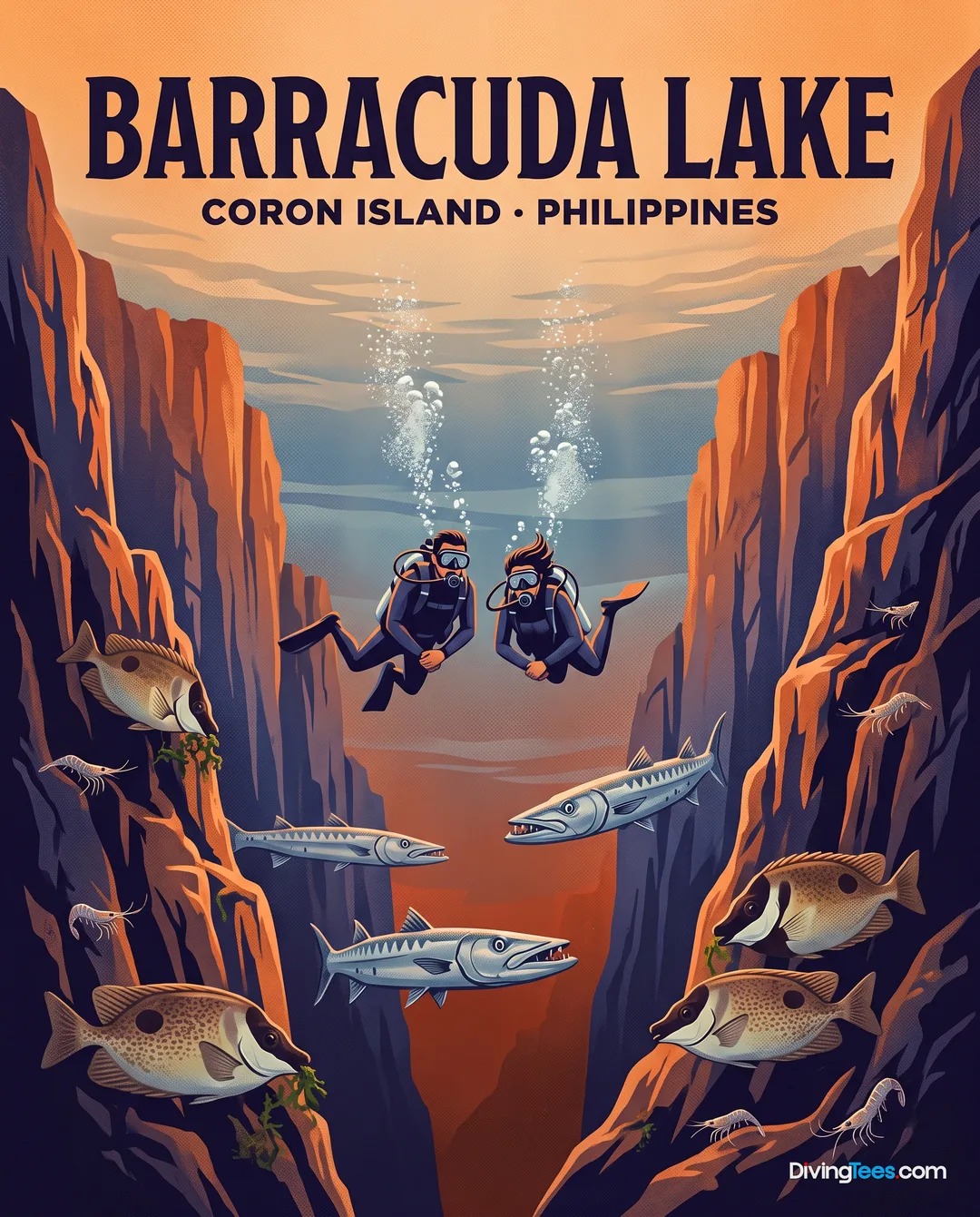
The 7-day, 6-night Coron Safari is the broad itinerary: Coron’s WWII fleet, Barracuda Lake, reefs and island stops, then Apo Reef, with approximately 18–20 dives. At Coron, the wrecks range from the 160-metre Okikawa Maru, the 147-metre Irako and the 128-metre Olympia Maru to the 118-metre Akitsushima, Kogyo Maru at -36m, Kyokuzan Maru at -42m and Lusong Gunboat at -12m. Barracuda Lake reaches -40m, with freshwater thermoclines becoming more pronounced on descent. Twin Peaks reaches -25m across two coral-covered pinnacles; Cathedral Cave reaches -30m, with light shafts inside the cavern. The shorter 5-day, 4-night Apo Reef Safari makes the reef the centre of the trip, with approximately 12 dives, including the -40m reef, wall dives, coral gardens and pelagic water. The Mindoro route also includes Verde Island drop-off at -30m and Alma Jane Wreck at -30m, a cargo vessel resting upright as an artificial reef.
Barracuda Lake →
Max. depth · 40 m
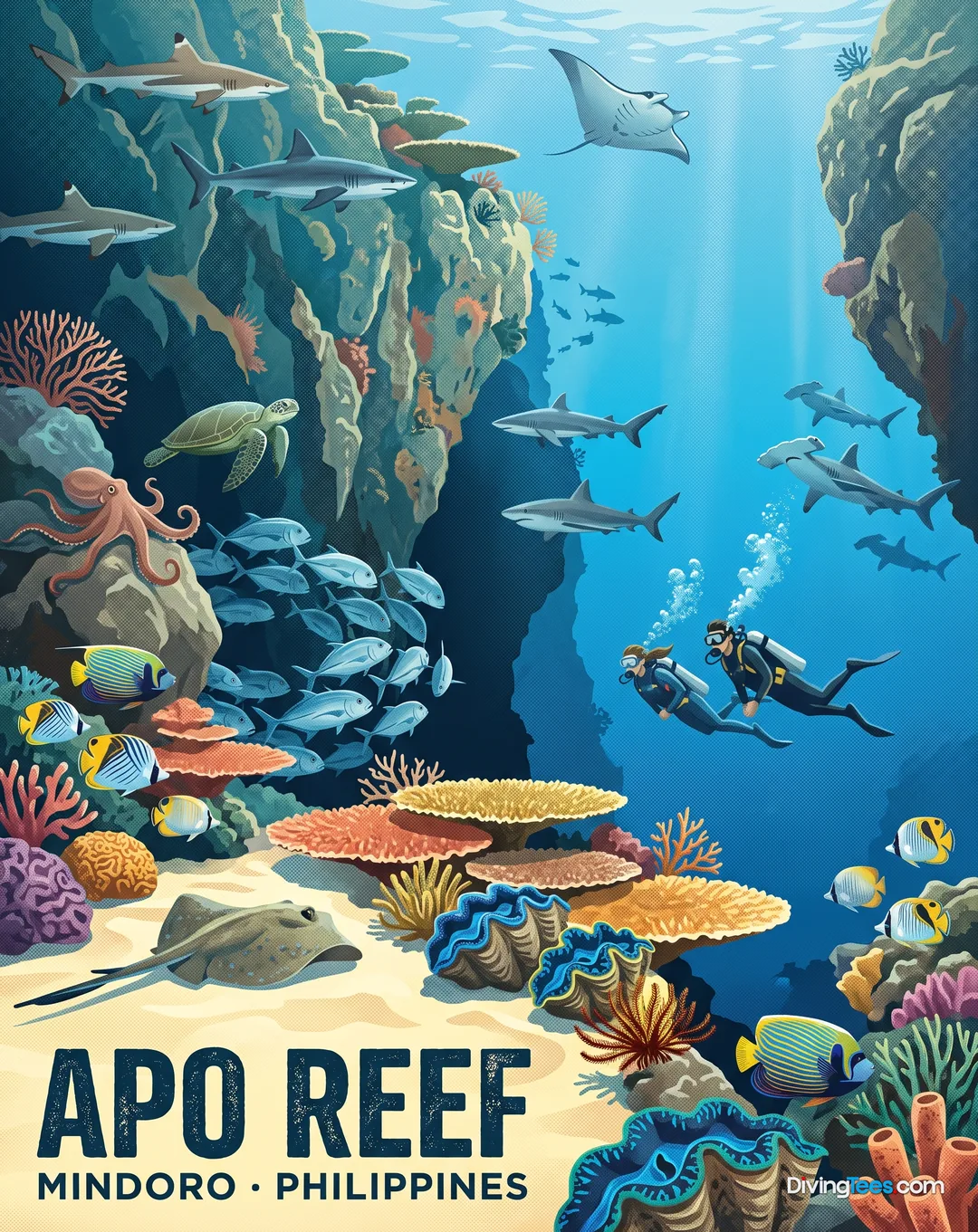
Apo Reef →
Max. depth · 40 m
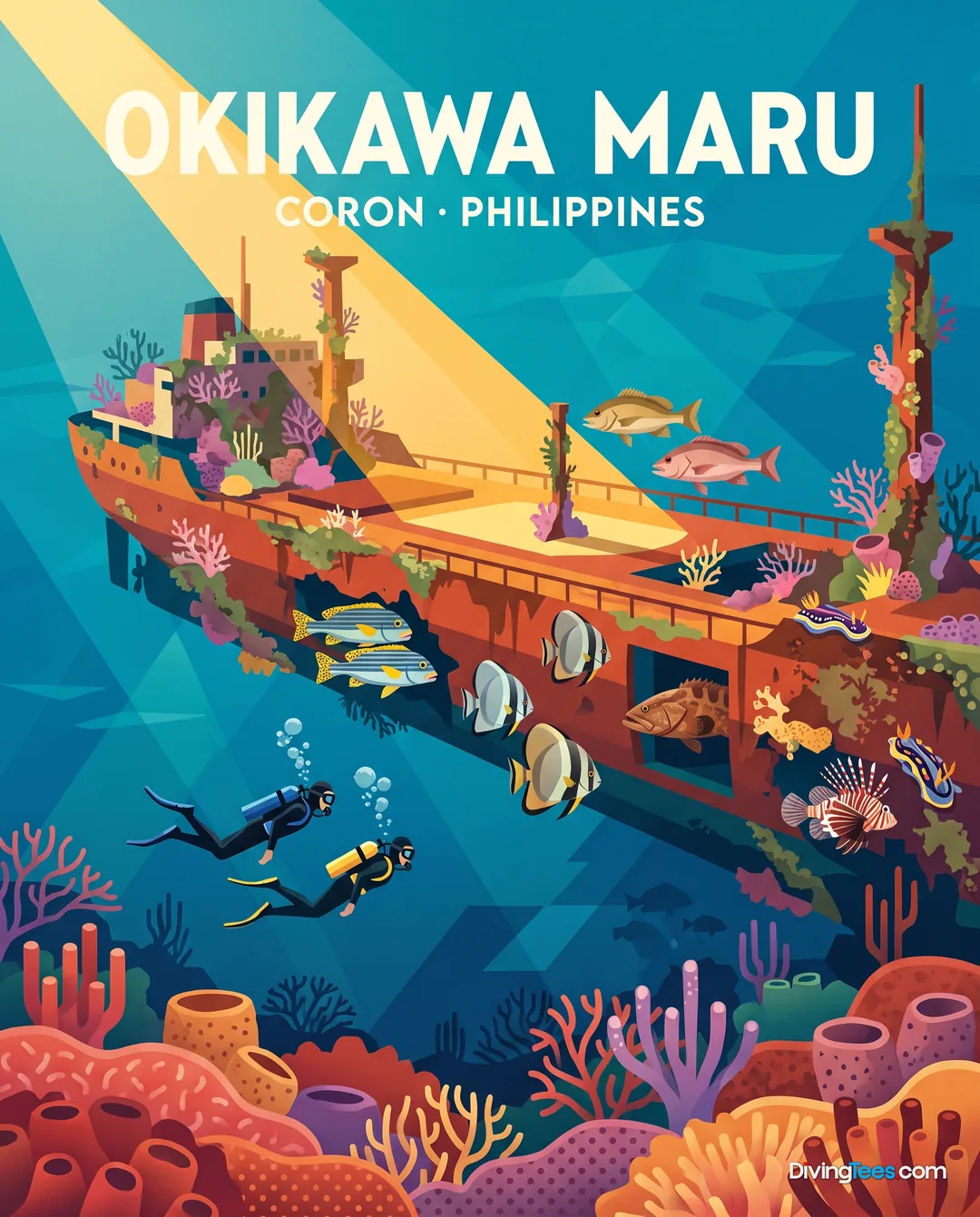
Okikawa Maru →
Max. depth · 26 m
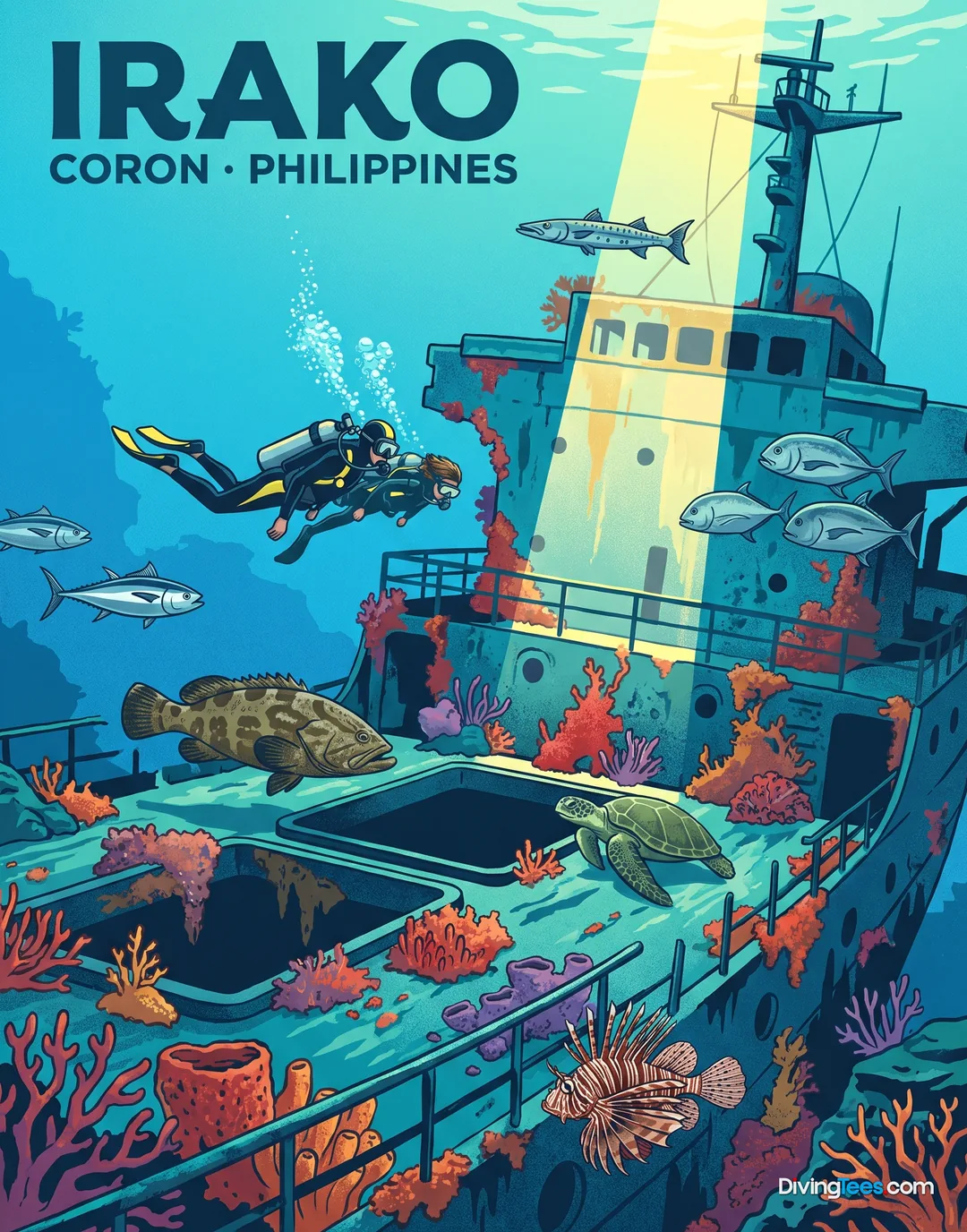
Irako →
Max. depth · 45 m
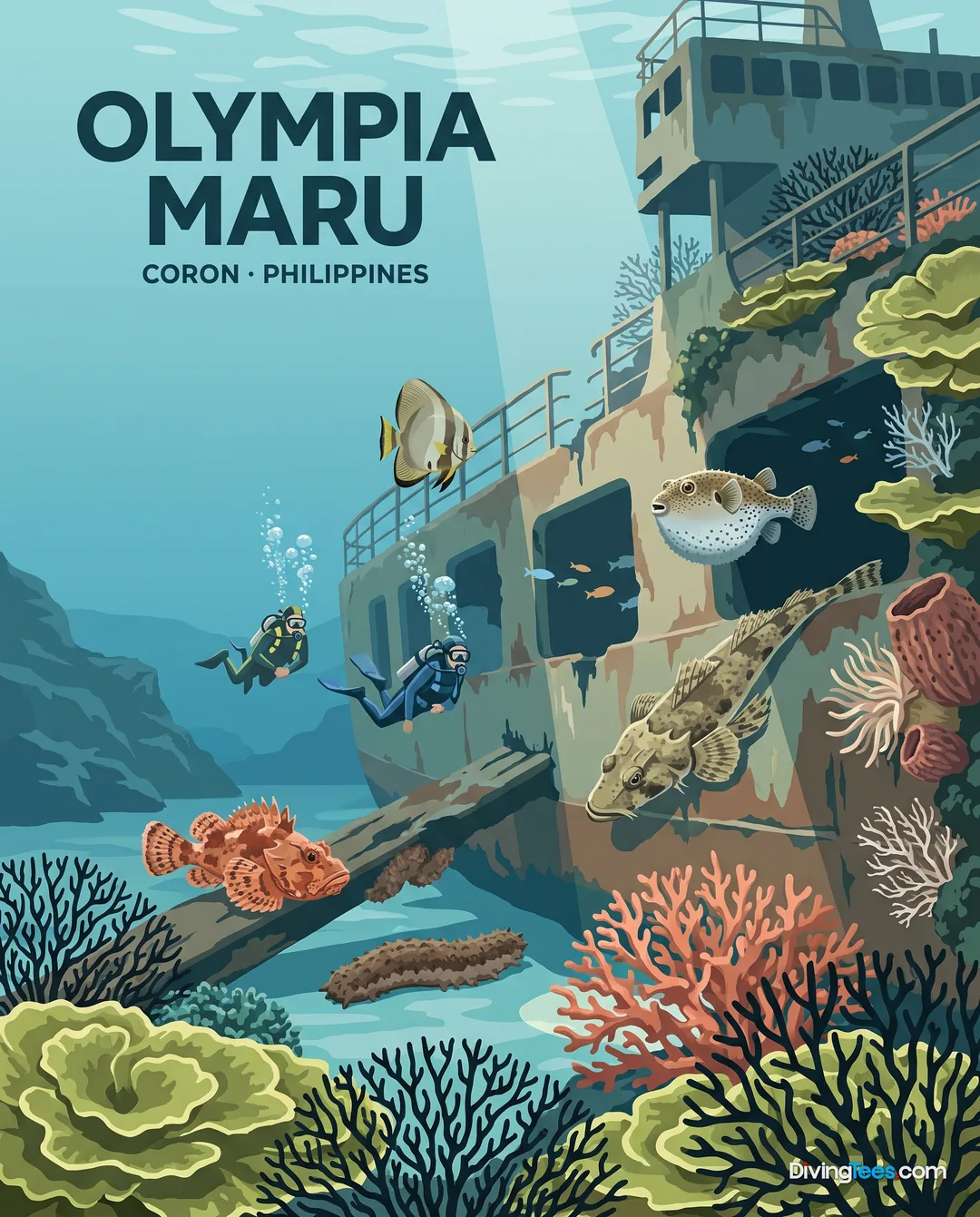
Olympia Maru →
Max. depth · 30 m
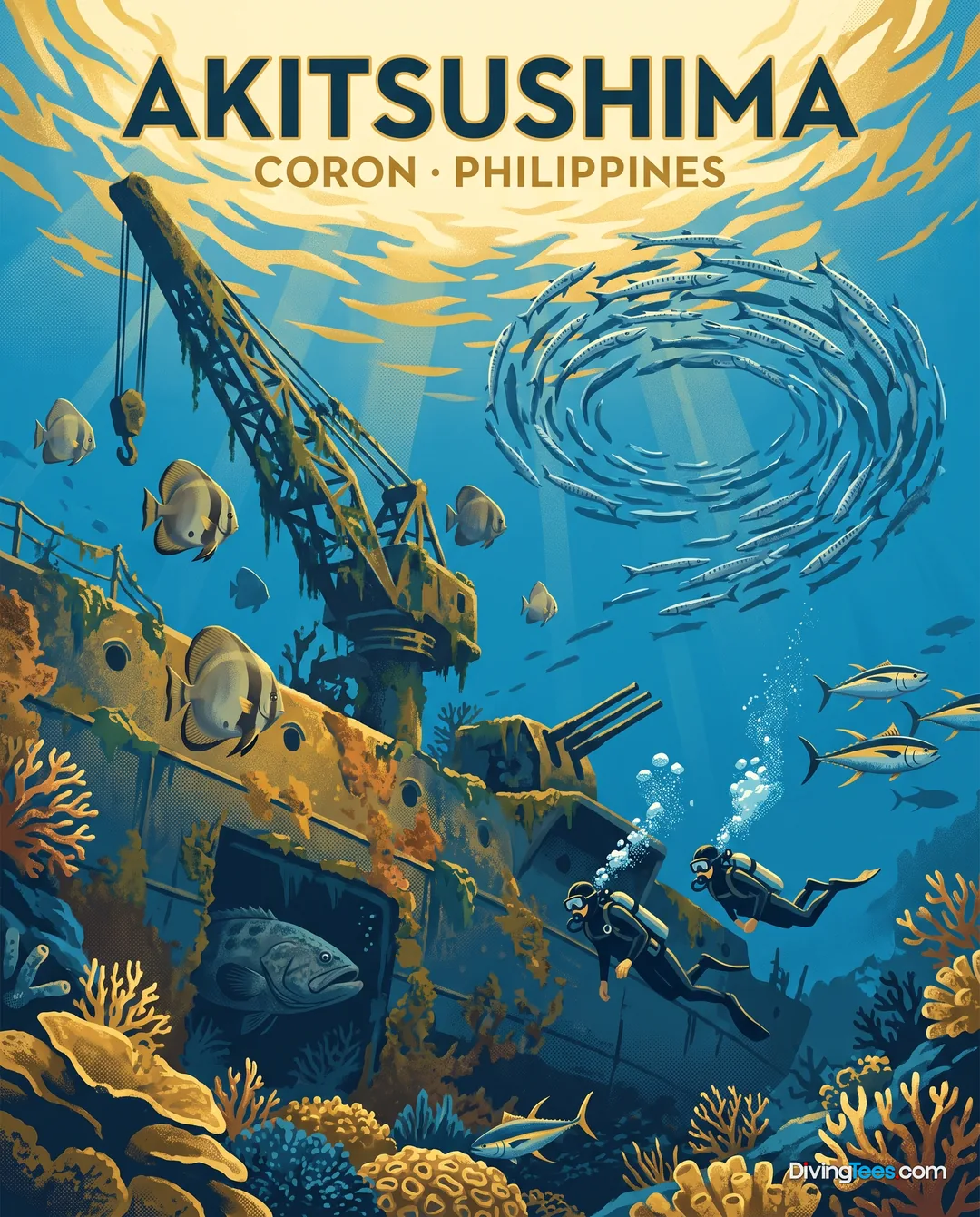
Akitsushima →
Max. depth · 38 m
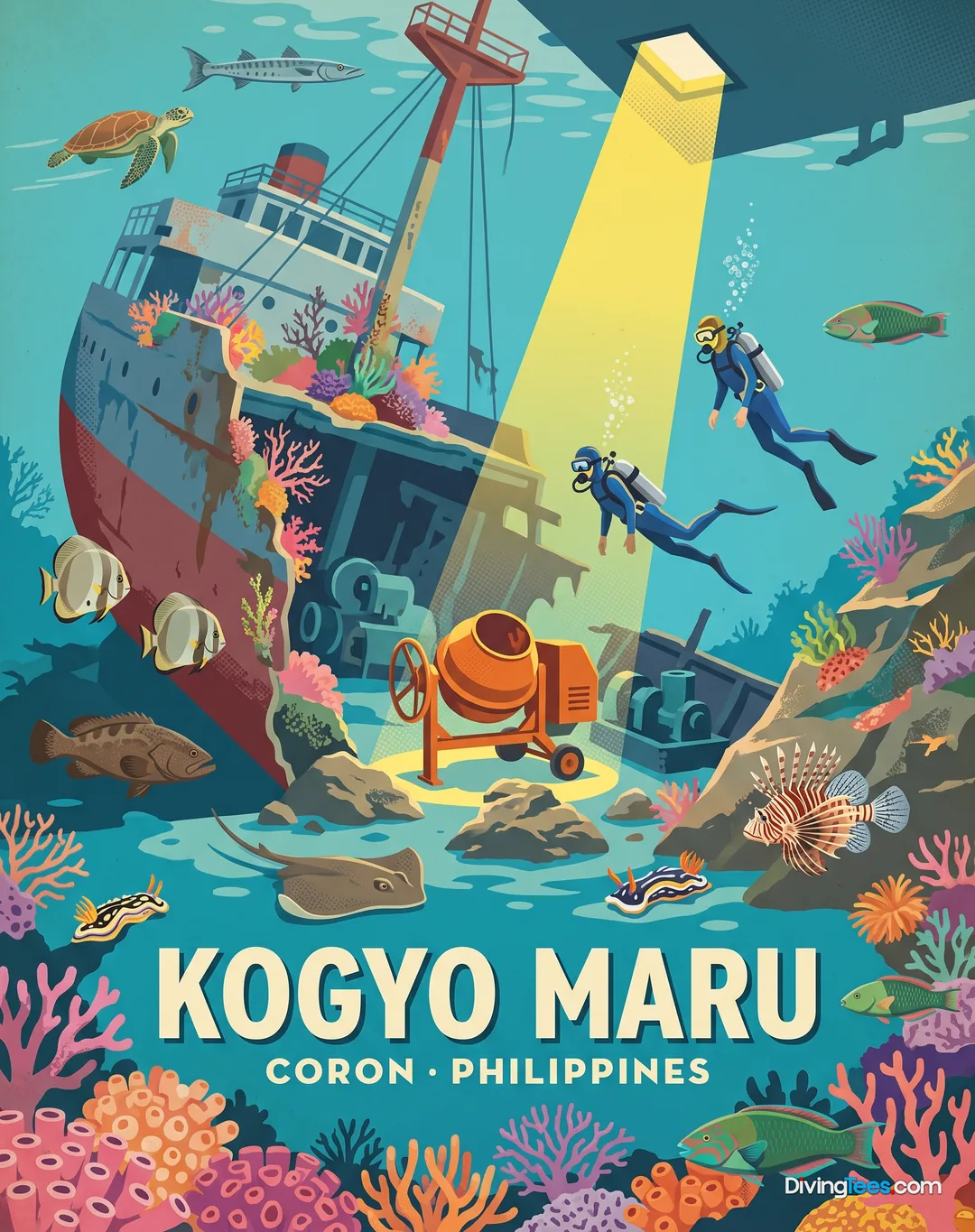
Kogyo Maru →
Max. depth · 36 m
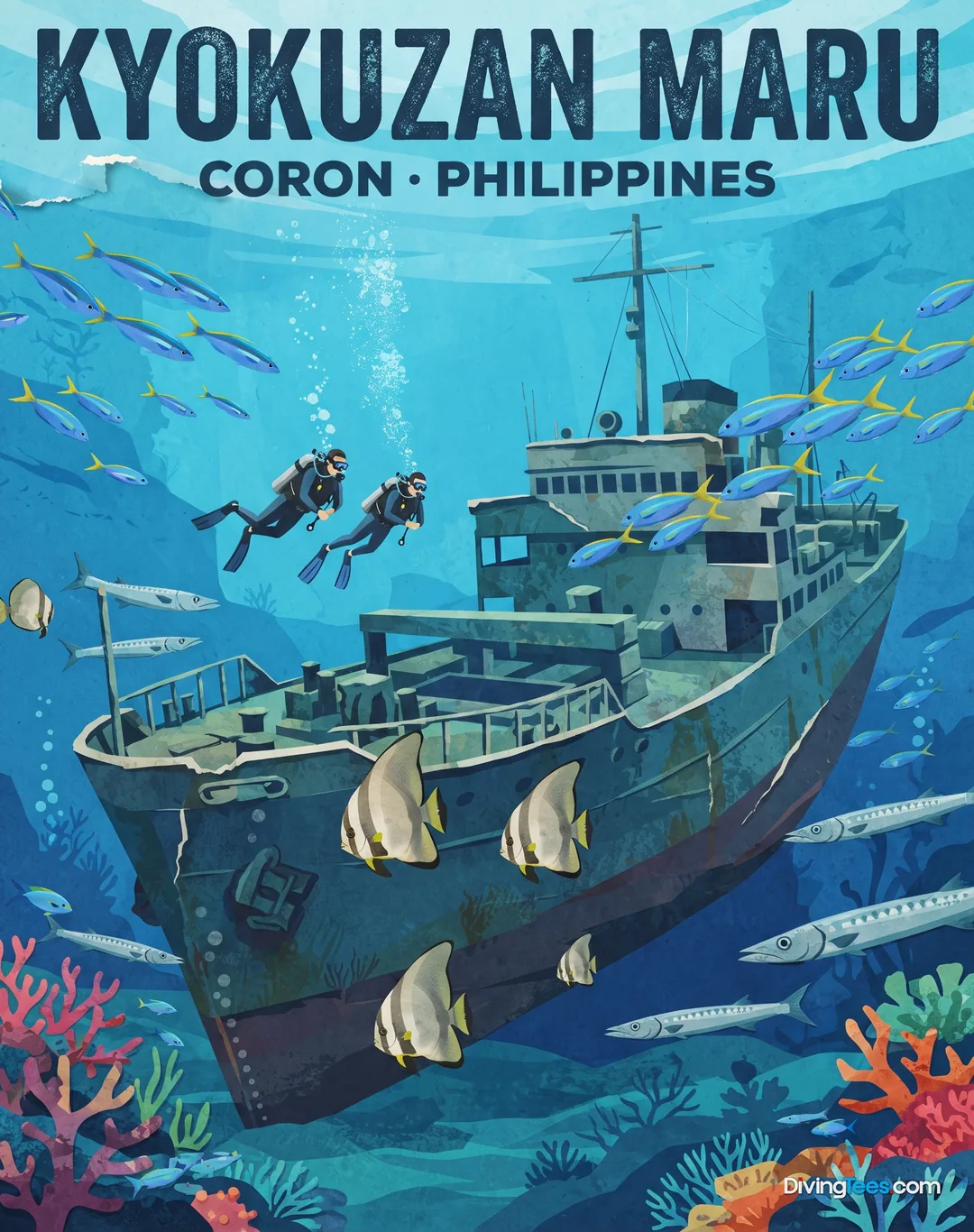
Kyokuzan Maru →
Max. depth · 42 m
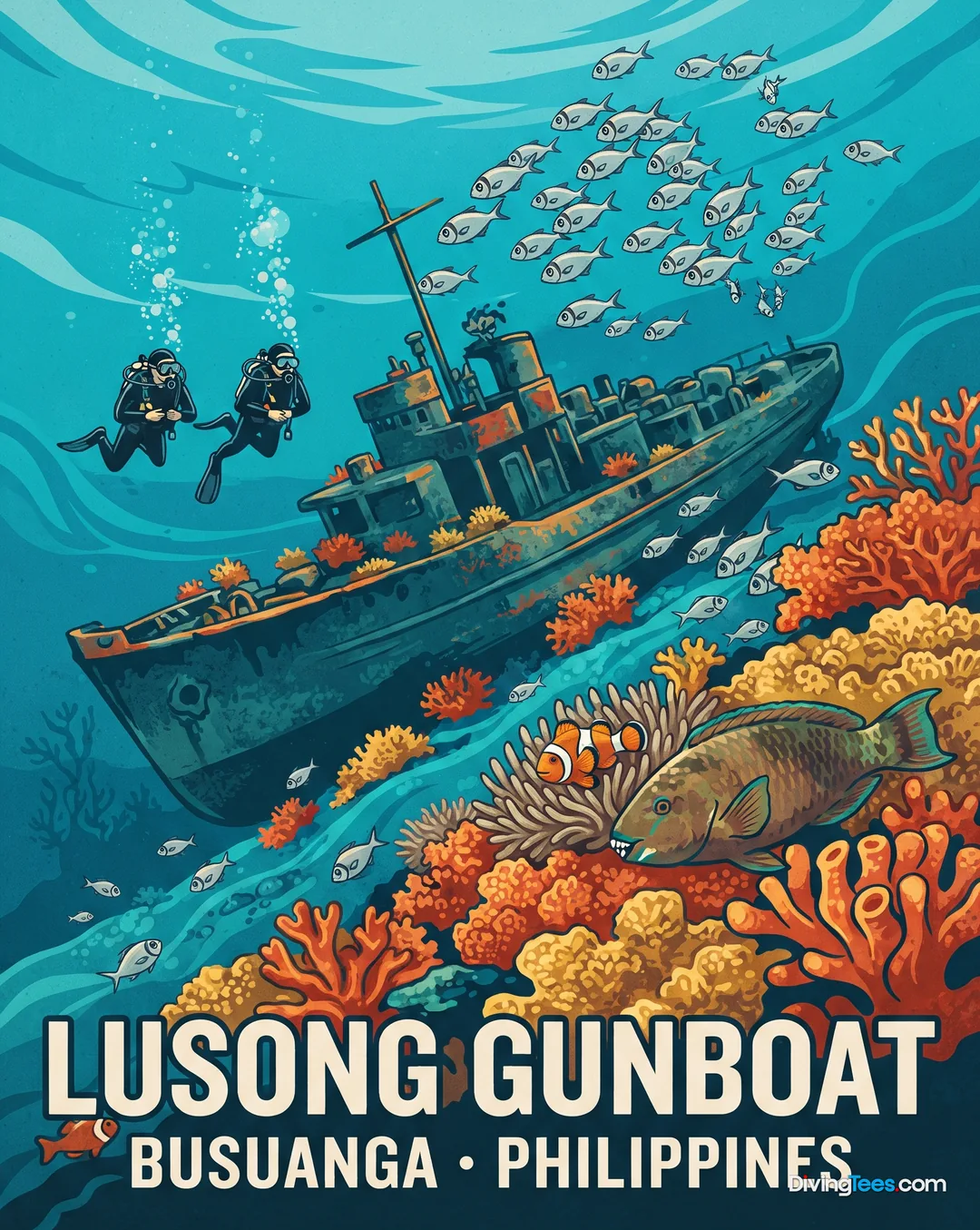
Lusong Gunboat →
Max. depth · 12 m
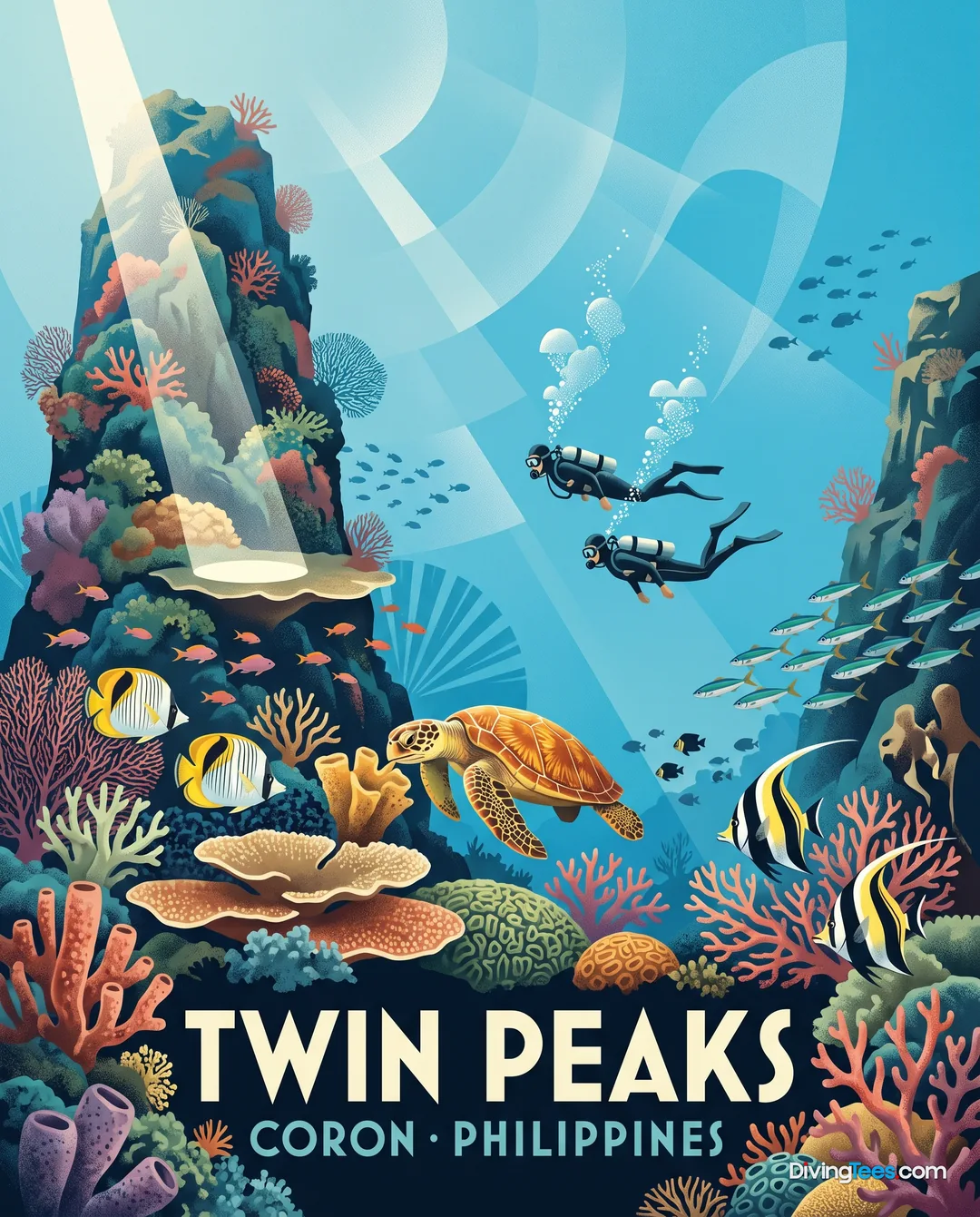
Twin Peaks →
Max. depth · 25 m
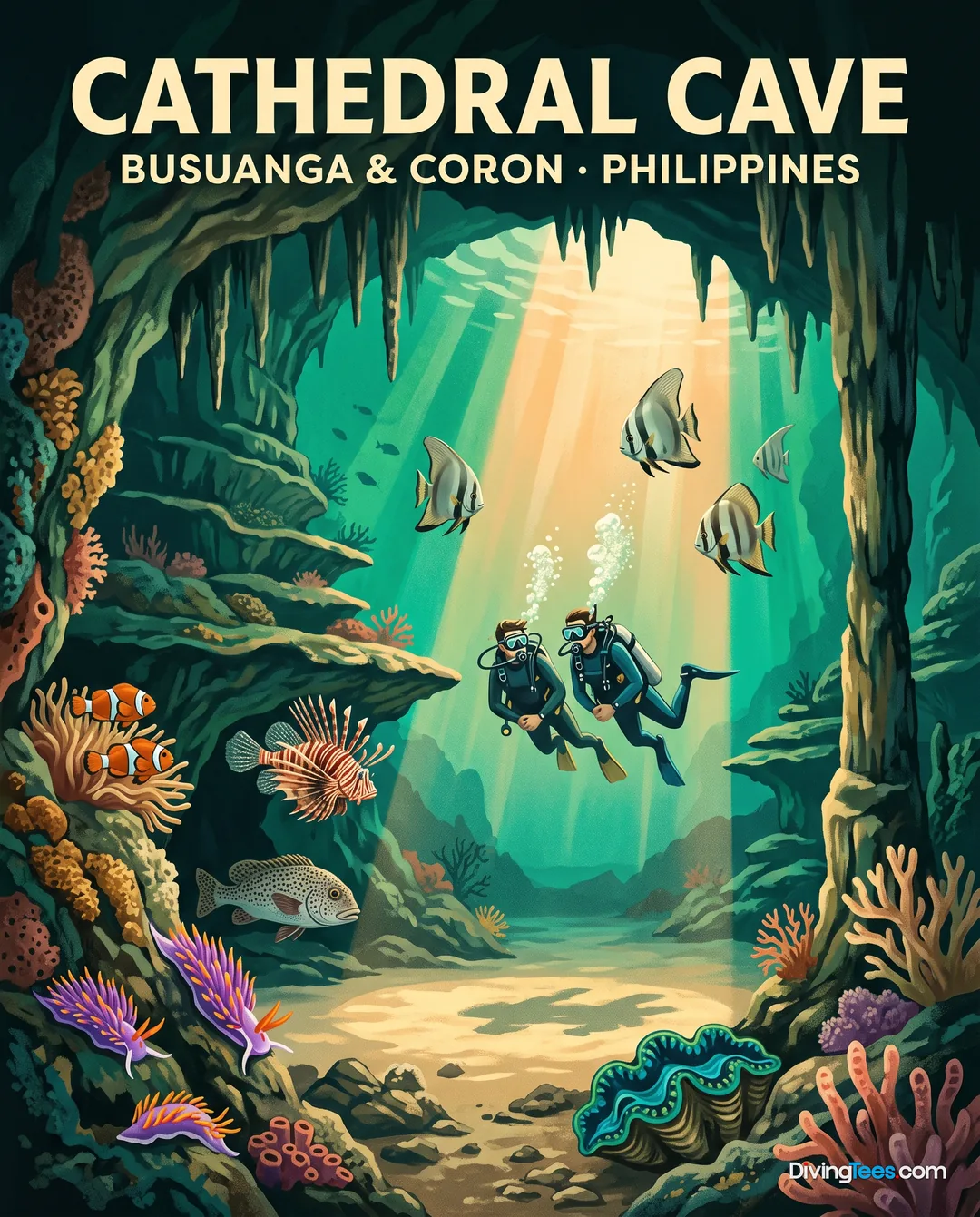
Cathedral Cave →
Max. depth · 30 m
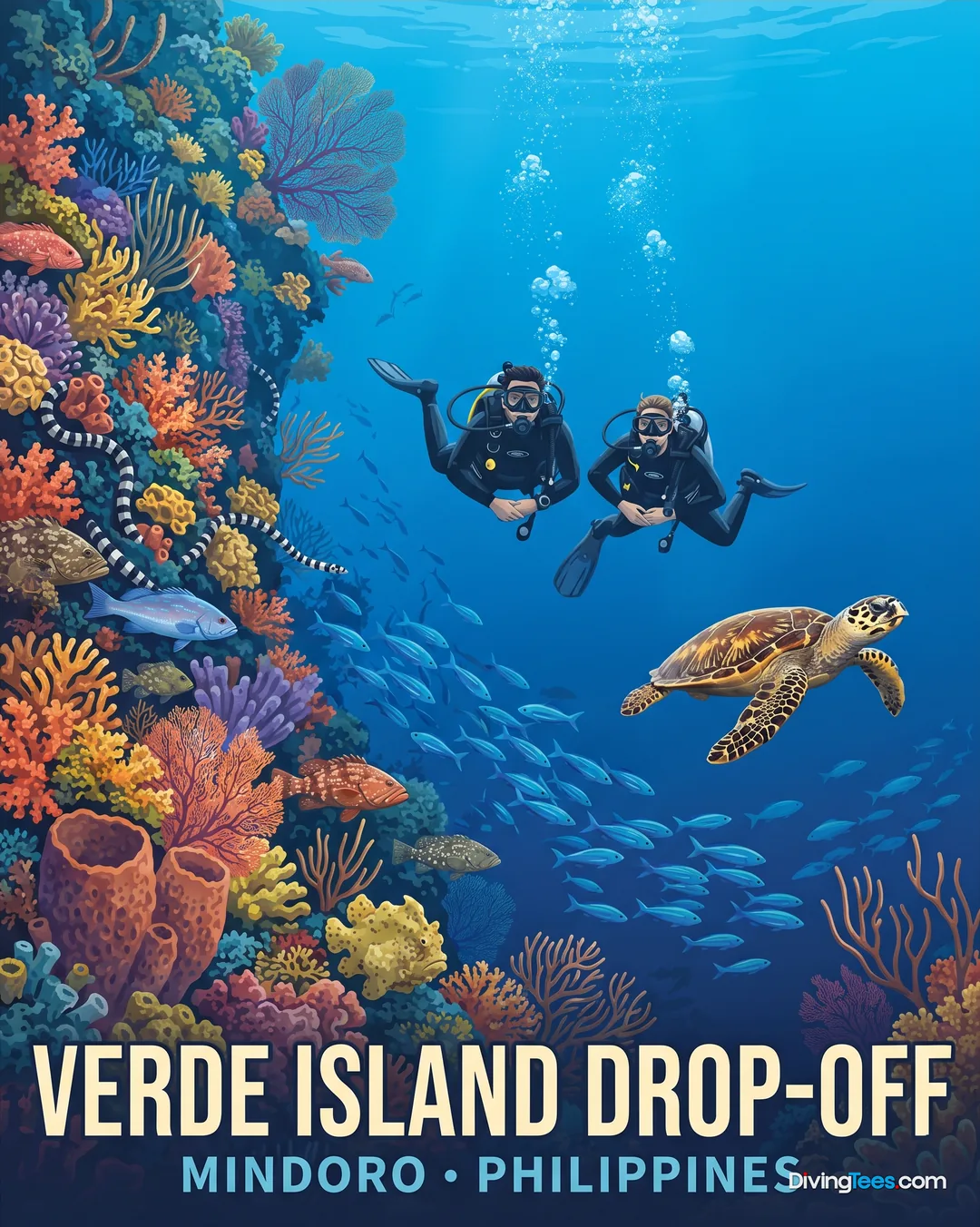
Verde Island drop-off →
Max. depth · 30 m
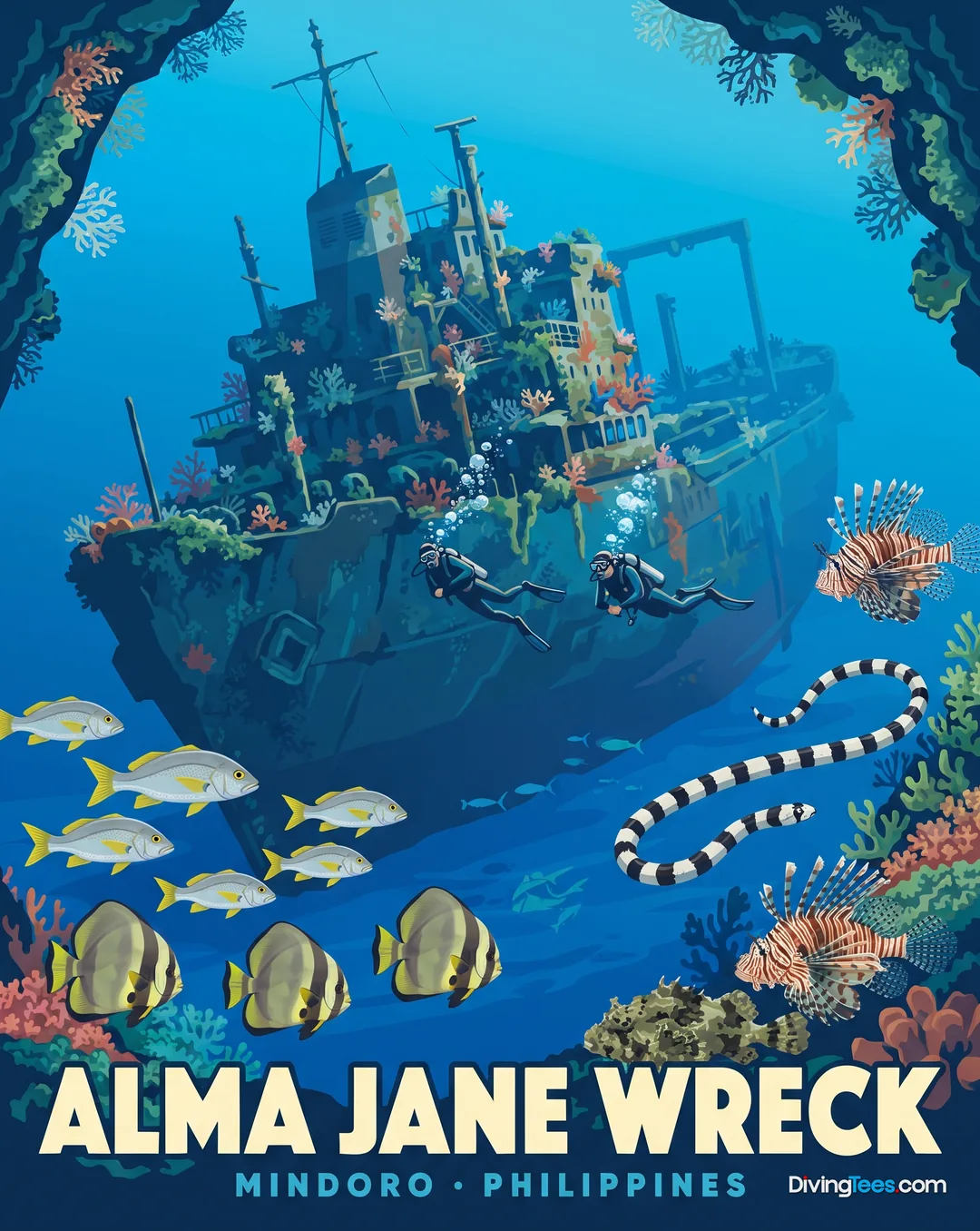
Alma Jane Wreck →
Max. depth · 30 m
Itineraries, dates and prices
Prices per person. Each month shows its lowest price: click a month, or pick an itinerary.
Next departures · 21 departuresfrom £1,196$1,598€1,428
January 2027
February 2027
See dates and prices
If you click these links and make a purchase on the partner site, DivingDeal may earn a commission, at no extra cost to you.
Dates and prices taken from Divebooker and liveaboard.com, updated 26 October 2026
What you’ll meet underwater
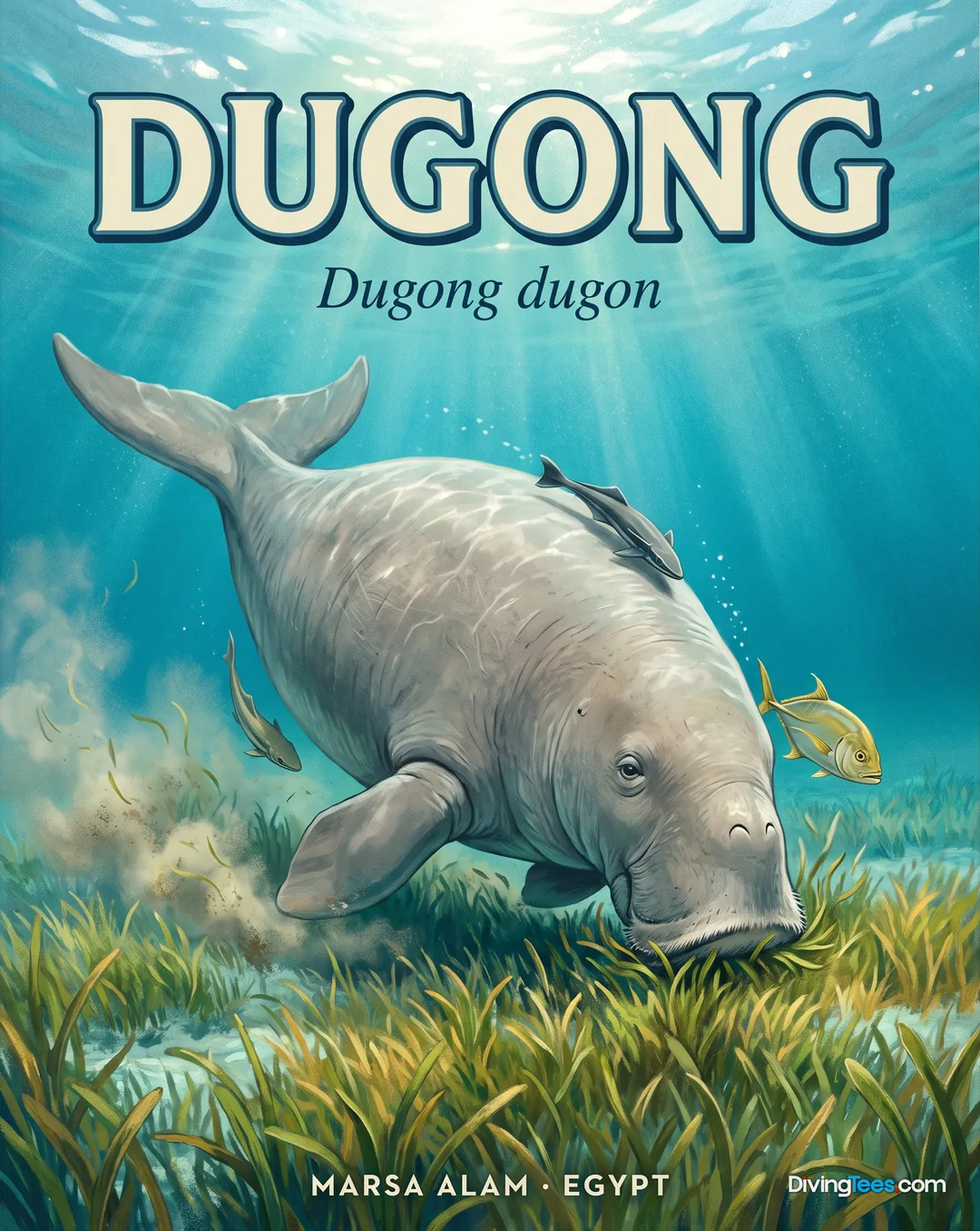
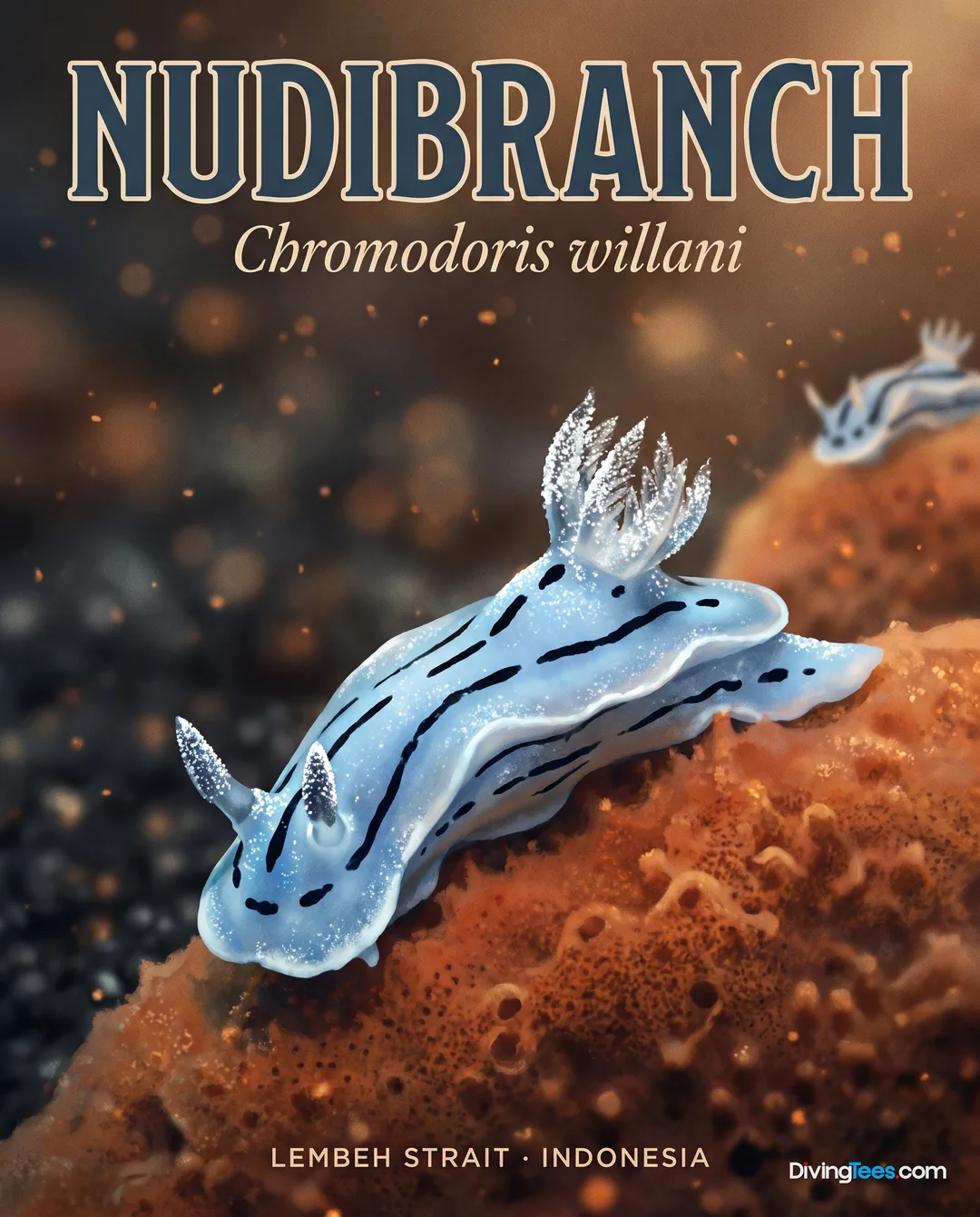
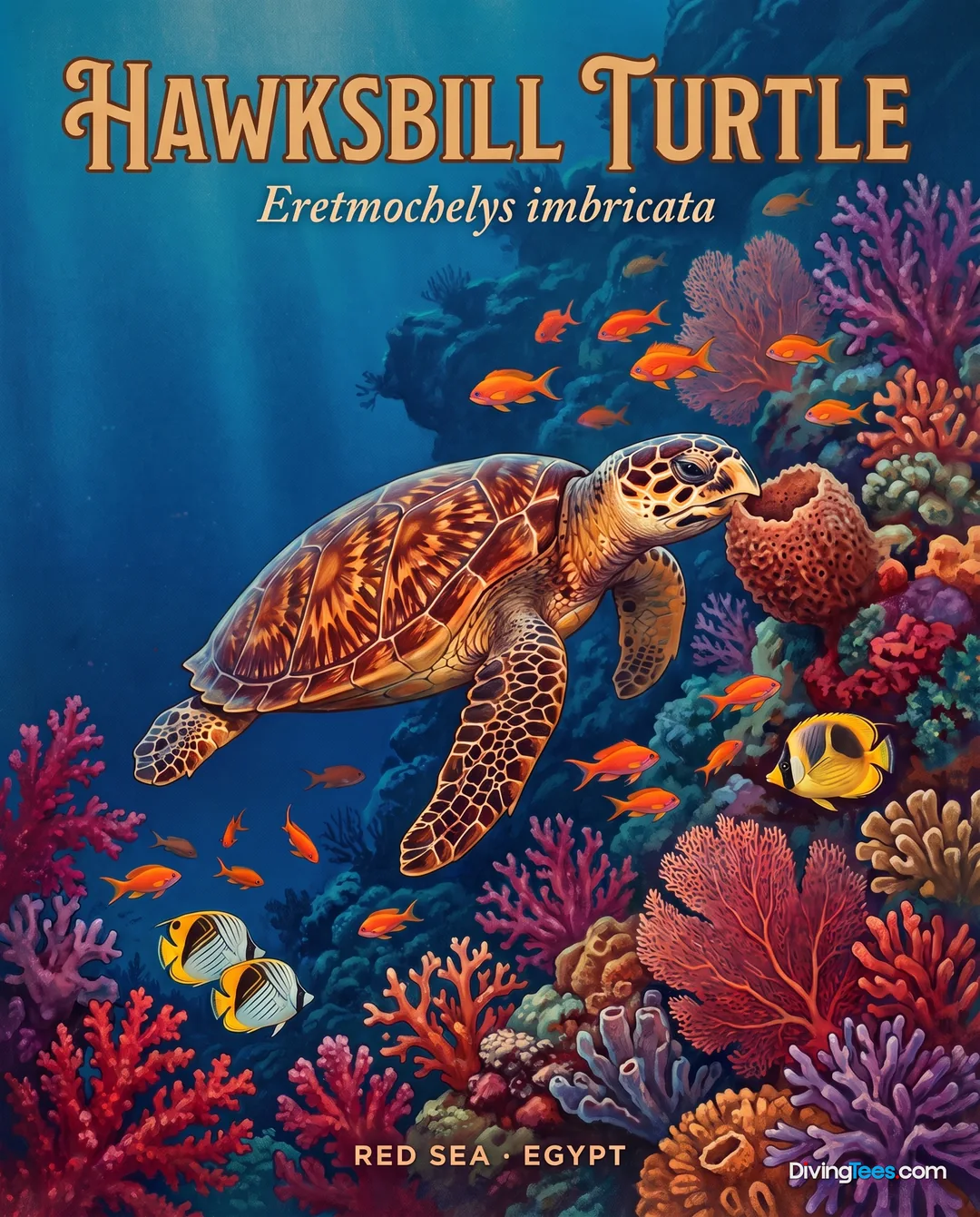
The route’s recurring characters are nudibranchs and snappers, with the reef setting changing the scale from small colour and detail to open-water movement. Apo Reef is where the larger possibilities concentrate: reef sharks, manta rays, turtles, groupers, trevally, barracuda and squid are among the species recorded there, and the reef’s walls and protected coral habitat give pelagics room to pass. Twin Peaks is the named place for sea turtles among butterflyfish, angelfish and reef fish. Verde Island drop-off brings anthias into the picture, along with tuna, snapper, wide-mouth mackerel, fusiliers, banded sea snakes, hawksbill turtles, frogfish, sea fans and barrel sponges. Alma Jane Wreck is the site for soft corals, fusiliers, sweetlips and batfish, as well as barracuda, batfish and reef fish around the hull. Barracuda Lake changes the encounter completely: shrimp, rabbitfish and barracuda appear through freshwater thermocline layers. None of these sightings is guaranteed.

Who puts you in the water
The diving is guided by a crew that speaks English, French and Italian, with a naturalist guide also available on board. Briefings lead into organised dives from the platform or the tenders, and the boat’s close crew-to-passenger ratio keeps assistance near the working areas. The required level is Advanced Open Water or equivalent, with at least 20 logged dives. Divers who do not yet hold that level can take the PADI Advanced Open Water course during the trip. Other courses available on board are PADI Enriched Air (Nitrox) and PADI Wreck Diving. Oxygen, first-aid kits, radios, a locator beacon and emergency equipment are carried on board.
The dive deck and the gear
The dive operation is built around a shaded platform, a dedicated entry area and two diver tenders that take groups to the sites and collect them after surfacing. Divers return to the boat with rinse facilities, separate camera rinsing and a dedicated camera room, a meaningful advantage when the itinerary moves from wreck interiors to reef walls and night dives. DIN adapters are available. Nitrox is available for certified divers as an optional extra, while tanks, weights and weight belts are included. Rental BCDs, regulators and dive computers can be arranged for an additional charge. The setup supports up to four guided dives on suitable days, including night dives, but the exact sequence follows the safari and conditions. Oxygen, first-aid kits, fire equipment and communications equipment are carried on board.
Between dives
Between dives, the roof deck is the natural place to settle: open air, broad views and enough seating to spread out while equipment dries below. The shaded dive area offers the opposite mood when the sun is high, and the indoor lounge gives photographers somewhere quieter for presentations, camera work or a short escape from the heat. Kayaks and stand-up paddleboards are available when the boat is stopped, and island visits add time on land to the diving. On the Coron Safari, Black Island brings a beach stop and a chance to swim in a hidden cave. The boat also carries a naturalist guide, so non-diving guests and surface intervals can have a purpose beyond waiting for the next splash. Starlink internet is free, but the stronger use of the quiet hours is usually simple: eat, rinse salt away, check a camera, then sleep before the next call to the dive deck.
A day on board
A day begins with the first briefing and a dive before the boat’s routine has fully reached the saloon. Depending on the itinerary, the day may build to three or four dives, with meals, fruit and snacks filling the surface intervals and the crew moving equipment between the platform and the tenders. On Coron days, one dive can be a wreck, another a reef or lake, and an evening night dive changes the same site into a search for smaller nocturnal life. Apo Reef days put four dives around the reef on the schedule, while the final reef day is lighter before the return cruise. The boat gets underway between areas and overnight passages, turning travel time into a chance to eat, sleep or watch the coastline from the roof deck. After the last dive, the pace drops: dinner, cameras, conversation and sometimes live music or karaoke. Then the compressor and the crew prepare for the next morning.
What you eat aboard
Chef Mark cooks across Western and Asian styles, with buffet meals served through the day and fruit and snacks available between them. Local flavours can sit beside familiar Western food, and vegetarian meals are available, though strict vegan requirements cannot be catered for. The format suits a demanding dive schedule better than a formal dining room: take what is needed, return for more after a dive, and keep the next briefing in mind. Breakfast follows the first part of the morning’s activity, while later meals punctuate the surface intervals and the end of the diving day. Dinner can be served outside, and a beach barbecue is part of the trip. Beer and wine are available, while the bar gives the final meal a place to continue without turning the whole boat into a party vessel. Food scores strongly because it is part of the working rhythm, not decoration around it.
Nights at sea
The nine cabins are divided between Standard Twin and Standard Double categories. Each has air conditioning, a large window, storage beneath the bed, a private bathroom and a hot shower. That combination matters after four dives: the cabin is somewhere to cool down and dry out, not merely a bunk behind a curtain. A large window brings daylight into the room and gives the sea a proper presence, while the private bathroom avoids a queue when divers return from a night dive. The boat’s broader layout also gives tired legs an alternative to staying in bed: the indoor lounge, open-air dining area and roof deck spread the evening across several spaces. Internet is available through Starlink, although a liveaboard built around remote reefs is still best understood as a dive boat first. Twin cabins are shared by same-gender solo travellers when needed; Double cabins are for couples or guests who do not want to share.
Standard Twin Cabin
Standard Double Cabin
What to know before boarding
Navis 1 departs from and returns to Coron Port. The Apo Reef Safari leaves at 08:00 and returns at 08:00; the Coron Safari departure is at 09:00 and return at 08:00. Airport transfers are not included, so the airport connection to Busuanga must be arranged separately or booked as an optional transfer. Arriving in Coron the night before is the sensible choice, especially when a late flight could otherwise put the departure at risk.
- Year built
- 2009
- Year renovated
- 2022
- Length
- 23 m
- Beam
- 13 m
- Maximum number of passengers
- 22
- Number of cabins
- 9
- Number of bathrooms
- 12
- Engines
- 2 × Weichai 350 hp
- Cruising speed
- 7 knots
- Tenders
- 2
- Website
- manta.ph ↗
Hello, I'm Marina, DivingDeal.com's AI assistant. I answer in detail about hotels, dive centres and liveaboards.
Thinking about the whole trip and the flights? Talk it over with Edith →
Marina is an AI. Some links are affiliate links: DivingDeal may earn a commission, at no extra cost to you. Bookings are made with the partner.