
AL FARO Cosmio Hotel Palawan
★★★★
★ 9.5/10 (303 reviews)
23 km away as the crow flies
Dive centre · Coron · Philippines
4.591 Google reviewsExplore the untouched reefs of North Busuanga with a team dedicated to dugong conservation and high-standard Scubapro equipment.
For subtitles in English: start the video firstthen click the gearat the top right of the video, select “Subtitles/CC”, then “Auto-translate” and choose “English”.
Located in Coron, Palawan, Dugong Dive Center has been a fixture of the North Busuanga diving scene since 1997. As members of the Philippine Coast Guard Auxiliary, the team operates with a deep commitment to the local marine environment, specifically focusing on the protection of the endangered dugong.
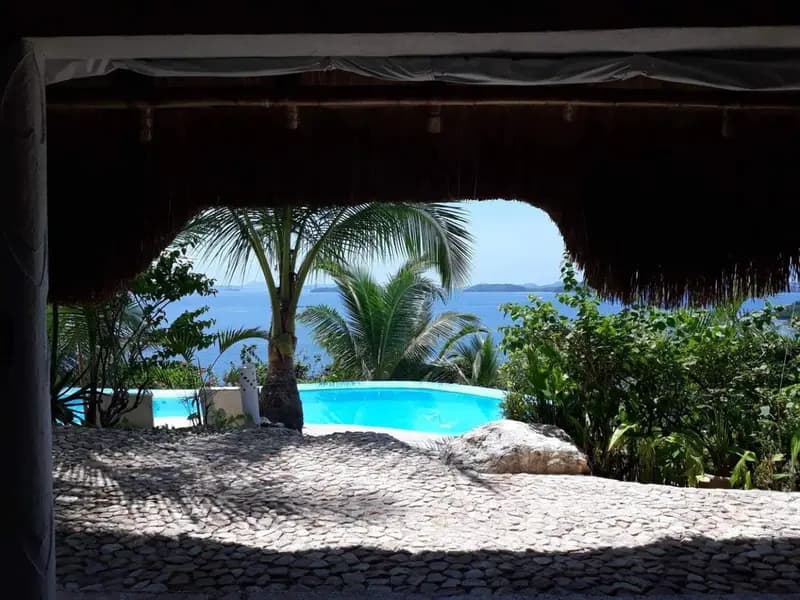
The centre is situated at the El Rio y Mar Resort, providing a base for divers looking to explore the intact reefs and historic wrecks of the region. By avoiding mass tourism, they ensure that the dive sites remain pristine for those seeking a more authentic connection with the underwater world.
The team consists of seven instructors providing instruction and guidance across a variety of specialties. They operate under the SDI affiliation, offering a structured progression from beginner levels through to professional certifications.
Beyond standard dive operations, the staff are deeply involved in environmentalism and conservation. They have worked alongside documentary film crews, biologists, and photographers to promote awareness and protection for the local dugong populations.
The centre offers a comprehensive range of SDI courses for all experience levels. Beginners can start with the Open Water Diver course, with subsequent paths leading through Advanced Open Water Diver and Rescue Diver.
For those looking to professionalise, Divemaster training is available. The curriculum also includes specialised training in Deep diving, Wreck diving, and Underwater Navigation, as well as niche skills such as Underwater Photography and Fish Identification.
The centre operates a fleet of six vessels to suit different diving requirements. This includes motorised bankas, fiberglass trimarans, and motorised speedboats, with capacities ranging from 8 to 16 divers per boat. The fleet includes both single and twin-engine configurations.
Onboard, you will find coffee, tea, drinking water, and towels provided for your comfort. The vessels are used for a range of excursions, including full-day trips to seagrass beds, night dives, and specialised diving safaris that focus on adventure and nature contact.
The shore-based facilities include a dedicated diving pool for confined water training. For air quality, the centre uses a BAUER PureAir station, ensuring high standards for your cylinders.
All Scubapro equipment is maintained by certified technicians. For photographers, there is an air-conditioned camera room equipped with stabilised power sockets to facilitate post-dive work. The site also provides dedicated rinsing areas for your kit.
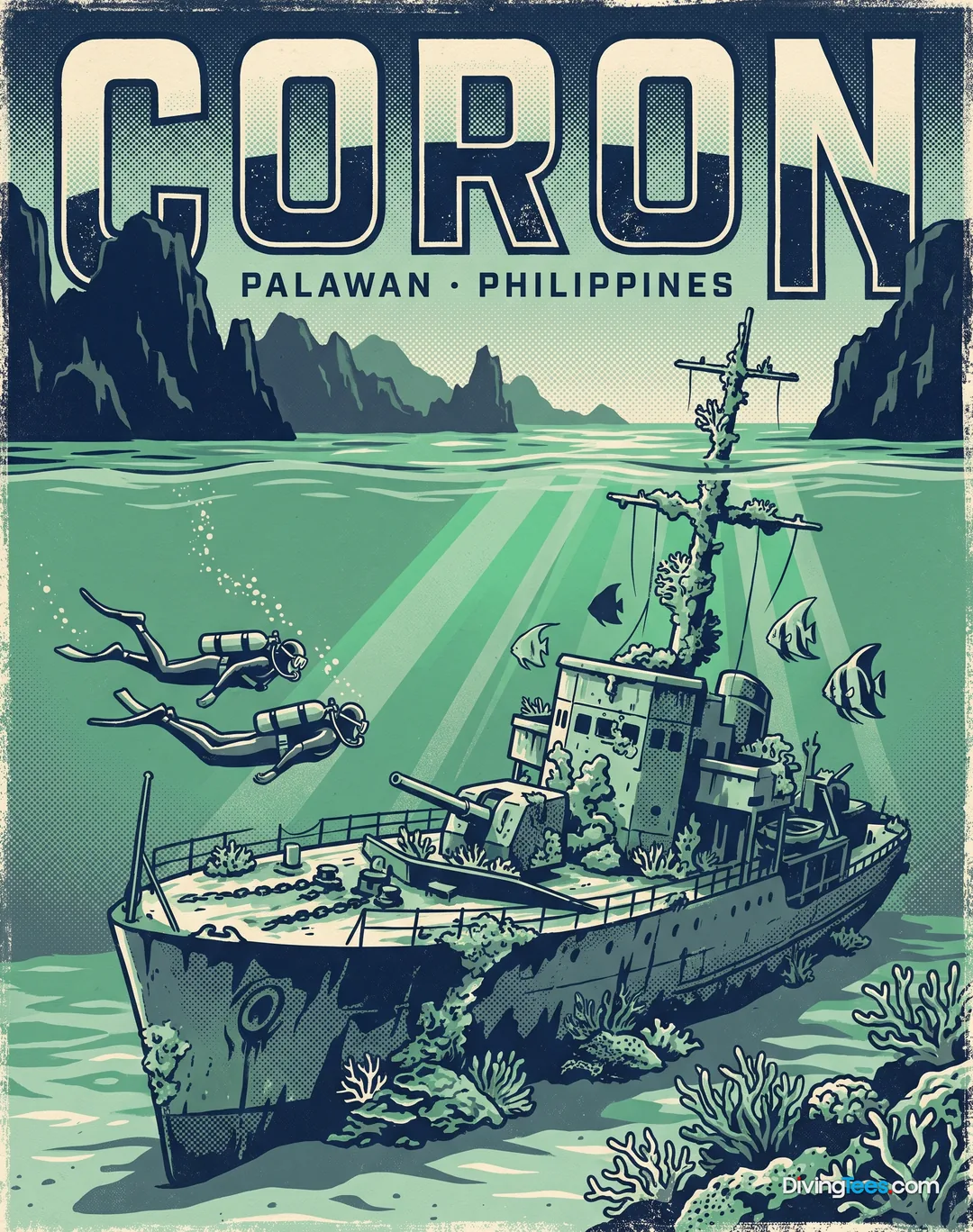
The Kyokuzan Maru is a significant Japanese freighter shipwreck, 136m long, lying almost upright at depths between 12m and 42m. The main structures remain intact, providing a complex habitat for batfish and various bivalves.
Apo Reef Marine Park offers vast coral reefs and steep walls with depths reaching 400m. The shallow plateau between 3m and 12m is accessible for many levels, while the stronger currents in deeper sections increase the chances of seeing sharks and manta rays.
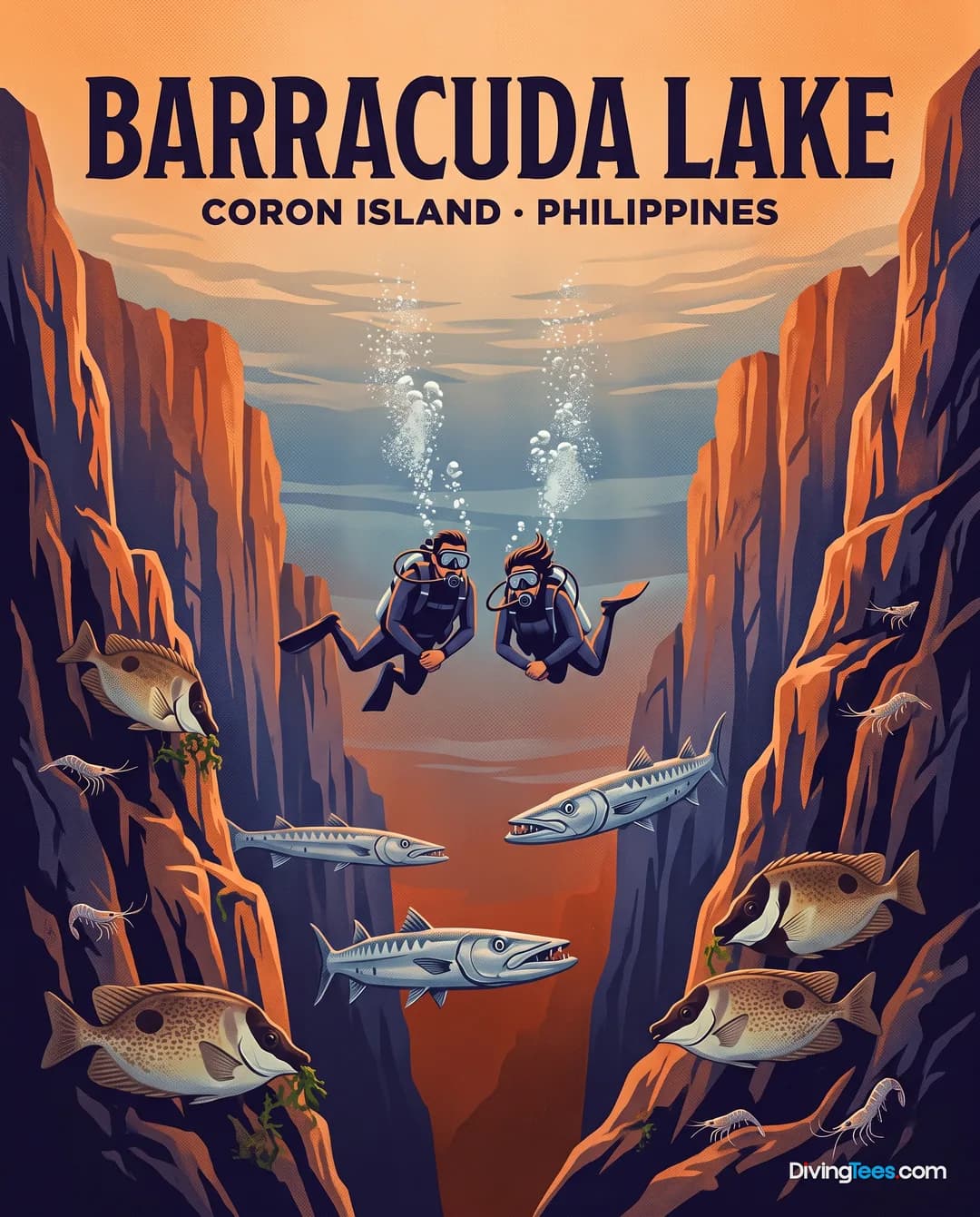
Barracuda Lake is a unique freshwater site surrounded by limestone cliffs, featuring layers of fresh, salt, and brackish water. The thermoclines are dramatic, and the lake is home to rabbitfish and various shrimps.
The Hayabusa Nakajima plane wreck is a Japanese WWII fighter plane located just 10 minutes from the centre. It is noted as being one of the most intact examples of its kind in the world, sitting at 40m.
And some of the dive sites the centre runs.
The reefs are teeming with life, including various species of Butterflyfish (Chaetodon), snapper, and fusiliers. You will regularly encounter large schools of jackfish and scads, alongside resident species like moray eels, surgeonfish, and various reef fish.
Large pelagics are a highlight of the region, with sightings of tuna, barracuda, and manta rays. In the more current-swept areas of Apo Reef, you may encounter grey reef sharks, whitetip sharks, and occasionally hammerhead sharks or thresher sharks.
Turtle sightings are frequent, including both Green sea turtles and Hawksbill turtles. These are often found amongst the seagrass beds and coral formations.
Macro life enthusiasts can find seahorses, pipefish, and a variety of nudibranchs. Cuttlefish can be observed between December and April, while the seagrass meadows and reef slopes host diverse crustaceans and shrimp.
Diving in the area involves varying conditions depending on the site. Apo Reef is known for strong currents, which are often responsible for bringing in larger pelagic species.
The water temperature is generally warm, ranging from 27°C to 40°C depending on the specific location and water layer, particularly in sites like Barracuda Lake.
Hello, I'm Marina, DivingDeal.com's AI assistant. I answer in detail about hotels, dive centres and liveaboards.

Thinking about the whole trip and the flights? Talk it over with Edith →
Marina is an AI. Some links are affiliate links: DivingDeal may earn a commission, at no extra cost to you. Bookings are made with the partner.
★★★★
★ 9.5/10 (303 reviews)
23 km away as the crow flies
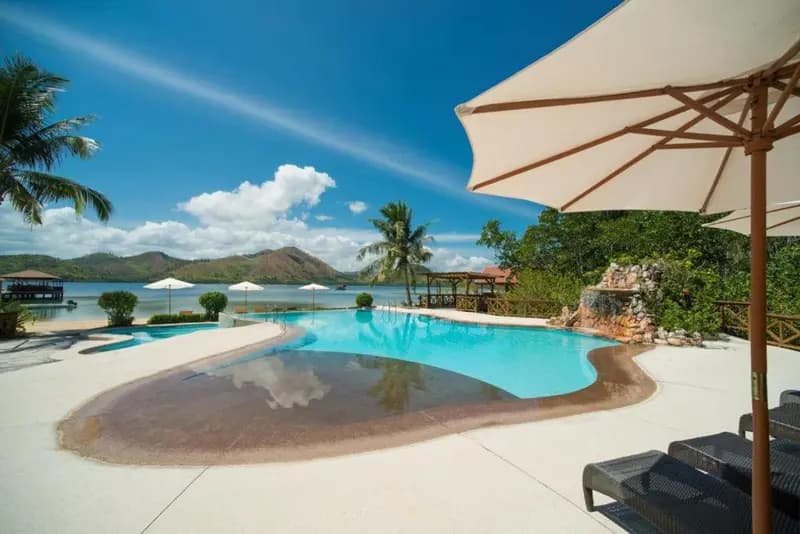
★★★
★ 9.5/10 (254 reviews)
less than 1 km away as the crow flies
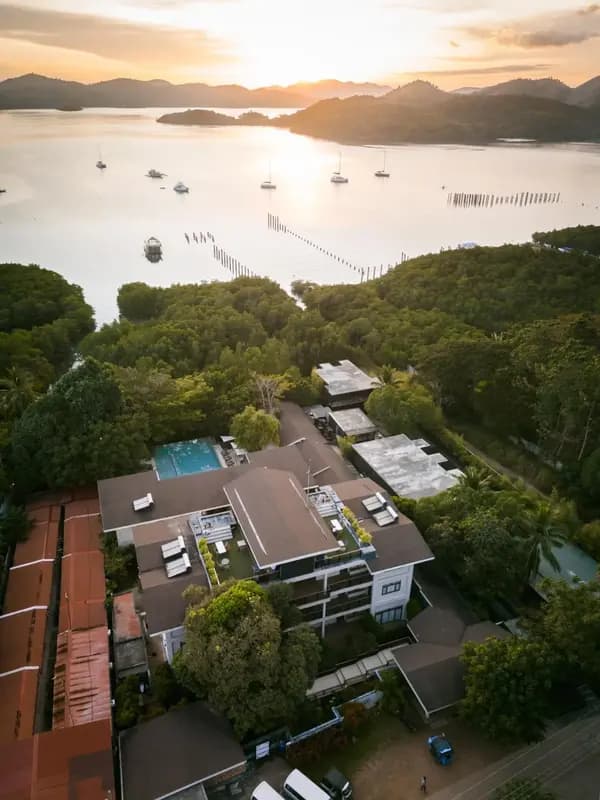
★★★★
★ 9/10 (912 reviews)
23 km away as the crow flies
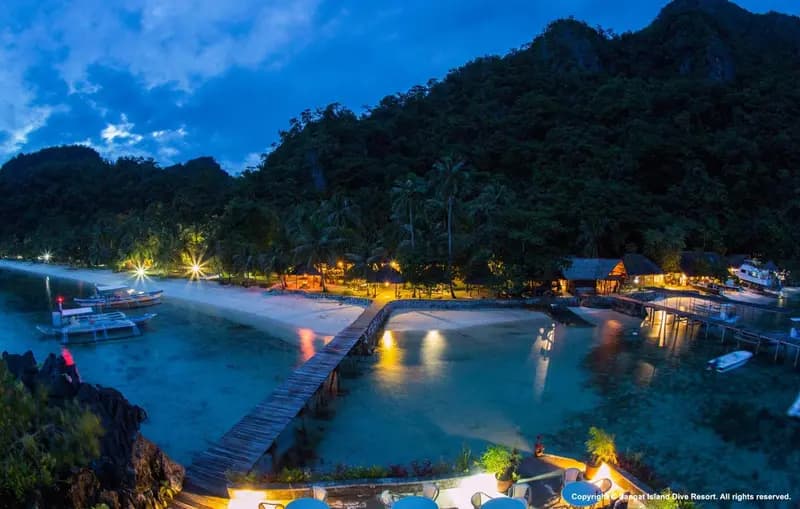
★★★
★ 9.3/10 (277 reviews)
25 km away as the crow flies
Your last day stays dry: no diving in the 18-24 hours before a flight the perfect window to see the destination from another angle.
 Culture
⏱ 7 h · ★ 5.0 (1 reviews)
from €106
see on Viator ↗
 Culture
⏱ 4 h · ★ 4.5 (2 reviews)
from €63
see on Viator ↗
Ratings and reviews collected by Viator and Tripadvisor.