
Wicked Squid Divers - Boracay
★ 5/5 (460 reviews)
1.5 km away as the crow flies
Boracay · Philippines · Asia
Max. depth · 20 mCoral Garden welcomes you with a vibrant, shallow reef teeming with life, where parrotfish graze on intricate coral heads and anemones host playful clownfish.
For subtitles in English: start the video firstthen click the gearat the top right of the video, select “Subtitles/CC”, then “Auto-translate” and choose “English”.
Dropping into Coral Garden, you'll find yourself on a gently sloping reef that begins around 5 metres and reaches a maximum depth of 15 metres. The site lives up to its name with expansive hard and soft coral formations that carpet the seafloor. You'll encounter large coral heads, giant plate corals, and delicate staghorn corals, creating a complex underwater landscape that harbors a significant amount of small reef life. The initial descent is calm, often with minimal current, allowing for a relaxed exploration of the vibrant upper reef.
This is a site defined by its healthy coral growth, where you'll see entire sections covered in stony corals, tabular corals, and a variety of soft corals. Within this intricate structure, you'll spot schools of anthias and sergeant majors dancing above the reef. Look closer, and you'll find damselfish, butterflyfish, and angelfish weaving through the crevices. The light penetrates well into these shallower depths, illuminating the reef and enhancing the color palette of both the corals and the fish that inhabit them, making it a favorite for photographers.
As you traverse the garden, pay attention to the details on the coral structures themselves. This environment is home to an impressive array of smaller creatures. Nudibranchs in various forms and colors adhere to coral branches, blending in with their surroundings. Sea snails and flatworms are also common sights, requiring a keen eye to spot against the textured backdrop of the reef. Frogfish are occasionally present, masters of camouflage, often found waiting motionless near sponges or larger corals.
The sandy bottom interspersed with the coral growth provides additional opportunities for discovery. Here you might find gobies peering out from their burrows, or lizardfish perfectly still, camouflaged against the sand. Scorpionfish, though less common, are also skilled at blending into the reef structure, so a careful look along rocky outcrops and coral bases can reveal these ambush predators. Moray eels can be seen tucked into various hideaways within the larger coral heads, always observing their surroundings.
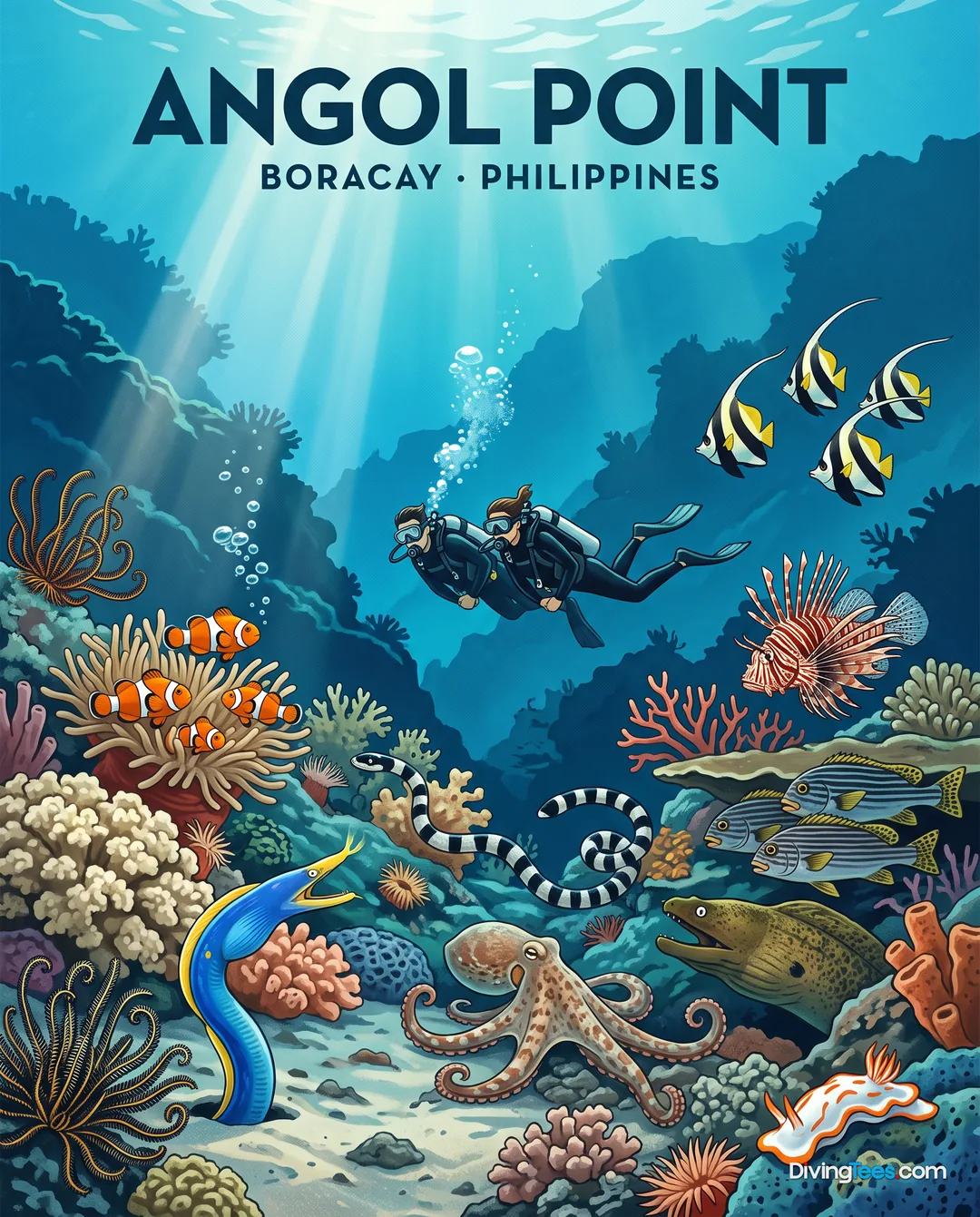
Among the more commonly observed reef inhabitants are the parrotfish, often seen scraping algae from the coral, contributing to the health of the ecosystem. Labrids, or wrasses, are also prevalent, darting in and out of the reef, foraging for small invertebrates. You'll also encounter numerous anemones, each hosting its resident clownfish, a classic sight on any healthy tropical reef and a testament to the site's rich biodiversity. These are active ecosystems, constantly in motion.
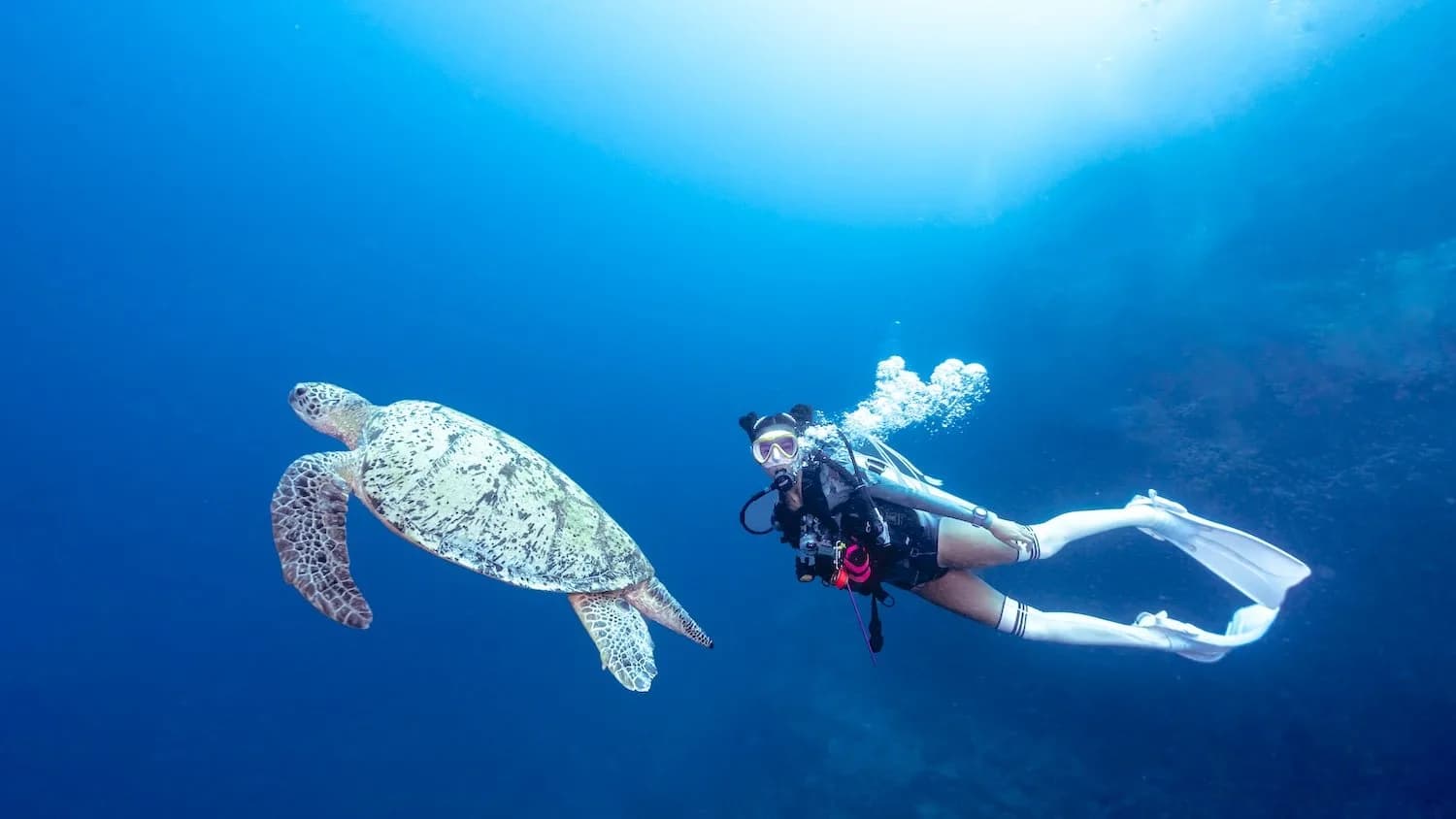
Occasionally, larger visitors make their appearance at Coral Garden. Turtles are observed gliding gracefully over the reef, feeding or resting. Rays can sometimes be seen moving across the sandy patches or near the transition zones of the reef. While barracudas and pelagic species are not typical residents of these shallower, sheltered areas, the site's accessibility and steady marine life activity make it consistently rewarding for a range of interests, from macro to wide-angle photography.
The current at Coral Garden is generally mild, making it a relaxed dive. However, it can occasionally pick up to a light drift, primarily influenced by tidal changes, shifting from calm to a gentle push. This variability offers different perspectives on the same dive, sometimes allowing for a slow, unhurried exploration and at other times guiding you smoothly across the expansive reef. It's a site that changes subtly with the tides, always offering something new to observe.
Coral Garden is accessible from Open Water Diver certification, with depths typically ranging from 5 metres to 15 metres. Visibility is generally good, supporting a relaxed dive. Current is frequently weak, though it can become a light drift depending on the tide. Water temperatures are consistently warm, around 25°C, allowing for comfortable dives year-round.