
Wicked Squid Divers - Boracay
Google 5/5 (471 reviews)
4.4 km away as the crow flies
Boracay · Philippines · Asia
Max. depth · 40 mPunta Bunga offers a wall dive beginning at 9 metres, connecting to the deeper Yapak sites, with stingrays resting on the sandy bottom at 24 metres.
For subtitles in English: start the video firstthen click the gearat the top right of the video, select “Subtitles/CC”, then “Auto-translate” and choose “English”.
Punta Bunga lies off the northern coast of Boracay, marking the initial segment of a continuous wall formation that extends towards the renowned Yapak dive sites. The dive begins on a sloping reef from 9 metres, guiding you down to a maximum recorded depth of 30 metres, though a deeper section extends to 40 metres for experienced divers. This section offers a diverse topography of ledges, overhangs, and sandy patches, providing varied habitats for reef life. The structure of the wall, with its numerous hiding spots and transitions to sand, means you'll encounter a mix of both resident bottom dwellers and passing pelagics.
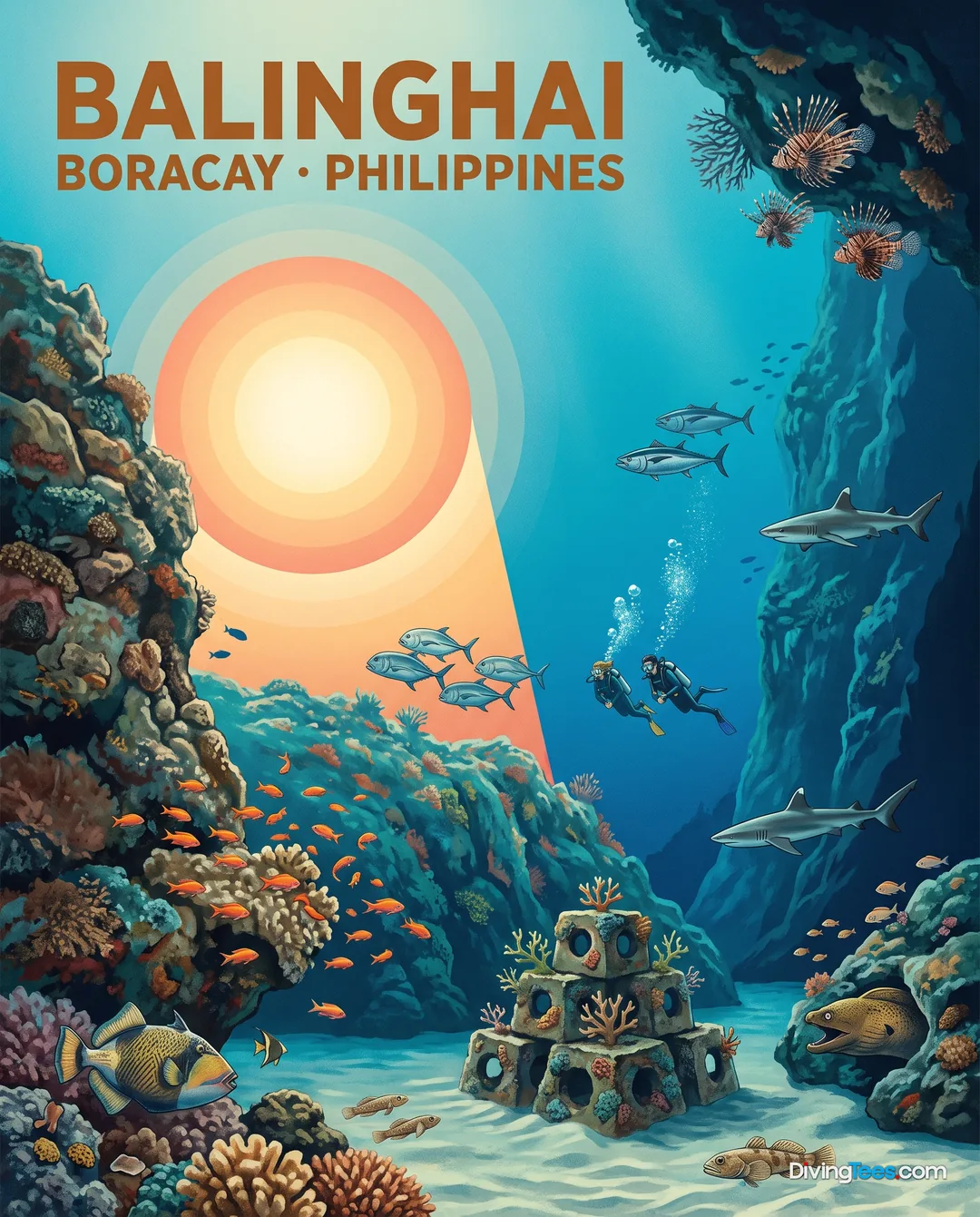
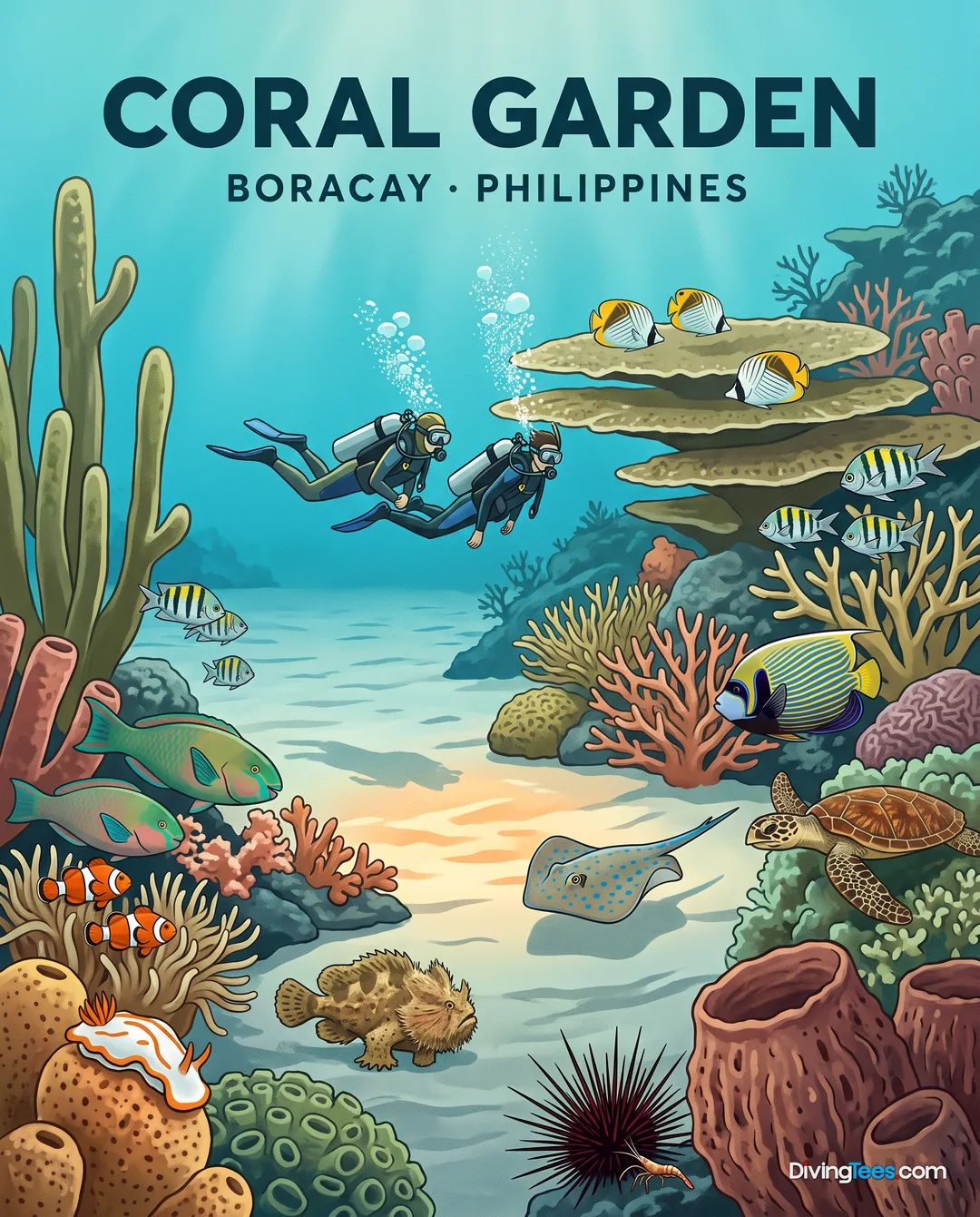
As you descend, the wall presents a complex series of ledges and small caves. These formations are home to various species: moray eels (Muraenidae) are commonly seen in crevices, while scorpionfish (Scorpaenidae) blend into the coral. Groupers (Serranidae) and triggerfish (Balistidae) navigate the reef structure, often darting between the coral heads. This rich environment supports a high density of reef fish, making for an active and colourful dive experience, particularly in the shallower to mid-depth ranges of the wall.
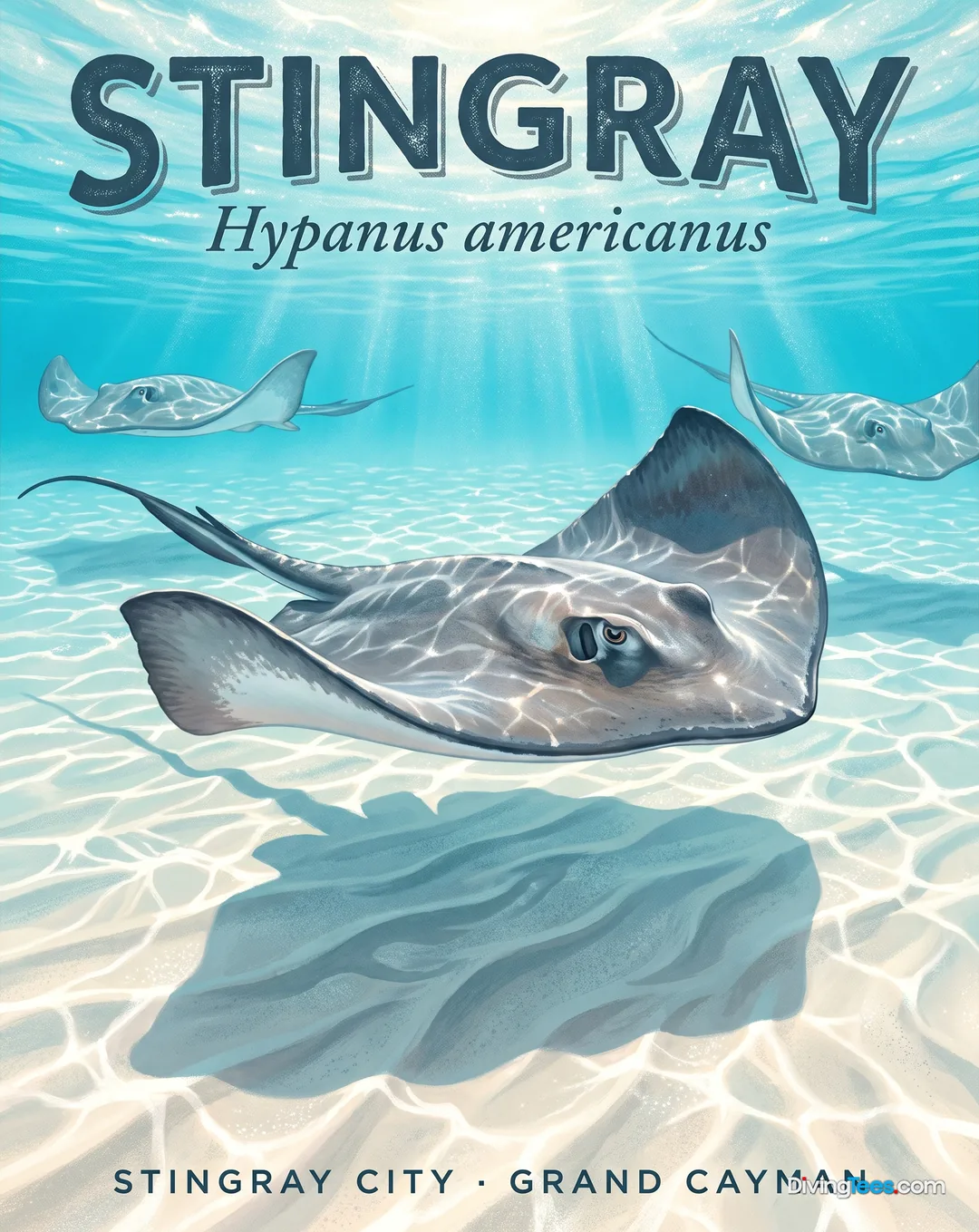
Continuing down the slope, at around 24 metres, the wall transitions to sandy areas where you'll often spot stingrays (Dasyatidae) at rest, partially buried in the sediment. Fusiliers (Caesionidae) and surgeonfish (Acanthuridae) form schooling aggregations above the coral formations, their movements adding a dynamic element to the dive. The combination of both the vertical reef structure and the adjacent sandy plains provides two distinct ecosystems to explore, each with its characteristic marine life behavior patterns.
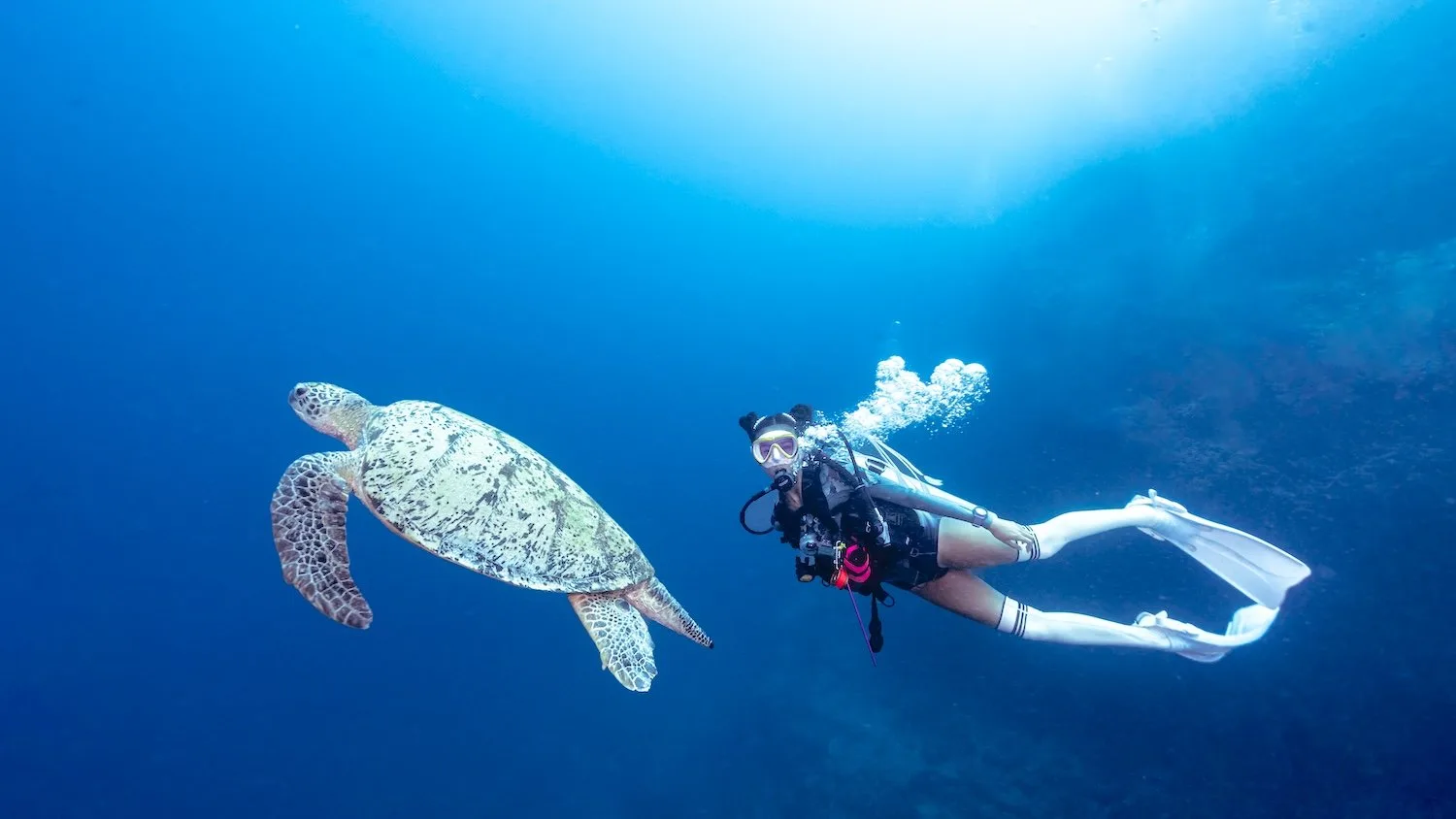
For those with the experience and certification to explore deeper, the outer edge of Punta Bunga extends to 40 metres. This deeper profile often brings encounters with larger pelagic species. White-tip reef sharks (Triaenodon obesus), dogtooth tuna (Gymnosarda unicolor), and jackfish (Carangidae) are sometimes observed patrolling the currents at these greater depths. This shift in the faunal composition at greater depth requires careful planning due to the increased depth and the potential for stronger currents.
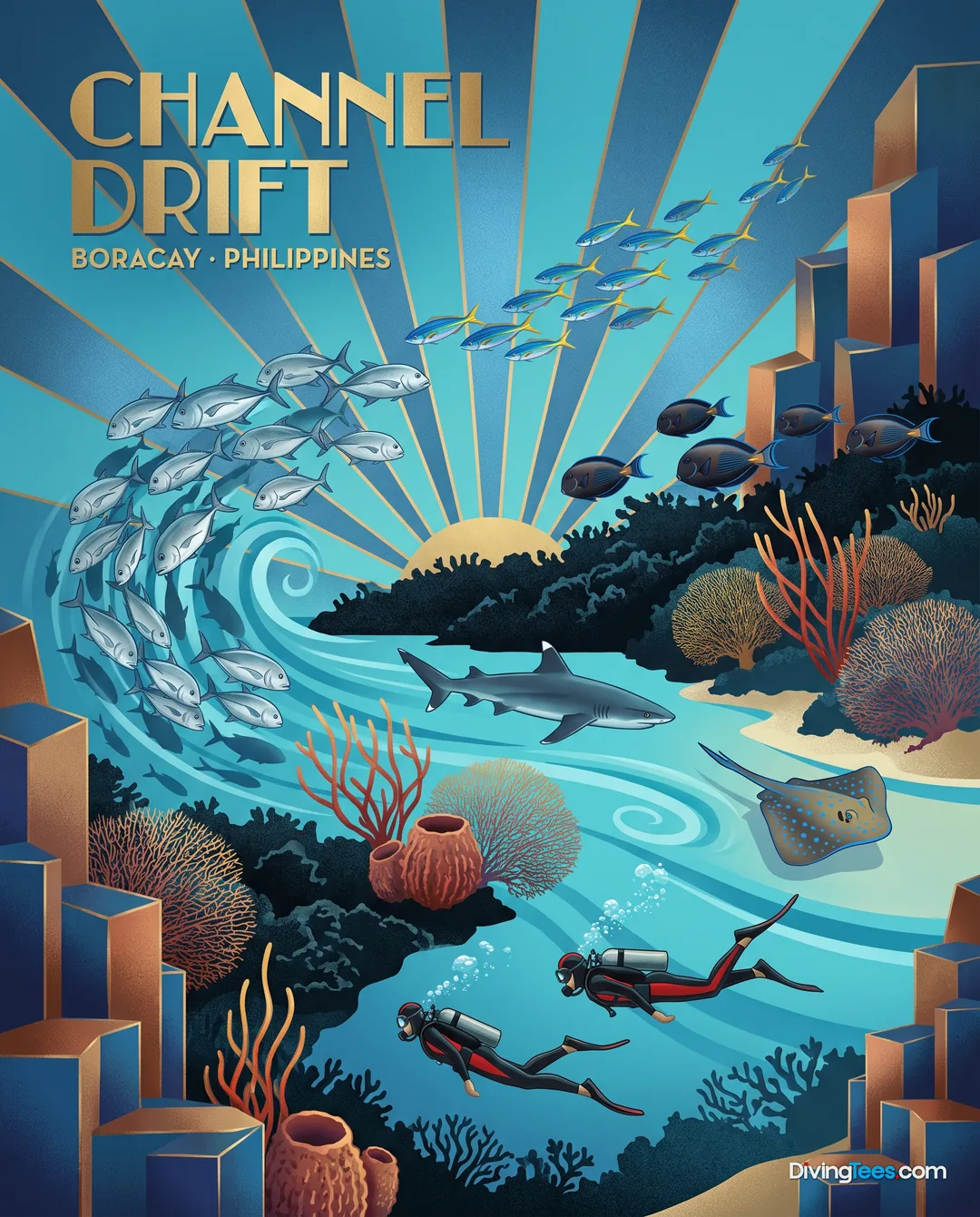
While much of the wall offers a relaxed dive, currents at Punta Bunga can on occasion be strong, particularly in the deeper sections or when exploring along the connecting wall to Yapak. Visibility here is excellent, often reaching ranges that enhance the feel of the site's verticality and scale. This combination of potential current and depth means understanding the conditions before you descend is key, especially when planning a profile that takes you beyond the shallower reef.
Punta Bunga is generally accessible from Open Water Diver certification for the shallower portions down to 24 metres. However, due to sections extending to 40 metres and the potential for strong currents, an Advanced Open Water Diver certification is recommended, along with a minimum of 50 logged dives for those planning to explore the deeper profiles. Depths range from 9 metres down to 40 metres. Visibility is consistently excellent. Currents can be strong, especially at deeper sections and when exploring along the wall towards Yapak, requiring experience in managing drift dives. Water temperature is typically around 25°C.
You can access the shallower portions of Punta Bunga with an Open Water Diver certification, down to 24 metres. An Advanced Open Water Diver certification is recommended for sections reaching 40 metres and for managing potential strong currents. If you plan to explore deeper profiles, a minimum of 50 logged dives is recommended.
Punta Bunga starts on a sloping reef at 9 metres and descends along a wall to a maximum recorded depth of 30 metres. A deeper section extends to 40 metres for experienced divers. Around 24 metres, the wall transitions to sandy areas, while the deeper profile continues along the outer edge.
You may encounter strong currents at Punta Bunga, particularly in deeper sections and along the wall towards Yapak. These conditions can require experience in managing drift dives. Currents are an important consideration when planning a deeper profile, while shallower parts of the wall can offer a more relaxed dive.
At Punta Bunga, you can look for moray eels and scorpionfish in crevices, plus groupers, triggerfish, fusiliers, and surgeonfish around the reef. Stingrays rest on the sandy bottom near 24 metres. Deeper sections may bring white-tip reef sharks, dogtooth tuna, and jackfish, with excellent visibility for reef exploration.