
Wicked Squid Divers - Boracay
Google 5/5 (471 reviews)
5.3 km away as the crow flies
Boracay · Philippines · Asia
Max. depth · 40 mDescend the vertical face of Yapak Wall into depths often rich with schooling tuna and sharks cruising the open water.
For subtitles in English: start the video firstthen click the gearat the top right of the video, select “Subtitles/CC”, then “Auto-translate” and choose “English”.
Yapak presents itself as a substantial deep wall, a dramatic feature that drops vertically into deeper waters around Boracay. The dive commences along this sheer face, where the topography itself demands attention, offering a structure covered in gorgonians, varied sponges, and soft corals that thrive in the nutrient-rich currents this site is known for.
Descending along the wall, the profile typically takes you past 30 metres and often towards the deeper limit of 40 metres, though the wall continues far beyond. The main draw here is the constant motion of the open ocean, observed as you hold position along the face. Moving downwards, you'll feel the water column and understand why the pelagic life congregates here.
The currents at Yapak are consistently strong and can shift direction or intensity without much warning. This isn't a site for beginners; managing your trim and buoyancy against a robust flow while maintaining depth control is essential. This variable current is a primary factor in why the site is so productive, sweeping nutrients and attracting larger predatory species.
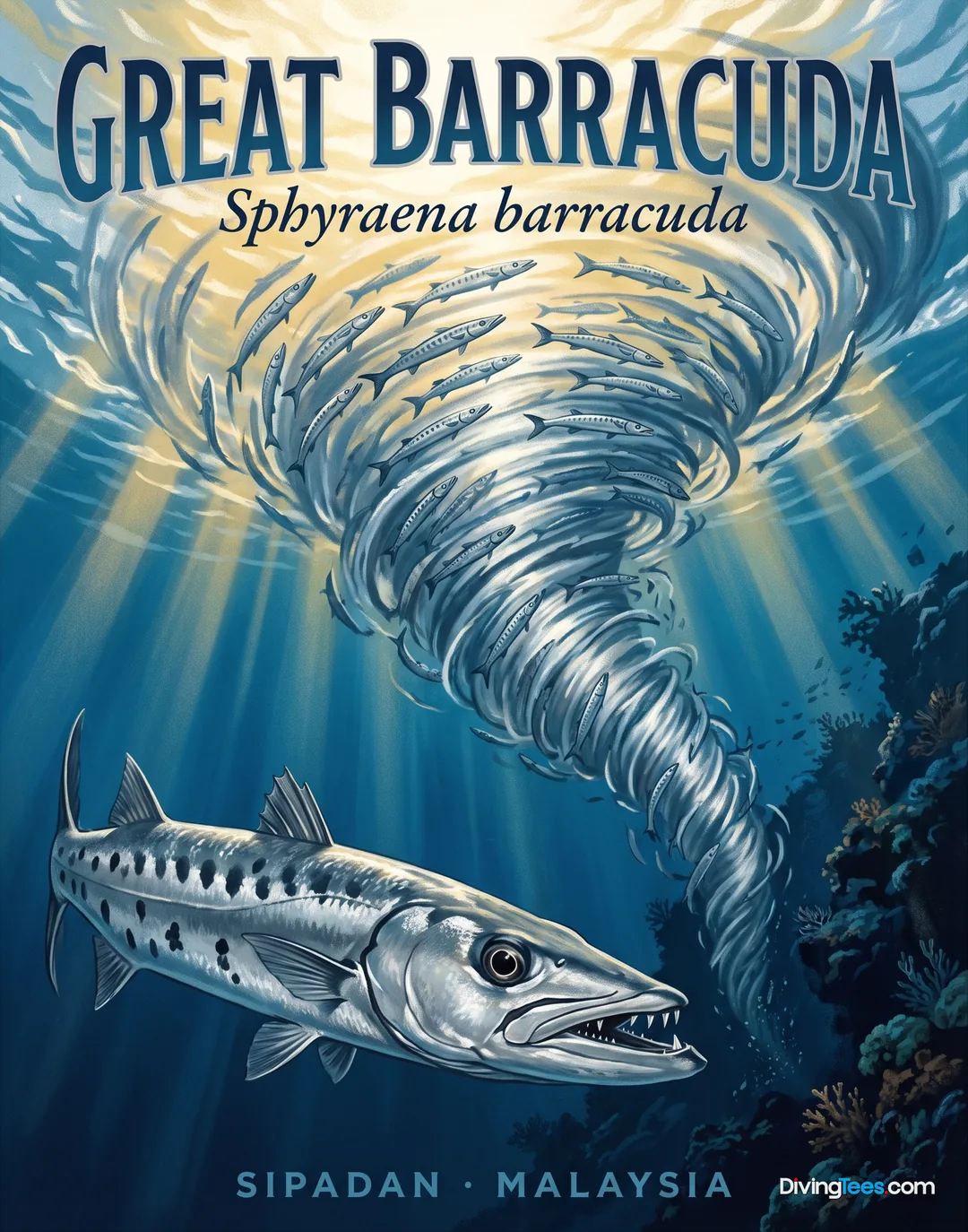
Below 30 metres, the strong currents can make holding position challenging, but it’s often where you encounter the significant pelagic action. Keep an eye out into the blue for large schools of carangues and tuna, often moving with purpose. These are not static encounters; they are dynamic movements in the open water. Barracudas are also a common sight, schooling and patrolling the edges of the drop-off.
White-tip reef sharks (Triaenodon obesus) are regular visitors to Yapak, identifiable by the distinct white tips on their dorsal and caudal fins. They often patrol the deeper sections of the wall, moving with the current, searching for prey. While they are generally accustomed to divers, maintaining a respectful distance is key. They typically cruise the perimeters rather than approaching directly, offering fleeting but memorable encounters.
Visibility at Yapak is consistently good, often excellent, which is a considerable advantage given the depths and the potential for pelagic sightings. This clear water allows for a broader perspective of the wall's structure and the open blue, giving you time to spot and appreciate the larger creatures moving through the currents. Despite the clarity, the focus remains on the current and depth, making the awareness of your console critical.
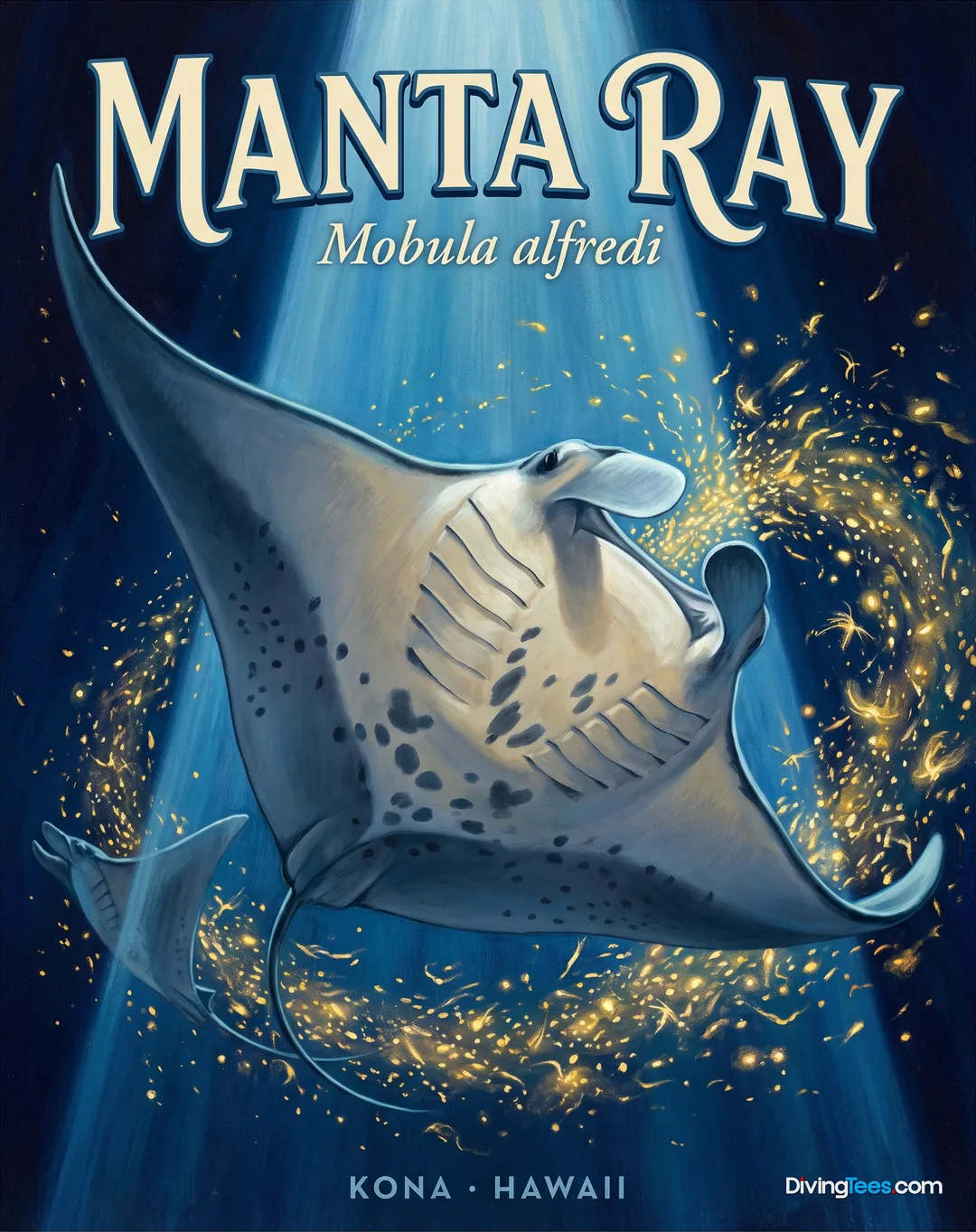
Manta rays are occasionally seen here, usually gliding along the wall in the stronger currents, using the updrafts to their advantage. While not a guaranteed sighting, their presence underscores the site's reputation as a magnet for large marine life. Their appearance is a reward for managing the demanding conditions, emphasizing the truly oceanic nature of this dive.
This is an advanced dive, suitable for experienced divers with a minimum of Advanced Open Water certification and a comfortable log of at least 50 dives in current. Depths primarily range from 30 to 40 metres, requiring careful gas management and decompression planning. The current here is consistently strong and can be unpredictable, demanding excellent buoyancy control and comfort in demanding conditions. Visibility is generally excellent, often exceeding 20 metres, but the strong current remains the primary safety consideration for careful execution of your dive plan.
Yapak is an advanced dive for experienced divers with at least Advanced Open Water certification and a comfortable log of at least fifty dives in current. You need excellent buoyancy control and comfort in demanding conditions, because the consistently strong, unpredictable flow requires careful execution of your dive plan.
Yapak follows a deep wall that typically takes you past thirty metres and often toward forty metres, while the wall continues farther below. The site is listed from eighteen to forty metres, with the deeper profile requiring careful gas management and decompression planning. Depth control remains essential throughout the dive.
Yapak has consistently strong currents that can shift direction or intensity without much warning. Below thirty metres, holding position can become challenging, so you need strong trim, buoyancy, and depth control. The flow is the main safety consideration and also carries nutrients that attract larger pelagic species to the wall.
At Yapak, look along the wall for gorgonians, sponges, and soft corals, then into the blue for white-tip reef sharks, schools of carangues, tuna, and barracudas. Manta rays appear occasionally. Visibility is generally excellent, often exceeding twenty metres, helping you observe the wall and open-ocean animals in clear water.