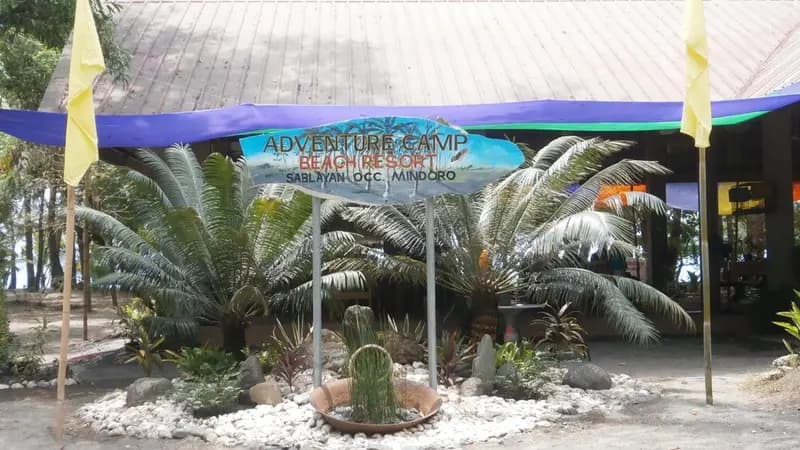
Adventure Camp Beach Resort
★
★ 8.7/10 (55 reviews)
2.2 km away as the crow flies
Dive centre · Mindoro · Philippines
5.03 Google reviewsAccess the world's second-largest reef system via dedicated safaris from the eco-conscious Pandan Island.
For subtitles in English: start the video firstthen click the gearat the top right of the video, select “Subtitles/CC”, then “Auto-translate” and choose “English”.
Mariposa Diving is situated on Pandan Island in Sablayan, acting as the main jumping-off point for those heading to the Apo Reef. This marine park is one of the largest reef systems on the planet, offering vast underwater landscapes that are best accessed through organised safaris.
The centre is integrated with the Pandan Island Dive Resort, an eco-responsible establishment built from natural materials. The entire site operates on solar energy, providing a quiet, nature-focused environment for your stay between dives.
Operating since 1991, the centre brings over three decades of experience to the Sablayan area. As an SSI-affiliated centre, they provide a structured environment for both recreational divers and those pursuing professional career paths.
Instruction is available in English and Dutch. The team manages everything from beginner Try Scuba programmes to advanced professional training, ensuring a consistent standard of safety and dive planning.
The training programme covers the full spectrum of SSI certifications. Beginners can start with Try Scuba, Scuba Diver, or Open Water Diver courses, progressing through Advanced Open Water Diver and Deep Diver.
For those looking to specialise, the centre offers courses in Nitrox, Navigation, Night Diving, and Boat Diver. More advanced students can pursue Rescue Diver, Divemaster, Assistant Instructor, and Open Water Instructor levels, as well as the Science of Diving.
The M/B Karla is a 21-metre vessel used for excursions and safaris. For day trips, the boat carries up to 8 passengers, while overnight stays are limited to 5 passengers to ensure a more intimate experience on the water.
On Apo Reef safaris, the boat provides breakfast and food on board. Nitrox is available for use during these trips, allowing for extended bottom times on the reef walls.
The centre offers full equipment hire for divers travelling without their own kit. This includes all the essentials required for reef and wall diving.
Nitrox is available on-site, and the centre is equipped with oxygen for safety purposes. The resort itself is solar-powered, maintaining an eco-friendly footprint throughout your stay.
Apo Reef - Shark Ridge is a north-east wall featuring numerous overhangs. Accessible to all skill levels, the site is known for sightings of grey sharks, white tip sharks, and large schools of snappers.
Apo Reef - Aladin is a wall dive on the north-east side of the reef. It is best experienced in the morning when the light illuminates the wall, offering depths between 10 and 40 metres.
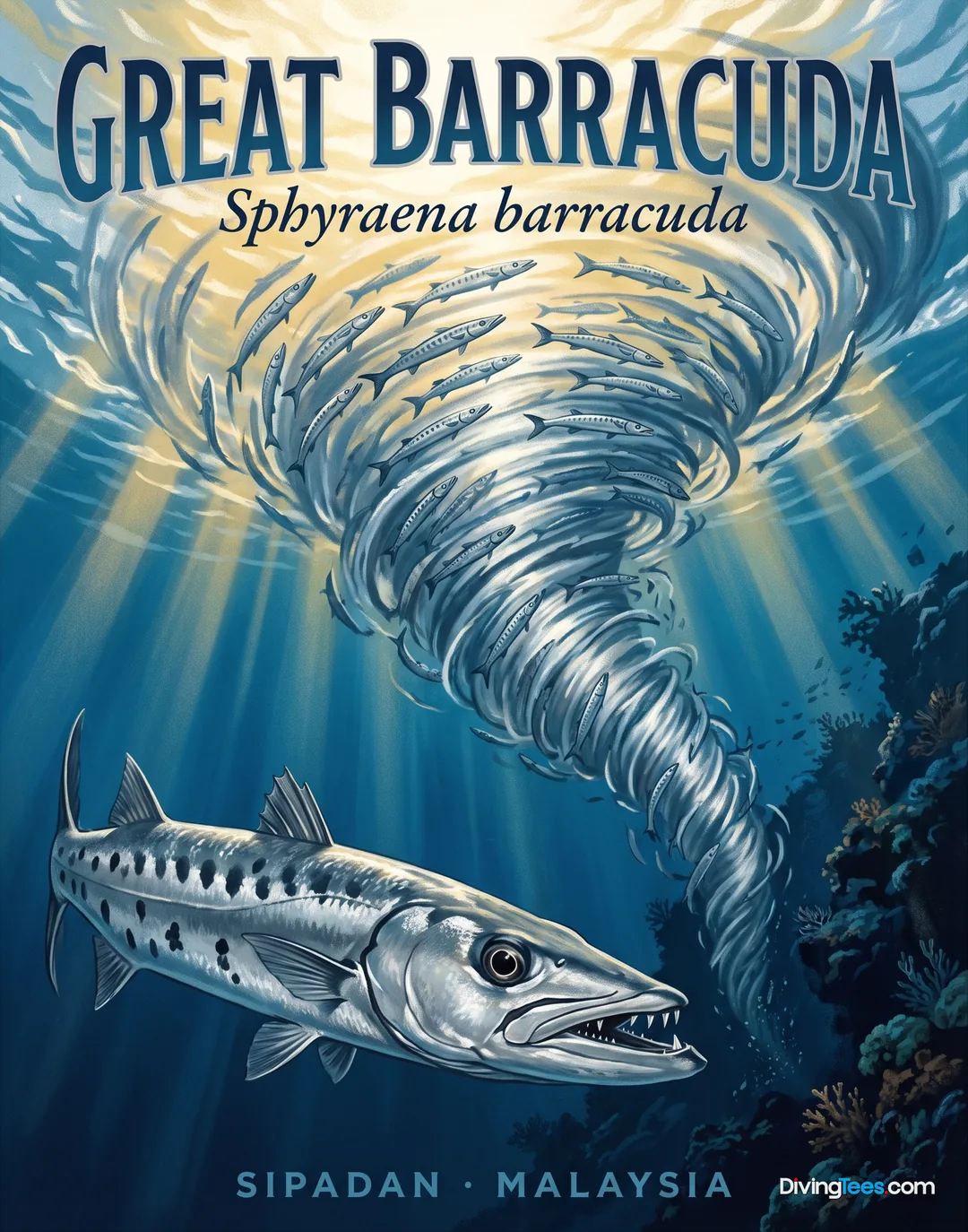
Barracuda Deep is an advanced wall dive facing the South China Sea. Reaching depths of 30 to 40 metres, this coral-rich site is a place to look for barracuda, napoleon wrasse, and eagle rays.
Coral Garden East is a shallower site for all levels, ranging from 5 to 25 metres. It consists of hard coral gardens interspersed with sandy areas, home to various rays, moray eels, and sea turtles.
And some of the dive sites the centre runs.
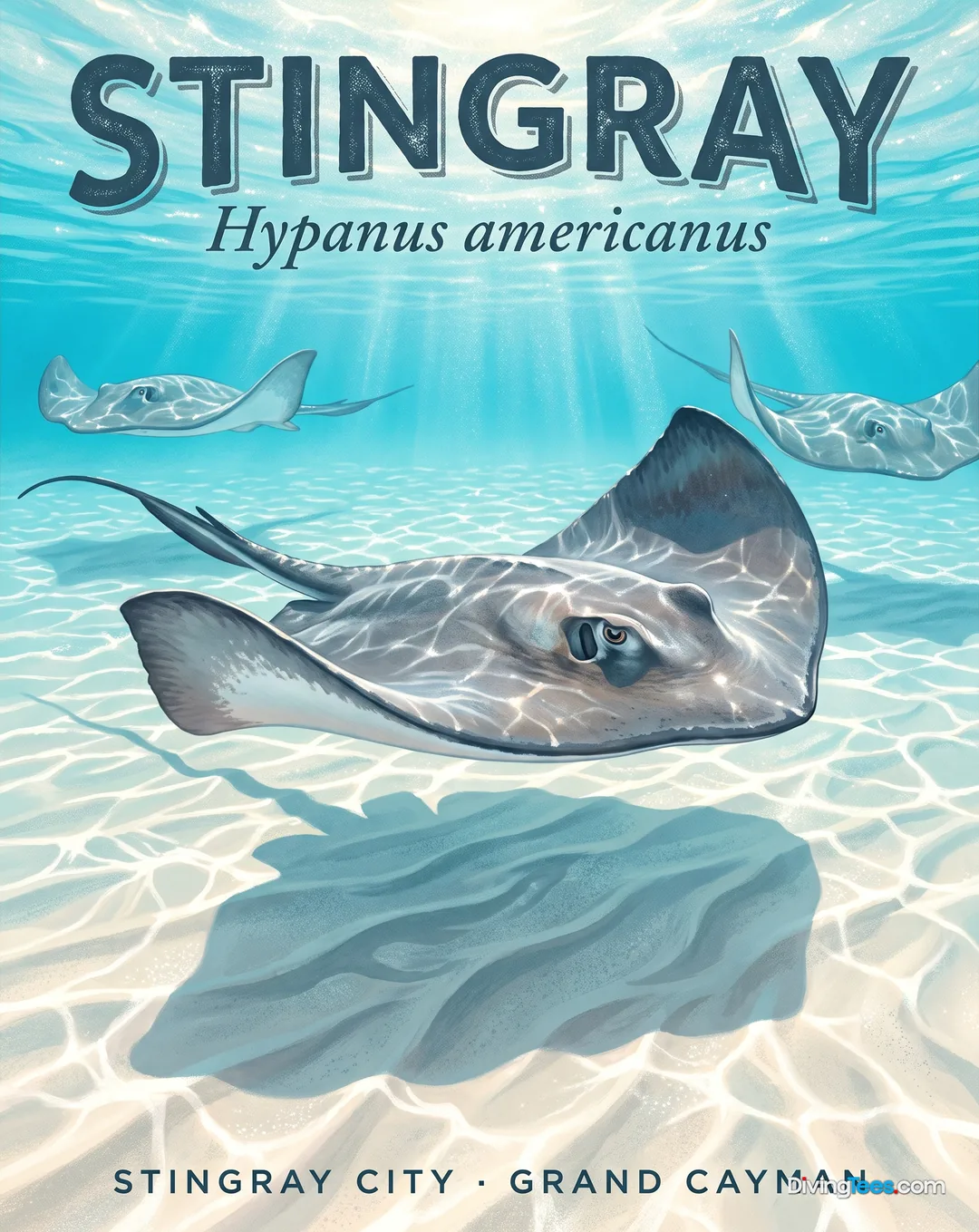
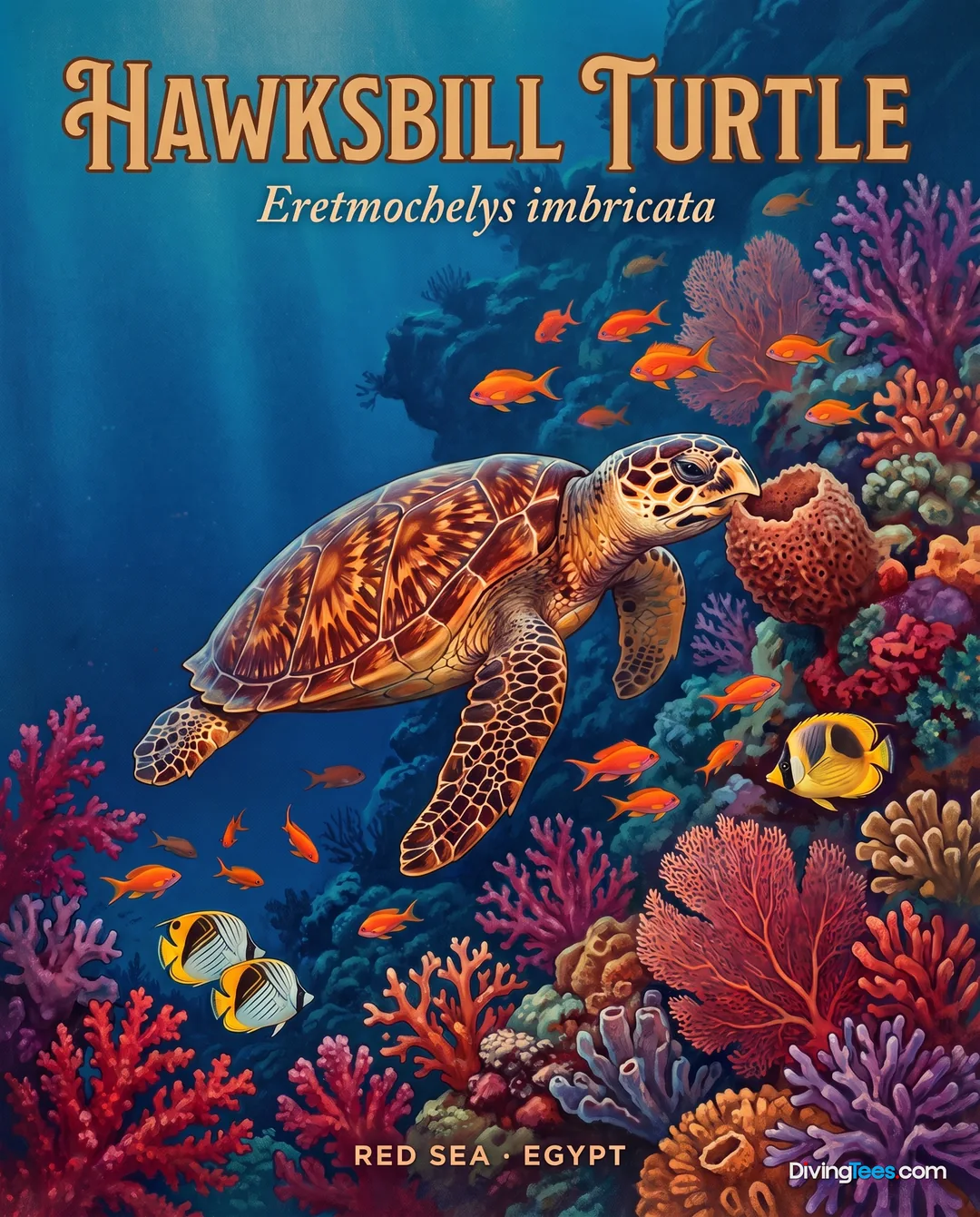
The local reefs are home to a diverse array of marine life, including sea turtles, rays, and various reef fish. You will frequently encounter schools of fusiliers, surgeonfish, and triggerfish moving across the reef flat.
On the deeper walls and around Apo Reef, larger pelagics are a highlight. Look out for barracuda, napoleon wrasse, and various shark species, including grey sharks and white tip sharks. Eagle rays and carangues are also known to patrol these waters.
Macro life and smaller residents include various species of shrimp, moray eels, and sand eels. The reef structure also provides habitats for many species of eels and crustaceans.
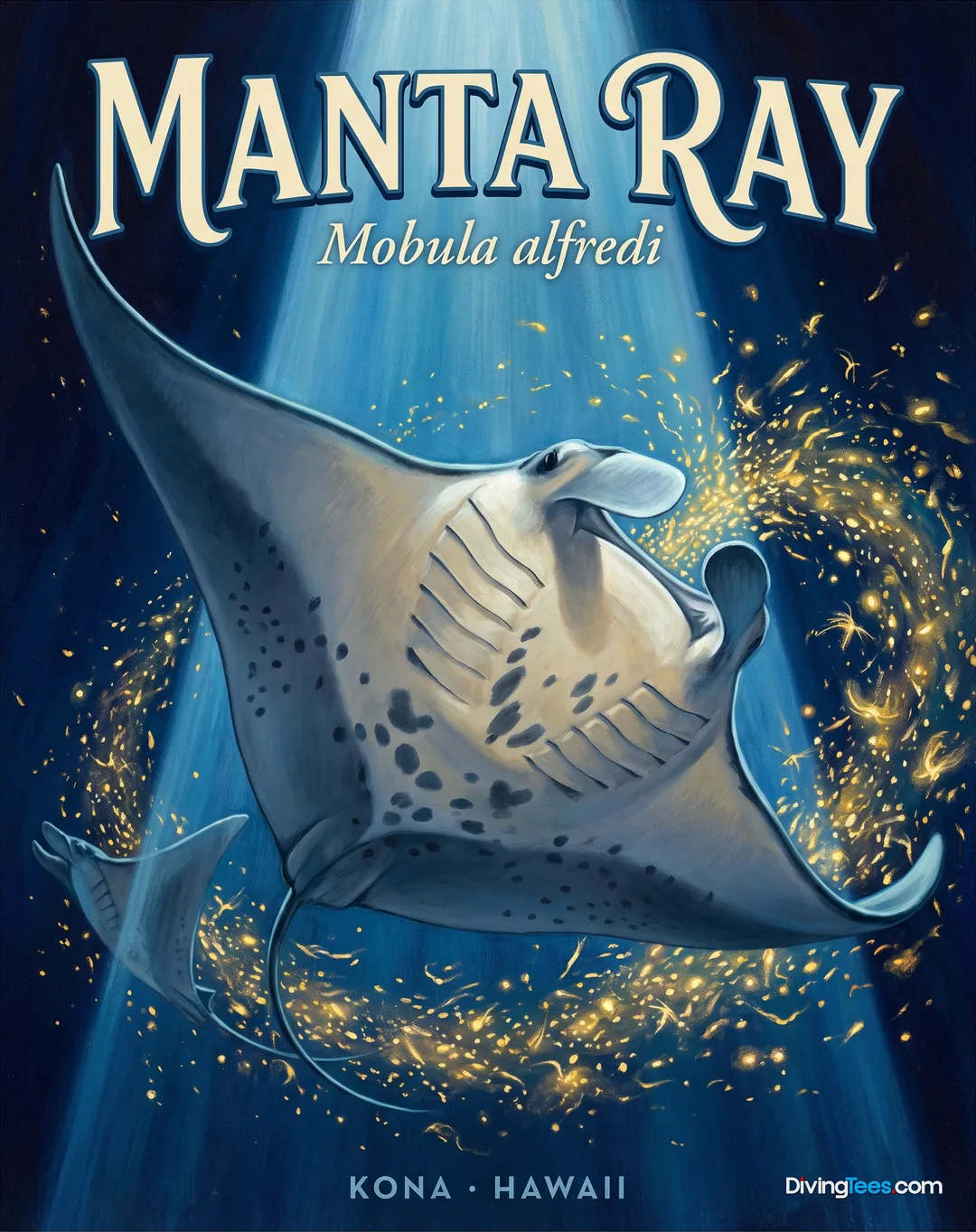
During certain periods, hammerhead sharks and manta rays have been recorded in the area. Occasional sightings of whale sharks also occur, though these are not guaranteed.
The best time to visit is during the dry season from December to June. During this period, the conditions are generally most favourable for diving.
Between July and October, the region enters the rainy and typhoon season, which can impact accessibility and conditions. At Apo Reef, currents can be unpredictable, so divers should be prepared for varying water movement.
Hello, I'm Marina, DivingDeal.com's AI assistant. I answer in detail about hotels, dive centres and liveaboards.

Thinking about the whole trip and the flights? Talk it over with Edith →
Marina is an AI. Some links are affiliate links: DivingDeal may earn a commission, at no extra cost to you. Bookings are made with the partner.