Liveaboards · Thailand
Pawara — a purpose-built Thai liveaboard for serious diving
What makes this boat unique
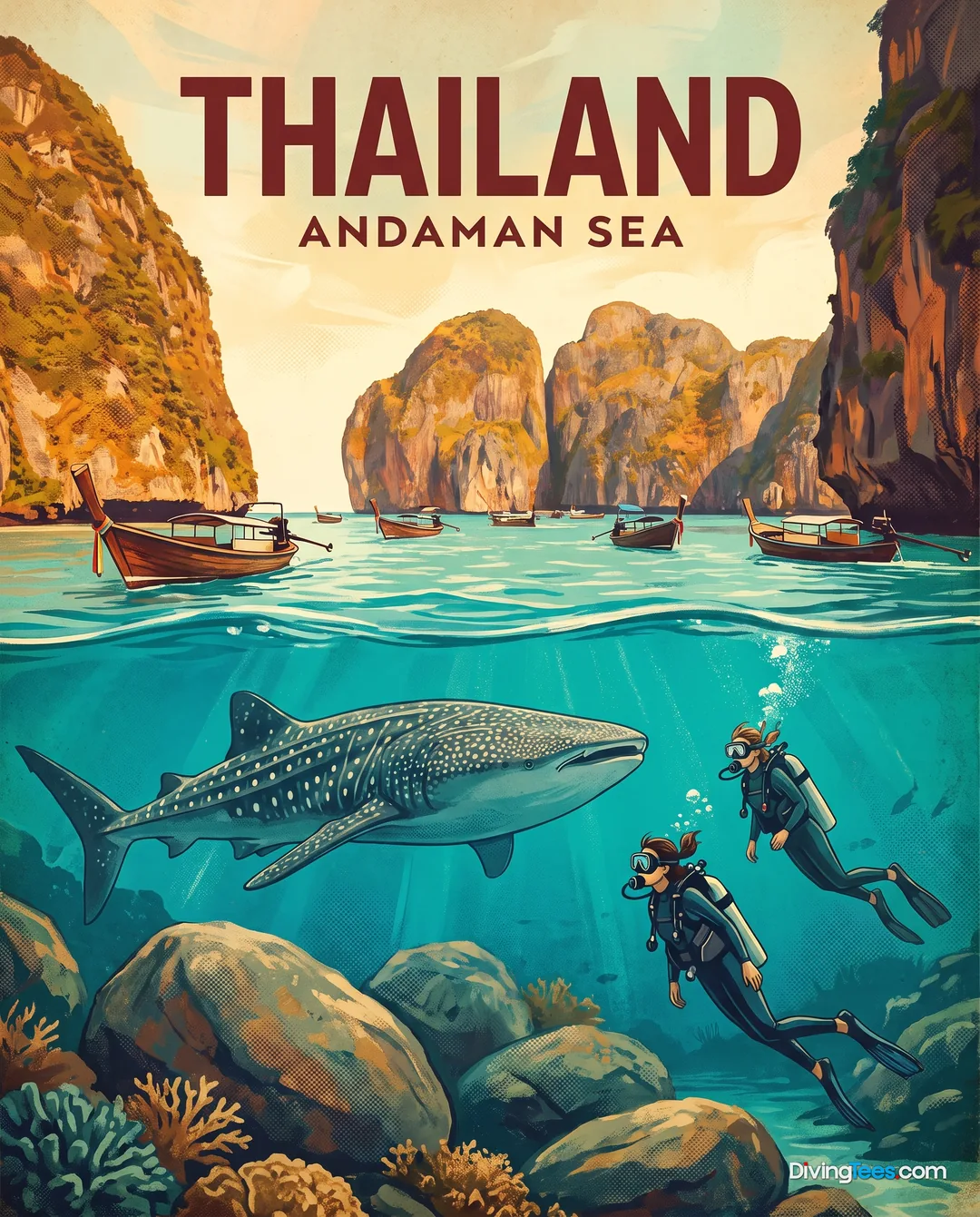
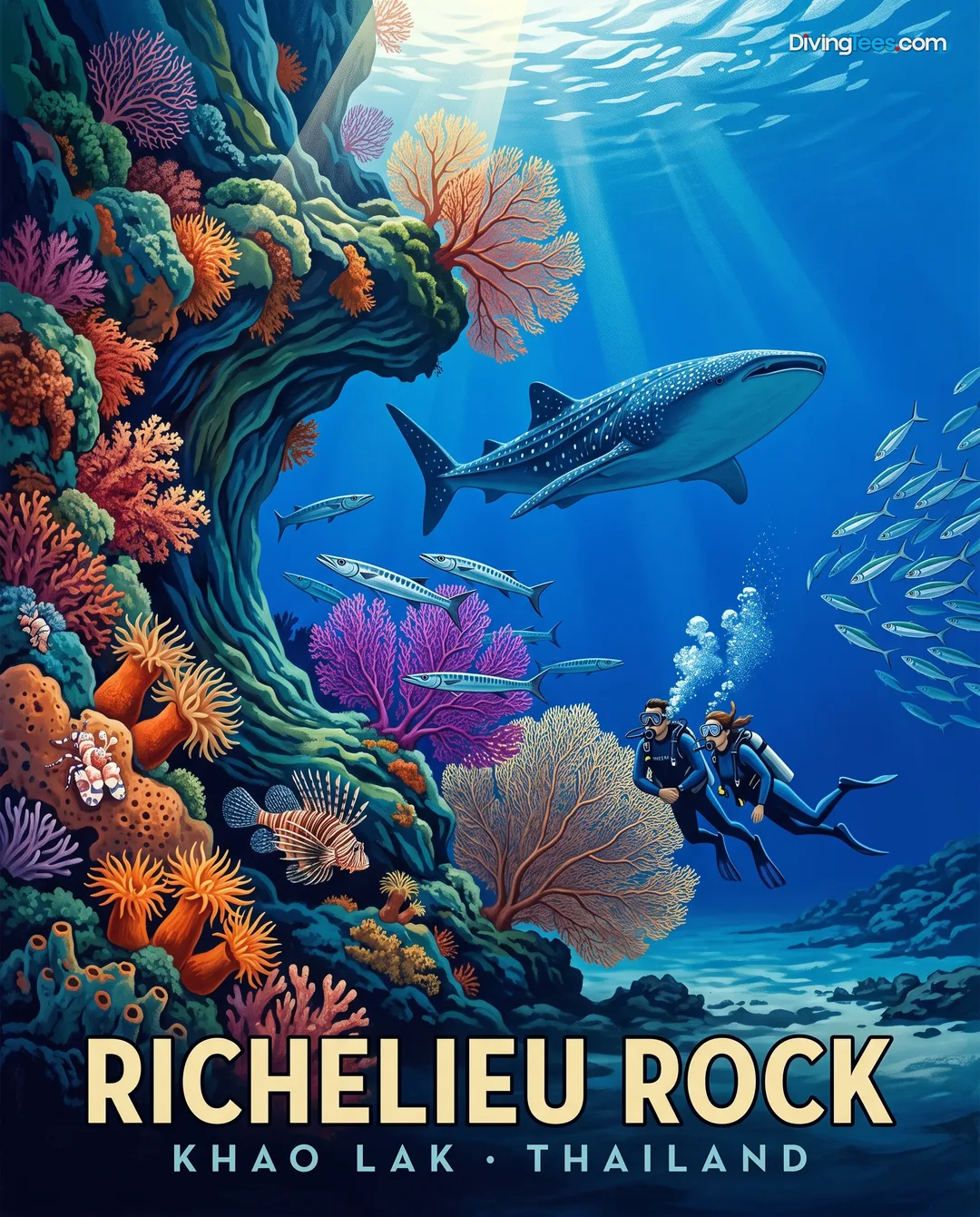
- Pawara runs five-day, four-night cruises from Thap Lamu Pier through the Similan Islands, Koh Bon, Koh Tachai and Richelieu Rock.
- The boat carries up to 24 passengers in 13 air-conditioned cabins, each with a private bathroom.
- Qualified divers receive nitrox at no extra charge, with DIN adaptors, shaded dive space, rinse tanks and a dive platform.
- The route is built around granite pinnacles, coral gardens, cleaning stations and wrecks, with possible manta ray and whale shark encounters.
- Thai, English, French, Japanese, Spanish and Portuguese are spoken on board.
For subtitles in English: start the video firstthen click the gearat the top right of the video, select “Subtitles/CC”, then “Auto-translate” and choose “English”.
The invitation
Pawara is for divers who want the Andaman Sea to stay at the centre of the trip. The boat is specially designed for diving, and its five-day, four-night route links the Similan Islands, Koh Bon, Koh Tachai and Richelieu Rock from Thap Lamu Pier. That puts granite formations, coral reefs, walls, cleaning stations and wrecks ahead of decorative cruising. The strongest reason to choose this boat is the combination: qualified divers get free nitrox, the diving operation has the equipment needed for repeated entries, and the route reaches sites where manta rays, whale sharks, reef sharks and large schools may pass. Non-divers and snorkellers can come too, but the boat's character is clear. Pawara is a base for getting into the water, eating well between dives and doing it again.
Boarding
Pawara makes the impression of a working dive vessel rather than a floating resort. It was renovated in 2016 and is built around the practical business of moving divers, tenders and equipment between Thailand's offshore sites. The layout places the cabins on the upper and lower decks, with the cabins grouped amidships, while the dive operation has its own platform and shaded working area. Fourteen? No: the boat carries up to 24 passengers, so it is large enough to host a full group without pretending to be intimate. Once aboard, the useful spaces are easy to identify: the dive deck, the indoor air-conditioned lounge and the terrace. The boat reaches its sites at cruising speeds of 8–12 knots, with a maximum speed of 15 knots. Pawara is not chosen for boutique polish. It is chosen because the vessel is organised around the route and the dives.
The atmosphere on board
Pawara's atmosphere is carried by a multilingual local and international crew. English, Thai, French, Japanese, Spanish and Portuguese are spoken, which makes briefings and ordinary life on board easier for a mixed group. The crew's role is most visible in the transitions that matter to divers: getting people from the platform to the tender, keeping meals moving between dives and making the shared areas usable after a day in wet equipment. Evenings have no need for a forced programme. The lounge, terrace, bar and dining area give people places to compare sightings, review photographs or simply stop talking after the last dive. Pawara suits a group that wants capable service and good food without a formal hotel atmosphere. The boat's strongest identity is not luxury; it is a crew-led diving routine with enough shared space to make a full passenger load workable.
The sites you’ll dive
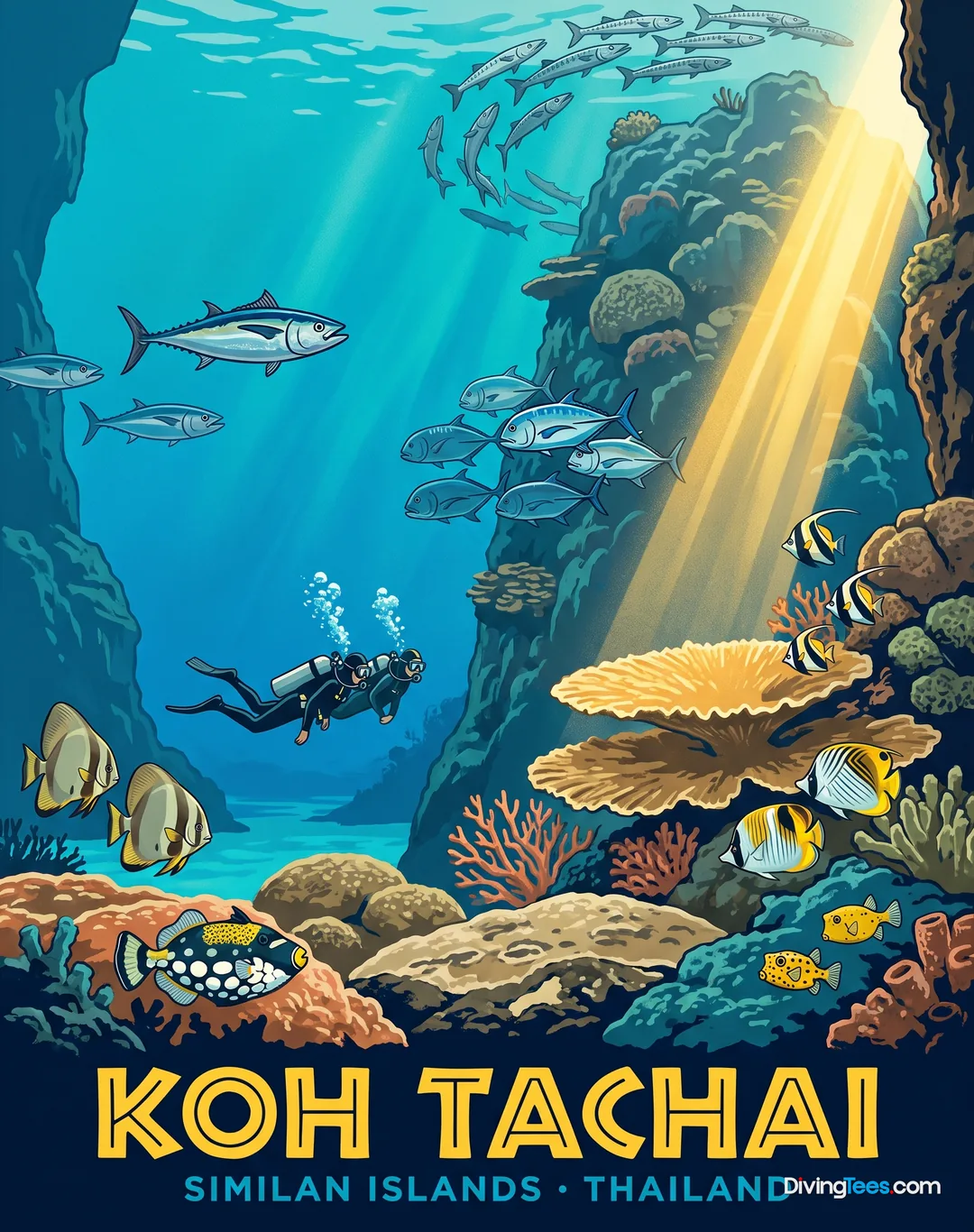
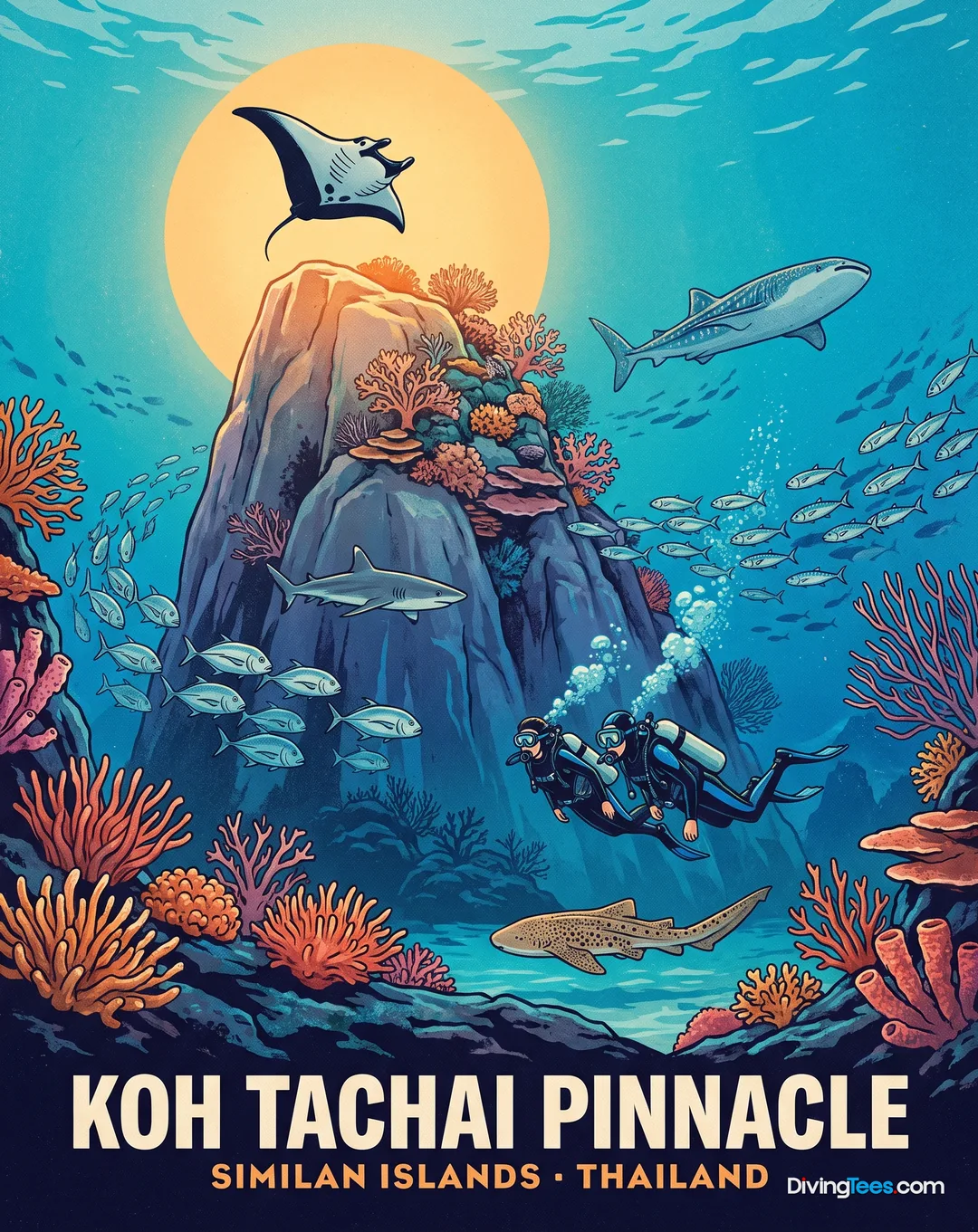
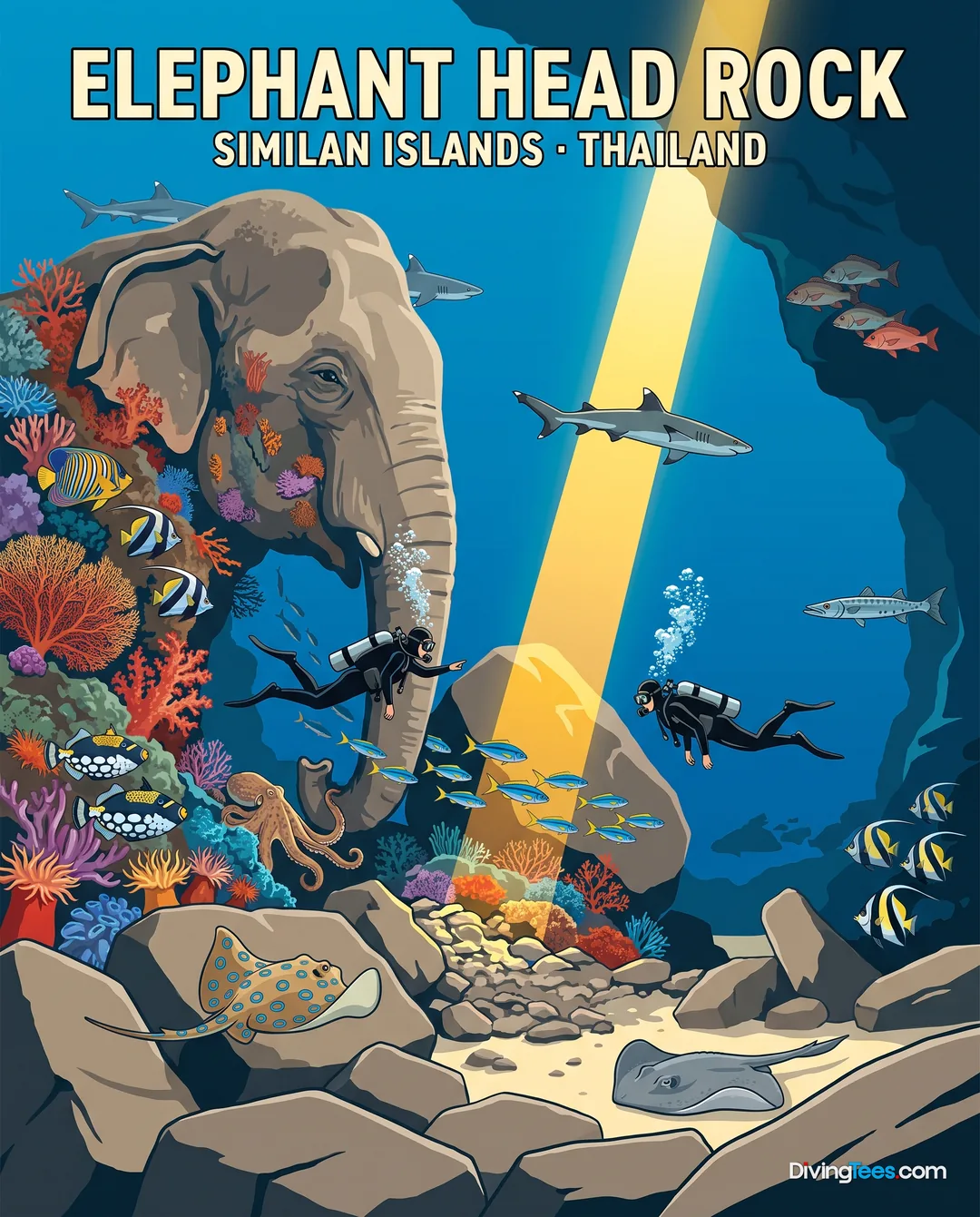
The five-day, four-night route leaves Thap Lamu Pier and returns there, linking the Similan Islands, Koh Bon, Koh Tachai and Richelieu Rock. Koh Bon is the cleaning-station dive: walls where manta rays may arrive, with whale sharks, eagle rays, tuna and reef life in the surrounding water. The Similan Islands reach a maximum of -40m, changing from coral reef to granite boulders and pelagic water. Koh Tachai and Koh Tachai Pinnacle both reach -40m, with submerged pinnacles, coral gardens, barracuda and passing manta rays or reef sharks. Elephant Head Rock is the deepest listed site at -60m, a maze of arches, tunnels and caverns with reef sharks and schooling fish. The wrecks offer a different kind of dive: Boonsung Wreck reaches -18m and is dense with fish, while King Cruiser Wreck reaches -35m around its 85-metre twin-hulled ferry structure. Surin Islands reach -25m, with hard-coral gardens and granite outcrops. Other listed sites include Christmas Point (-40m), Anita's Reef (-35m), Deep Six (-50m), Shark Fin Reef (-40m), Breakfast Bend (-35m) and West of Eden (-40m), each adding its own balance of boulders, walls, reef and macro life.
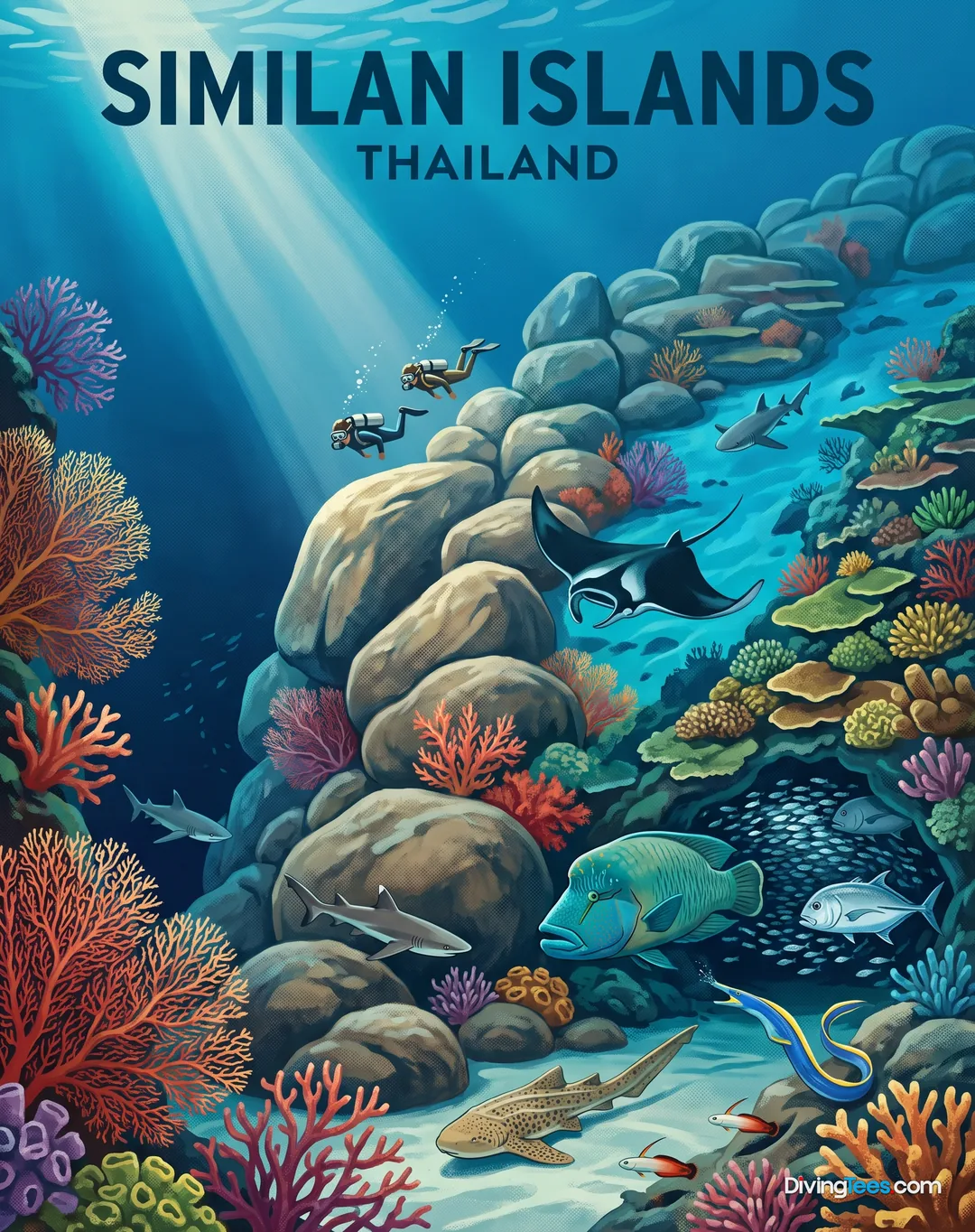
Similan Islands →
Max. depth · 40 m
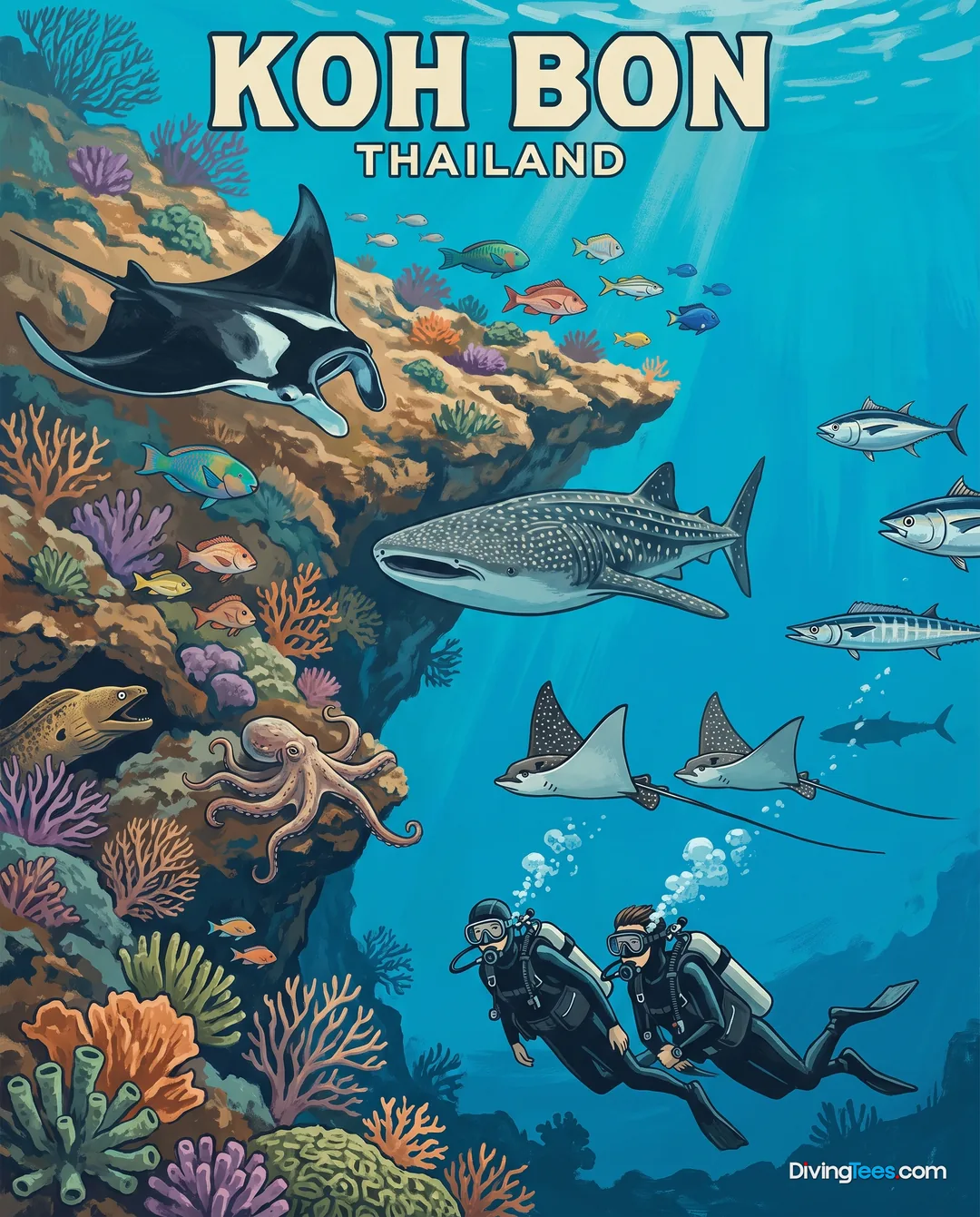
Koh Bon →
Koh Tachai →
Max. depth · 40 m
Richelieu Rock →
Max. depth · 35 m
Koh Tachai Pinnacle →
Max. depth · 40 m
Elephant Head Rock →
Max. depth · 60 m
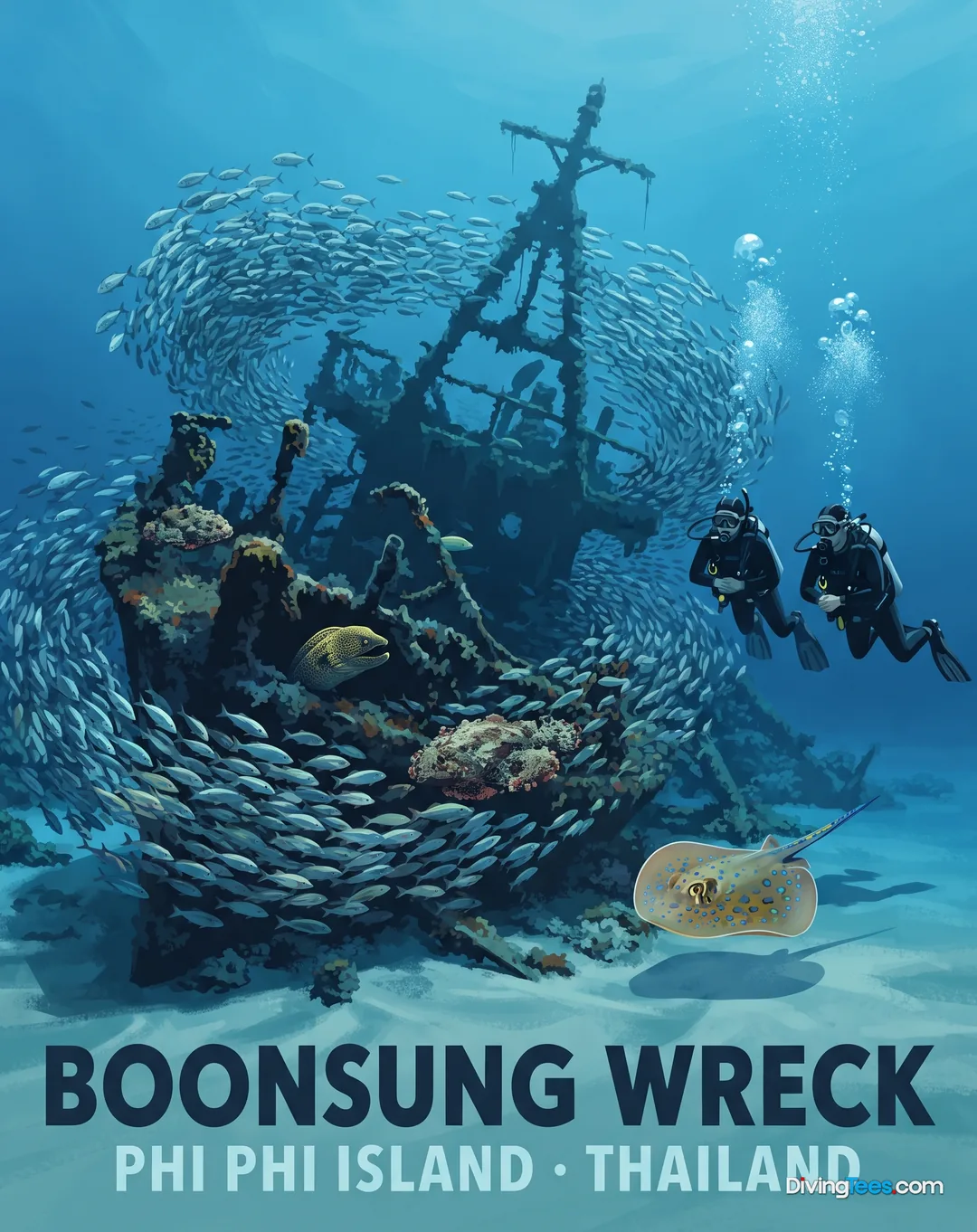
Boonsung Wreck →
Max. depth · 18 m
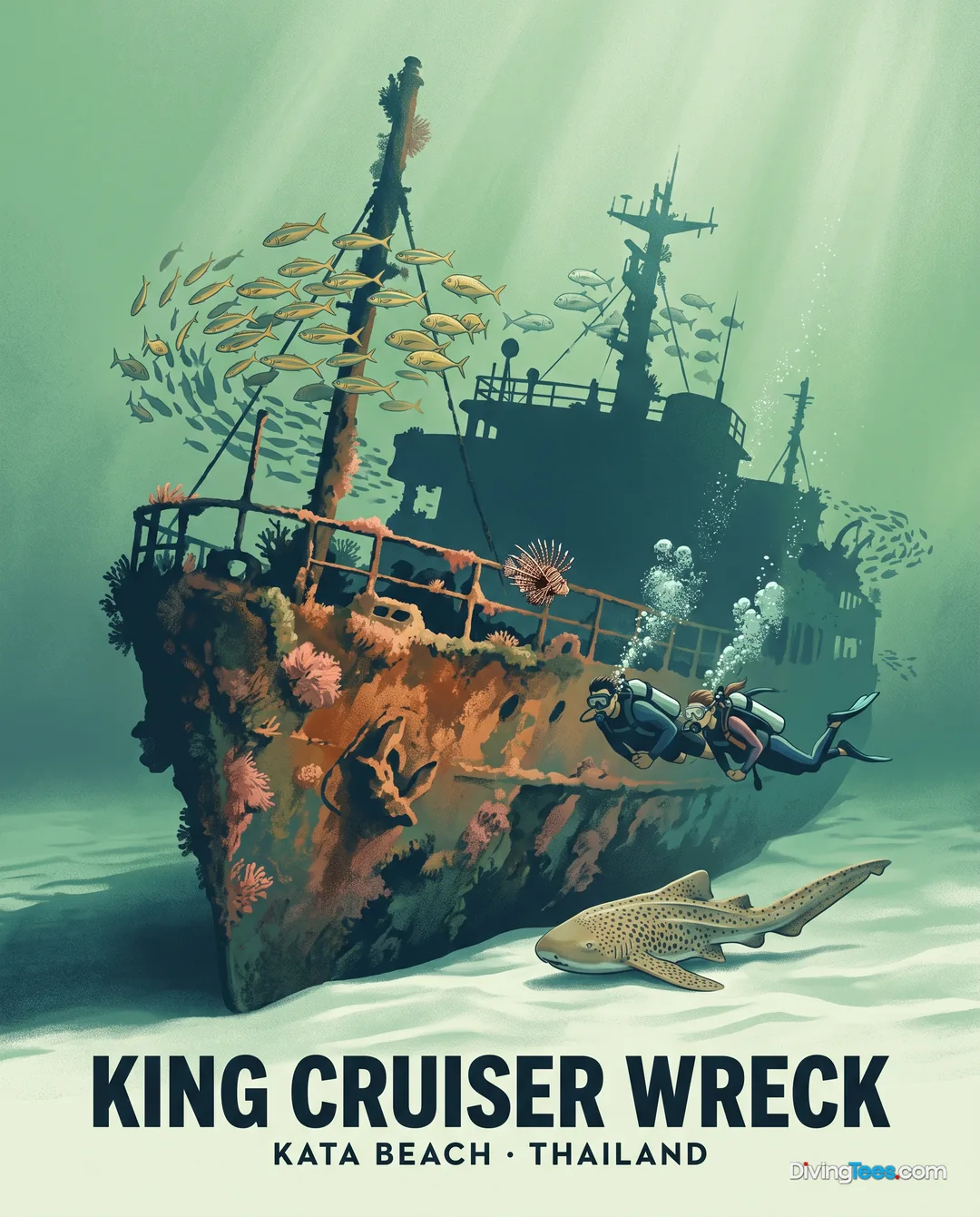
King Cruiser Wreck →
Max. depth · 35 m
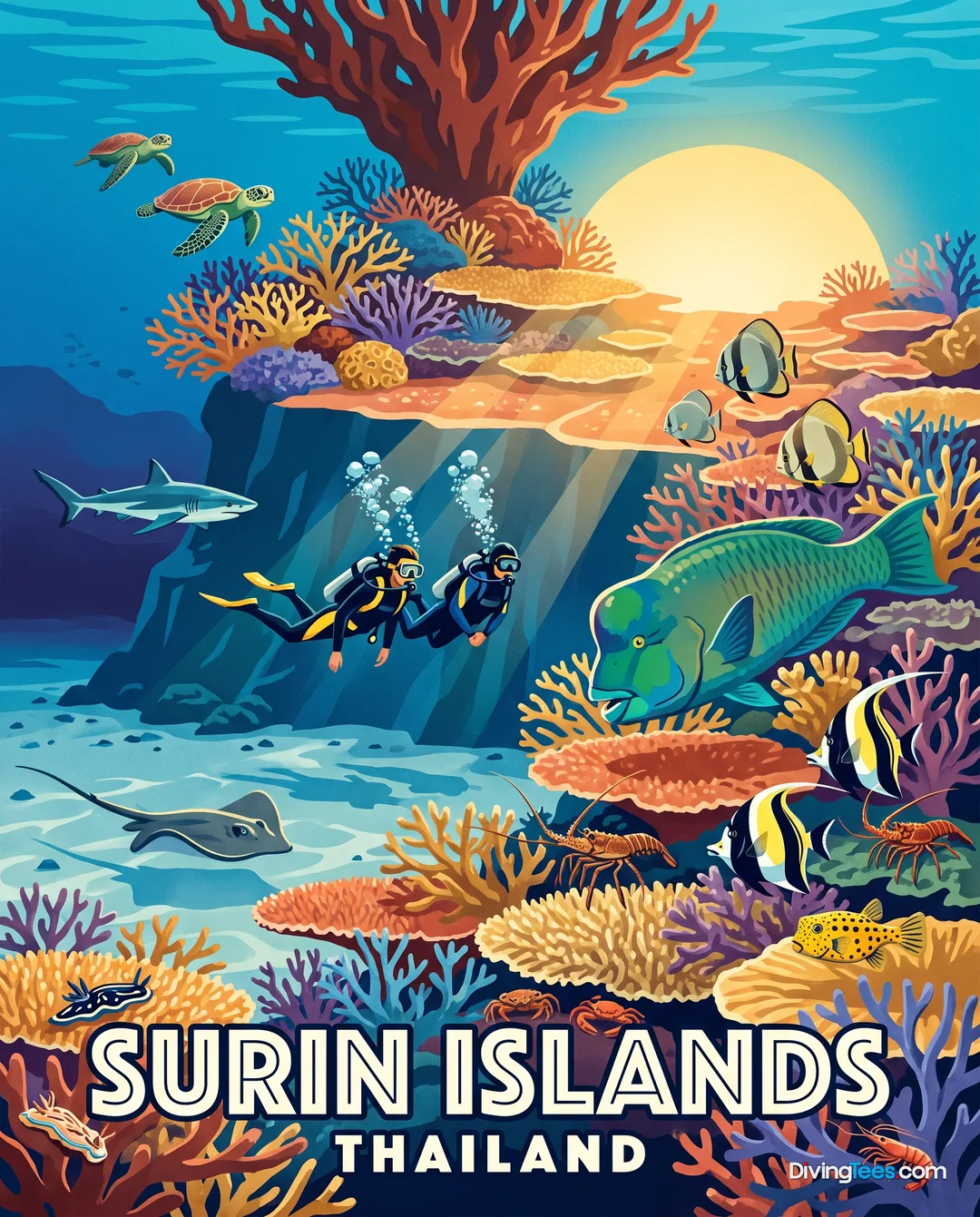
Surin Islands →
Max. depth · 25 m
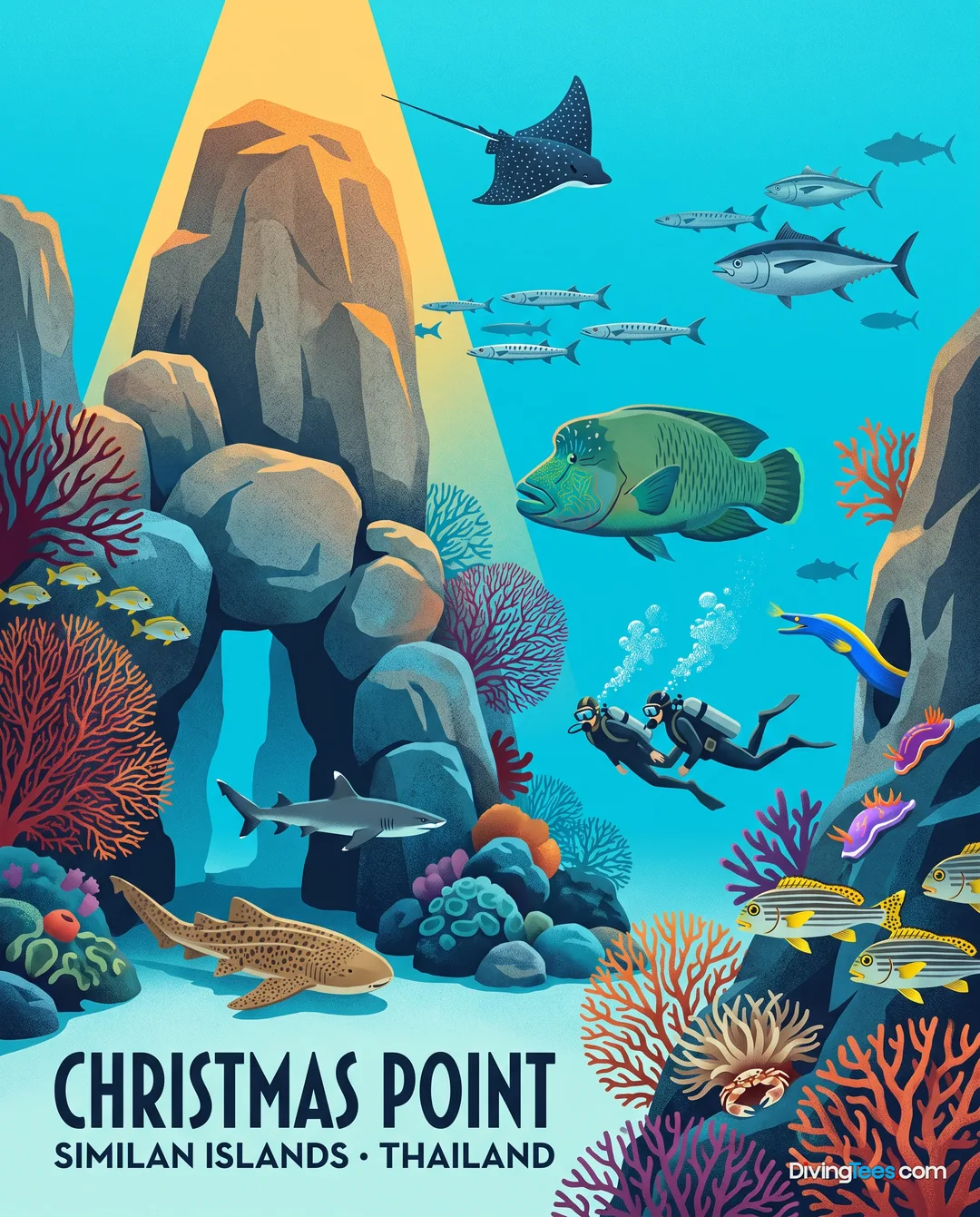
Christmas Point →
Max. depth · 40 m
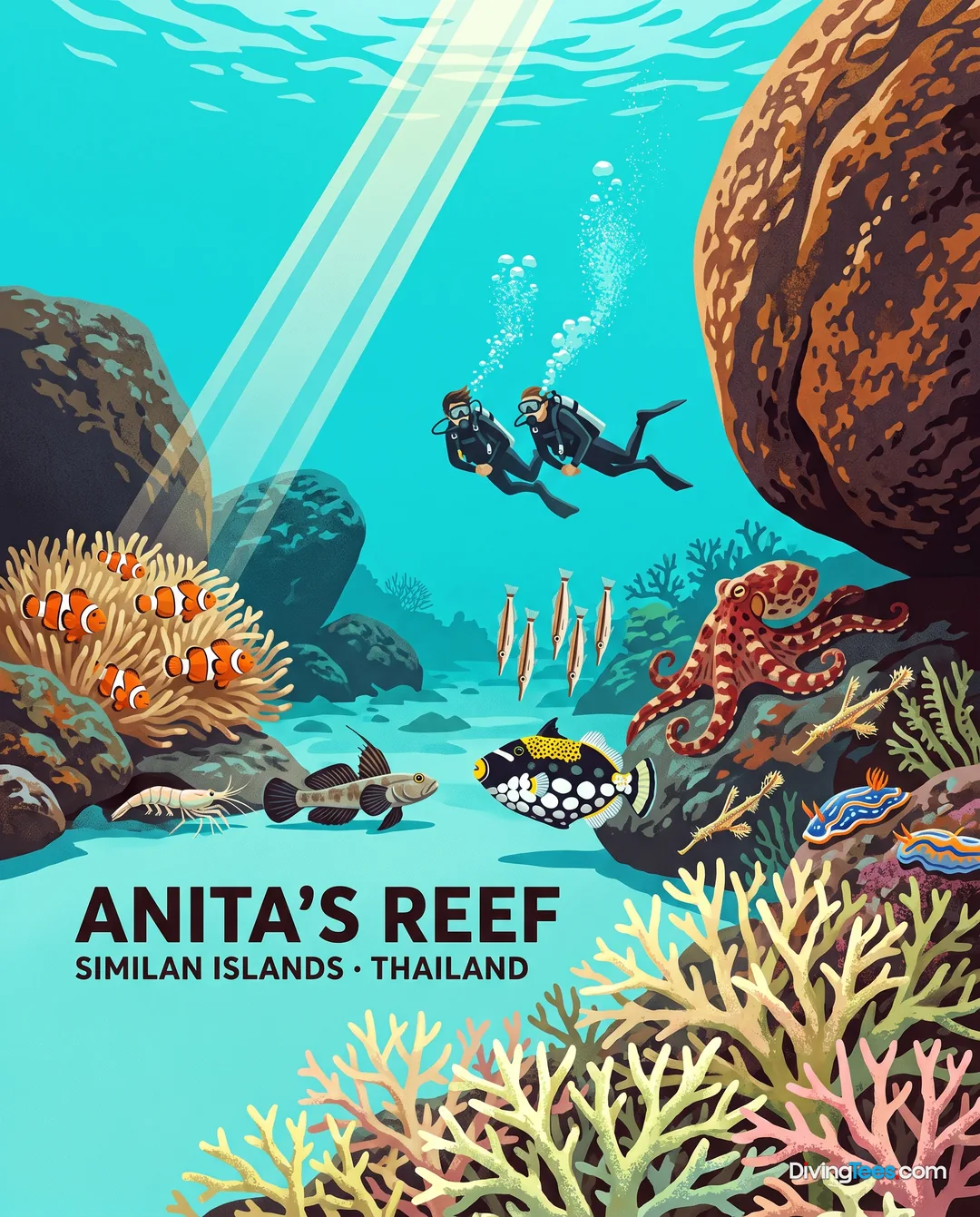
Anita's Reef →
Max. depth · 35 m
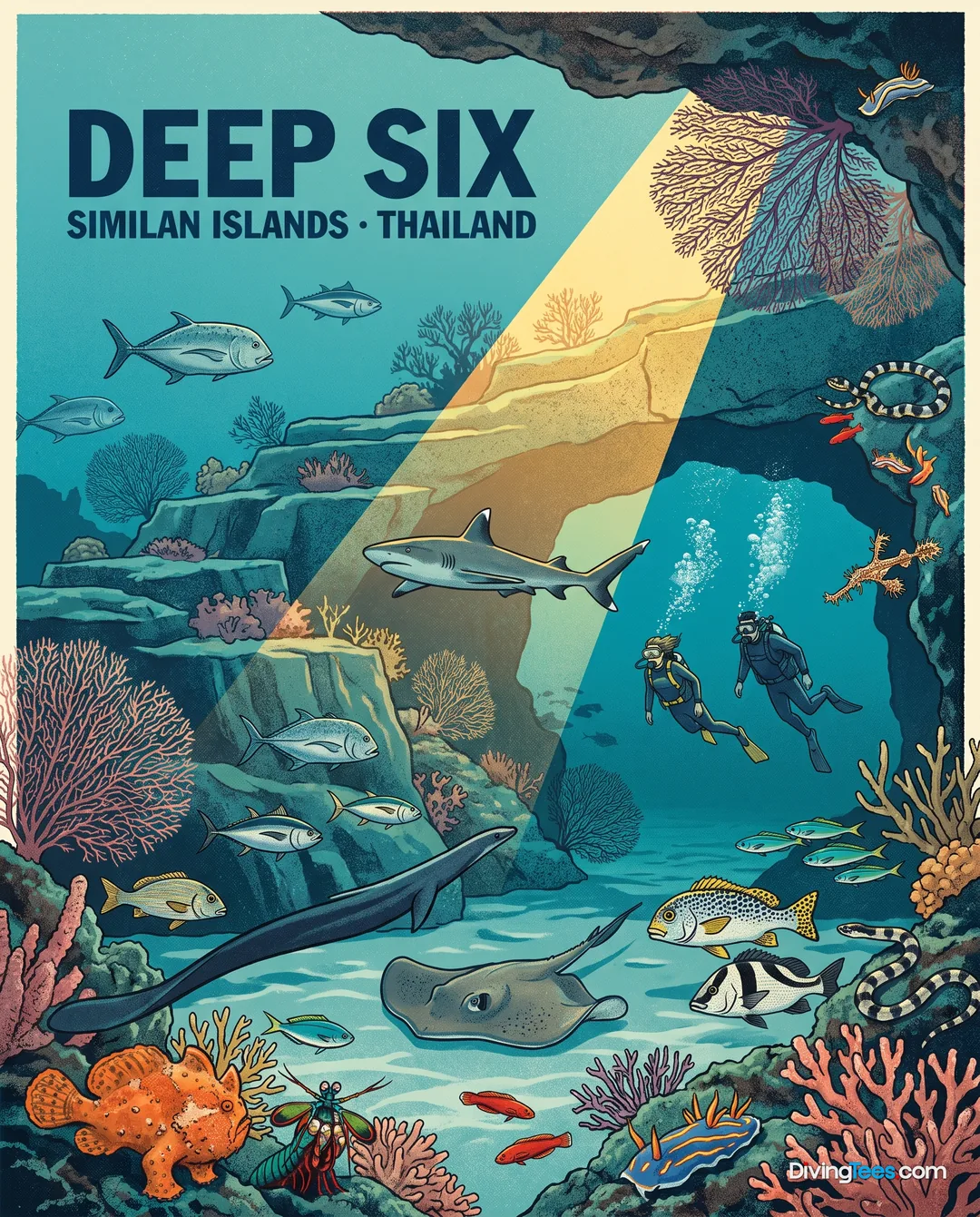
Deep Six →
Max. depth · 50 m
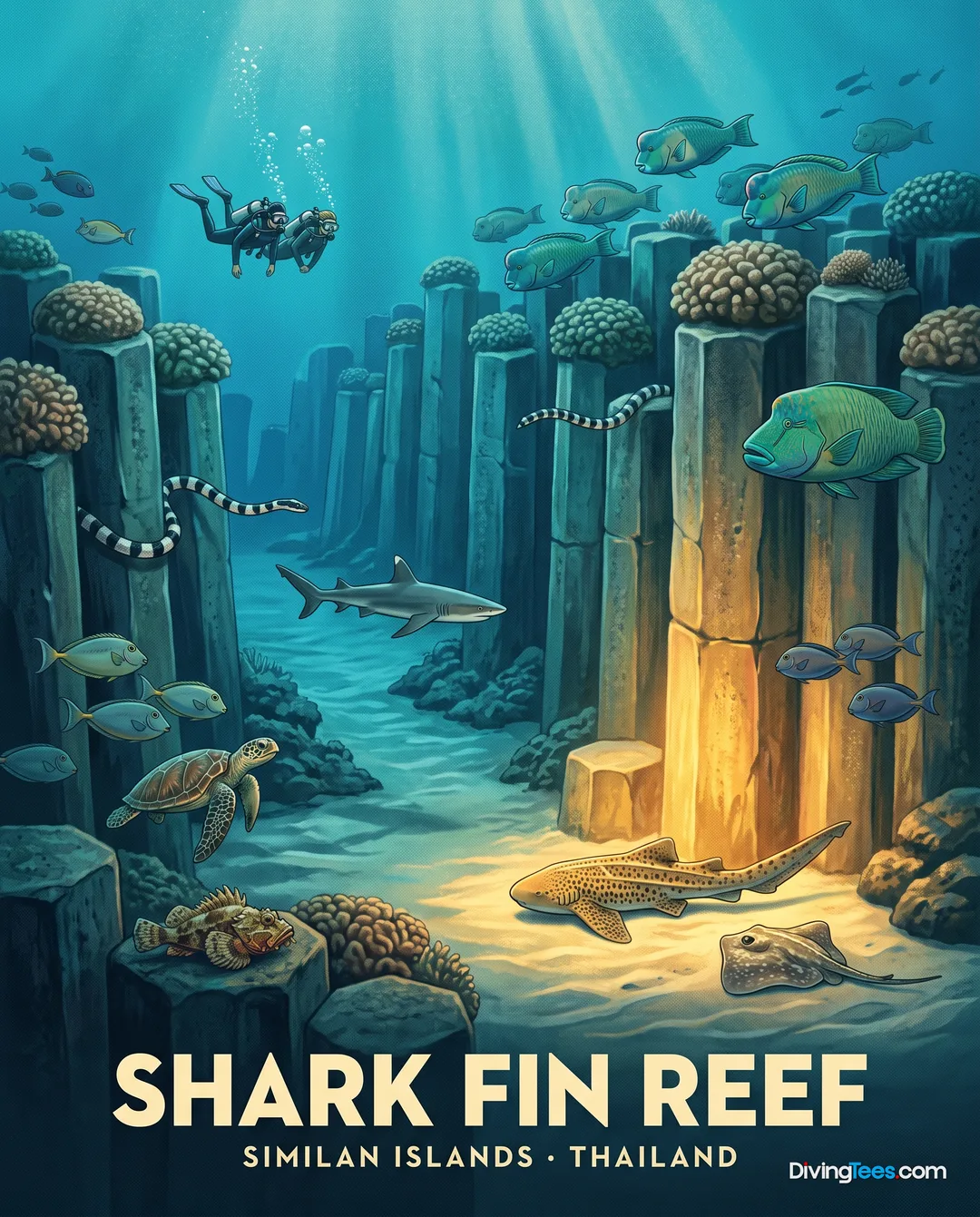
Shark Fin Reef →
Max. depth · 40 m
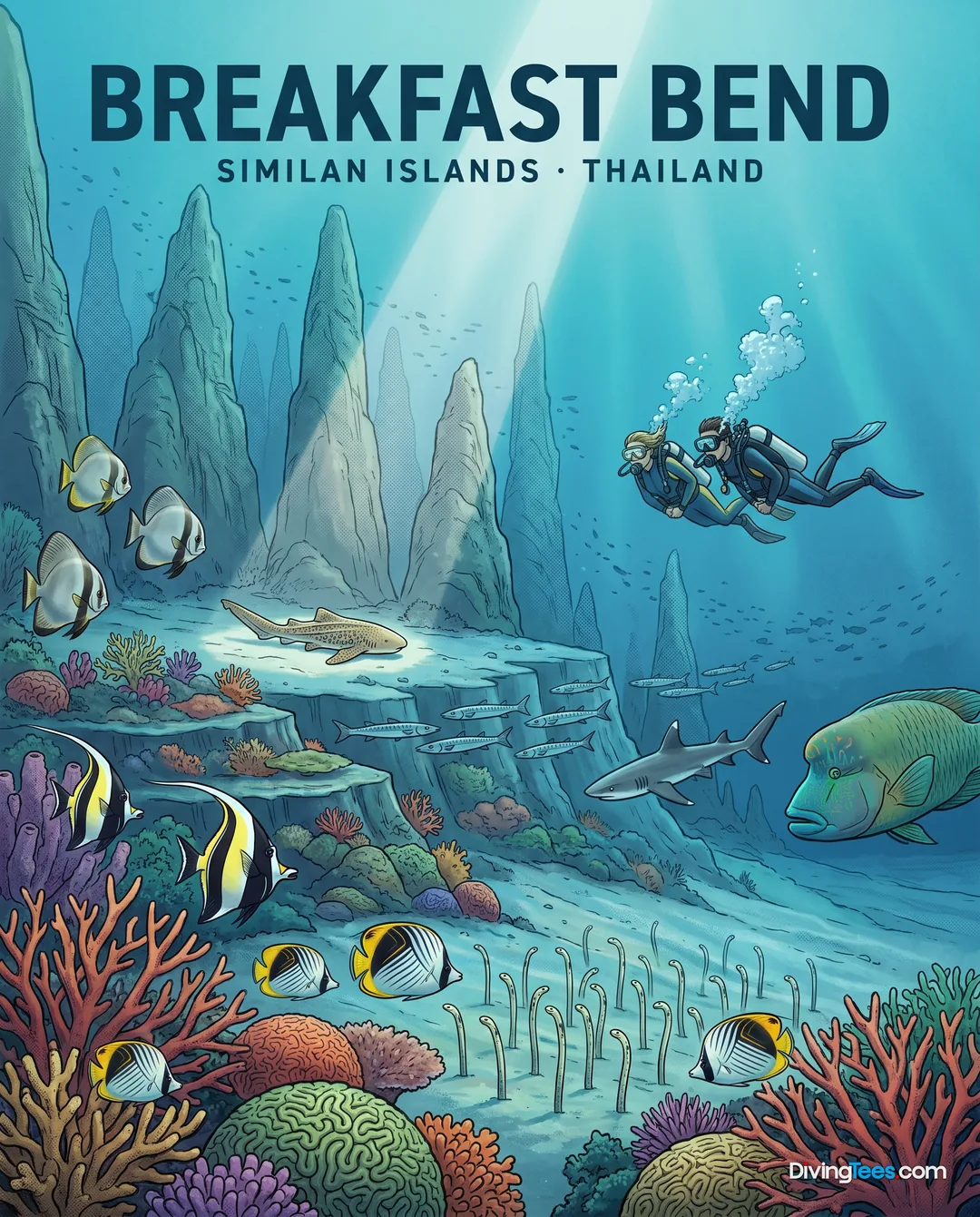
Breakfast Bend →
Max. depth · 35 m
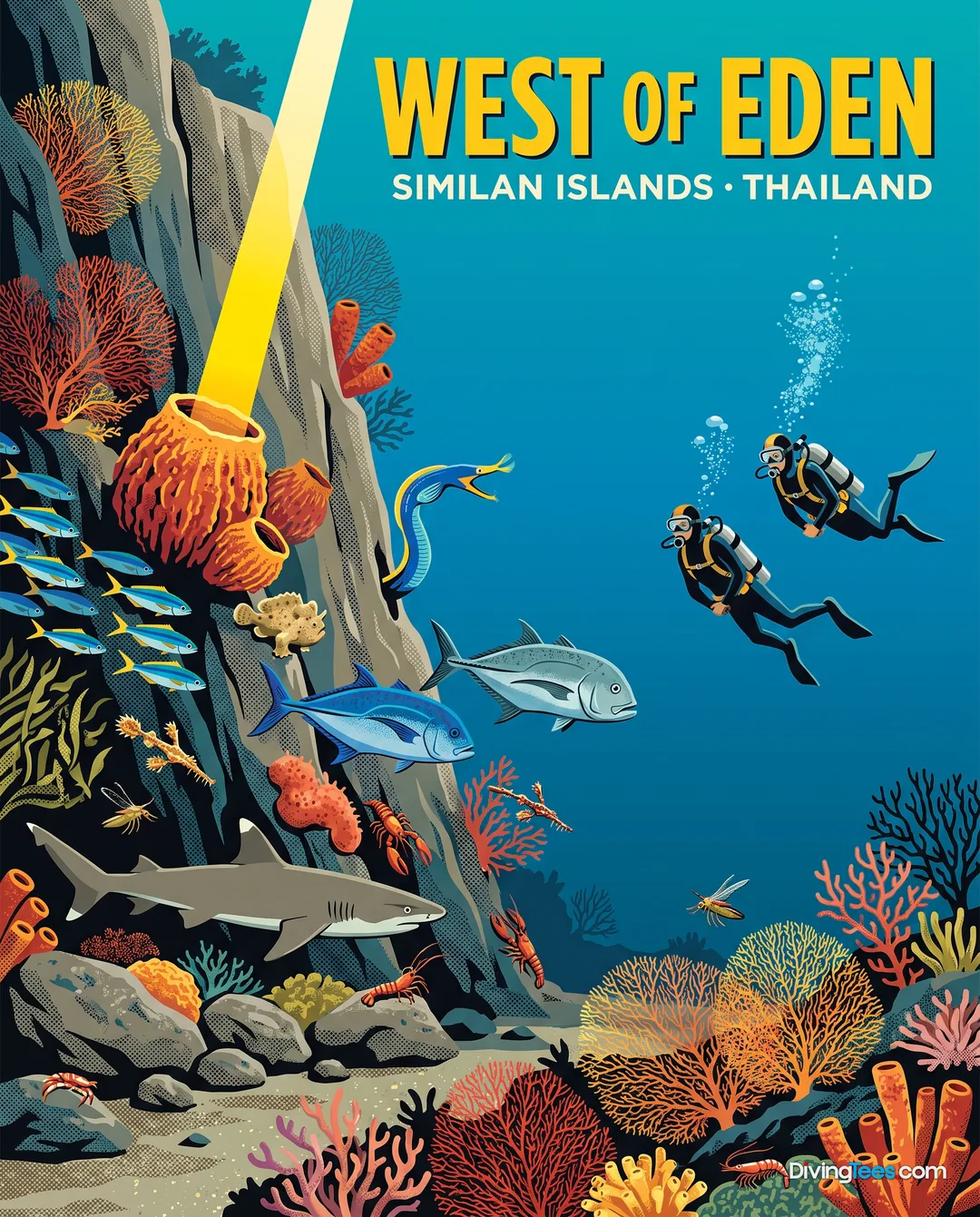
West of Eden →
Max. depth · 40 m
What you’ll meet underwater
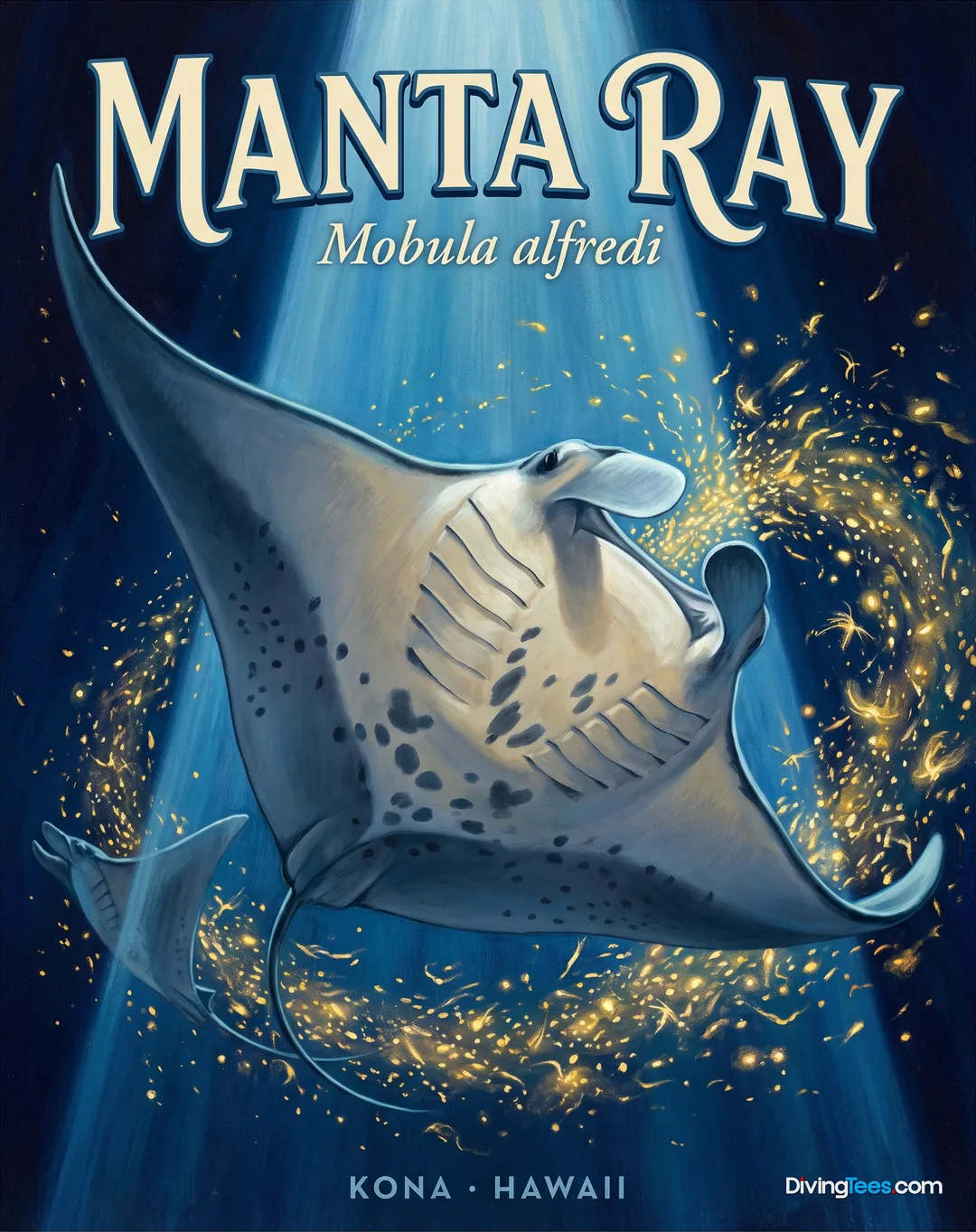
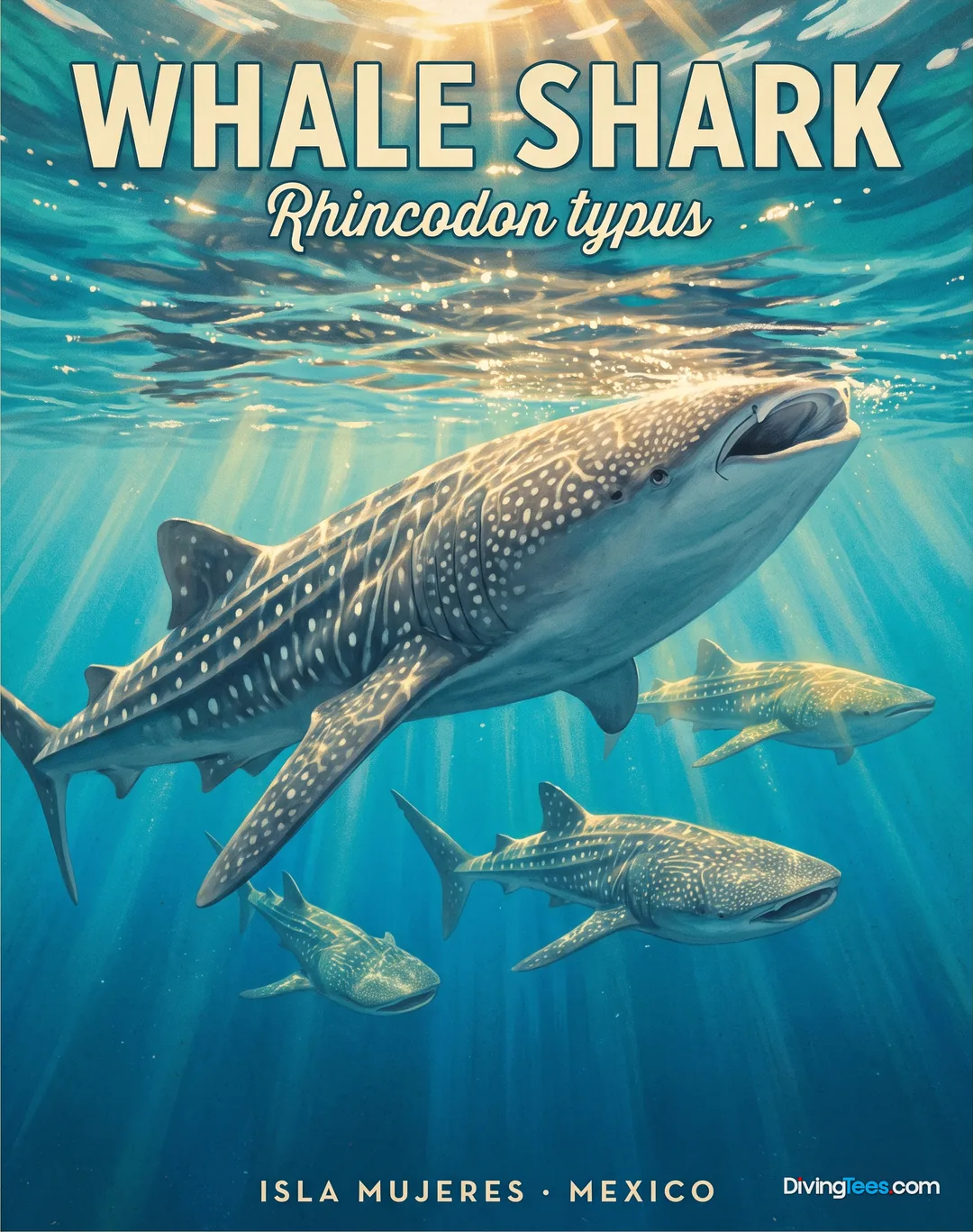
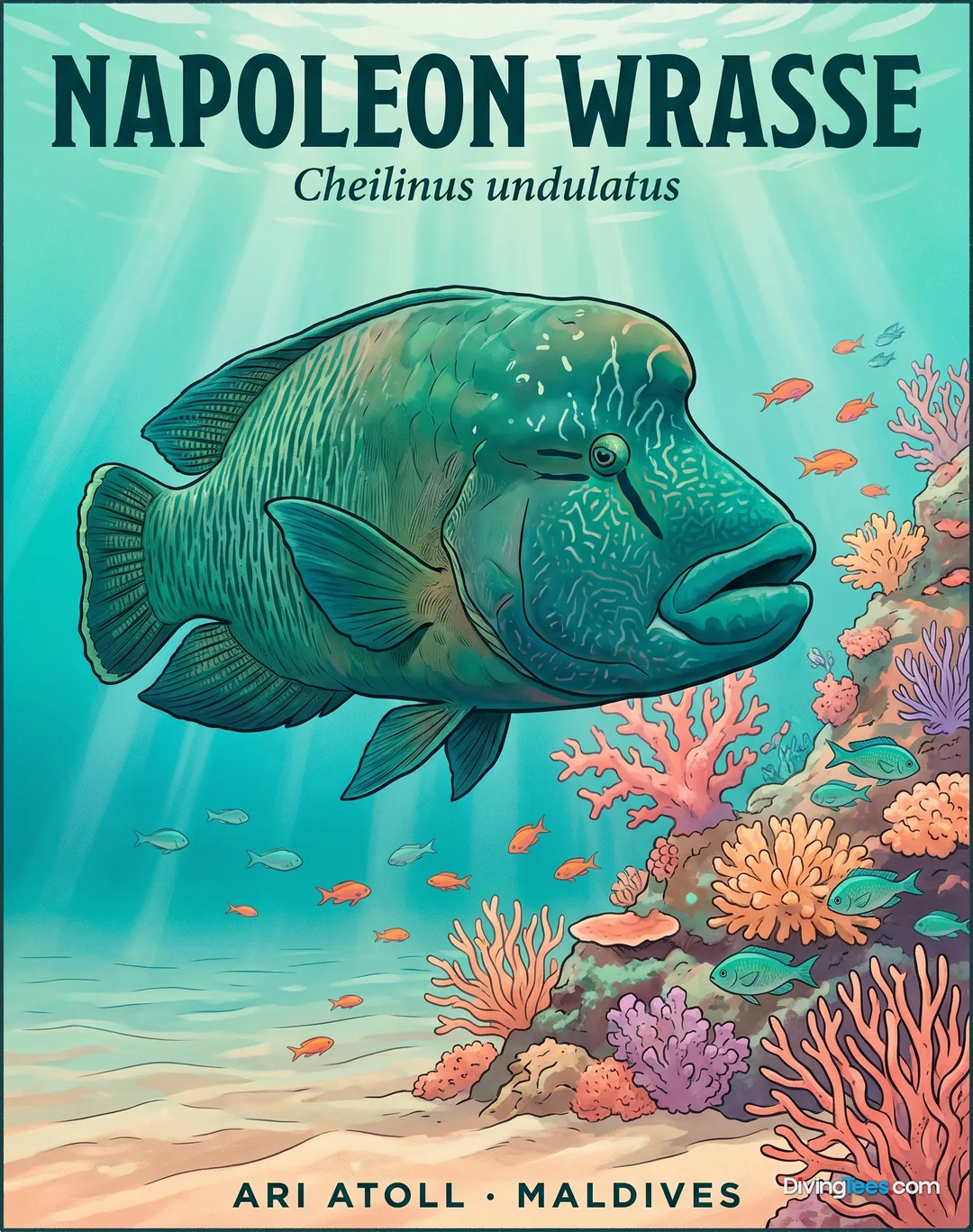
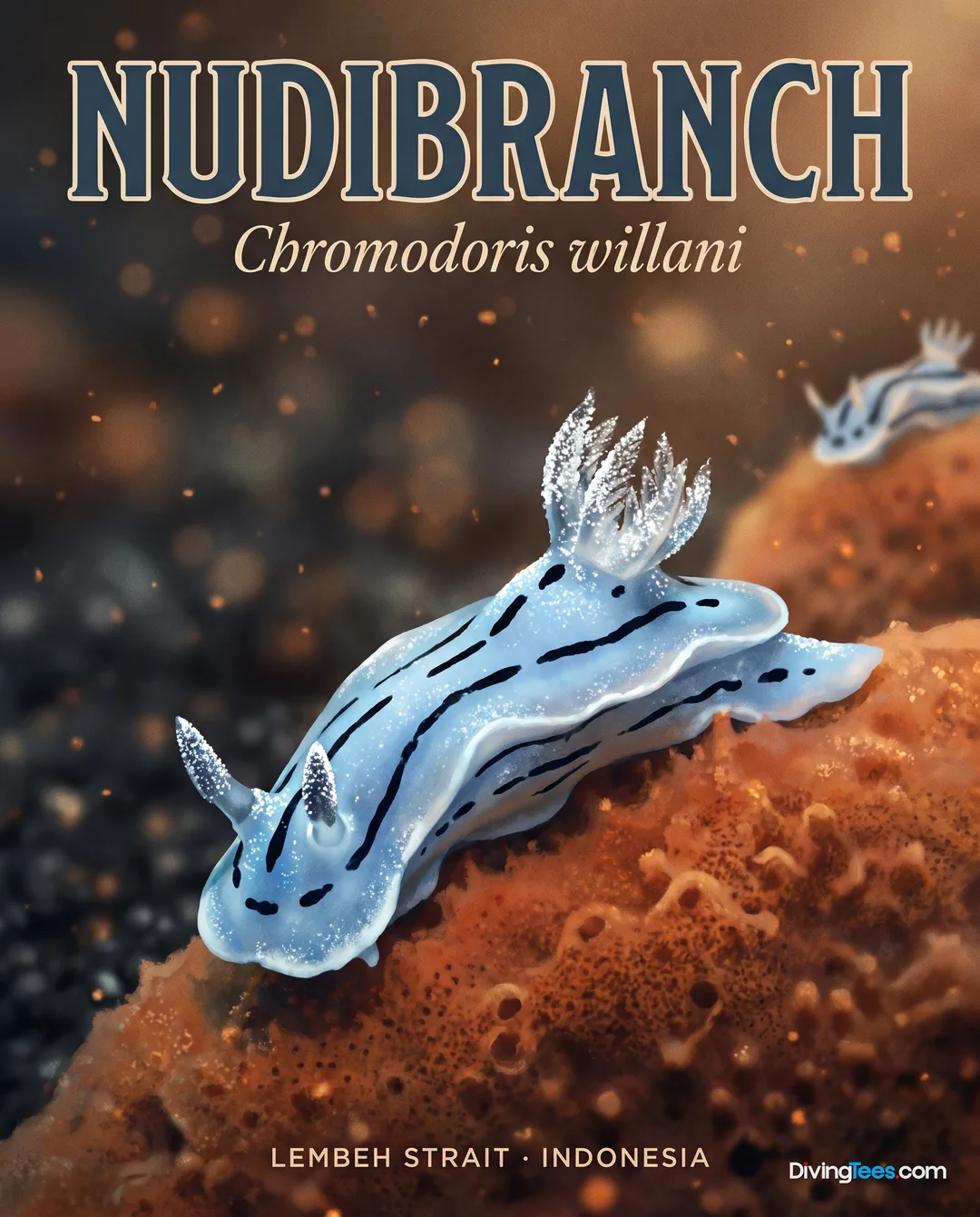
The route is built for large animals without losing the small detail. Reef sharks and white-tip reef sharks are recorded across ten sites; barracuda, leopard sharks and tuna appear across nine, while Napoleon wrasse and sea turtles are recorded across eight. Carangids and nudibranchs are especially widespread, and whale sharks are recorded at seven sites. Koh Bon gives the clearest reason to watch the blue water: its cleaning station can draw manta rays, with whale sharks and other pelagics possible nearby. The pinnacles at Koh Tachai and Koh Tachai Pinnacle create current-swept water where barracuda, trevally, reef sharks and manta rays may pass. At the wrecks, the spectacle changes. Boonsung Wreck holds dense schools and is the specific site for stonefish and porcupinefish, while King Cruiser Wreck is the only listed site for eels and bamboo sharks. Breakfast Bend is the place for garden eels, bannerfish and damselfish; Christmas Point is the only listed site for anemones and the recorded shark sighting; Deep Six is the only listed site for blennies.
Who puts you in the water
The crew speaks English, Thai, French, Japanese, Spanish and Portuguese, and the boat is recommended for its diving guides. That gives the operation a strong multilingual base, but no guide-to-diver ratio, group size, instructor qualifications, minimum logged-dive requirement or course programme is stated. The available safety equipment includes oxygen, first-aid kits, fire alarms and extinguishers, life jackets, life rafts, emergency flares and trained first-aid crew. Navigation and communications are supported by sonar, GPS and VHF, DSC and SSB radio. Those are the concrete safeguards listed for the boat. Briefing format, recall procedures and defibrillator provision are not described. Divers should therefore expect guided site briefings and organised tender operations, while checking any personal training or experience requirements when booking a particular departure.
The dive deck and the gear
The diving setup includes a shaded working area, a platform, rinse tanks and tenders for transporting divers to and from the sites. DIN adaptors are available. Nitrox is included for qualified divers, a meaningful advantage on a route with repeated dives and deeper granite formations. The boat's tender is 4.2 by 1.9 metres and fitted with a 40 HP outboard, giving the crew a separate craft for site access and diver collection rather than making every entry and exit depend on the main hull. Rental equipment is available as an optional extra, but brands and individual rental items are not specified. The same applies to tank material and volume, compressor type, camera facilities, SMB provision and hot-water arrangements on the dive deck. What is clear is the working foundation: shaded stations, rinse water, DIN support, nitrox, a platform and tender operations built around diving offshore sites.
Between dives
Between dives, the shaded dive area is the practical refuge from the Thai sun, while the terrace offers the open-air option. The air-conditioned indoor lounge is there for cooling down, drying off and escaping a rougher surface interval. A library, audio and video entertainment, and a bar give the non-diving hours some shape without turning the boat into a resort programme. Non-divers and snorkellers are welcome, so the shared spaces are not reserved only for people carrying tanks. The best use of the gaps is simple: eat, rinse the salt away with a hot shower, rest in the cool and return to the deck when the next briefing begins. When the boat is underway between sites, the terrace becomes the place to watch the islands recede and keep an eye out for the next entry point.
A day on board
A day on Pawara is organised around the water rather than a clock. The first briefing comes before the opening dive, and meals and snacks appear around the dives so the group can eat without losing the next entry. Surface intervals move between the shaded dive area, the air-conditioned lounge and the terrace, depending on heat, wind and appetite. When the boat is underway, the crossing becomes part of the interval: equipment is secured, the tender is moved to the next site and divers prepare for another briefing. The route alternates between coral gardens, pinnacles, walls and wrecks, so the shape of the day changes with the site rather than following one identical script. After the final dive, hot showers, dinner, the lounge and the terrace replace the deck routine. The next day begins in the same order: briefing, water, food, rest, then water again.
What you eat aboard
Food is one of Pawara's stronger points, with a cook who handles both local and Western dishes. Meals are served buffet-style, with vegetarian options, and snacks remain available through the day. That is the right arrangement for a diving boat: plates can be filled according to appetite after a dive, and nobody is tied to a formal restaurant service while wet gear is being handled outside. Thai flavours bring something local to the table, while the Western choices keep the menu familiar over several days. Tea and coffee, drinking water and full-board meals are included. Beer and other alcoholic or non-alcoholic drinks are separate. With repeated dives and surface intervals shaping the day, the galley is not background service; it is where the trip gets its energy back.
Nights at sea
The cabin choice runs from Master and Deluxe through Standard and Budget categories. All cabins are air-conditioned and have a private bathroom with hot water, with locations on the upper or lower deck and amidships. The cabins have no windows, so daylight and the sea view belong to the shared areas rather than the bunk. That matters on a liveaboard: these rooms are for sleeping, showering and keeping personal gear out of the dive operation, not for spending the afternoon in. The air-conditioned lounge gives the group an indoor place to cool down, while the terrace takes over when the weather is good. Daily cabin cleaning and cabin towels are included, as are beach towels. The arrangement suits a diver who values a private bathroom and a cool room after several dives more than a hotel-style cabin with a view.
Master Cabin
Deluxe Cabin
Standard Cabin
Budget Cabin
What to know before boarding
Pawara departs from and returns to Thap Lamu Pier. Airport and hotel transfers are included, linking the boat with the arrival and departure points used for the trip. Arriving in Thailand the night before is sensible, so a delayed flight does not put the embarkation at risk. The same pier is used at the end of the cruise.
Deck plan
- Year renovated
- 2016
- Length
- 35 m
- Beam
- 7 m
- Maximum number of passengers
- 24
- Number of cabins
- 13
- Number of bathrooms
- 13
- Engines
- 1 × 420 hp RE10 1 × 420 hp RF10 Nissan Marine
- Cruising speed
- 8-12 knots
- Tenders
- 4.2 × 1.9 m with 40 hp outboard engine
- Website
- westcoastdivers.com ↗
Hello, I'm Marina, DivingDeal.com's AI assistant. I answer in detail about hotels, dive centres and liveaboards.

Thinking about the whole trip and the flights? Talk it over with Edith →
Marina is an AI. Some links are affiliate links: DivingDeal may earn a commission, at no extra cost to you. Bookings are made with the partner.