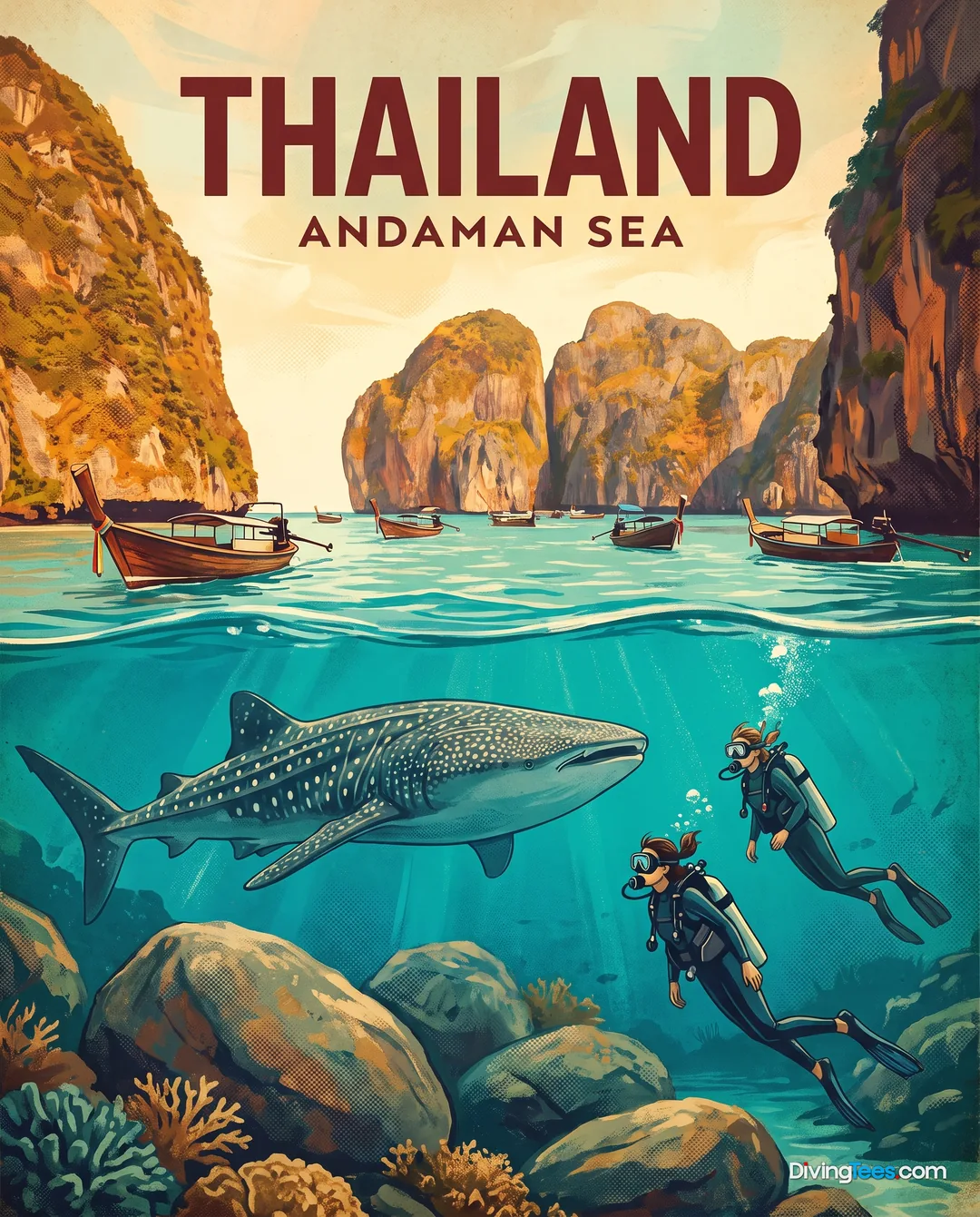
Liveaboards · Thailand
Manta Queen 5 — a compact liveaboard built around the diving
What makes this boat unique
- Five-day, four-night cruises depart weekly from Thap Lamu and follow the Similan Islands, Koh Bon, Koh Tachai, Richelieu Rock and Boonsung Wreck route.
- The boat carries up to 20 passengers in 10 air-conditioned twin bunk cabins on the main deck.
- The shaded dive area has a platform, DIN adaptors, tank rinse bins and a separate rinse tank for cameras.
- Food is served buffet-style, with Thai and Western dishes plus vegetarian and vegan options.
- Nitrox, rental equipment and additional dives are available as optional extras.
For subtitles in English: start the video firstthen click the gearat the top right of the video, select “Subtitles/CC”, then “Auto-translate” and choose “English”.
The invitation
Manta Queen 5 makes the strongest case for divers who would rather spend their budget on famous Andaman Sea sites than on a large, polished vessel. The boat is compact, the cabins are shared twin bunks, and the boat score of 7.7 sits below the much stronger scores for diving, food and crew. That tells the useful story: this is a practical platform for getting into the water, not a floating resort chosen for elaborate accommodation. The route brings together the Similan Islands, Koh Bon, Koh Tachai, Richelieu Rock and Boonsung Wreck on a five-day, four-night cruise. Underwater, the programme moves from granite boulders and coral gardens to pinnacles, walls and two very different wrecks. Choose Manta Queen 5 for the guides, the food and the sites. The boat is the means to reach them.
Boarding
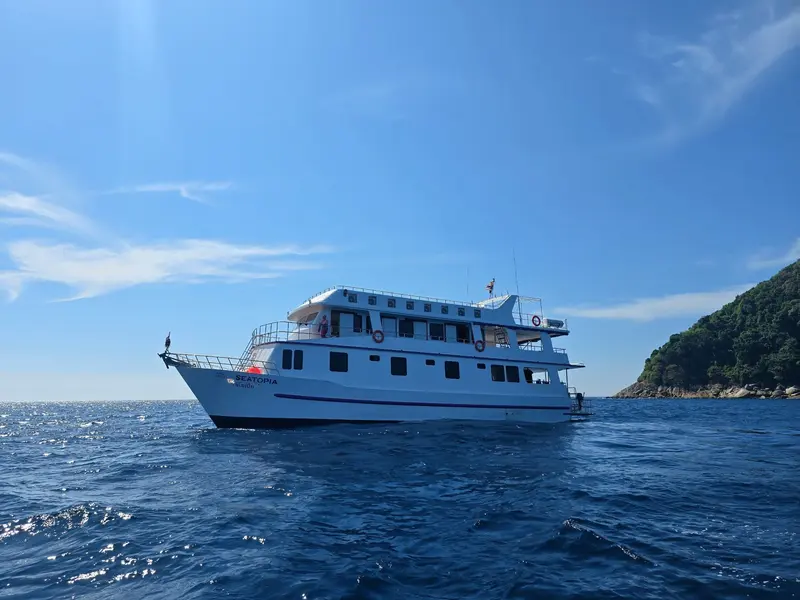
From the dock, Manta Queen 5 presents itself as a working dive boat rather than a hotel dressed up for sea travel. Its layout keeps the important parts close: cabins on the main deck, the dive platform at the stern, an outdoor dining area and a roof terrace above. Once aboard, movement is straightforward and the boat's purpose is clear. Divers can rinse equipment, reach the shaded dive area and return to the open-air spaces without passing through a formal lobby or a maze of corridors. The 23-metre hull carries two Hino engines, but the numbers matter less than the impression they create: this is a vessel designed to move a full dive group between sites, with space assigned first to diving and only then to leisure. The crew is local and international, and English, Dutch, German, Spanish and Italian are spoken.
The atmosphere on board
Manta Queen 5 is run by a local and international crew, with English, Dutch, German, Spanish and Italian spoken across the team. The crew score of 9.0 and the diving score of 9.2 explain why the boat works better as a dive operation than as a piece of luxury accommodation. Guides organise the practical side of the day, from getting divers to the platform to keeping the dive operation moving between meals and rest. The shared cabins and compact layout make the group visible quickly; there is little distance between the people who dive together, eat together and return to the same deck after each descent. In the evening, the roof terrace and saloon become the places to compare sightings, review photographs or watch a film. The crew earns its place in the memory by making the demanding parts feel orderly.
The sites you’ll dive
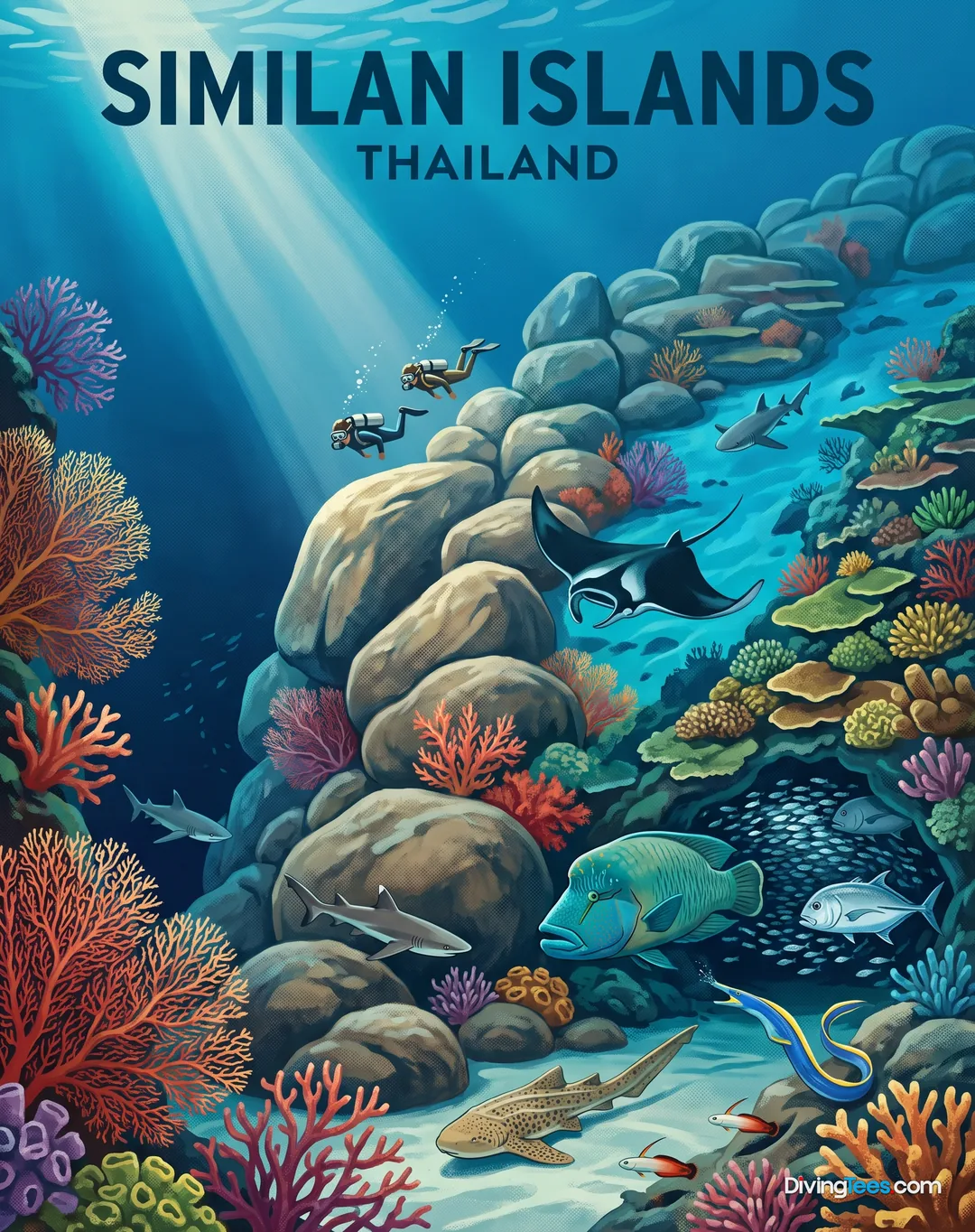
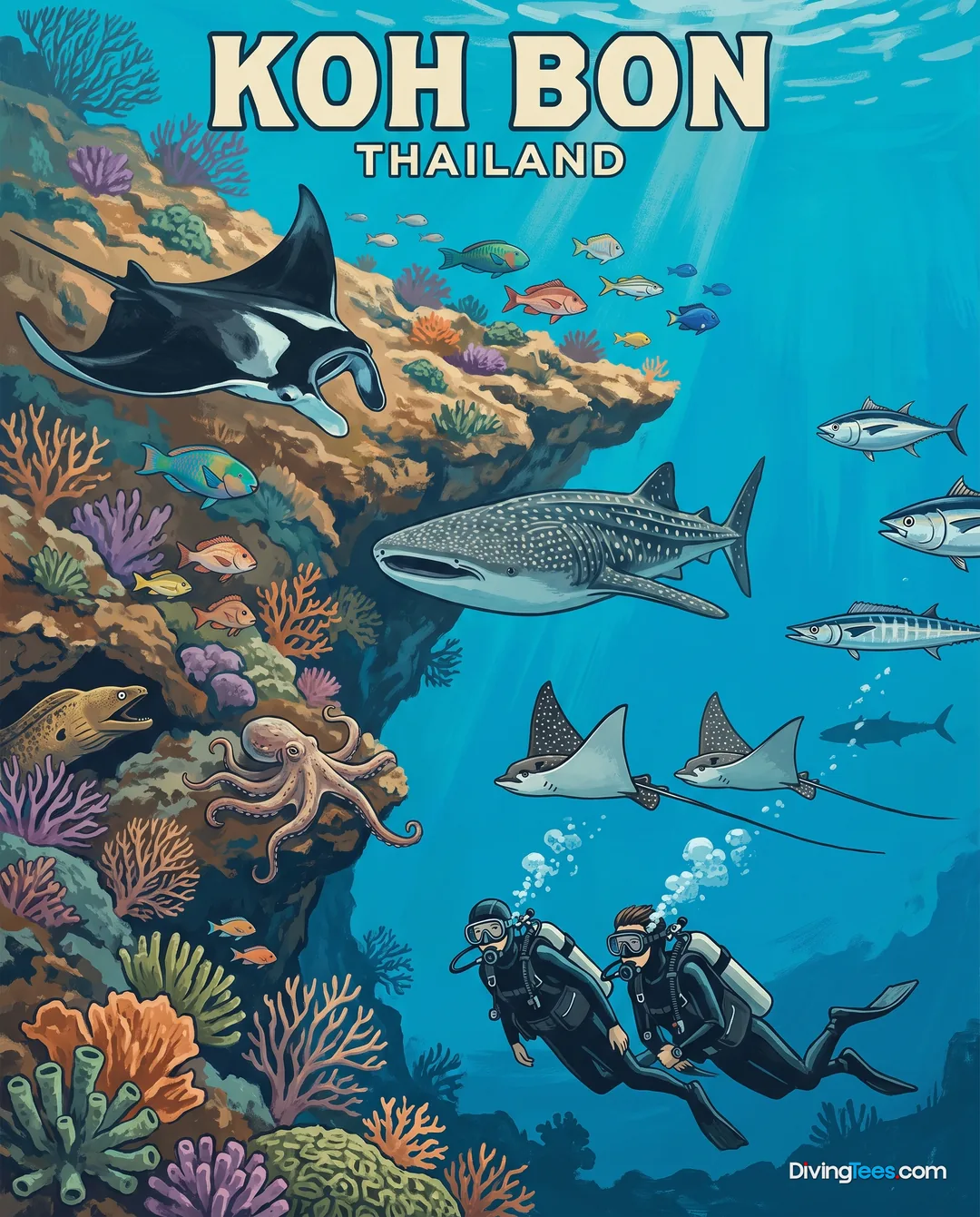
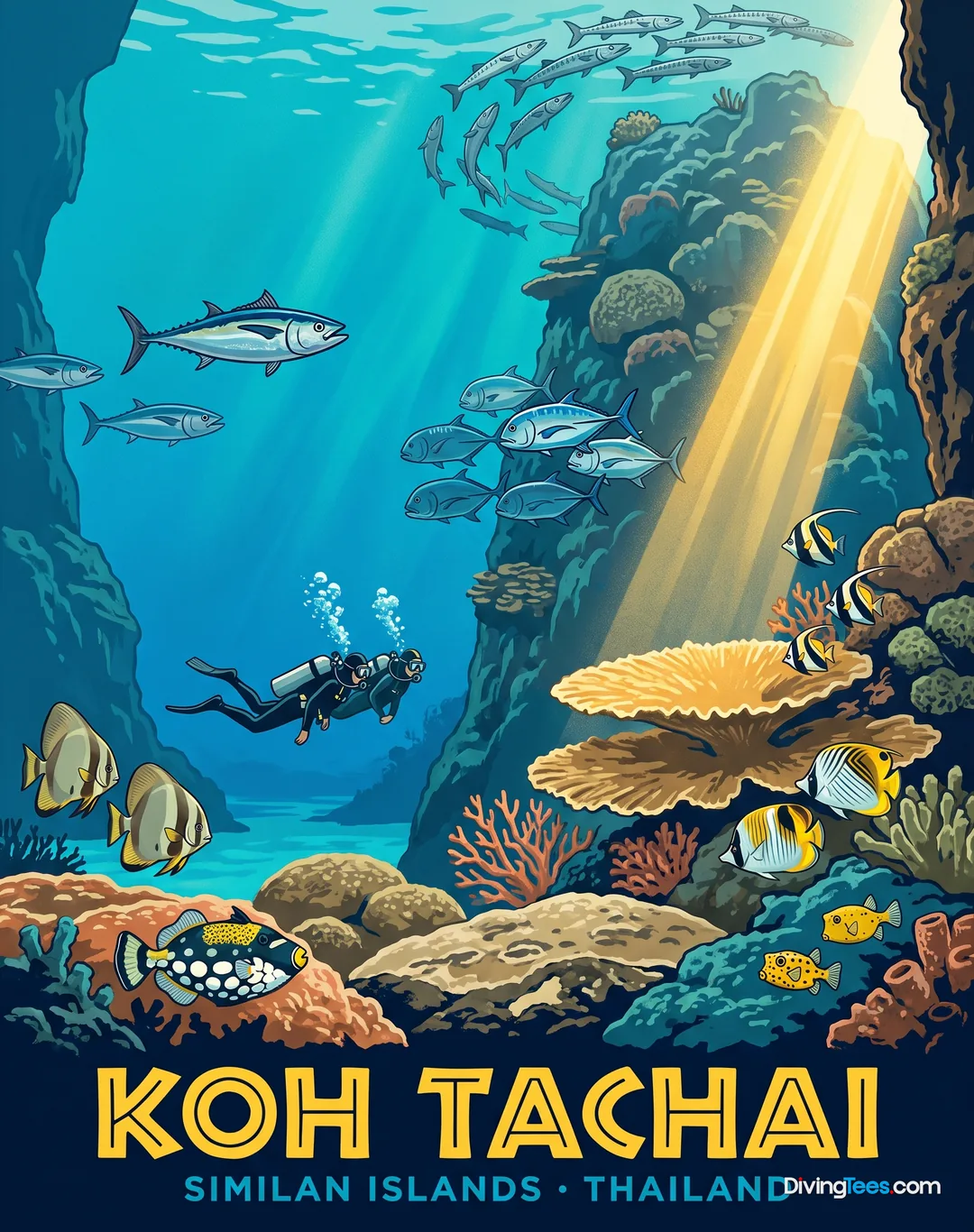
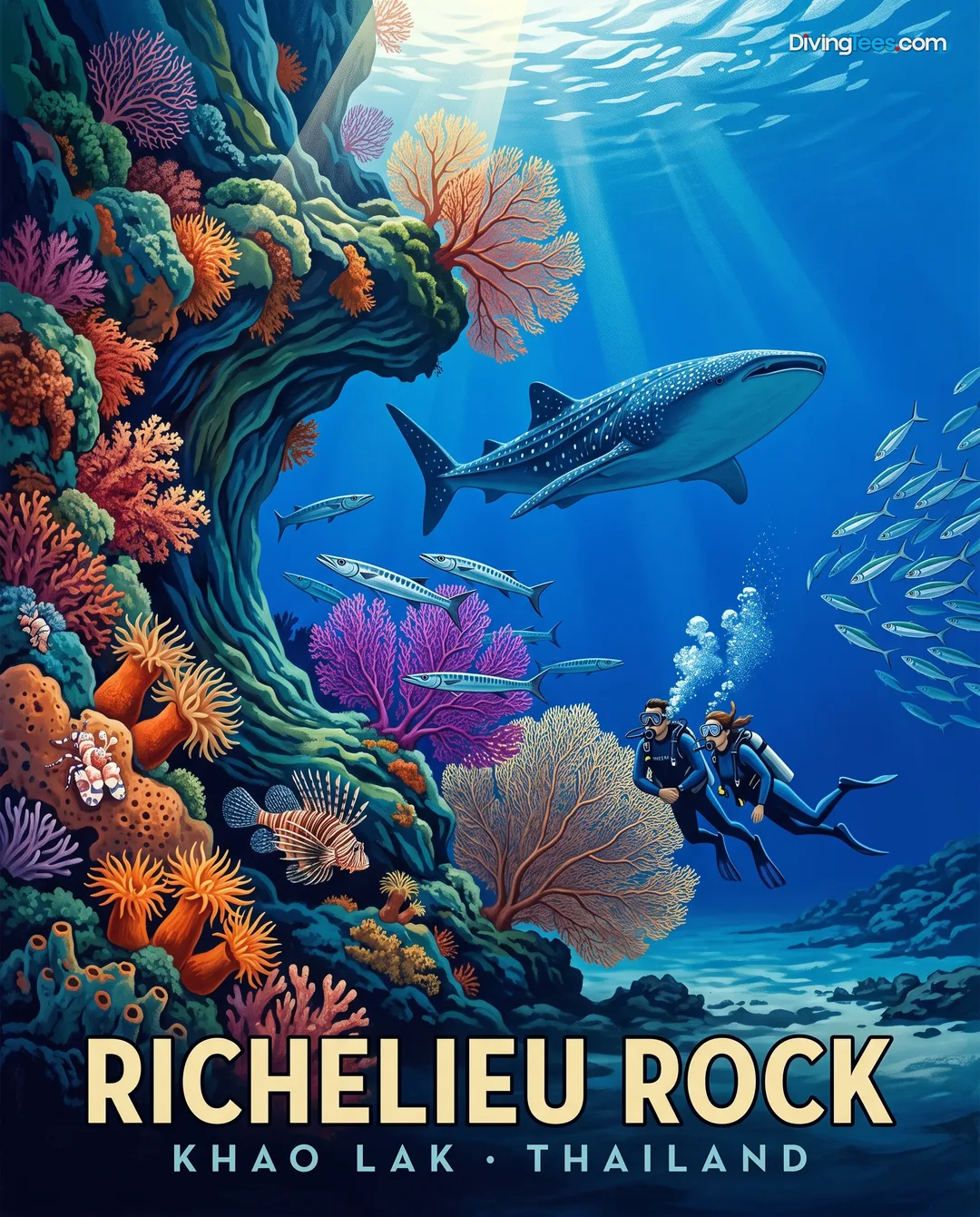
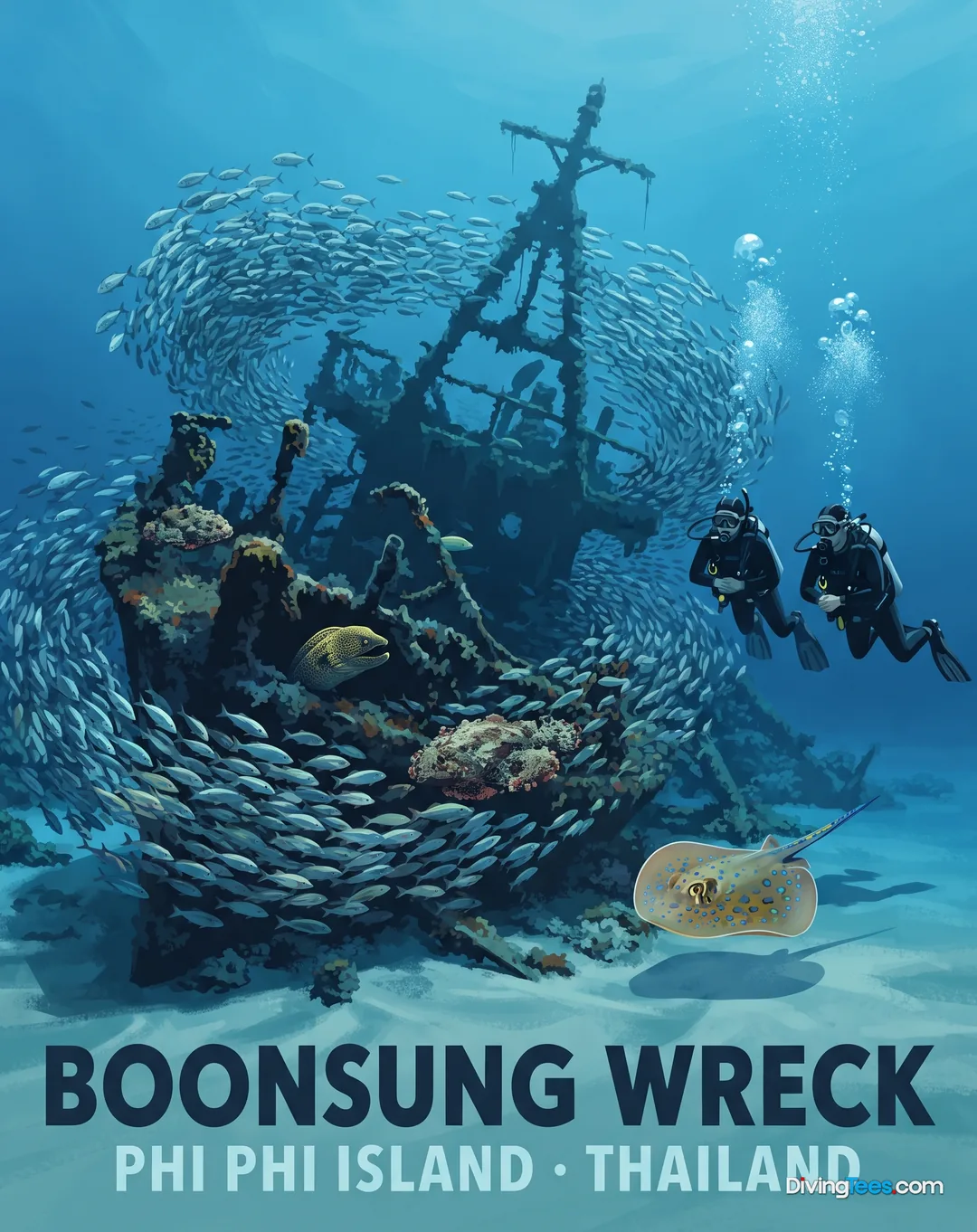
The five-day, four-night route links the Similan Islands, Koh Bon, Koh Tachai, Richelieu Rock, and Boonsung Wreck, departing from Thap Lamu and returning to Khao Lak. The Similan Islands provide the broadest change of scenery: hard coral reefs give way to granite boulders, with pelagic species and reef fish moving through the formations. The listed maximum depth is -40m. Koh Bon is about walls and its cleaning station, where manta rays may come in for maintenance alongside pelagic hunters. Koh Tachai centres on submerged pinnacles and coral gardens, with a listed maximum depth of -40m. Richelieu Rock is a solitary limestone horseshoe rising from the Andaman Sea floor, where macro life shares the water with wandering whale sharks, to a listed maximum depth of -35m. Boonsung Wreck is an old tin dredger turned artificial reef, with fish dense enough to hide the surface, to a listed maximum depth of -18m. The route earns its place through contrast: open granite, current-swept pinnacles, and wreck life in one cruise.
Itineraries, dates and prices
Prices per person. Each month shows its lowest price: click a month, or pick an itinerary.
Next departures · 25 departuresfrom £531$710€634
October 2026
November 2026
December 2026
See dates and prices
If you click these links and make a purchase on the partner site, DivingDeal may earn a commission, at no extra cost to you.
Dates and prices taken from liveaboard.com, updated 24 October 2026
What you’ll meet underwater
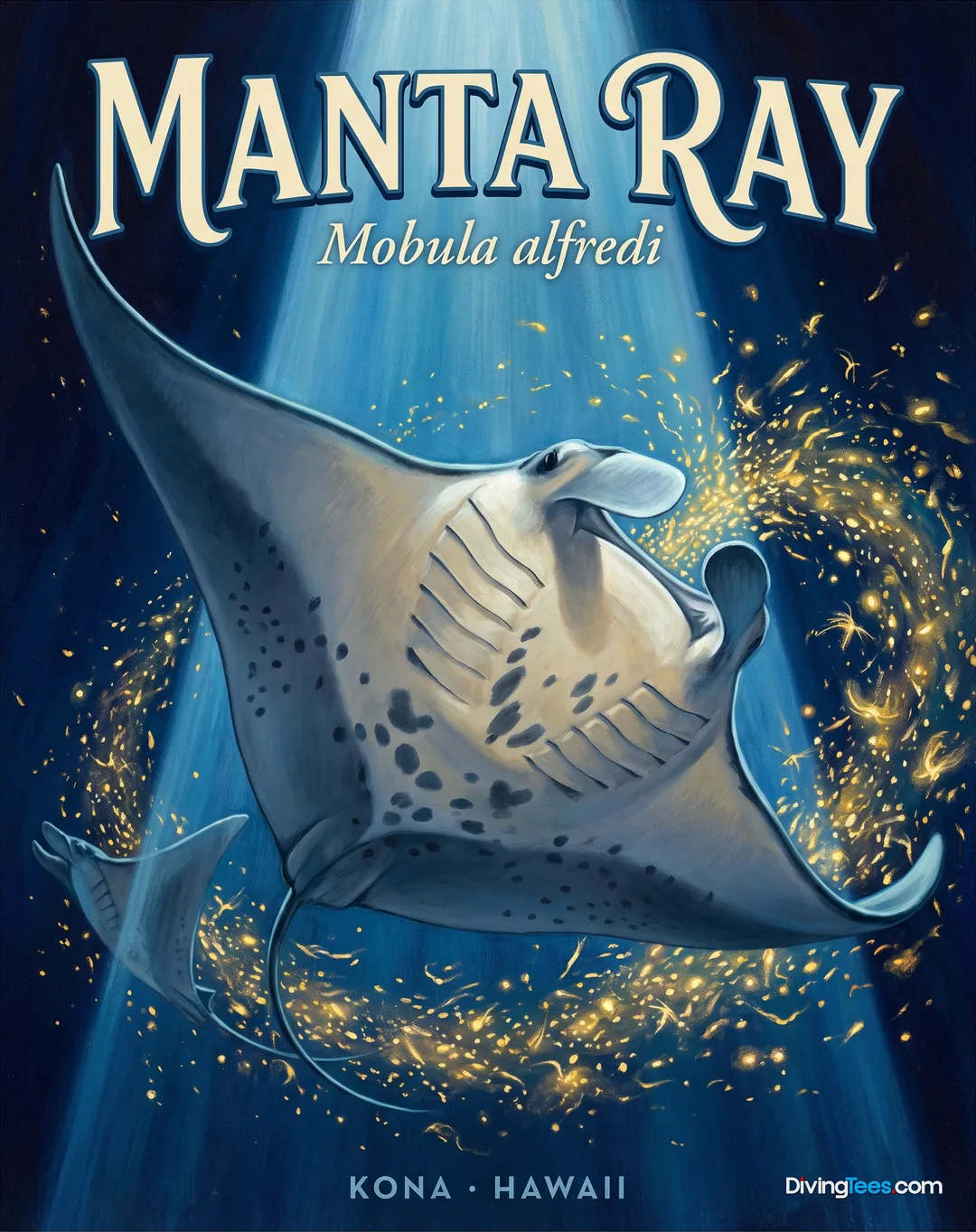
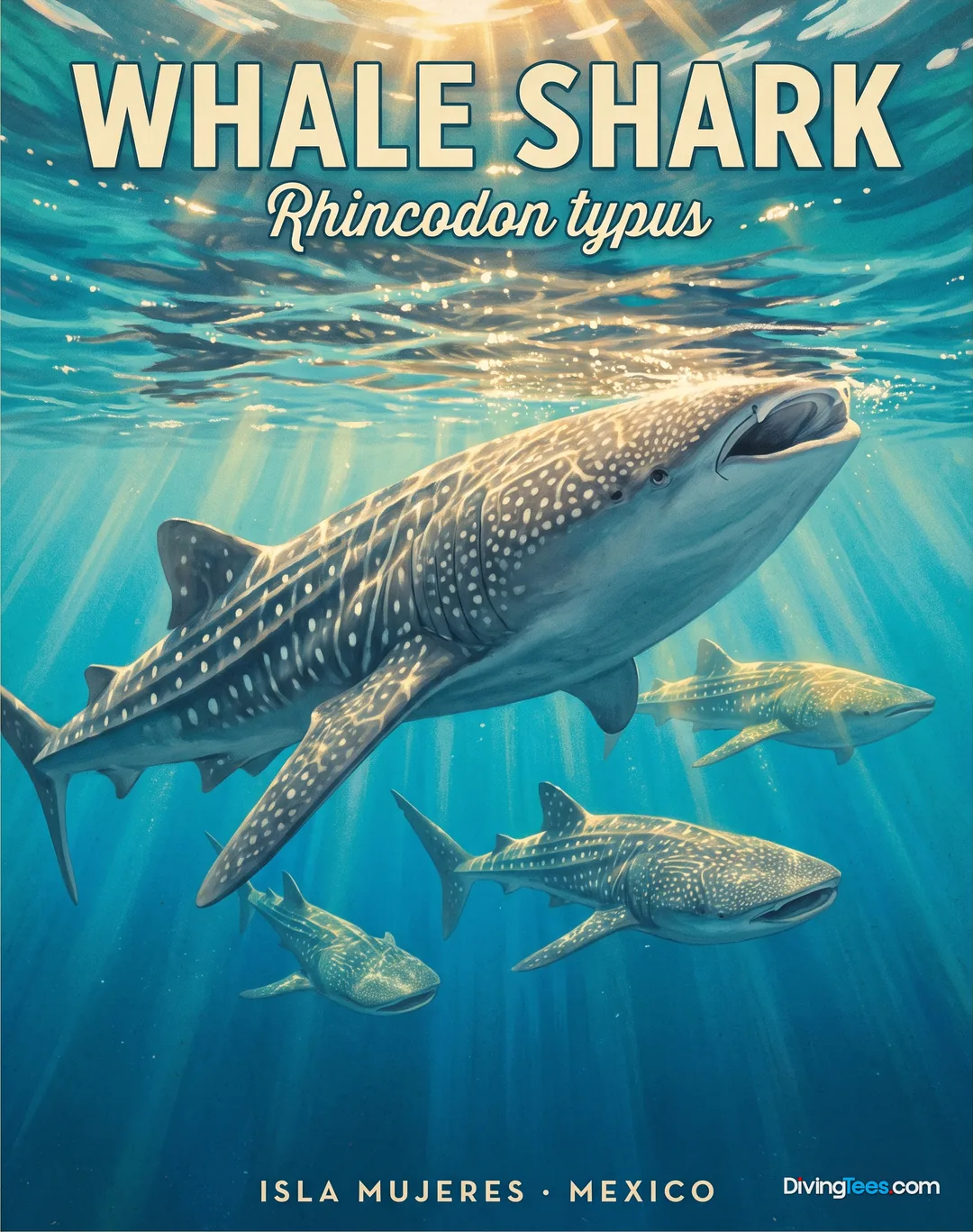
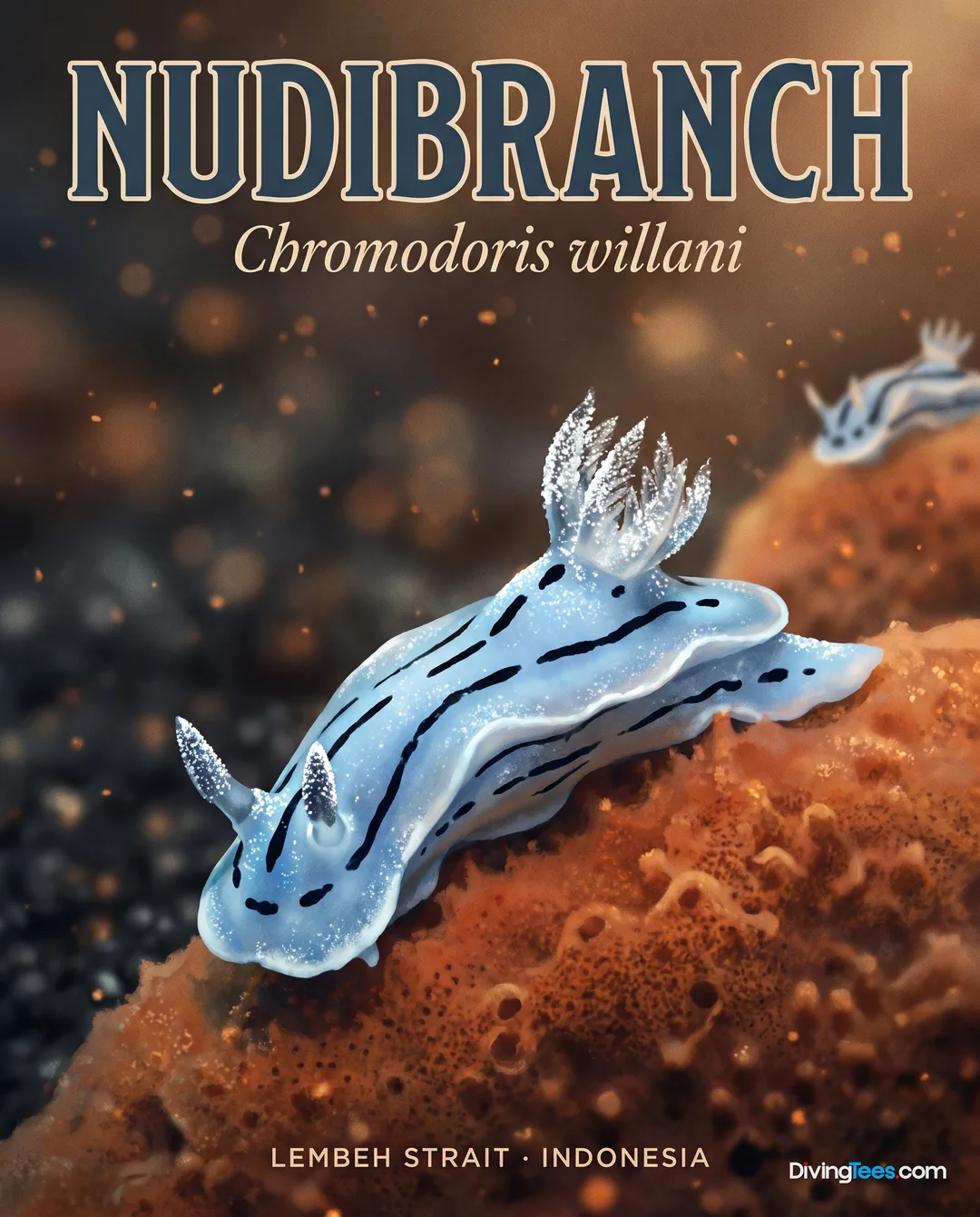
This route is built for large animals, but it rewards slow looking as well. Barracuda, reef sharks, white-tip reef sharks, tuna, leopard sharks, sea turtles, jacks, morays, octopuses and nudibranchs are recorded across many of the sites, while manta rays and whale sharks are possible at several points rather than promised sightings. Koh Bon's cleaning station gives manta rays a reason to approach the reef. Currents around the pinnacles at Koh Tachai can bring pelagic life across the coral. The Similan Islands combine reef fish with the chance of larger visitors among the granite formations. Boonsung Wreck is where the unusual small details compete with the schooling fish: the site is specifically associated with porcupinefish and stonefish. The wreck is also the only named site on this route associated with bamboo sharks in the wider records. At Richelieu Rock, the attraction is the meeting of dense reef life and passing pelagics.
Who puts you in the water
Dive staff and instructors work with the local and international crew, and the languages listed are English, Dutch, German, Spanish, and Italian. The boat is especially suited to divers travelling for the sites and the guides, with PADI courses offered through the operating dive centre, including Open Water, Advanced Open Water, Rescue, Deep, Digital Underwater Photography, and Enriched Air Nitrox. The diving operation includes oxygen, first-aid kits, and crew trained in first aid, alongside fire equipment, radios, and satellite communication. A buddy check is required before entering the water. Divers using Nitrox analyse the mix and set their computers before the dive.
The dive deck and the gear
The dive deck is shaded and arranged around a stern platform, with tank rinse bins, a separate camera rinse tank, DIN adaptors, and hot and outdoor showers for the return. Standard tanks are 12-litre aluminium cylinders with DIN and INT valves. Fifteen-litre tanks and double sets can be rented as paid extras. Nitrox is available for 12- and 15-litre tanks as a paid extra, and a Nitrox course is also offered. Rental equipment includes Scubapro BCDs and regulators, short 3 mm wetsuits, and closed-heel fins. A long 3 mm suit, dive computer, and prescription mask are also available for rent. The equipment is checked and serviced by technicians. For photographers, the separate camera rinse tank is a useful detail, keeping camera gear away from the general equipment wash.
Between dives
Between dives, the shaded dive area is the natural base. It is where equipment stays ready, where divers come back from the platform and where the next entry begins to take shape. Away from the gear, the open-air dining area gives a place to eat without retreating indoors, while the roof terrace and observation deck provide the higher, brighter part of the boat. The point is not a long list of facilities; it is the choice between shade after a dive and sun when the sea is calm. The saloon adds audio and video entertainment for the hours when nobody wants more light or more conversation. A camera rinse tank keeps photographers from having to share the same rinse space as general equipment.
A day on board
A day begins with the boat preparing the first dive before the group reaches the site: equipment is checked, the briefing sets the plan and divers move to the platform in their groups. After the first descent comes breakfast, then another interval filled with food, fruit, shade and the small jobs that make the next dive easier. Lunch and snacks punctuate the later dives, with the boat moving when the itinerary requires a new reef, pinnacle or wreck. The sequence is simple: brief, dive, rinse, eat, rest, repeat. On suitable trips, a night dive adds a different kind of search to the day, with torches replacing the open-water light and the deck becoming quiet again afterward. The open-air dining area and roof terrace hold the gaps between entries. Then the boat settles for the night, and the same cycle starts again.
What you eat aboard
Meals are served buffet-style in the open-air dining area, with Thai and Western cooking, a full-board plan, snacks throughout the day and fresh drinking water, tea, coffee and non-alcoholic drinks. Vegetarian and vegan options are available. That matters more here than it would on a short day boat: food arrives between repeated dives, when a proper plate and something easy to reach from the buffet can decide how well the next dive goes. The kitchen keeps the choice broad enough for mixed groups, while the local dishes give the trip a taste of Thailand rather than serving only familiar Western food. The food score of 9.5 is the clearest part of the boat's passenger profile. On Manta Queen 5, the galley is not an afterthought.
Nights at sea
The ten cabins are air-conditioned Twin Bunk Cabins on the main deck, each with a sea-view bay window. They are shared cabins, so the appeal is practical rather than private: a bunk, a place to sleep between dives and a window that keeps the sea present even when the boat is moving. Three bathrooms serve the boat, with hot water available and outdoor showers for the quick rinse after a dive. Cabins are non-smoking. The arrangement suits divers who spend most of the day on deck or underwater and need a cool, quiet place to recover between entries. It will feel tight for anyone expecting a hotel room or travelling with a strong need for personal space. For a group of buddies who accept shared bunks, the cabin does exactly what it needs to do.
Twin Bunk Cabin
What to know before boarding
Manta Queen 5 departs from Thap Lamu for the Similan and Surin area route and returns toward Khao Lak. Airport and hotel transfers are included, with arrangements handled through the operator's transfer service. Arriving in the Khao Lak area the night before is the sensible choice, leaving the departure day clear of a long connection or a late arrival. Confirm the pickup point and transfer details before travelling.
- Length
- 23 m
- Beam
- 5 m
- Maximum number of passengers
- 20
- Number of cabins
- 10
- Number of bathrooms
- 3
- Engines
- 2 × Hino 450 hp, 10 cylinders
- Website
- mantaqueen.com ↗
Hello, I'm Marina, DivingDeal.com's AI assistant. I answer in detail about hotels, dive centres and liveaboards.
Thinking about the whole trip and the flights? Talk it over with Edith →
Marina is an AI. Some links are affiliate links: DivingDeal may earn a commission, at no extra cost to you. Bookings are made with the partner.