

All4Diving® Phuket
★ 4.9/5 (1,019 reviews)
48 km away as the crow flies
Kata Beach · Thailand · Asia
Max. depth · 35 mDive the King Cruiser, an 85-meter twin-hulled ferry that became a vibrant artificial reef, teeming with marine life and offering a unique blend of history and biology.
For subtitles in English: start the video firstthen click the gearat the top right of the video, select “Subtitles/CC”, then “Auto-translate” and choose “English”.
The King Cruiser, an 85-meter-long and 25-meter-wide twin-hulled passenger and car ferry, ended its service on May 4, 1997, after striking the submerged pinnacles of Anemone Reef while en route from Phuket to Phi Phi. This event dramatically altered the local marine sanctuary, transforming the vessel into a colossal artificial reef that now sits upright on a sandy bottom, 10 miles north of Phi Phi. Its highest point is at 16 meters, with the deepest sections reaching 35 meters. The wreck remains largely intact, a testament to its robust construction, though the forward sundeck has collapsed and the upper deck in the mid-section has deteriorated since 2003, making internal exploration dangerous. Divers are now advised to restrict their exploration to the exterior and open areas.
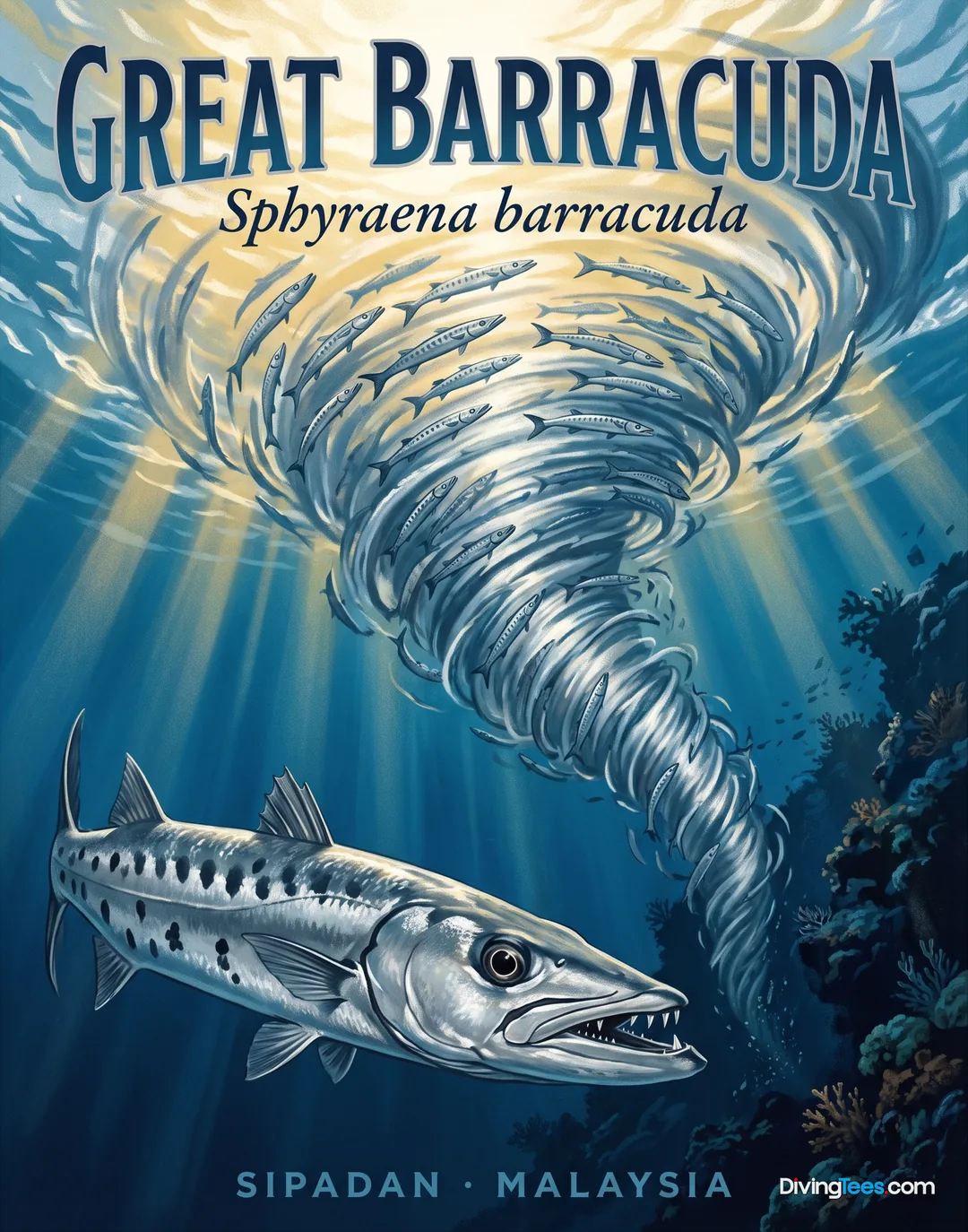
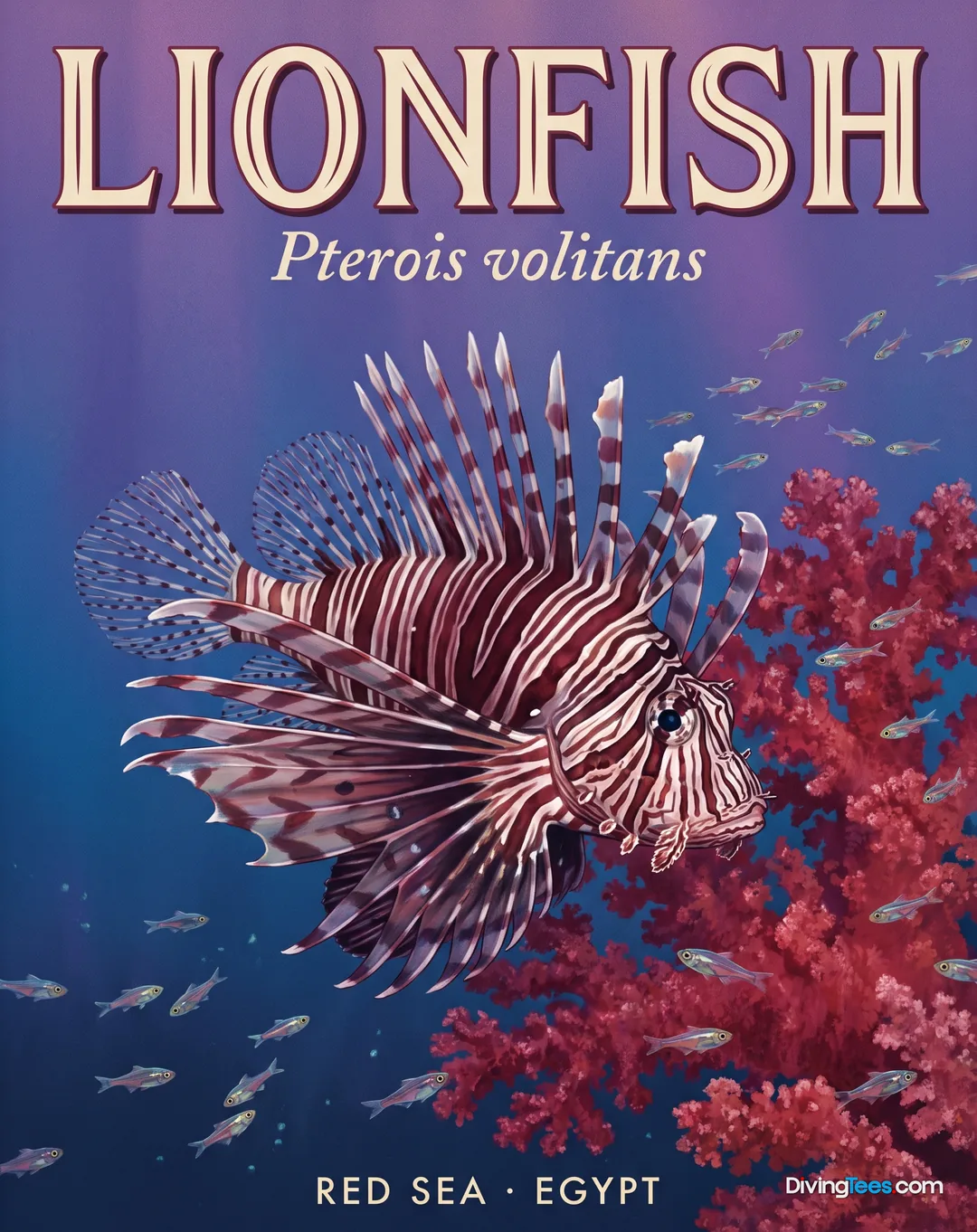
Exploring the King Cruiser offers a unique blend of historical curiosity and vibrant marine biology. Its structure provides ample shelter, attracting schools of snappers, fusiliers, trevally, and barracudas that swirl around the decks and deeper sections. You'll encounter lionfish and scorpionfish camouflaged against the rusting steel, along with various moray eels, including honeycomb and fimbriated species, hiding within its nooks. Crabs and nudibranchs populate the smaller crevices, offering rewarding macro opportunities. Cuttlefish (Sepiida) and various crab species have made the King Cruiser their home, often camouflaging themselves against the shipwreck's surfaces.
Venturing deeper, around the 30 to 32-meter mark, you might spot larger pelagics. Leopard sharks and grey bamboo sharks are regular visitors, often resting on the sandy bottom or patrolling the wreck's perimeter. Whale sharks make occasional appearances, particularly during the high season from October to May.
The wreck's bow and stern sections offer distinct exploratory areas; the stern, at around 30 meters, reveals huge propellers partially buried in the sand, often surrounded by dense schools of fish. The passenger deck, between 18 and 22 meters, provides a shallower area for extended bottom time, where you can observe the thriving soft coral growth that blankets the wreck. The abundant rocky species have colonized every available surface, finding shelter and feeding grounds within the intricate framework of the sunken ferry.
The dive profile is dominated by the wreck itself, stretching from the shallower parts of its deck down to the seabed. You'll navigate through the various levels of the former passenger areas, now open to the ocean's influence, allowing light to filter through in intriguing patterns. While the wreck was once accessible for penetration, including the sundeck, dining room, and captain's cabin, significant deterioration means caution is paramount. The wreck's integrity continues to degrade, a natural process that reshapes its character and the habitat it provides for marine life.
The journey to the King Cruiser is often paired with dives at nearby sites like Shark Point or Anemone Reef, forming a longer dive day.
This is an Advanced level dive, recommended for experienced divers or those with deep dive training. The King Cruiser Wreck reaches a maximum depth of 35 meters, with the shallowest point of the wreck at 16 meters. Currents range from moderate to occasionally strong, particularly during tide changes and around the full and new moons, requiring careful dive planning and good buoyancy control. Visibility typically ranges from 5 to 25 meters, with an average of 15 meters. The best period for diving here is between November and May, with consistent opportunities available throughout the entire year.
★★★★★
★ 9.3/10 (1,338 reviews)
47 km away as the crow flies
★★★★
★ 8.4/10 (1,242 reviews)
47 km away as the crow flies

★★★★★
★ 8.7/10 (88 reviews)
47 km away as the crow flies
★★★★★
★ 8.1/10 (1,183 reviews)
47 km away as the crow flies