
Tagoro Dive
Google 5/5 (756 reviews)
5.7 km away as the crow flies
El Hierro · Canary Islands · Atlantic
Max. depth · 20 mExplore a submerged volcanic landscape of rock lagoons, shallow tunnels, and light-filled caverns within the Mar de las Calmas reserve.
For subtitles in English: start the video firstthen click the gearat the top right of the video, select “Subtitles/CC”, then “Auto-translate” and choose “English”.
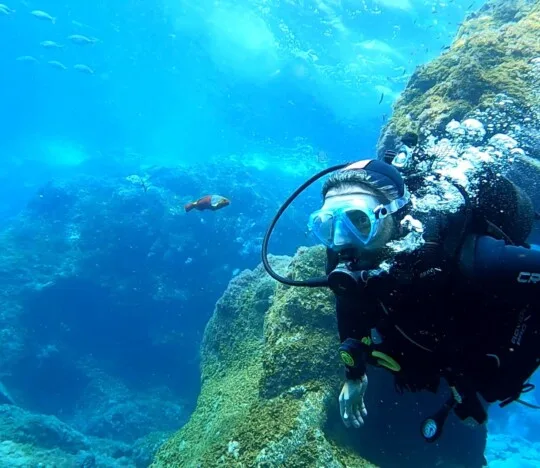
The topography of El Salto is defined by a distinct submerged lava tongue that extends seaward from the Punta del Salto coastline. This volcanic formation slopes gradually downward until it merges into a wider, circular rocky seabed. Unlike many of the deeper, vertical walls found elsewhere around El Hierro, this site is characterised by its varied terrain and horizontal complexity. The reef structure provides a mixture of rocky platforms and uneven surfaces that create numerous niches for marine life. This layout makes the site feel intimate and enclosed compared to the open ocean drop-offs found in the surrounding waters.
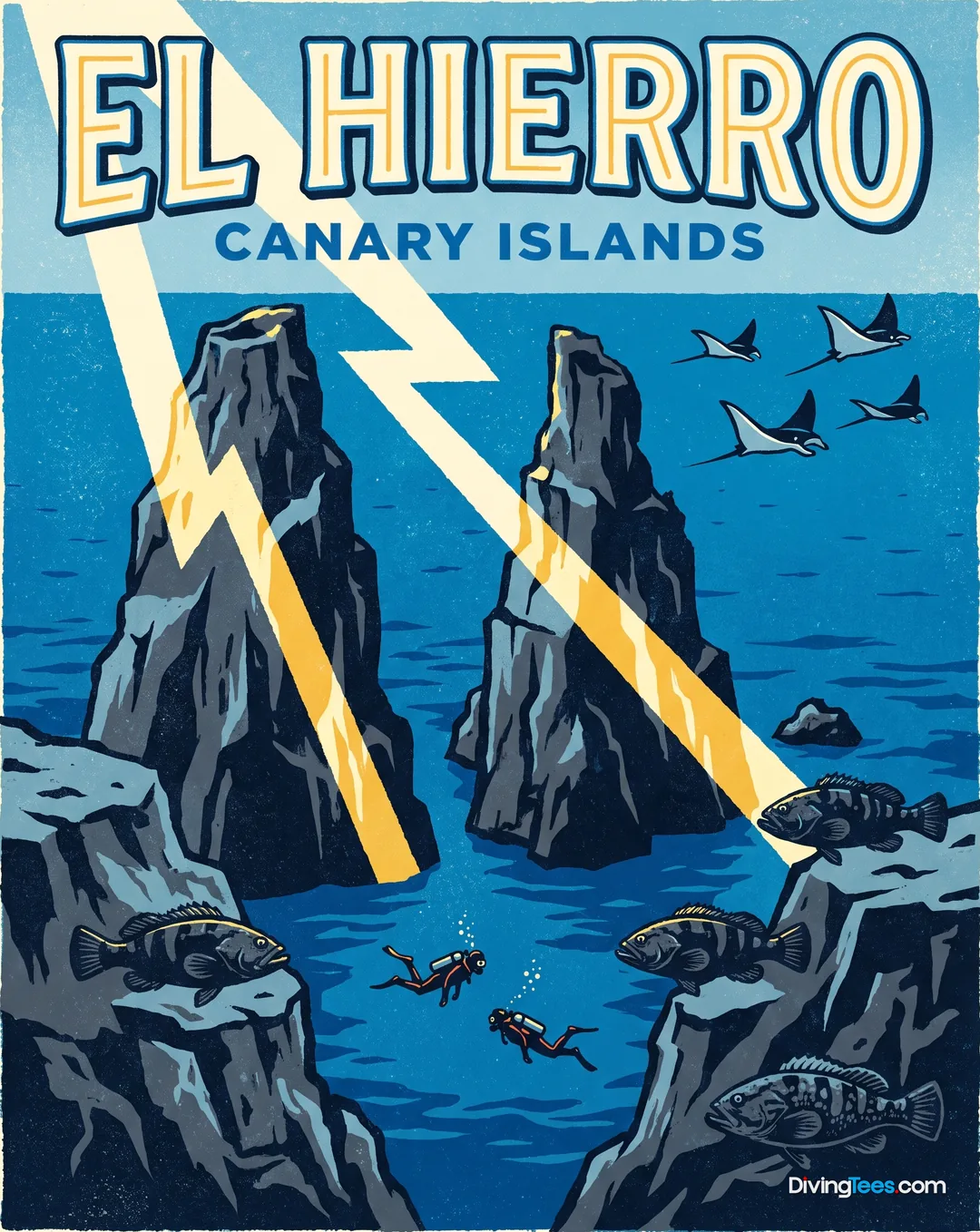
For those interested in cavern exploration, the shallow sections of the site offer a high level of topographic interest. A series of small, diveable caves and rock lagoons are carved into the volcanic rock, providing a protected environment for various species. One of the most significant features is a natural tunnel that allows divers to move through the reef structure. The roof of this tunnel features several small openings, or skylights, which allow shafts of natural light to penetrate the water. These light beams create high-contrast environments that are particularly useful for capturing the textures of the volcanic rock.
The dive profile is relatively shallow, with the primary points of interest concentrated above 20 metres. This depth range makes the site accessible for a wide variety of divers, though the complexity of the terrain requires careful navigation. As you descend, you transition from the immediate volcanic edge into the deeper rocky platforms where the landscape opens up slightly. The presence of overhangs and crevices throughout the site means that even at shallow depths, there is a constant change in the visual environment. You will often find yourself moving between bright, sunlit areas and the shaded interiors of small caverns.
The marine life at El Salto is heavily concentrated around the structural features of the reef. You can expect to see various grouper species, such as the dusky grouper and the comb grouper, patrolling the edges of the rock lagoons and overhangs. These predators often use the crevices for shelter or as vantage points to observe the passing water column. Smaller, more agile species like wrasse and bream are frequently seen moving through the shallower sections of the lava tongue. The complex volcanic architecture provides a high density of hiding spots, which keeps the ecosystem active and diverse.
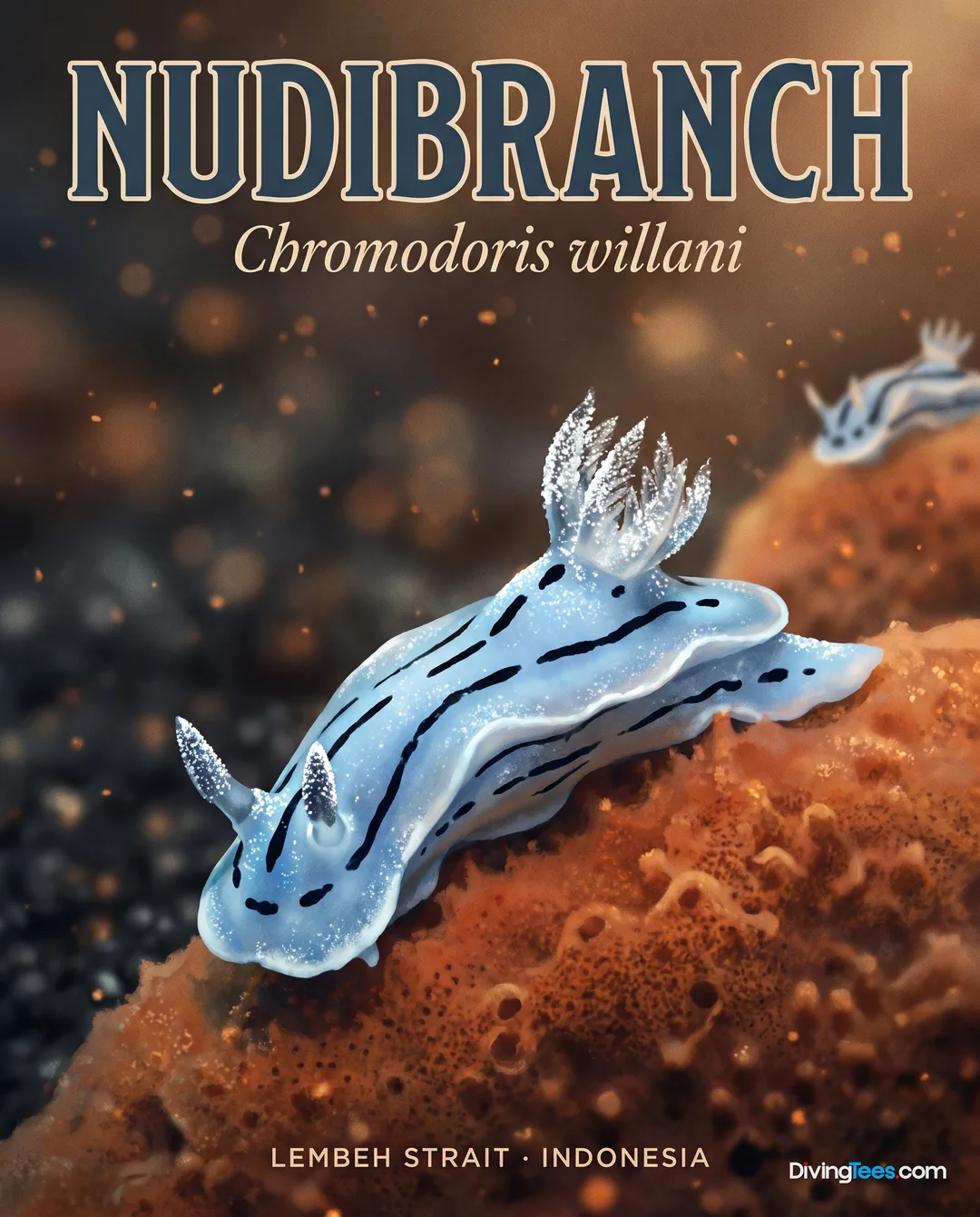
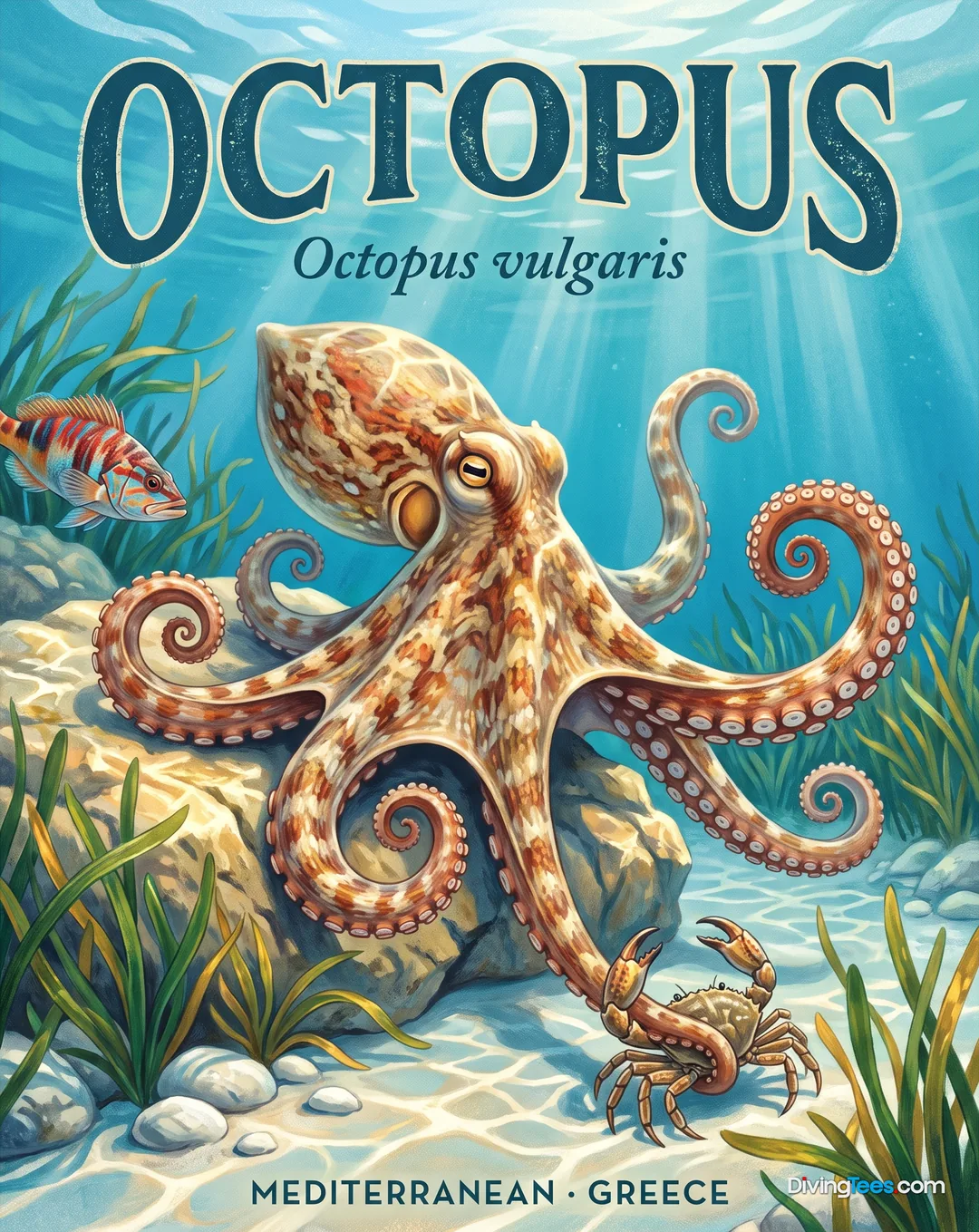
Invertebrates also play a major role in the site's biodiversity, often found on the sponge-covered walls and within the protected cracks of the reef. Nudibranchs and leathery doris are common sights for divers who take the time to observe the smaller details of the rock surfaces. Octopuses are known to inhabit the more secluded parts of the rock lagoons, utilizing the natural cavities for protection. The reef's texture is further enhanced by a variety of sponges and other sessile organisms that coat the volcanic substrate. This layer of life adds both colour and complexity to the underwater landscape.
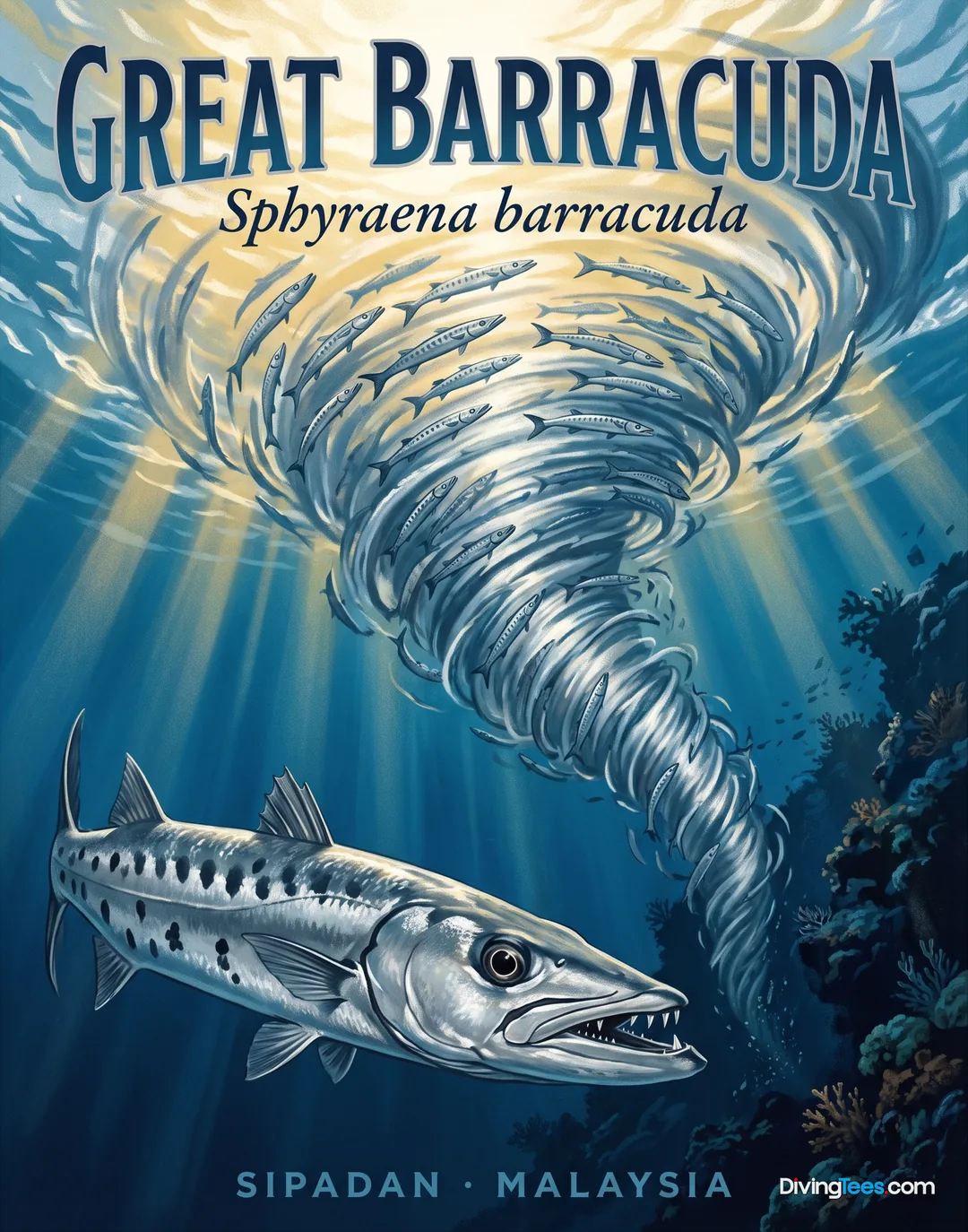
The presence of larger fish can be observed as you move towards the edges of the reef where it meets more open water. Species such as parrotfish, amberjack, and barracuda are frequently encountered moving through the water column or hovering near the reef edges. Moray eels are also a common resident, often found tucked into the larger crevices of the lava tongue. While the site is sheltered, the transition between the protected Mar de las Calmas reserve and the more open areas ensures a steady flow of nutrients that supports this resident fauna. This movement of fish provides constant visual interest throughout the dive.
Conditions at El Salto are generally calm due to its location within the Mar de las Calmas marine reserve. The site is sheltered from major oceanic currents, which typically results in a quiet and manageable dive environment. Any movement in the water is usually mild and driven by local wind or swell conditions affecting the volcanic coastline rather than deep-sea flows. This makes it an ideal location for exploring the more technical aspects of the caves and tunnels without fighting heavy resistance. The visibility is consistently high, often reaching between 20 and 30 metres, which enhances the light effects inside the caverns.
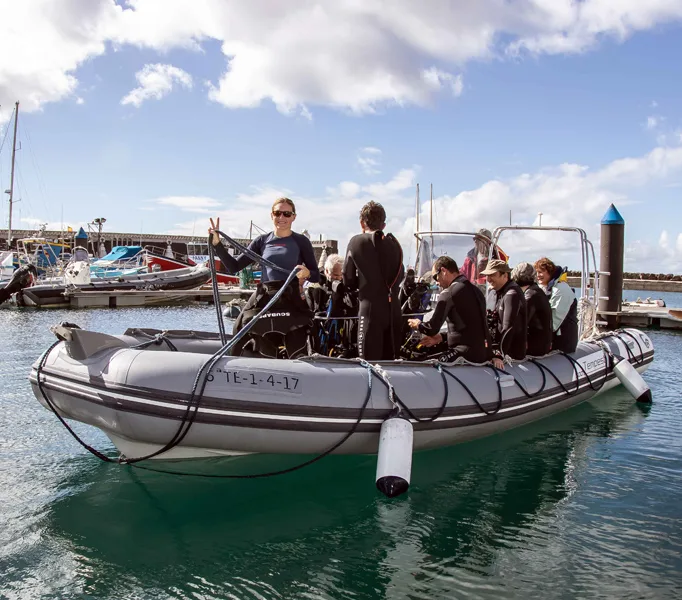
The site reaches depths of up to 20 metres and requires an Advanced level of certification due to the complexity of the caves, tunnels, and overhangs. Comfortable experience with boat entries and cavern navigation is essential. Visibility is typically between 20 and 30 metres. The site is best visited year-round, with water temperatures around 18°C in the winter months.
You can visit El Salto year-round. During the winter months, water temperatures are around 18°C. The site is sheltered within the Mar de las Calmas marine reserve, and visibility is typically between 20 and 30 metres, supporting exploration of the volcanic formations, caves, tunnels, and rock lagoons.
El Salto requires an Advanced certification because of its caves, tunnels, overhangs, and complex terrain. The site reaches depths of up to 20 metres, with points of interest concentrated above that depth. Comfortable experience with boat entries and cavern navigation is essential for exploring the reef carefully.
El Salto is generally calm because it lies in the sheltered Mar de las Calmas marine reserve. It is protected from major oceanic currents, so water movement is usually mild and influenced by local wind or swell along the volcanic coastline. This supports controlled exploration of the caves and tunnels.
At El Salto, you can explore a submerged volcanic lava tongue, small caves, rock lagoons, and a natural tunnel with light entering through skylights. Marine life includes grouper, moray eels, wrasse, bream, nudibranchs, octopuses, parrotfish, amberjack, and barracuda among sponge-covered volcanic rock.