
Tagoro Dive
Google 5/5 (756 reviews)
6.4 km away as the crow flies
El Hierro · Canary Islands · Atlantic
Max. depth · 30 mA submerged volcanic mountain hosting a seasonal aggregation of pregnant smalltooth sand tiger sharks.
For subtitles in English: start the video firstthen click the gearat the top right of the video, select “Subtitles/CC”, then “Auto-translate” and choose “English”.
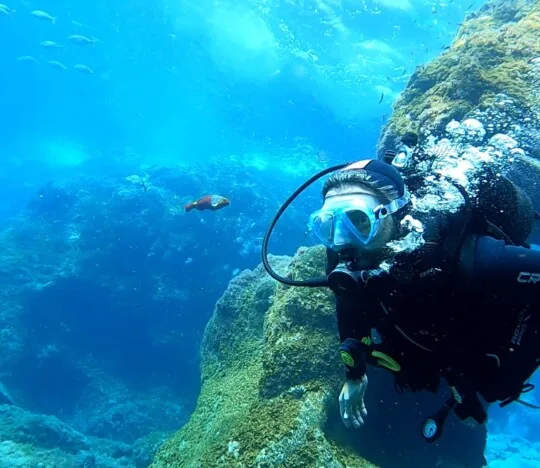
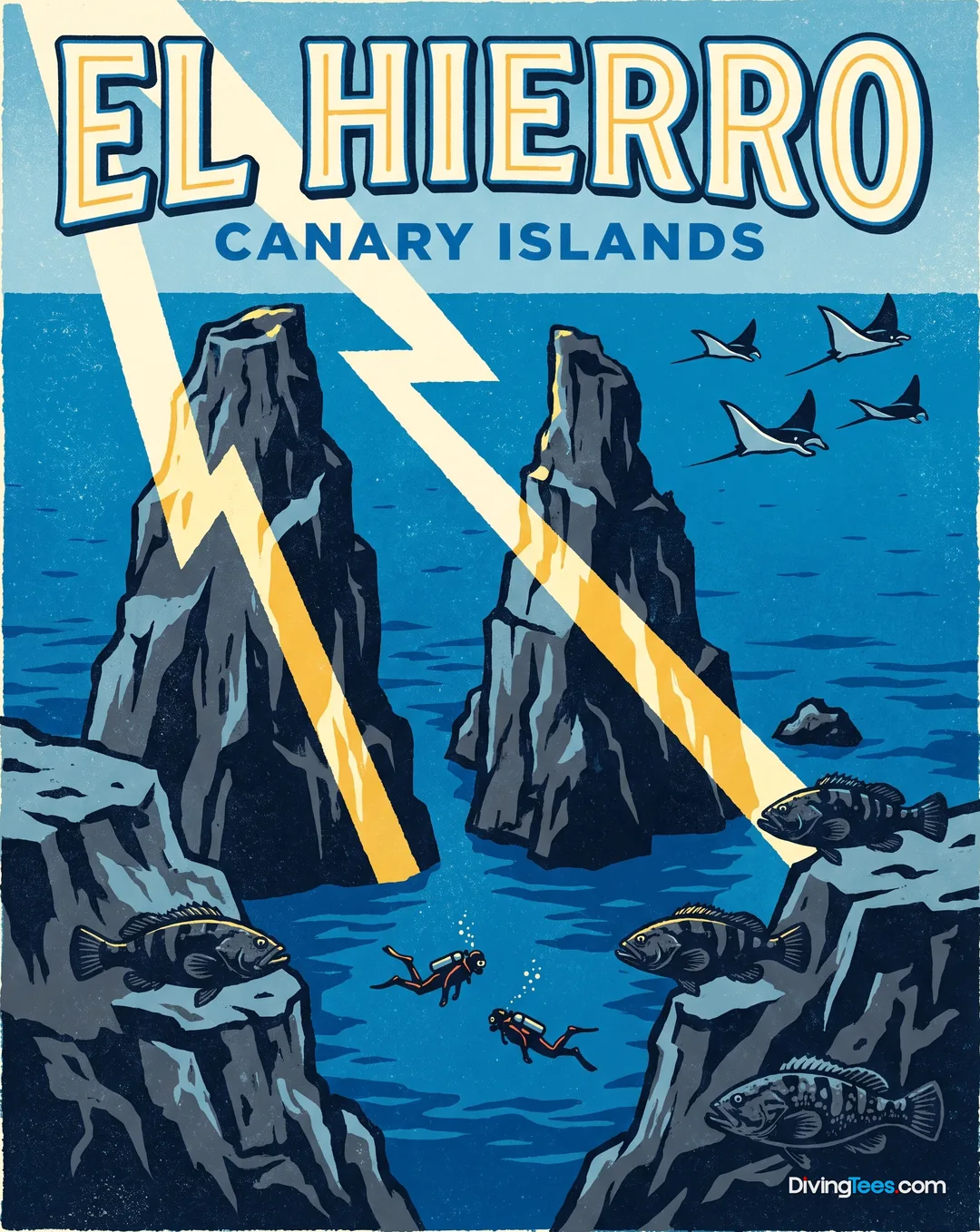
Baja Rosario is a submerged volcanic mountain that rises sharply from the sandy seabed of the Mar de las Calmas marine reserve. The topography creates a natural volcanic circus, where rocky ridges and open faces extend toward the blue. As you approach the site, you will see the summit sitting at depths between 6 and 12 metres, providing a shallow platform before the terrain drops away. The structure is defined by its complex shape, with steep slopes that lead into deep lava canyons carved into the sand. This verticality creates various micro-habitats that support a dense concentration of life.
The dive profile offers different experiences depending on your chosen depth. Most divers begin by exploring the shallow summit and the upper reef structure where light is abundant. From this plateau, the terrain falls away into the deeper flanks of the pinnacle, reaching depths of up to 30 metres. Descending into the lava canyons allows you to move through more sheltered, rocky corridors that contrast with the open faces of the reef. Navigating these different zones requires attention to your buoyancy, especially when transitioning between the flat summit and the steep volcanic walls.
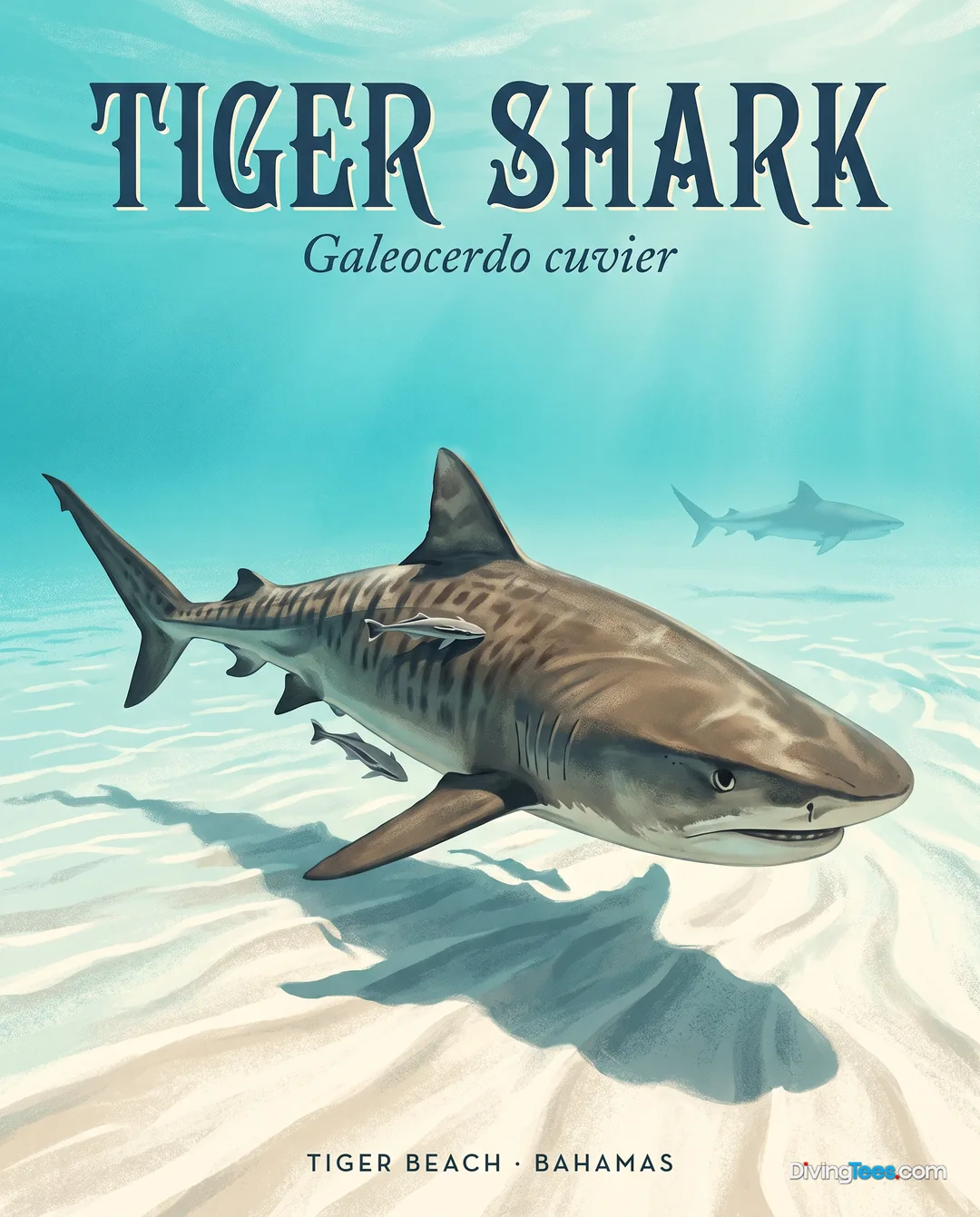
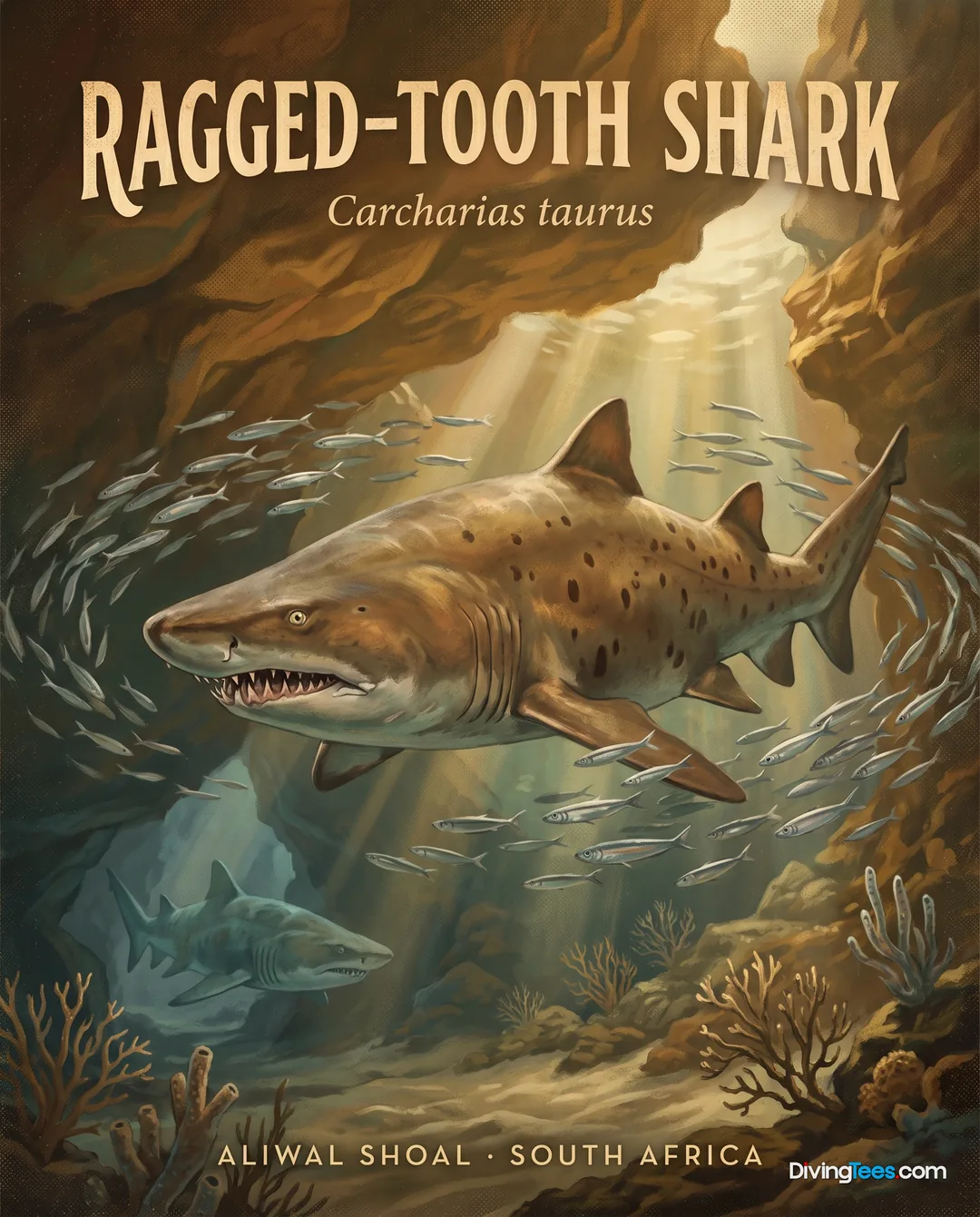
One of the most significant reasons for visiting this site is the seasonal presence of smalltooth sand tiger sharks. Between June and October, pregnant females use this area as a historic aggregation site, a behaviour that is relatively rare in the Canary Islands. Seeing these sharks in this specific context provides a unique insight into their reproductive cycles. They are typically encountered in the deeper sections or hovering near the structure. This seasonal window makes the site a primary destination for those interested in observing large predatory sharks in a stable environment.
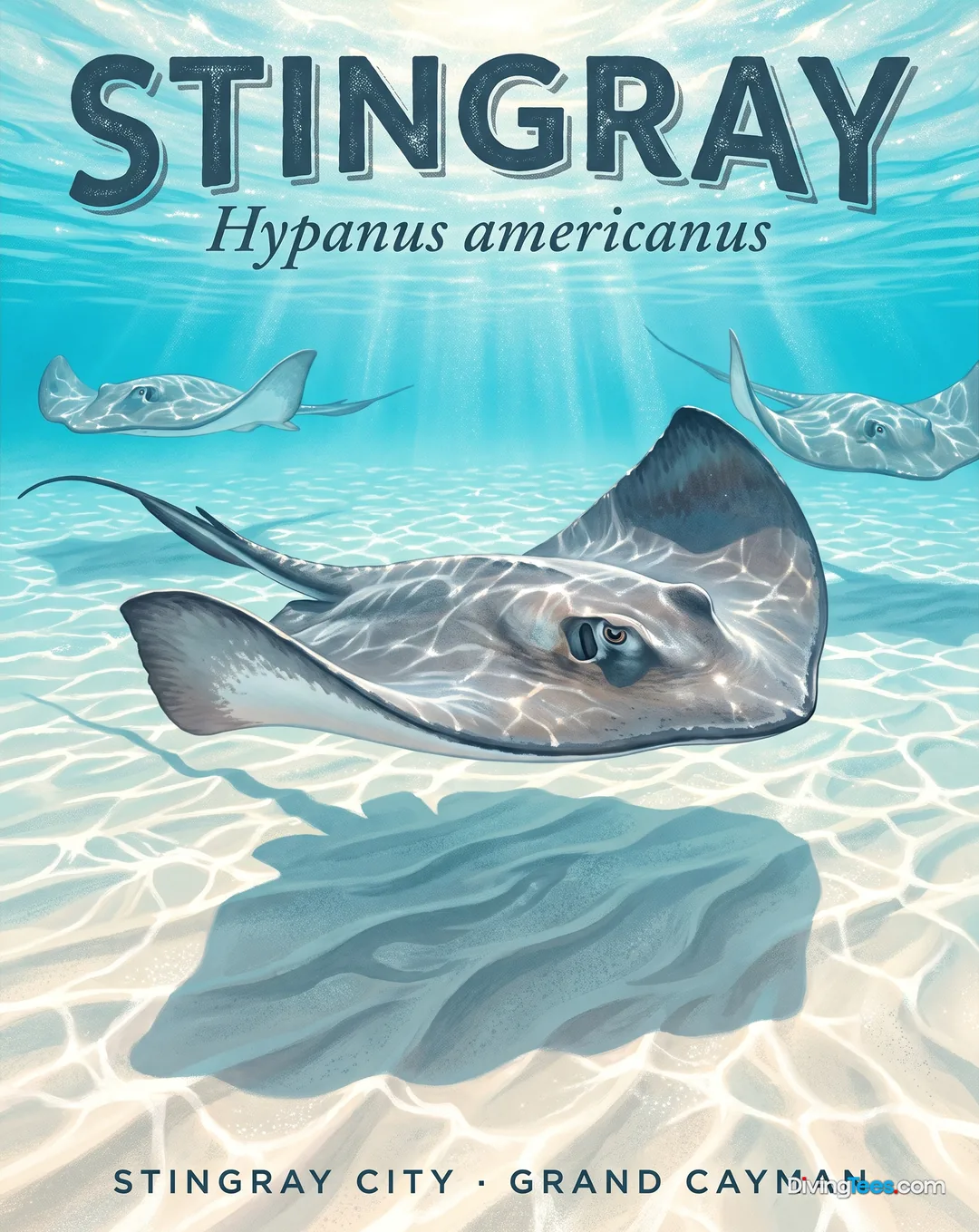
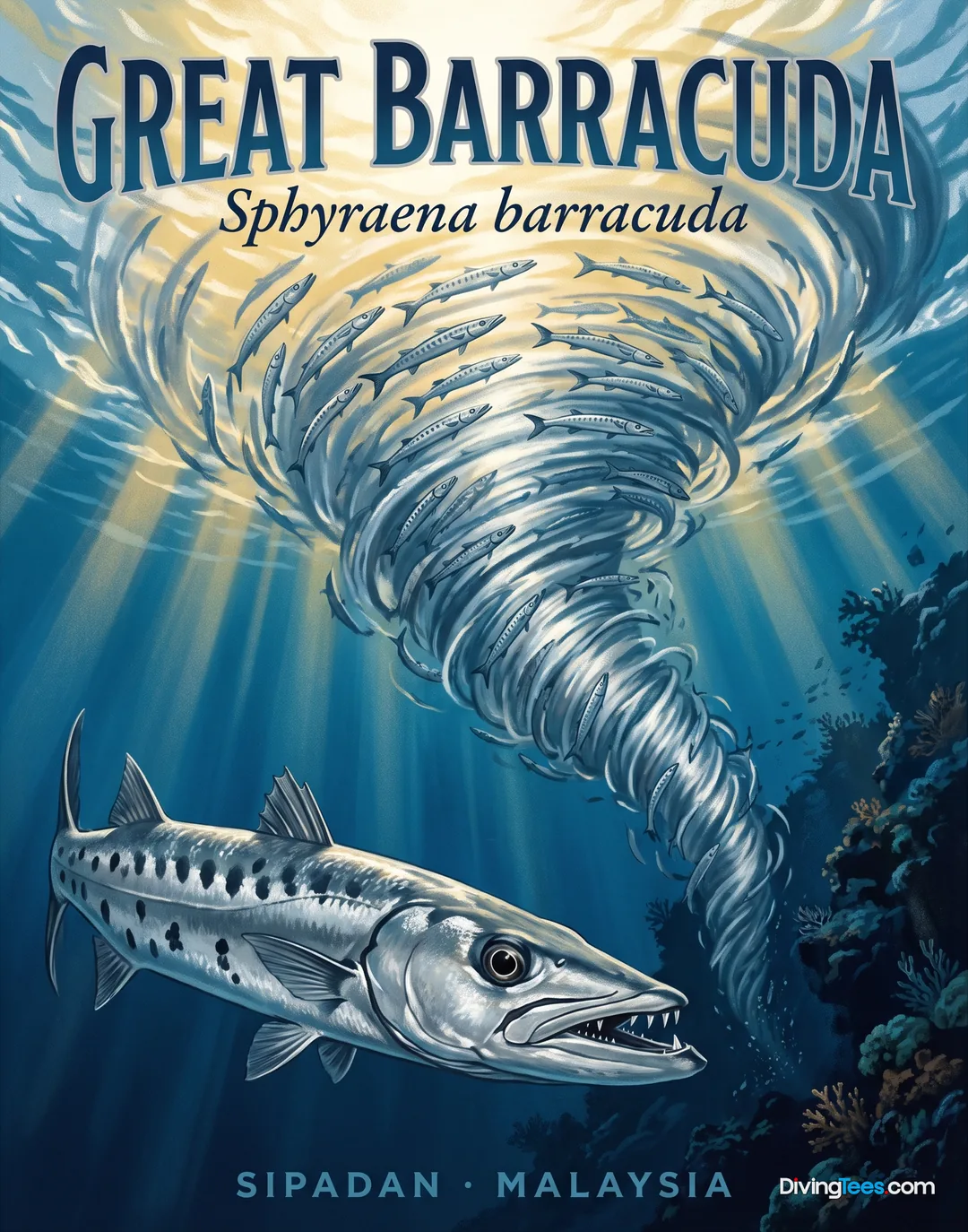
Beyond the sharks, the site is a high-activity zone for several large fish species. You can expect to encounter amberjack and large groupers patrolling the rocky edges and the transitions between the reef and the open water. Barracuda often hover in the mid-water columns, while eagle rays and stingrays are frequently seen cruising the sandy areas around the base of the pinnacle. The constant movement of life across the reef is a defining characteristic of the site, as the topography directs nutrient-rich water across the volcanic ridges.
The current at Baja Rosario is generally light, making it one of the more comfortable pinnacles in the reserve. Most dives are straightforward, though conditions can shift slightly based on seasonal weather patterns or swell within the Mar de las Calmas. Because the site is protected, the water remains relatively calm compared to more exposed oceanic sites. This stability allows for easy navigation along the summit and within the canyons, even for those who are not highly experienced with heavy surge or strong directional flow.
Visibility at the site is typically excellent, often ranging between 20 and 30 metres. This clarity is essential for observing the scale of the volcanic structure and spotting pelagic species as they approach from the blue. The high visibility also means that the light penetration reaches deep into the canyons, highlighting the textures of the volcanic rock and the movement of the fish. When the water is this clear, you can often see the silhouette of the pinnacle from a significant distance during your descent.
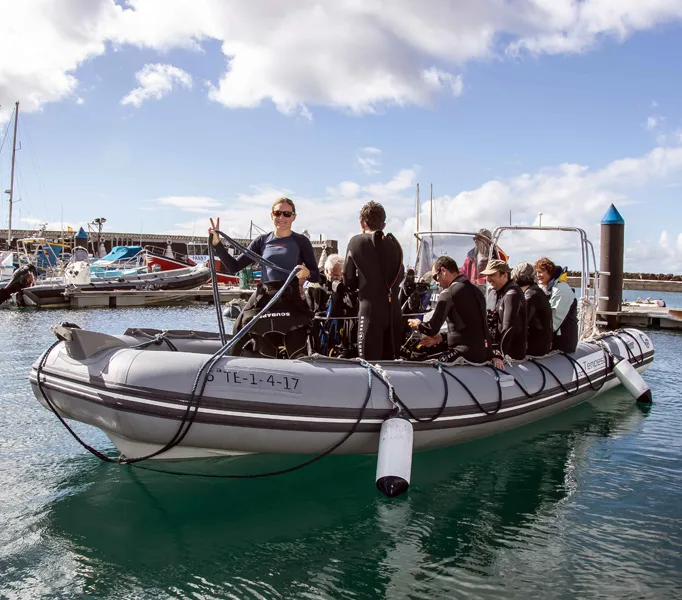
Access to the site is managed through a boat dive from La Restinga, typically involving a short transit of under 20 minutes toward the Tacorón area. Due to its location within the marine reserve, the site uses a fixed mooring and buoy system to prevent anchoring and protect the seabed. Divers must follow reserve regulations, which include specific limits on the number of divers permitted per buoy. This controlled access helps maintain the integrity of the volcanic structure and the density of the local fauna.
The site has depths ranging from 6 to 30 metres. It is accessible from Open Water Diver level, though Advanced Open Water is recommended if you intend to explore the deeper canyons and sandy bottom below 18 metres. Current is generally light, and visibility is expected to be between 20 and 30 metres. The best period for shark sightings is between June and October.
Plan your dive at Baja Rosario between June and October if you want to look for smalltooth sand tiger sharks. Pregnant females use the area as a historic aggregation site during this period, and you may encounter them in deeper sections or hovering near the volcanic structure.
You can dive Baja Rosario as an Open Water Diver, with depths from 6 to 30 metres. Advanced Open Water is recommended if you intend to explore the deeper lava canyons and sandy bottom below 18 metres. The shallow summit sits between 6 and 12 metres.
At Baja Rosario, the current is generally light, creating comfortable conditions for exploring the summit and lava canyons. Visibility is typically between 20 and 30 metres, allowing you to view the volcanic structure, rocky textures, and approaching pelagic species from the blue.
At Baja Rosario, you can explore a submerged volcanic mountain with rocky ridges, steep slopes, and deep lava canyons. Marine life includes amberjack, groupers, barracuda, eagle rays, stingrays, and seasonal smalltooth sand tiger sharks around the pinnacle and sandy areas at its base.