
Tagoro Dive
Google 5/5 (756 reviews)
2.6 km away as the crow flies
El Hierro · Canary Islands · Atlantic
Max. depth · 18 mA horseshoe-shaped bay offering calm, shallow reef exploration within a protected Mediterranean-style ecosystem.
For subtitles in English: start the video firstthen click the gearat the top right of the video, select “Subtitles/CC”, then “Auto-translate” and choose “English”.
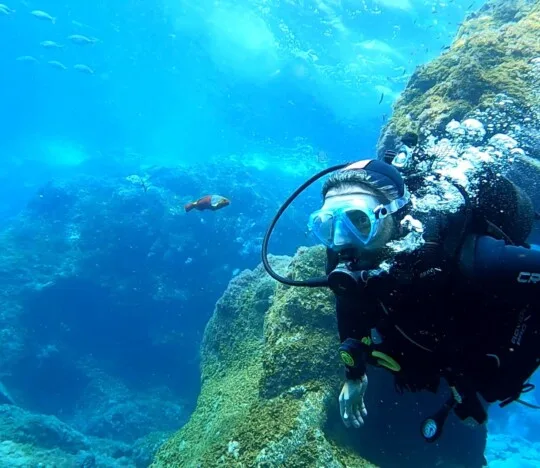
La Herradura is defined by its distinctive horseshoe shape, which creates a natural sanctuary from the open ocean. The site is situated within a sheltered bay where the geography provides significant protection from heavy swell and significant water movement. This structural layout makes the bay an ideal environment for divers looking for controlled conditions. You will find that the seabed primarily consists of a gently sloping sandy bottom, which is broken up by various geological features. These features include rocky outcrops and low reefs that provide essential structure for the local marine life.
As you move closer to the headlands of the bay, the underwater landscape becomes increasingly complex. The seabed transitions from simple sand into a more rugged terrain composed of large boulders and small rocky walls. These formations create a series of natural channels and ledges that allow you to navigate through different micro-habitats. The presence of seagrass patches further diversifies the terrain, offering a soft contrast to the hard rock surfaces. This variety in topography ensures that even a shallow dive offers enough visual interest to keep you engaged throughout the entire bottom time.
The dive profile here is relatively shallow and accessible, typically ranging from 2 to 18 metres. This makes the site particularly well-suited for beginners or those working through training modules in a real-world environment. You can expect a gradual descent along the sandy slopes before reaching the more interesting rocky sections. Because the depths are limited, the light penetration remains high, which is beneficial for seeing the intricate details of the reef. It is a site designed for relaxed exploration rather than the dramatic vertical descents found at nearby sites like Punta de la Mona.
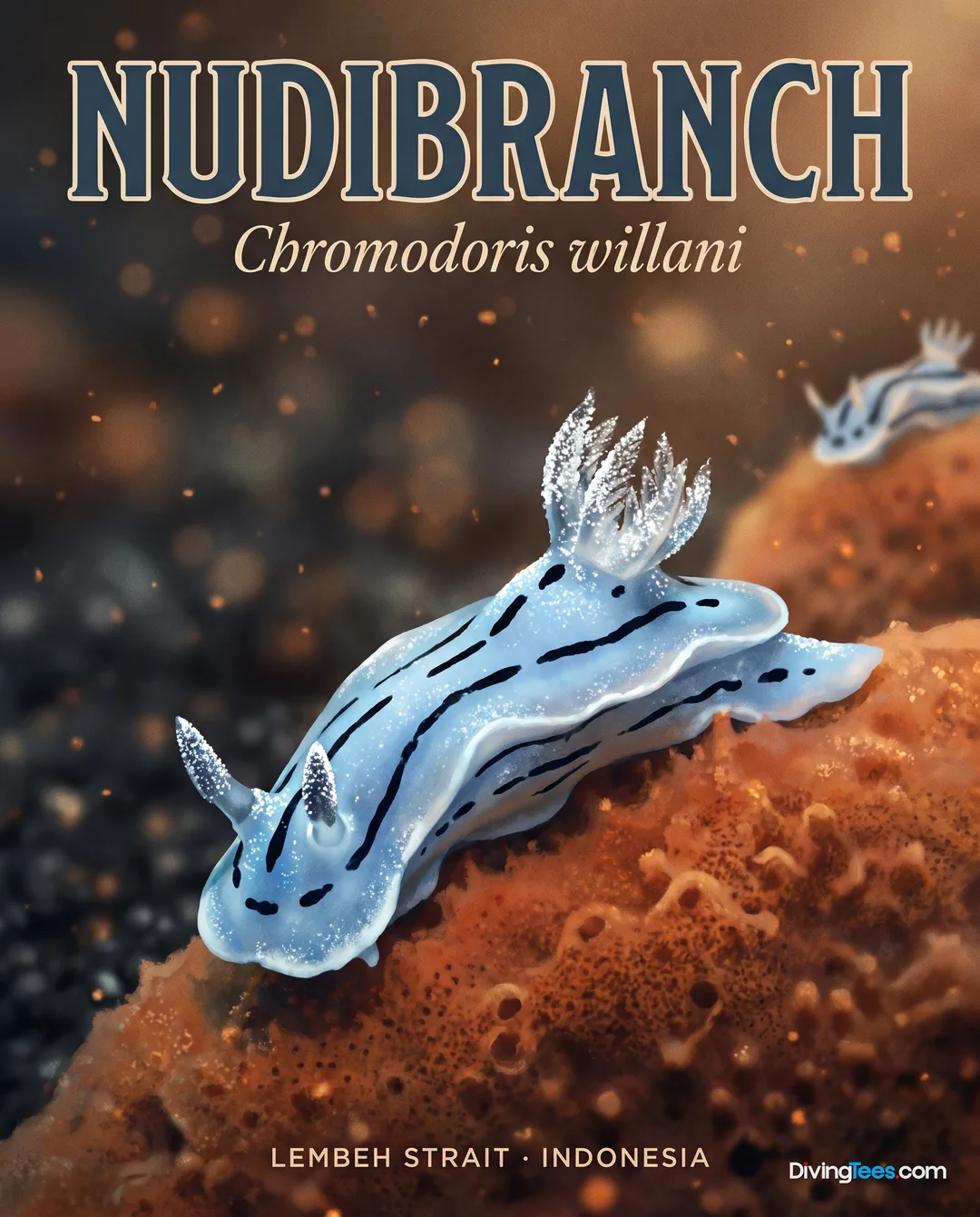
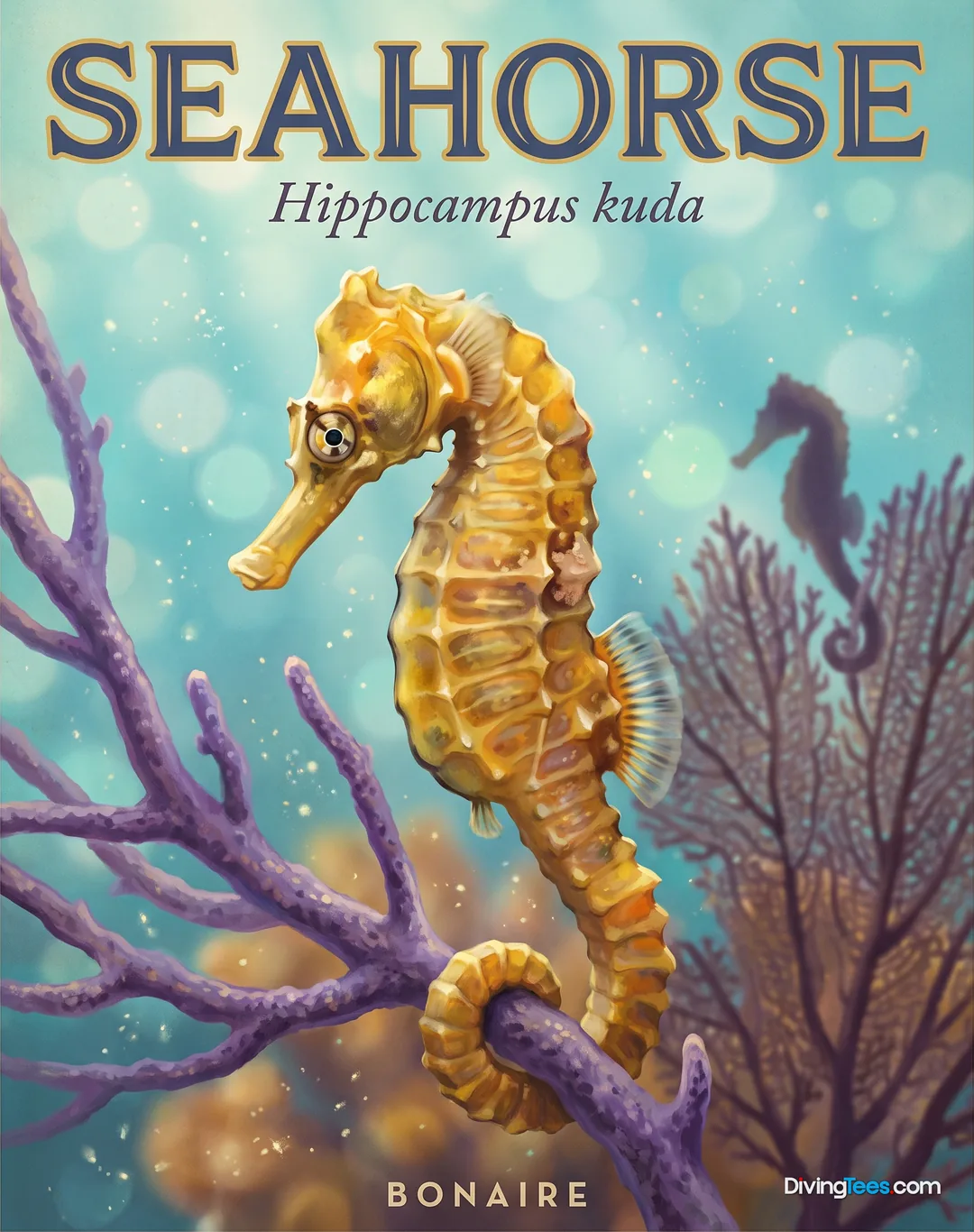
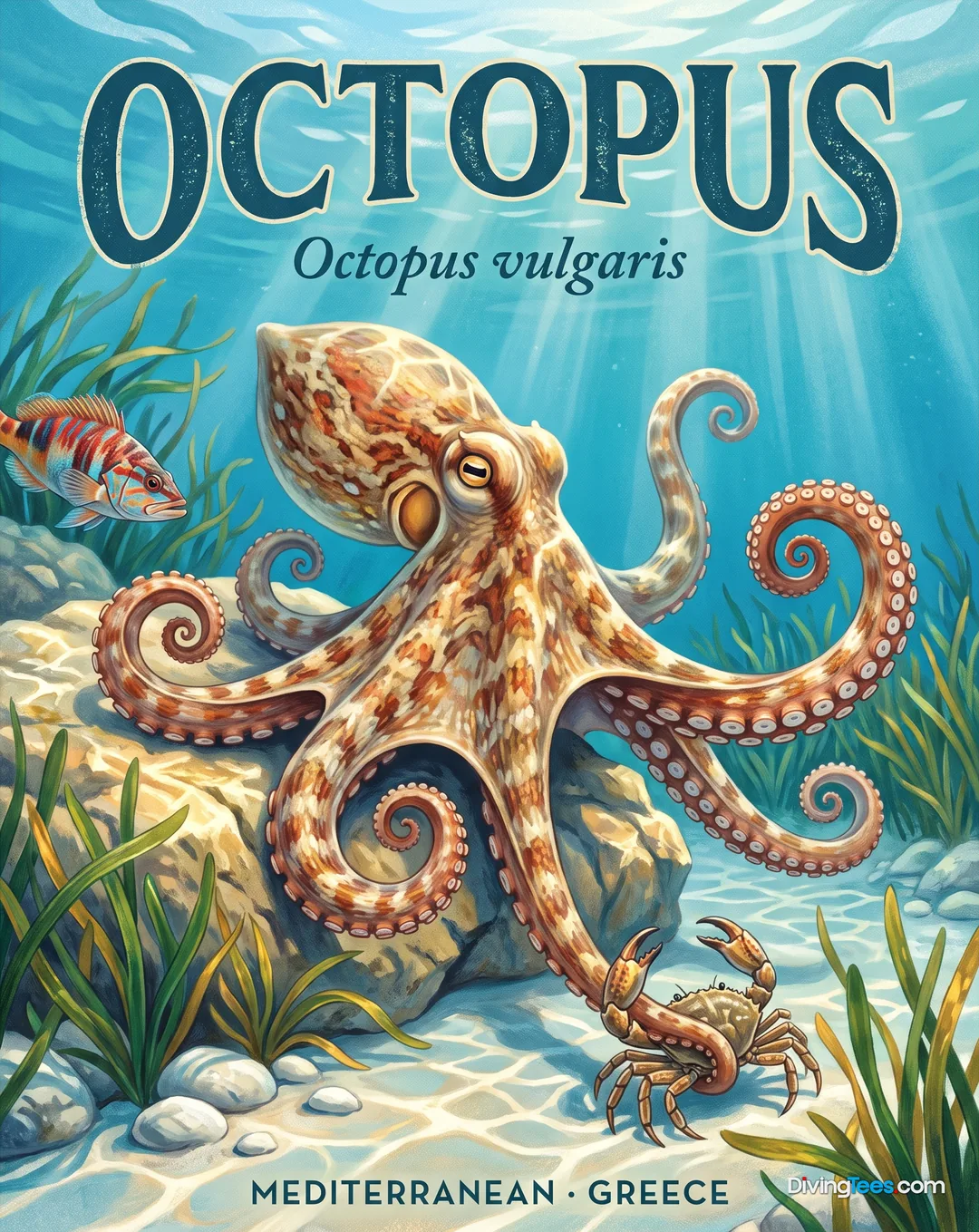
For those interested in macro life, the combination of seagrass and rocky crevices offers plenty of hiding spots. You can find various invertebrates and smaller species tucked away in the shadows of the boulders. Specifically, the site is known for hosting nudibranchs and seahorses that require a slow, observant approach to locate. The presence of octopus and common cuttlefish adds to the interest for photographers looking to capture cephalopod behavior. Searching through the rocky outcrops and near the seagrass edges is usually the best way to encounter these more elusive residents.
The resident fish population is diverse and follows the structural complexity of the reef. You will frequently encounter brown wrasse and various species of damselfish hovering around the rocky edges. Larger fish, such as bream and scorpionfish, are often found more stationary, blending into the rocky seabed or hiding near the bottom. Moray eels are also common residents, often found peering from the cracks in the stone. Observing these species in their natural habitat is straightforward here due to the calm conditions and the relatively slow pace of the environment.
Water movement within the bay is generally light, thanks to the protection offered by the headlands. This calm environment is a core characteristic of La Herradura, making it one of the more predictable sites in the area. However, it is important to note that currents can increase slightly near the outer edges of the bay. This shift usually occurs when local wind and swell conditions align with the opening of the horseshoe shape. When these external factors are present, you may feel a slight pull as you move toward the mouth of the bay.
Visibility at the site is generally reliable, typically ranging from 5 to 18 metres depending on the conditions. The sandy bottom can occasionally affect clarity if there is significant movement, but the sheltered nature of the bay helps mitigate this. For the best experience, diving during the spring to autumn months is recommended. During this period, the water temperatures are warmer and the visibility tends to be at its peak. While winter diving is entirely possible, you should be prepared for cooler water temperatures and potentially different light levels.
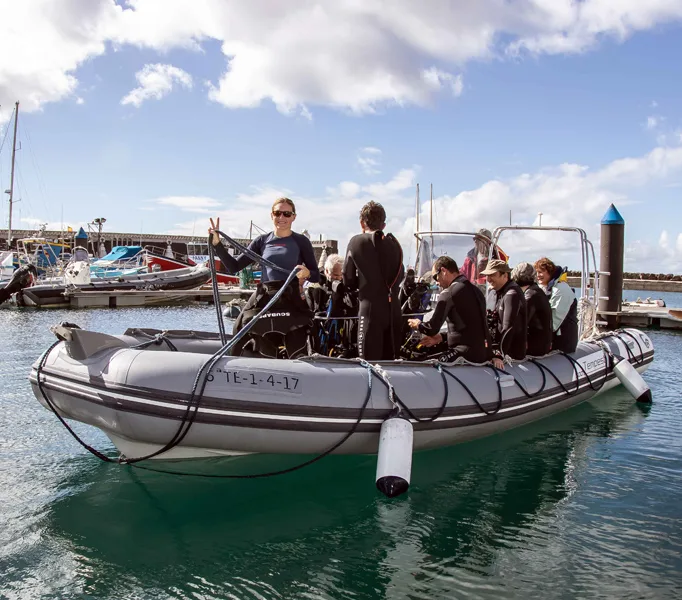
Accessing the site is straightforward, with most dives being conducted as shore entries from La Herradura beach. The descent begins with an easy walk-in along the gently sloping sandy bottom, which avoids the need for complex boat entries. Some dive operators may use small boats to reach more distant or slightly deeper rocky areas within the bay, but the primary character of the site remains easily accessible from the shore. This ease of access makes it a reliable choice for both recreational divers and those practicing buoyancy control in a stable setting.
The site has a depth range of 2 to 18 metres and is accessible from Open Water Diver level. Currents are generally light due to the bay's protection, though they can increase near the bay's opening if wind and swell align. Visibility is between 5 and 18 metres, and the best period to dive is from spring to autumn.
You can dive La Herradura throughout the year, but spring through autumn is the recommended period. During these months, the water is warmer and visibility tends to be at its peak. Winter diving is possible, although you should expect cooler water temperatures and potentially different light levels.
La Herradura is accessible from Open Water Diver level and suits beginners, training dives, and relaxed exploration. The site ranges from 2 to 18 metres, with a gradual descent over gently sloping sand before the seabed becomes rockier. Its limited depth also provides strong light penetration for observing reef details.
La Herradura is protected by its horseshoe-shaped bay, so water movement is generally light and conditions are relatively predictable. Currents can increase near the outer edges and bay opening when wind and swell align. You may then feel a slight pull as you move toward the mouth of the bay.
You can explore sandy slopes, rocky outcrops, low reefs, boulders, ledges, channels, and seagrass patches. The site supports nudibranchs, seahorses, octopus, common cuttlefish, brown wrasse, damselfish, bream, scorpionfish, and moray eels. Seagrass and rocky crevices offer places to search for smaller invertebrates and other elusive residents.