
Tagoro Dive
Google 5/5 (756 reviews)
7.2 km away as the crow flies
El Hierro · Canary Islands · Atlantic
Max. depth · 40 mA vast sandy plateau at the western edge of the Mar de Las Calmas hosting one of the largest garden eel colonies in the Canary Islands.
For subtitles in English: start the video firstthen click the gearat the top right of the video, select “Subtitles/CC”, then “Auto-translate” and choose “English”.
Located at the western boundary of the Mar de Las Calmas marine reserve, El Desierto presents a topography that sets it apart from the steeper walls typical of the La Restinga area. The site begins with a broad, expansive sandy plateau that meets complex volcanic reef structures. This transition from soft sediment to hard substrate defines the dive profile, offering two distinct environments within a single descent. As you move from the shallow areas toward the deeper sections, you will encounter a variety of basaltic lava reefs, tortuous rocky ledges, and several small caves. The site is best approached by boat from La Restinga, typically requiring a 10 to 15-minute transit to the western limit of the reserve.
The most defining feature of this site is the extensive sandy plain that covers the upper section of the plateau. This area hosts a massive colony of brown garden eels, which is considered one of the most significant populations in the Canary Islands and potentially the world. Navigating this section requires careful buoyancy control to avoid disturbing the sediment or the eels themselves. Watching these eels emerge from their burrows in the light sand creates a visual rhythm that is unique to this specific location. This sandy habitat is a rare find in a region often dominated by sheer vertical drop-offs and rocky outcrops.
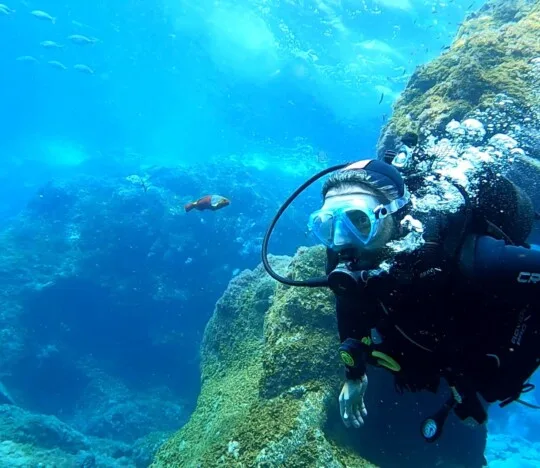
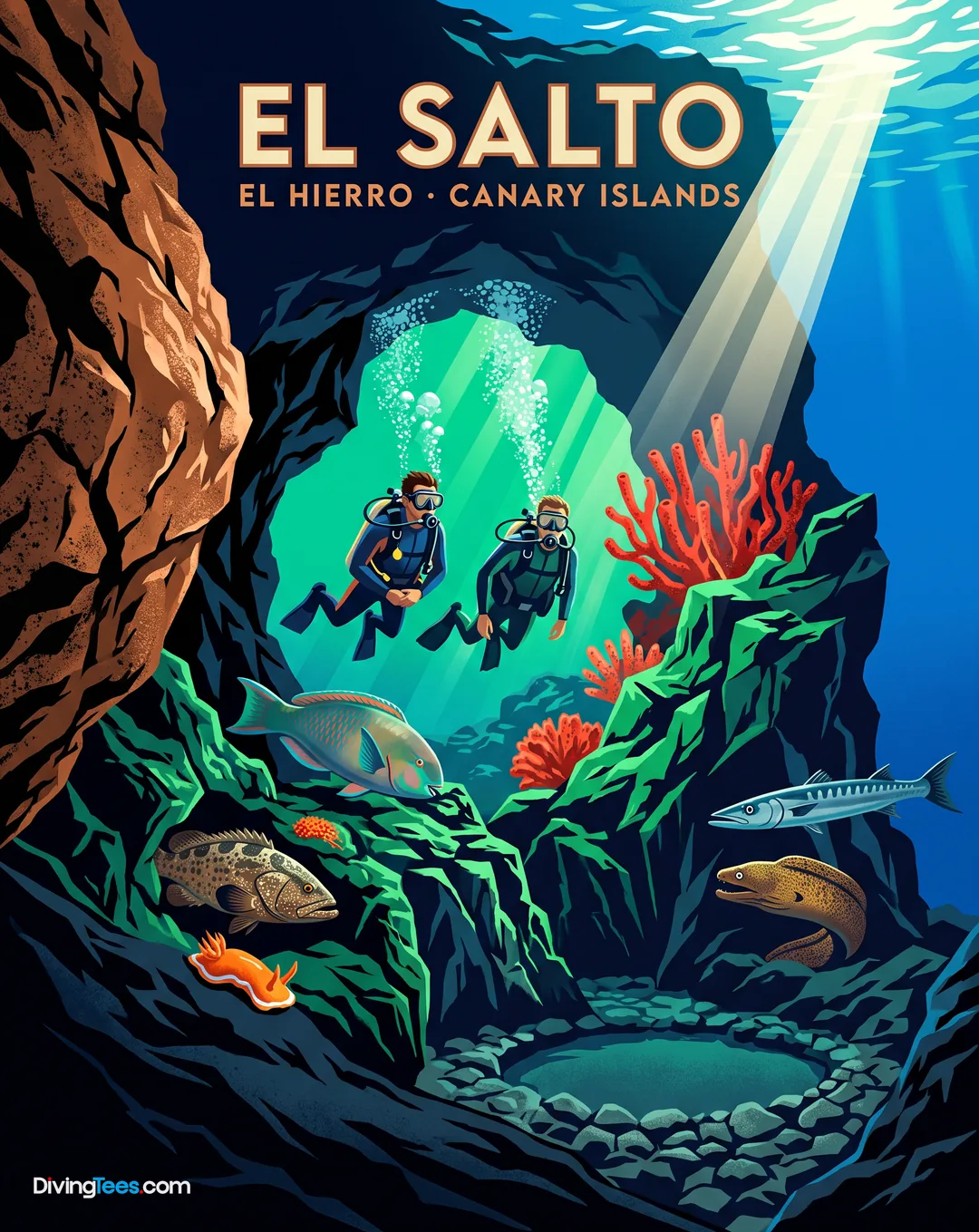
Moving away from the garden eel colony, the terrain becomes increasingly complex as the reef drops in steps. You will navigate through a series of cracks, arches, and small caves carved into the volcanic rock. These structures provide ample hiding spots for resident reef species, including various moray eels and dusky groupers. The geological detail here is high, with the basaltic lava formations creating a labyrinthine environment that rewards slow, observant swimming. The descent typically follows a shot line or a fixed buoy placed at the interface where the sand meets the first rocky ledge.
For those looking for larger marine life, the deeper edges of the reef offer consistent opportunities. The site reaches depths of up to 40 metres, where the topography creates a mini drop-off. This deeper zone is where you are most likely to encounter pelagic species passing through the area. You may see tuna, white trevally, or rays moving through the water column. The presence of these larger animals is often more frequent when the visibility is high, allowing you to track their movement from the safety of the reef structure.
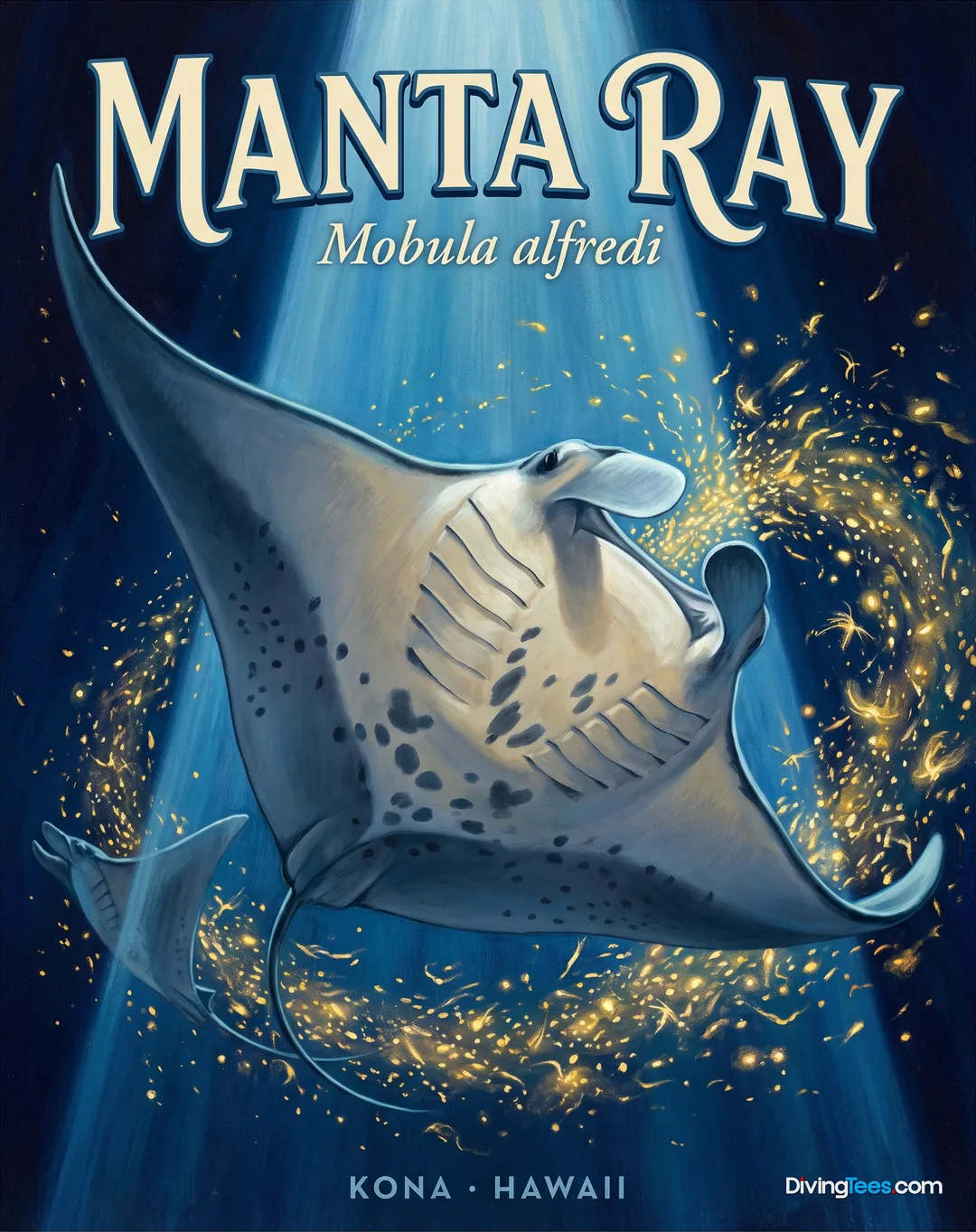
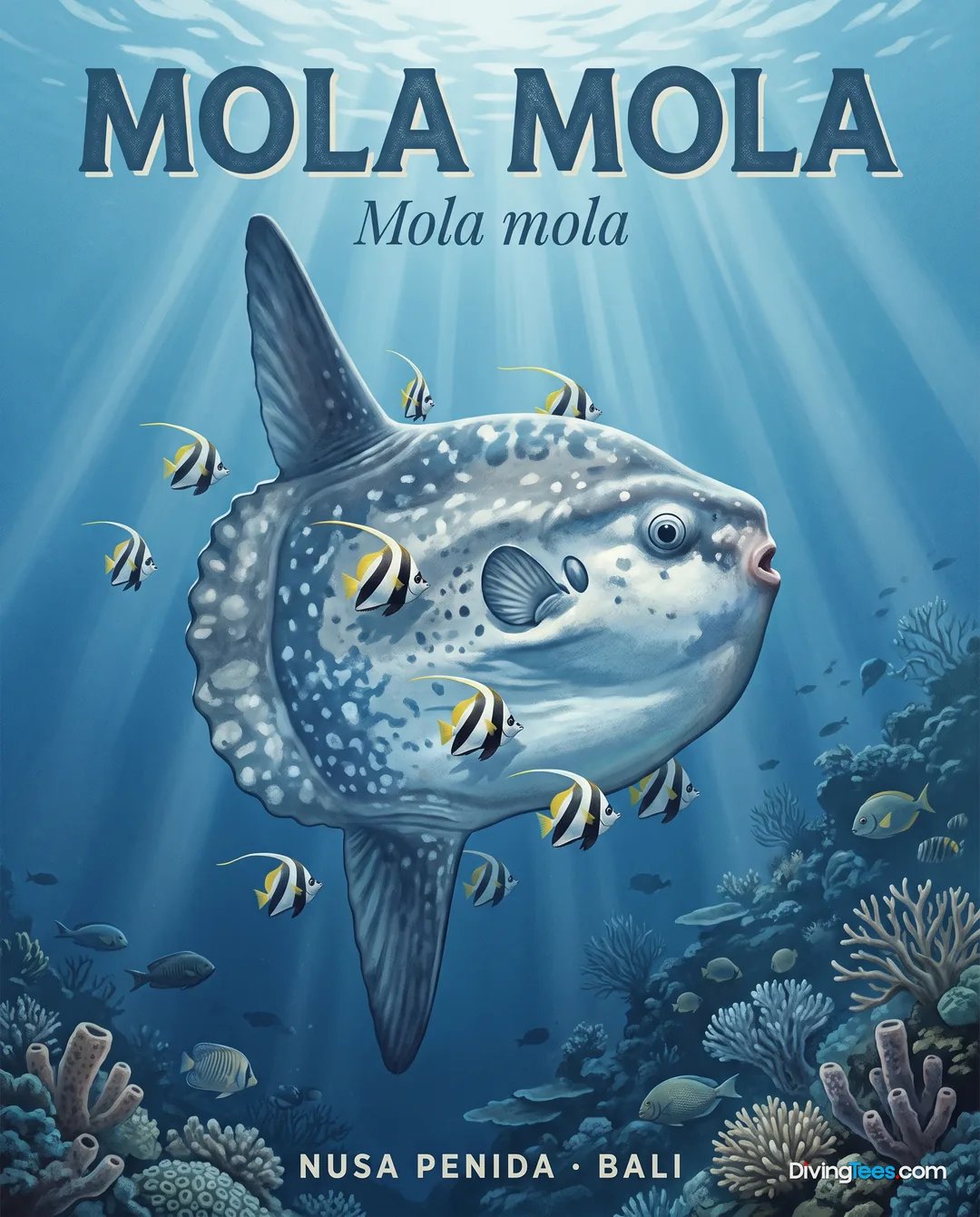
The site is also a notable location for observing larger, more iconic species like manta rays and the ocean sunfish. These animals often cruise the perimeter of the reserve, particularly in the deeper water near the western boundary. The presence of such large filter feeders and predators indicates a healthy, productive ecosystem within the marine reserve. While sightings of manta rays are not guaranteed on every dive, the open nature of the site allows them easy access to the area. The scale of the fauna here provides a striking contrast to the delicate garden eels found on the shallow plateau.
Visibility at El Desierto is generally excellent, frequently ranging between 20 and 40 metres. This clarity is essential for both observing the intricate details of the garden eel colony and spotting pelagics in the distance. The water clarity is particularly reliable during the late summer and autumn months, from August to October. During this period, the water is warmer and the visibility is at its peak, making it an ideal time for observing the full diversity of the site. The combination of high visibility and complex topography makes this a premier location for both macro and pelagic enthusiasts.
The current conditions at El Desierto are generally light and manageable, which distinguishes it from more demanding sites in the region. Most dives are conducted without significant drift, as the flow is typically dictated by local wind and swell conditions at the western edge of the reserve rather than persistent tidal streams. However, divers should remain aware that flow can pick up on the deeper reef edges. It is common practice for guides to adjust the route or the depth of the dive to account for any local movement. For the best experience, especially when exploring the deeper sections, maintaining precise buoyancy is key to navigating the rocky ledges without impact.
The site depth ranges from 12 to 40 metres. It is accessible from Open Water Diver level for shallower sections, though the deeper edge is recommended for Advanced divers. Currents are generally light, but visibility can reach 40 metres. The best time to dive is during late summer and autumn (August to October) for optimal visibility and warmth.
You can dive El Desierto throughout the year, with late summer and autumn, from August to October, offering warmer water and particularly clear conditions. Visibility is generally excellent and can reach forty metres, helping you observe both the garden eel colony and larger animals moving beyond the reef.
El Desierto ranges from twelve to forty metres deep. You can explore its shallower sections at Open Water Diver level, while the deeper edge is recommended for Advanced divers. The profile includes a broad sandy plateau, stepped volcanic reefs, rocky ledges, cracks, arches, and small caves.
Currents at El Desierto are generally light and manageable, and most dives are conducted without significant drift. Movement can increase around the deeper reef edges, where local wind and swell influence conditions. Guides may adjust your route or depth, while careful buoyancy helps you navigate the rocky ledges safely.
At El Desierto, you can see an extensive brown garden eel colony across the sandy plateau, along with volcanic lava reefs, moray eels, and dusky groupers. Rays, tuna, and white trevally may pass through deeper water, while manta rays and ocean sunfish can cruise near the reserve perimeter.