
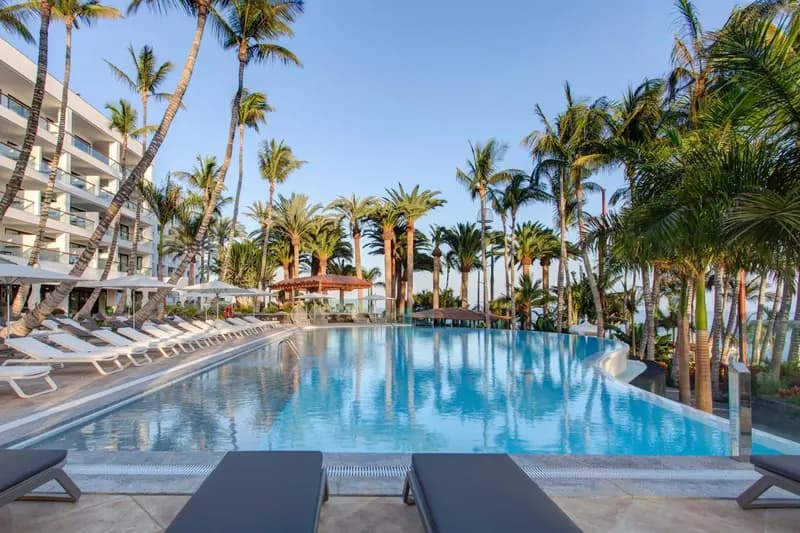
Hotel Fariones
★★★★★
★ 9.5/10 (526 reviews)
19 km away as the crow flies
Dive centre · Lanzarote · Canary Islands
4.8702 Google reviewsDive the Museo Atlántico, Europe's first underwater museum, with an official operator based directly on the Playa Blanca beach.
For subtitles in English: start the video firstthen click the gearat the top right of the video, select “Subtitles/CC”, then “Auto-translate” and choose “English”.
Located on the southern tip of Lanzarote in Playa Blanca, Dive College Lanzarote has been operating since 2001. The centre is positioned directly on the beach, providing immediate access to the local reef and the calm waters of the south coast.
As a PADI 5 Star Instructor Development Centre (IDC), the facility is geared towards both recreational exploration and professional training. It serves as an official operator for the Museo Atlántico, a unique underwater installation located just a short boat ride from the shore.
The team is composed of experienced instructors, some of whom have spent over 20 years diving the waters around Lanzarote. This local expertise ensures that the guidance provided is tailored to the specific conditions and topography of the island.
To accommodate international divers, the staff is multilingual, speaking English, Dutch, French, German, Spanish, and Italian. This makes the centre a reliable choice for those looking for technical instruction or specialised courses in a language they are comfortable with.
The course catalogue is extensive, covering the full PADI progression from Bubblemaker and Open Water Diver through to Advanced Diver and Rescue Diver. For those looking to advance their careers, the centre provides training for Divemaster, Assistant Instructor, and Open Water Scuba Instructor.
Beyond standard scuba certifications, there is a strong focus on freediving. You can undertake a PADI Freediver Course, Advanced Freediver, or Master Freediver, as well as specialised training such as an Equalization Course for Freedivers.
The centre operates two boats to facilitate both shore-based and offshore diving. These vessels are used for guided dives to local reefs and for excursions to the Museo Atlántico site, which is approximately 10 minutes away by boat.
The centre is equipped with a training pool on-site, which is useful for skills practice and initial training phases. For those requiring kit, a full range of equipment is available for hire, covering everything from regulators to wetsuits.
On-shore facilities include dedicated changing rooms, showers, and toilets to ensure a smooth transition between the beach and the dive site. The centre also supports rebreather diving.
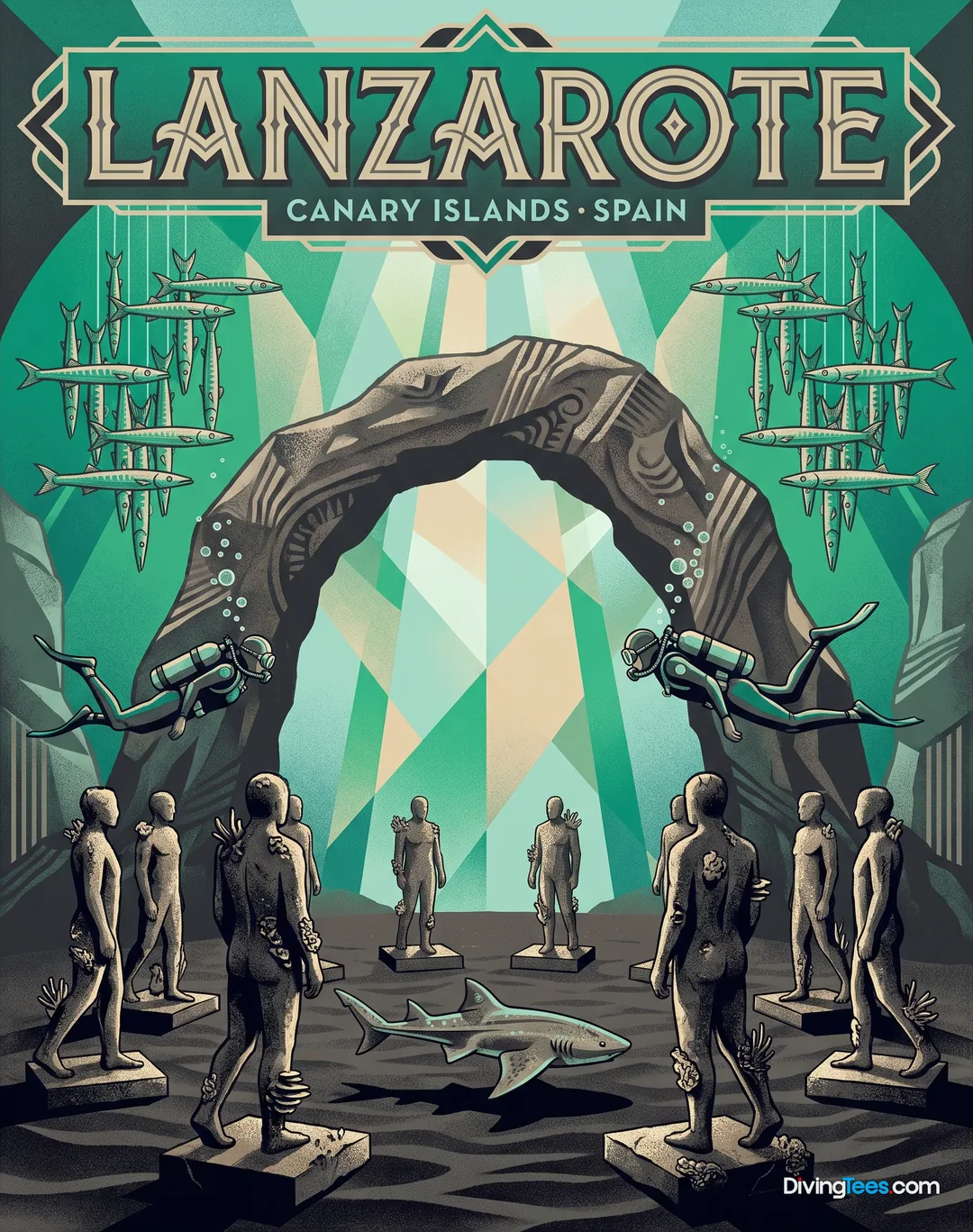
Museo Atlántico is a unique underwater museum situated at depths of 12 to 15 metres. It features over 300 sculptures by artist Jason deCaires Taylor, which function as an artificial reef for local marine life and are accessible to both certified divers and beginners via a specific programme.
Punta Berrugo is a reef site known for its colourful marine life and abundance of species. It offers a classic reef experience for those looking to explore the local biodiversity.
Flamingo Wall is a wall dive that provides rich marine life and interesting topography. It is a key site for divers looking to explore the vertical structures of the area.
The Wreck is a dedicated wreck site for those interested in exploring submerged structures and the specialised ecosystems that develop around them.
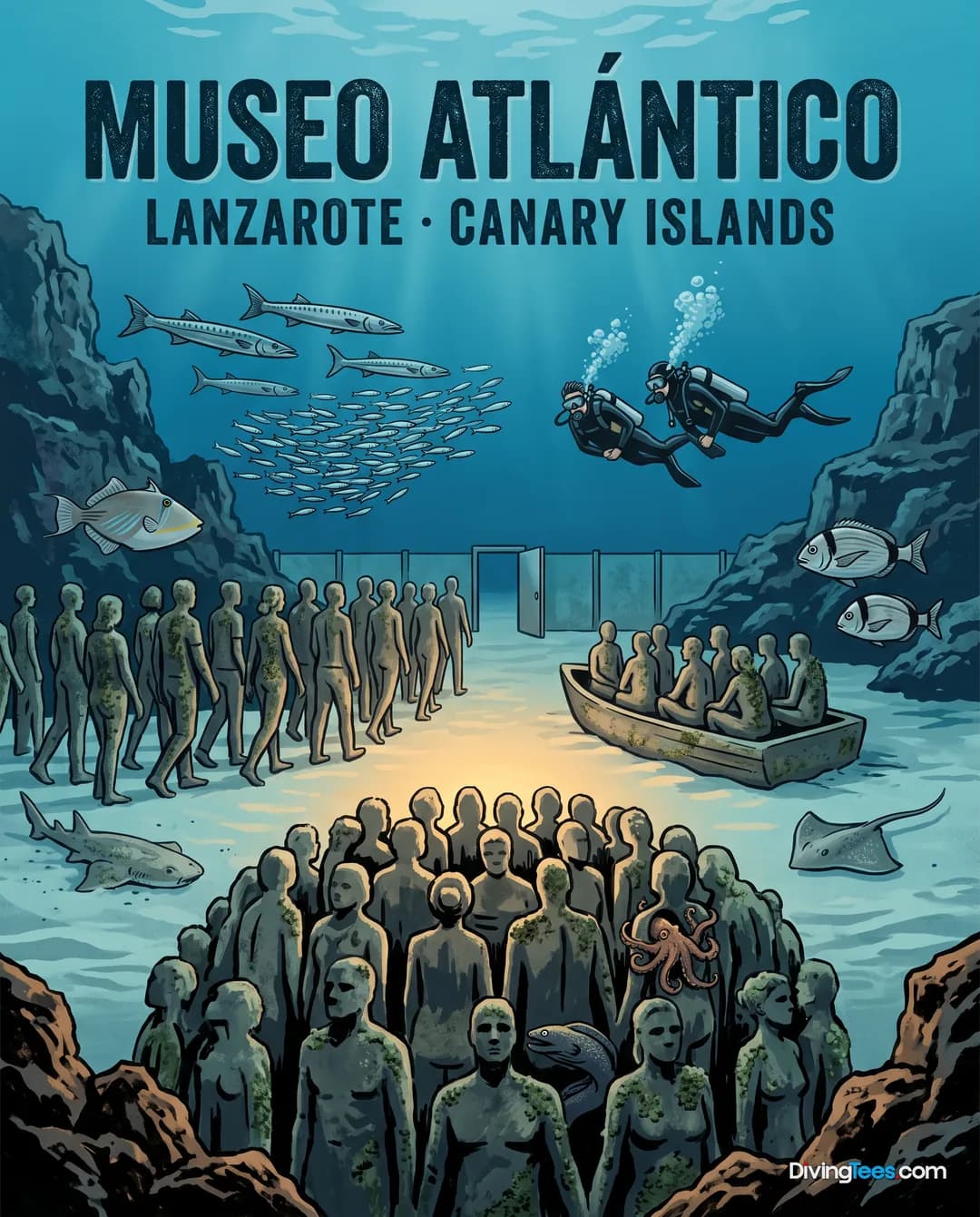
down to 15 m
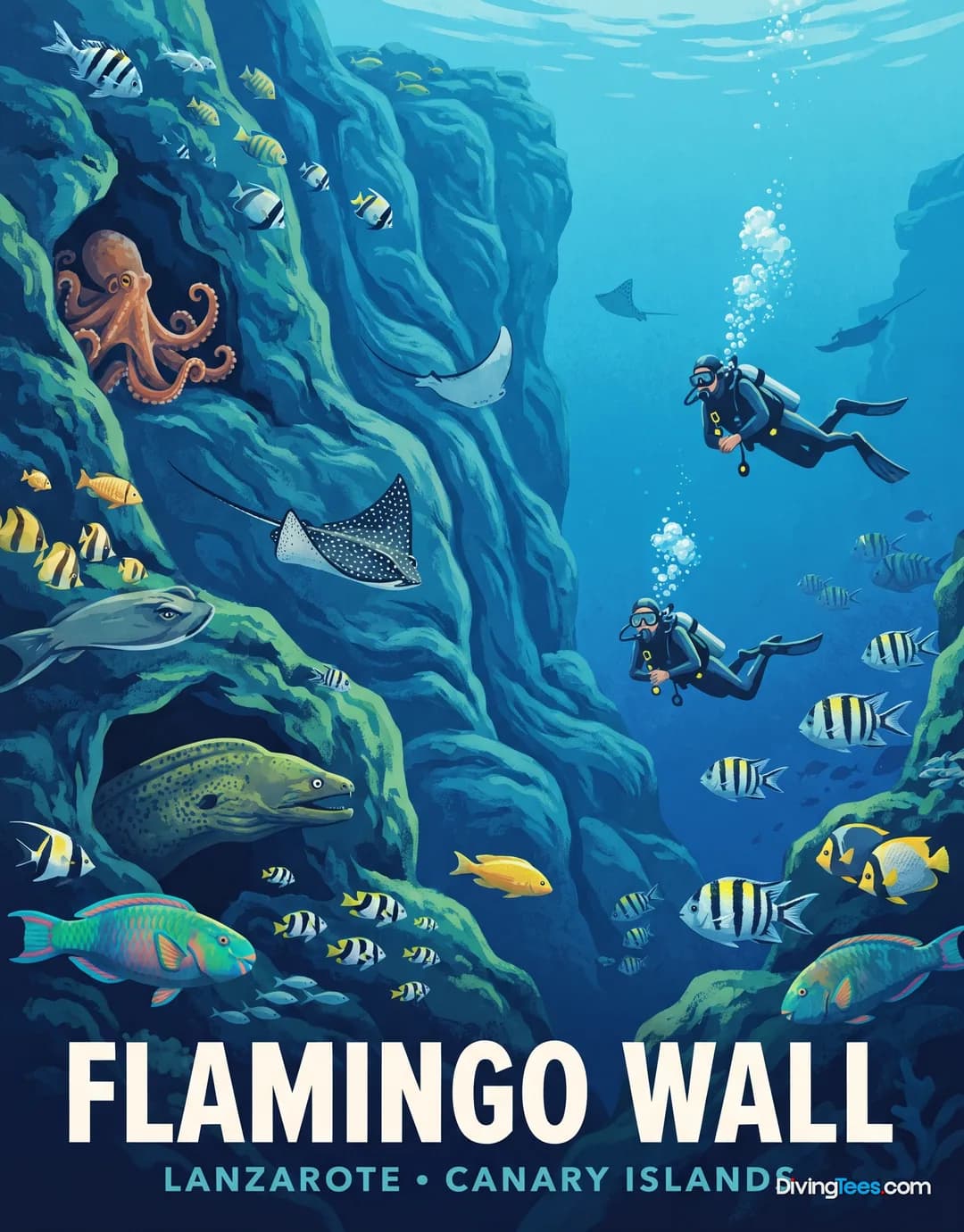
down to 18 m

down to 18 m
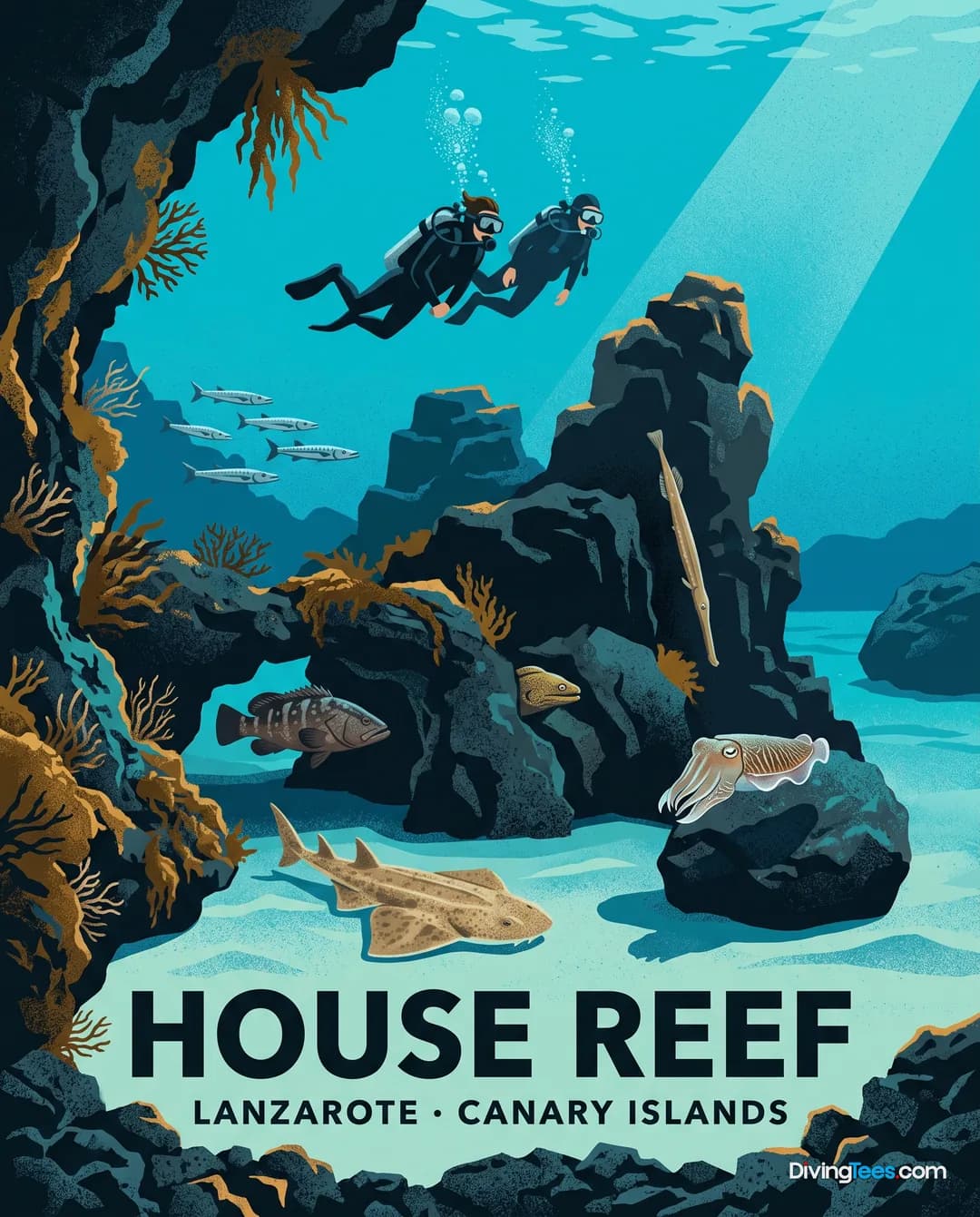
down to 18 m
And some of the dive sites the centre runs.
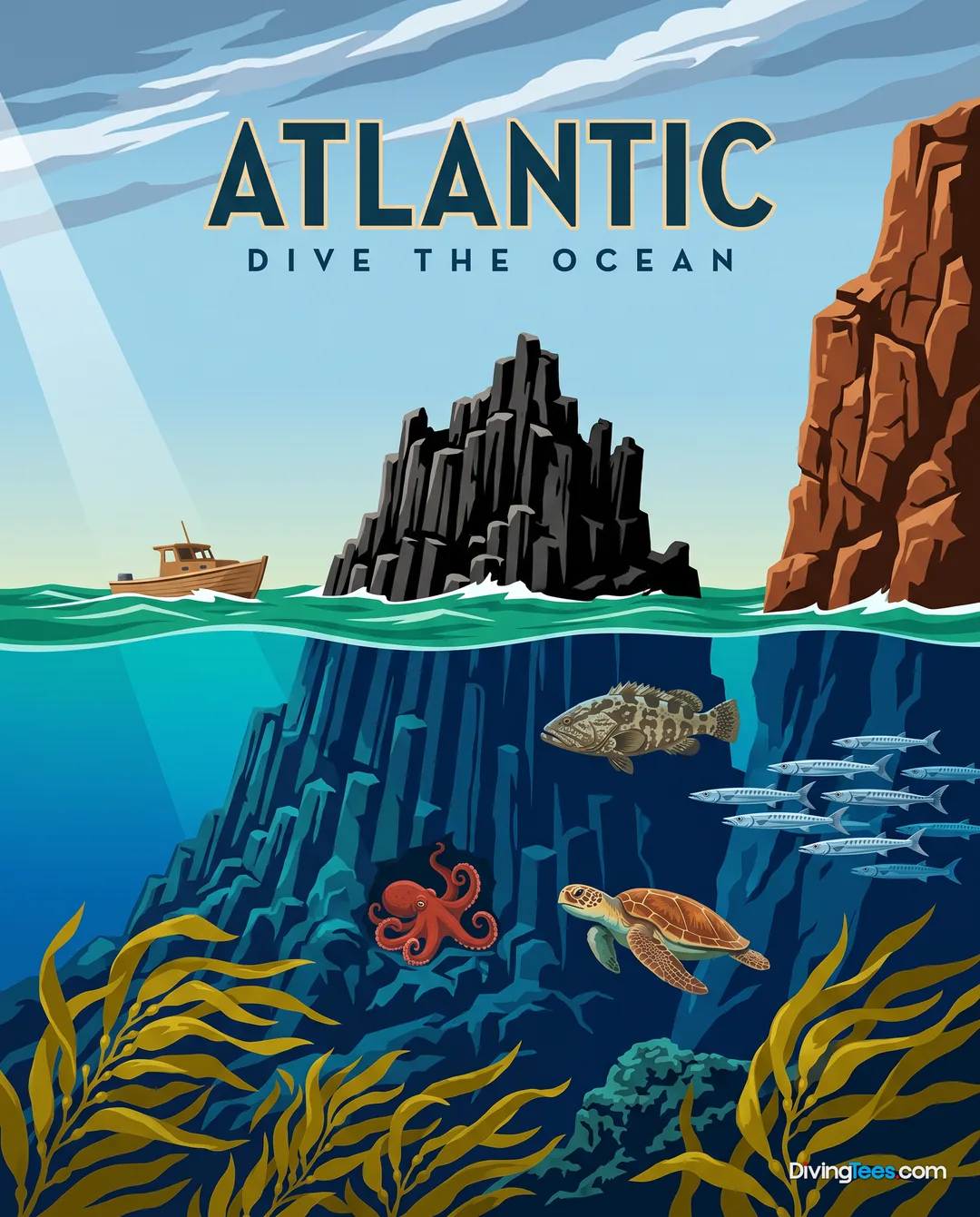
The local reefs are home to a diverse array of fish, including groupers (Epinephelus), great barracuda (Sphyraena barracuda), amberjack, and various colourful reef fish. You will often see schools of sardines (Sardina pilchardus) and damselfish moving through the water, alongside parrotfish and wrasse.
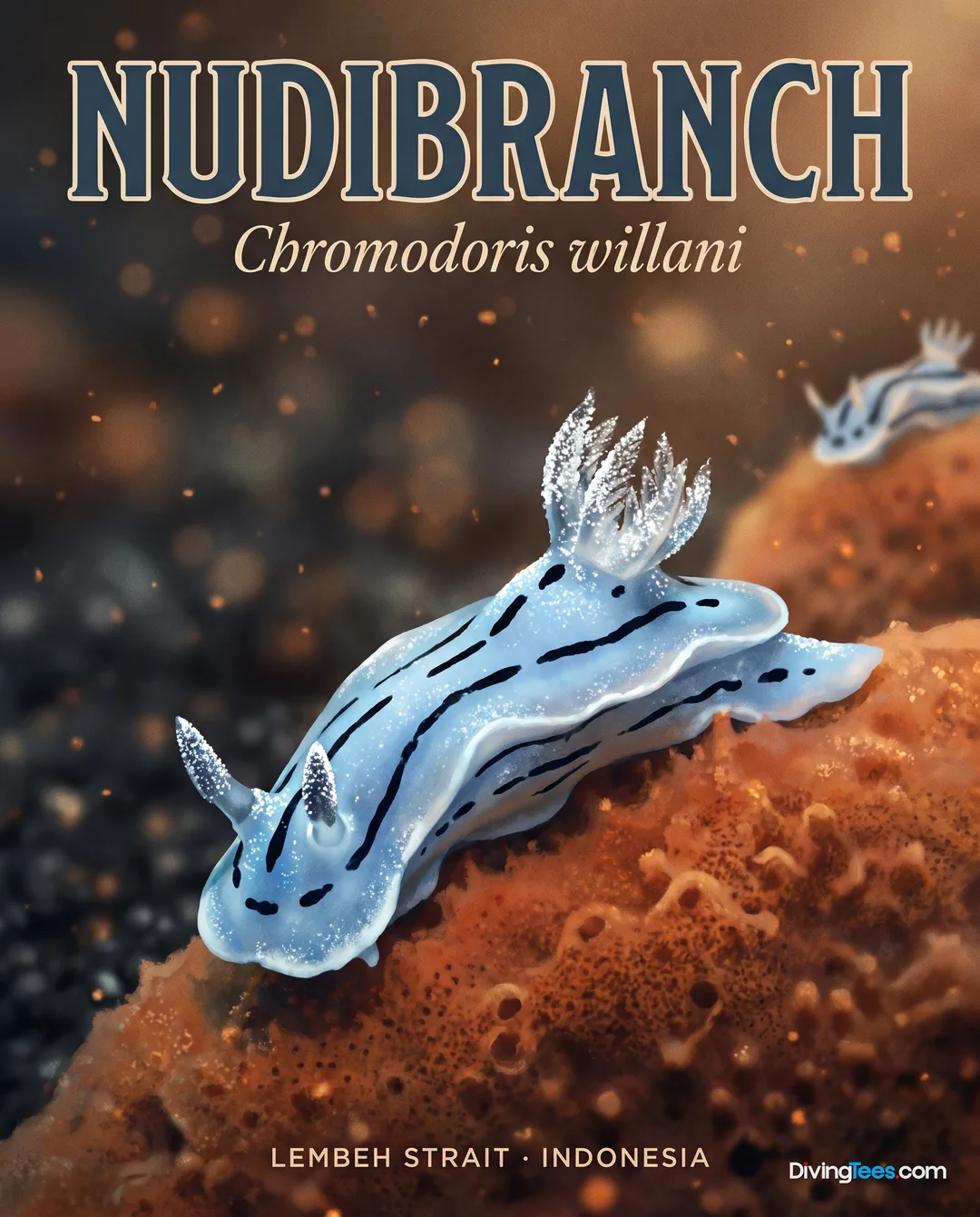
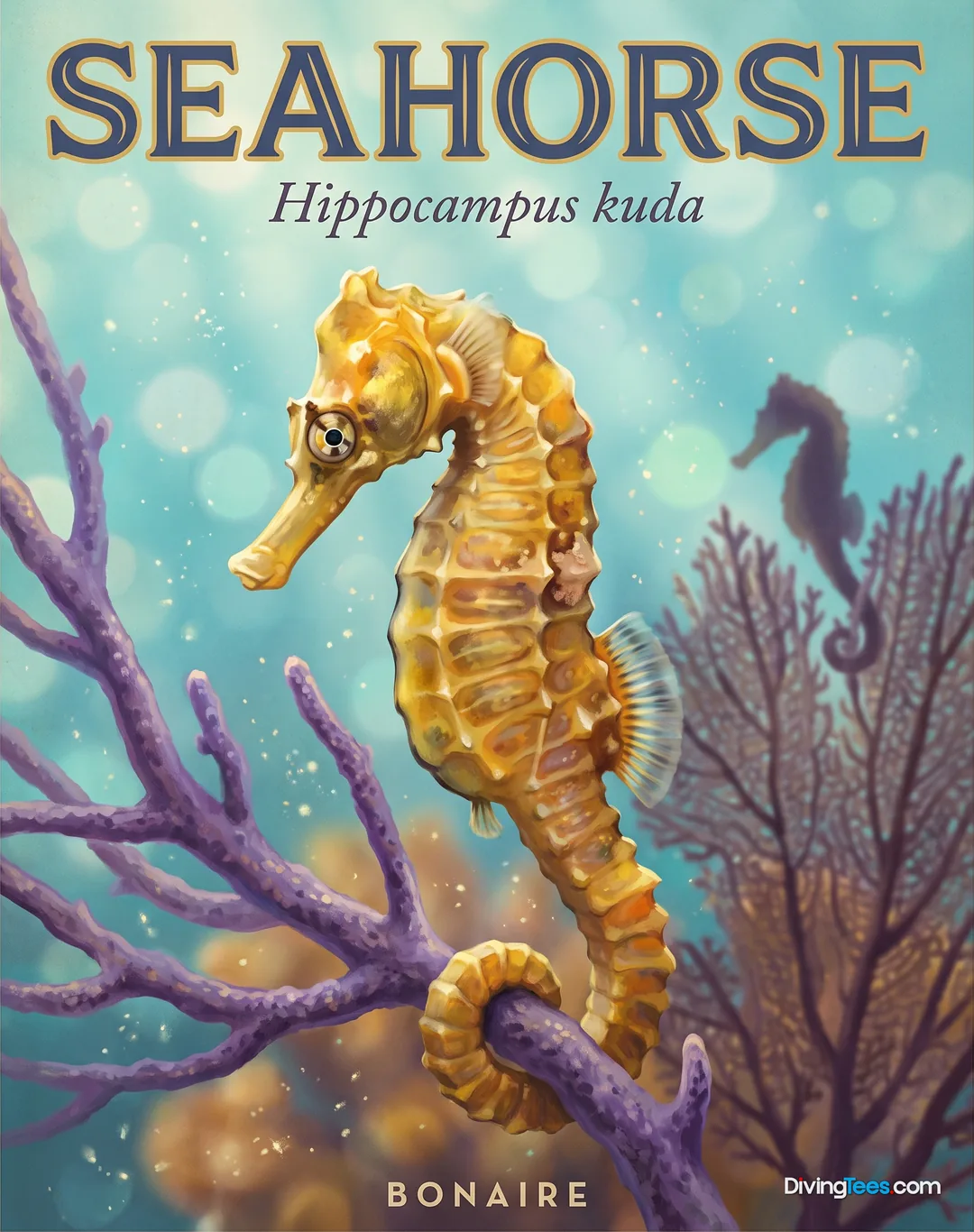
Macro life is abundant for those with an eye for detail. The area hosts various nudibranchs (Chromodoris willani), seahorses (Hippocampus kuda), and several species of octopus (Octopus vulgaris). You can also find cleaner shrimp (Lysmata), cuttlefish (Sepiidae), and various anemones decorating the reef.
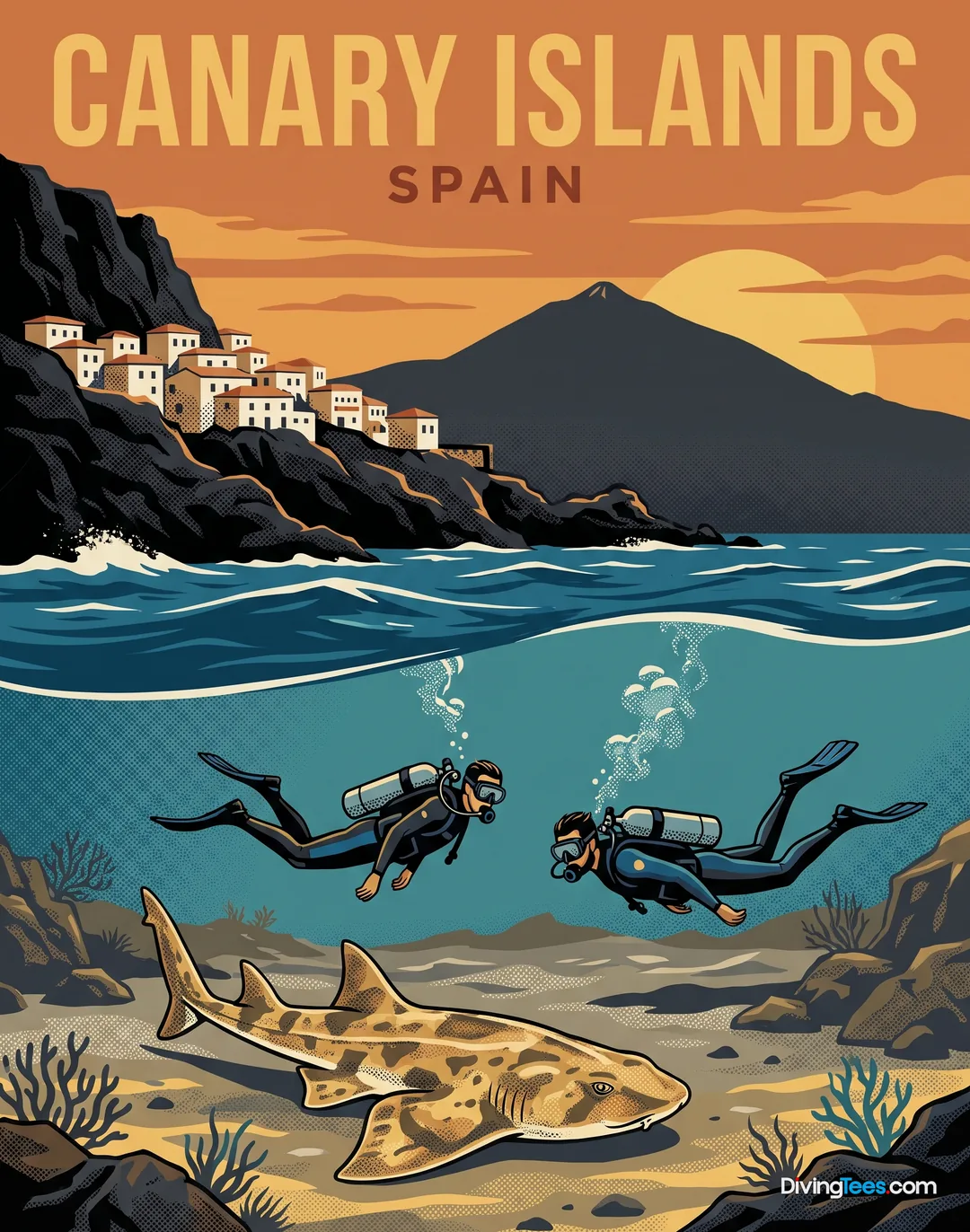
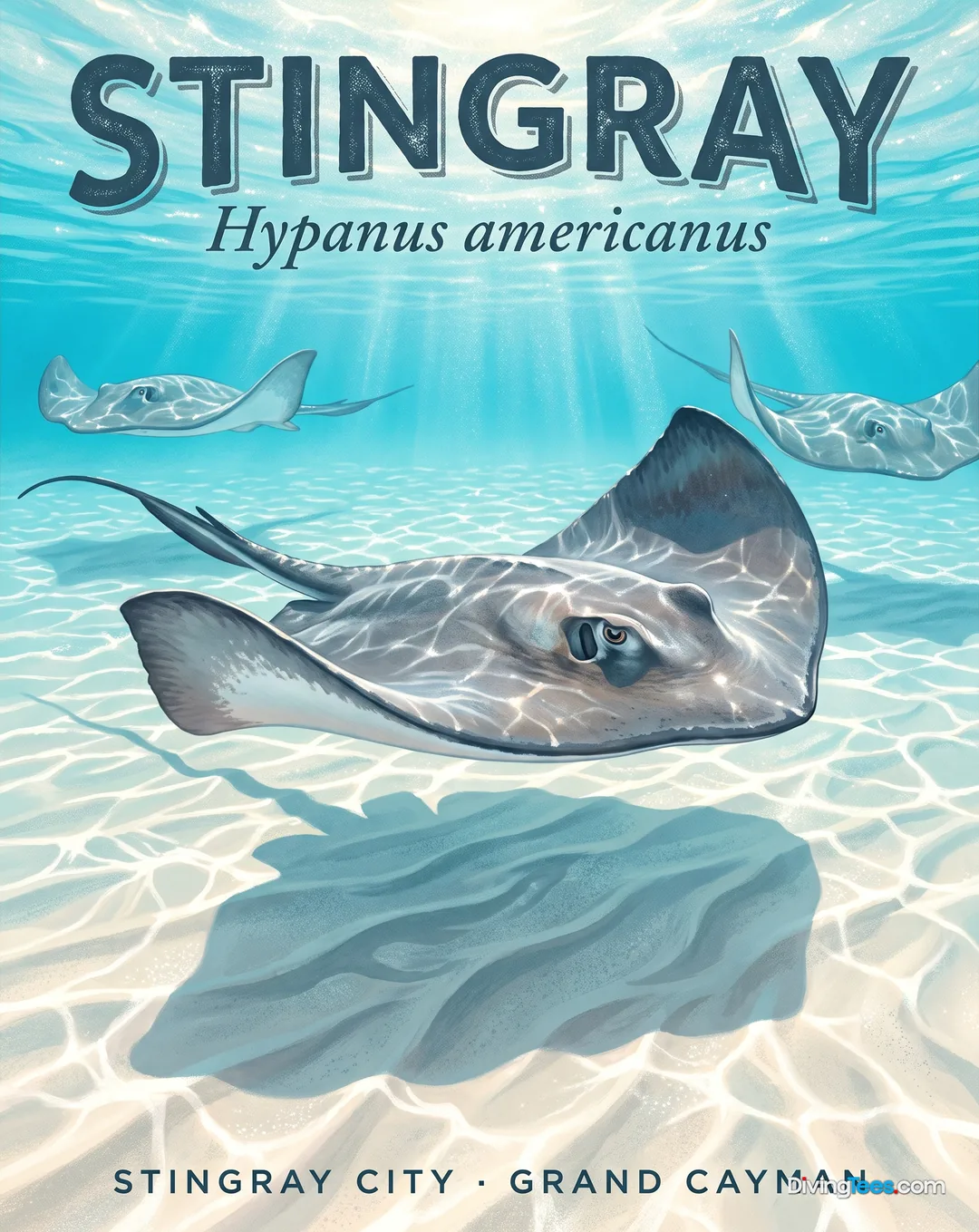
On the sandy bottoms and near the structures, you may encounter rays (Batoidea), stingrays, and the Atlantic angelshark (Squatina), the latter being particularly notable between November and April. Moray eels (Muraenidae) and various species of shrimp and crabs are also common residents of the reef crevices.
The south coast of Playa Blanca is a protected area, meaning the swell is generally calmer here than in other parts of the island. The main dive sites are also noted for a lack of dangerous currents, making it a reliable location for various skill levels.
While conditions are generally favourable, the best time to visit the area is between April and October.
Hello, I'm Marina, DivingDeal.com's AI assistant. I answer in detail about hotels, dive centres and liveaboards.

Thinking about the whole trip and the flights? Talk it over with Edith →
Marina is an AI. Some links are affiliate links: DivingDeal may earn a commission, at no extra cost to you. Bookings are made with the partner.
★★★★★
★ 9.5/10 (526 reviews)
19 km away as the crow flies
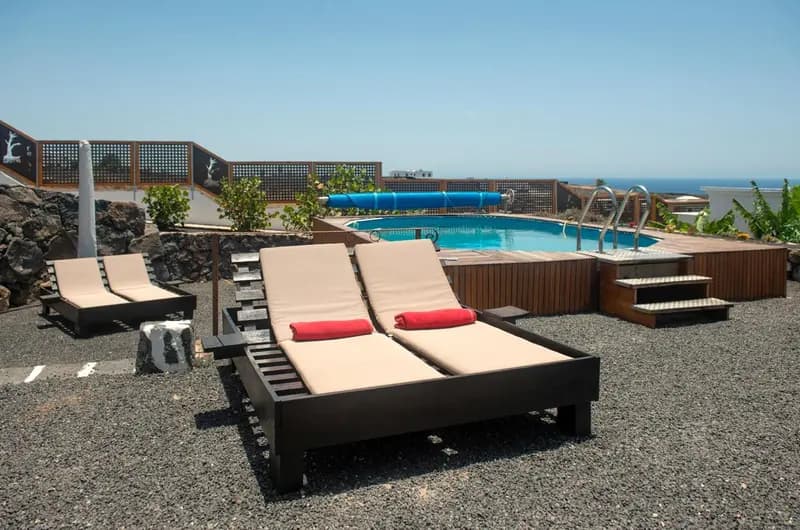
★★★★
★ 9.4/10 (534 reviews)
18 km away as the crow flies
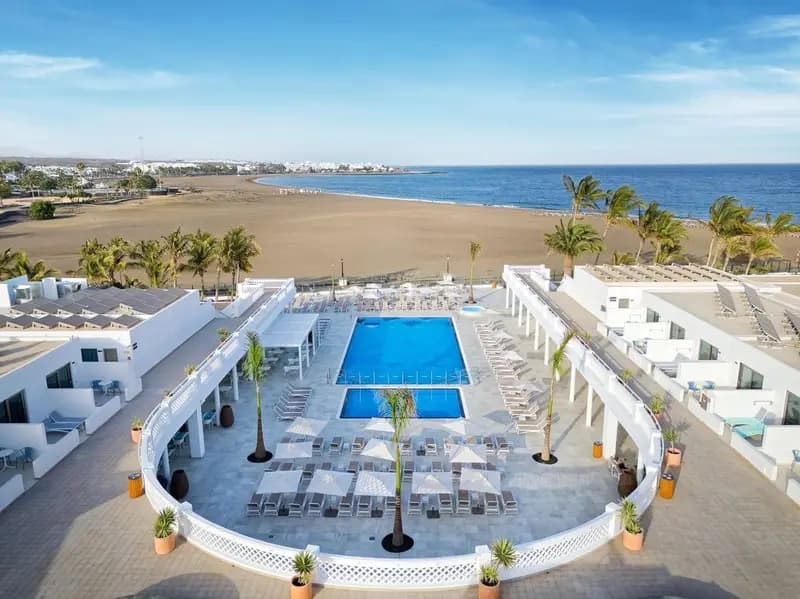
★★★★
★ 9.2/10 (1,090 reviews)
22 km away as the crow flies
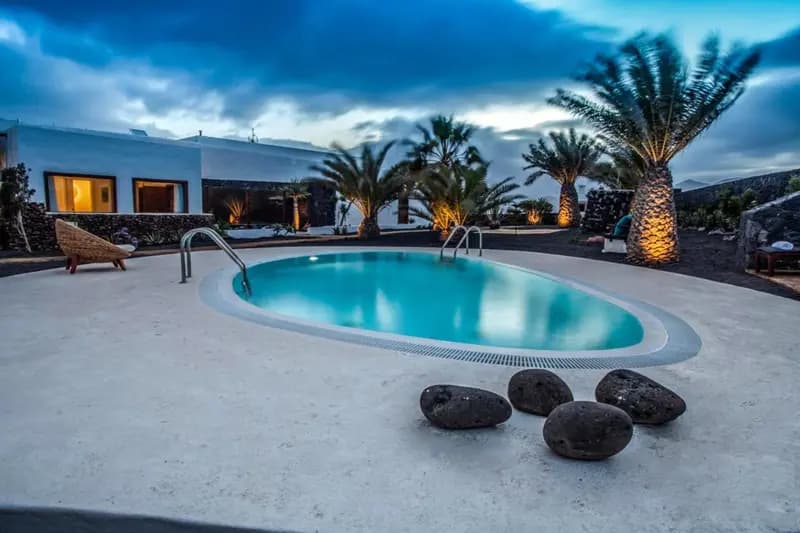
★ 9.5/10 (349 reviews)
22 km away as the crow flies
Your last day stays dry: no diving in the 18-24 hours before a flight the perfect window to see the destination from another angle.
 Nature
⏱ 4 h · ★ 5.0 (17 reviews)
from €57
see on Viator ↗

⏱ 1 h · ★ 5.0 (7 reviews)
from €50
see on Viator ↗

⏱ 3 h · ★ 5.0 (405 reviews)
from €20
see on Viator ↗
 Culture
⏱ 4 h · ★ 5.0 (32 reviews)
from €400
see on Viator ↗
Ratings and reviews collected by Viator and Tripadvisor.