ANMP
Cassis Calanques Plongee
Google 4.7/5 (530 reviews)
less than 1 km away as the crow flies
France · Mediterranean
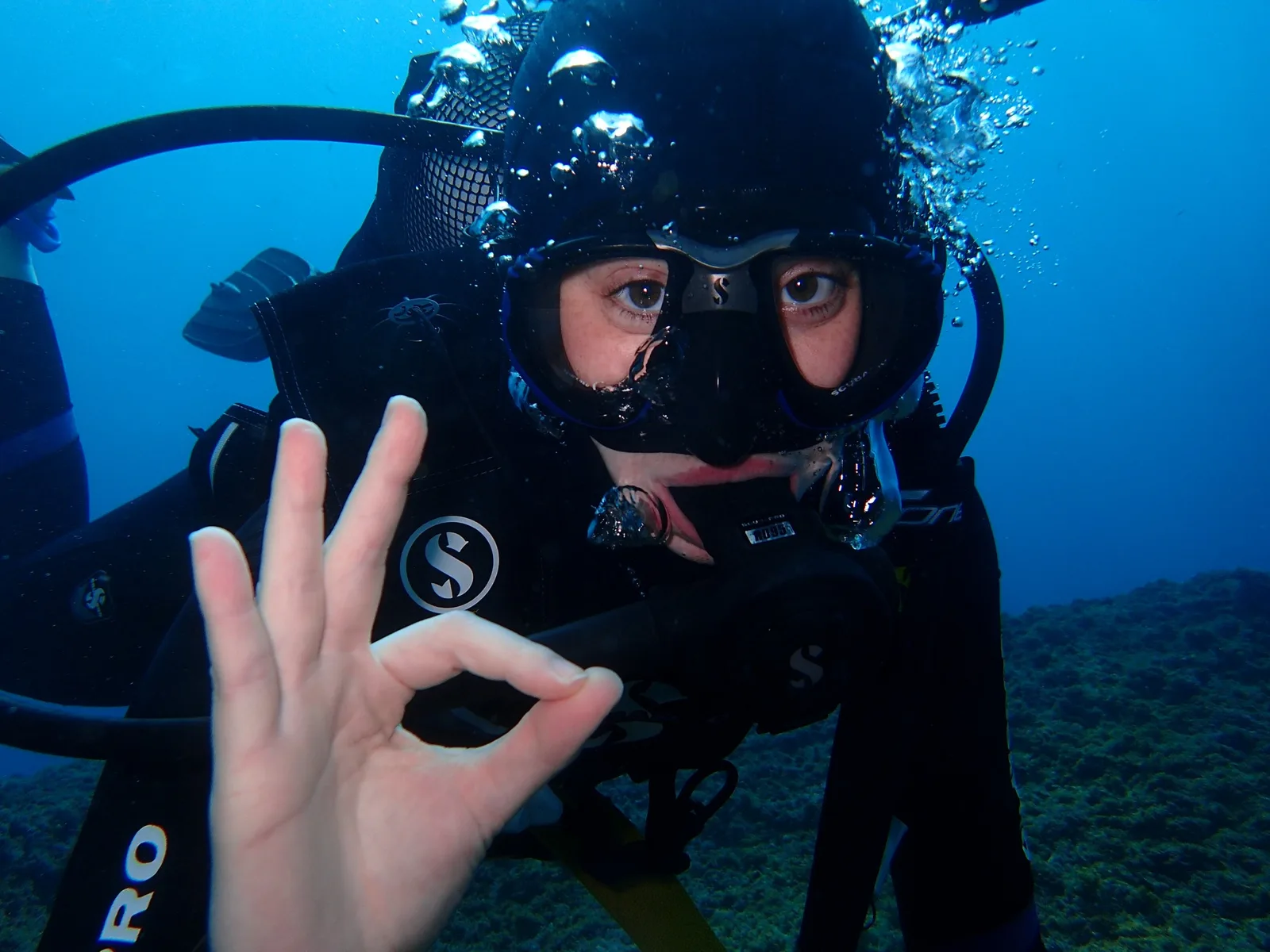
Limestone drop-offs, Posidonia seagrass meadows, caves and coralligenous rock lead from Cassis harbour into the protected Calanques on morning boat trips
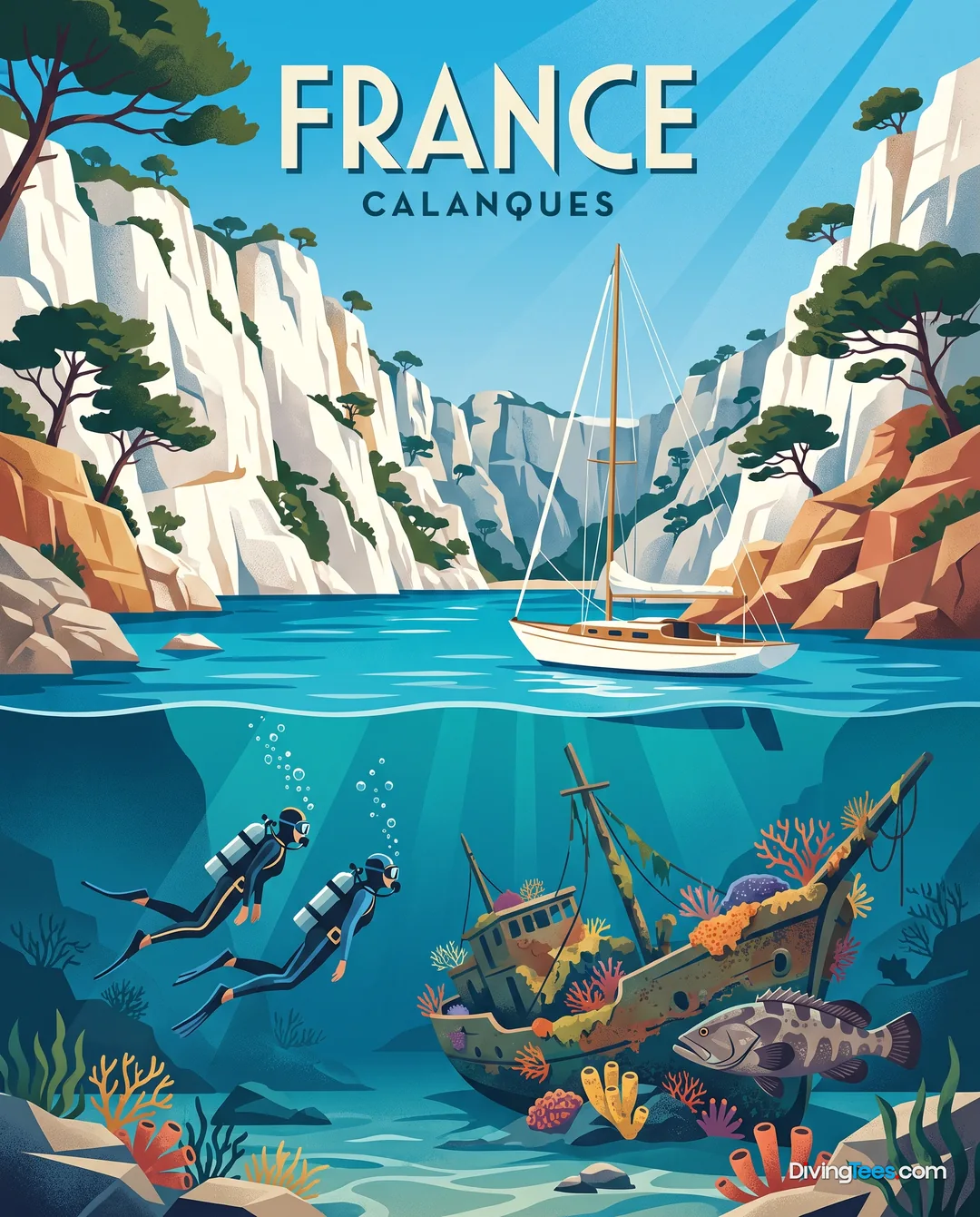
Posidonia seagrass meadows begin the underwater story around Cassis, followed by limestone walls, caves, rocky relief and coralligenous habitat inside the Parc national des Calanques. Most diving is organised from the harbour by boat, with routes extending towards the Cassis, Marseille and La Ciotat sectors as conditions allow. This is a shore-based holiday rather than a liveaboard trip. A three- to five-day stay leaves room for several boat outings, a weather reserve and time to walk the calanques or enjoy the village with a non-diving companion.
Expect Mediterranean limestone rather than a single standardised dive profile. Boat routes reach drop-offs, caves, rocky ledges, Posidonia meadows and coralligenous formations, with the character of each outing changing according to depth, wind and sea state. Currents are variable, so a site that looks straightforward on paper may feel quite different on the day. Visibility is likewise changeable, affected by wind, swell and coastal run-off, and should not be treated as a fixed selling point. The centres leave from Cassis harbour, then select a sector and mooring that suit the conditions, sometimes towards Marseille or La Ciotat. Caves and more enclosed relief need to be treated as site-specific dives, not automatically easy extensions of a shallow reef. Boat diving is the norm, although some shore possibilities exist. Follow the briefing closely, particularly around entry and exit, the planned route and the safety stop.
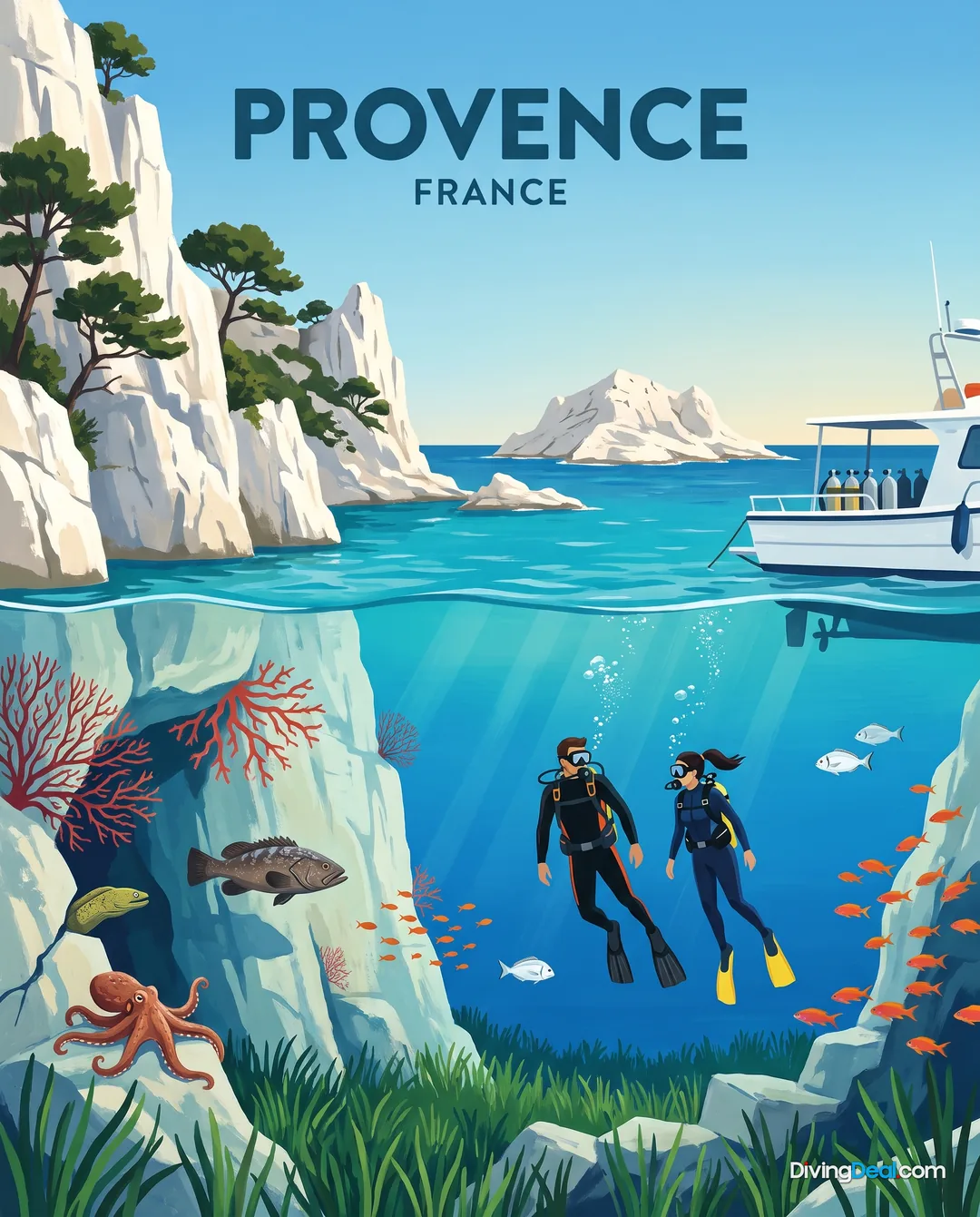
What you meet here is first a succession of Mediterranean habitats. Posidonia seagrass meadows cover sensitive areas of seabed, while coralligenous growth forms harder, more intricate relief around the rocks and drop-offs. Caves and shaded faces add another underwater setting, contrasting with open limestone slopes and the clearer structure of the calanque walls. The protected setting matters because these habitats sit under pressure from anchoring, navigation and heavy summer use. Do not arrive expecting a guaranteed species checklist or a single wildlife season. The interest lies in seeing how seagrass, bare rock, coralligenous formations and cave habitat fit together along one protected coast. Spring and autumn are especially attractive for the quieter experience on the water, when fewer boats leave these habitats undisturbed.
May, June, September and October are the most practical months for a Cassis diving stay. Diving runs mainly from spring into autumn, but July and August bring heavier tourist traffic and more boats around the calanques. Wind can still interrupt departures at any time, so the calmer months are useful not because they remove weather risk, but because they combine a better chance of comfortable outings with less congestion. Book the first boat of the day where possible, and keep a spare day in the itinerary. That matters more here than forcing a rigid sequence of named sites.
Cassis can suit beginners as well as experienced divers, provided the day’s site matches the diver’s training and recent experience. PADI, SSI and BSAC divers should discuss the planned depth, current, boat procedure and any cave or enclosed-relief features before entering the water. The level is not fixed across the destination: wind, swell, depth and the shape of the site change the workload. Treat caves as a reason for a careful briefing and an honest assessment of comfort, not as an automatic feature of every easy dive.
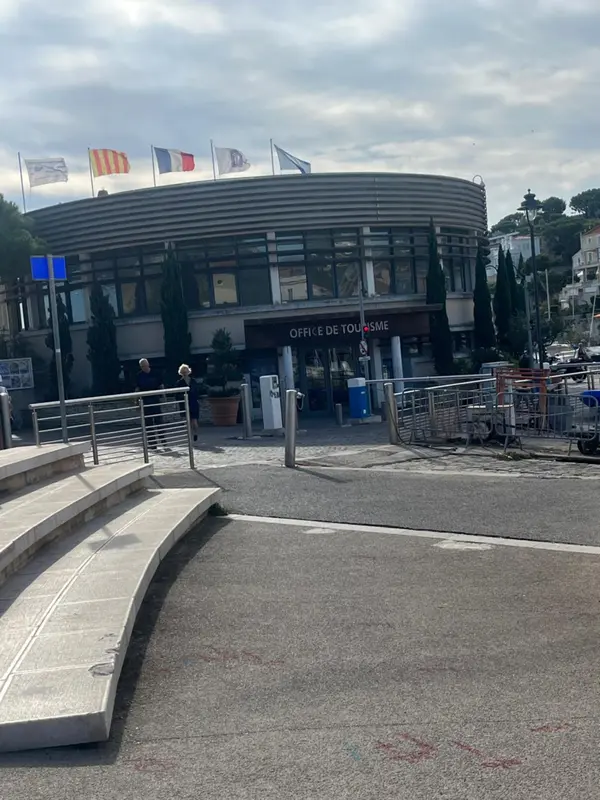
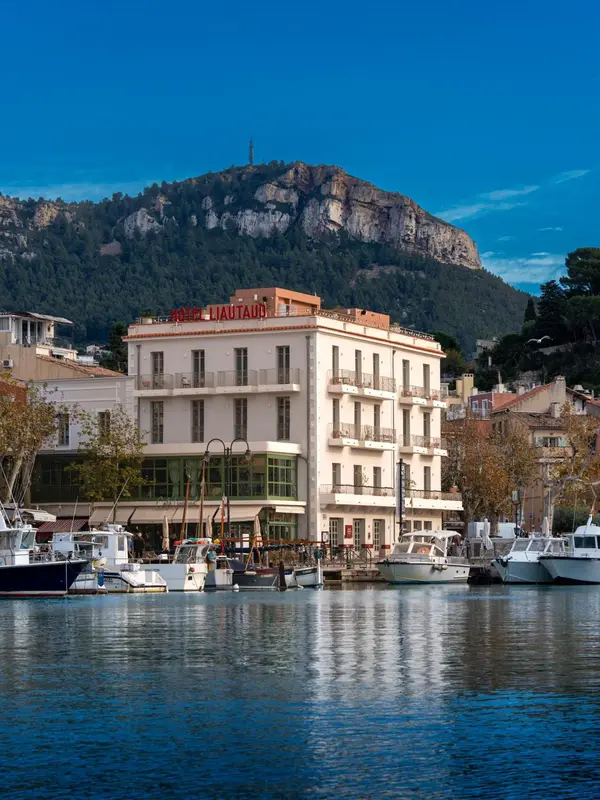
From London Heathrow or Gatwick, or from Manchester, the practical route is to reach Marseille first, then continue to Cassis by road or train. Cassis has no direct air service of its own, and no ferry is needed for the journey. Once in town, the dive departures are centred on the harbour. Accommodation nearby may allow you to walk to the boat, while places farther away can mean a taxi or car. Road access and parking become more constrained during the busy summer period, so allow more time than the map suggests. The diving itself begins from Cassis harbour, with boats carrying you out to the Calanques.
Build the trip around the wind and swell, not around a fixed list of sites. Keep a day free so an abandoned departure can move without eating into every other plan, and ask which sector is being used, Cassis, Marseille or La Ciotat, since the route changes with the sea. Early departures reduce competition with the promenade boats and the summer concentration of traffic. Before leaving the harbour, check where the boat will moor and use an ecological mooring when one is available. Posidonia meadows and coralligenous rock are precisely the habitats that an anchor can damage. Do not assume that every cave or dramatic wall is suitable for the same level of diver, and do not enter a protected archaeological zone where diving is prohibited. Nothing should be collected, whether an organism, object or archaeological remnant. Finally, come for a shore-based holiday with boat dives, not for a liveaboard-style schedule. The calanques deserve a day above water as well.
Plan on three to five days, with several boat outings balanced by time ashore. Staying close to the harbour simplifies early departures, although a taxi or car may be needed from accommodation elsewhere in Cassis. Leave room for a walk through the calanques, a coastal boat trip, a beach or cove, and time around the village and port. A longer stay can broaden the plan towards the Marseille and La Ciotat sectors. Non-divers have plenty to do, including coastal walking, kayaking when conditions permit and exploring the surrounding vineyards.
Hello, I'm Marina, DivingDeal.com's AI assistant. I guide you through destinations, areas and countries.
Thinking about the whole trip and the flights? Talk it over with Edith →
Marina is an AI. Some links are affiliate links: DivingDeal may earn a commission, at no extra cost to you. Bookings are made with the partner.