

Centro de Buceo Islas Hormigas, Islas Hormigas Dive Center
Google 4.8/5 (521 reviews)
less than 1 km away as the crow flies
Cabo de Palos · Spain · Mediterranean
Max. depth · 15 mA sheltered cove just below the lighthouse, ideal for shallow exploration and night photography.
For subtitles in English: start the video firstthen click the gearat the top right of the video, select “Subtitles/CC”, then “Auto-translate” and choose “English”.
Cala Fria is situated directly underneath the Cabo de Palos lighthouse, providing a distinct alternative to the deeper, more demanding sites of the reserve. This is a shallow cove rather than a vertical wall, characterized by a topography of sand, gravel, and Posidonia terraces. Scattered boulders and rock formations break up the seabed, creating small niches and crevices throughout the area. For those entering from the shore, the descent is straightforward and lacks the dramatic verticality found elsewhere in the region.
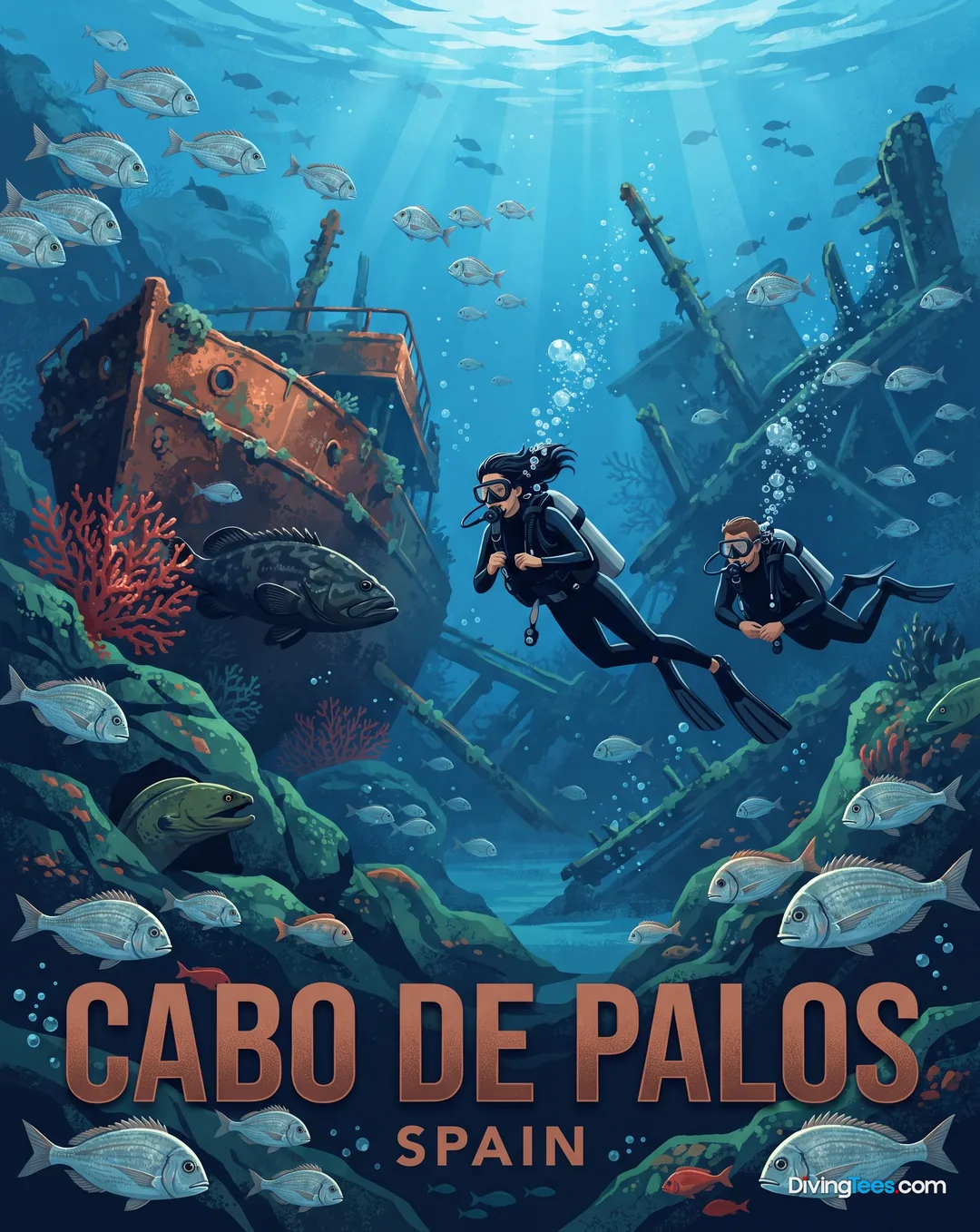
The dive profile remains relatively shallow, ranging from the surface down to 15 metres. This makes the site highly accessible for those looking for a relaxed dive or for those practicing buoyancy control in a controlled environment. At around 4 metres, you will encounter a small wreck or artificial feature that adds a point of interest to the shallow sandy and rocky sections. This feature is a frequent highlight for beginners and those focused on macro photography.
Currents at Cala Fria are generally light and the cove is notably protected from the prevailing Levante winds. It is also shielded from the Lebeche, which keeps the surge and water movement predictable and calm. While sea state and wind can still influence surface conditions, the underwater environment remains stable for most of the dive. This protection makes it an excellent location for night dives or for divers who prefer to avoid heavy water movement.
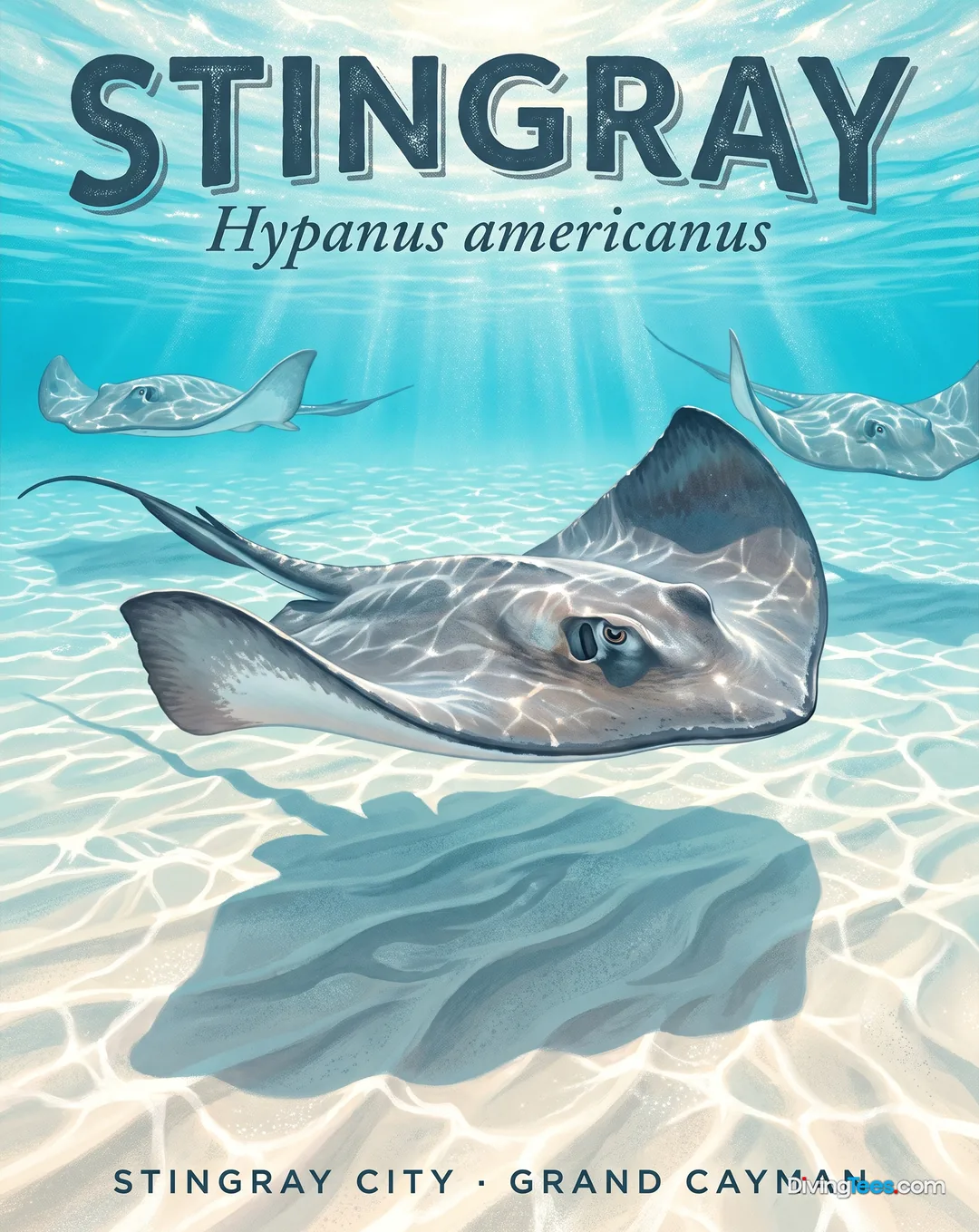
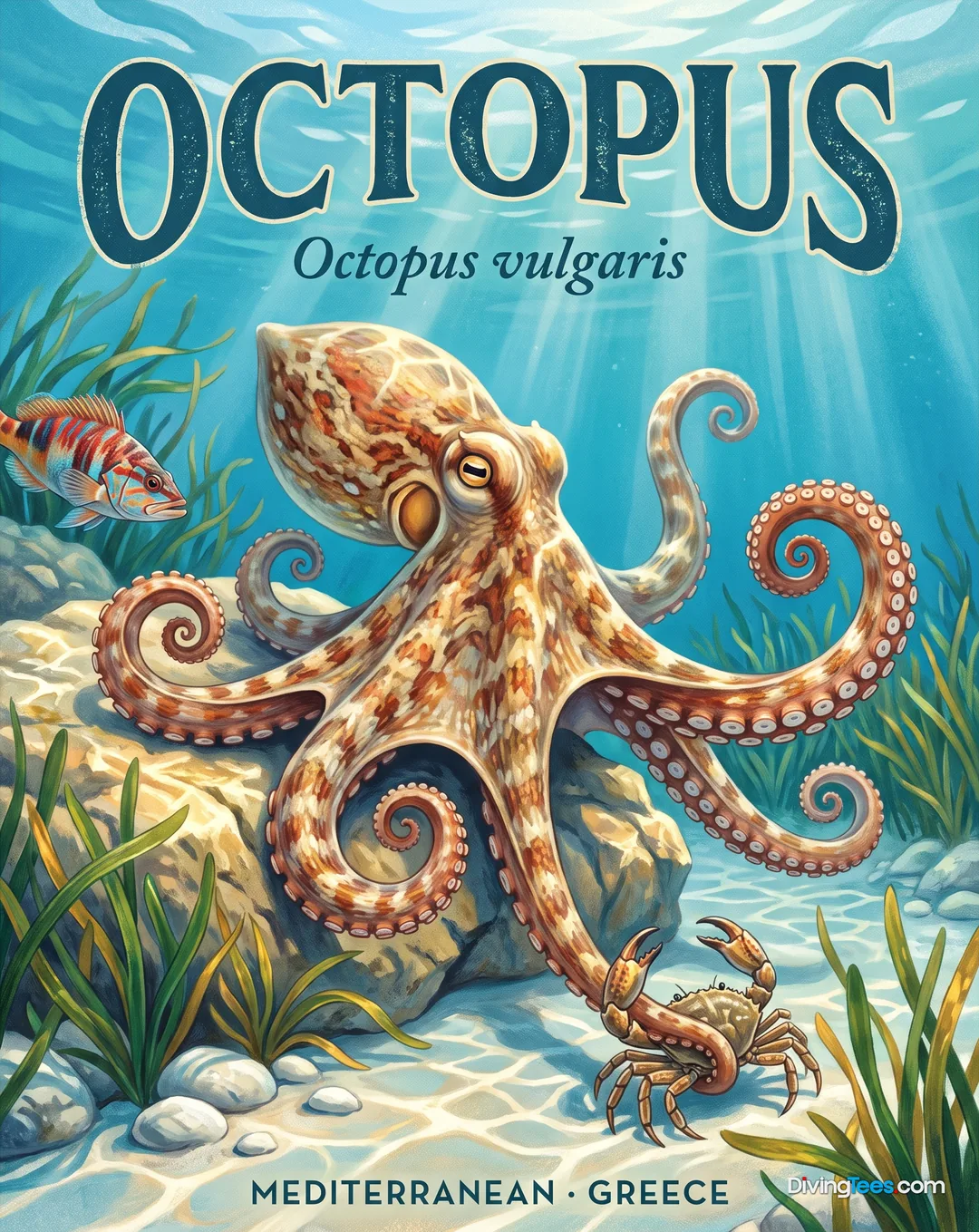
The biodiversity here is found primarily among the rocky outcrops and Posidonia meadows. You will frequently encounter moray eels and scorpionfish tucked into the crevices of the boulders. Peacock wrasse and common cuttlefish are common residents, often seen navigating the transition between the sand and the rock. For those with a keen eye, octopus hiding in the substrate or stingray partially buried in the sand are regular sights.
In the mid-water and near the seabed, you can find various larger species like seabream and European seabass. Dentex also move through the area, though they are less constant than the smaller reef residents. Mullet often form schools along the edges of the vegetation and rock formations. These species contribute to a lively ecosystem that remains active even in the shallower zones of the cove.
The visibility at Cala Fria is consistently high, frequently reaching 20 metres or more. This clarity makes it a preferred spot for underwater photography, particularly when capturing the textures of the reef and the details of smaller creatures. The light penetrates easily to the bottom, providing excellent natural illumination for the entire depth range. The combination of high visibility and calm water creates an ideal environment for detailed observation.
Because of its proximity to the shore and the lighthouse, this site is much more accessible than the deep reef sites. It is a versatile location that serves multiple purposes, from easy training dives for novices to specialized night photography sessions. Whether you are exploring the shallow wreck or searching for octopus in the rocky crevices, the site offers a consistent experience. It provides a clear look at the coastal ecosystem of Cabo de Palos without the technical demands of deep wall diving.
The dive depth ranges from 0 to 15 metres. This site is accessible from the Open Water Diver level and is suitable for those with little experience. Currents are light and the site is protected from prevailing winds, though visibility often reaches 20 metres or more.
You can choose Cala Fria for a night dive or an underwater photography session. The cove is protected from the prevailing Levante and Lebeche winds, while visibility frequently reaches 20 metres or more. Surface conditions can still be influenced by wind and sea state, but underwater movement is generally calm and predictable.
Cala Fria is accessible from the Open Water Diver level and suits divers with little experience. The profile runs from the surface to 15 metres, offering a shallow setting for relaxed diving and buoyancy practice. Shore entry is straightforward, with a small wreck or artificial feature at about 4 metres.
Currents at Cala Fria are generally light. The cove is protected from the prevailing Levante winds and shielded from the Lebeche, helping keep surge and underwater movement predictable. Wind and sea state may still affect surface conditions, but the underwater environment remains stable for most of the dive.
At Cala Fria, you can explore sand, gravel, Posidonia, boulders, and rocky crevices, including a shallow wreck at about 4 metres. Common sightings include moray eels, scorpionfish, peacock wrasse, cuttlefish, octopus, stingrays, seabream, European seabass, dentex, and schools of mullet.