
Buceo España
Google 5/5 (415 reviews)
1.7 km away as the crow flies
La Herradura · Spain · Mediterranean
Max. depth · 40 mDescend into Marina del Este's protected waters, where rocky reefs teem with diverse macro life and Mola mola make seasonal appearances.
For subtitles in English: start the video firstthen click the gearat the top right of the video, select “Subtitles/CC”, then “Auto-translate” and choose “English”.
Marina del Este provides varied diving from a convenient shore entry in La Herradura, setting it apart as a highly accessible site. As you descend, the underwater topography shifts from shallow, rock-strewn areas ideal for training to more complex rocky reefs and walls that drop into deeper sections. This range of environments within a compact bay ensures that each dive can explore different features, from sand patches to intricate overhangs, all contributing to the site's popularity.
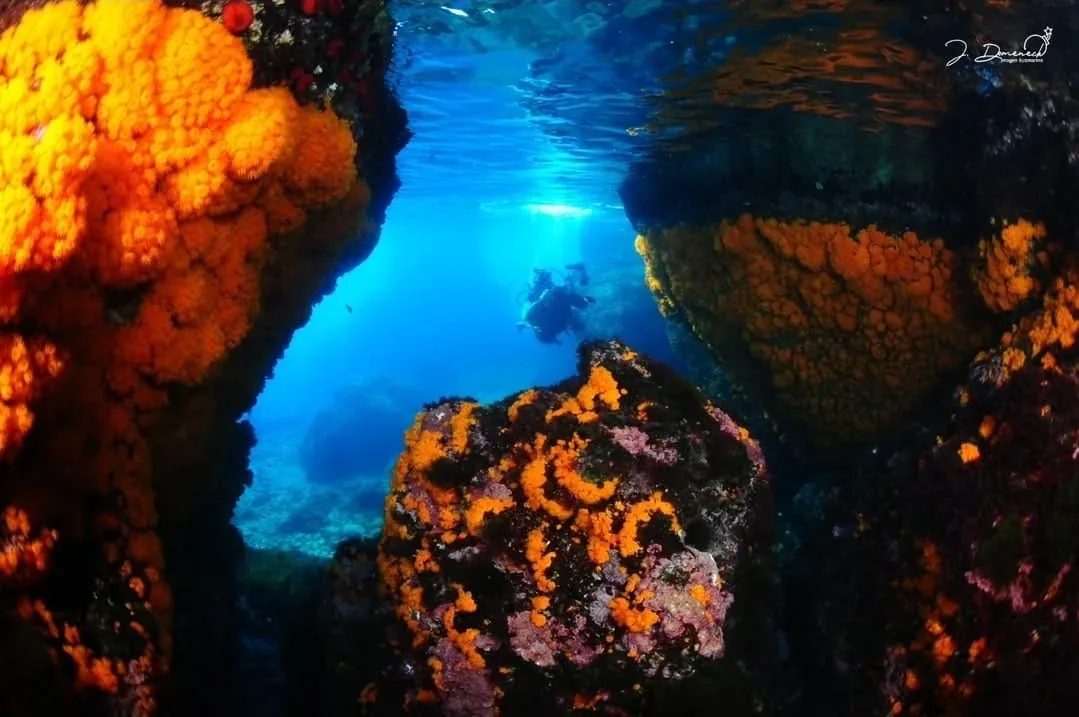
The site directly borders the Maro-Cerro Gordo Natural Park, an area becoming a protected marine reserve, which contributes to the health of its ecosystem. From the first few meters, you encounter a vibrant Mediterranean reef, rich with life. Look for resident octopuses tucked into rocky crevices and moray eels peeking from their homes. The overall calm conditions and good visibility throughout much of the year make it possible to truly absorb the details of this underwater landscape.
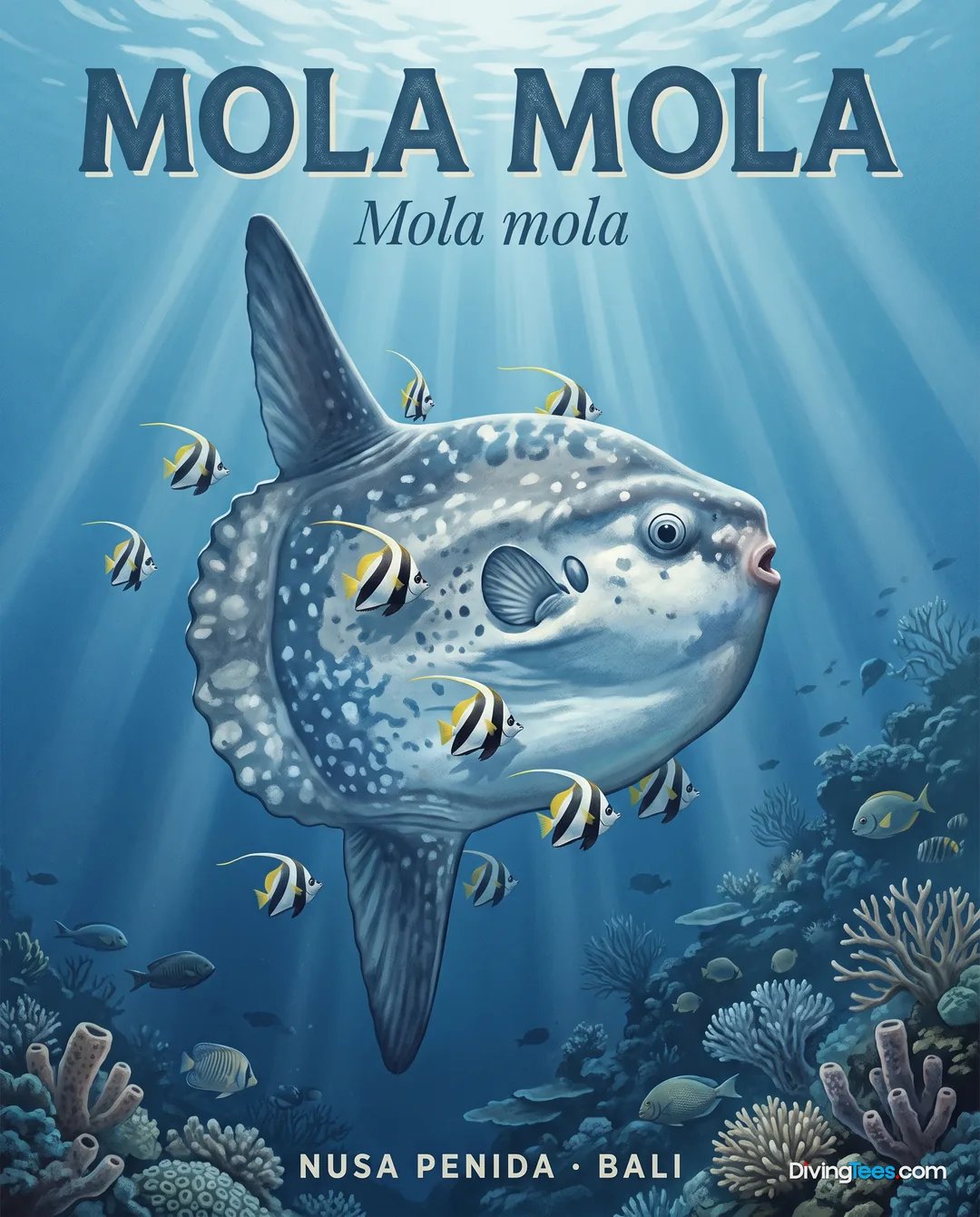
Mola mola (sunfish) are a notable highlight at Marina del Este, particularly between June and October. These large pelagics are often sighted around 18 to 20 meters, especially in the early mornings or when the water temperatures begin to drop. While Mola mola are the star attraction, keep an eye out for other transient visitors passing through the protected waters, making each dive a potential encounter with larger marine species.
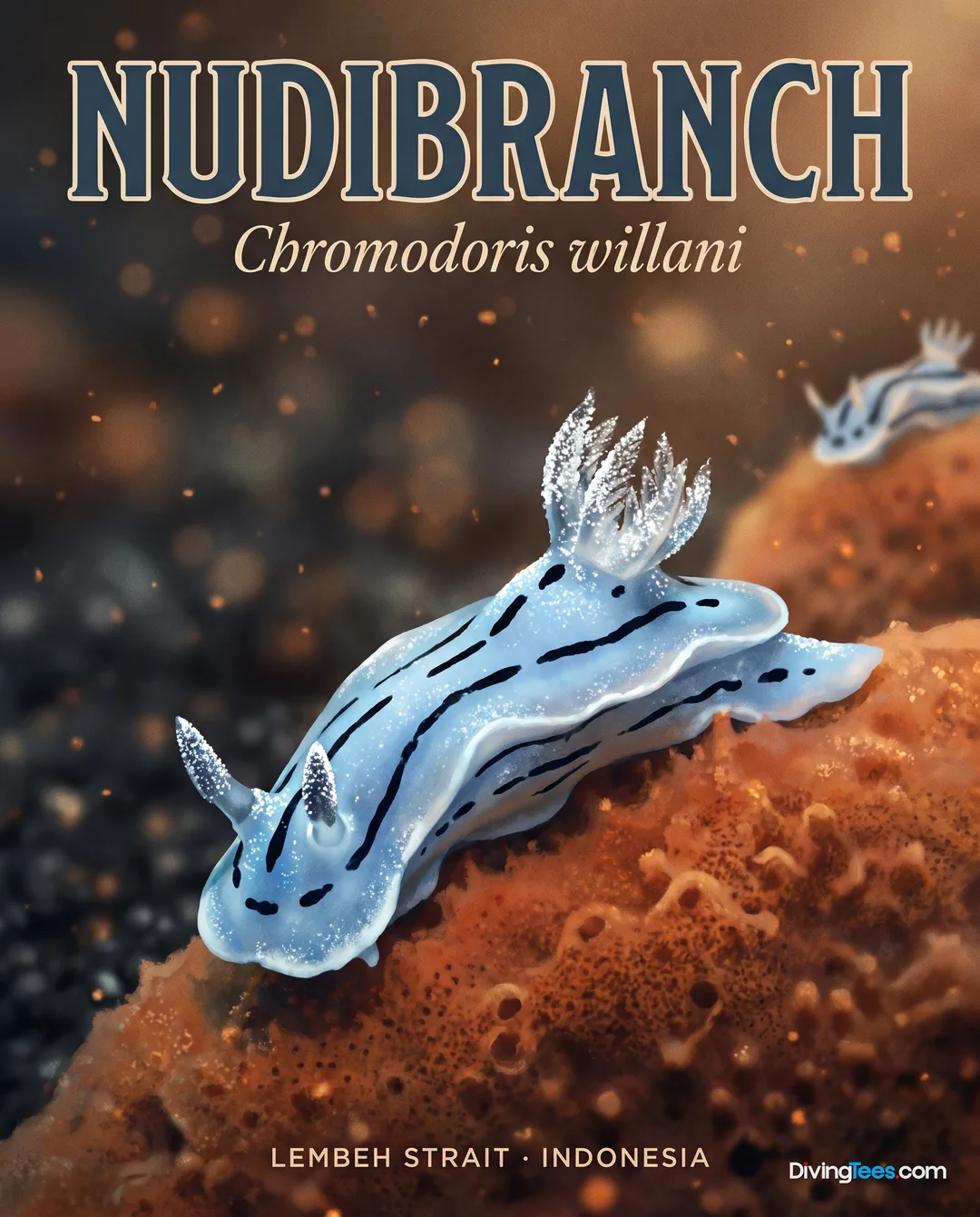
Beyond the seasonal pelagics, the resident fauna offers a rich tapestry of marine organisms. Nudibranchs in various forms and colours are common across the rocky substrates, providing excellent macro photography opportunities. You'll also find scorpionfish perfectly camouflaged against the rocks, along with garden eels in the sandy areas, and large schools of damselfish and wrasse darting around the reef structures.
The diverse habitats here support a wide array of benthic life. Colourful starfish cling to rocks, and large anemones spread across the reef, providing shelter for smaller creatures. Conger eels, electric rays, and various crabs are often uncovered with careful observation. The site's protected status helps maintain these thriving communities, providing ample subjects for both wide-angle and macro photographers.
Specific areas like 'Fragle Rock' are known for their particularly dense marine concentrations, offering reliable spots to observe species like stonefish and stargazers buried in the sand. The presence of flowering corals and various sponges adds to the vibrant underwater scenery. Divers frequently report encounters with cuttlefish and sardines, forming dynamic schools that move across the reef.
The generally calm conditions and easy shore entry make Marina del Este suitable for divers of all experience levels. Shallower sections are frequently used for training, while deeper walls and the prospects of Mola mola attract more experienced divers. This versatility, combined with the consistent presence of marine life from the moment you immerse, makes it a reliable destination.
Visibility here is generally very good almost year-round, enhanced by the protected coves that shield the site from strong swells. This stable environment allows for comfortable navigation and extended observation of the marine ecosystem. The clear waters and rich biodiversity contribute to a dive experience that remains engaging and visually rewarding across multiple visits.
Marina del Este is accessible from Open Water Diver level, with depths ranging from the shallows down to 40 meters on the deeper sections. The site experiences generally calm waters with excellent visibility almost all year. While diveable year-round, the best period for Mola mola sightings is typically from June to October, with encounters often at 18-20 meters. No significant currents are reported.
You can dive Marina del Este year-round, with generally calm water and good visibility almost all year. For Mola mola encounters, plan your visit between June and October. These sunfish are often seen around 18 to 20 meters, particularly in the early morning or when water temperatures begin to drop.
Marina del Este is accessible from Open Water Diver level and suits divers across experience levels. You can start in shallow, rocky areas used for training, then explore reefs and walls descending to deeper sections. The site ranges from the shallows down to 40 meters, with varied rocky and sandy terrain.
Marina del Este generally has calm conditions, and no significant currents are reported. Protected coves help shield the site from strong swells, while visibility is generally very good almost all year. These conditions support comfortable navigation and careful observation during dives from the easy shore entry.
At Marina del Este, you can explore rocky reefs, walls, sandy bottoms, overhangs, and sand patches filled with Mediterranean life. Look for nudibranchs, octopuses, moray eels, scorpionfish, garden eels, damselfish, wrasse, starfish, anemones, crabs, cuttlefish, sardines, and seasonal Mola mola.