
Buceo España
Google 5/5 (415 reviews)
2 km away as the crow flies
La Herradura · Spain · Mediterranean
Max. depth · 40 mDescend the rapidly dropping wall of La Punta de la Mona, where strong currents bring barracudas and large groupers into view.
For subtitles in English: start the video firstthen click the gearat the top right of the video, select “Subtitles/CC”, then “Auto-translate” and choose “English”.
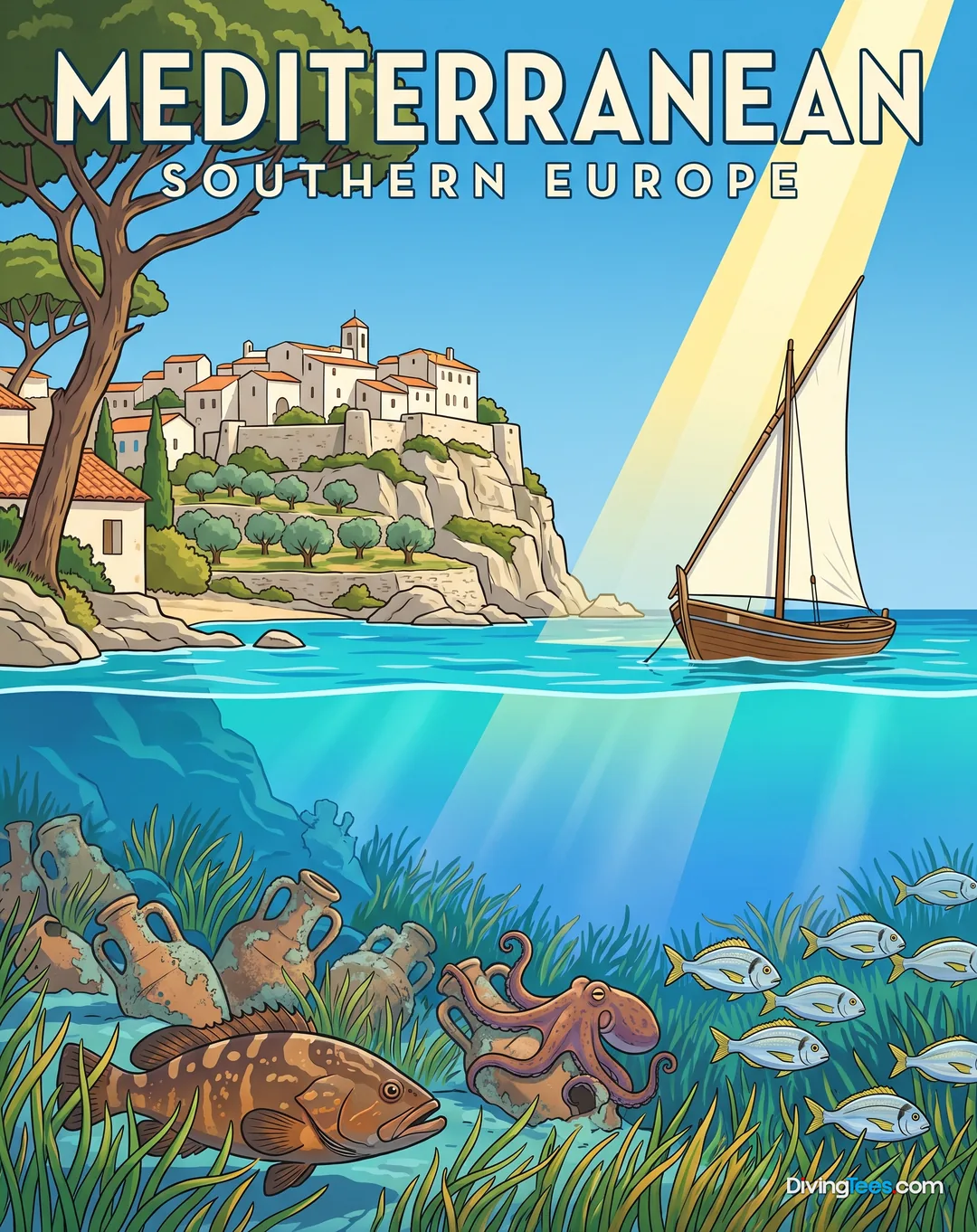
Diving La Punta de la Mona begins with a gradual descent to about 6 metres over a seabed of rubble, densely covered with various marine algae. This initial stretch allows for a slow adjustment to the underwater environment as you move towards a prominent wall. Keeping the Punta de la Mona headland to your right, the dive proceeds southwards, with the bottom transitioning from sloped rubble to the significant rock formations creating the main wall feature.
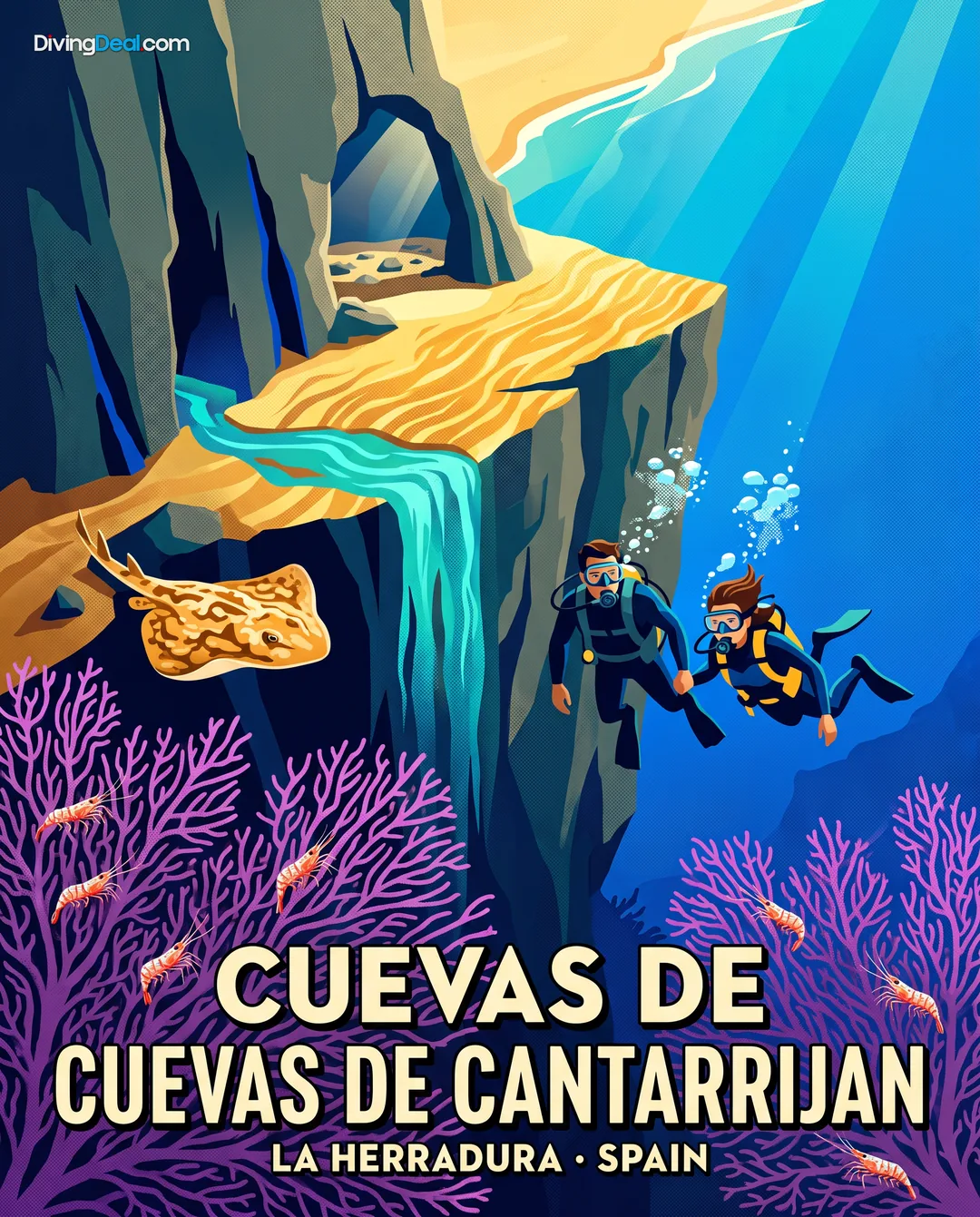
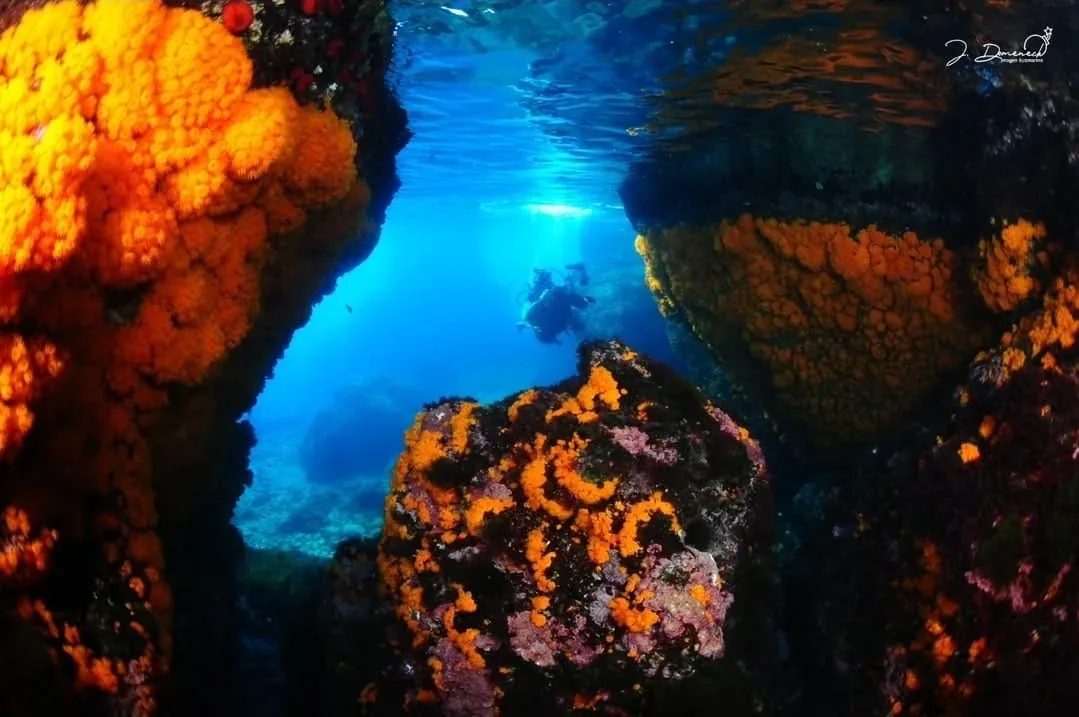
The wall itself is a dramatic feature, formed by large stone blocks, remnants of landslides from the coastal mountains above. As you trace this wall, the depth increases quickly. Around 13 metres, you encounter the Caverna de la Virgen, a notable cavern with a sandy floor. Its walls are adorned with orange and yellowish corals (Astroides calycularis), providing a habitat for a diverse range of marine life, including cardinalfish and forkbeards, which add to the vibrant colour and movement within this sheltered space.
Exploration within the Caverna de la Virgen deepens the experience, offering chances to observe seahorses, which are iconic residents of this area. Moving beyond the cavern and deeper along the wall, the presence of current begins to make itself felt around 17 metres. This current can intensify, becoming a significant factor in buoyancy control and navigation, particularly as the wall continues to drop rapidly towards its maximum depth of 40 metres.
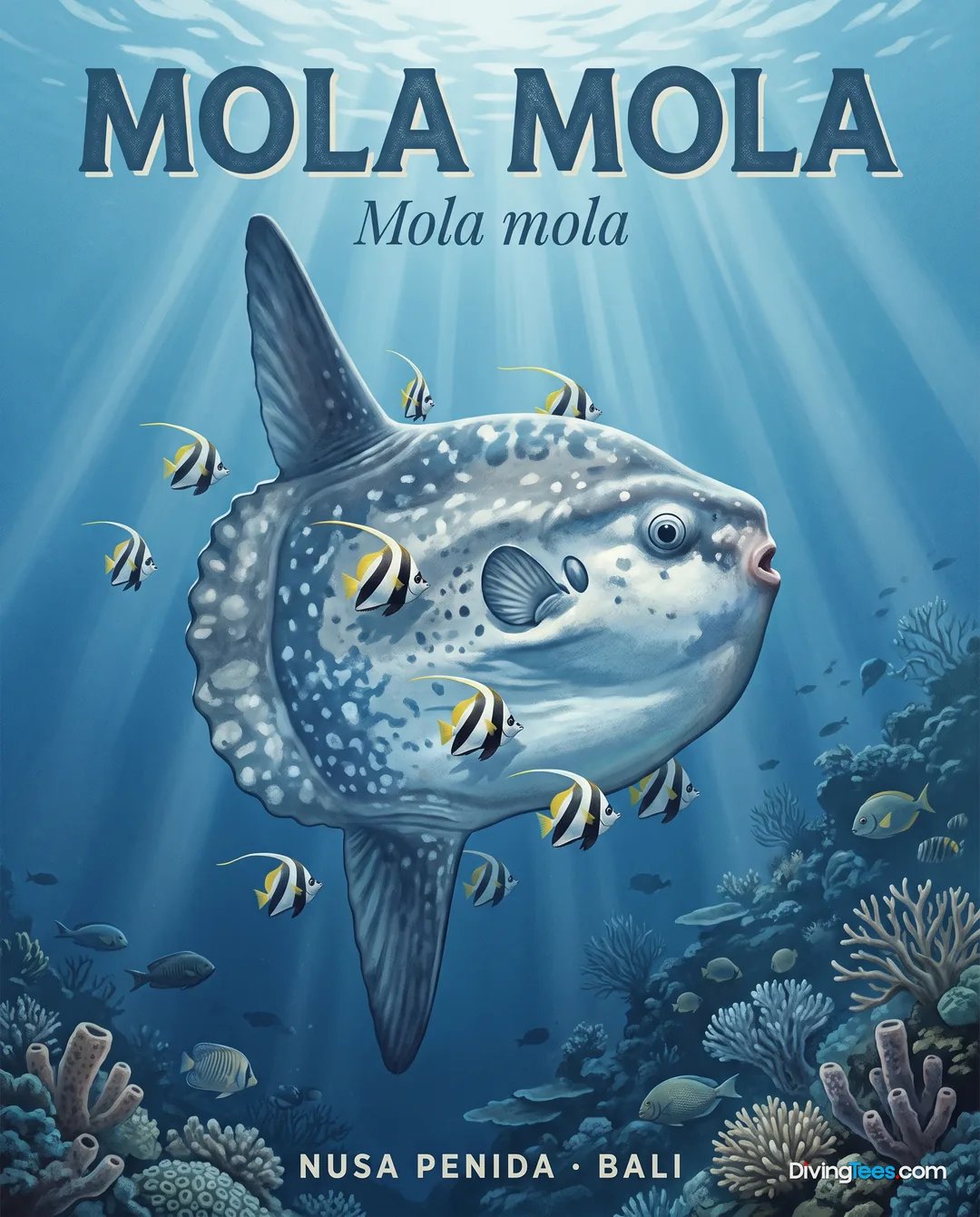
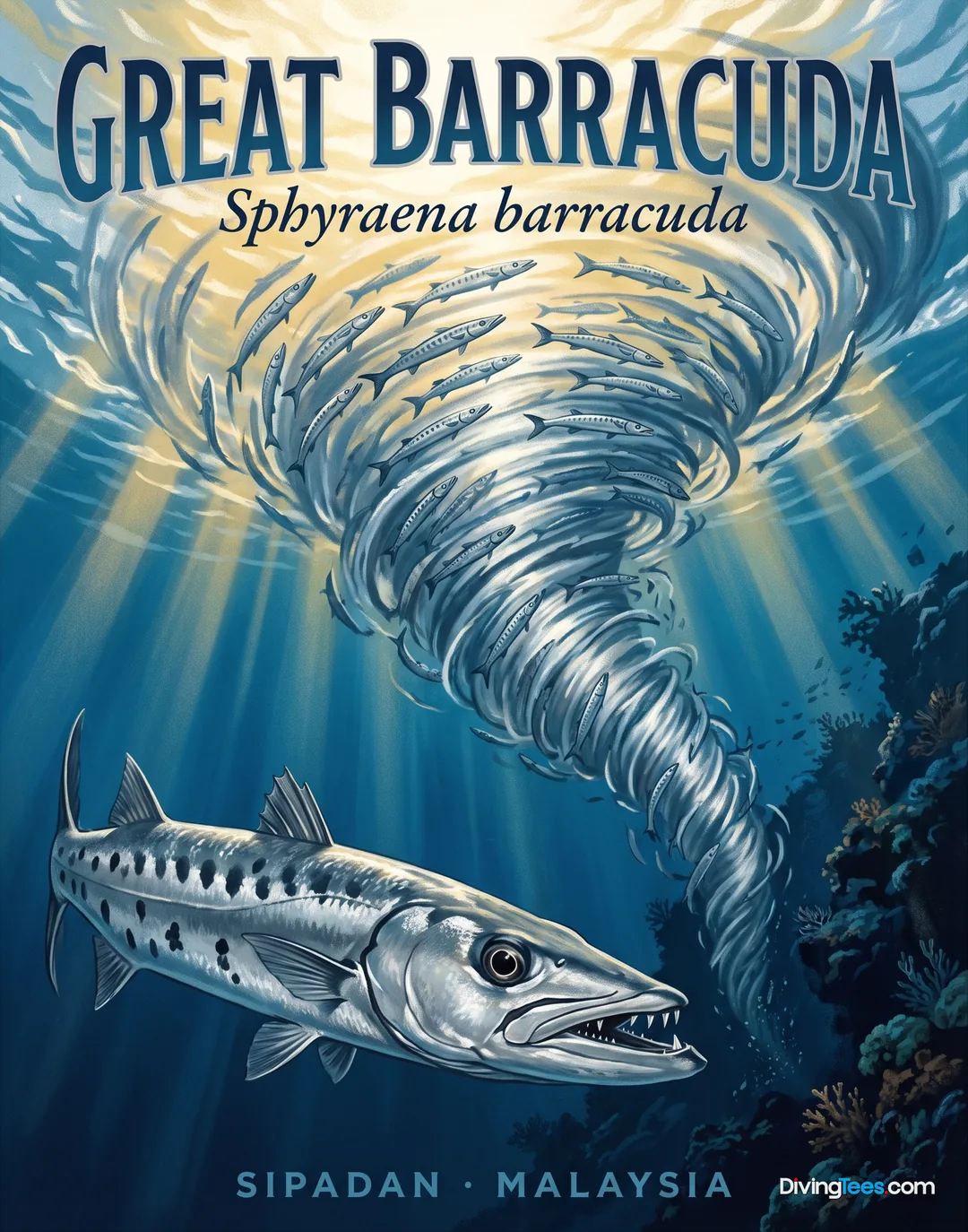
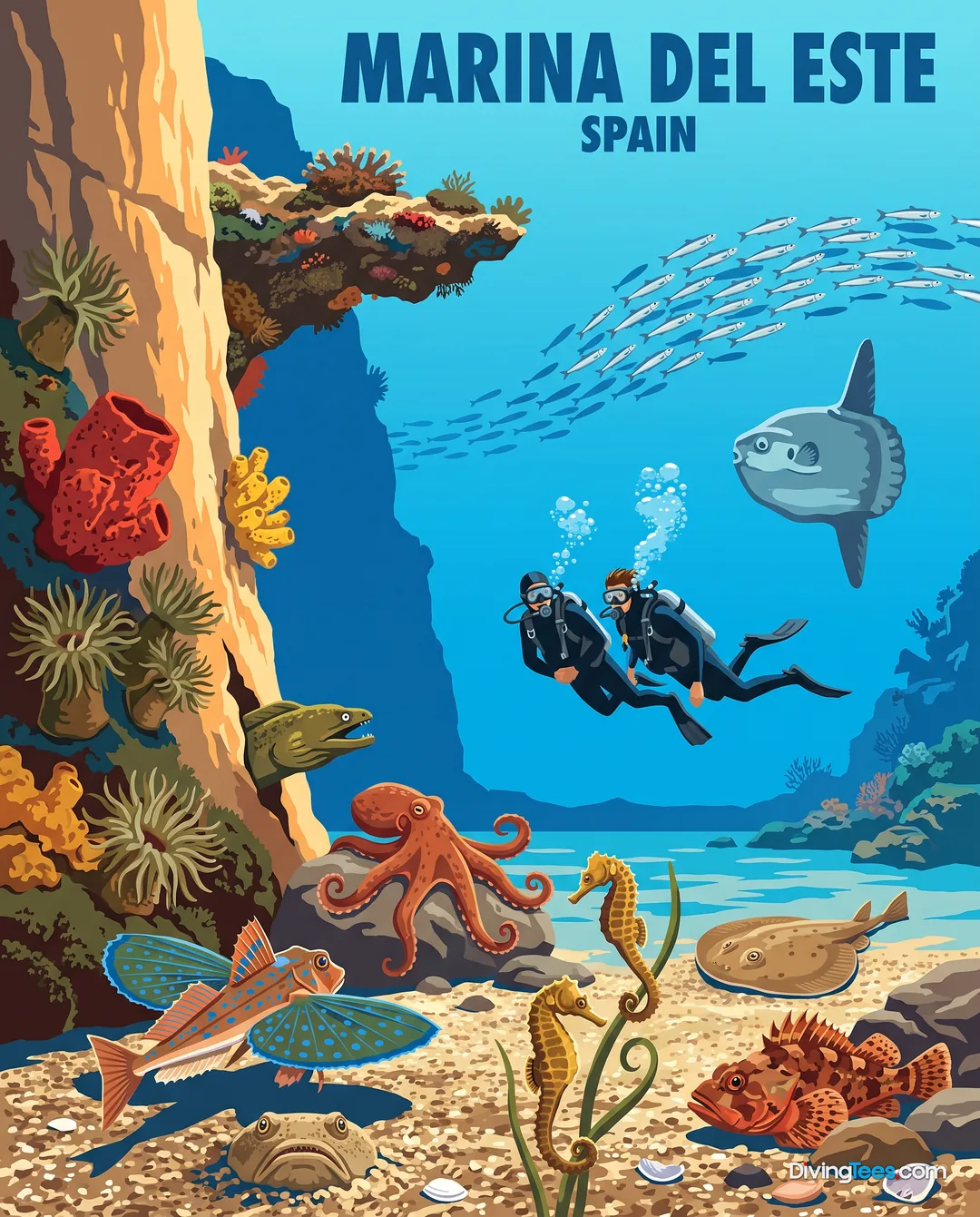
Along the deeper sections of the wall, where the current can be strong, large pelagic species are a consistent draw. Barracudas are frequently sighted, often in schools, moving with the flow. You might also encounter large groupers (Epinephelus marginatus) and ocean sunfish (Mola mola), indicating the richness of the pelagic environment this site attracts. These deeper zones provide a different perspective compared to the shallower, more sheltered parts of the dive.
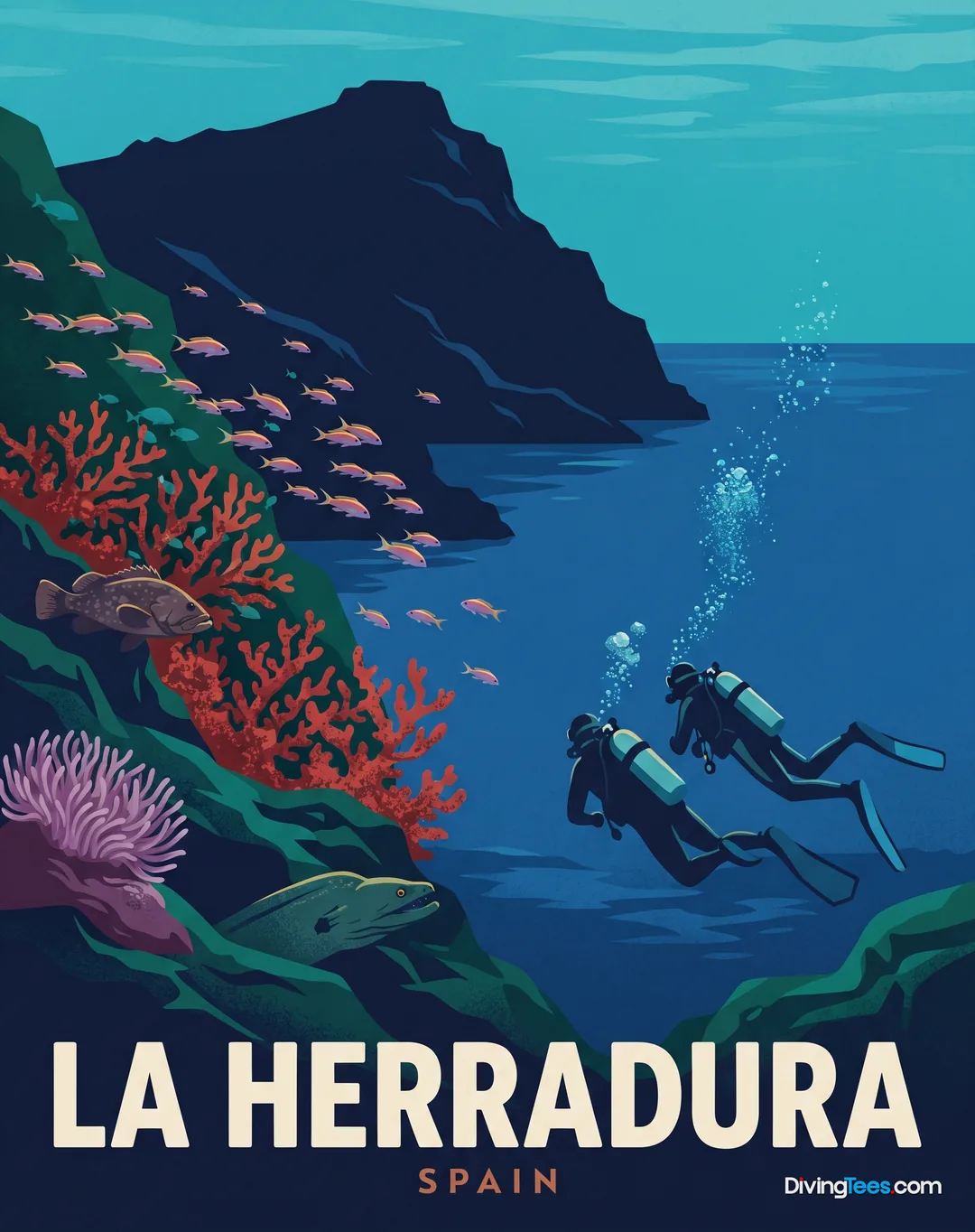
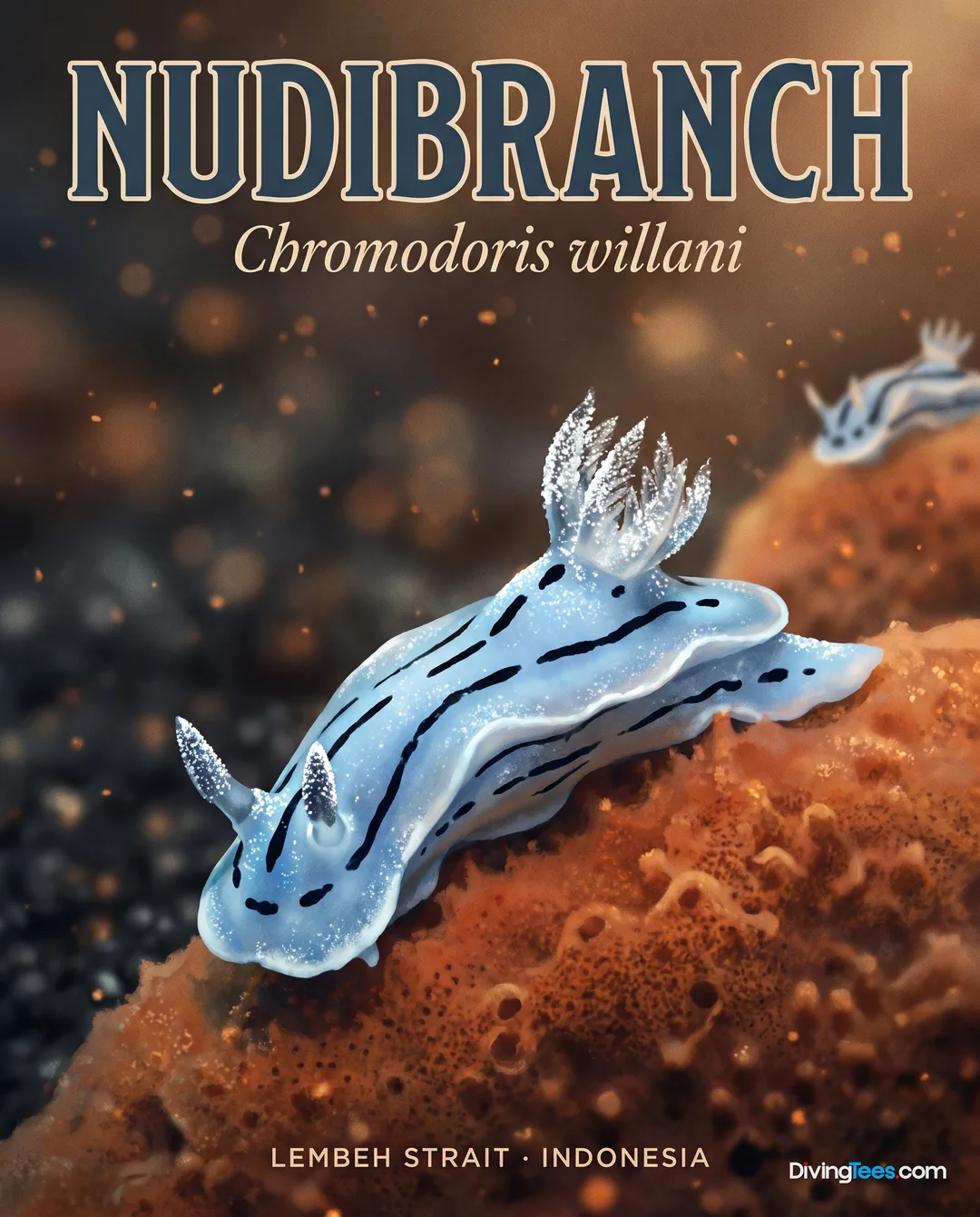
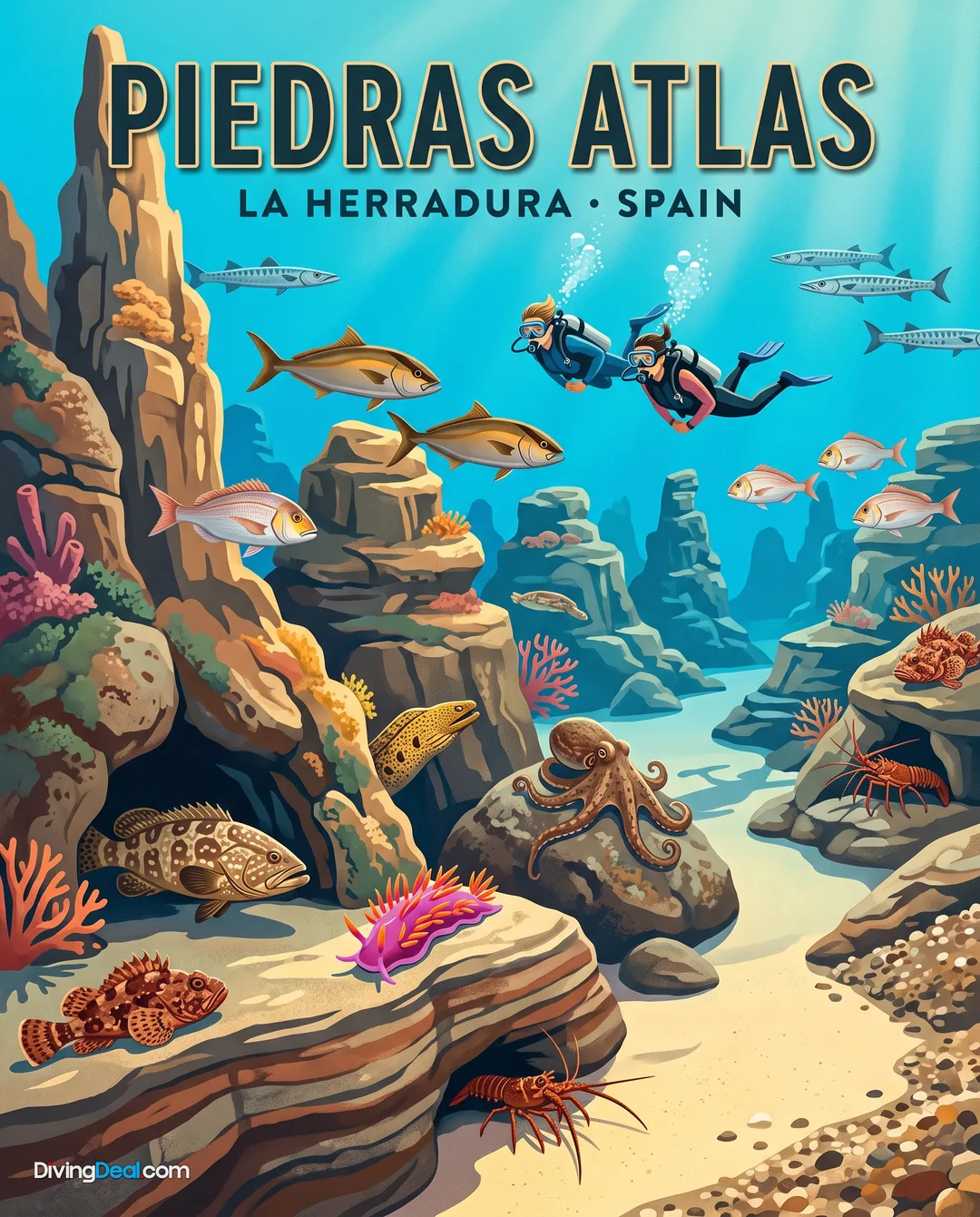
The rocky crevices and cracks along the deeper wall serve as refuges for various resident fauna. Here, you'll find groupers, conger eels, moray eels, and galatheas tucked away. The surrounding rocks are home to numerous nudibranchs and schooling anthias, their bright colours contrasting against the darker rock. Scorpionfish and octopuses blend into the rocky outcrops, requiring a keen eye to spot.
In the more open water and near the wall, shoals of bogas are common. In shallower depths, around 5 metres, you'll observe gobies and blennies hidden among the stones. Further up, salemas, mojarras, and sargos cruise closer to the surface. From May onwards, the site becomes particularly active with schooling silverside fry, which attract predators like Atlantic bonitos and small tunas, turning the area into a dynamic hunting ground. Wrasse also engage in mating rituals during this period, adding to the site's natural spectacle.
The combination of the site's topography – a sheltered entry leading to a dramatic deep wall with a cavern – and its diverse marine life, from vibrant corals to large pelagics, makes La Punta de la Mona a multi-faceted dive. The variability of the current demands attention but also contributes to the chances of encountering robust marine ecosystems and captivating natural interactions, such as predator-prey dynamics.
La Punta de la Mona is an advanced dive, accessible to Advanced Open Water certified divers with at least 50 logged dives due to the potential for strong currents and depths up to 40 metres. Visibility can be excellent, though no specific average is provided. The current can be moderate to strong, particularly at depth and near the wall, and can intensify rapidly, so situational awareness is crucial. The best time to dive here is from May onwards, when marine activity increases significantly, though the site is generally accessible year-round.
La Punta de la Mona is generally accessible year-round, but marine activity increases significantly from May onwards. During this period, schooling silverside fry attract Atlantic bonitos and small tunas, while pelagic activity becomes more noticeable. You may also see schooling fish, predators, and wrasse engaged in mating rituals.
La Punta de la Mona is an advanced dive for Advanced Open Water certified divers with at least 50 logged dives. The dramatic wall descends rapidly to 40 metres, while the Caverna de la Virgen lies at 13 metres. Deeper sections require appropriate experience with depth and changing conditions.
At La Punta de la Mona, current begins to make itself felt around 17 metres and can become moderate to strong, particularly at depth and near the wall. It may intensify rapidly, making situational awareness important. You need to pay close attention to buoyancy control and navigation while following the wall.
At La Punta de la Mona, you can explore a dramatic wall, the sandy-floored Caverna de la Virgen, and orange corals. Marine life includes seahorses, barracudas, large groupers, ocean sunfish, nudibranchs, anthias, moray and conger eels, octopuses, scorpionfish, gobies, blennies, and schooling bogas.