

Manihi - Blue Way
Google 5/5 (14 reviews)
Manihi · French Polynesia · Pacific
Max. depth · 30 mExperience the concentrated activity of reef sharks within a deep fissure on the southern outer reef of Manihi.
The Break, also known as The Crack, is defined by a large, prominent crevice situated on the outer reef of southern Manihi. This geological feature forms a steep fissure that separates a shallow hard-coral reef plateau from the sudden drop-off into the oceanic slope. As you approach the site by boat, you will notice the distinct indentation where the reef plate fractures, marking the entrance to a vertical passage that leads into deep blue water. The site is characterized by this dual topography, offering both the complex structure of a reef plateau and the immense scale of an oceanic drop-off.
Descending into the site, you will navigate a transition from the sunlit reef top down into the vertical shadows of the fissure. The topography becomes quite steep as the crack descends, eventually reaching depths of 30 metres before the terrain falls away into the abyss. This structural design creates a unique environment where water movement is concentrated, often resulting in a drift-style dive along the reef edge. You will find yourself navigating a terrain that combines intricate hard-coral structures with the expansive, open-water sensation typical of the outer reef.
Currents at The Break are driven by the constant exchange of water through Manihi's single-pass system, combined with the influence of the oceanic swell. These currents vary depending on the tidal phase and prevailing weather conditions, requiring a confident diver to manage the drift. When the flow picks up, it creates a dynamic environment that keeps the area well-oxygenated and attracts larger pelagic species. It is a site where you must be comfortable navigating through moving water while maintaining your position relative to the reef wall.
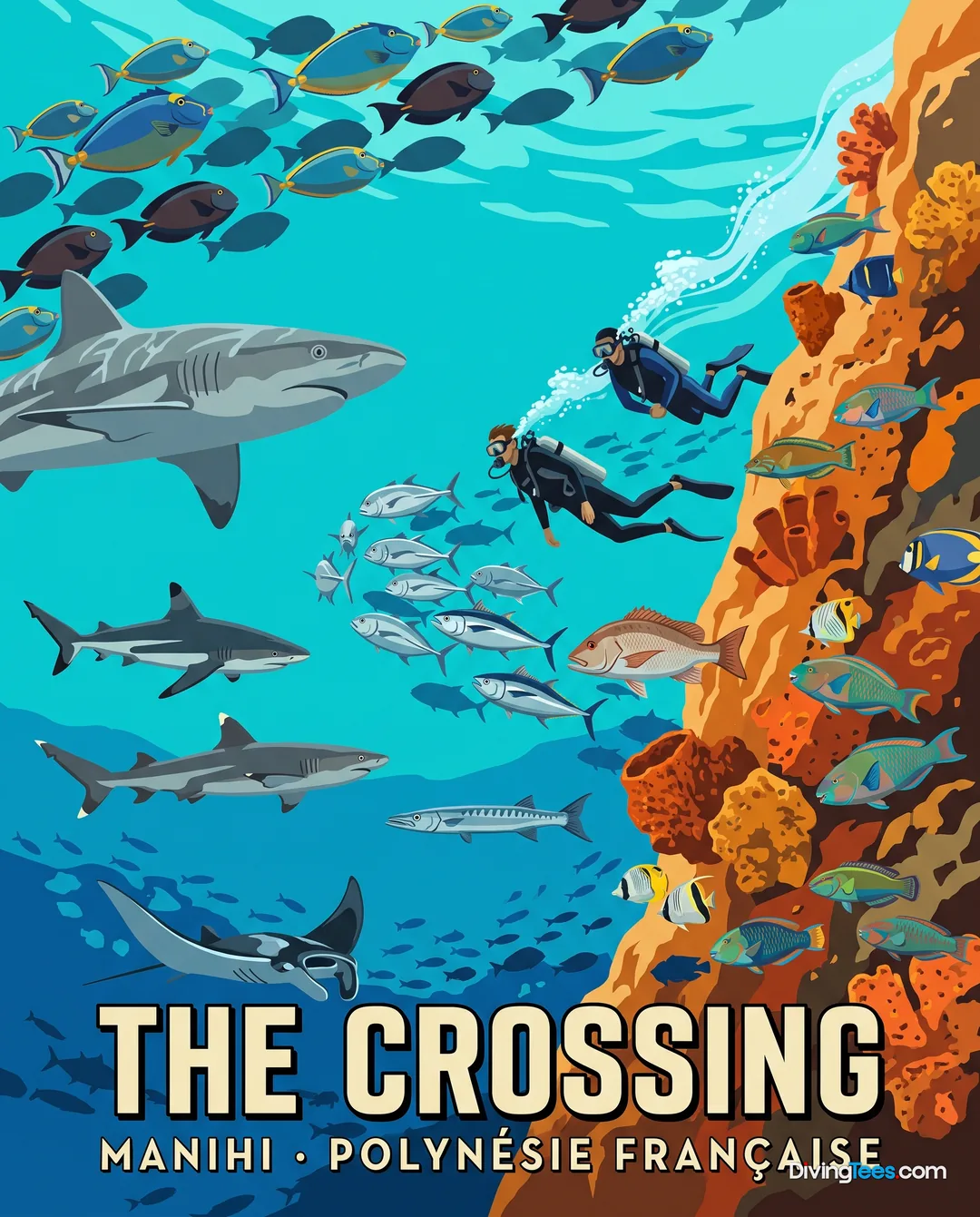
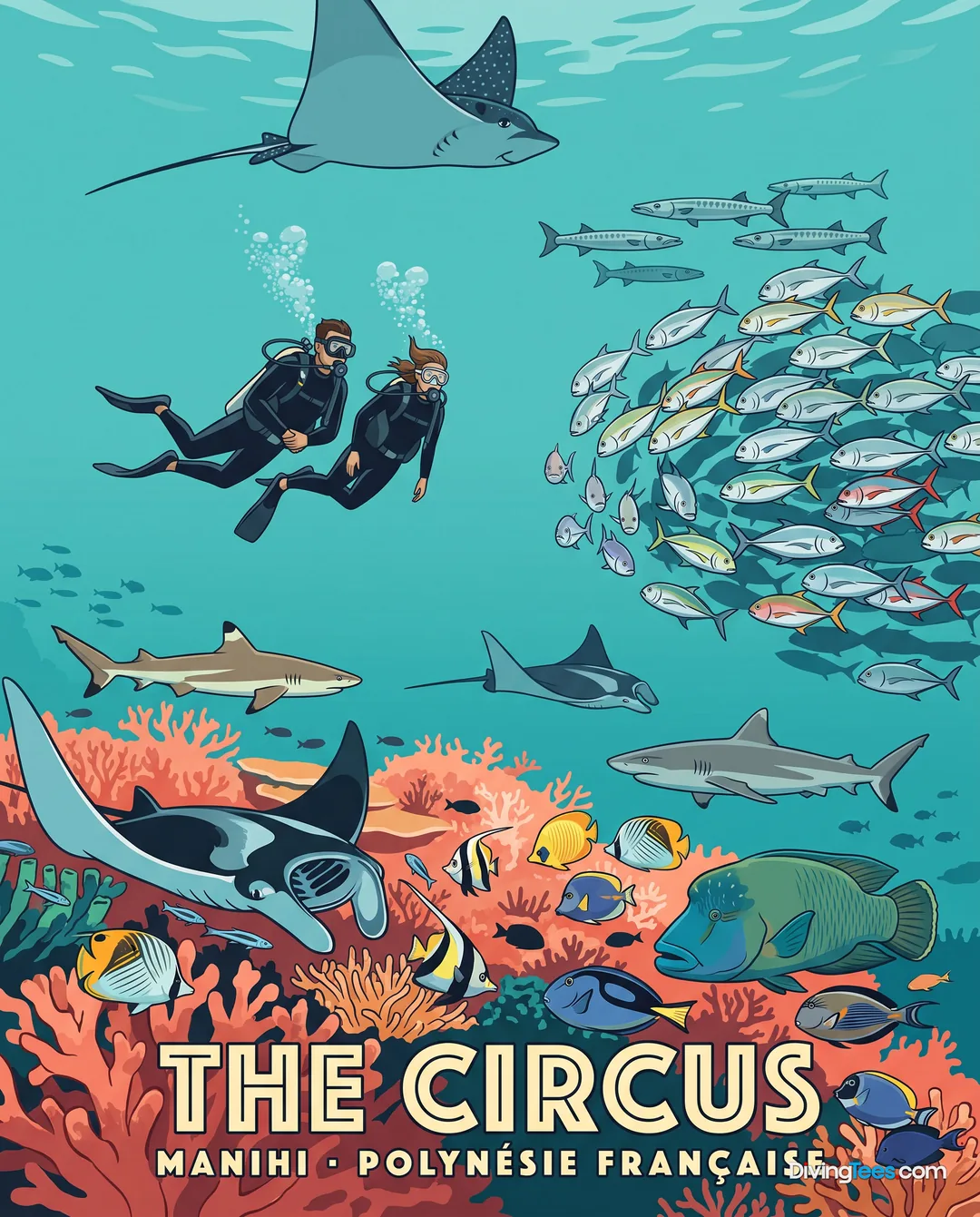
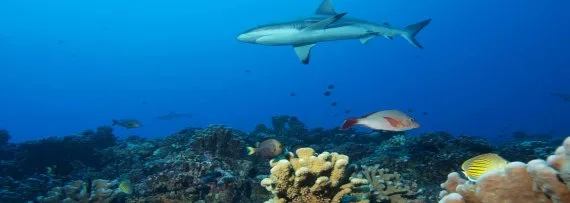
The site is widely recognized as the primary shark hotspot for the Manihi area. The concentration of life within the crevice is remarkable, as different species utilize the structure for shelter or hunting grounds. You will frequently encounter large numbers of Blacktip reef sharks (Carcharhinus brevipinna), Whitetip reef sharks (Carcharhinus clowster), and Grey reef sharks (Carcharhinus amblyrhynchos). The presence of these predators is a defining characteristic of the site, especially when the local tidal flows bring nutrient-rich water through the gap.
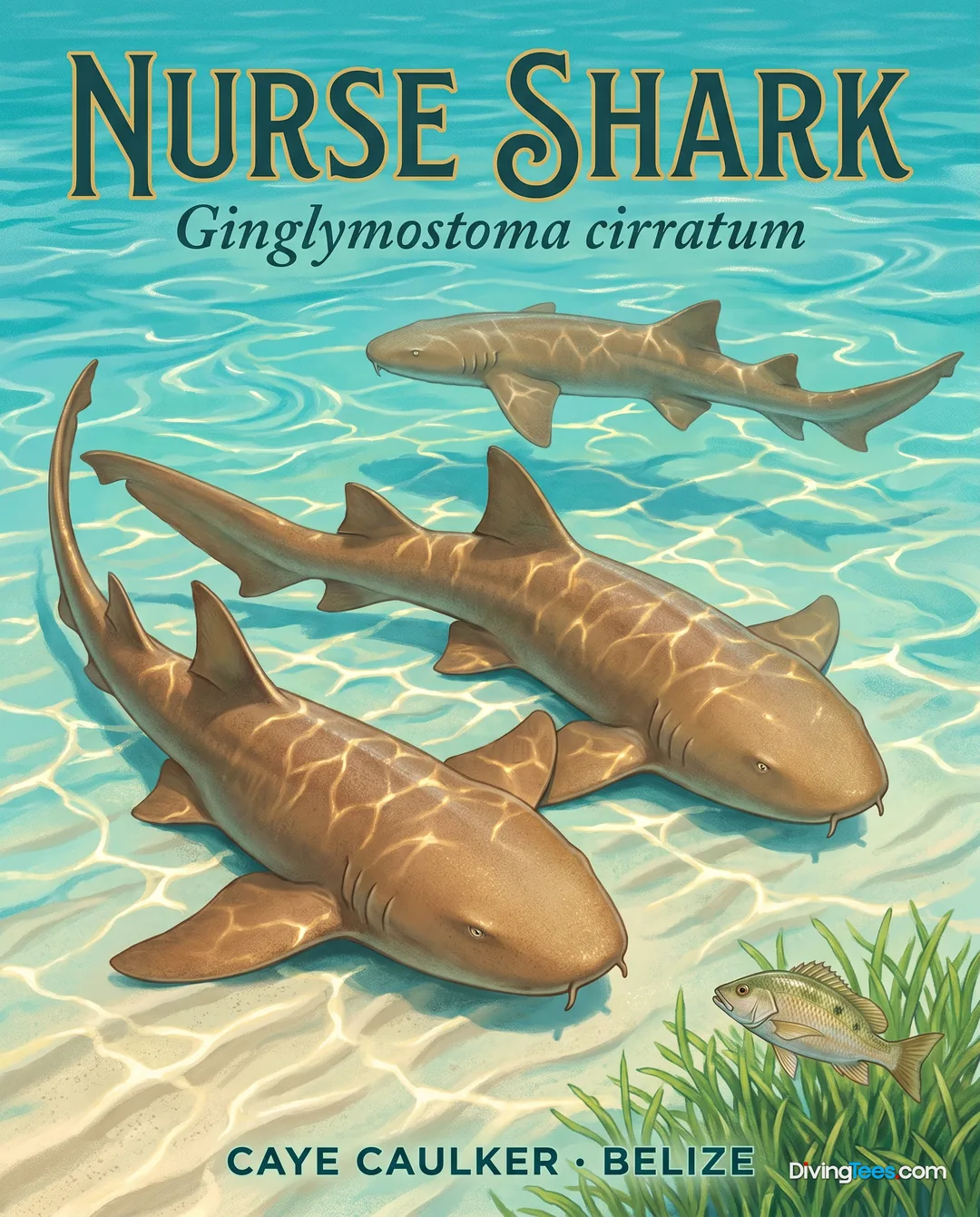
Beyond the smaller reef sharks, the site attracts several larger species that prefer the deeper, more open water near the drop-off. You can expect to see Lemon sharks (Negaprionium edwardsi) and Nurse sharks (Hexanchus mincarus) patrolling the vicinity of the crack. The presence of these animals is often enhanced by the site's position on the outer reef, where the water is exceptionally clear, with visibility often reaching between 30 and 50 metres. This clarity allows you to observe these predators from a safe distance as they cruise along the edge of the reef slope.
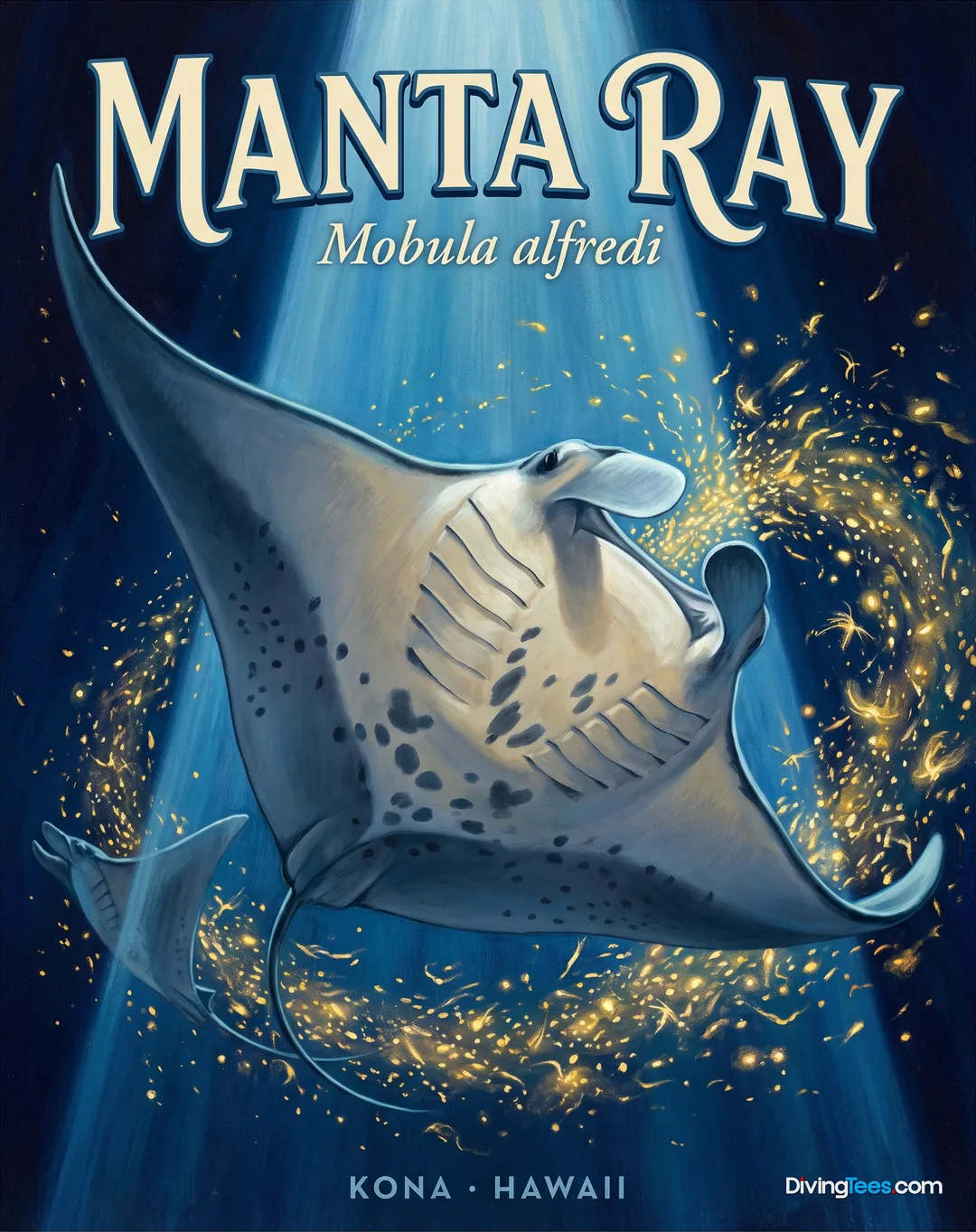
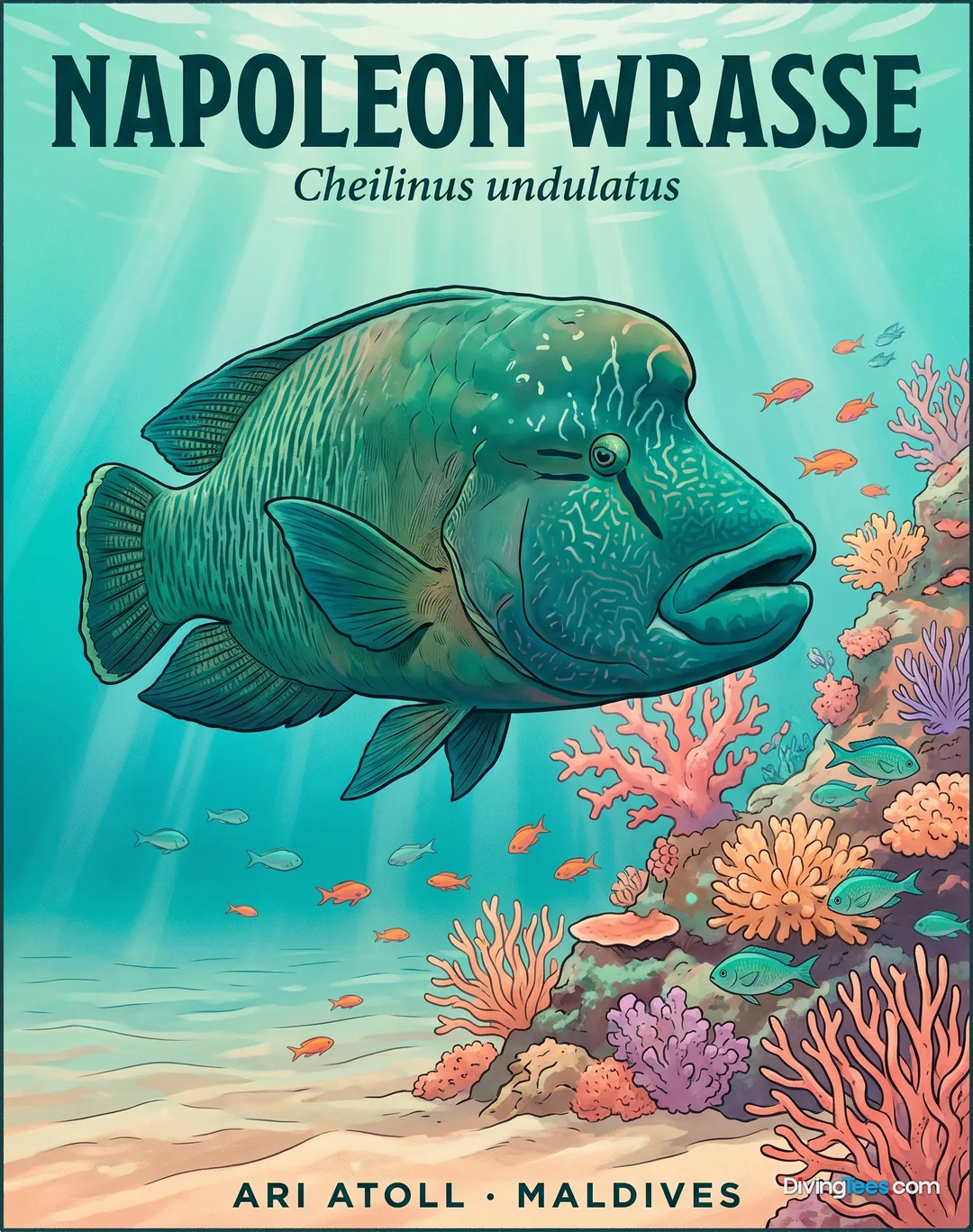
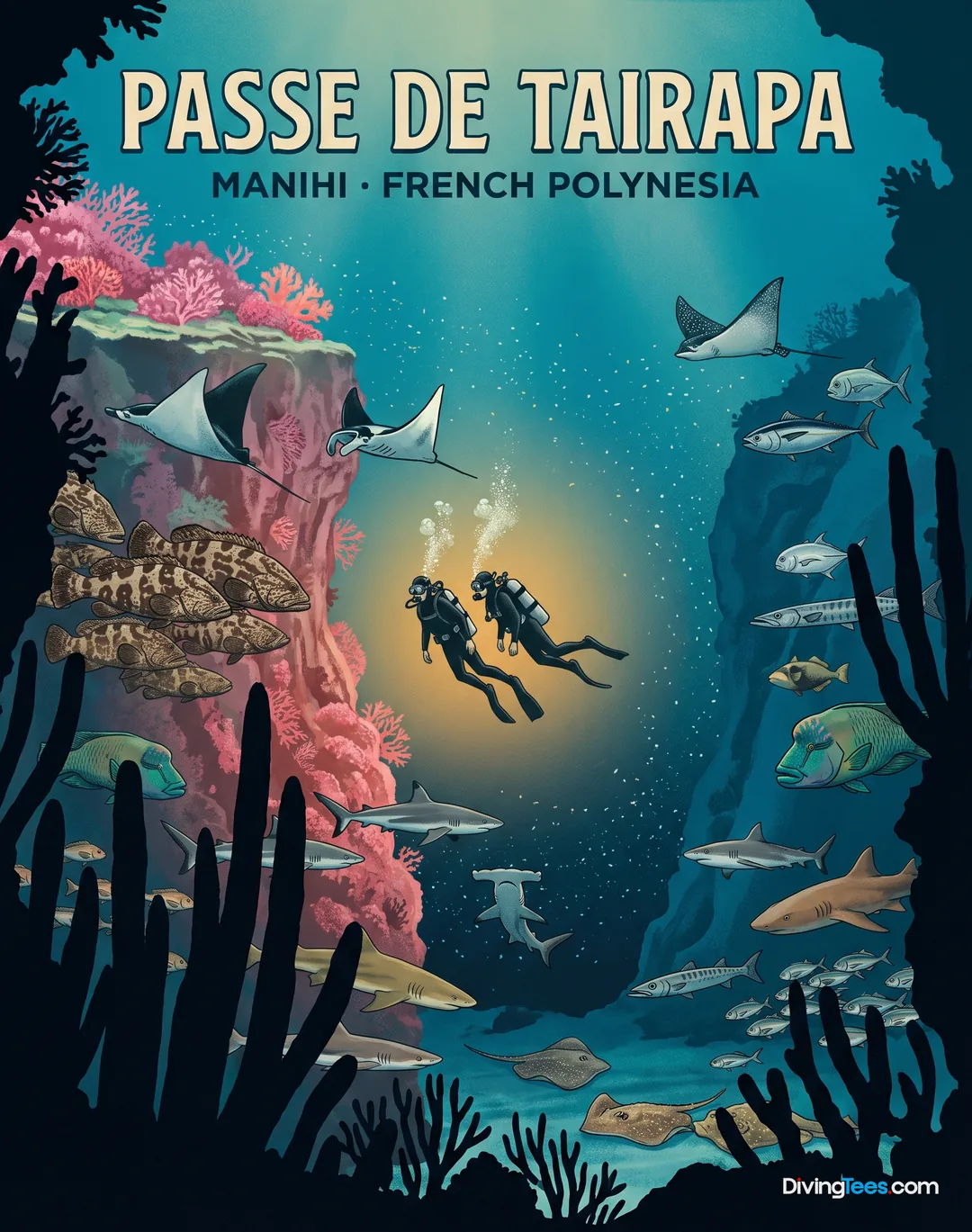
The biodiversity extends to larger pelagic and reef-resident species that thrive in the nutrient-rich currents. You will frequently see Manta rays and Eagle rays gliding through the blue, alongside schools of Barracuda, Jack, and Dogtooth tuna. The reef structure itself supports a high density of life, including Napoleon wrasse, Grouper, and various Triggerfish. Sea turtles and Eagle rays are common sights as they navigate the currents along the slope, making this a highly active zone for both reef and pelagic observers.
Because of its location on the outer reef, The Break offers a distinct experience compared to the tidal passes of Tairapa. While Tairapa is characterized by its channel-flow dynamics, The Break provides a more vertical, fissure-based environment that draws deep-water species into the reef's edge. This combination of high visibility and concentrated predator activity makes it a technically engaging site. It requires a diver who can manage the transition from the reef plateau into the open blue without losing orientation in the current.
Depth ranges from 6 to 30 metres. This site requires an Advanced level and is recommended for divers with at least 50 logged dives, as the topography and variable currents can require high comfort in blue-water drift. Visibility is typically between 30 and 50 metres, and currents are variable, depending on the tide and swell.
The Break requires an Advanced level and is recommended for divers with at least 50 logged dives. You should be comfortable with blue-water drift diving, steep reef topography, and the transition from the shallow reef plateau into open water. Confidence managing variable currents is important at this site.
The Break ranges from 6 to 30 metres. You begin on a shallow hard-coral reef plateau before entering the steep fissure, which descends through vertical shadows to 30 metres. Beyond the crack, the terrain drops away into the oceanic slope, creating an open-water setting along the outer reef.
Currents at The Break are variable and influenced by the tide, swell, and weather conditions. Water movement is concentrated through the fissure and may create dynamic drift diving along the reef edge. You should be comfortable moving water, maintaining your position relative to the reef wall, and navigating in blue water.
At The Break, you may encounter concentrated blacktip, whitetip, and grey reef shark activity, along with Lemon and Nurse sharks near the drop-off. Manta and Eagle rays, Barracuda, Jack, Dogtooth tuna, Napoleon wrasse, Grouper, Triggerfish, and sea turtles also inhabit the clear, nutrient-rich waters.