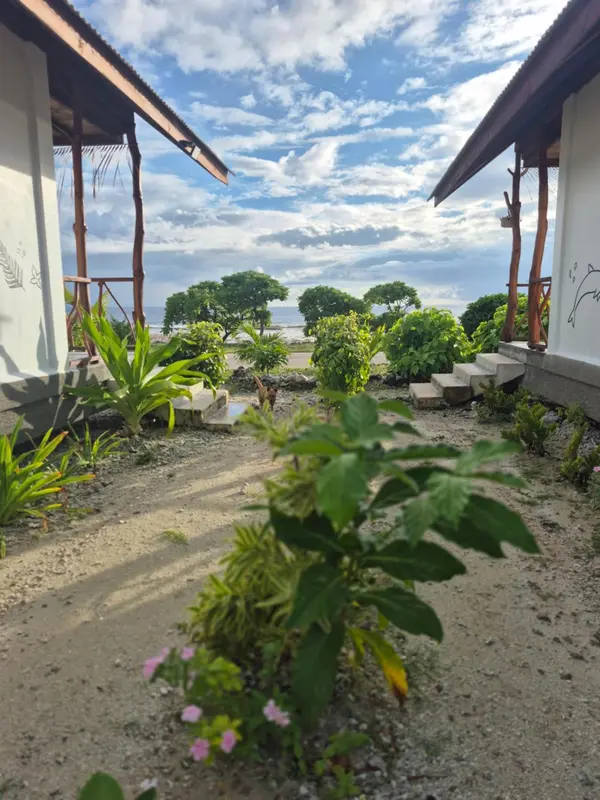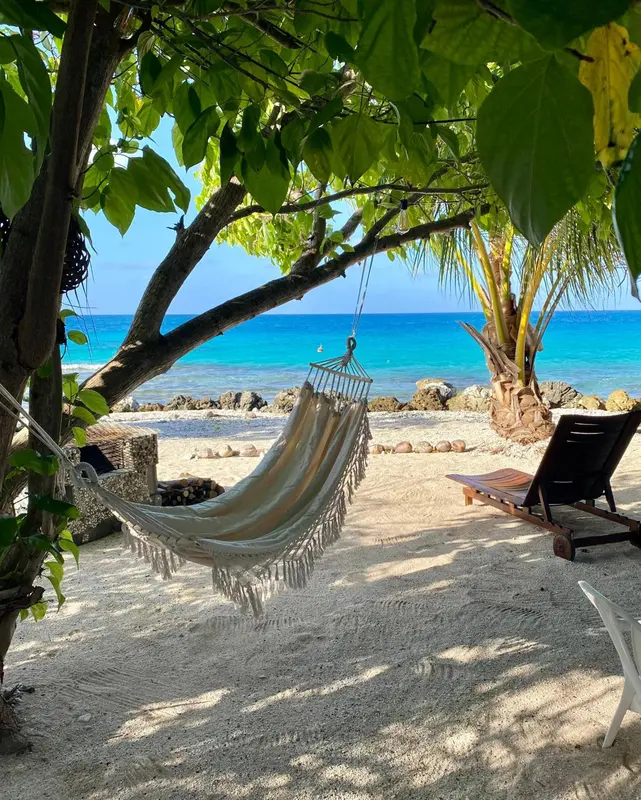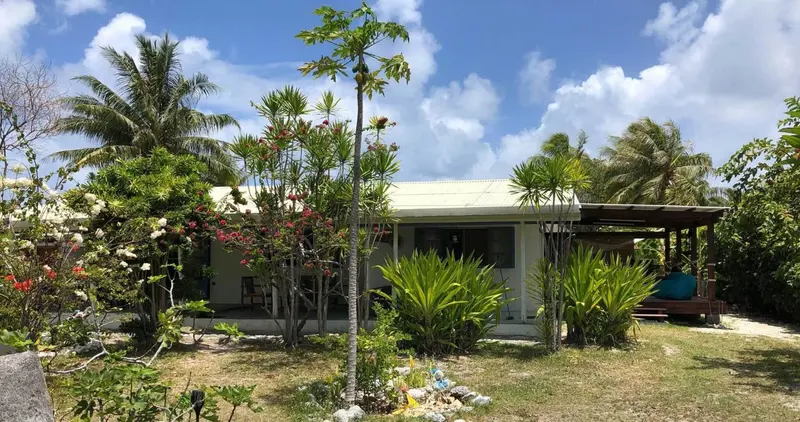
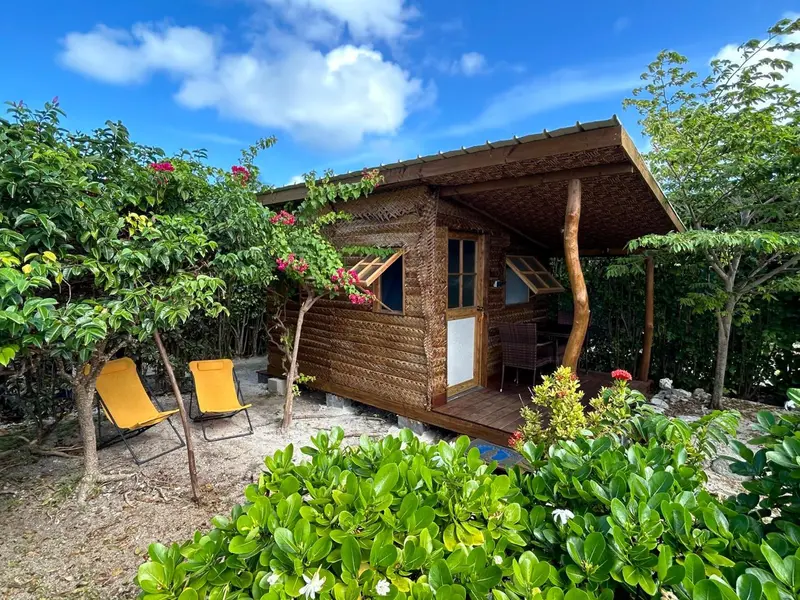
Pension Bounty Rangiroa - Art Gallery & Tropical Garden
Google 4.8/5 (224 reviews)
less than 1 km away as the crow flies
Dive centre · Rangiroa · French Polynesia
4.8109 Google reviewsExperience the legendary drift dives of the Tuamotu Archipelago with a centre that has shaped Polynesian diving since 1985.
For subtitles in English: start the video firstthen click the gearat the top right of the video, select “Subtitles/CC”, then “Auto-translate” and choose “English”.
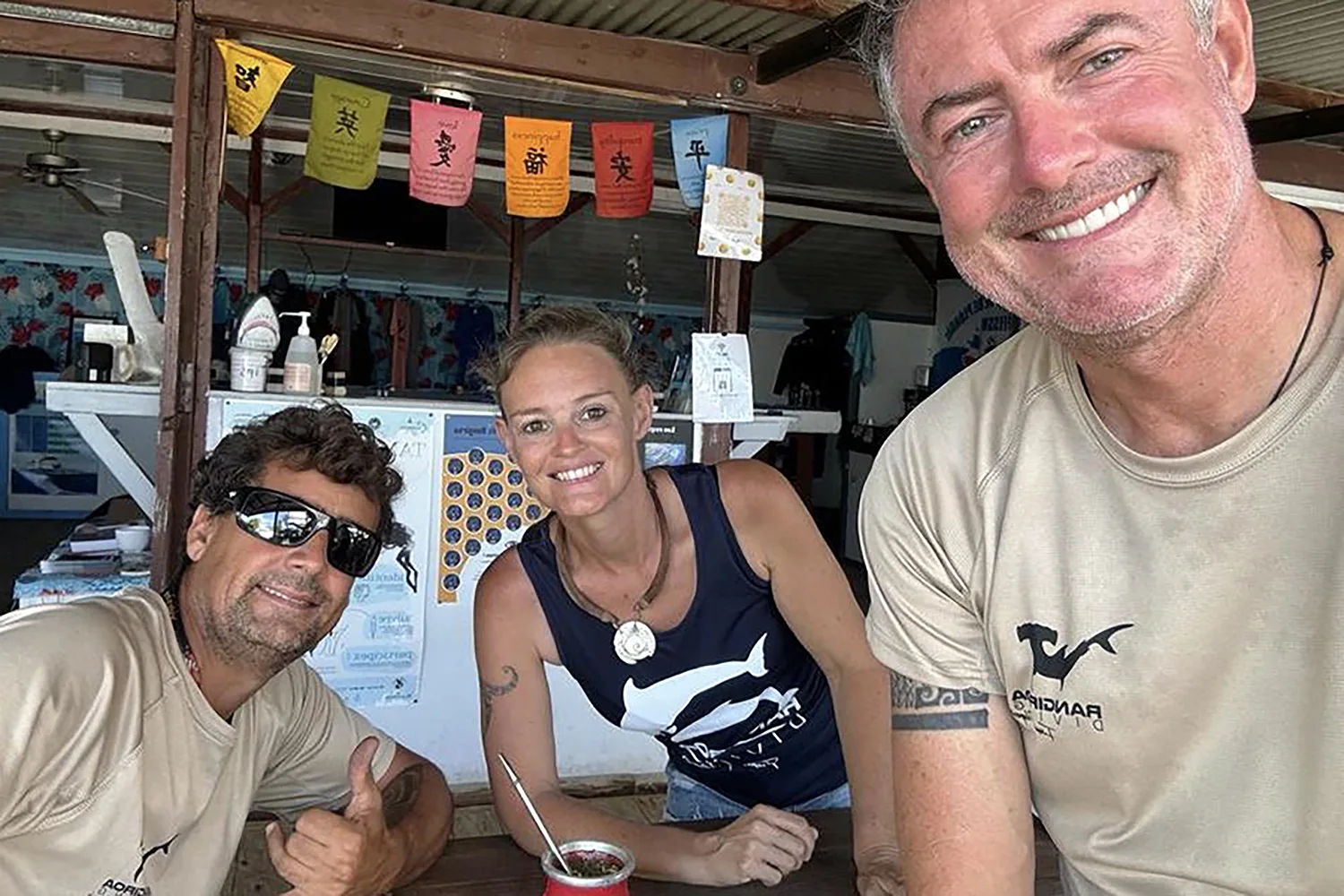
Established in 1985 by Yves Lefèvre, the Raie Manta Club holds a significant place in the history of the Tuamotu Archipelago as its first dedicated dive centre. Over four decades, it has evolved into an international reference point, particularly for underwater photographers and those seeking specialised marine safaris.
The club operates across three distinct locations: Rangiroa, Tikehau, and Rurutu. This multi-base approach allows you to experience the varied ecosystems of French Polynesia, ranging from the high-energy passes of the Tuamotus to the whale watching opportunities in Rurutu.
The centre is built on a foundation of long-term expertise, focusing on high-level underwater photography and cinematic filming. They are affiliated with PADI, SSI, and CMAS, ensuring a wide range of recognised certifications are available.
Instruction is provided in both French and English. The team maintains a strong commitment to marine conservation, working in partnership with the Tendua association to support local wildlife protection programmes.
The club offers a comprehensive training programme through PADI, SSI, CMAS, and NAUI. You can begin your journey with an Open Water Diver course or progress through Advanced Open Water Diver and Rescue Diver certifications.
Their curriculum is designed to support divers of all levels, from those looking for their first experience in the water to advanced divers seeking specialised skills.
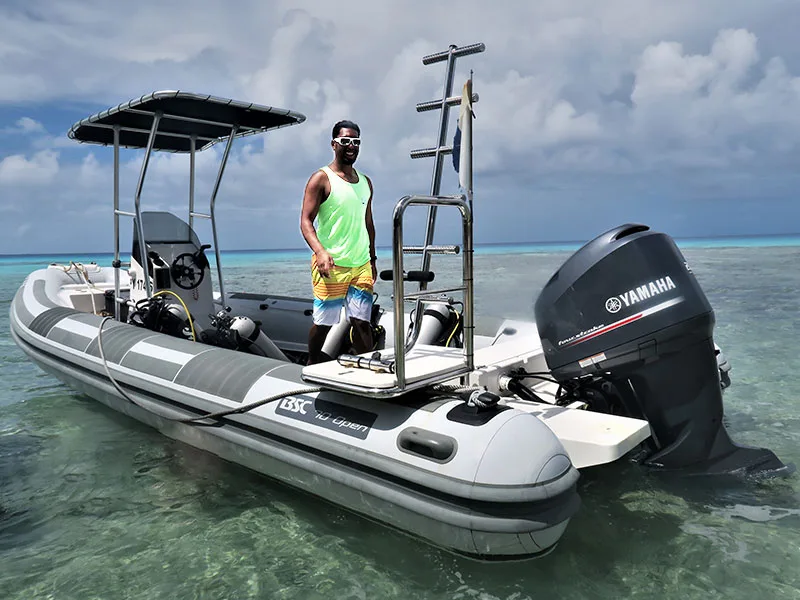
The centre utilises a 7.5m Zodiac Pro for excursions, powered by twin 115 CV engines. This setup is designed to handle the varied conditions of the atolls, providing reliable transport to the various passes and reef sites.
For those not travelling with their own kit, a full range of Scubapro equipment is available for hire. This includes 3mm shorty wetsuits, BCDs, regulators, fins, masks, snorkels, and weight belts.
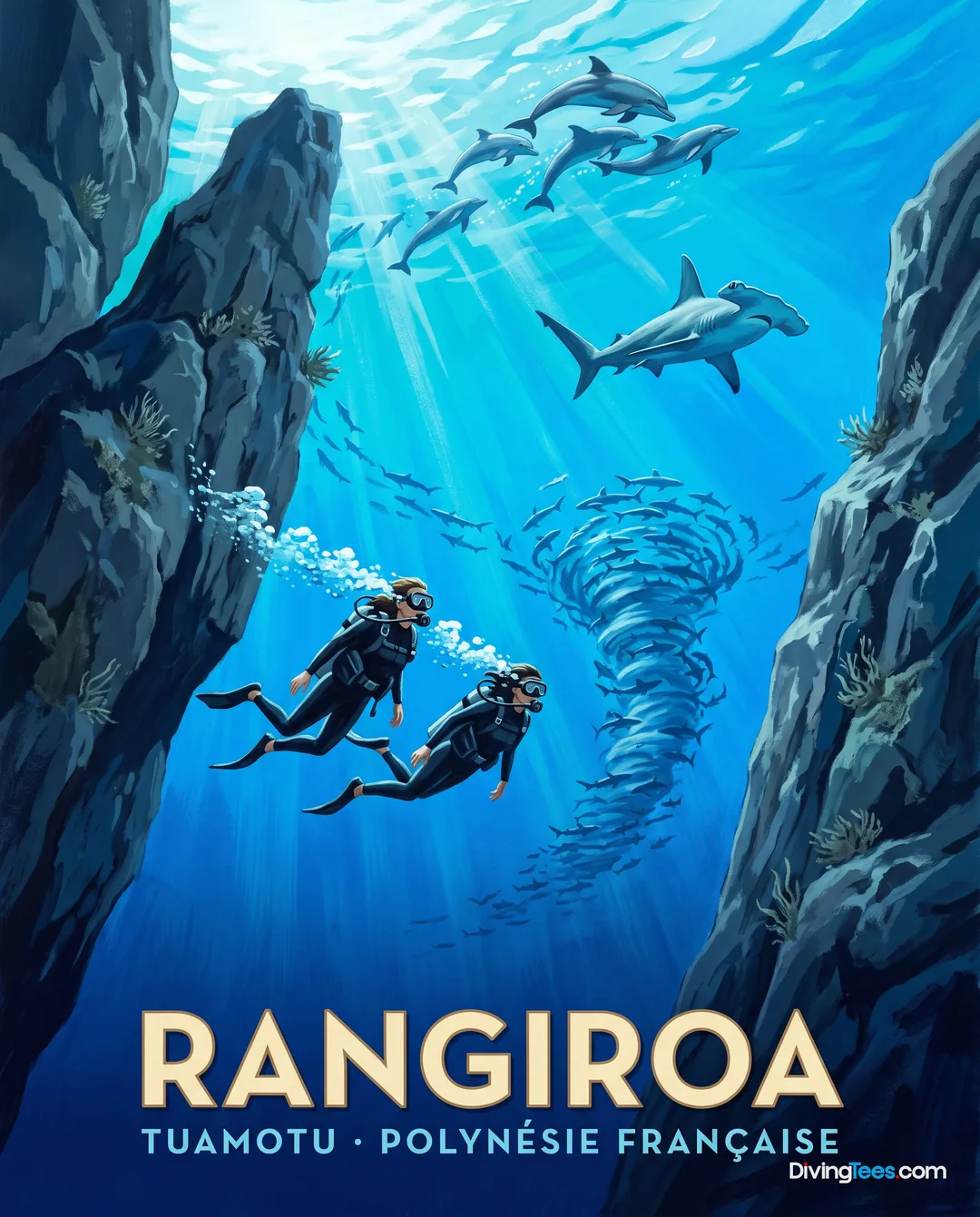
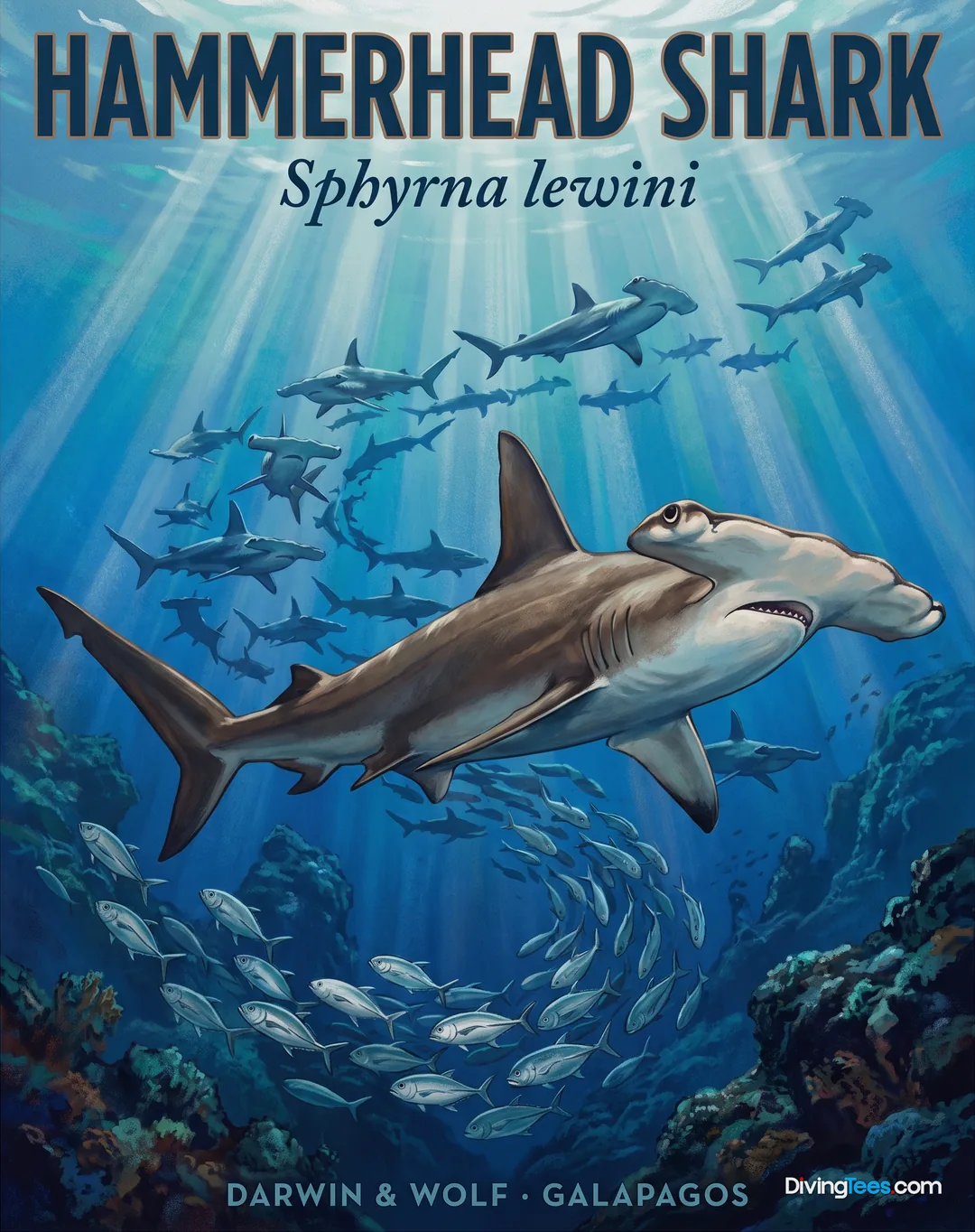
Passe de Tuheiava (Tikehau) is a high-current pass that is incredibly fish-heavy. You can expect to see large schools of jacks (Carangidae), barracuda (Sphyraena), whitetip reef sharks (Triaenodon obesus), and even great hammerhead sharks (Sphyrna).
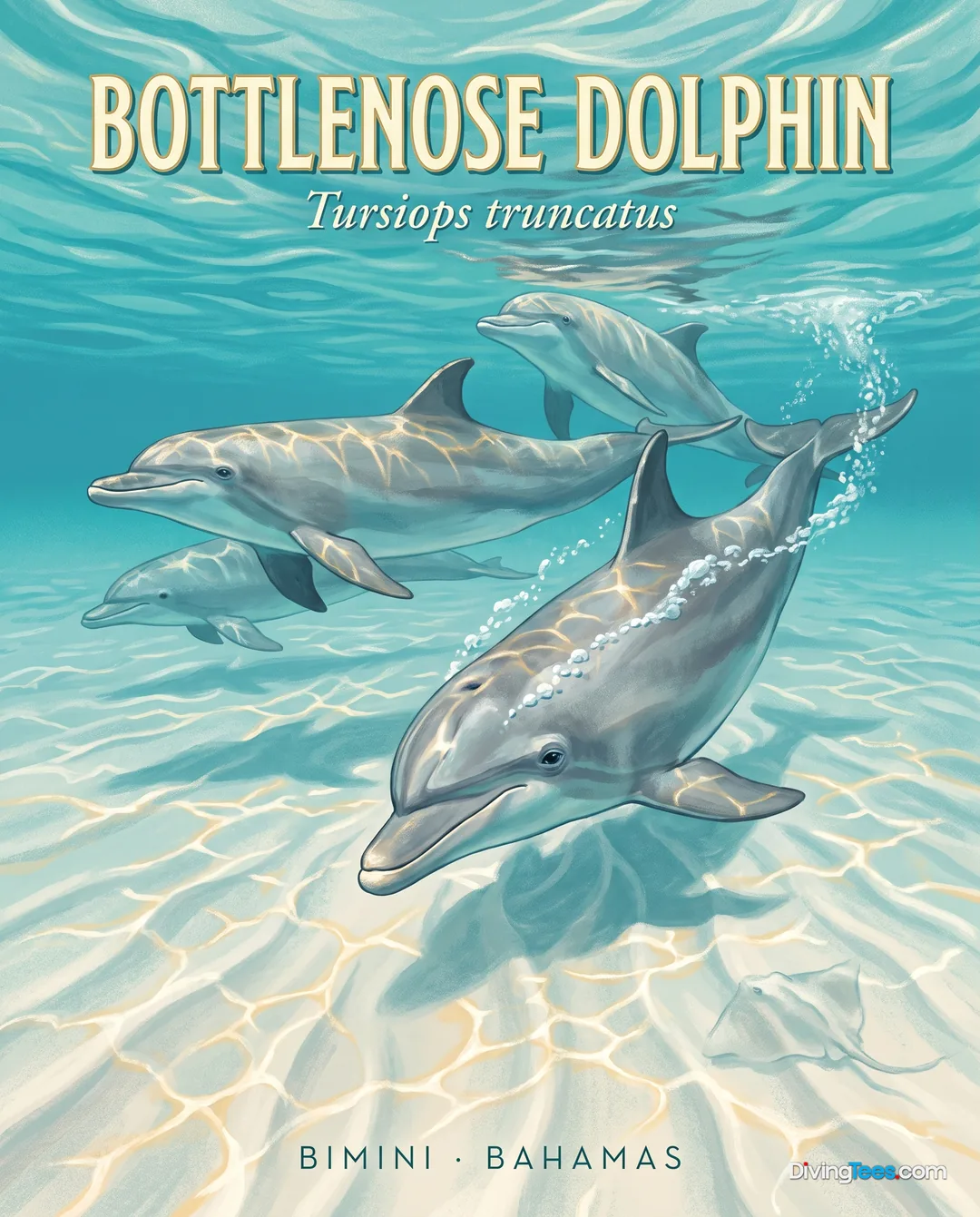
Trou aux tortues (Tikehau) is a reef site that acts as a nocturnal refuge for turtles. It is a calmer, low-current environment suitable for beginners, where you might encounter dolphins (Delphinidae), Napoleon wrasse (Cheilinus undulatus), and blacktip reef sharks (Carcharhinus melanopterus).
Trou aux requins (Tikehau) is a legendary reef crack reaching depths of 49 metres. This advanced dive is famous for its abundance of sharks, including grey sharks and barracuda (Sphyraena).
Cloche de Hina (Tikehau) is a deep wall dive for experienced divers reaching 45 metres. The site is known for pelagic visitors such as tuna (Thunnus) and marlins, alongside whitetip reef sharks (Triaenodon obesus).
And some of the dive sites the centre runs.
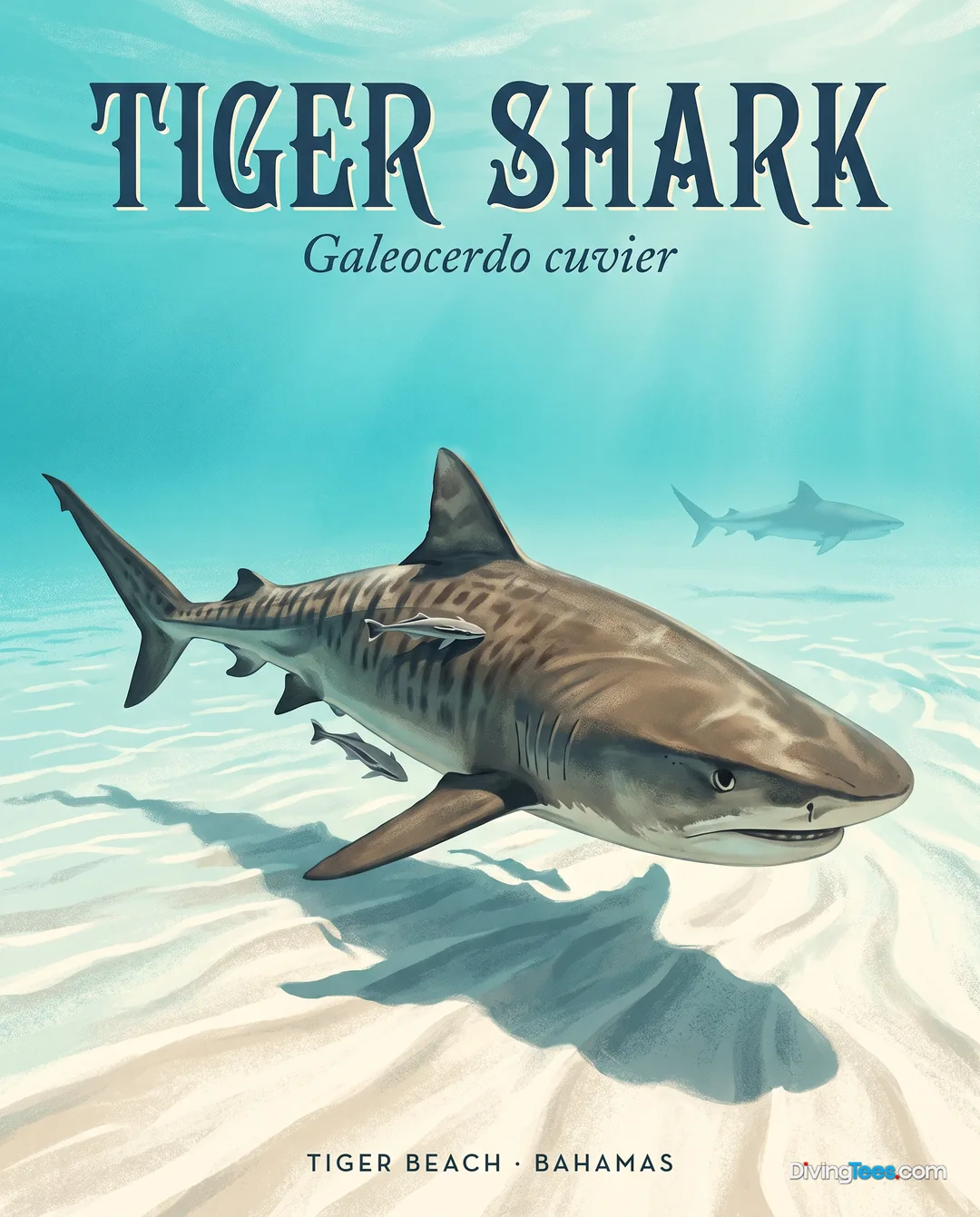
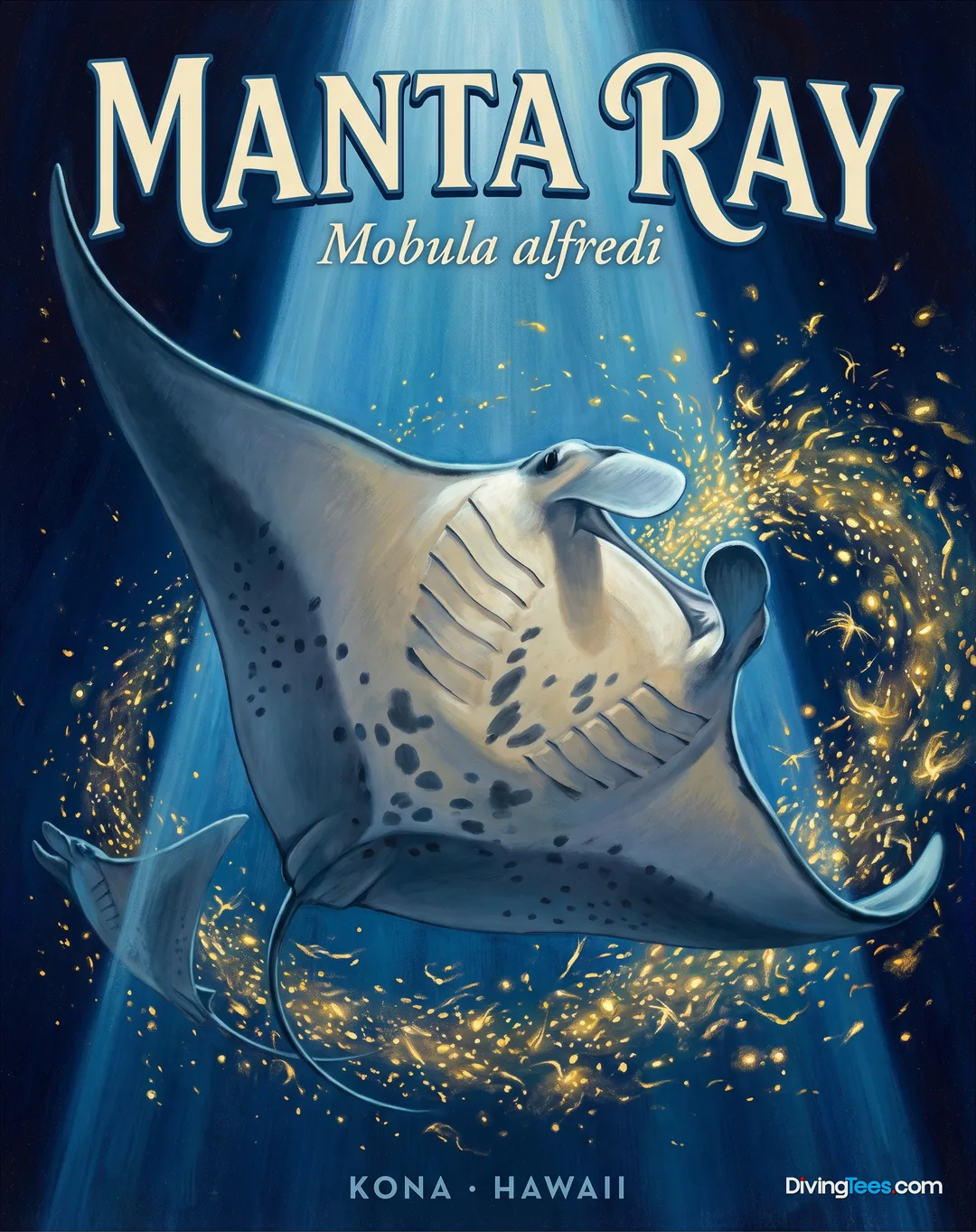
The atolls offer spectacular encounters with megafauna. You can regularly see various shark species, including grey reef shark (Carcharhinus amblyrhynchos), blacktip reef shark (Carcharhinus melanopterus), lemon shark (Negaprion brevirostris), and tiger shark (Galeocerdo cuvier). Manta rays (Mobula alfredi) and various eagle rays are also part of the local ecosystem.
Seasonal highlights include the presence of humpback whales in Rurutu from July to October, and great hammerhead sharks (Sphyrna) from December to March. During the austral winter, you may also encounter leopard rays.
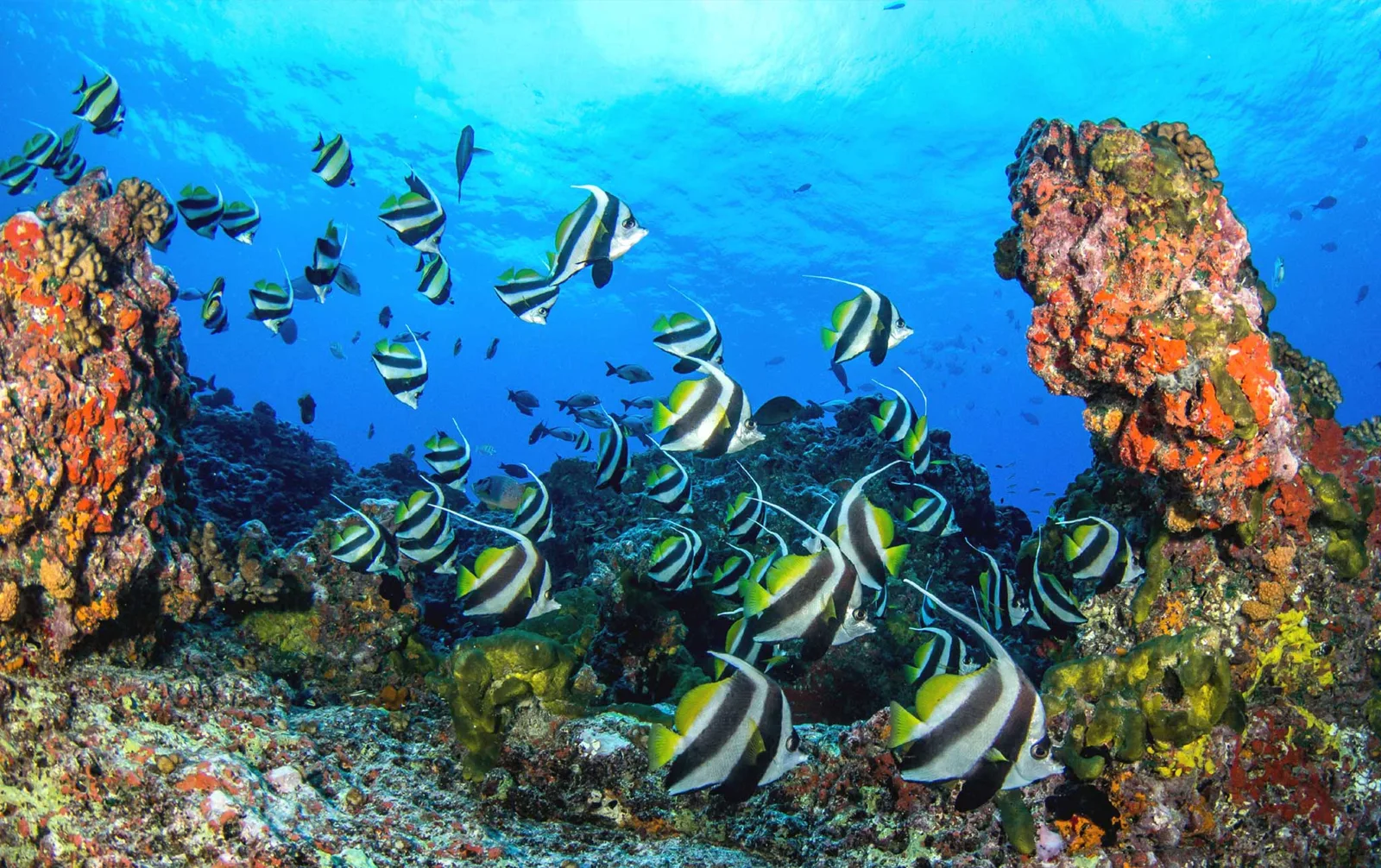
The reef is teeming with life, from Napoleon wrasse (Cheilinus undulatus) and various species of turtles to large schools of jacks (Carangidae) and barracuda (Sphyraena). You will also find tuna (Thunnus), marlins, and various reef sharks patrolling the edges of the passes.
On the seabed and within the reef structure, look for moray eels (Muraenidae), octopus (Octopoda), and various scorpionfish (Scorpaenidae). The smaller inhabitants include colourful reef fish, anemones, and various species of snapper (Lutjanidae).
Diving in the Tuamotu Archipelago is heavily influenced by the local passes, where currents can become very strong. These currents are often utilised for drift dives, which are a staple of the region.
Water temperatures remain warm throughout the year, typically ranging between 26 and 29°C.
Hello, I'm Marina, DivingDeal.com's AI assistant. I answer in detail about hotels, dive centres and liveaboards.
Thinking about the whole trip and the flights? Talk it over with Edith →
Marina is an AI. Some links are affiliate links: DivingDeal may earn a commission, at no extra cost to you. Bookings are made with the partner.