


Rangiroa Diving Center
Google 4.9/5 (378 reviews)
Rangiroa · French Polynesia · Pacific
Max. depth · 26 mNavigate a labyrinth of transverse canyons to encounter large aggregations of grey reef sharks in the Tiputa Pass.
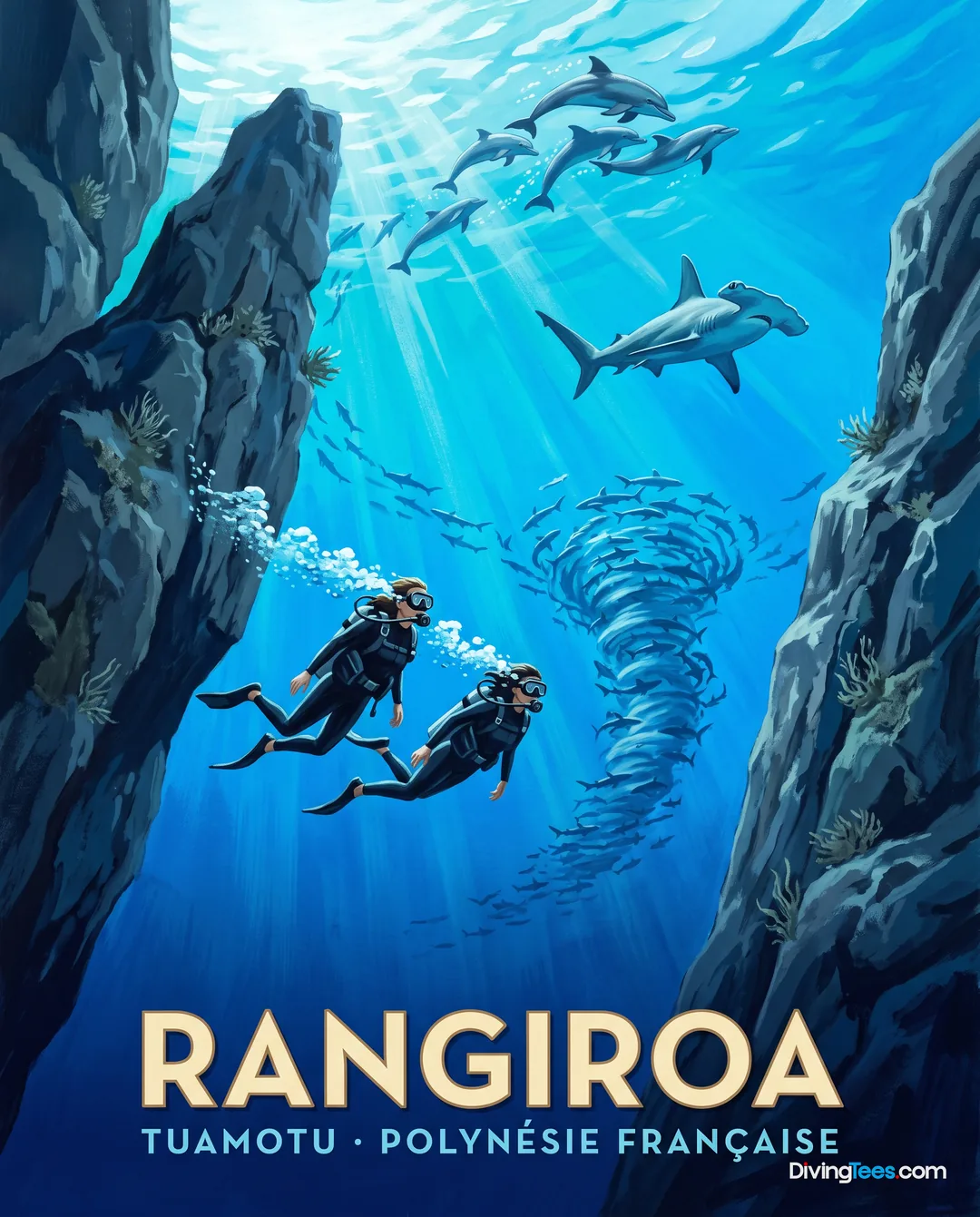
The Canyons are defined by a complex series of natural faults and transverse gullies that cut across the width of the Tiputa Pass. Unlike the wide, open runs found in other parts of the pass, this site presents a maze-like, stepped relief that creates a unique three-dimensional environment. As you enter the pass, the topography forces the water through these specific channels, creating a structured landscape of ridges and depressions. This geological setup is the core characteristic that distinguishes this site from neighbouring locations like The Run or The Windmill.
The dive profile follows a classic drift pattern driven by the incoming flood tide. You begin your descent near the entrance of the pass, where the water movement is most pronounced. From there, you follow the current as it carries you through the various canyon walls and gullies. The depth fluctuates between 5 and 26 metres, allowing you to move between the shallower reef tops and the deeper sections of the faults. This transition between depth zones provides different perspectives on the pass's structural complexity.
One of the most practical aspects of the site's topology is how the canyons interact with the current. While the Tiputa Pass is known for its strength, the transverse faults offer natural areas of shelter. By positioning yourself strategically within these gullies, you can find pockets of calmer water to observe the surroundings without fighting a constant, heavy surge. This ability to use the terrain to manage your effort is a key part of the experience, making the canyons a more structured environment than a standard open-water drift.
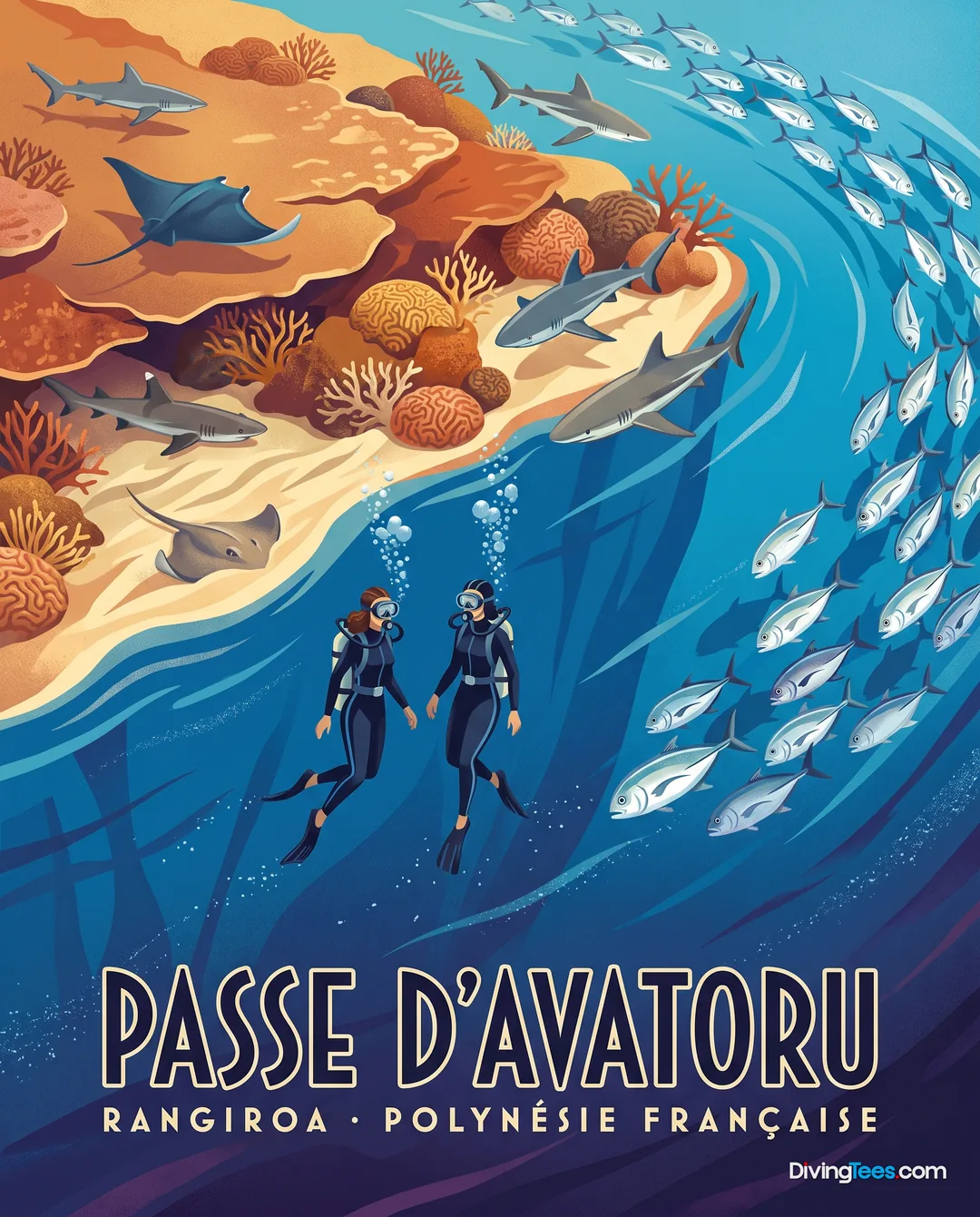
The biological activity at The Canyons is heavily influenced by these geological structures. Grey reef sharks (Carcharhinus amblyrhynchos) are frequently found in large numbers, often aggregating within the shelter of the canyon walls. The layout of the faults provides ideal ambush points and resting areas for these predators as they move with the tide. You will likely see them patrolling the edges of the gullies or hovering in the more protected sections of the fault lines.
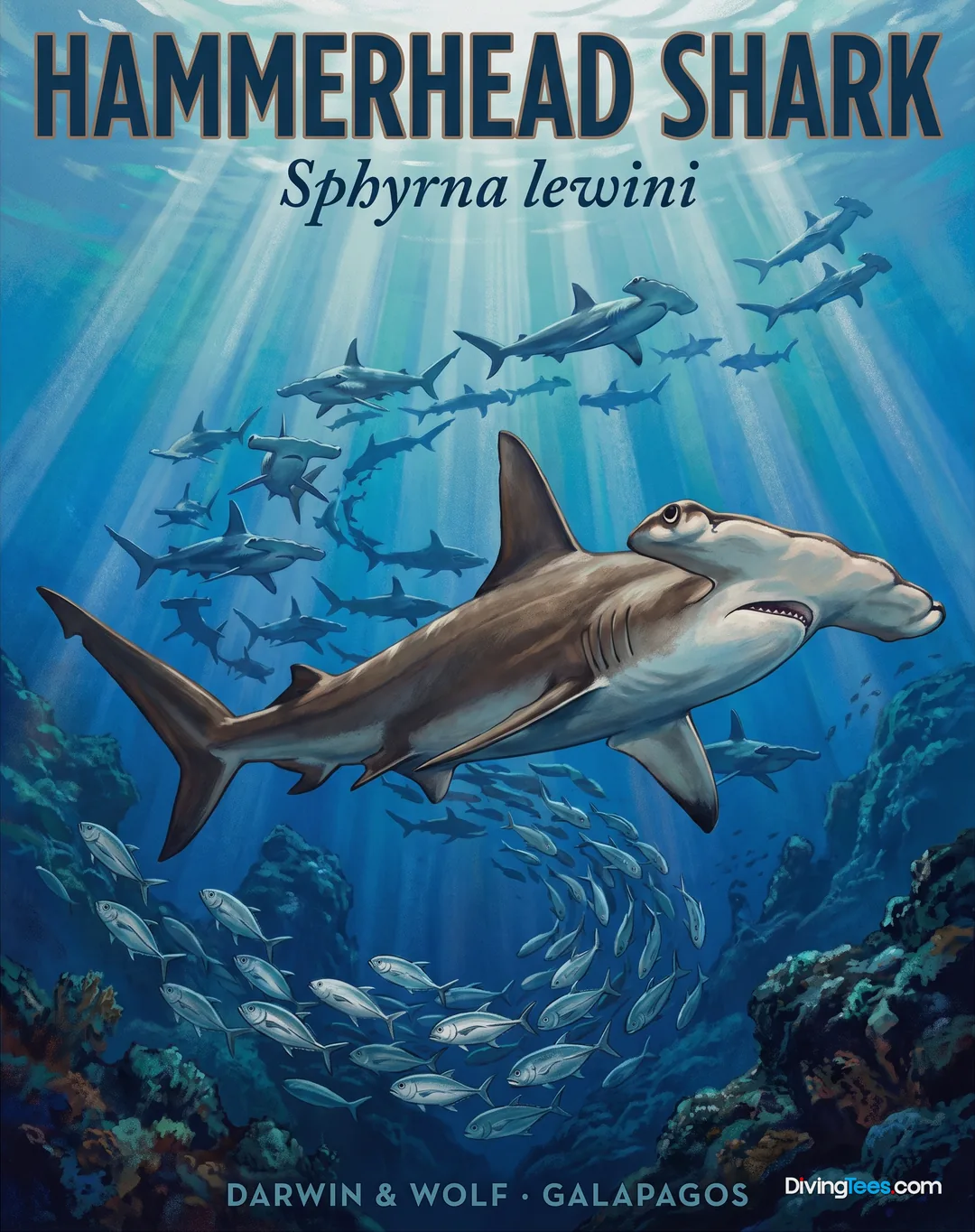
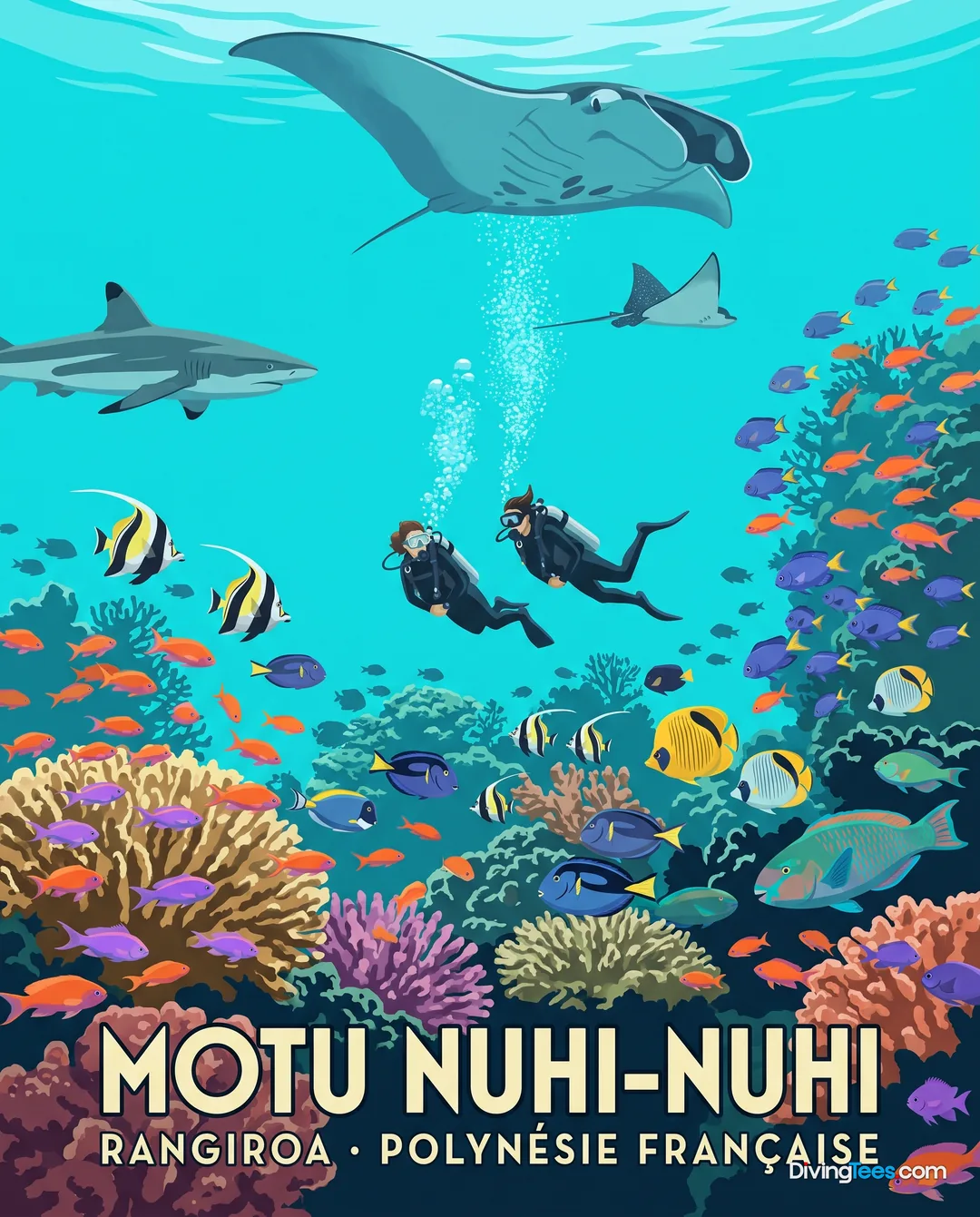
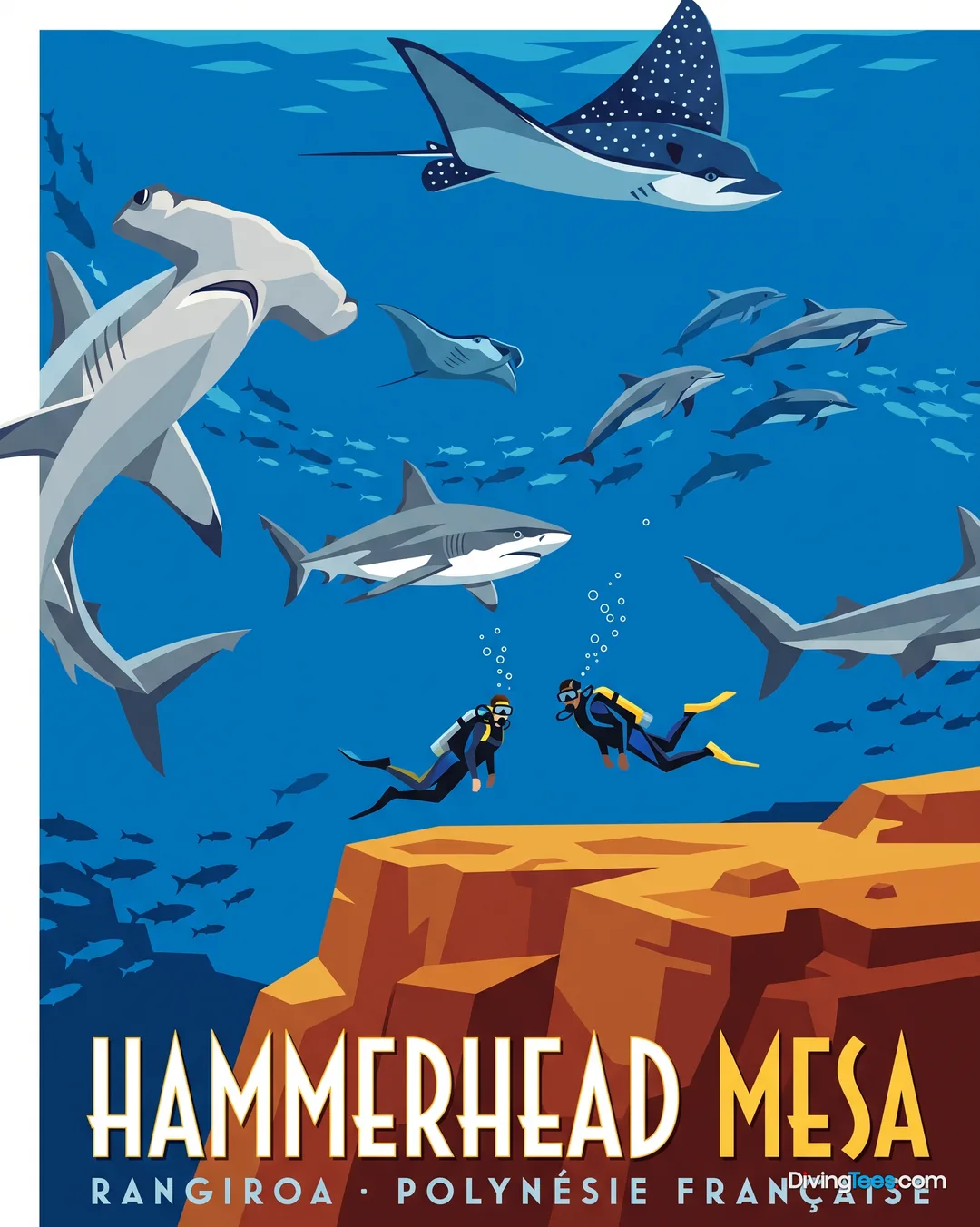
As you drift deeper into the pass, the fauna diversity remains high. You can encounter hammerhead sharks (Sphyrna lewini) that use the canyon walls for protection or as part of their movement patterns. Other species including whitetip reef sharks (Triaenodon obesus), manta rays, and sea turtles are common visitors to this area. The presence of larger pelagics is often linked to the way the current moves nutrients through these specific narrow channels.
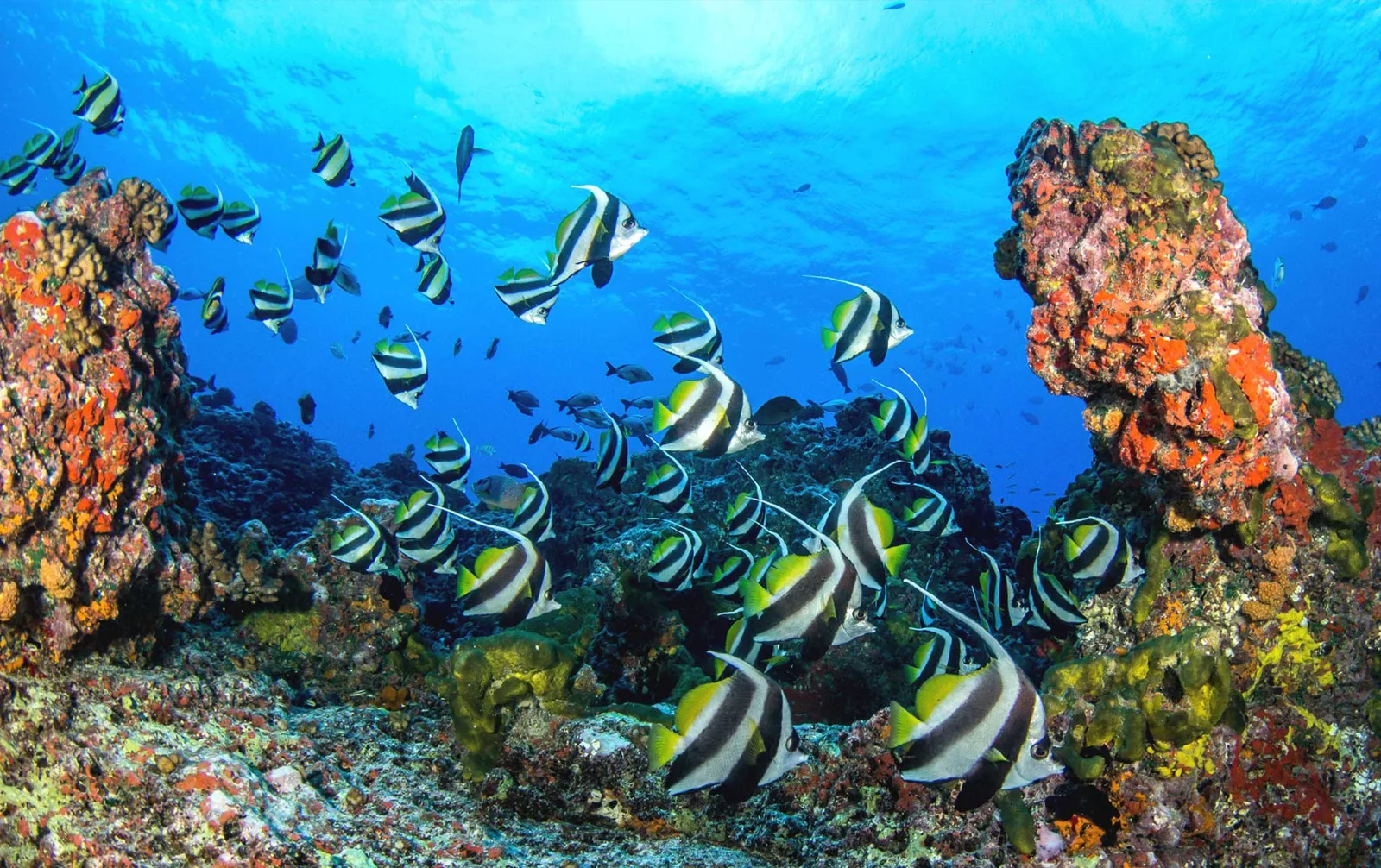
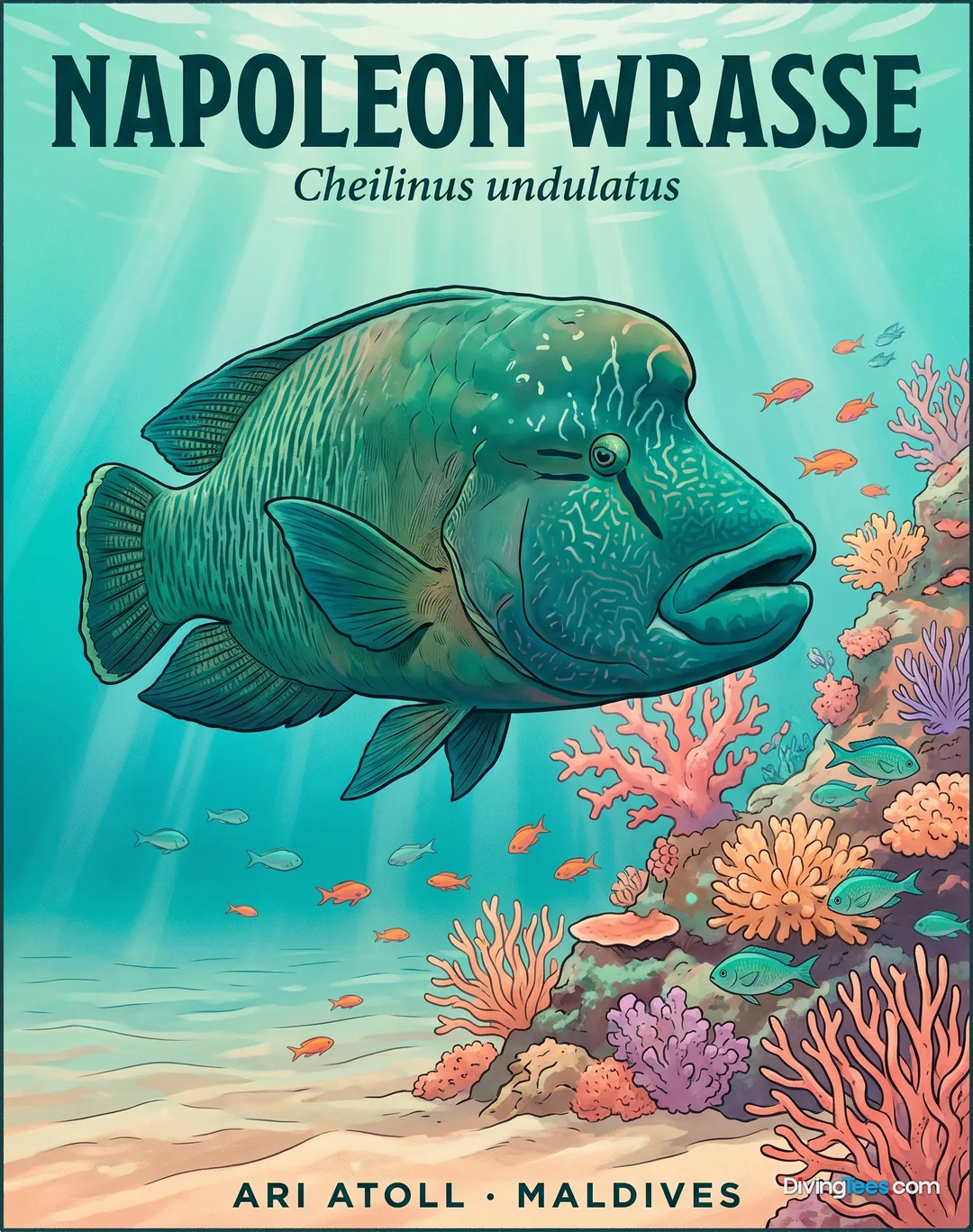
The reef itself supports a steady population of resident species that inhabit the gaps in the rock. Napoleon wrasse, surgeonfish, and various soldierfish occupy the crevices and the edges of the canyon walls. These resident fish provide a constant backdrop to the more mobile pelagic species passing through the pass. The interaction between the structured reef life and the passing sharks defines the biological rhythm of the site.
Timing is the most critical factor for a successful dive at The Canyons. The dive is almost exclusively conducted on the incoming flood tide to ensure a predictable drift from the entrance towards the lagoon. Local guides monitor the tidal state closely to ensure the current provides the necessary movement through the faults without becoming unmanageable. When the tide is right, the flow through the canyons is steady, allowing for an efficient and controlled drift dive.
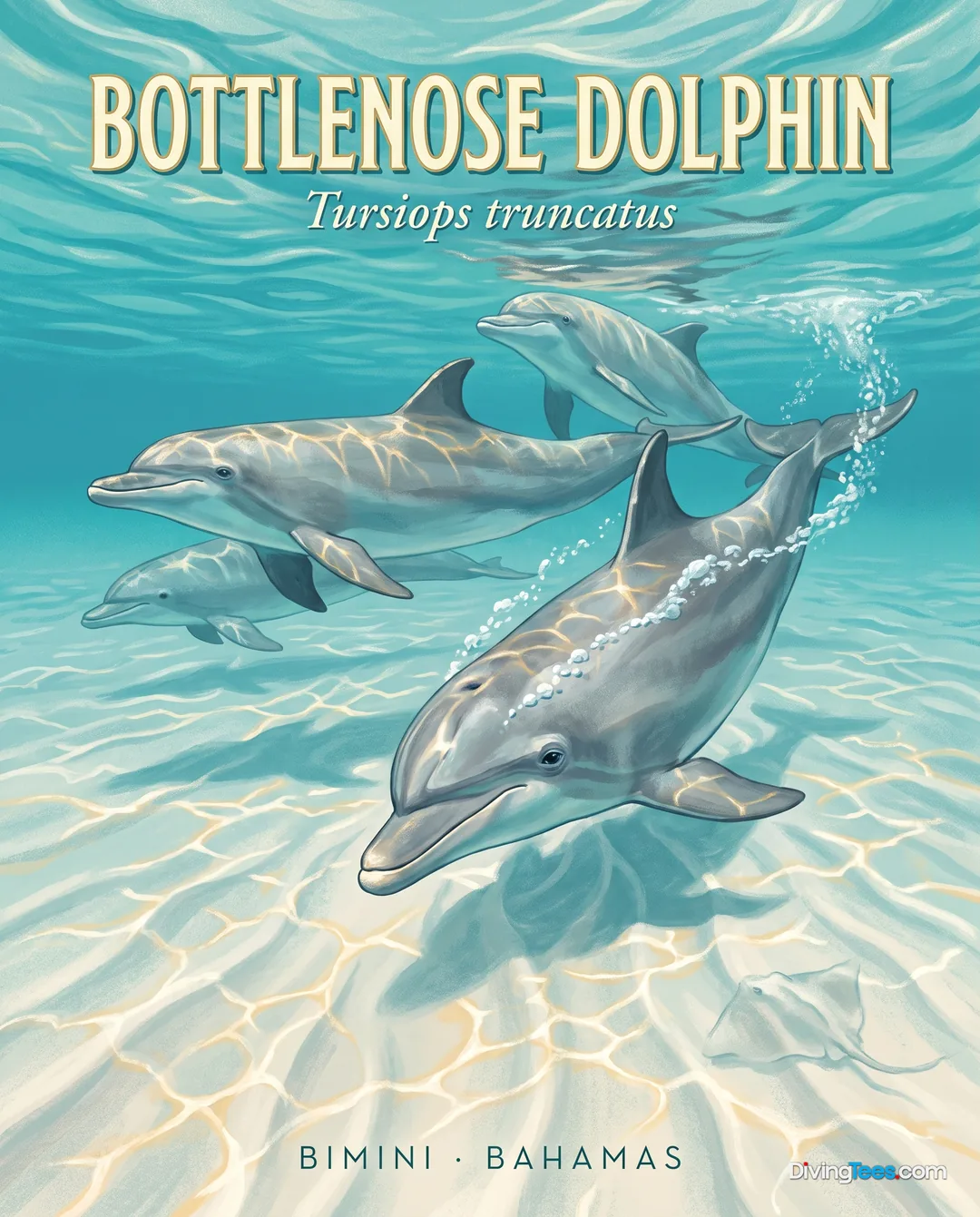
Visibility at the site is typically high, often reaching between 20 and 30 metres, which allows you to see the scale of the canyon structures from a distance. The light filtering through the pass highlights the textures of the limestone faults and the movement of the sharks. This clarity is essential for navigating the labyrinthine layout and for spotting species like the bottlenose dolphin that may occasionally pass through the area. The combination of high visibility and structural complexity makes for a visually dense experience.
The site requires an Advanced level certification and significant experience with drift and current diving. Depths range from 5 to 26 metres with visibility between 20 and 30 metres. Dives are timed with the incoming flood tide to manage the strong currents characteristic of the Tiputa Pass. June is noted for exceptional aggregations of grey reef sharks.
You should dive The Canyons during the incoming flood tide, when the flow carries you from the entrance toward the lagoon. Local guides monitor the tidal state closely so the drift through the faults remains steady and manageable. June is noted for exceptional aggregations of grey reef sharks at this site.
The Canyons requires Advanced level certification and significant experience with drift and current diving. The Tiputa Pass has strong currents, but the transverse faults and gullies create natural sheltered areas. By positioning yourself within these protected sections, you can observe the surroundings without continually fighting heavy surge.
The Canyons ranges from 5 to 26 metres, allowing you to move between shallower reef tops and deeper sections of the faults. Visibility is typically between 20 and 30 metres. This clarity helps you appreciate the canyon structures, navigate the maze-like layout, and look for wildlife moving through the pass.
At The Canyons, you can see large aggregations of grey reef sharks around the canyon walls and may encounter hammerhead sharks. Whitetip reef sharks, manta rays, sea turtles, bottlenose dolphins, Napoleon wrasse, surgeonfish, and soldierfish also visit or inhabit the faults, gullies, crevices, and protected sections.