Liveaboards · Egypt
Lady M — a rebuilt Red Sea dive boat for varied southern routes
What makes this boat unique
- Lady M was rebuilt and modernised in 2024 after an earlier life as a Red Sea liveaboard.
- The boat offers routes from Hamata to Fury Shoals and Shaab Sataya, including four-day mini safaris and two-day overnight trips.
- Its diving setup includes shaded space, aluminium tanks with DIN/INT valves, tenders, rinse tanks, DIN adapters and nitrox subject to availability and demand.
- Divers and non-divers are welcome, with private bathrooms, air-conditioned cabins, hot-water showers and full-board meals.
For subtitles in English: start the video firstthen click the gearat the top right of the video, select “Subtitles/CC”, then “Auto-translate” and choose “English”.
The invitation
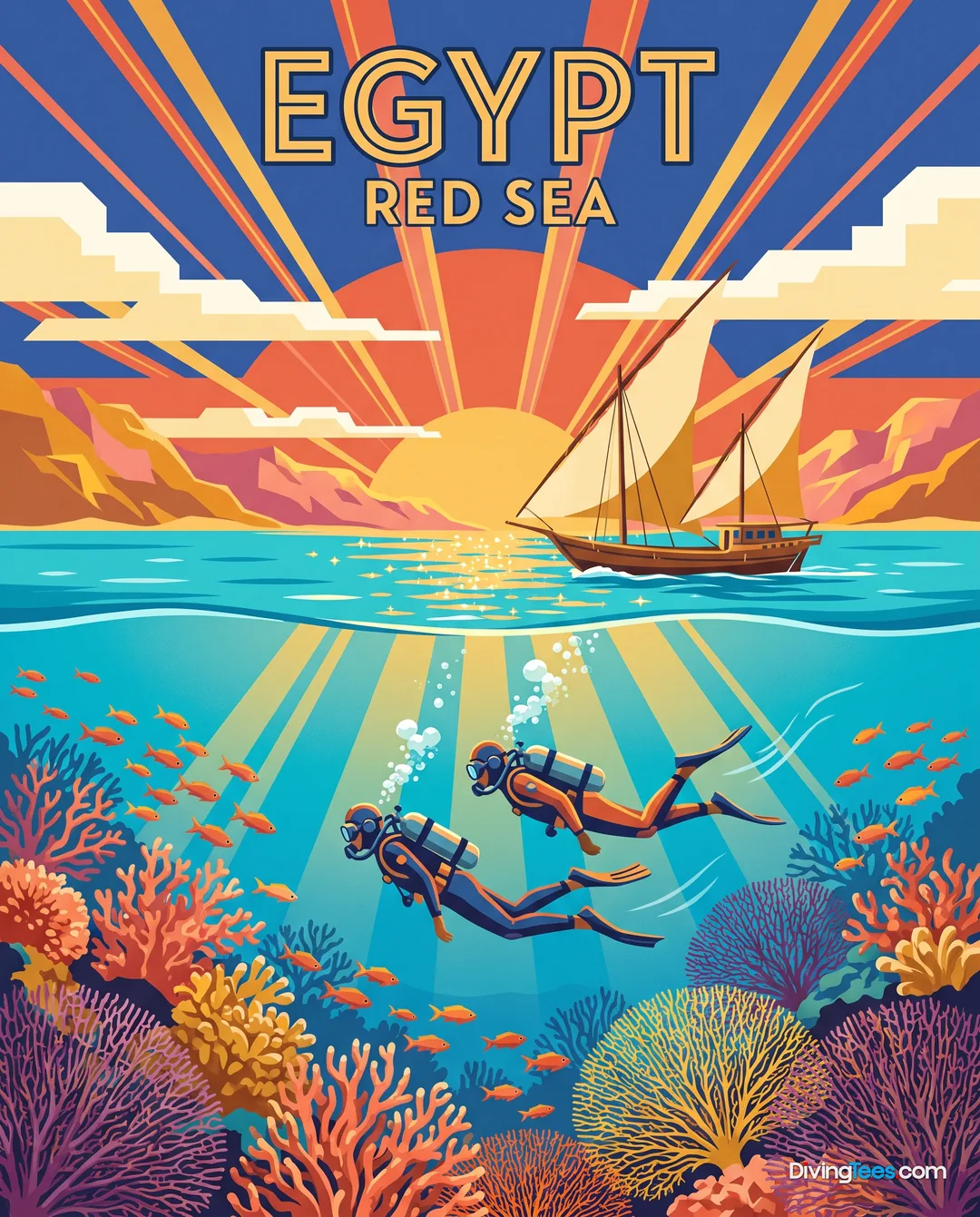
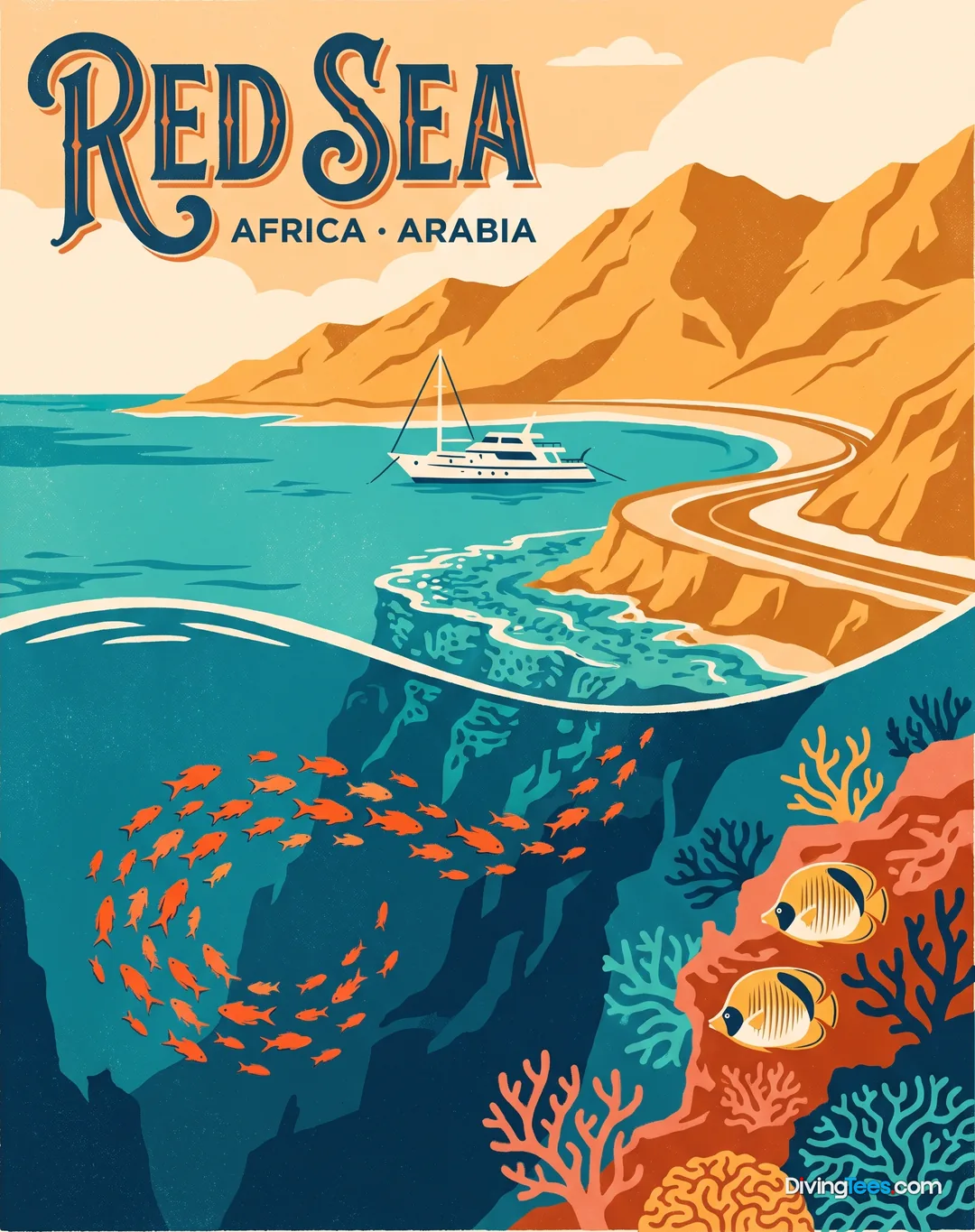
Lady M makes sense for divers who want the southern Red Sea without choosing between reef variety, animal encounters and a short trip. The recorded routes run from Hamata to Hamata, with two-day overnight Sataya departures and four-day Fury Shoals and Sataya mini safaris. Fury Shoals brings hard-coral formations, canyons and a long list of possible encounters; Sataya adds the chance to spend time around spinner dolphins. The broader site programme also reaches Marsa Alam, the isolated Brothers Islands, Zabargad and deep wrecks such as Numidia. That range is the reason to choose this boat: not one signature site repeated in different words, but a selection that can move from sheltered bays and shallow coral gardens to current-swept oceanic reefs. Lady M is a practical base for people who come aboard to dive first, while still allowing snorkellers and non-divers to join the trip.
Boarding
Lady M was built in 1996 and rebuilt and modernised in 2024. That history matters: she is not presented as a brand-new hull, but as an older Red Sea liveaboard given a new working life by Blue Ocean Dive Centers & Resorts. Boarding is organised around diving rather than ceremony, with the useful parts close at hand: a shaded dive area, a platform to the water and tenders for the drops. Inside, the boat has an air-conditioned salon, an upper observation area and an outdoor terrace, so the group can spread out after a dive instead of remaining in one room. The layout accommodates private cabins across lower, main and upper deck categories, including twin and double arrangements. A large glazed cabin window is listed for the cabin deck, which gives the sleeping spaces a more open feel than a small enclosed porthole. She is a working safari boat that has been brought back into service, not a piece of maritime nostalgia.
The atmosphere on board
Lady M is run by a local crew, with English, German and French spoken on board. That makes the boat workable for mixed-language groups, especially when dive preparation and safety instructions need to be understood quickly rather than translated through guesswork. The crew's role is practical: keeping the dive operation moving, supporting entries and exits, maintaining the boat and making food and drinks available while divers recover. A week on a liveaboard is shaped by those small transitions more than by the salon furniture—someone ready with the next tank, a tender returning to collect divers, a meal appearing before hunger becomes a problem. Evenings can stay simple: a drink, a conversation, a video in the salon or a quiet place on deck after the night dive. The boat is a good fit for divers who want a locally run operation and a social week without the formality of a resort.
The sites you’ll dive
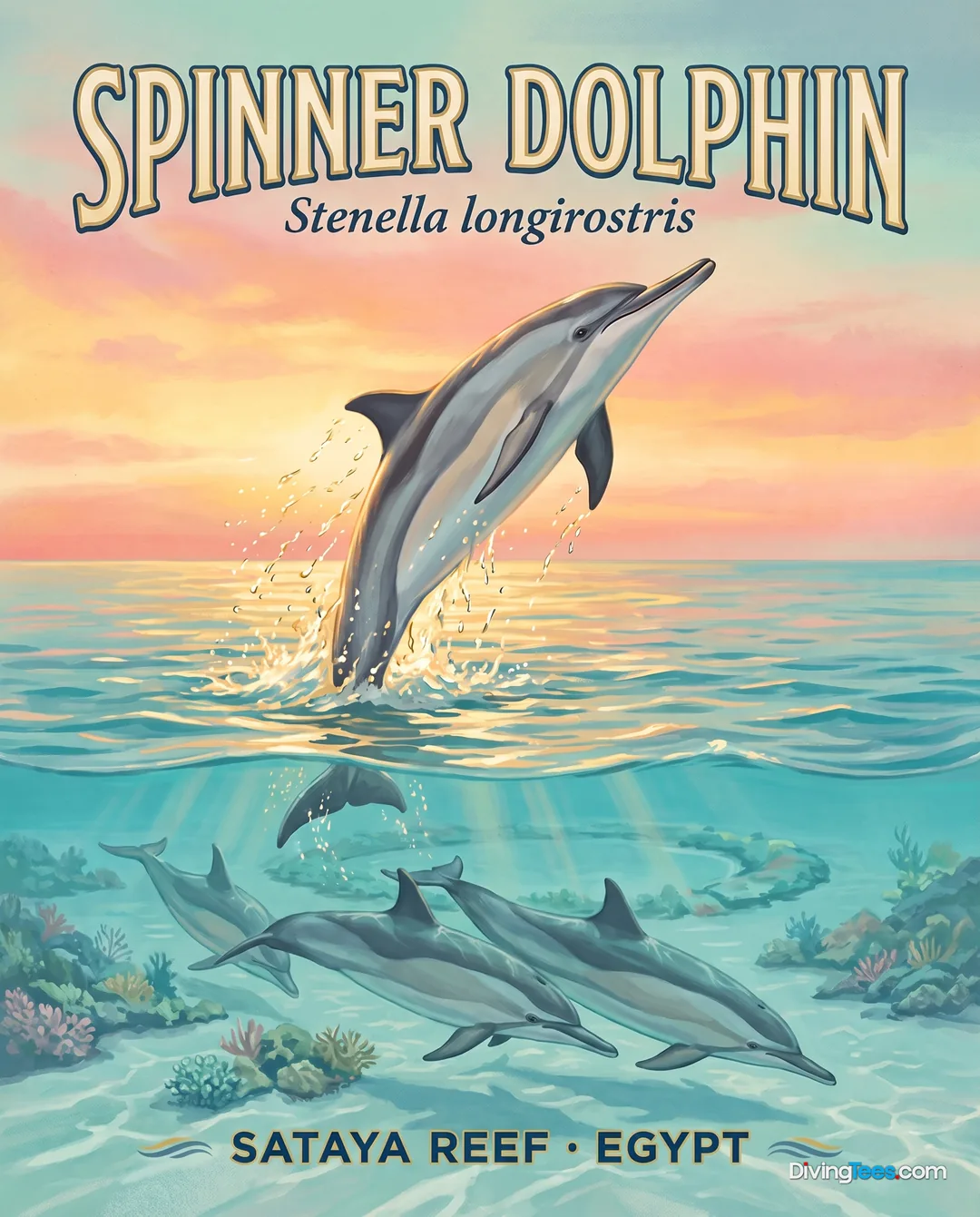
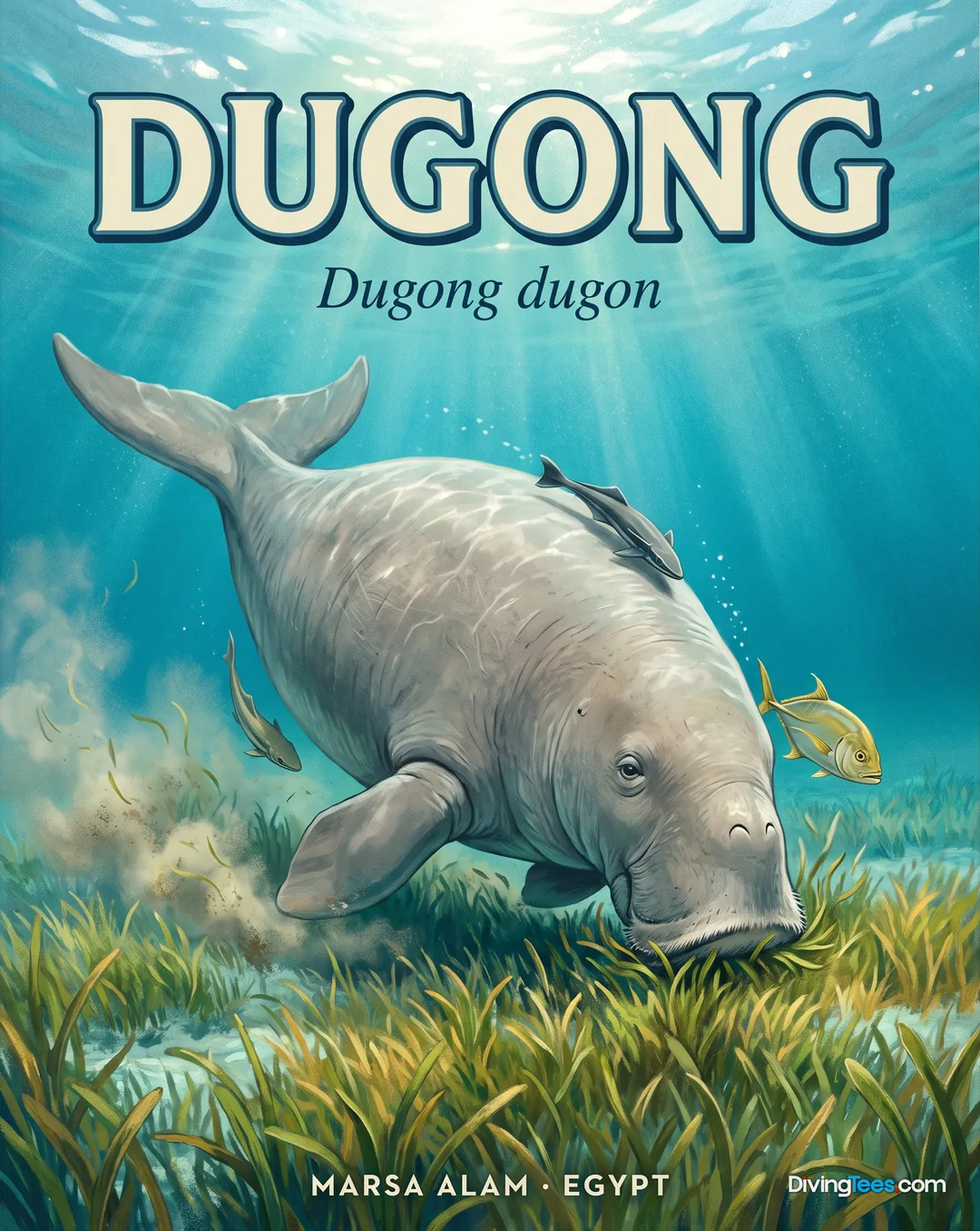
The southern route begins with Fury Shoals, the large reef complex near Hamata where hard coral forms canyons and narrow passages. Shaab Sataya, listed to 40 metres, is the dolphin site: its reefs are known for encounters with long-beaked spinner dolphins, with barracudas, rays, turtles and reef fish adding to the dives. Abu Galawa Soraya has an 18-metre American sailboat wreck resting at 18 metres, surrounded by coral gardens. Malahi is a cave-and-canyon dive, while Marsa Egla and Marsa Mubarak are sheltered seagrass bays where dugongs and green turtles may appear; their maximum depths are 30 and 25 metres respectively. The wider programme includes House Reef to 40 metres, Shaab Alam and Marsa Nakari House Reef to 30 metres, and Abu Galawa Kebir to 18 metres. Farther offshore, Brothers Islands reach 85 metres and Zabargad brings strong currents and pelagic possibilities. The 1901, 150-metre Numidia reaches 80 metres. Recorded departures include a two-day, one-night Sataya trip and four-day, three-night Fury Shoals and Sataya mini safaris.
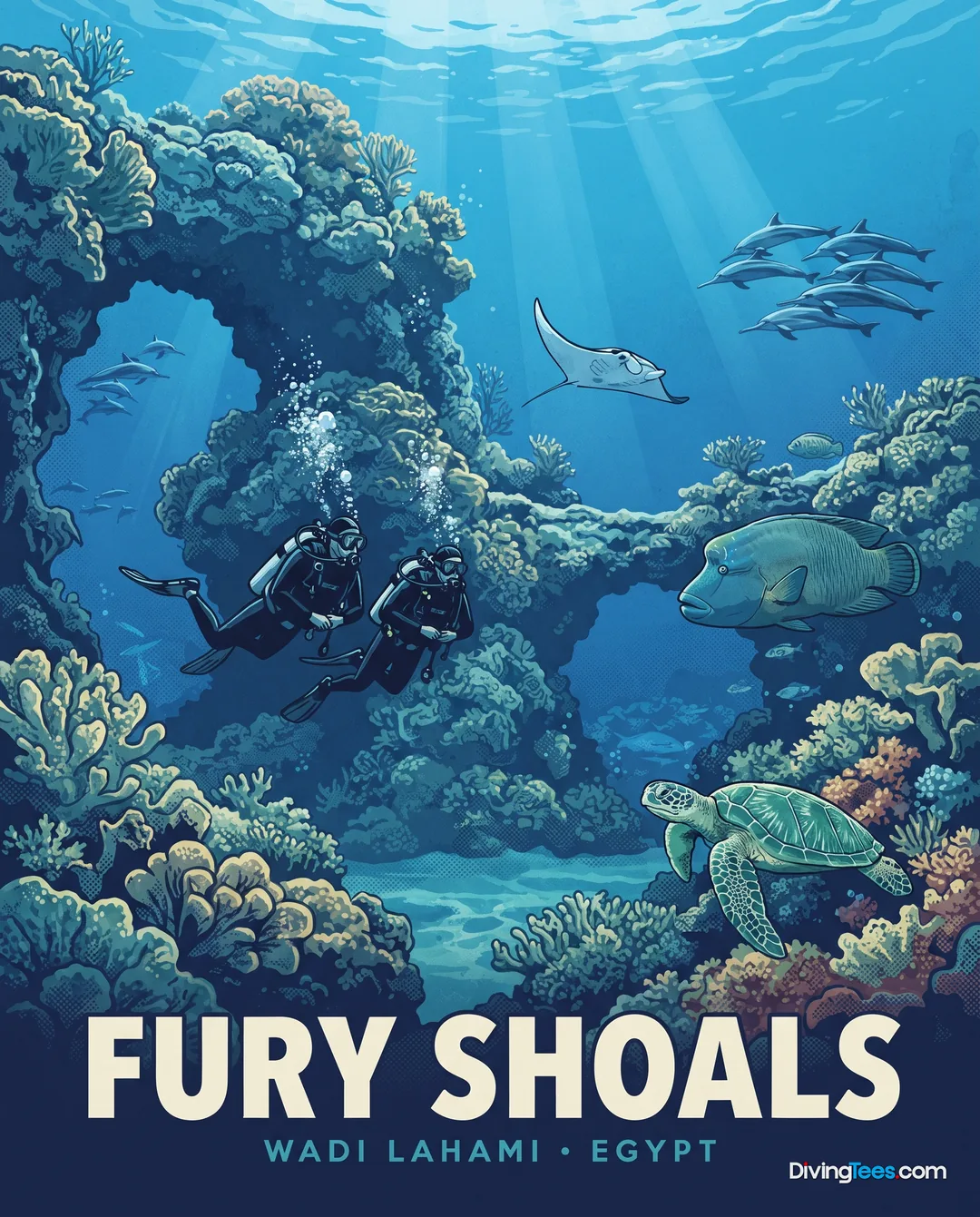
Fury Shoals →
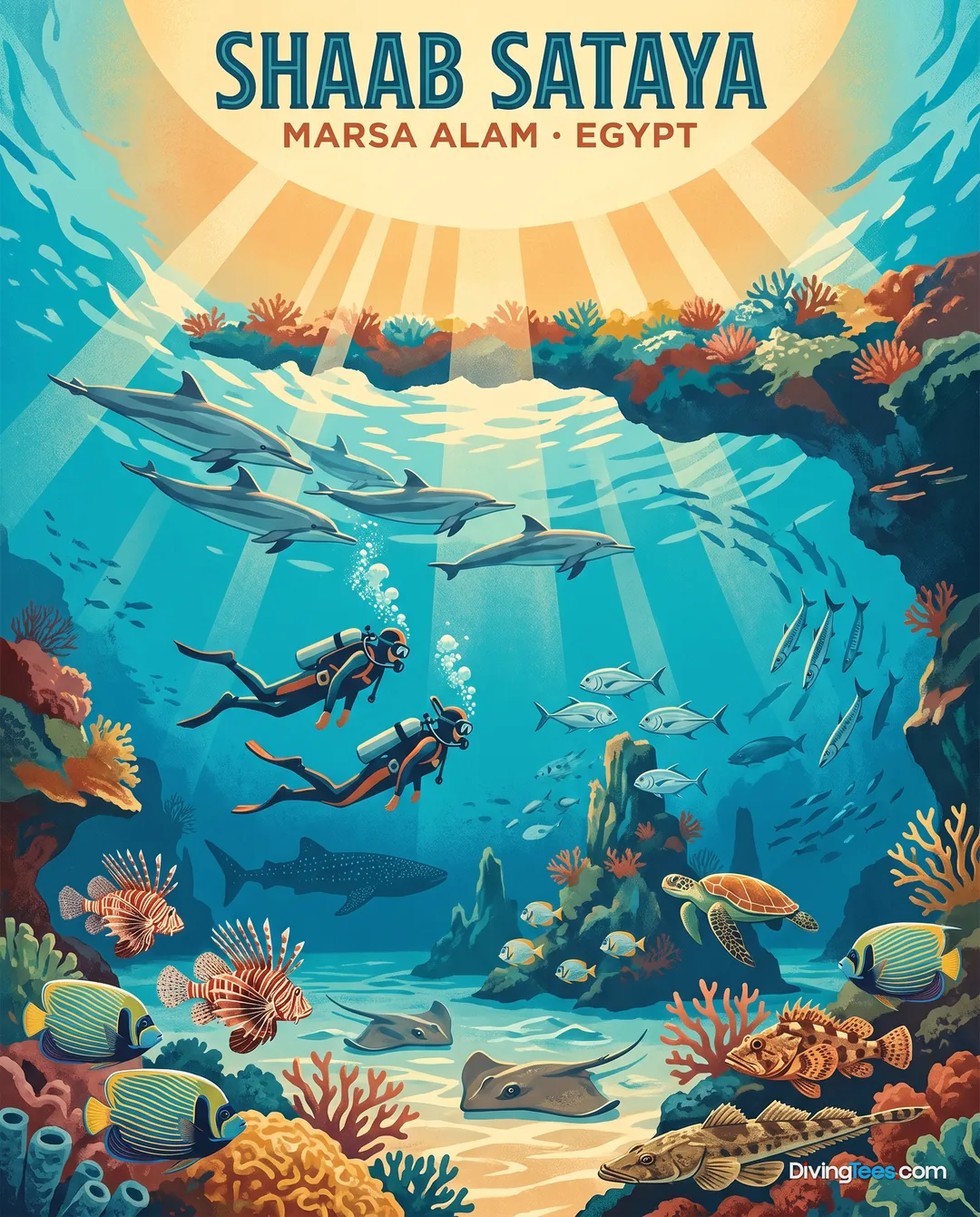
Shaab Sataya →
Max. depth · 40 m
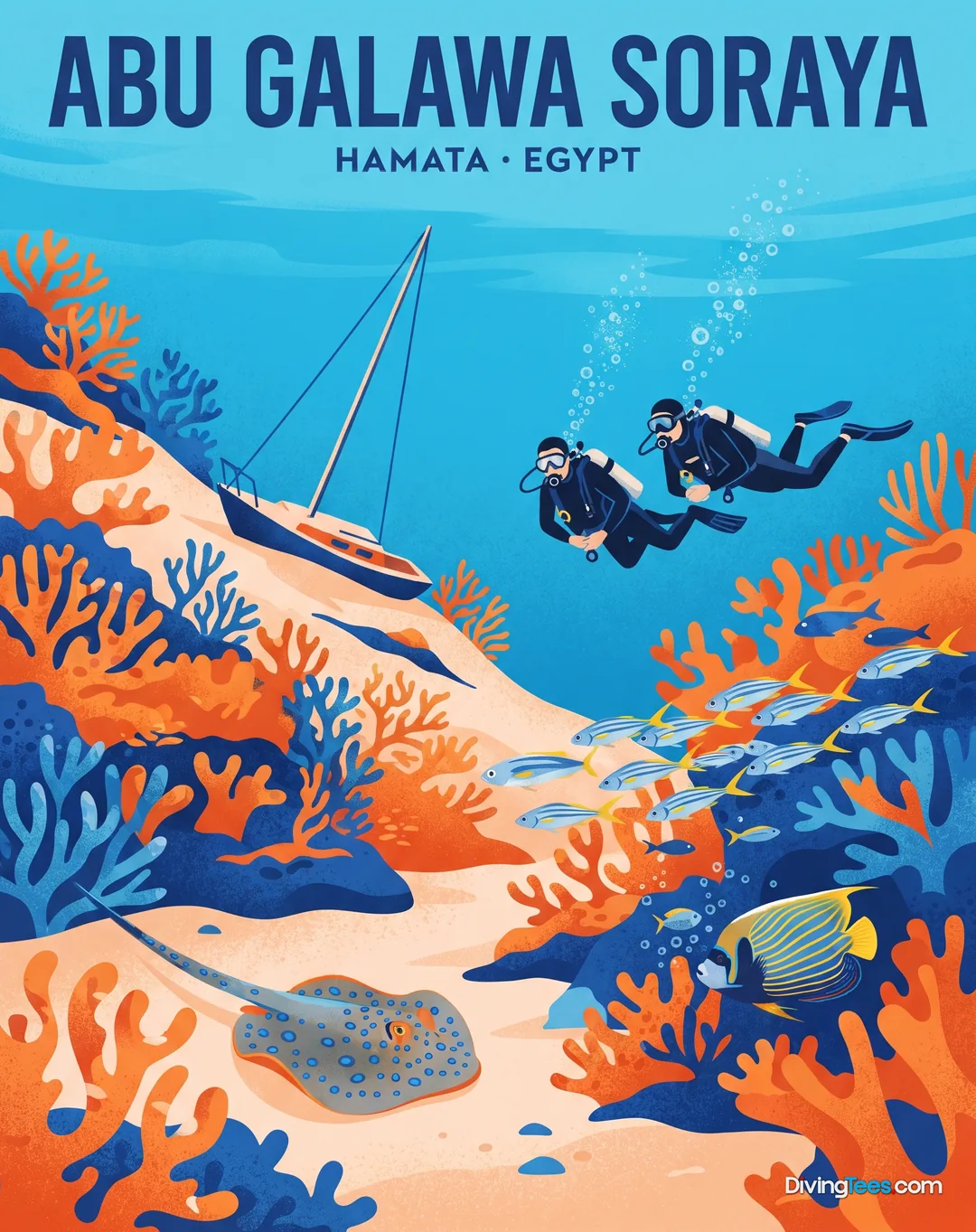
Abu Galawa Soraya →
Max. depth · 24 m
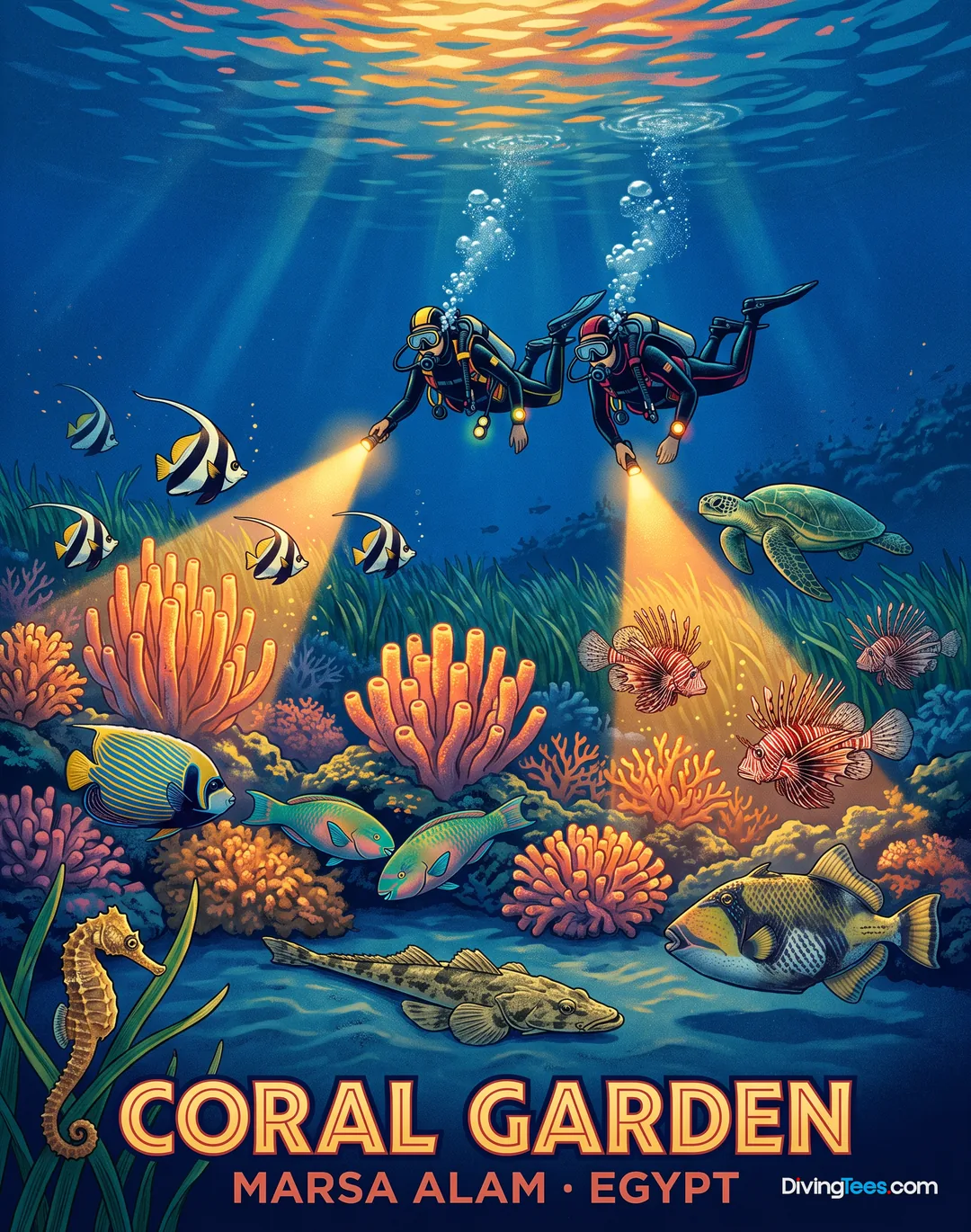
Coral Garden →
Max. depth · 20 m
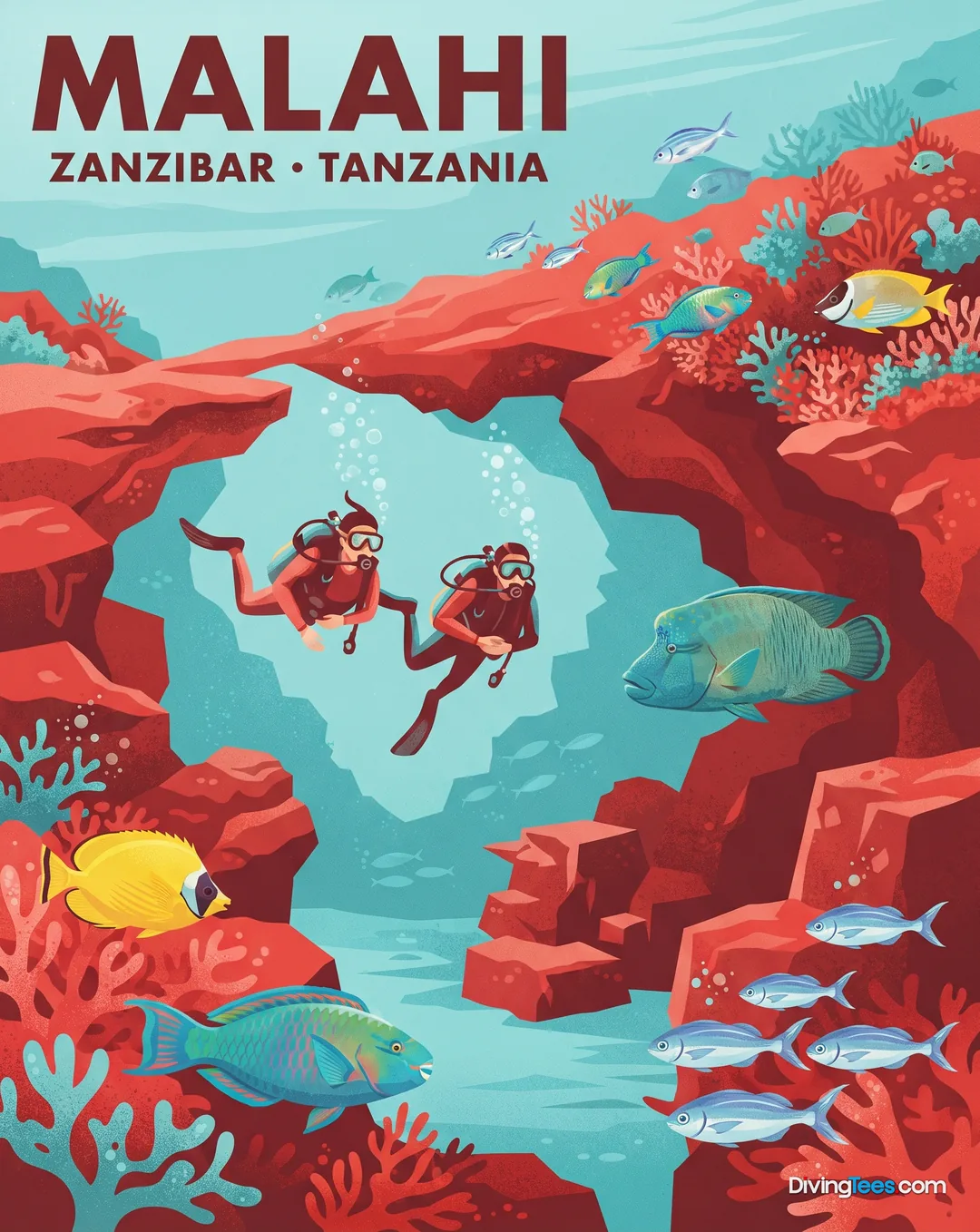
Malahi →
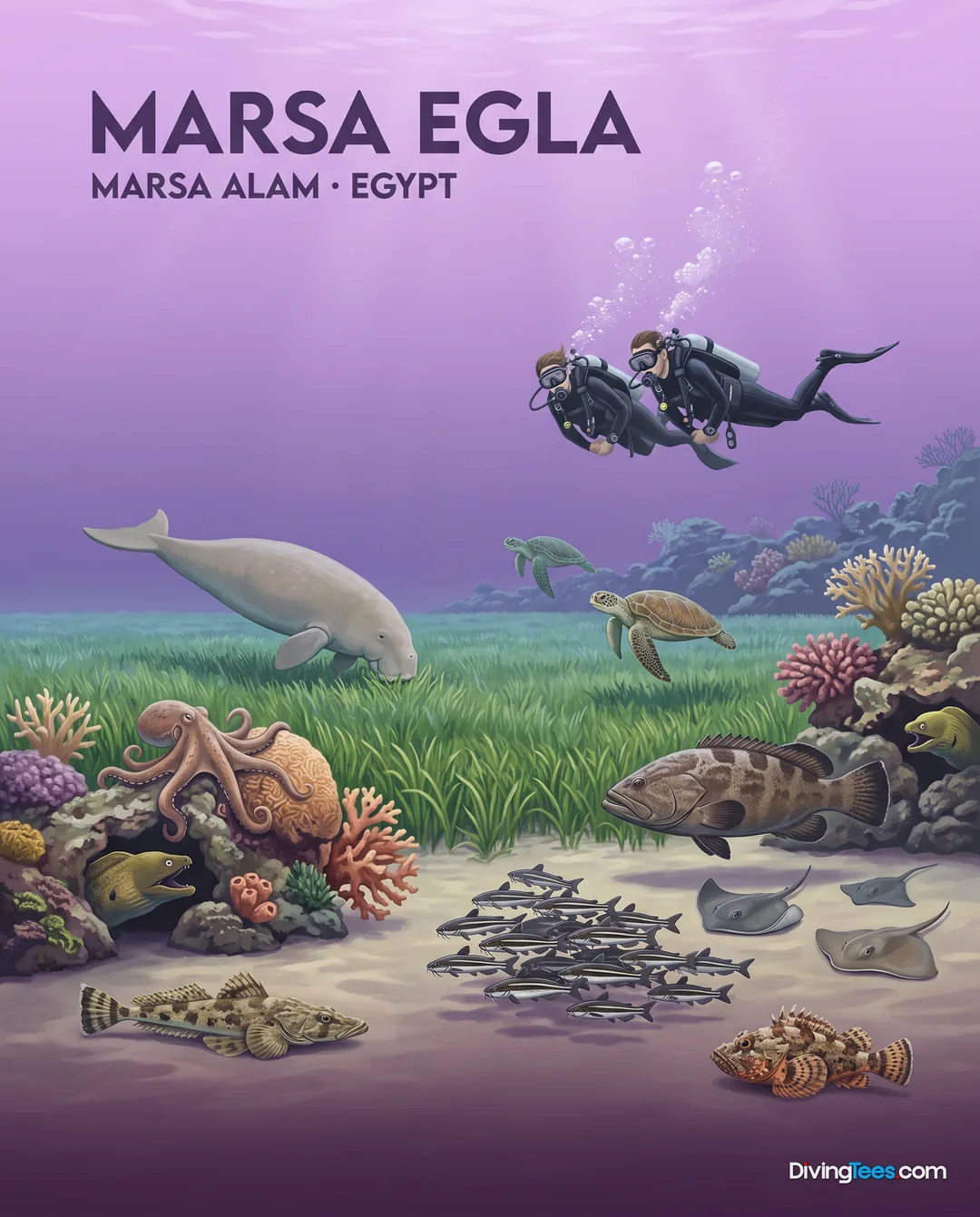
Marsa Egla →
Max. depth · 30 m
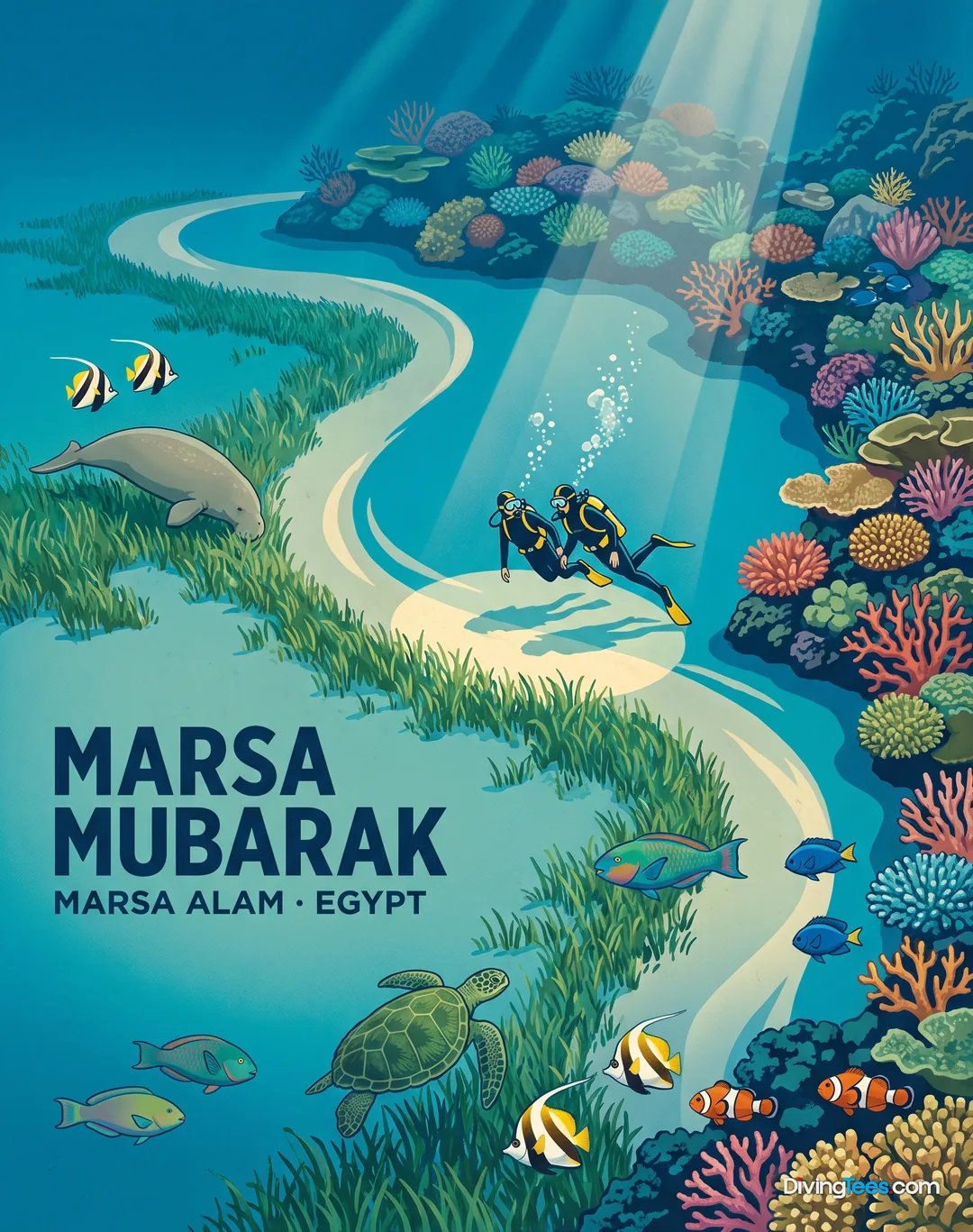
Marsa Mubarak →
Max. depth · 25 m
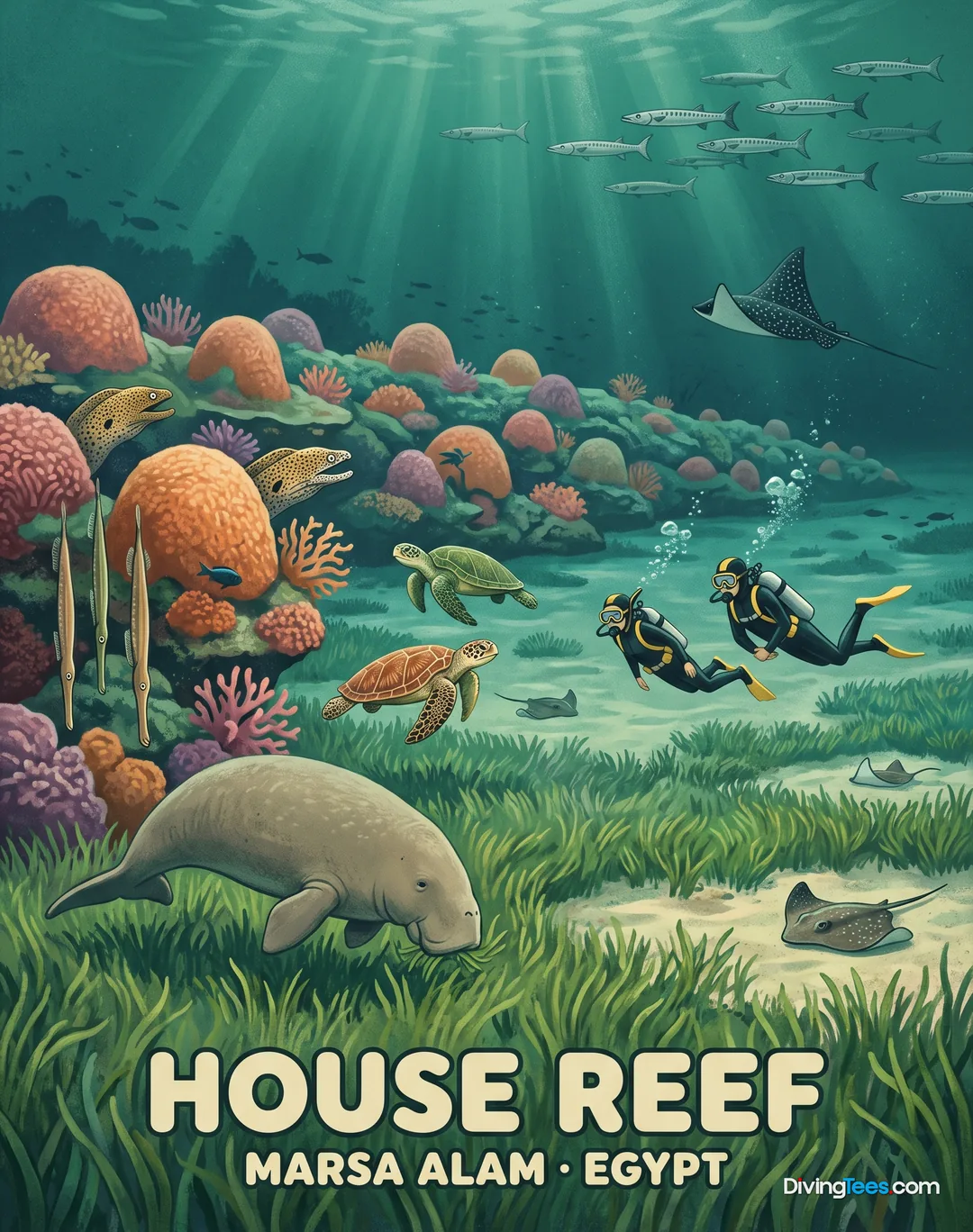
House Reef →
Max. depth · 40 m
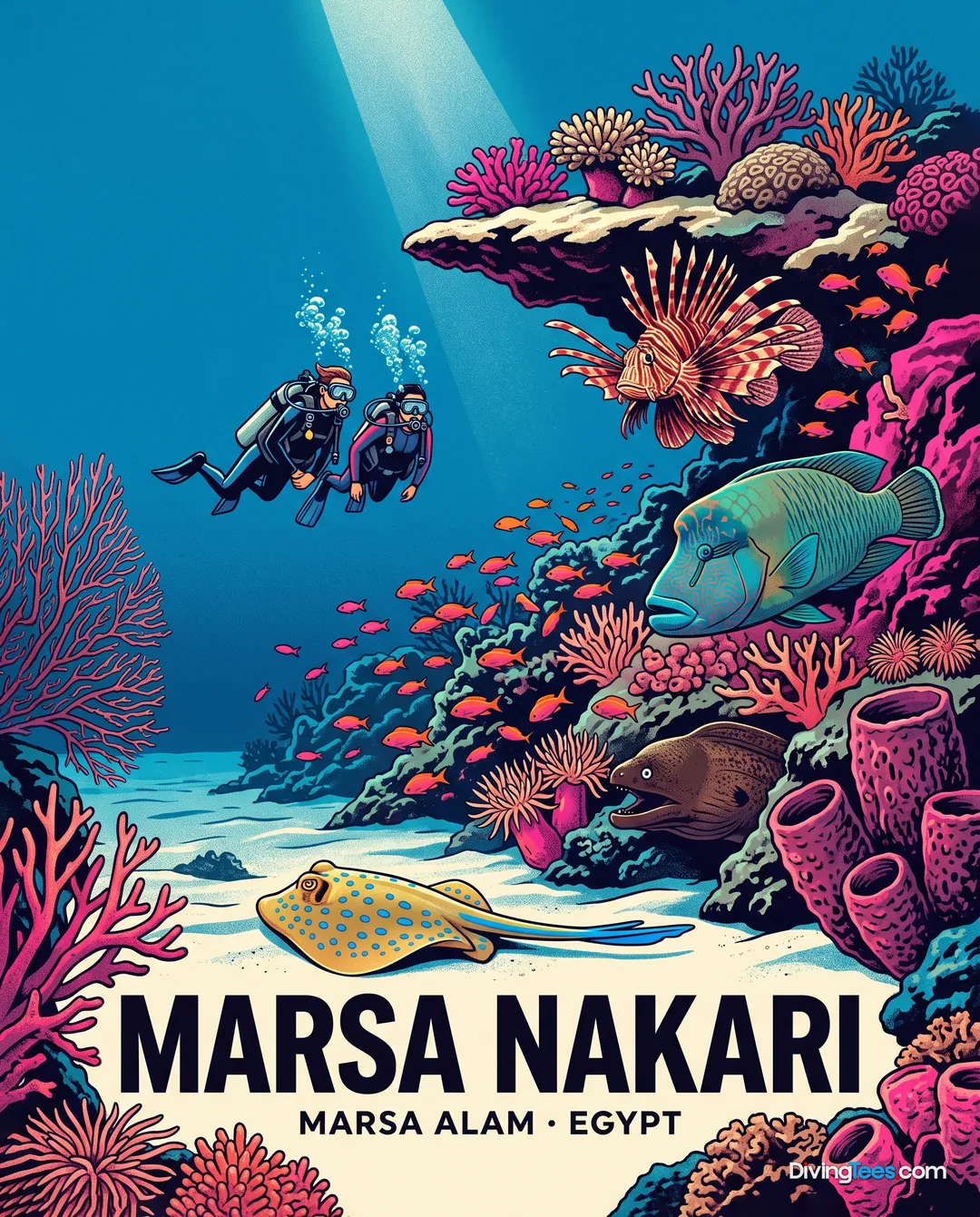
Marsa Nakari House Reef →
Max. depth · 30 m
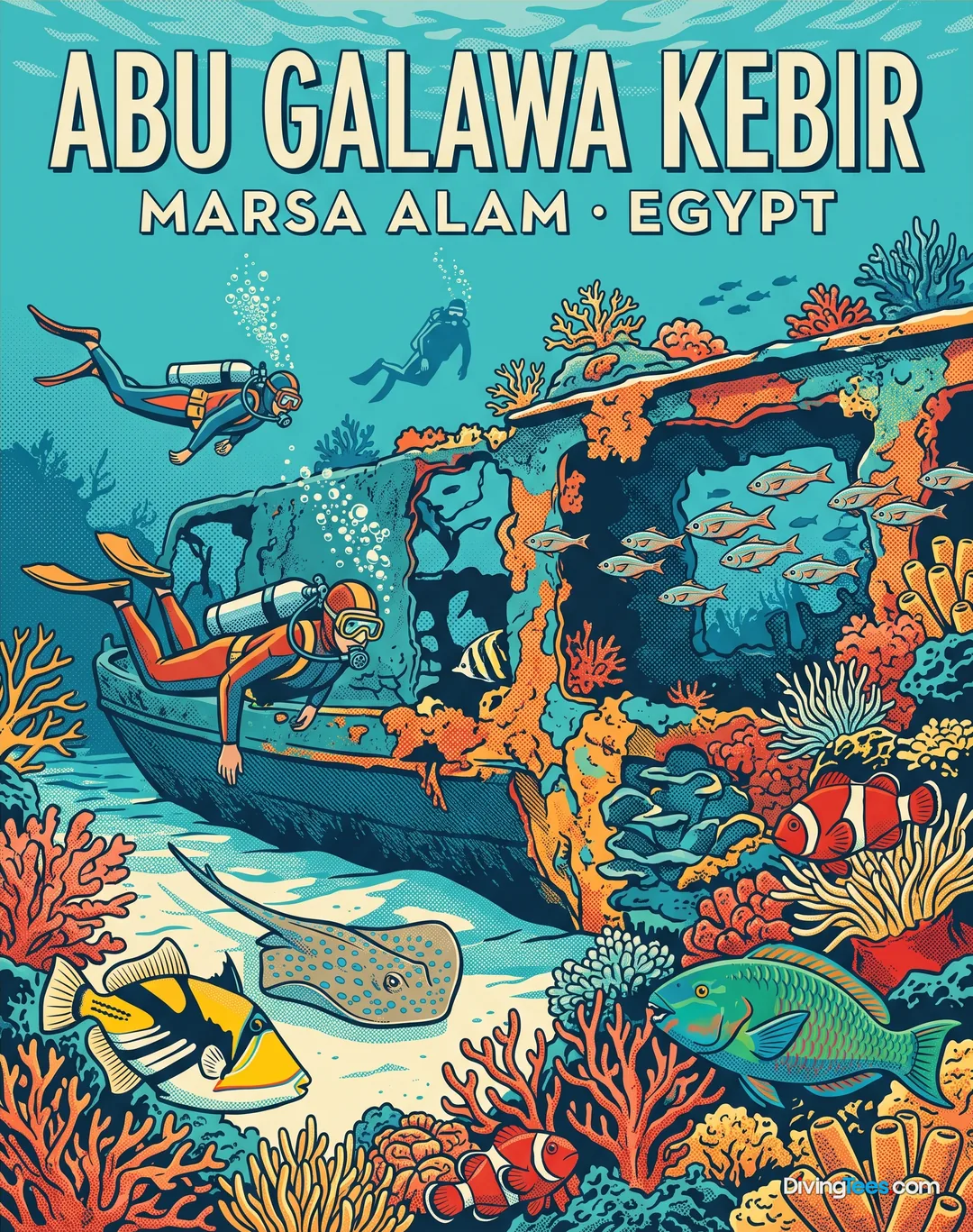
Abu Galawa Kebir →
Max. depth · 18 m
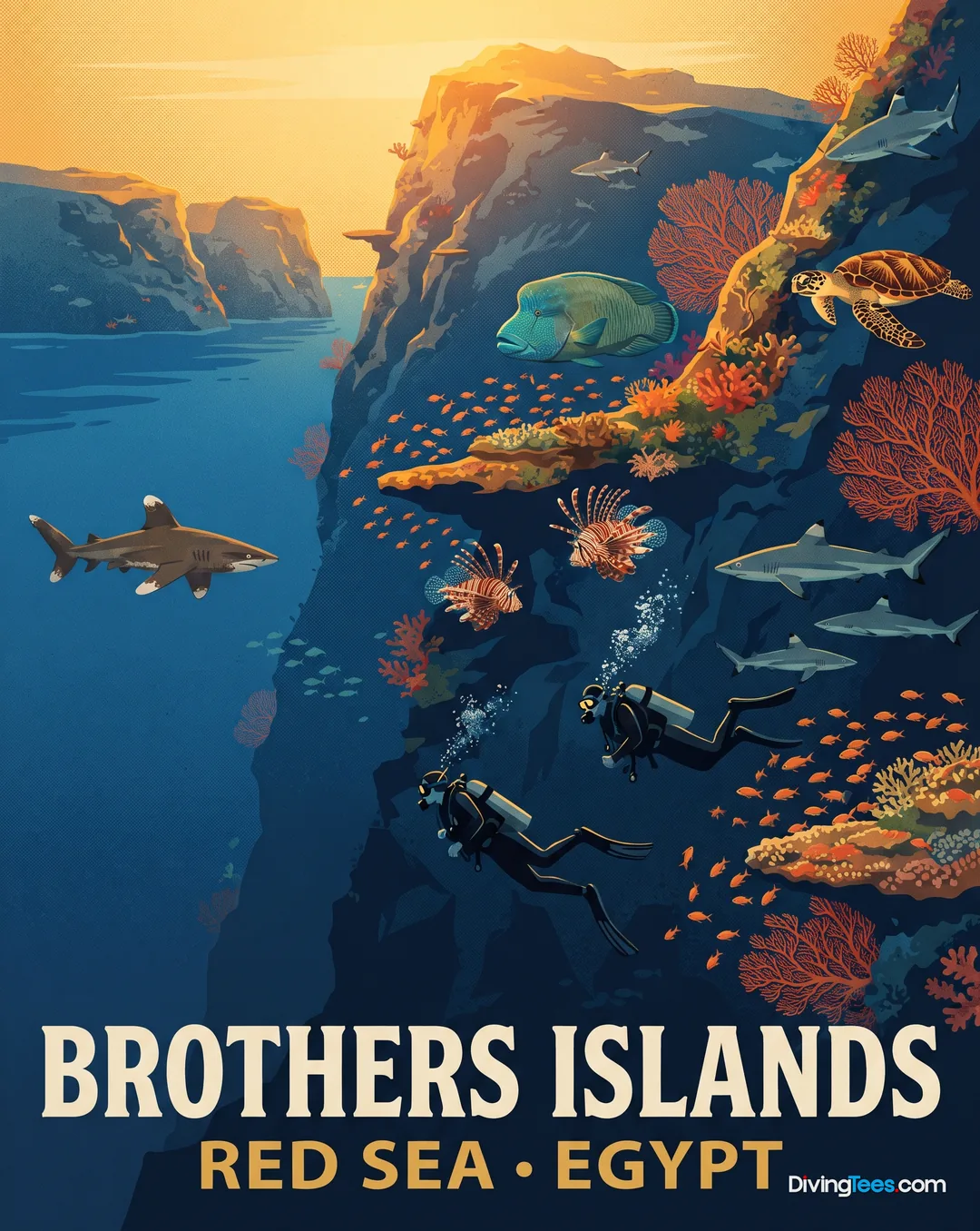
Brothers Islands →
Max. depth · 85 m
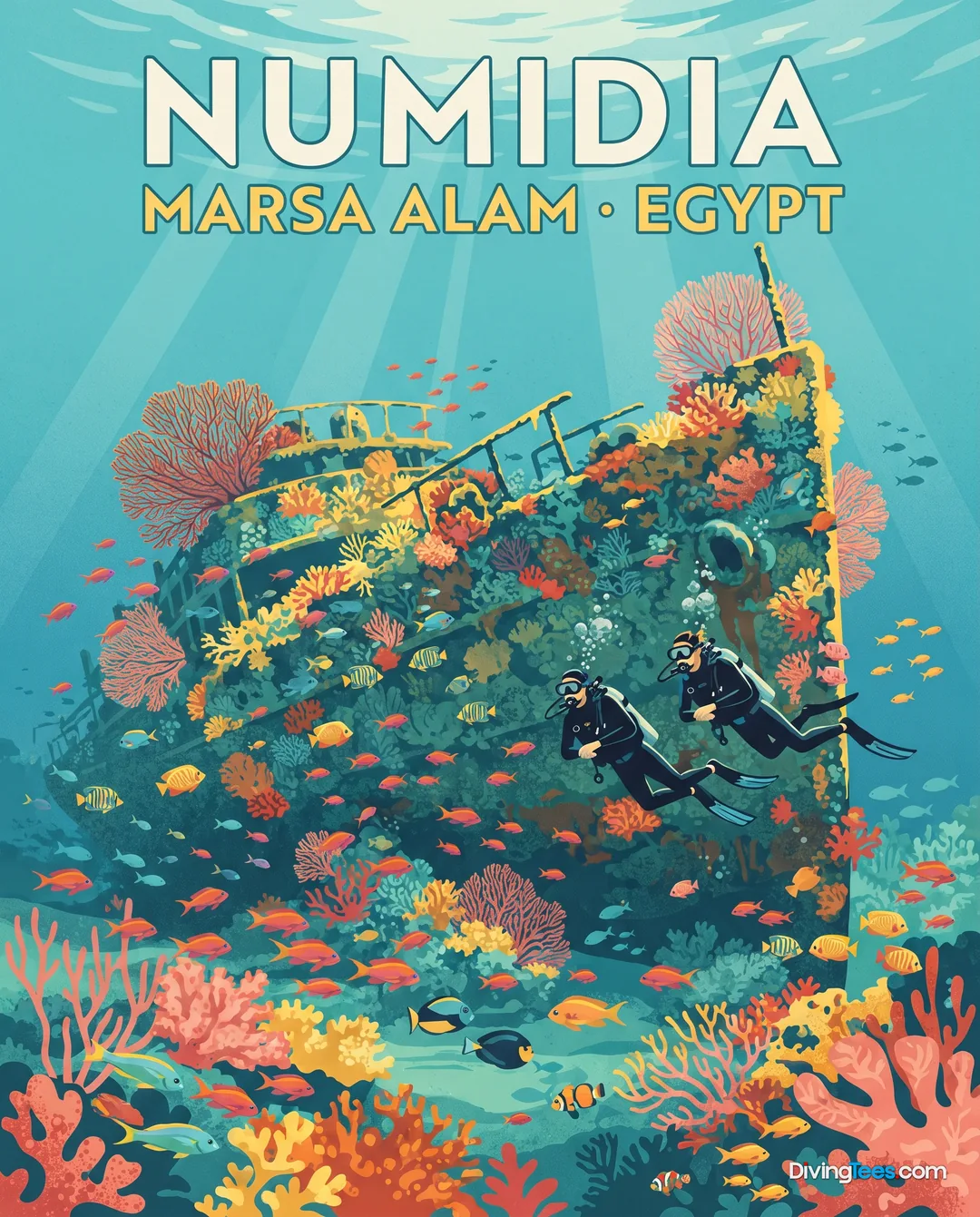
Numidia →
Max. depth · 80 m
What you’ll meet underwater
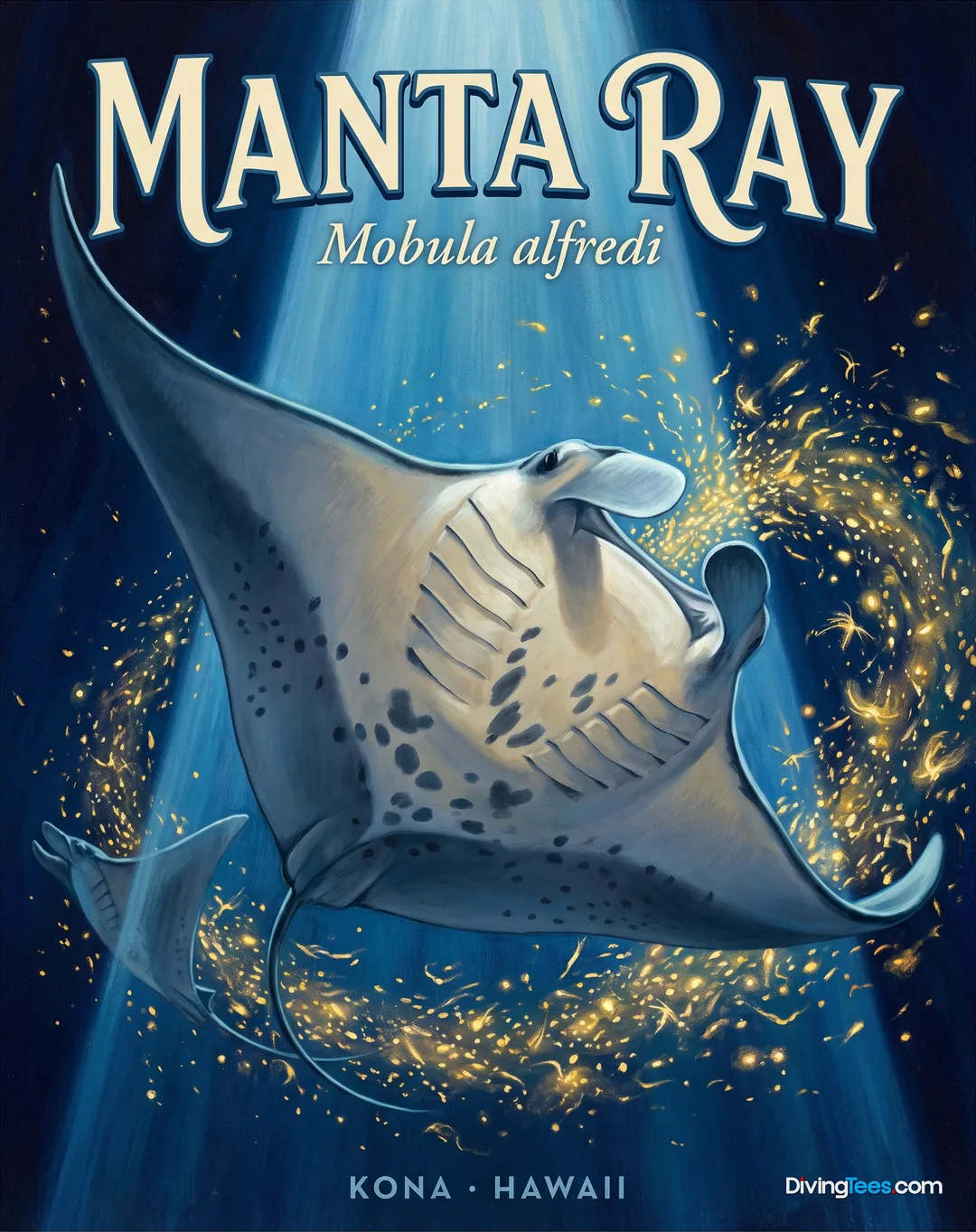
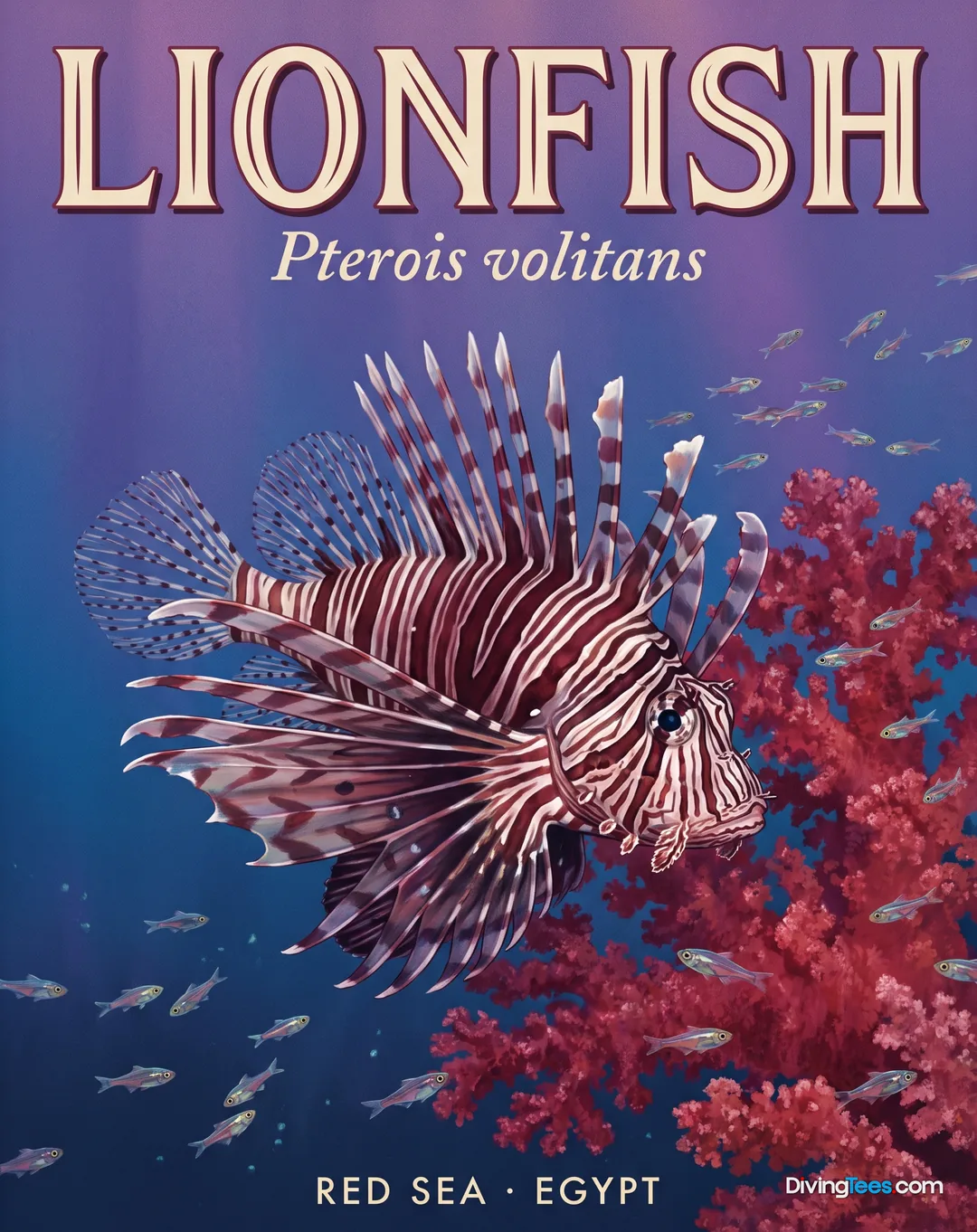
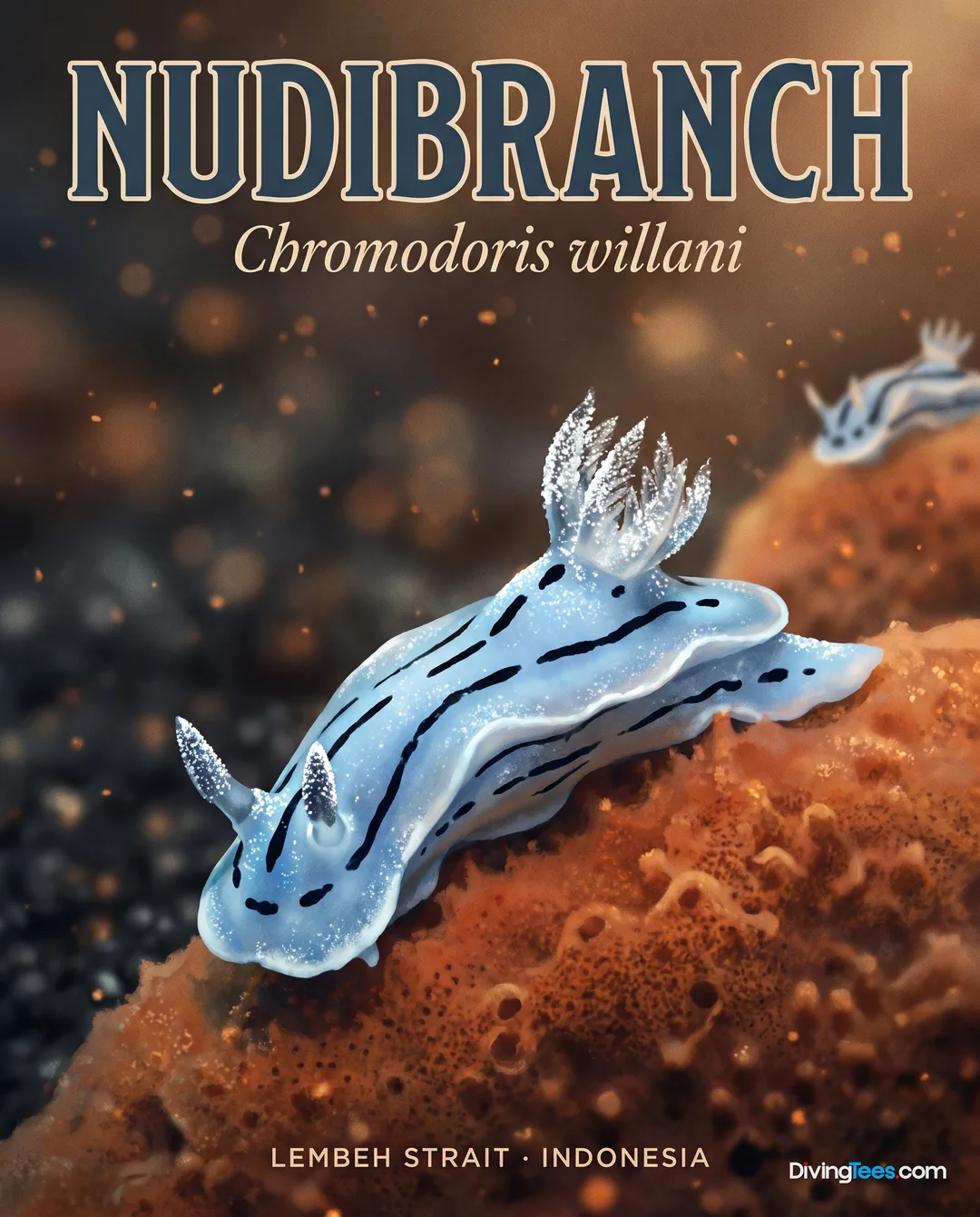
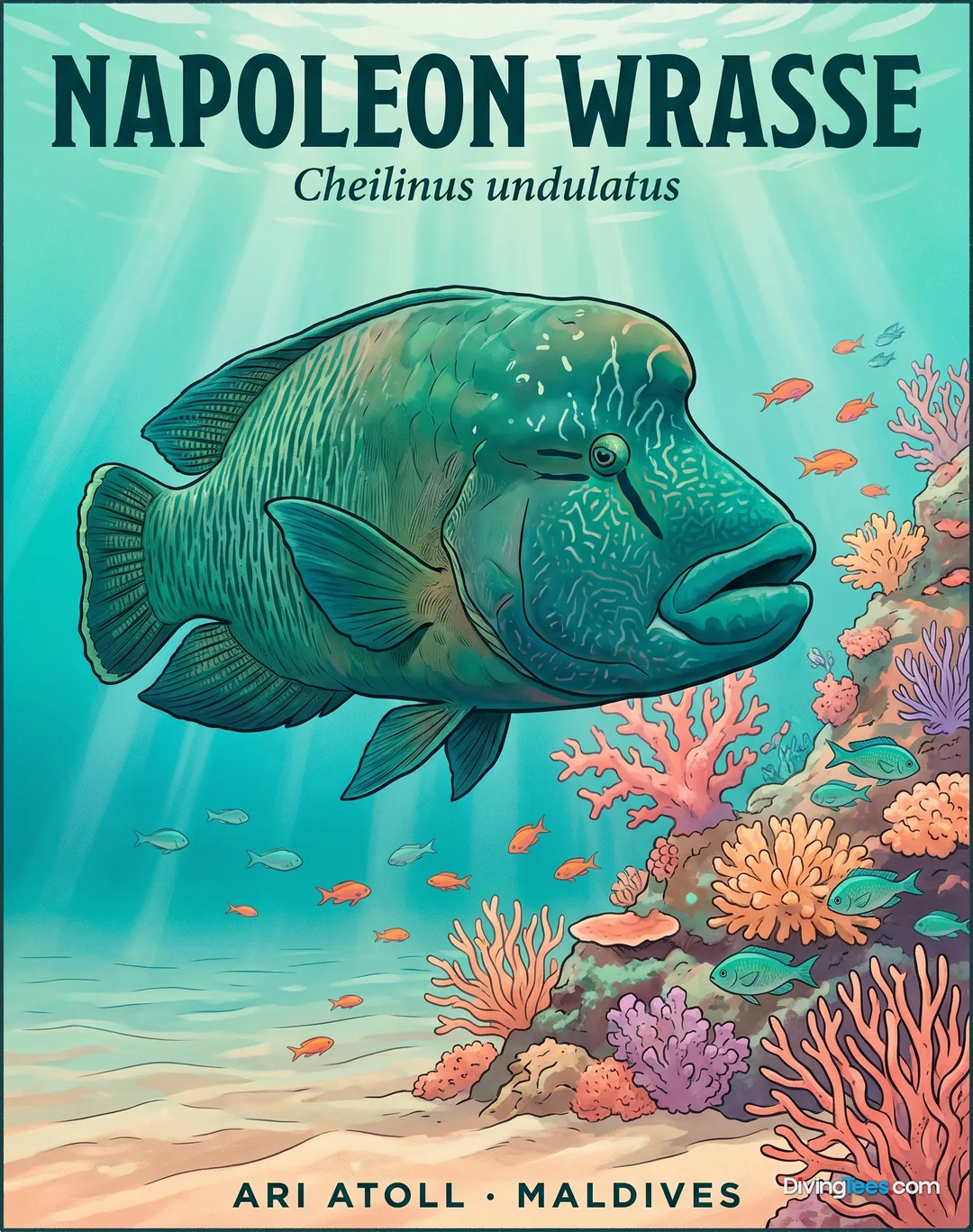
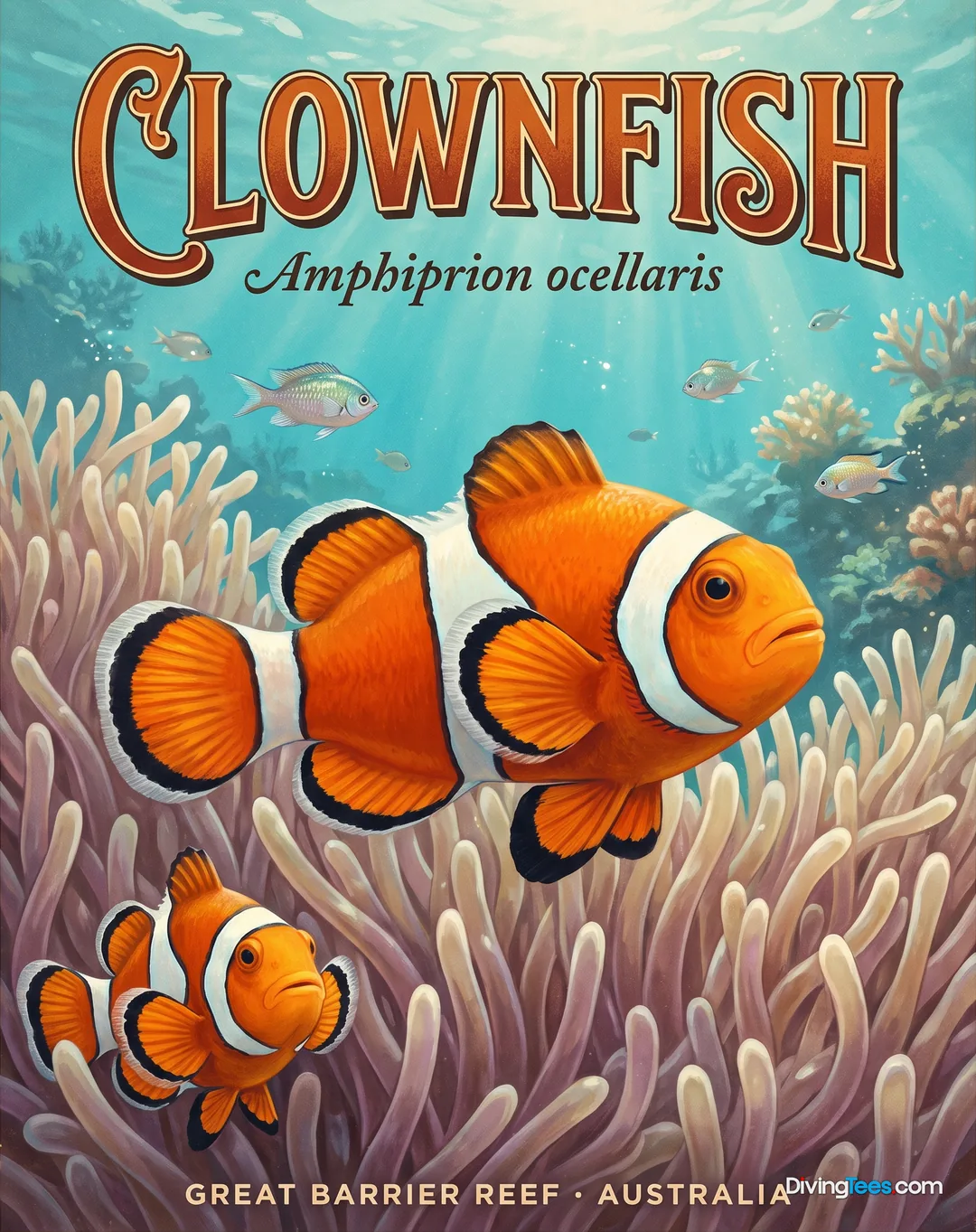
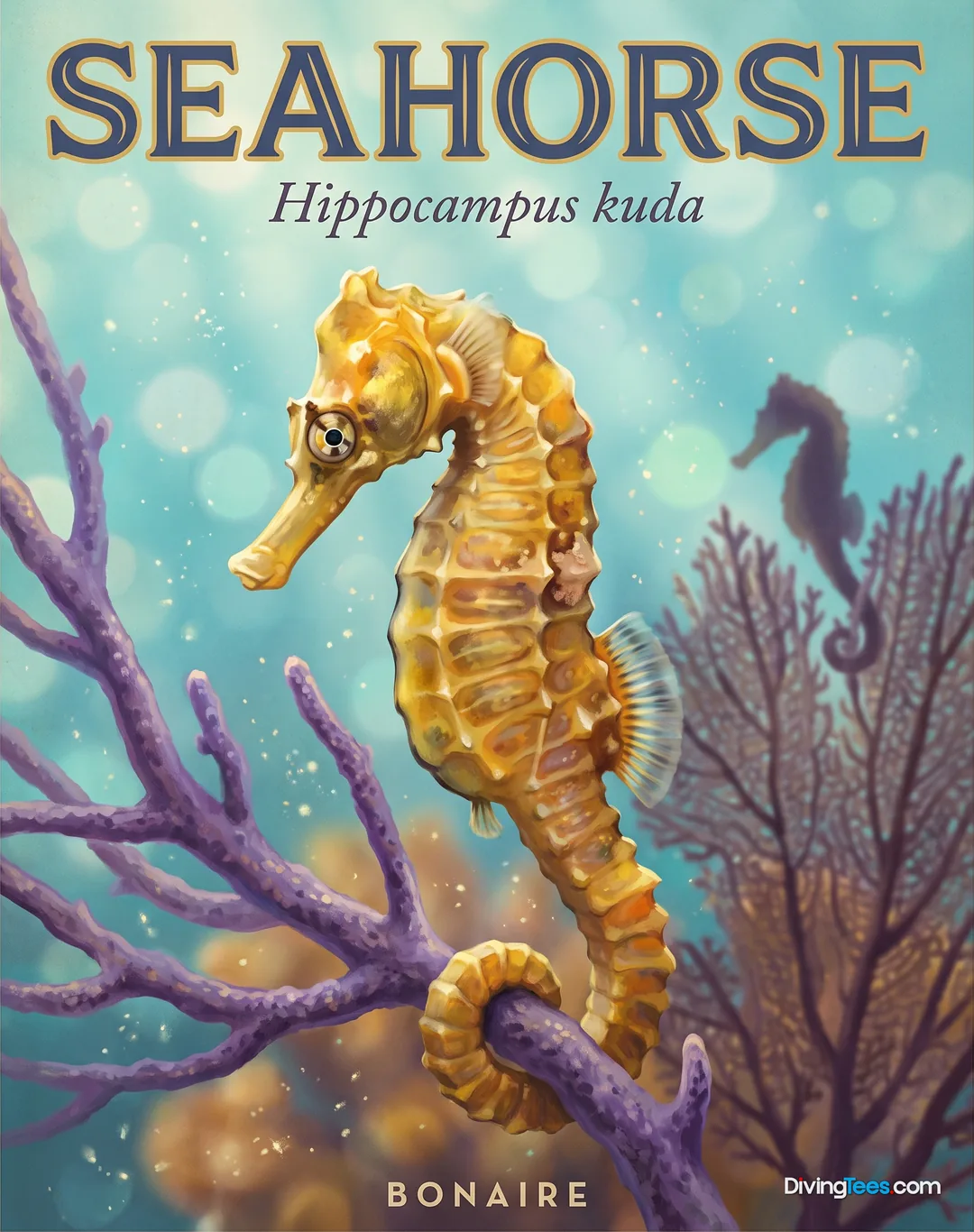
Turtles are the most consistent large-animal possibility on this route, with dolphins, barracudas, dugongs, reef sharks, manta rays and eagle rays also recorded across several sites. Scorpionfish, lionfish, morays, octopus and nudibranchs reward a slower look along the coral, while Napoleon wrasse, clownfish, parrotfish and soft coral add the familiar Red Sea colour. The reason to go to Brothers Islands is different: isolated oceanic reefs and currents can bring grey reef sharks, oceanic whitetips and tuna, with hammerheads and silvertips also recorded there. Sataya is the place to look for long-beaked spinner dolphins. Marsa Egla and Marsa Mubarak are the seagrass bays where dugongs and green turtles may be encountered. House Reef has the route's distinctive small finds, including seahorses and trumpetfish, while Marsa Nakari House Reef is the named site for stonefish. Numidia is the place for gorgonians on a heavily encrusted wreck. None of these animals is guaranteed; currents and conditions are part of what brings the larger life in.
Who puts you in the water
The crew speaks English, German and French, and the boat carries oxygen, first-aid kits and emergency communications including VHF/DSC/SSB, mobile and satellite telephones. Radar, sonar and GPS support navigation, while fire alarms, extinguishers, life rafts, life jackets and emergency flares cover the vessel's main safety systems. The available information does not give a guide-to-diver ratio, a logged-dive requirement or individual instructor qualifications, so those points should be checked against the chosen itinerary and diver profile. The operation can support more than guided recreational diving: onboard training includes Open Water, Advanced Open Water, Nitrox, deep, drift, night, wreck, sidemount, underwater photography and emergency oxygen courses. The Nitrox course includes theory, two open-water dives, computer setup and tank testing. For divers joining a current-heavy or deep route, the useful question is not simply whether a guide is present, but which group the guide will lead and how the entry, recall and tender collection will be managed on that specific departure.
The dive deck and the gear
The dive deck is shaded and built around a platform, rinse tanks and tenders that take divers to the sites. Lady M carries 12-litre aluminium tanks with DIN/INT valves; the valves are fitted with 5/8-inch DIN fittings, and adapters are available for DIN connections. Fifteen-litre tanks can be requested as an optional extra. Two Coltri MCH compressors support tank filling, with one LP 280 unit listed, while two Perkins generators supply power. Nitrox is available subject to demand and availability and is an optional extra rather than a standard inclusion. Rental equipment can be arranged, including BCD, wetsuit, regulator, mask and snorkel, fins, boots, compass, computer and torch; the standard complete set excludes the computer and torch. The deck also has battery charging, outdoor hot-water showers and rinse facilities. No camera table or dedicated camera workflow is specified, so photographers should ask how large systems are handled before boarding.
Between dives
Between dives, Lady M gives the group several ways to get out of the working area. The shaded dive space is the practical shelter after a water entry; the terrace and observation deck are for sun, wind and a longer look at the reef line while the boat moves. The air-conditioned indoor salon is the place to cool down, review a dive or sit with the audio and video entertainment. Snorkellers have their own equipment and a guide, and non-divers are welcome rather than treated as spare passengers. On quieter stretches, the point is not a long list of distractions but the choice of where to be: shade near the dive operation, cool air inside or open space above the water. A bar, outdoor showers and a relaxation area fill the gaps without taking over the trip. The boat can also accommodate special onboard courses when a diver wants to use surface time for training.
A day on board
A day on Lady M begins with the dive operation, not with a late breakfast. The first briefing comes before the first entry, followed by the dive, recovery on deck or by tender, food and the preparation for the next water session. The cycle repeats through the day's planned dives, with snacks and full meals filling the gaps rather than interrupting them. Between entries, divers move between the shaded dive area, the air-conditioned salon and the open decks while tanks are prepared and the boat shifts position or travels to the next reef. A night dive is included in the dive package, so the final water session changes the boat's character: lights come on, the beam becomes part of every signal and nocturnal life replaces the daytime reef. After that, dinner, showers and a quieter salon or deck lead into the cabin. The next day starts the same way—briefing, gear, water.
What you eat aboard
Meals are served as full board, with buffet service combining Western and local cooking. Vegetarian options are available, and the galley also provides snacks throughout the day; that matters more on a dive boat than a polished menu does, because a diver wants something available after climbing back from the water and before the next briefing. Tea, coffee, drinking water and soft drinks are included, with non-alcoholic drinks available throughout the trip. Beer and other alcoholic drinks are separate. The food offer is broad enough for a mixed group: local dishes for those who want Egypt on the plate, familiar Western food for those who need something plain between dives, and vegetarian choices without making the diver negotiate every meal. Welcome cocktails mark boarding, then the table serves its real purpose: getting food into people before the next entry.
Nights at sea
The cabin choice is straightforward: lower-deck twin, main-deck double or upper-deck twin. Every cabin has a private bathroom and air conditioning, while hot-water showers are available on board. The large glazed windows listed for the cabin deck change the feel of the interior, bringing more daylight into the sleeping spaces than a narrow porthole would. Between dives, the air-conditioned salon gives a cooler place to dry off and sort cameras; outside, the terrace and observation deck provide open air without turning the cabin into the only retreat. Cabins are non-smoking. The boat also provides cabin and deck towels, which removes one small item from the packing list. Lady M is not described as a quiet boutique yacht or as a vessel built around oversized suites. Her appeal is more practical: a recently renewed liveaboard cabin, private facilities and enough separate indoor and outdoor space to make repeated dive days manageable.
Lower Deck Twin Cabin
Main Deck Double Cabin
Upper Deck Twin Cabin
What to know before boarding
The recorded Lady M departures leave from Hamata and return to Hamata. Airport and hotel transfers are included. The transfer is arranged from the airport or hotel, with the details provided for the booked departure. Arriving in Egypt the night before is the sensible choice, leaving room for a delayed flight without putting the boat's departure at risk.
Deck plan
- Year built
- 1996
- Year renovated
- 2024
- Length
- 30 m
- Beam
- 7.4 m
- Maximum number of passengers
- 20
- Number of cabins
- 11
- Number of bathrooms
- 13
- Engines
- 2 × MTU 680
- Cruising speed
- 16 km\hr
- Website
- blueocean-eg.com ↗
Hello, I'm Marina, DivingDeal.com's AI assistant. I answer in detail about hotels, dive centres and liveaboards.

Thinking about the whole trip and the flights? Talk it over with Edith →
Marina is an AI. Some links are affiliate links: DivingDeal may earn a commission, at no extra cost to you. Bookings are made with the partner.