Liveaboards · Egypt
Alsuraya — a new Egyptian liveaboard built for pelagics and wrecks
The invitation
Alsuraya is aimed at divers who choose a Red Sea liveaboard for the water first: oceanic reefs, walls, wrecks and the chance of large pelagics. Its recorded routes reach Brothers, Daedalus and Elphinstone, with another itinerary linking Daedalus, Sataya and Fury Shoal. Two fast tenders matter here. They allow the boat to work remote sites while collecting divers away from the main vessel, rather than making every group return to one fixed point. The boat is also a practical choice for mixed groups: courses are available, non-divers and snorkelers are welcome, and the crew speaks English. The strongest reason to choose it is the combination of a new boat, a dive-focused layout and routes built around the Red Sea’s bigger encounters.
Boarding
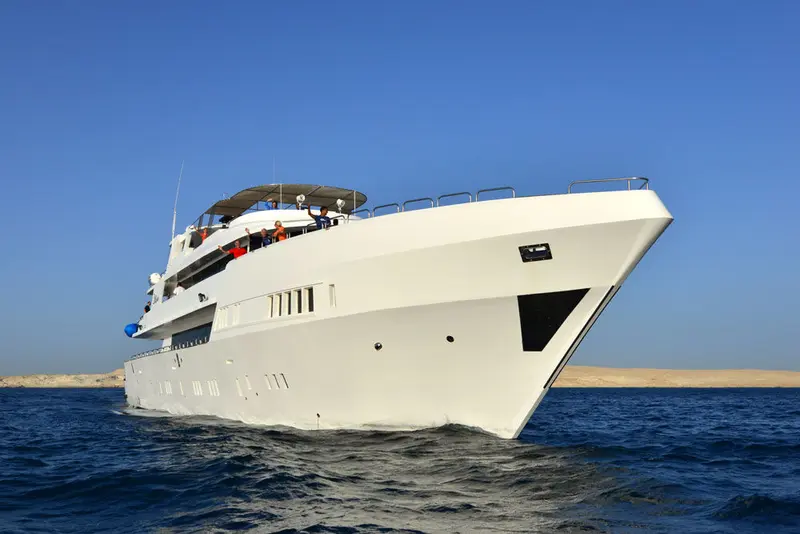
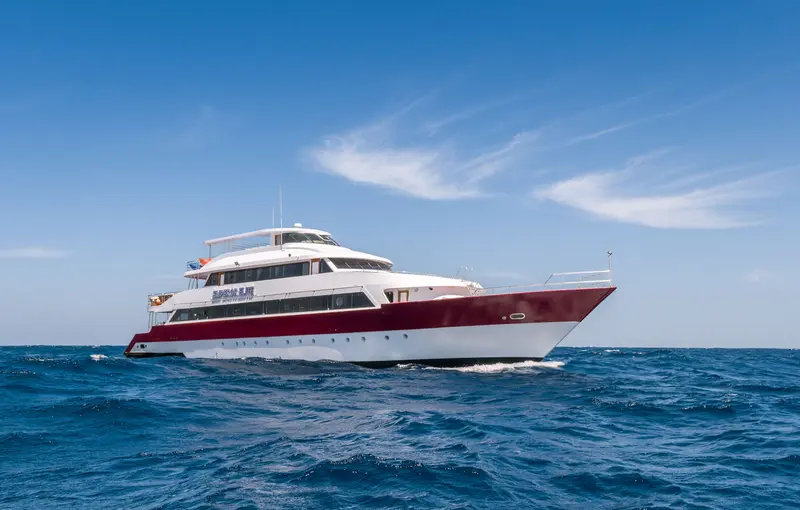
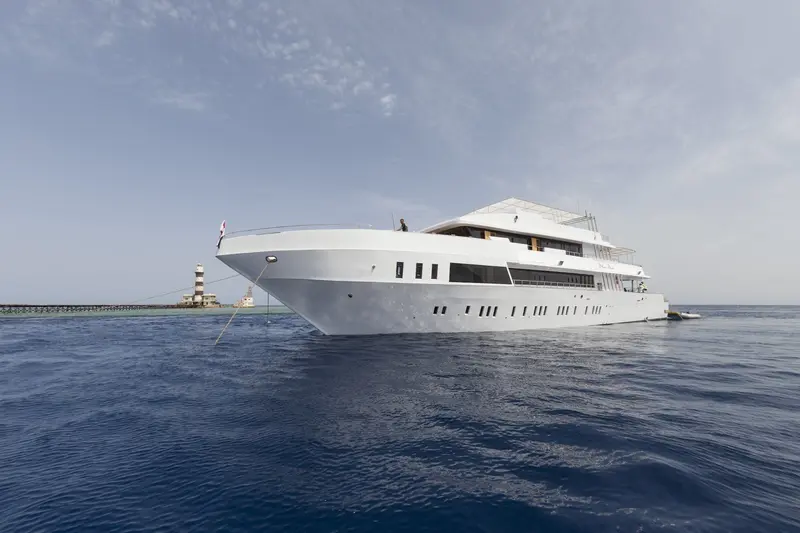
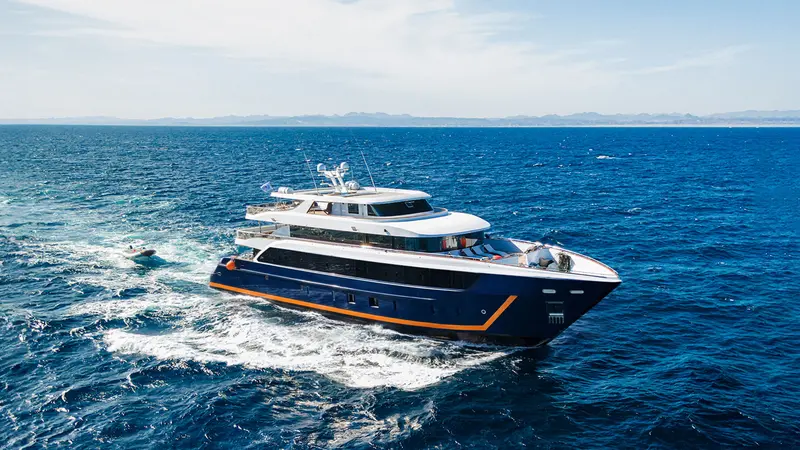
Alsuraya makes the impression of a purpose-built modern liveaboard rather than a converted coastal boat. It entered service in 2024, so the accommodation and working areas are recent, with the dive platform and spacious dive deck taking a clear place in the design. Movement between cabin, salon, sun deck and water is straightforward, and the boat has enough open deck for divers to spread out between dives. The two fast tenders are the practical detail that changes the feel of remote-site diving: groups can leave and return from the reef without the whole boat needing to sit on top of the site. A dedicated hospitality role keeps the domestic side separate from the dive operation, which is useful on a week where equipment, meals and briefings follow one another without much spare time.
The atmosphere on board
The atmosphere is shaped by a crew that passengers remember for service as much as for logistics. A dedicated hospitality role handles the domestic rhythm, while the dive team keeps briefings, equipment and water entries moving. The crew speaks English, and the onboard experience suits both family groups and divers travelling with non-divers or snorkelers. By evening, the dry salon becomes a social space rather than an extension of the dive platform; wet equipment stays outside, and the bar, audio-video facilities and open decks give the group somewhere to settle after the last dive. Passenger feedback places the crew and food slightly ahead of the boat itself, which says something useful: Alsuraya’s strongest character is the way its people run the week. The vessel provides the platform; the crew makes it work.
The sites you’ll dive
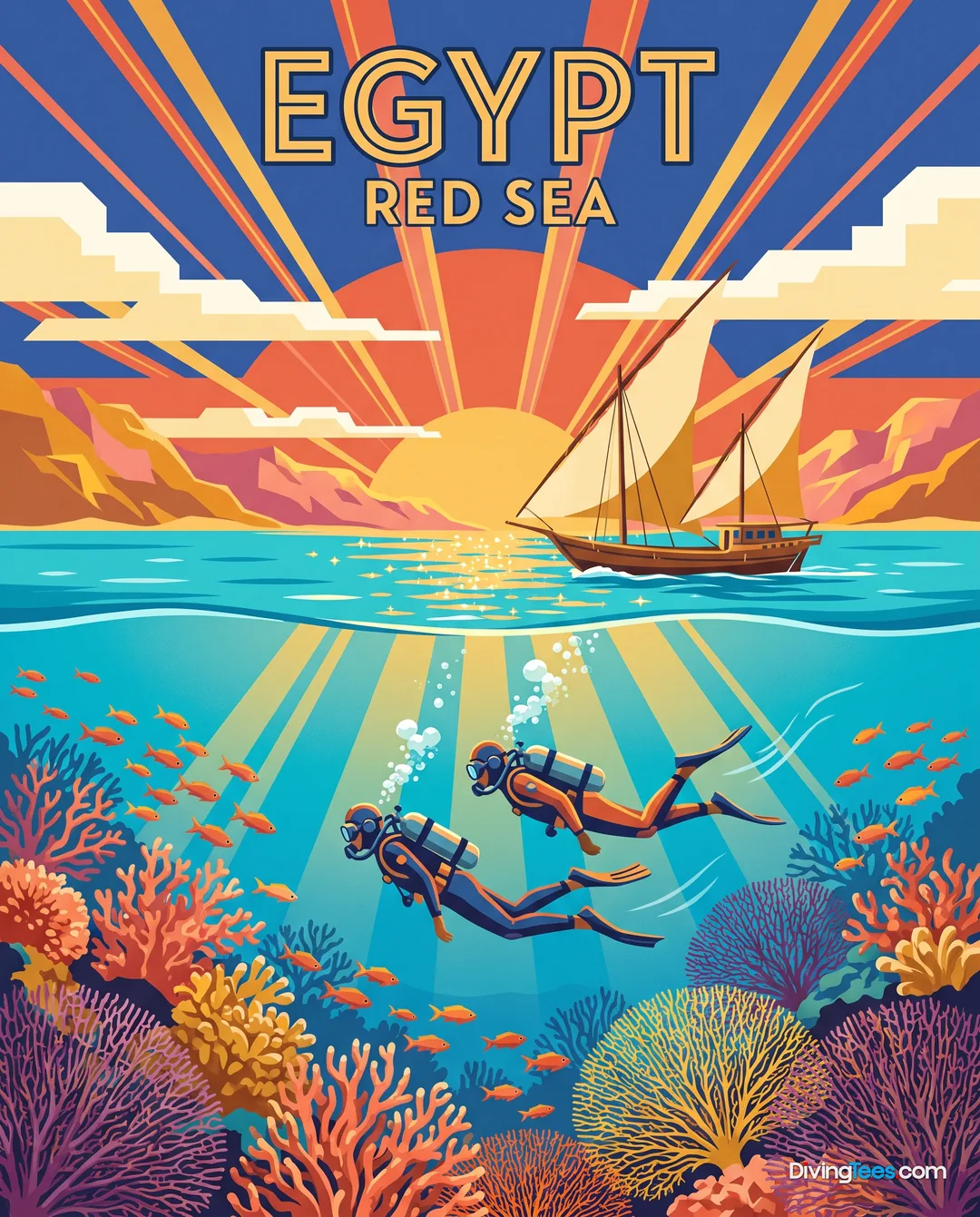
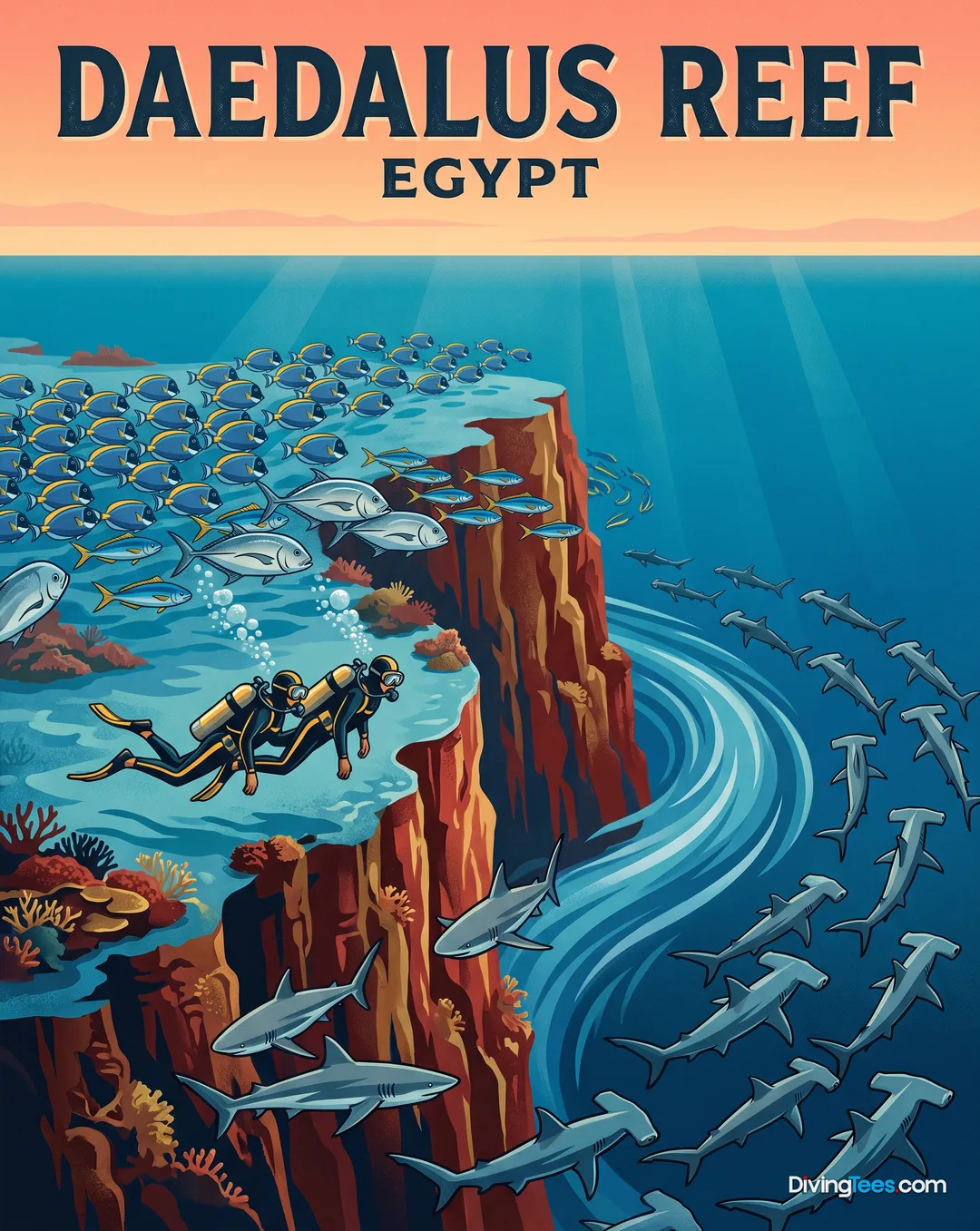
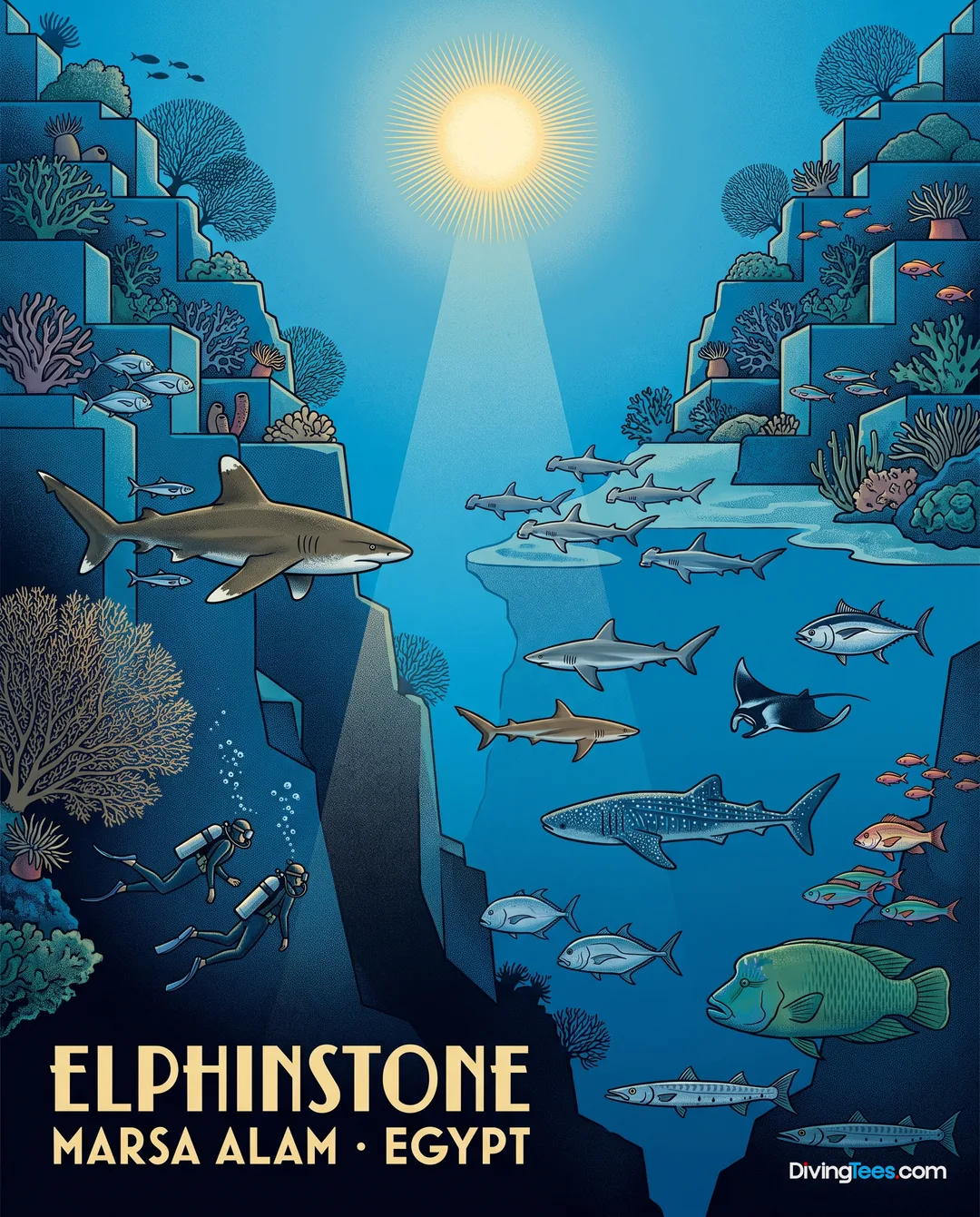
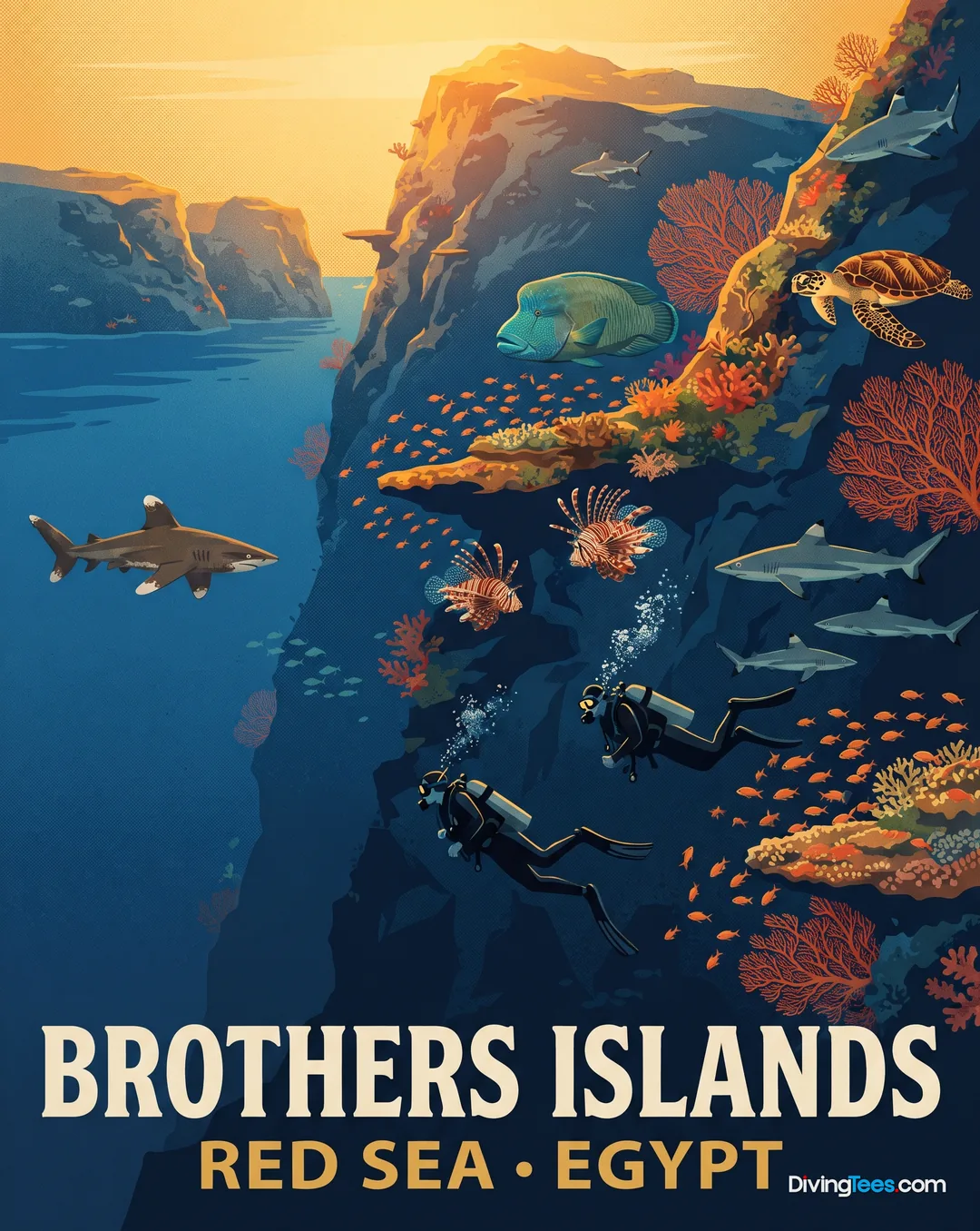
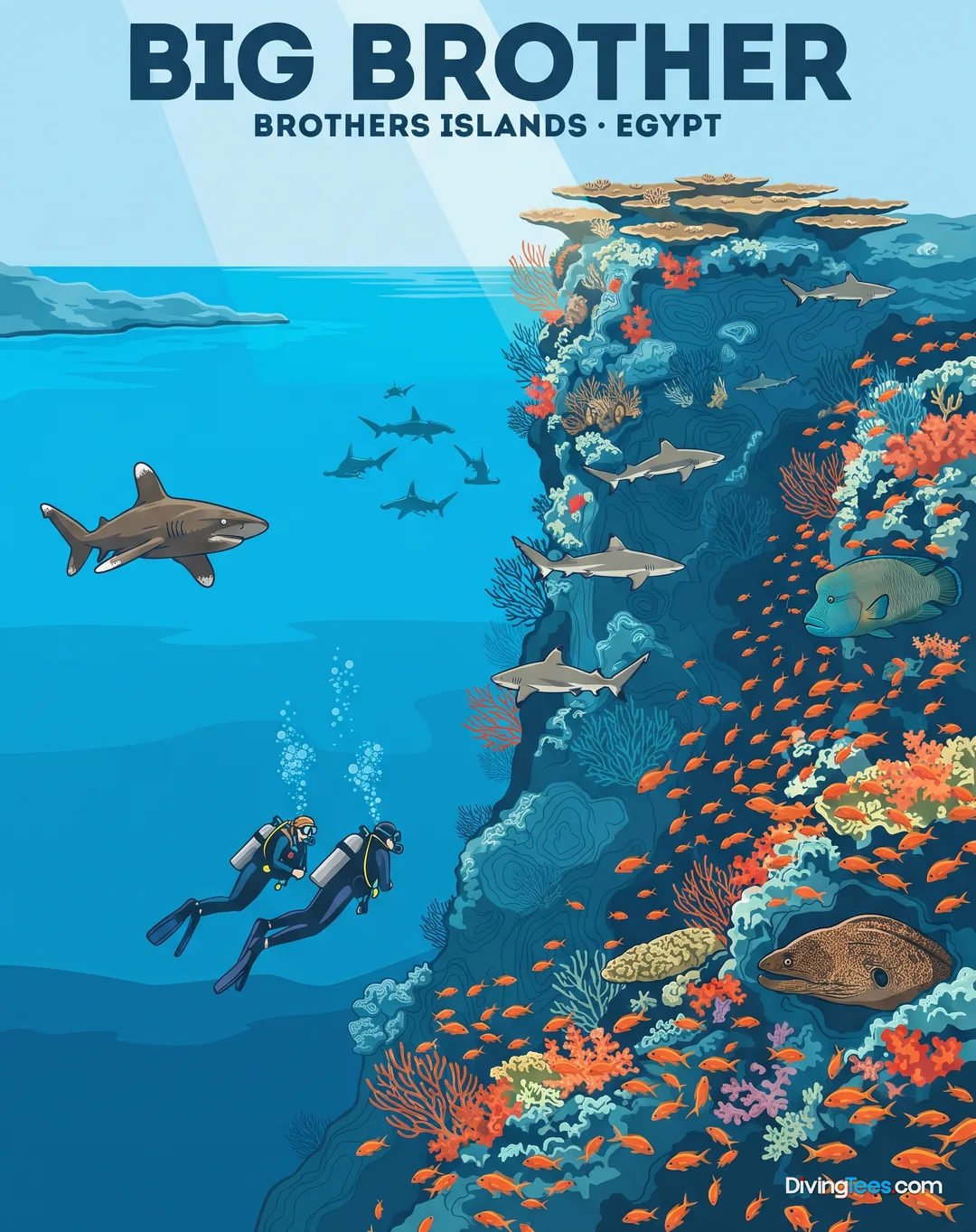
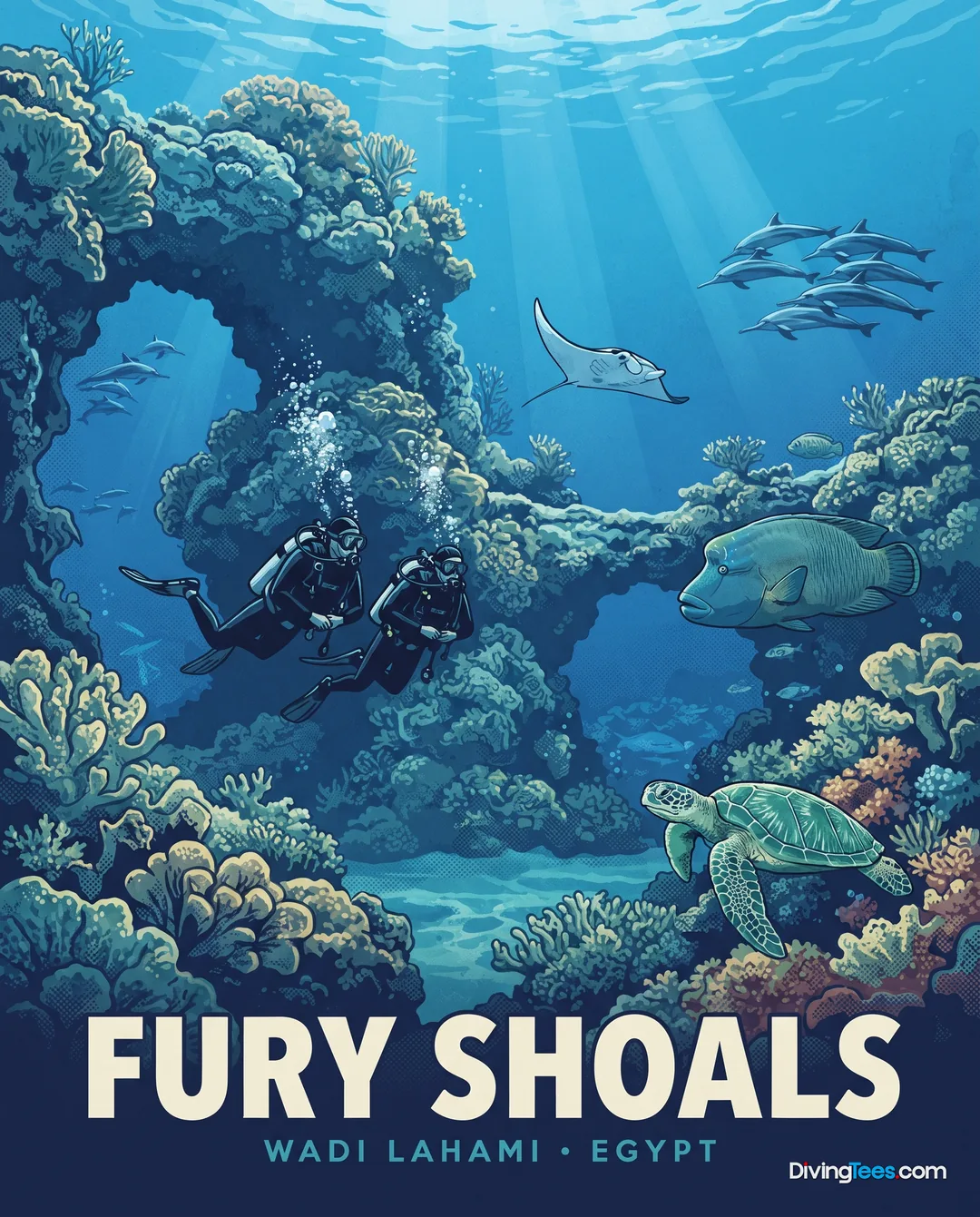
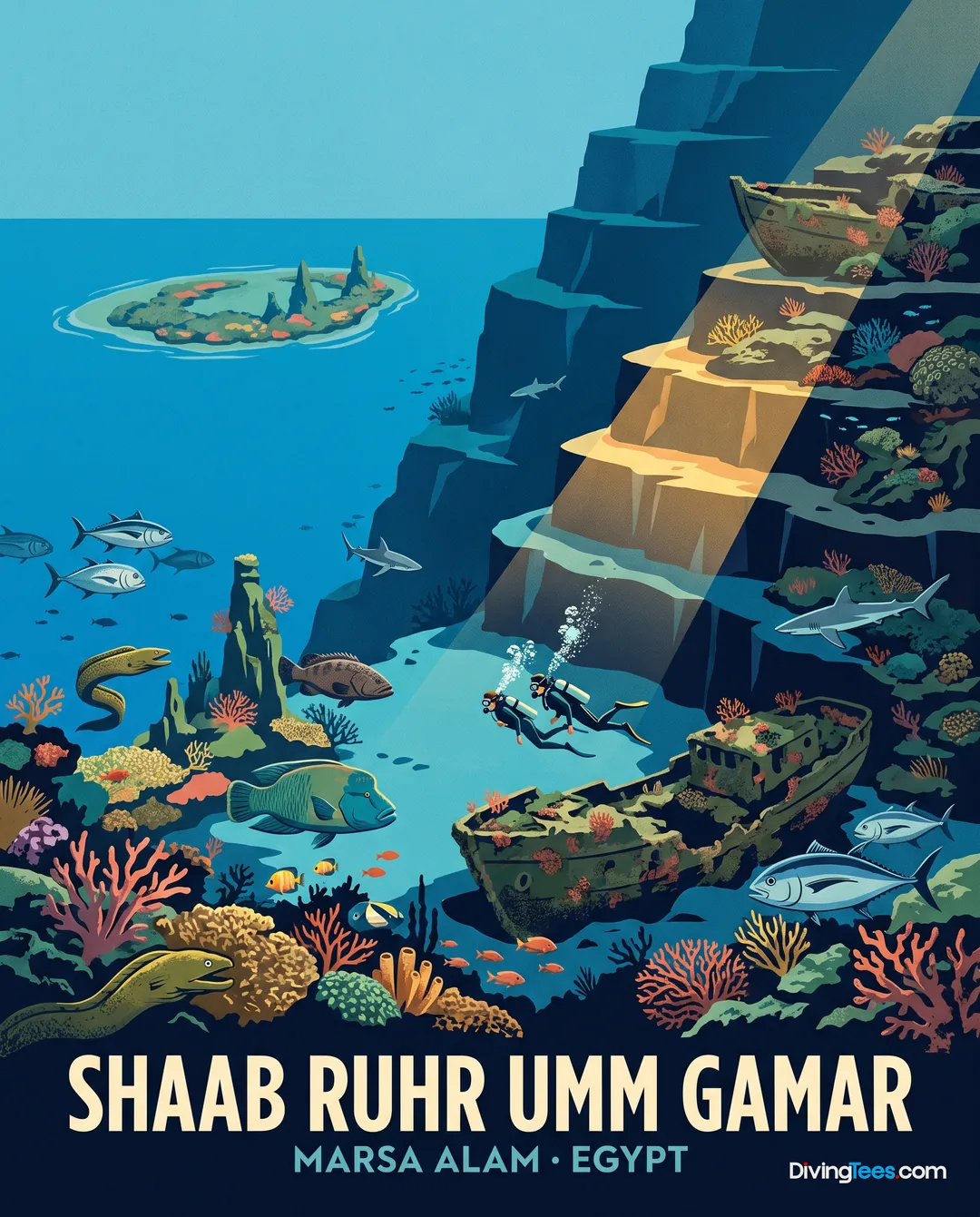
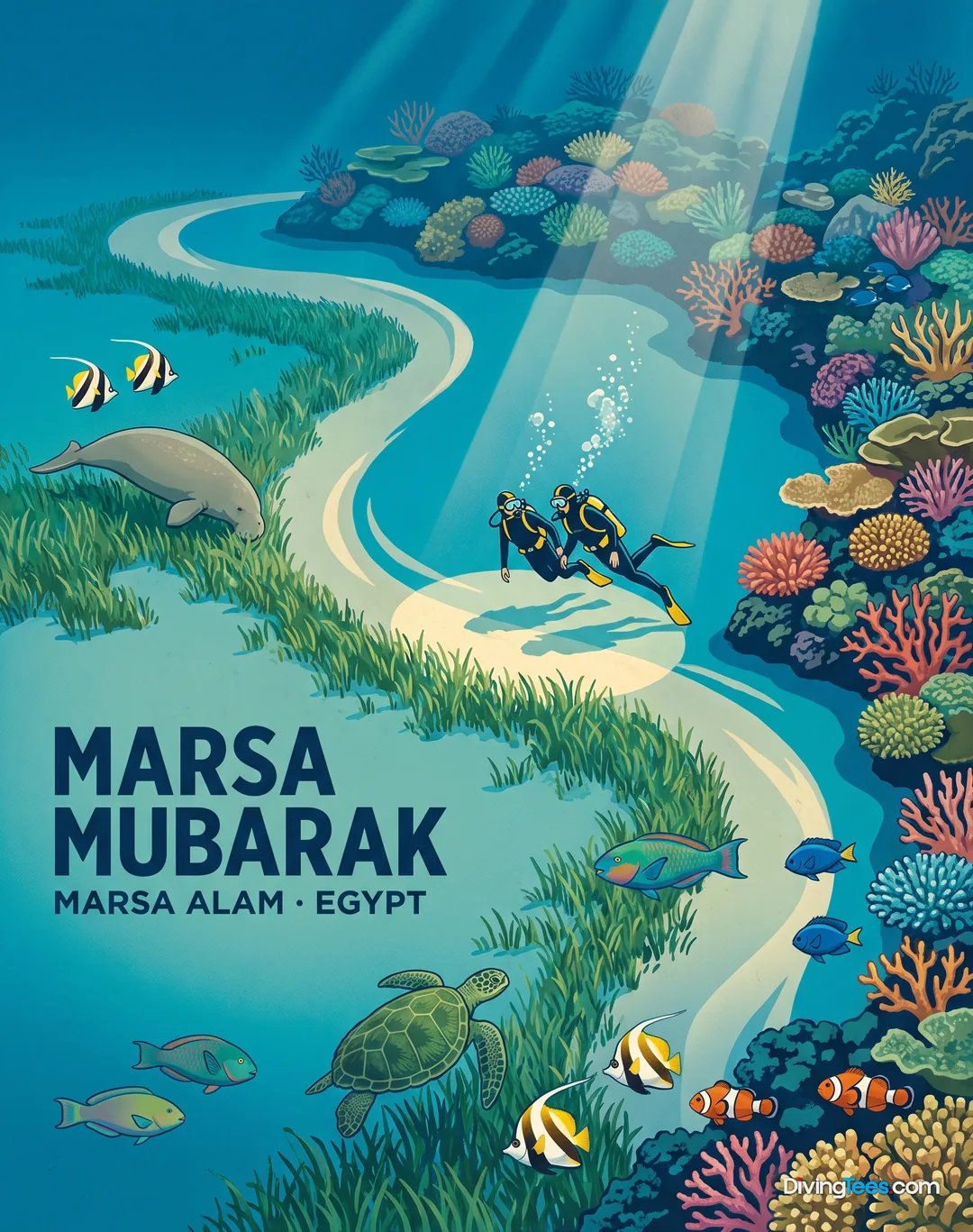
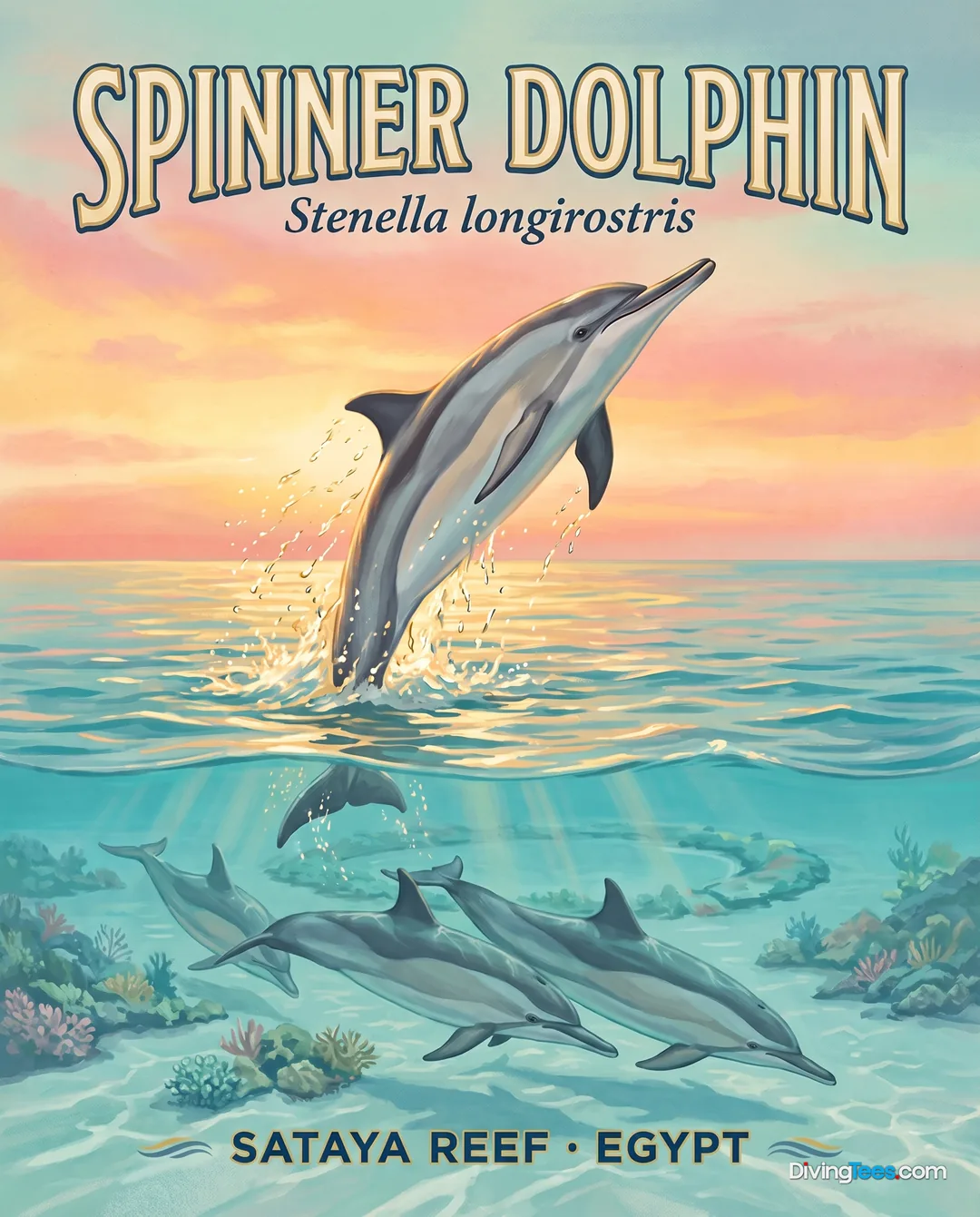
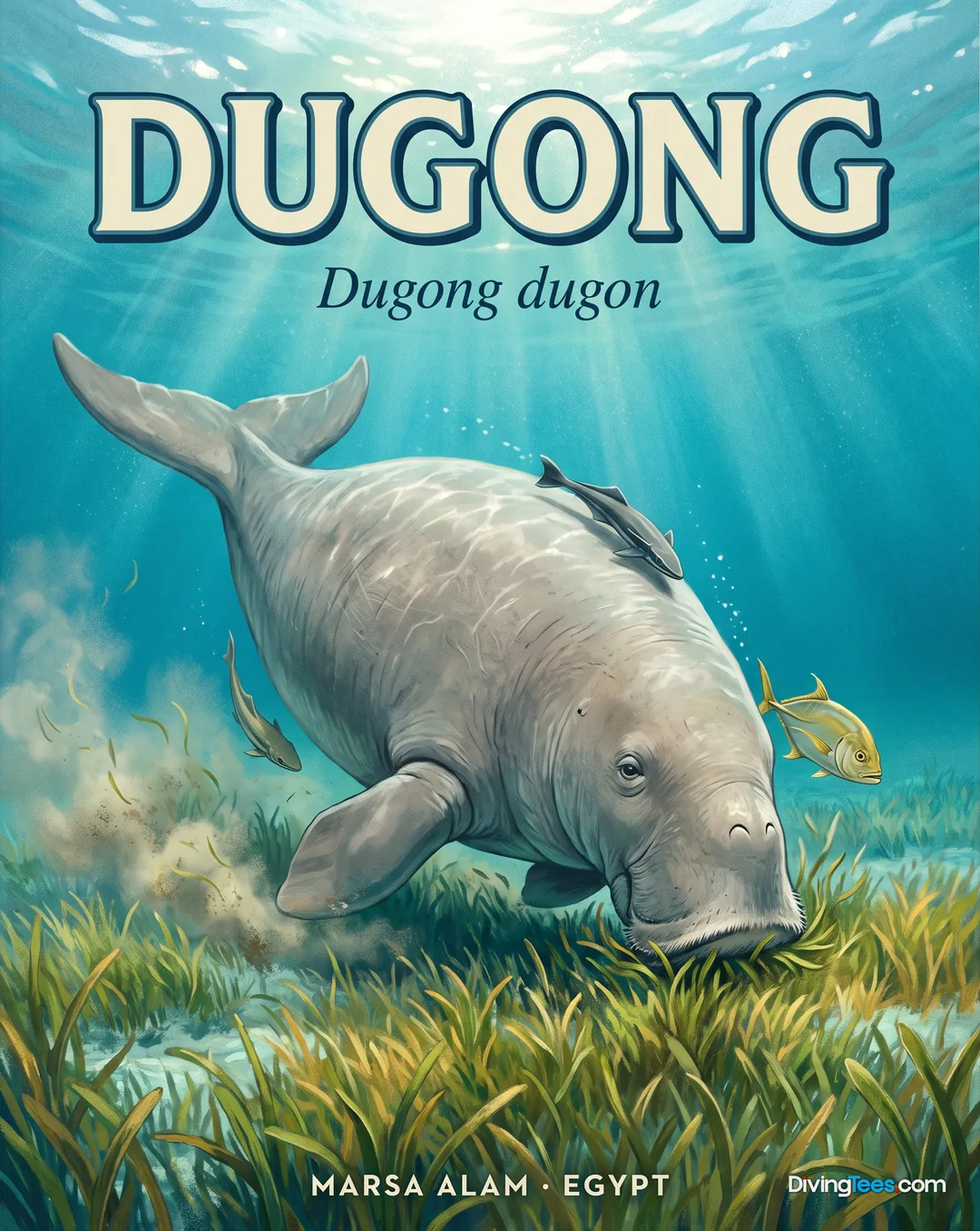
The headline route is Brothers, Daedalus and Elphinstone: three remote Red Sea names associated with walls, current and pelagics. Elphinstone reaches a listed maximum of -60m and is known for dramatic drop-offs, oceanic whitetips and other sharks. The Brothers Islands combine isolated oceanic reefs with hard and soft corals, sharks and the wrecks of Big Brother; Big Brother’s listed maximum is -40m, while the Brothers profile reaches -85m. Daedalus is a remote pinnacle with dramatic walls and possible hammerheads, threshers, silky sharks, oceanic whitetips and mantas, with a listed maximum of -40m. The alternative 8-day / 7-night route links Daedalus, Sataya and Fury Shoal: Sataya is a coral sanctuary known for spinner dolphins, while Fury Shoals builds its dives around hard-coral canyons. Other listed sites include Shaab Ruhr Umm Gamar, with pinnacles and at least three wreck remains, and Marsa Mubarak, where seagrass beds bring dugongs and turtles.
Itineraries, dates and prices
Prices per person. Each month shows its lowest price: click a month, or pick an itinerary.
Next departures · 39 departuresfrom £770$1,030€920
November 2026
December 2026
February 2027
See dates and prices
If you click these links and make a purchase on the partner site, DivingDeal may earn a commission, at no extra cost to you.
Dates and prices taken from Divebooker and liveaboard.com, updated 24 October 2026
What you’ll meet underwater
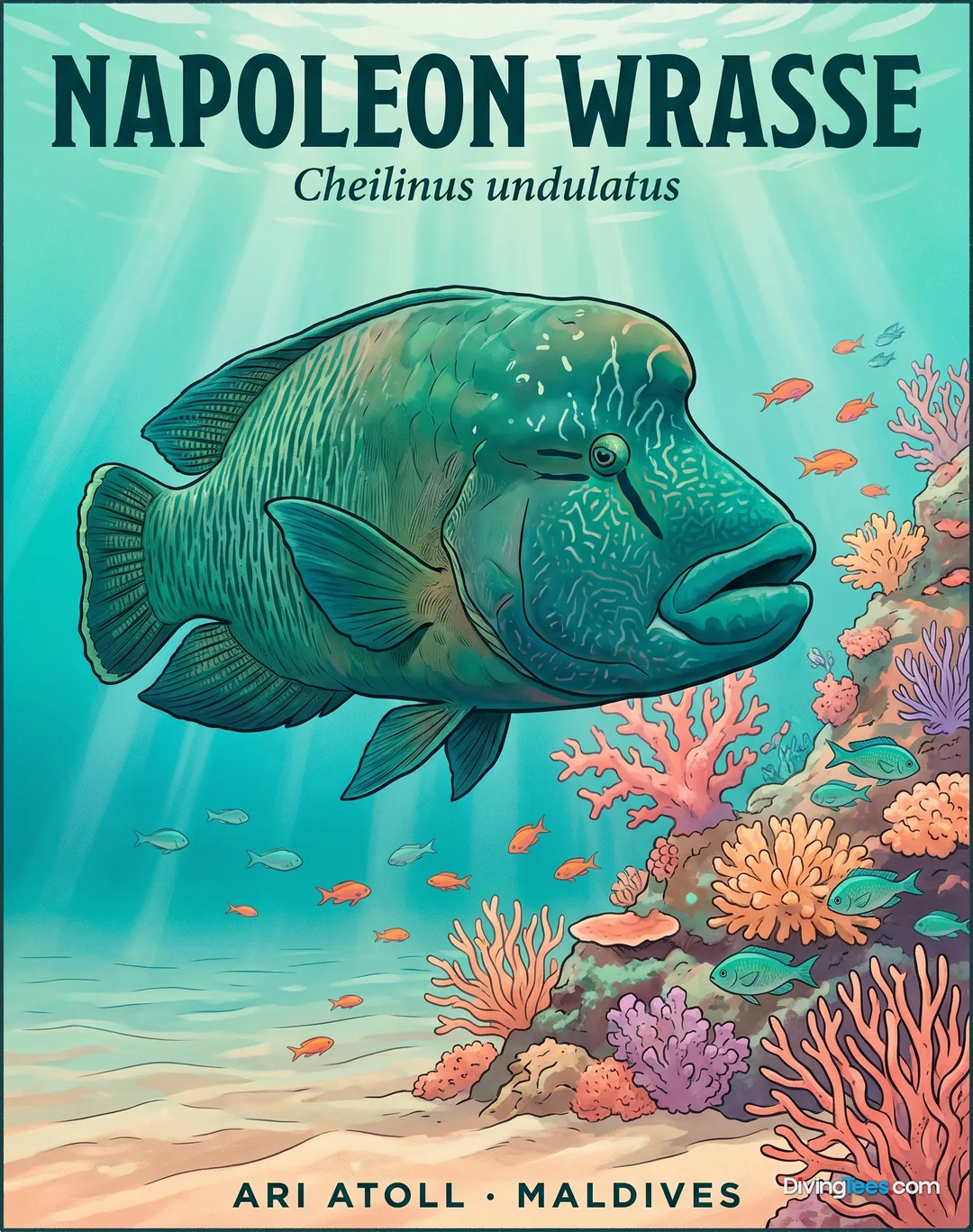
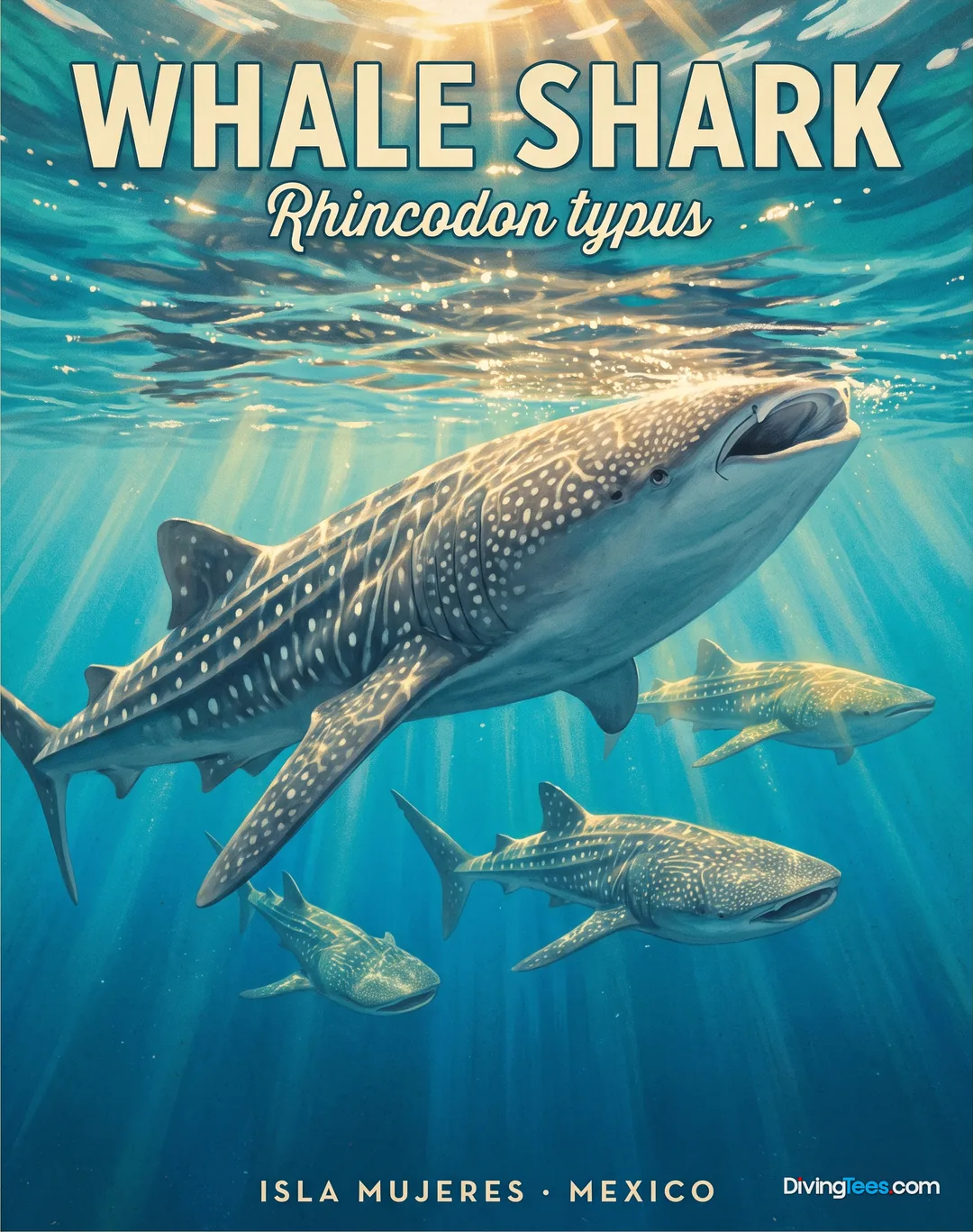
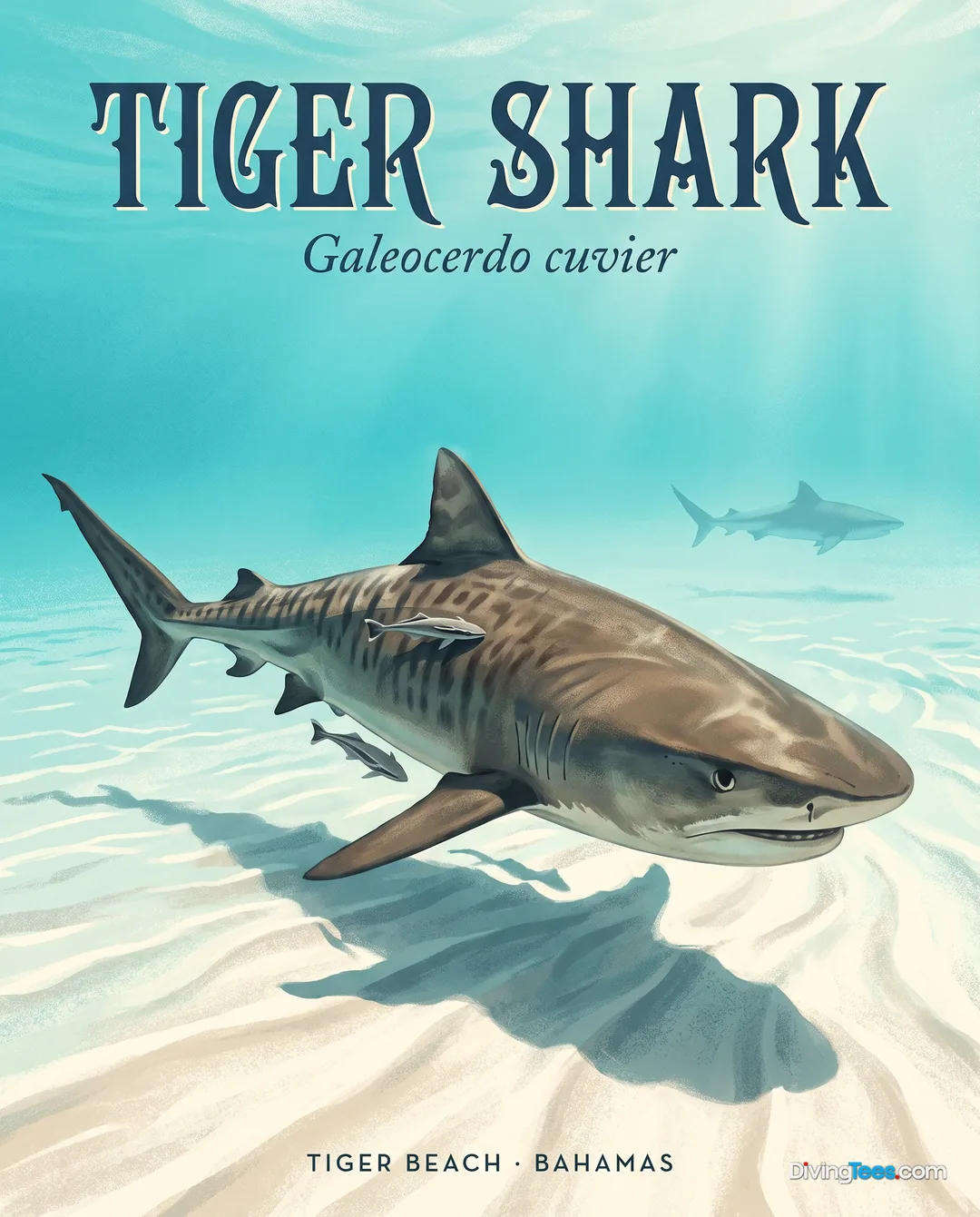
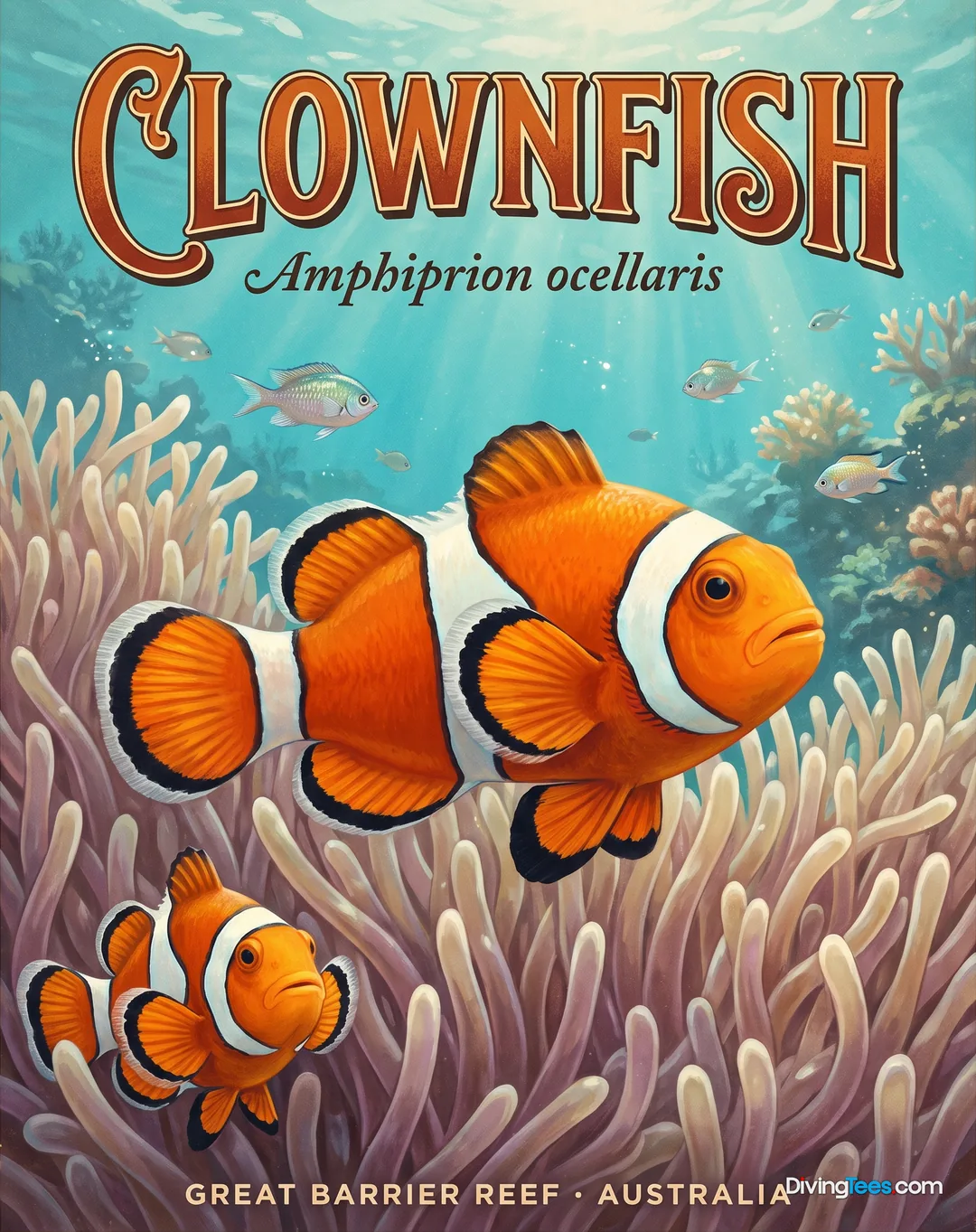
Turtles, barracuda, dolphins, Napoleon wrasse, jacks, scorpionfish, morays, parrotfish, anthias, reef sharks, grey reef sharks and soft corals recur across this route. Mantas and hammerheads are recorded at several sites, while tuna and whale sharks appear often enough to shape the route’s appeal without becoming promises. The one-site encounters are the details worth remembering: Elphinstone is the place linked with blacktip and tiger sharks, as well as gorgonians and wrasse. Brothers Islands adds anemones among the isolated reefs. Daedalus is the specific stop for bigeye trevally. El Fanadir has sweetlips and frogfish around its wall and cleaning station. Shaab El Erg can offer glassfish, while Sataya’s coral environment includes blennies and dolphins. Marsa Mubarak is the recorded site for clownfish as well as its better-known dugongs and green turtles. None of these animals is guaranteed; the point is that each site gives the search a reason.
Who puts you in the water
The crew and guides speak English, and diving courses are available onboard. The level required depends on the route: marine-park trips require at least 50 logged dives, a serious threshold for itineraries that may include current, isolation and pelagic sites. Briefings organise the dive before divers move to the platform or tender, with the two-boat setup allowing groups to work from the reef rather than crowding one entry point. Safety equipment includes oxygen, first-aid kits, fire and emergency systems, and an evacuation plan posted on each dive deck. The captain and at least one crew member are trained and certified in first aid. The boat supports experienced divers, but the 40-metre legal maximum for diving in Egypt still applies, regardless of a site’s deeper underwater profile.
The dive deck and the gear
The shaded dive deck is built around a proper platform, with separate rinse tanks for equipment and cameras, charging stations and outside showers. Nitrox is available free of charge, and DIN adapters are carried. Technical diving and sidemount are supported. Rental equipment can be arranged as an extra if requested at least two weeks before departure, as it is not stored onboard as standard. Two Yamaha 85HP tenders handle transfers to and from the sites, allowing divers to enter from the tender and be collected where they surface instead of swimming back to the liveaboard. Night dives are included in the diving package.
Between dives
Between dives, the shaded dive area is the natural base: close to the equipment, protected from the strongest sun and ready for the next entry. Those who want to dry off can move to the terrace, the observation deck or the sun deck, while the air-conditioned salon gives a cooler alternative. There is an indoor lounge, an outdoor seating area, a bar and a photo space with separate camera rinsing and charging stations. A day without a dive does not need to be spent in one room. The boat offers enough different places to read, edit images, talk through the last dive or simply watch the Red Sea pass by. When the boat is underway, the open decks make the transit part of the trip rather than dead time.
A day on board
The day starts with the first briefing, followed by the first dive, then meals and surface intervals that lead into the next entries. Four dives form the core of the day, with snacks placed between the third and fourth. The shaded platform keeps the working rhythm close at hand: return, rinse, log or eat, then prepare again. When the route allows it, a night dive adds a different Red Sea to the same site, with a dive light replacing the afternoon sun. The order matters more than a clock. Breakfast begins the day, lunch sits between the middle dives, dinner follows the final return, and the gaps belong to sleep, cameras, conversation or the open decks. The first night is spent in the marina; the boat leaves the following morning, and returns to port on the afternoon before disembarkation.
What you eat aboard
The galley serves three freshly prepared meals each day: breakfast, lunch and dinner. Snacks arrive between the third and fourth dive, when most divers need something easy rather than another formal meal. The food offer combines local and Western cooking, buffet service and à la carte options, with vegetarian meals available. Dinner can move outdoors, and a beach barbecue is part of the onboard food programme when the itinerary allows it. Water, soft drinks, coffee, tea and fruit juice are available throughout the trip; beer and wine are available separately. On a four-dive day, that structure matters. Meals are not just breaks from the water, but the fixed points that let divers eat properly without losing the next briefing or rushing back to the platform.
Nights at sea
Every cabin has a panoramic sea view and individually adjustable air conditioning. The choice runs from Main Deck Twin and Upper Deck Twin cabins to an Upper Deck bunk cabin, Upper Deck Suite and Sun Deck Suite, so the cabin decision is mainly about layout and deck position rather than whether there is a view. Private bathrooms, hot showers, daily housekeeping and non-smoking interiors keep the sleeping areas firmly in the dry part of the boat. Wet dive gear stays out of the salon and cabins. That rule is sensible after a long day in salt water: the lounge remains a place to sit in dry clothes, while the dive deck takes the gear, rinse water and camera equipment. At night, the important comfort is simple control over the cabin air rather than shared ventilation.
Main Deck Twin Cabin
Upper Deck Twin Cabin
Upper Deck Bunk Bed Cabin
Upper Deck Suite
Sun Deck Suite
What to know before boarding
Departures and returns use Port Ghalib and Hurghada, with routes including Port Ghalib to Port Ghalib, Port Ghalib to Hurghada and Hurghada to Port Ghalib. Airport and hotel transfers are included, with arrangements provided for each trip. Arriving the night before is the sensible choice for a liveaboard departure.
- Year built
- 2024
- Length
- 37 m
- Beam
- 8 m
- Maximum number of passengers
- 24
- Number of cabins
- 12
- Number of bathrooms
- 14
- Engines
- 2 × Mercedes 1000 hp turbo-diesel engines
- Cruising speed
- 10 knots
- Tenders
- 2 × Yamaha 85 hp
- Website
- alsuraya-liveaboard.com ↗
Hello, I'm Marina, DivingDeal.com's AI assistant. I answer in detail about hotels, dive centres and liveaboards.
Thinking about the whole trip and the flights? Talk it over with Edith →
Marina is an AI. Some links are affiliate links: DivingDeal may earn a commission, at no extra cost to you. Bookings are made with the partner.