Liveaboards · Egypt
Independence III — a modern Red Sea liveaboard built around serious diving
What makes this boat unique
- Built in 2022, Independence III carries up to 24 divers in 12 en-suite, air-conditioned cabins.
- The dive deck has dedicated personal storage, a large platform, camera table, charging stations and two compressors.
- Free nitrox and 12-litre tanks are included; 15-litre tanks and rental equipment cost extra.
- Routes range from eight-day northern Red Sea trips to 12-day southern itineraries reaching Rocky Island and Elphinstone.
For subtitles in English: start the video firstthen click the gearat the top right of the video, select “Subtitles/CC”, then “Auto-translate” and choose “English”.
The invitation
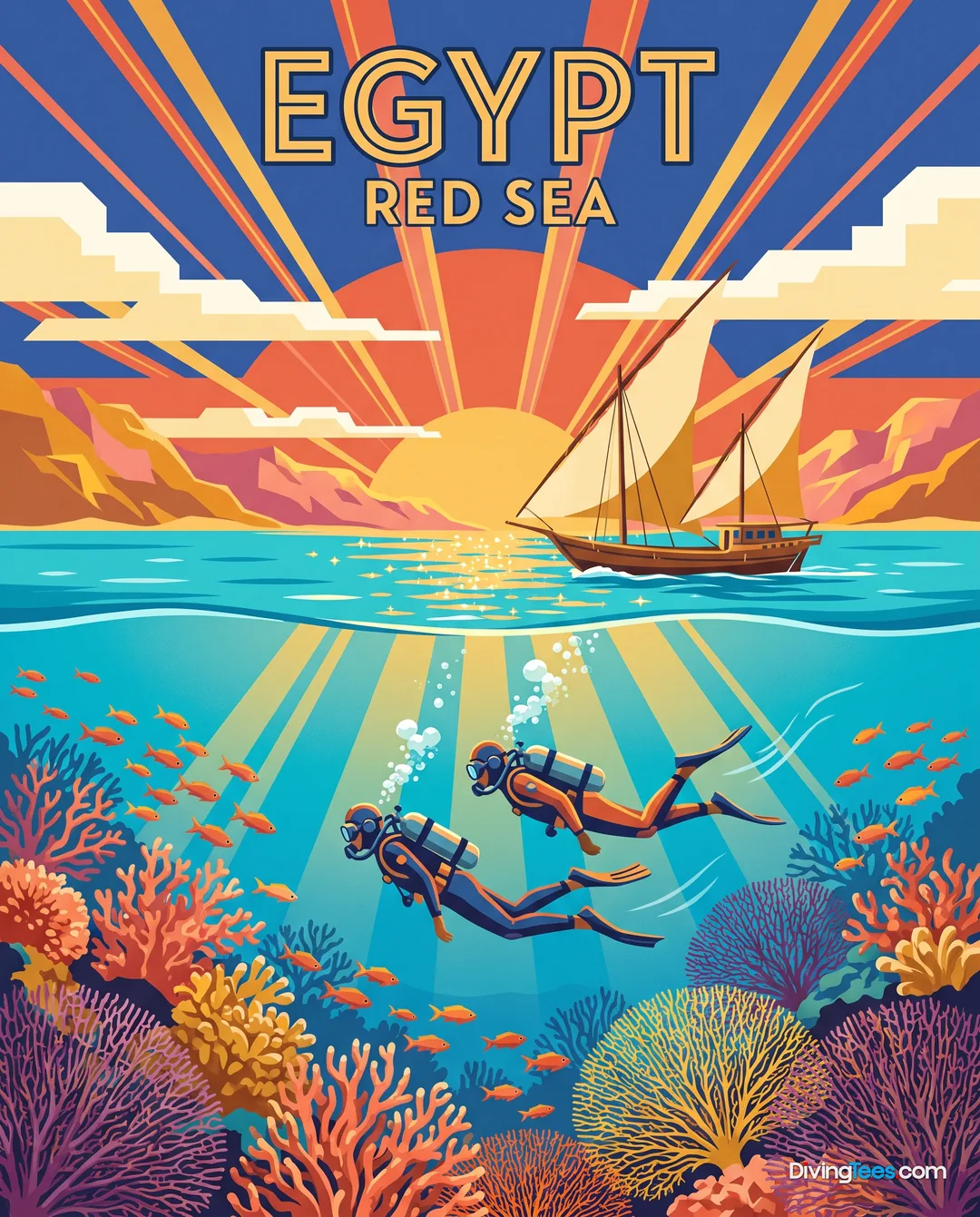
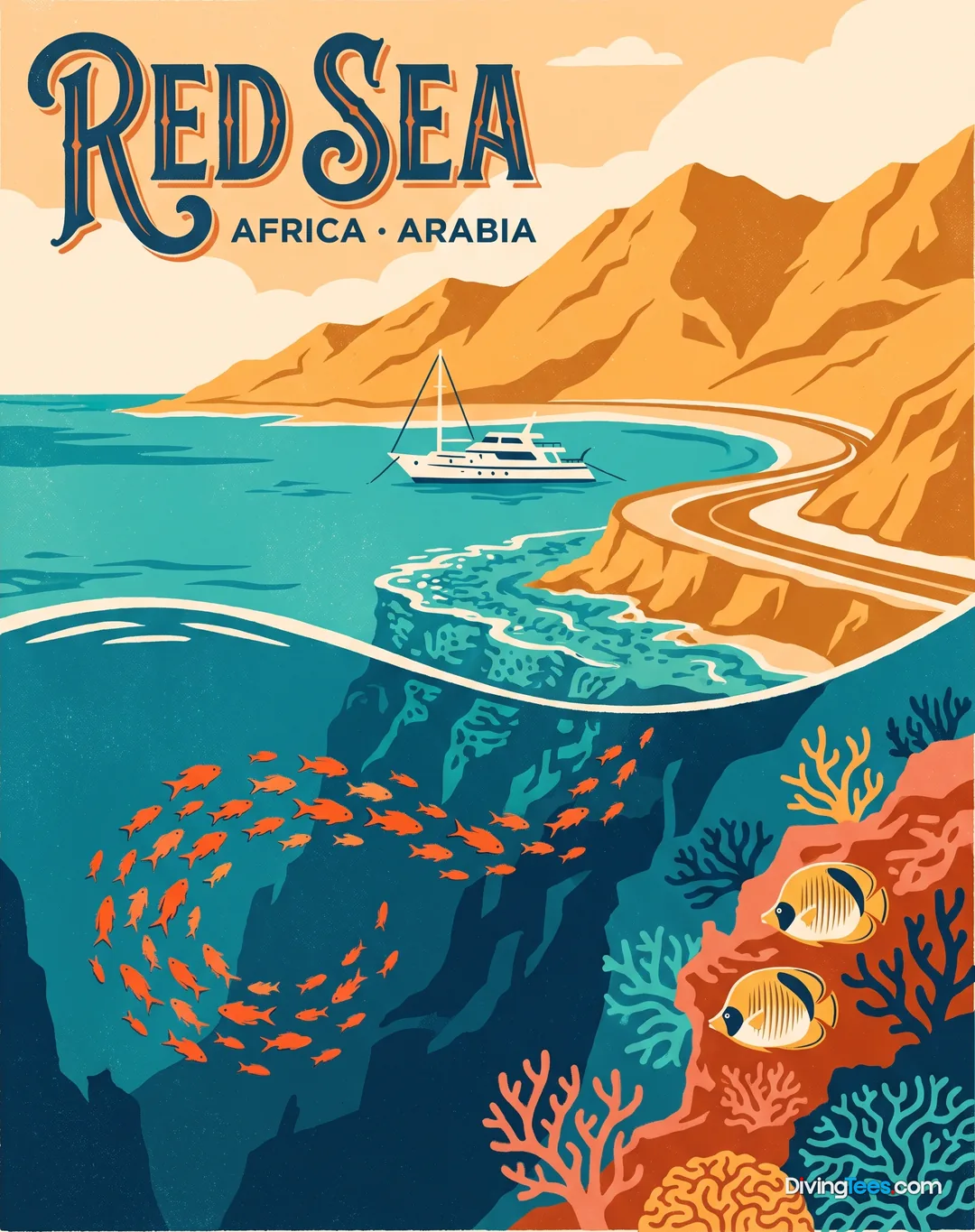
Independence III is for divers who want the Red Sea's demanding sites without giving up a boat that still feels considered after the diving is done. The reason to board is access: the Brothers, Elphinstone, Rocky Island, Daedalus, the northern wrecks and the reefs around Ras Mohammed are not sensible day-boat outings. Once offshore, the boat gives that diving enough room to work. The platform is large, storage is assigned, nitrox is included and the tenders take divers away from the hull when the site calls for it. Between dives, the air-conditioned salon, shaded bar and upper sun deck keep the trip from becoming a week spent in wet gear. The fit is clear: a certified diver with at least 50 logged dives and AOWD-level training, looking for walls, currents, sharks, wrecks and long days in the water rather than a resort holiday with occasional diving.
Boarding
From the dock, Independence III presents as a substantial wooden liveaboard with the clean, orderly feel of a boat still early in its working life. It was built in 2022, and the finish is more deliberate than improvised: oak gives the cabins and interior rooms a light tone, while teak covers the outside decks. Boarding leads naturally towards the dive deck, then up to the indoor salon and the shaded bar area before the route continues to the sun deck. The layout keeps the parts of the trip separate. Wet equipment stays close to the platform; briefings and meals happen inside; the upper decks provide air and distance from the machinery and dive traffic. This is a 40-metre boat designed to carry a full group without making the first impression feel cramped. The useful detail is not the size itself, but the way that size is spent on movement, storage and working space.
The atmosphere on board
Independence III carries a full group, yet the working areas are arranged so divers do not have to negotiate every movement. The crew speaks English and German, and the dive guides work with groups of roughly 10 to 12 divers per guide. Their role is practical: brief the site, watch the conditions, keep the boat's diving sequence moving and make the return to the platform orderly. After the last dive, people tend to collect at the shaded bar rather than disappear straight into their cabins. That is where the week becomes a group trip: stories from the blue, arguments over the best shark encounter, and the quiet sorting of cameras and batteries before dinner. The boat is not sold on theatrical service. Its atmosphere comes from a crew that knows the day is built around getting divers back into the water safely and on time.
The sites you’ll dive
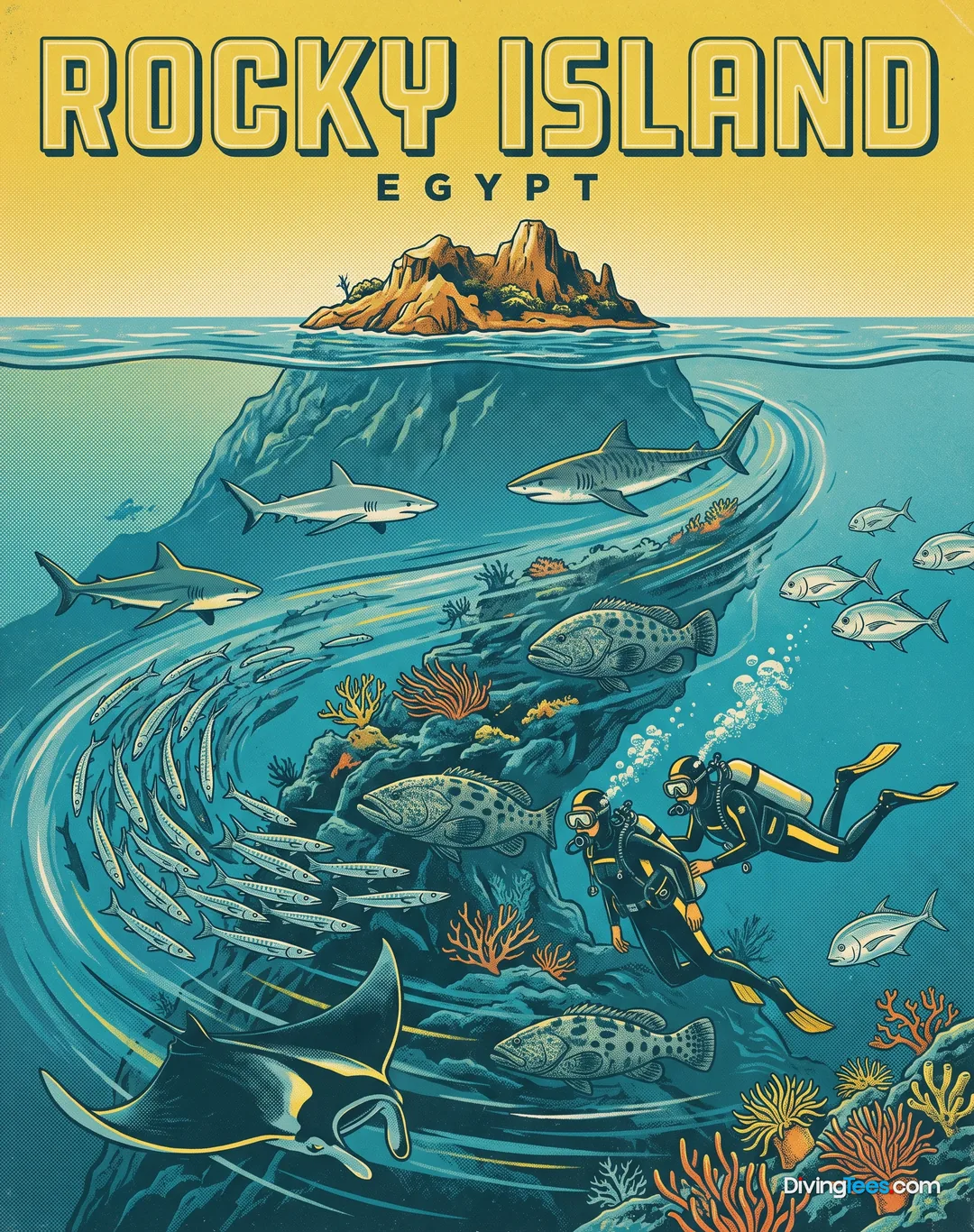
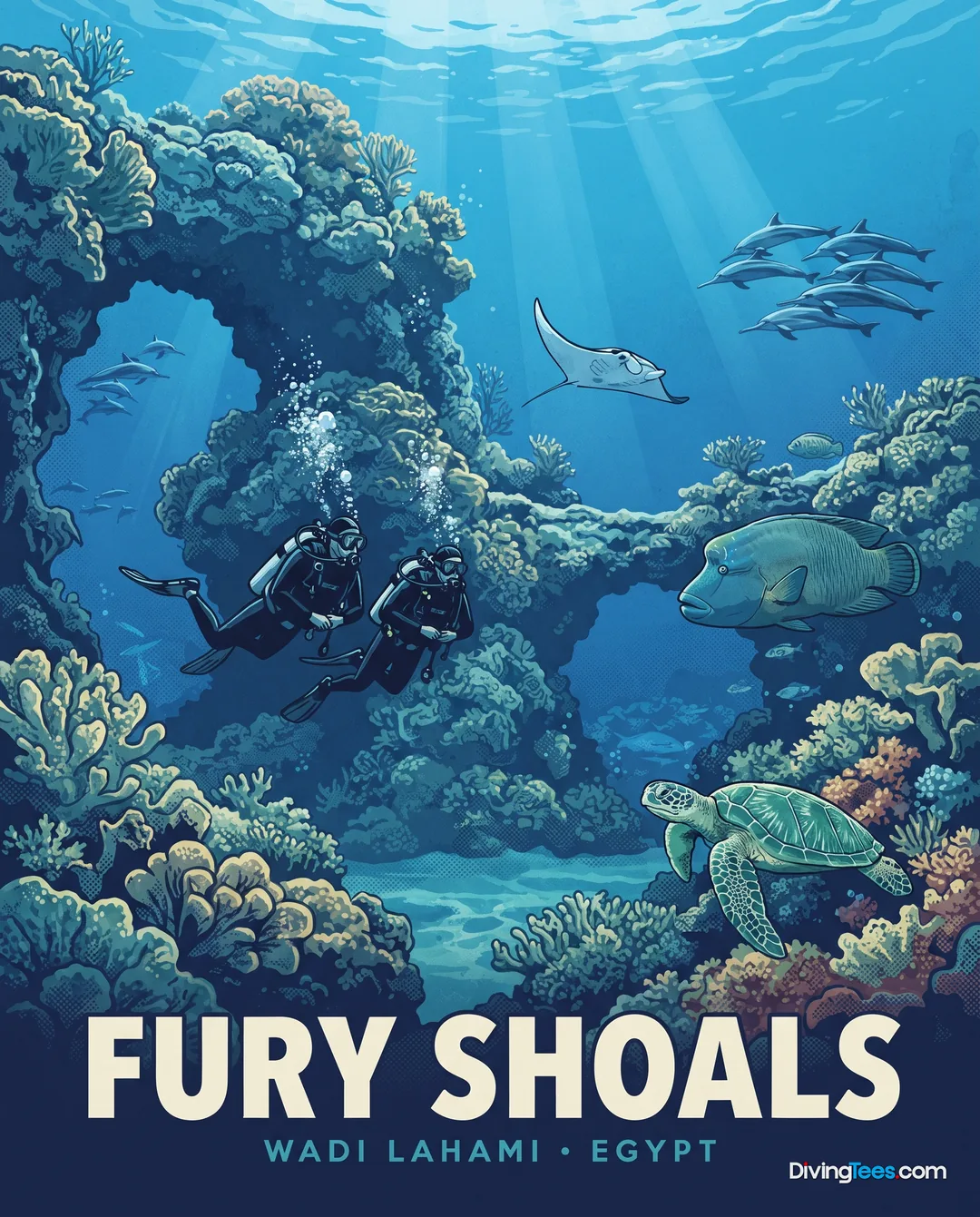
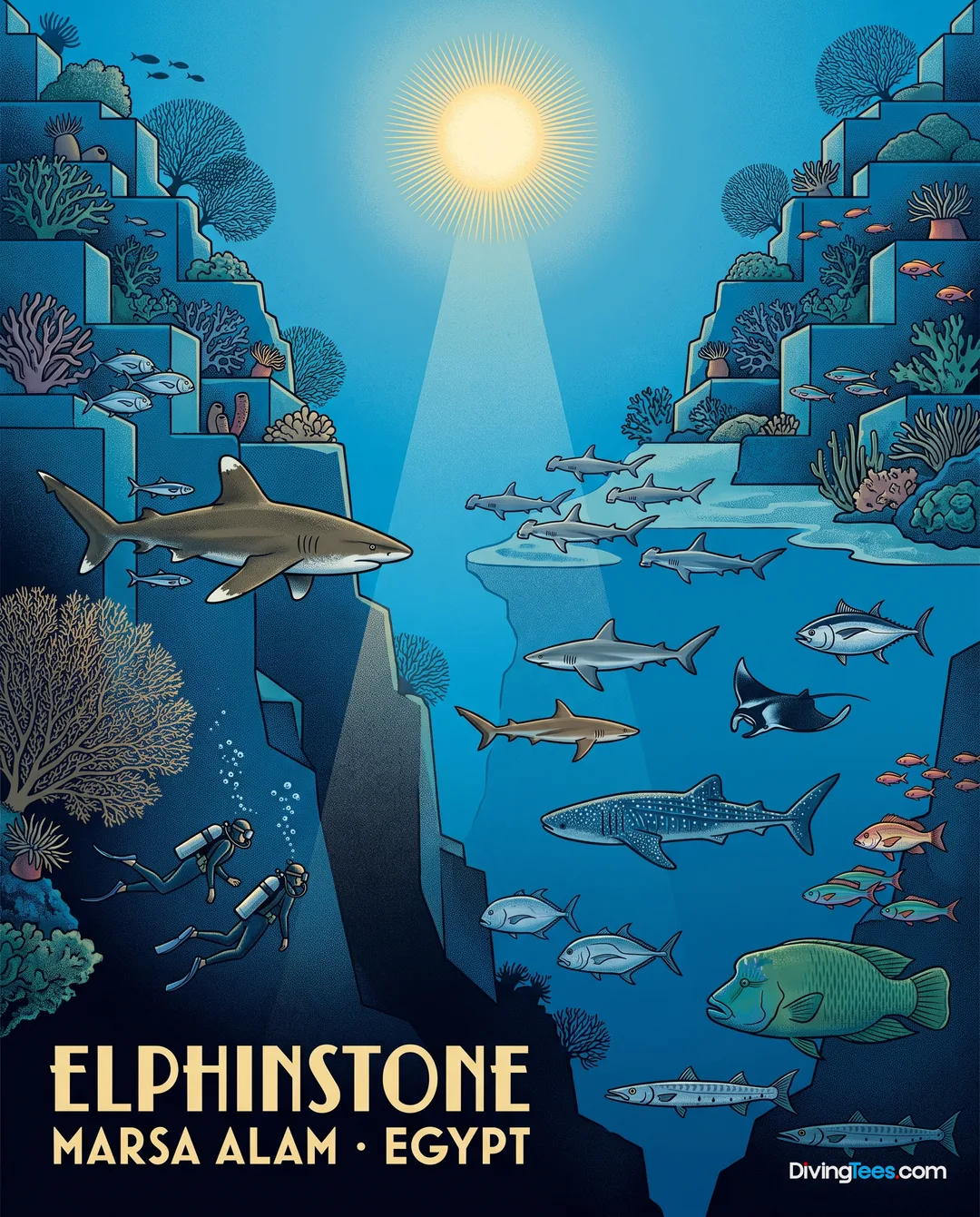
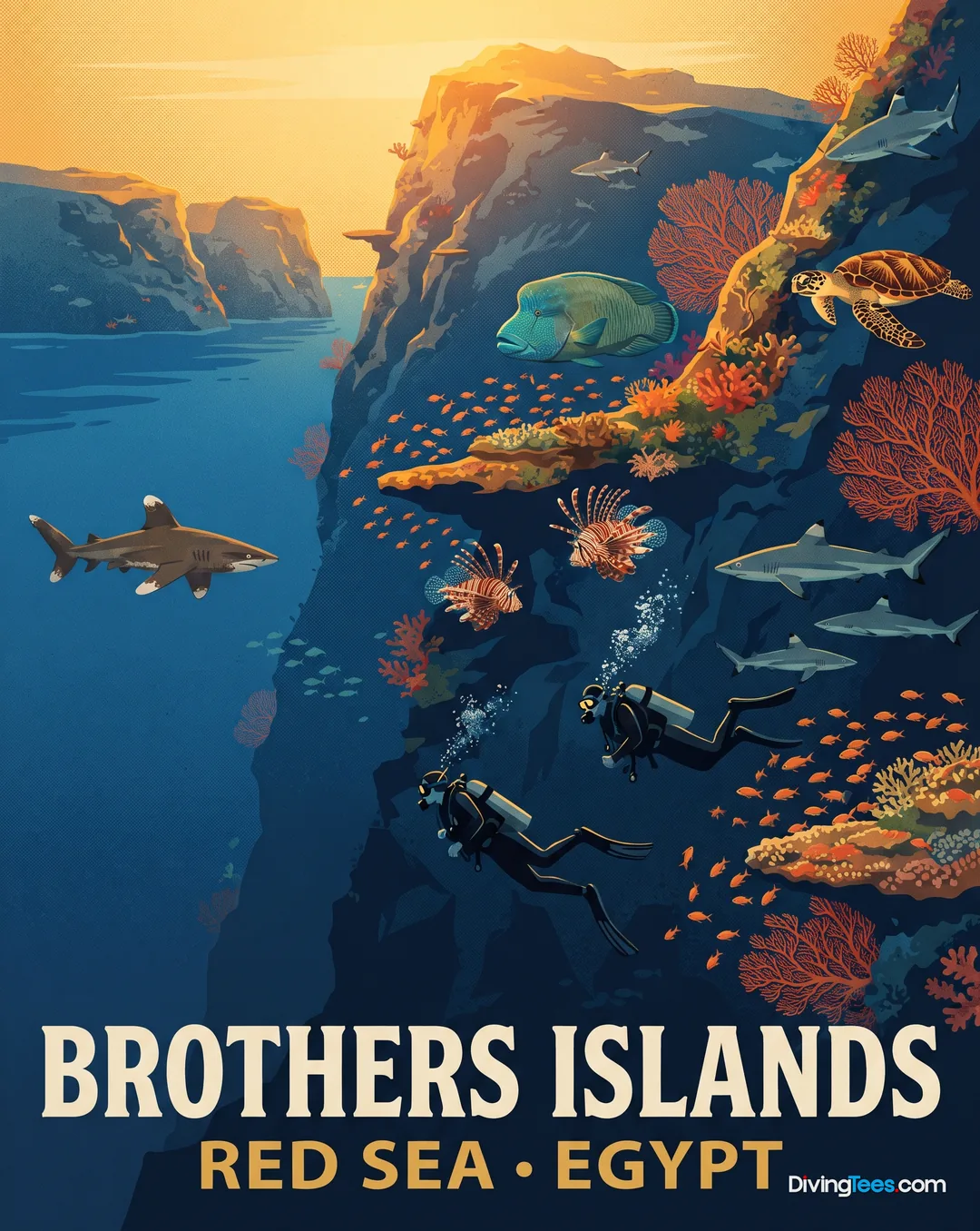
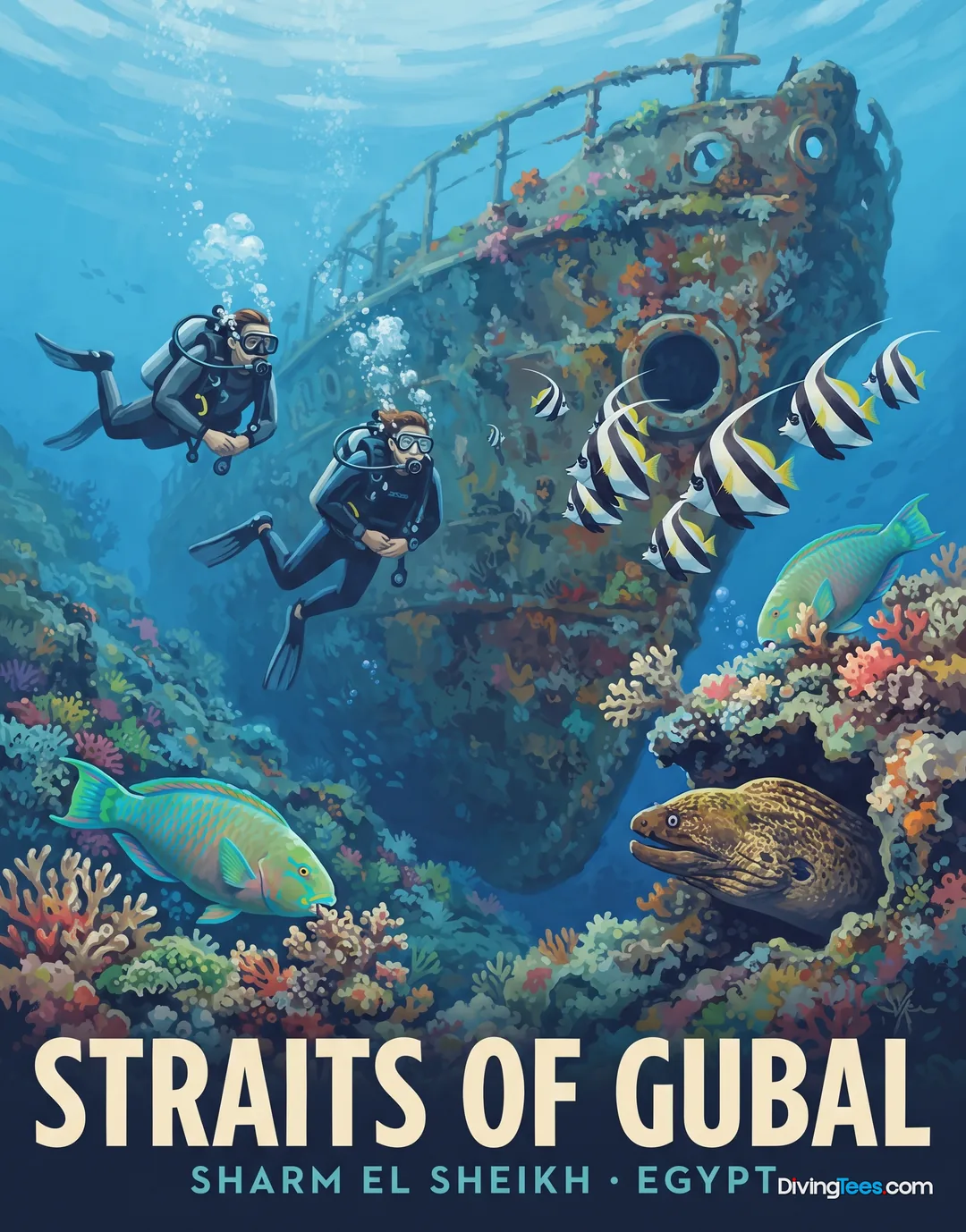
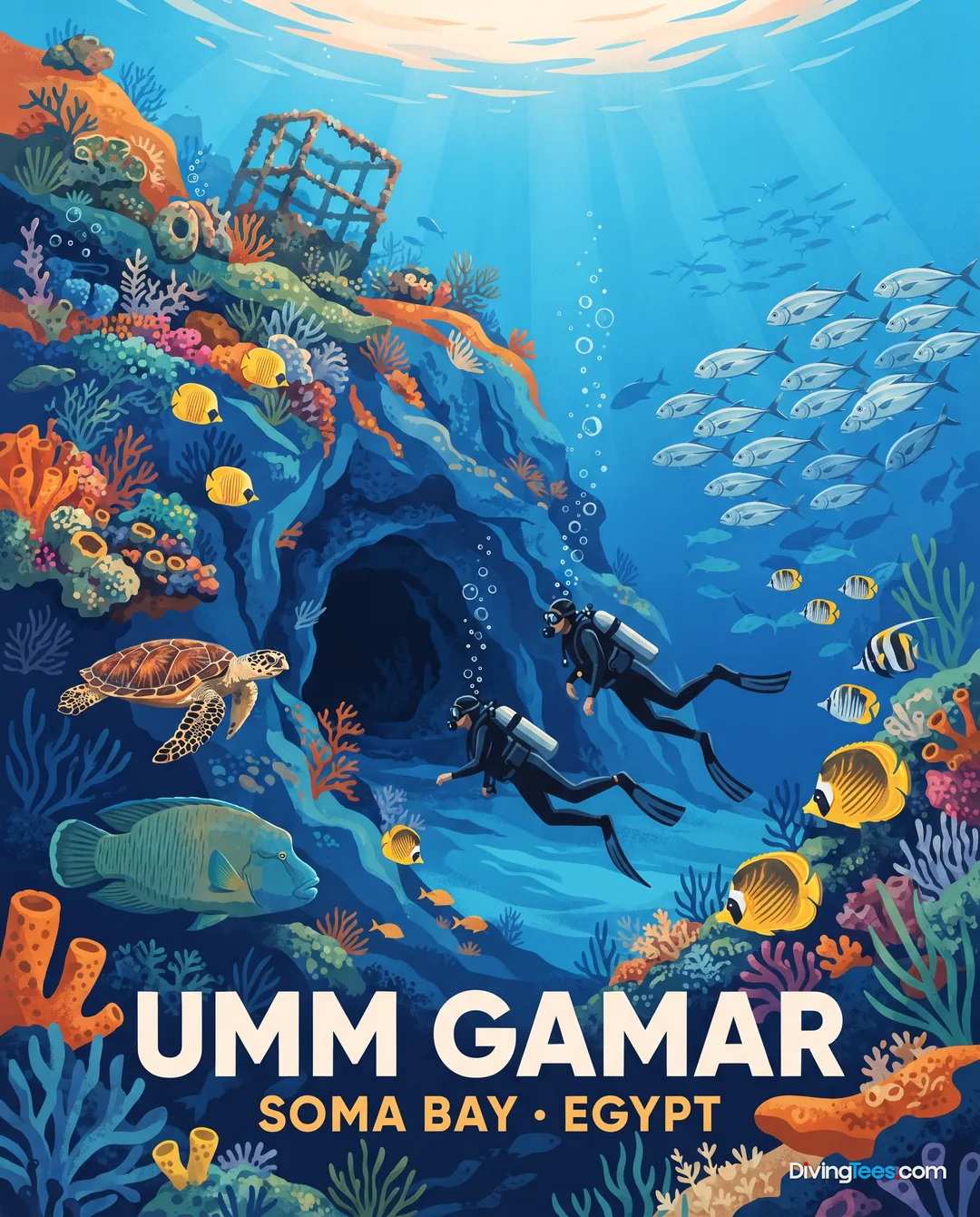
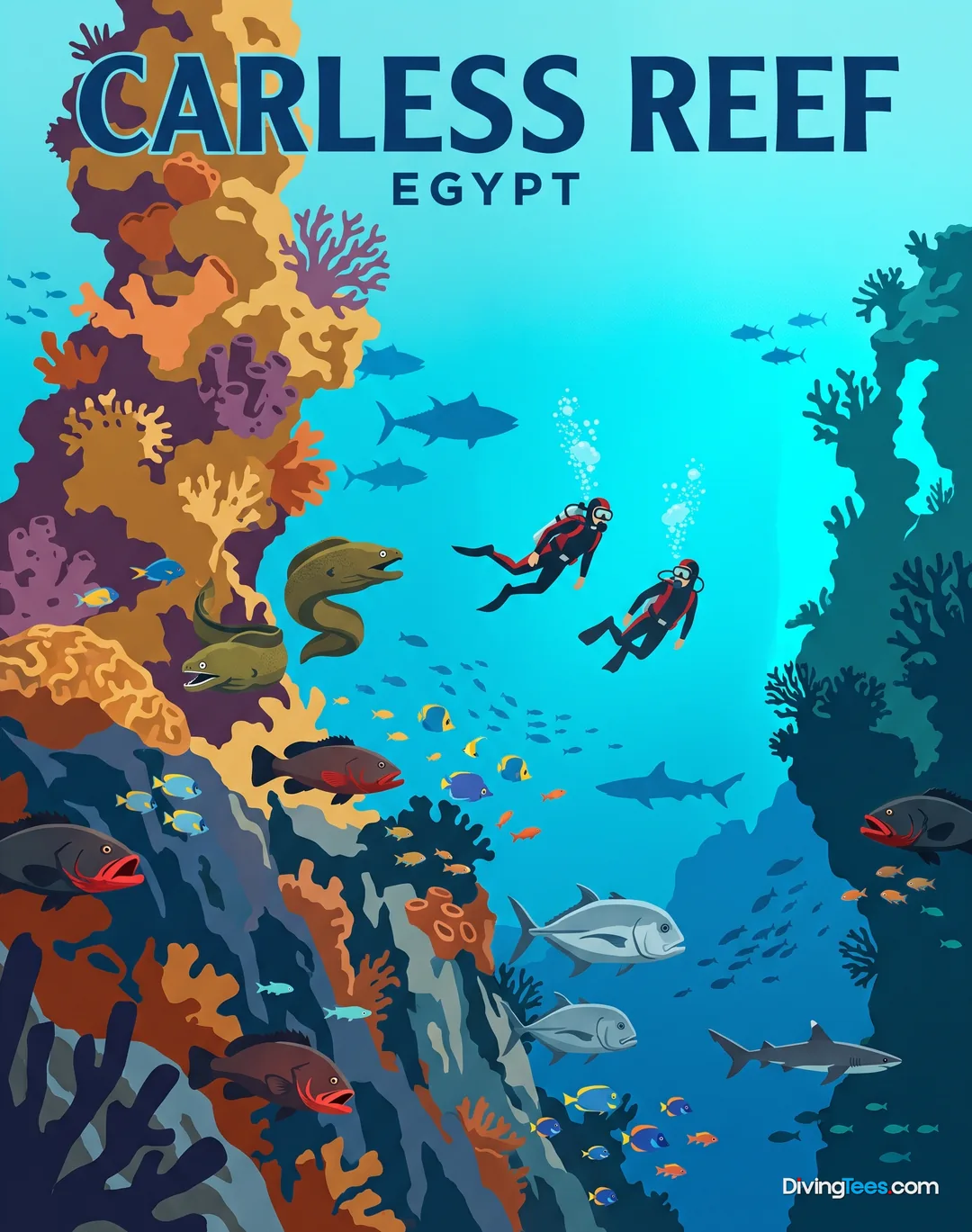
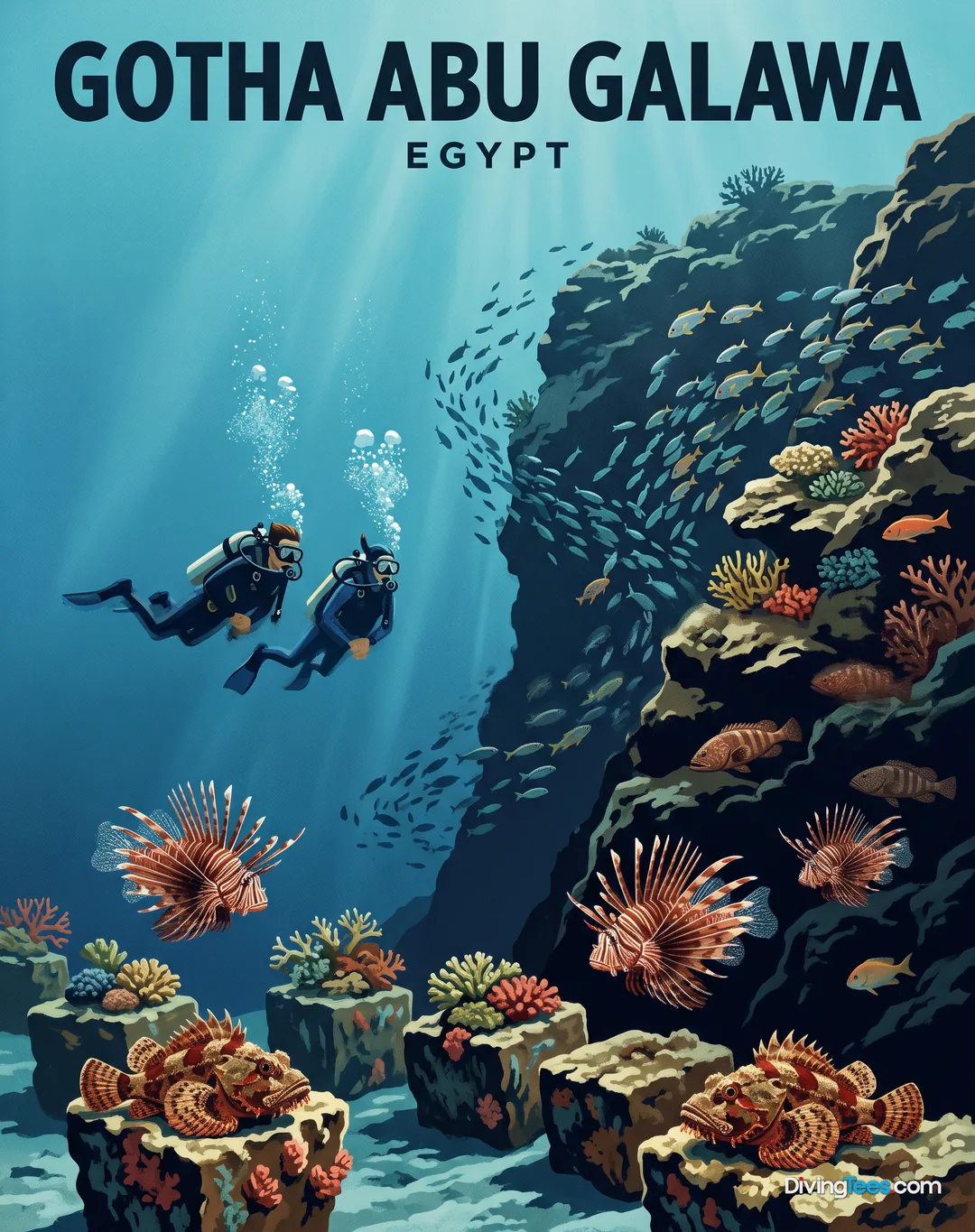
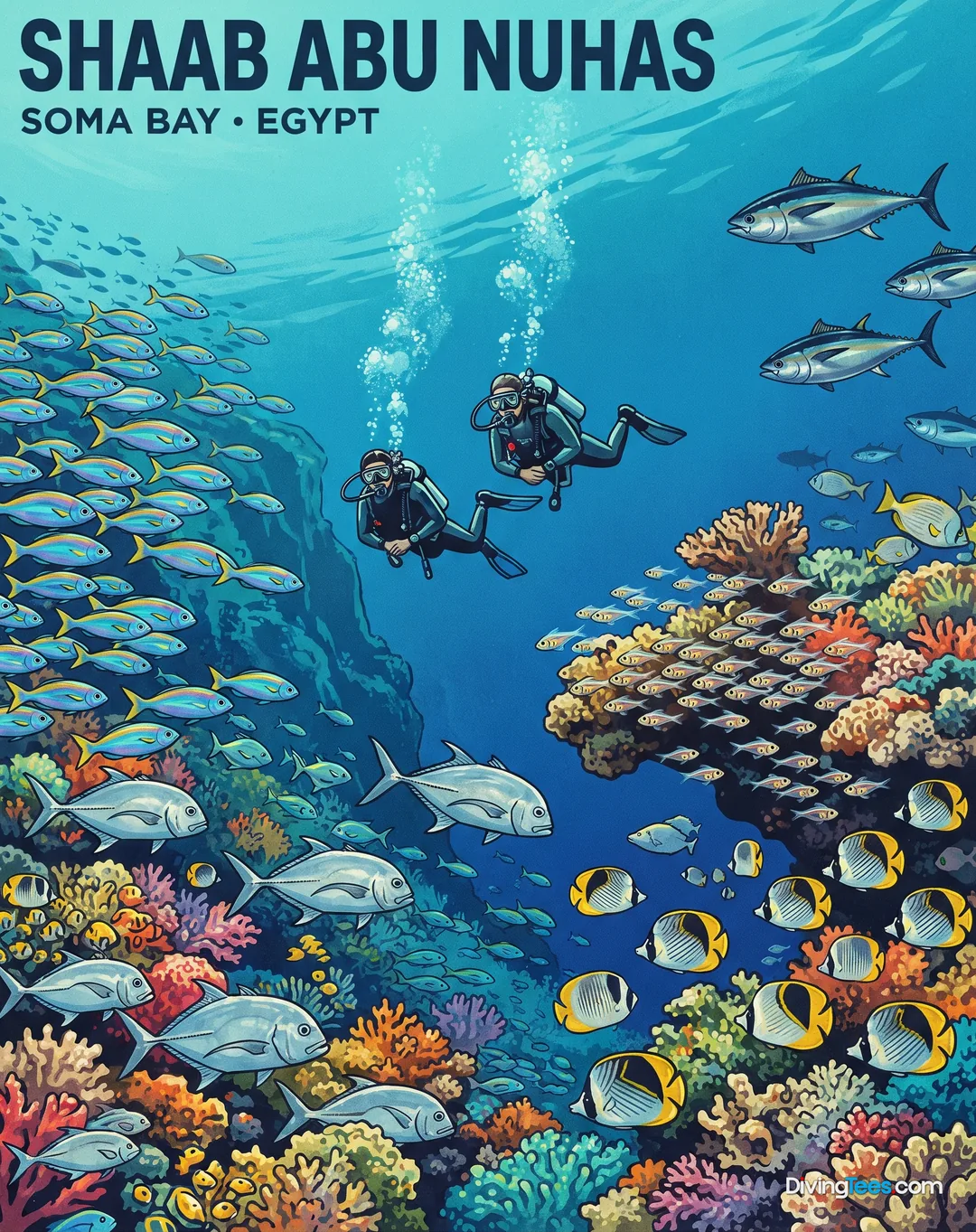
The route depends on the departure, but the choice is unusually broad. Eight-day, six-dive-day itineraries run from Hurghada to Port Ghalib or back, with northern reefs, Ras Mohammed, Tiran and wreck routes; the 12-day, 10-dive-day southern itinerary runs from Port Ghalib to Port Ghalib and includes Rocky Island, the Elba reefs, St. John's, Fury Shoals and Elphinstone. At Elphinstone, walls fall to -60m and the blue water can bring oceanic whitetips, hammerheads and grey sharks. Rocky Island is a current-swept reef with pelagic encounters and barracuda, while Brothers Islands reaches -85m and combines isolated oceanic walls with shark potential. In the north, the Straits of Gubal reach -50m and concentrate wrecks turned into artificial reefs. Umm Gamar has a cave at 28 metres and the remains of Hans Hass's shark cage; Carless Reef reaches -40m and is known for giant morays swimming free in the blue. Fanadir, Gotha Abu Galawa and Shaab Abu Nuhas add shallower walls, coral gardens, sandy slopes and night-diving possibilities where local rules allow.
Itineraries, dates and prices
Prices per person. Each month shows its lowest price: click a month, or pick an itinerary.
Next departures · 21 departuresfrom £962$1,286€1,149
November 2026
December 2026
March 2027
April 2027
See dates and prices
If you click these links and make a purchase on the partner site, DivingDeal may earn a commission, at no extra cost to you.
Dates and prices taken from Divebooker, updated 25 October 2026
What you’ll meet underwater
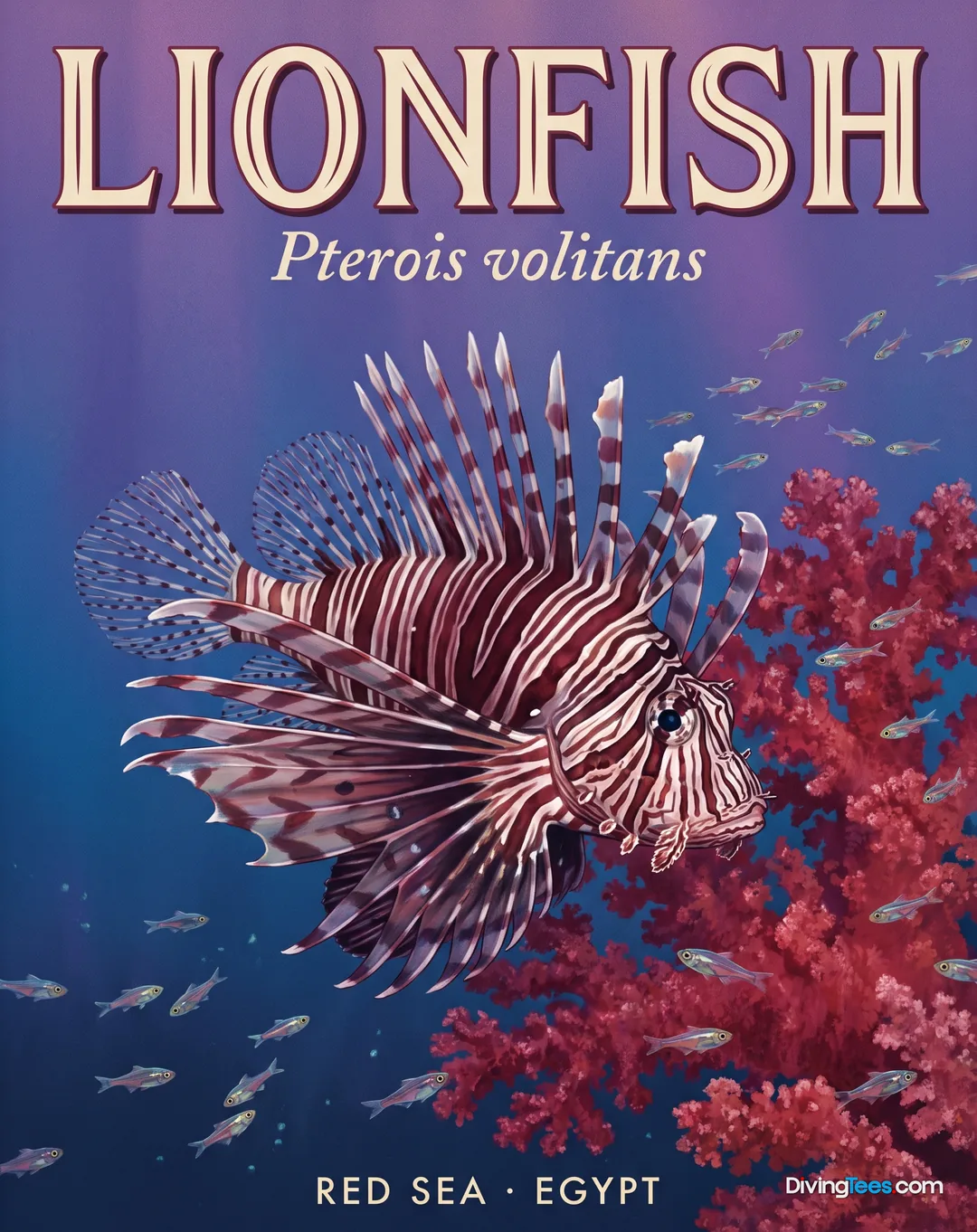
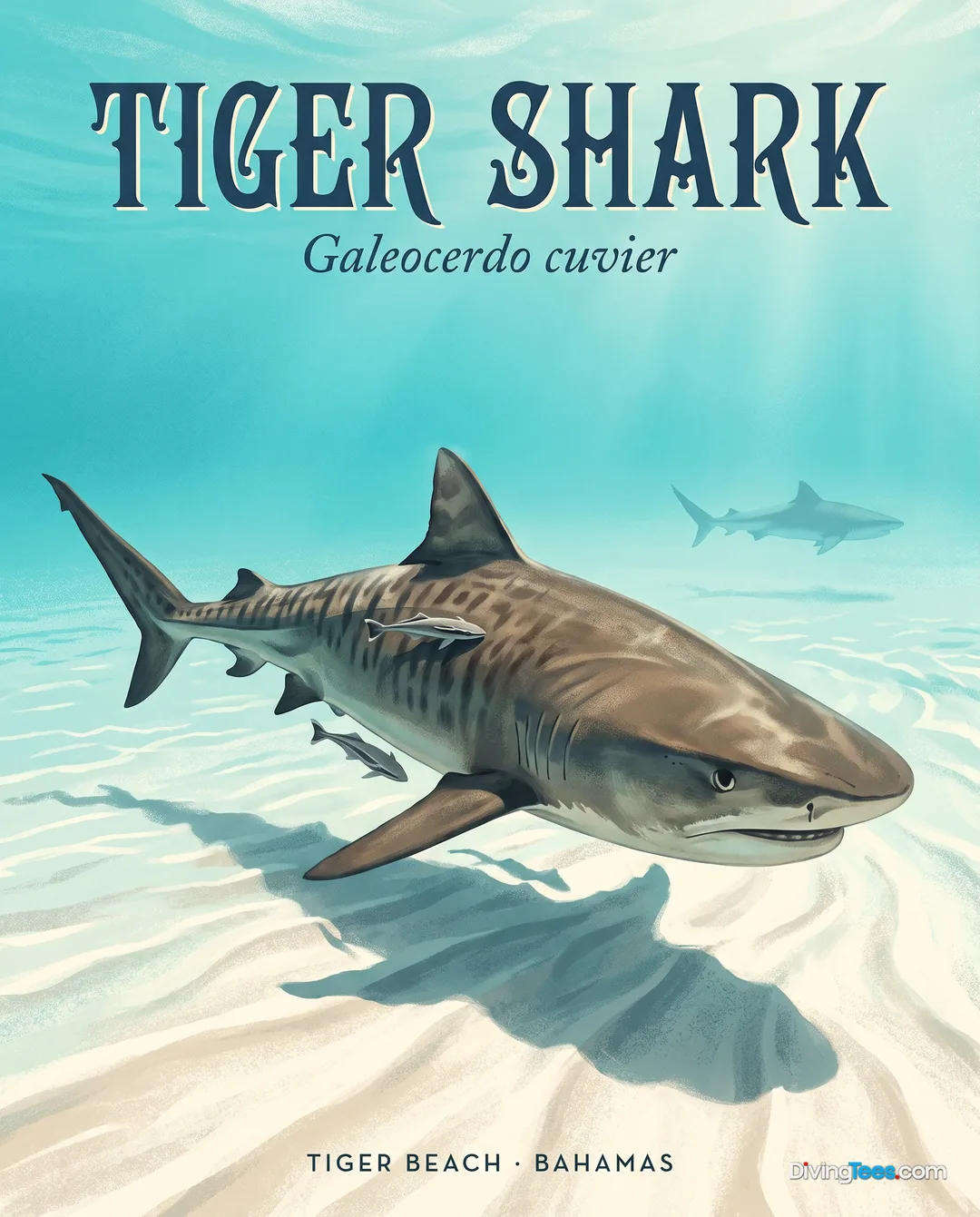
Murays, reef sharks, barracuda, tuna, trevallies, scorpionfish, lionfish, soft corals and snappers form the recurring cast across this route, with dolphins, turtles, oceanic whitetips, hammerheads and manta rays appearing at several sites rather than everywhere. The reason to choose particular stops lies in the less common encounters. Elphinstone is the named site for blacktip reef sharks, tiger sharks and giant trevally; Umm Gamar adds gaterin, batfish, butterflyfish and crocodilefish around its walls and cave; Fanadir North is the place to look for stonefish and trumpetfish; Shaab Abu Nuhas is where parrotfish are recorded. Brothers Islands is the site associated with anemones, while the Straits of Gubal brings carangue and wreck life together. Currents around Rocky Island and the Brothers can draw larger pelagics into view, but shark and manta sightings remain encounters, not promises.

Who puts you in the water
The dive team works at roughly one guide for every 10 to 12 divers, with English- and German-speaking crew on board. The required level is AOWD or equivalent, with a minimum of 50 logged dives; that is a sensible threshold for routes involving current, walls, remote reefs and pelagic encounters. Briefings organise divers before each entry, while the tenders allow the group to be placed where the site and conditions demand. Independence III carries ENOS equipment, including rental transmitters, and full boat safety equipment. Emergency oxygen and medical supplies are part of the safety setup, and the crew is trained in emergency management and first aid. Courses can be arranged at extra cost. Technical diving is not supported, so this is a boat for recreational profiles rather than mixed-gas or extended-range operations.
The dive deck and the gear
The dive deck is one of Independence III's strongest reasons to choose it. There is dedicated personal storage, space to prepare and gear up, a camera table, charging stations, DIN adaptors, a rinse area and a large platform reached by a central staircase. The boat supplies 12-litre tanks and weights; aluminium tanks are available, while steel 12-litre, 15-litre and twin 10-litre options can be requested, with 15-litre tanks at extra cost. Two compressors and a nitrox membrane system support the filling operation, and nitrox is included. Rental gear is available at extra cost. Two Zodiak tenders, powered by 100 HP and 40 HP Yamaha outboards, take divers to the site and collect them after the dive when the reef is better approached away from the hull. The platform also has showers and a toilet, useful details after a current-running entry.
Between dives
Between dives, the boat offers three useful kinds of space: the cool indoor salon, the shaded outdoor bar and the sun deck with loungers. The salon is used for briefings and gives divers somewhere quiet to dry out of the heat; the bar and open-air seating become the natural place to talk through the last dive without blocking the working deck. When the boat is crossing to the next site, the upper decks provide a view of the Red Sea rather than another hour beside tanks and wet suits. A no-dive afternoon is therefore simple: find shade, read or sleep, then return to the deck when the next briefing is called. Wi-Fi is free, but the boat's better distraction is the horizon.
A day on board
A diving day starts before the first descent, with the briefing followed by the check dive and the first site while the boat is settled into its route. On a southern itinerary, some days carry three daytime dives and a night dive; other days hold two or three daytime dives depending on the site, weather and marine-park rules. The pattern is physical but clean: brief, gear up, enter from the platform or tender, return, eat, hydrate and repeat. Crossing often happens after the day's diving, while divers are eating or asleep, so the next reef is under the boat rather than on a morning transfer schedule. On the final day, two dives are planned before the boat returns towards port. Night dives are not allowed in the Brothers, Daedalus, Elphinstone or Rocky Island marine parks, and routes can change with weather or operational conditions.
What you eat aboard
Meals are served buffet-style, with Western and local dishes, dietary restrictions accommodated, and hot and cold soft drinks available throughout the day. Snacks remain available between meals, which matters when the day contains three or four dives and the surface interval is short. The galley feeds the diving schedule rather than treating meals as a formal interruption: divers can eat, refill a bottle and get back to preparing for the next descent. Alcoholic drinks and spirits are available on board but are not included. The table is part of the recovery cycle here. A proper plate after a morning of current and reef work is more useful than elaborate presentation, and the buffet lets different divers eat according to their own timing.
Nights at sea
The 12 cabins are divided between twin-bed cabins on the main deck and double-bed cabins on the upper deck. Every cabin has its own bathroom and individually adjustable air conditioning, so the night ends in a private room rather than a shared corridor routine. Oak keeps the interiors bright, while the outside decks are finished in teak. The boat's air-conditioned rooms matter after a day of current and sun; the upper-deck cabins add the better position for anyone who prefers a double bed and a little more separation from the working dive areas. The cabins are practical rather than styled as a hotel suite. Towels and basic toiletries are provided. The night is shaped by the sea and by the boat's engines, but the available cabin layout means a diver can close the door, cool down and sleep before the next briefing.
Twin Bed Cabin
Double Bed Cabin
What to know before boarding
Departures and returns use Hurghada or Port Ghalib, depending on the itinerary; some southern trips may involve Marsa Alam for organisational reasons. Airport transfers are not included, but they can be arranged separately from the airport to the boat and back. Transfer details are provided with the trip arrangements. Arriving the night before is the safer choice, especially when the boat leaves after harbour clearance.
- Year built
- 2022
- Length
- 40 m
- Beam
- 8 m
- Maximum number of passengers
- 24
- Number of cabins
- 12
- Engines
- 2 × 12 cylinders, Biturbo, 1256 hp MWM
- Tenders
- 2 × Zodiak with 100 hp and 40 hp Yamaha outboard engines
- Website
- bluewater-safaris.com ↗
Hello, I'm Marina, DivingDeal.com's AI assistant. I answer in detail about hotels, dive centres and liveaboards.
Thinking about the whole trip and the flights? Talk it over with Edith →
Marina is an AI. Some links are affiliate links: DivingDeal may earn a commission, at no extra cost to you. Bookings are made with the partner.