Liveaboards · Egypt
Red Sea Aggressor V — a modern Deep South dive platform built for serious reef time
Deal on this boat
Per person
£2,088$2,792€2,494 £671$897€801
Discount calculated by us, against the boat's usual price for a trip of the same length.
See all discounted dates ↓What makes this boat unique
- Red Sea Aggressor V runs 8-day, 7-night Deep South itineraries from Hamata, alternating between Rocky and Zabargad Islands and Elba Reef.
- The boat carries up to 26 passengers in 13 air-conditioned cabins, each with a private bathroom and porthole.
- Two 85 HP tenders handle access to remote sites, while the main dive platform supports DIN and yoke configurations.
- The schedule allows 3 to 5 dives per day, with a jacuzzi, outdoor showers and a broad terrace for the hours between them.
For subtitles in English: start the video firstthen click the gearat the top right of the video, select “Subtitles/CC”, then “Auto-translate” and choose “English”.
The invitation
Red Sea Aggressor V is for divers who choose a liveaboard because the best reefs are too far from shore. The Deep South is remote, and the two alternating itineraries reach Rocky and Zabargad Islands or Elba Reef from Hamata. That matters more here than a polished lounge: the boat is a modern platform designed to keep a full group close to the water and the sites. The route offers strong-current reefs, walls, caves and wrecks rather than one repeated house reef. Rocky Island can bring oceanic sharks and schooling barracudas; Abu Galawa Soraya adds an 18-meter American sailboat wreck; the wider site list includes the Thistlegorm, Rosalie Moller and the wreck concentration of Abu Nuhas. Choose this boat when remote Red Sea diving, repeated entries and access to the better sites matter more than having a small, intimate yacht.
Boarding
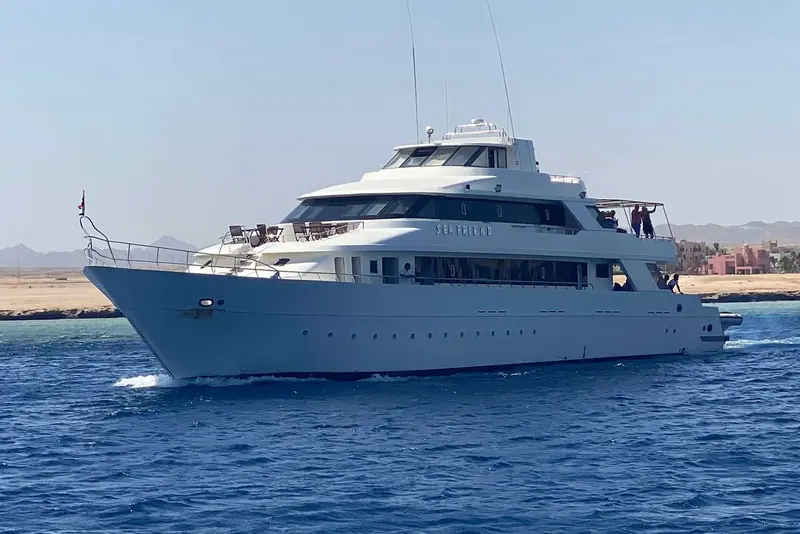
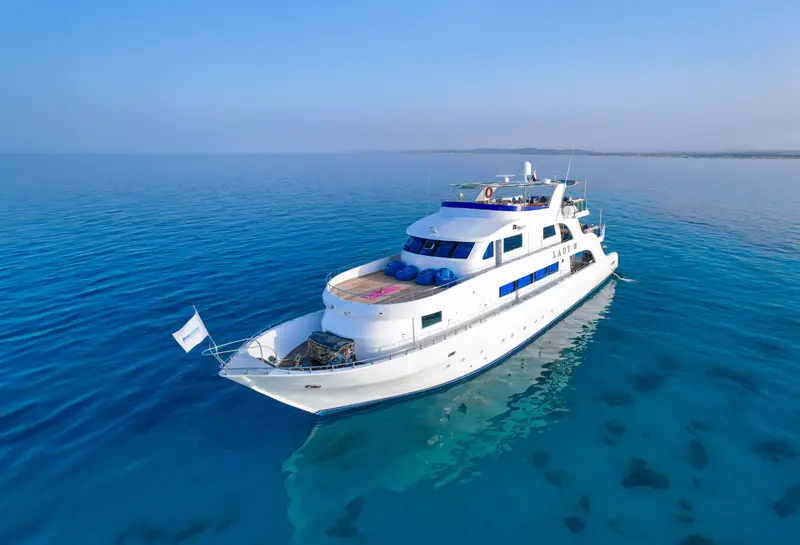
The first impression is practical rather than nostalgic: Red Sea Aggressor V is a modern steel yacht with several decks, a large salon and a dive platform meant to keep equipment moving. Boarding leads quickly to the areas that matter on a diving week—cabins, the briefing space, the tenders and the place where tanks stay ready. The boat is large enough to absorb a full passenger load without making the dive operation feel improvised. Two powered tenders take divers out to sites that are not suited to a simple swim from the hull, then return to collect them after the dive. On the way back, the boat has room to spread out between rotations instead of turning every surface interval into a queue. It feels built around the diving first, with the comfort layered around it.
The atmosphere on board
The atmosphere is shaped by a crew that has to run diving, meals and a moving vessel for a large group at the same time. The crew is local and international, and English is the working language. In practice, the strongest part of the experience is the service around the diving: briefings before entries, help at the tenders and staff support in the water when diving directly from the yacht. Guests describe the food as a particular strength, while the boat and diving both score strongly without suggesting a boutique yacht experience. This is not a tiny liveaboard where everyone disappears into separate corners. The group shares the salon, terrace and dive operation, and the crew's job is to keep those shared spaces functioning through several dives a day. Evenings are for food, video or conversation, with the day's sightings usually providing enough subject matter.
The sites you’ll dive
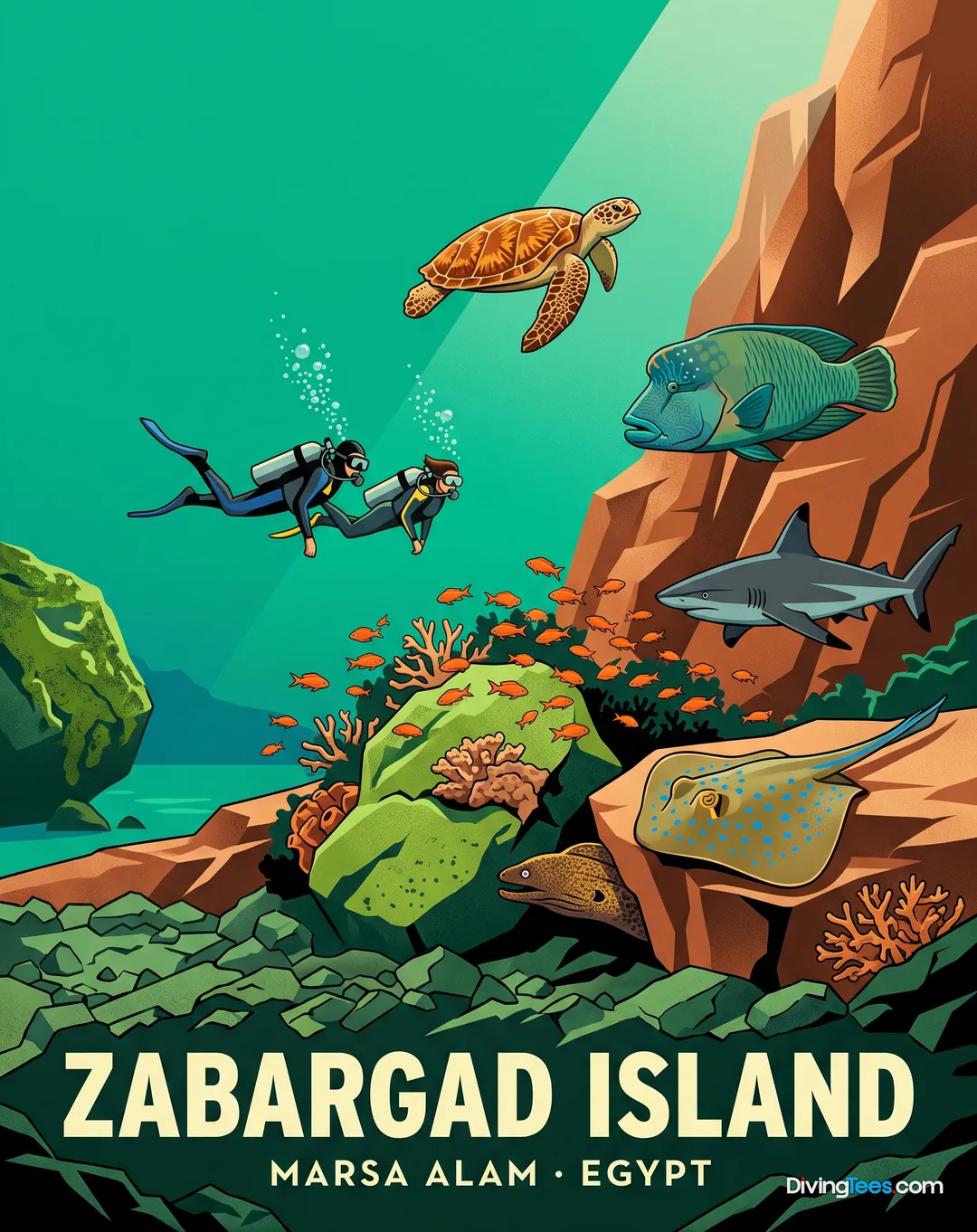
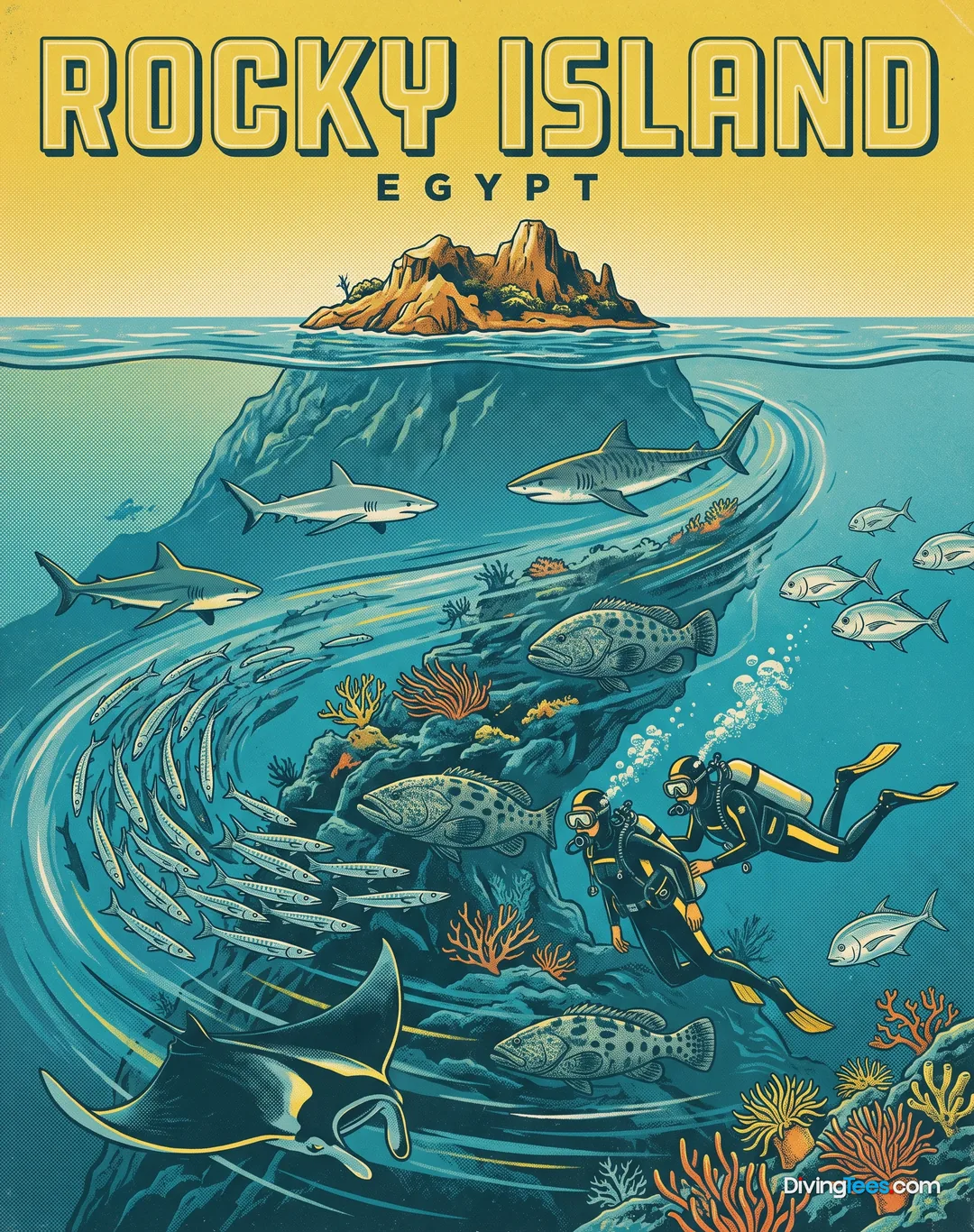
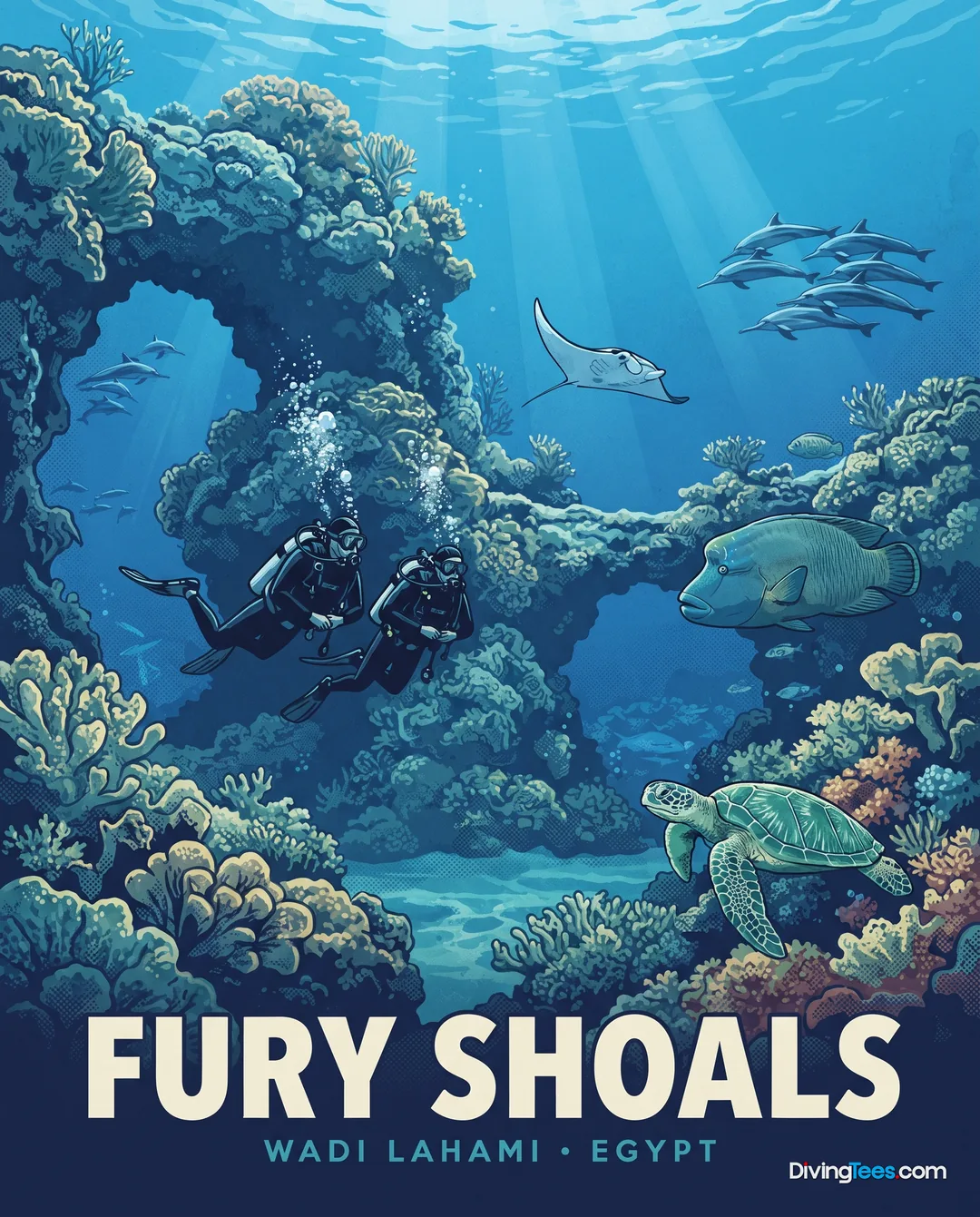
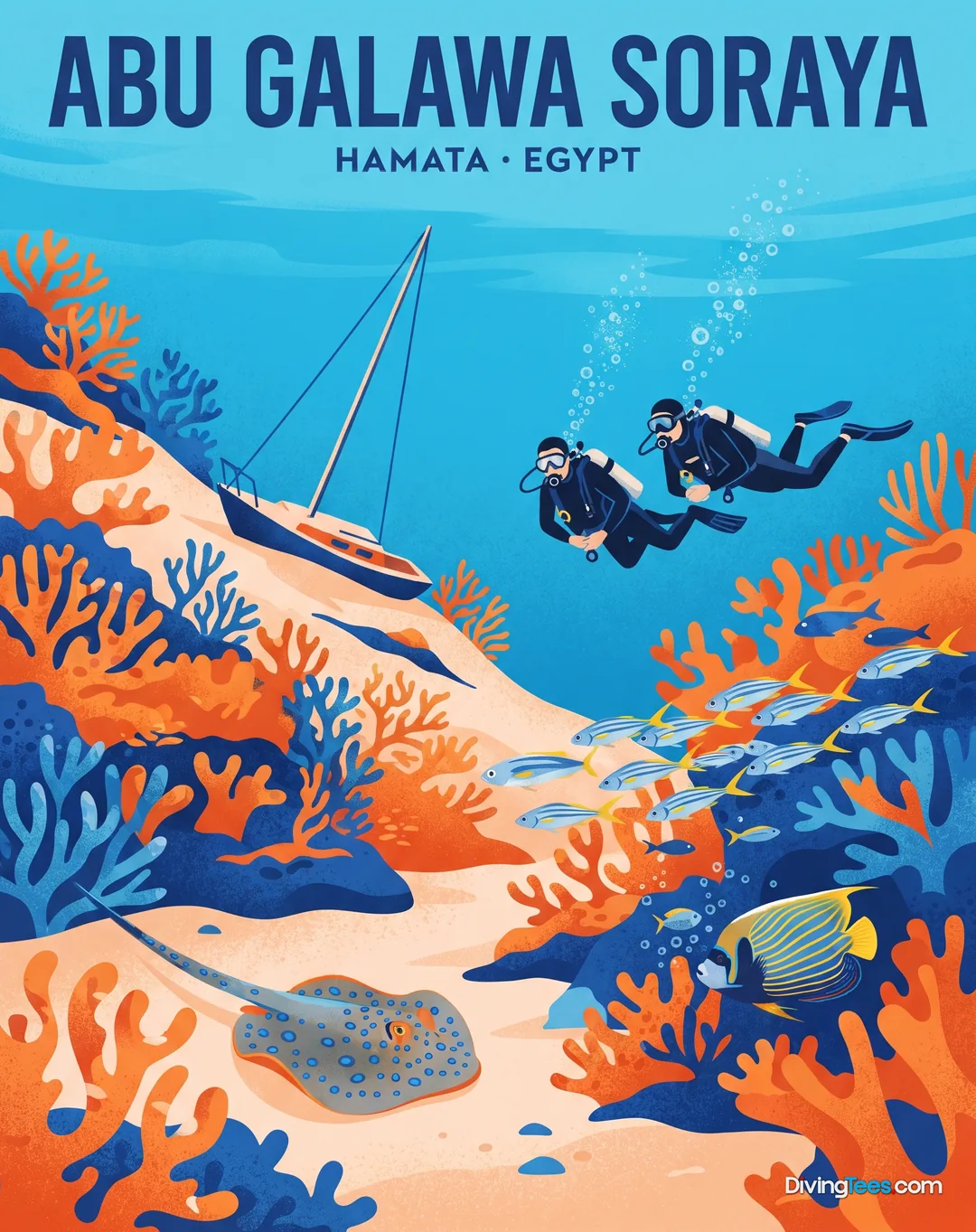
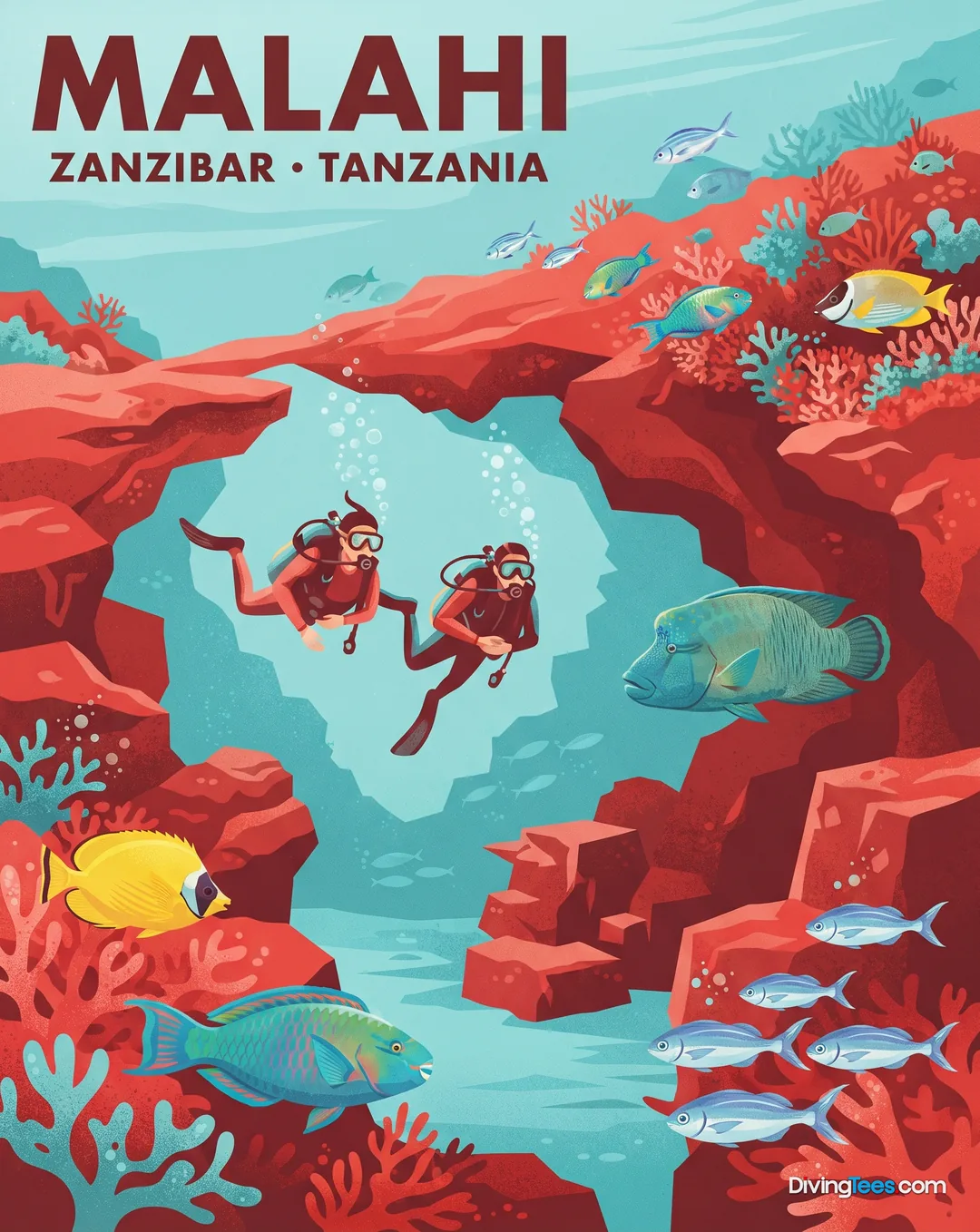
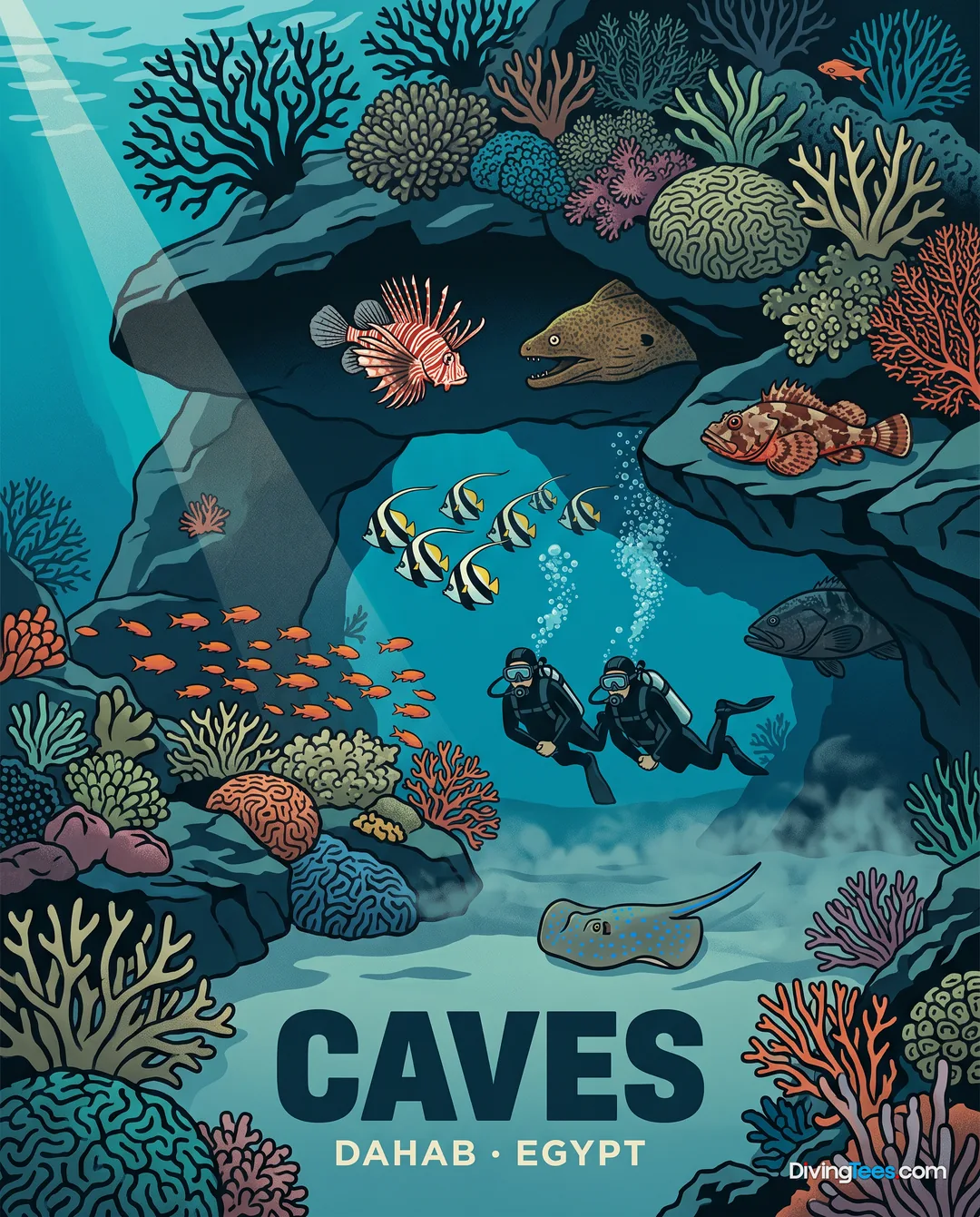
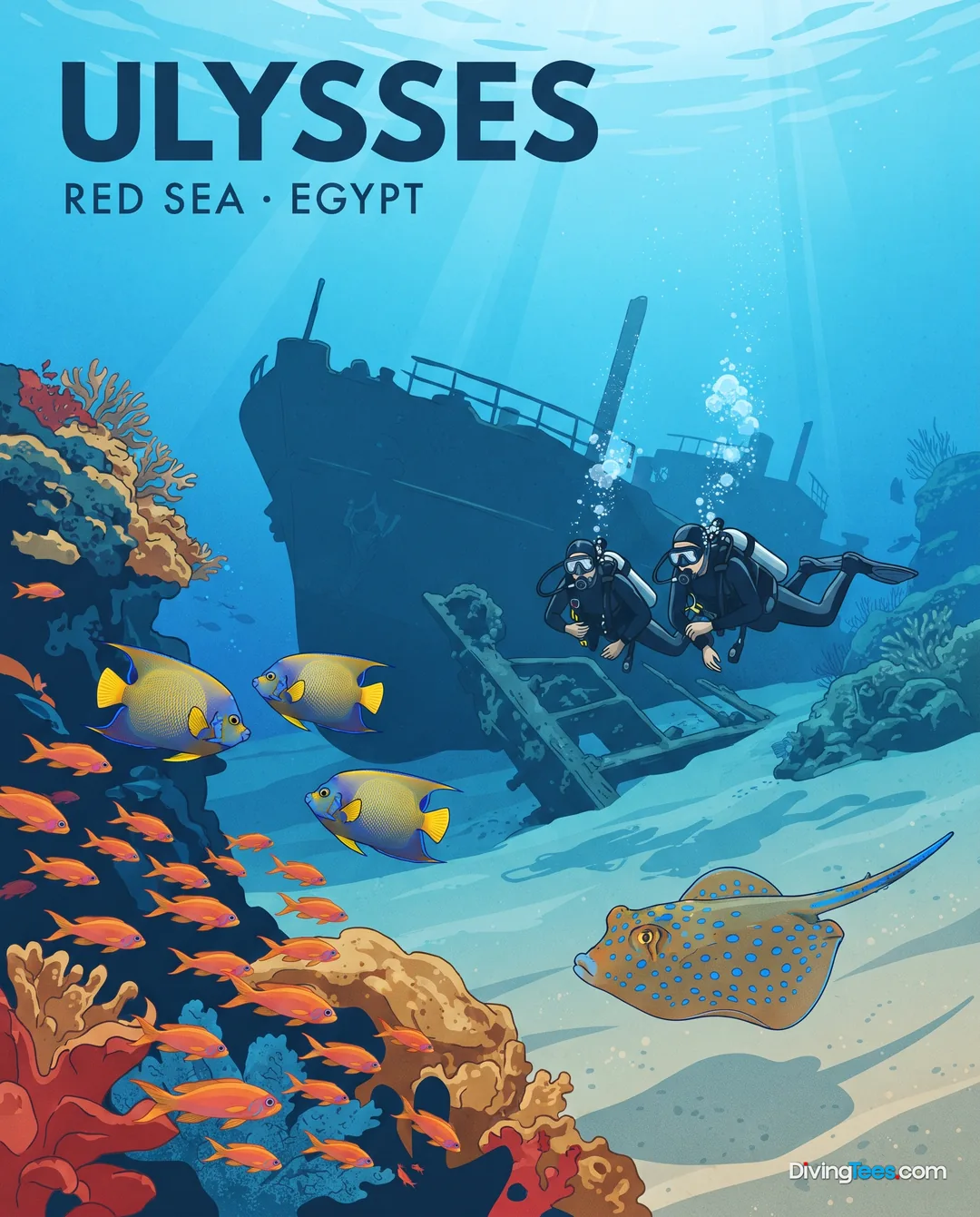
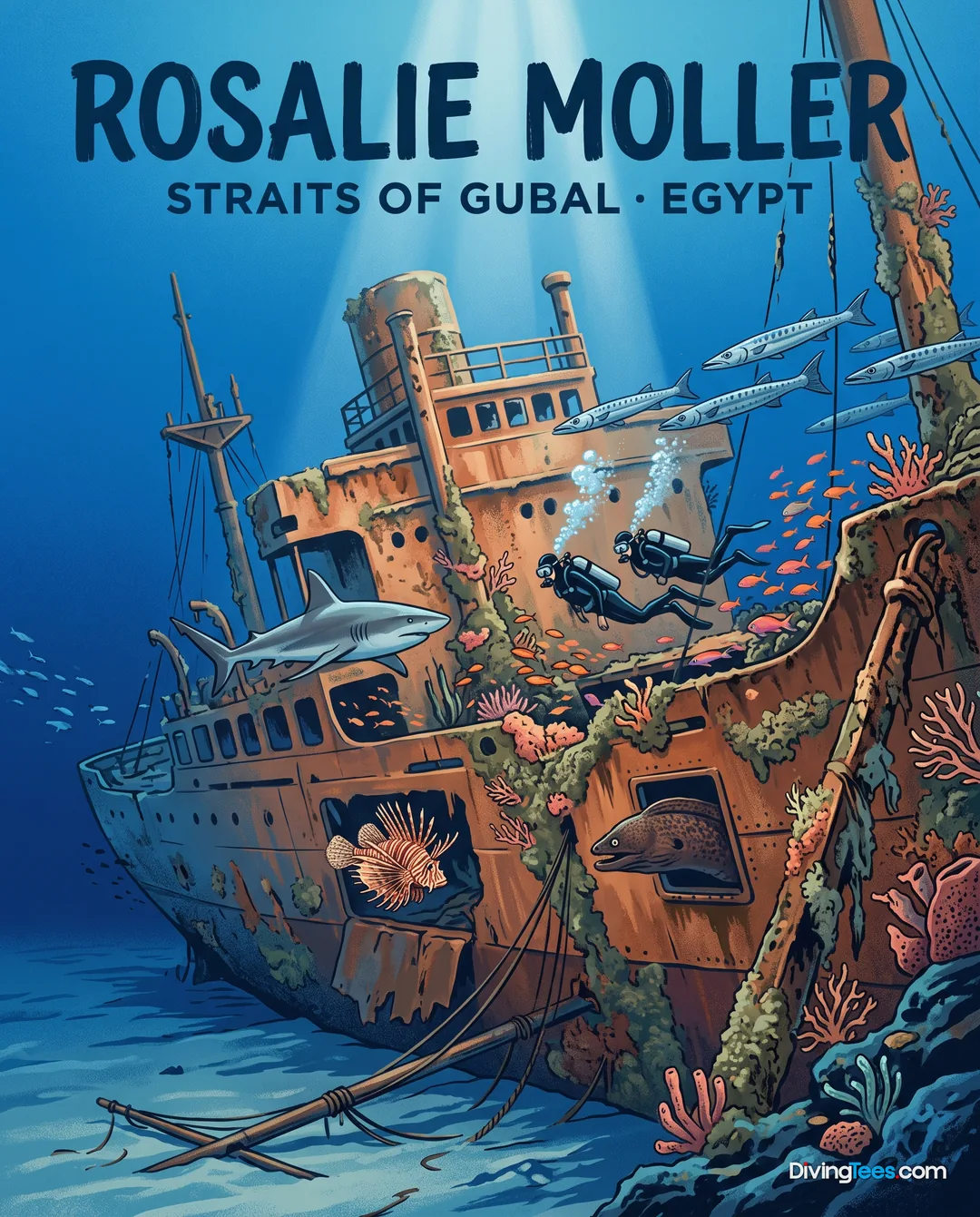
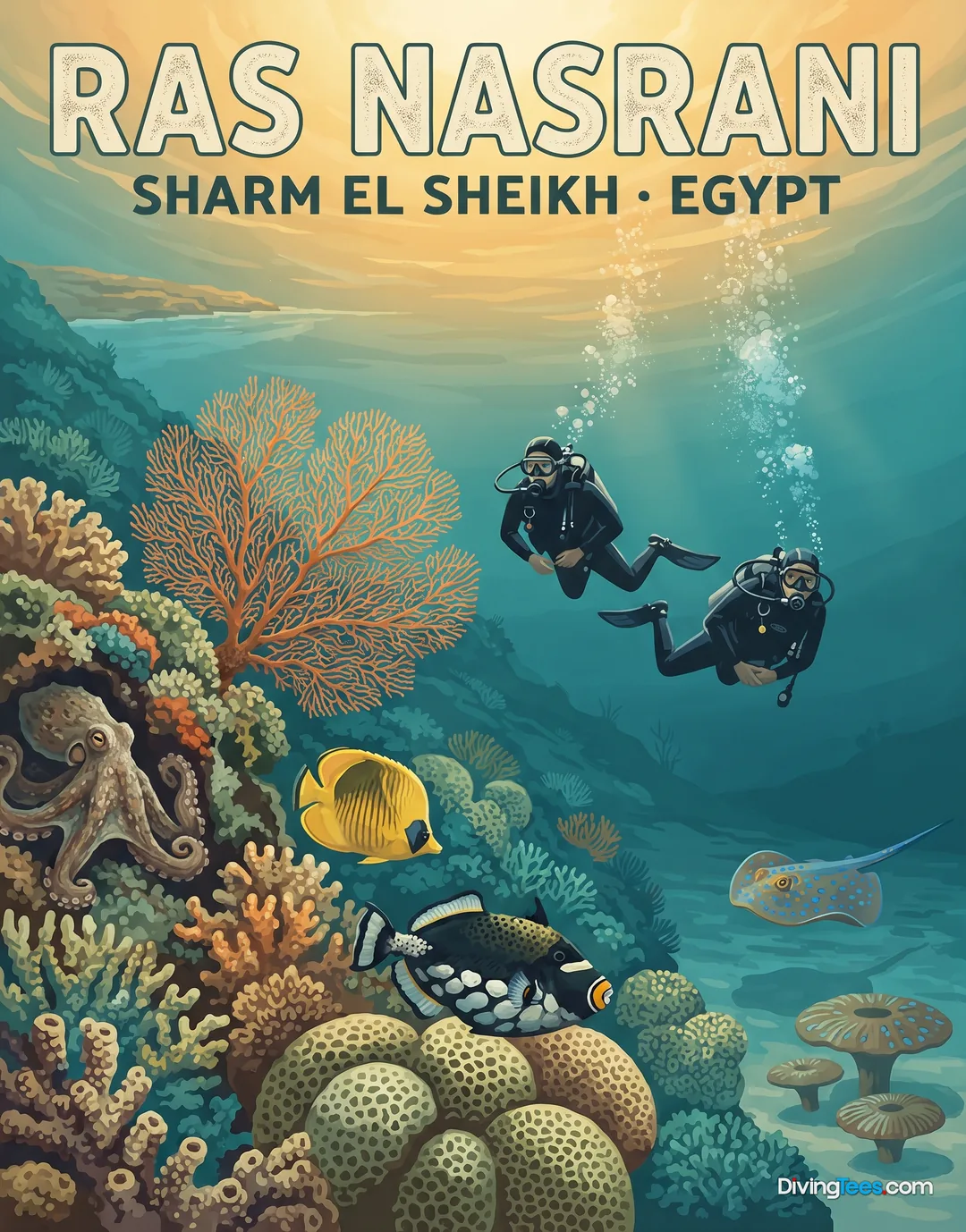
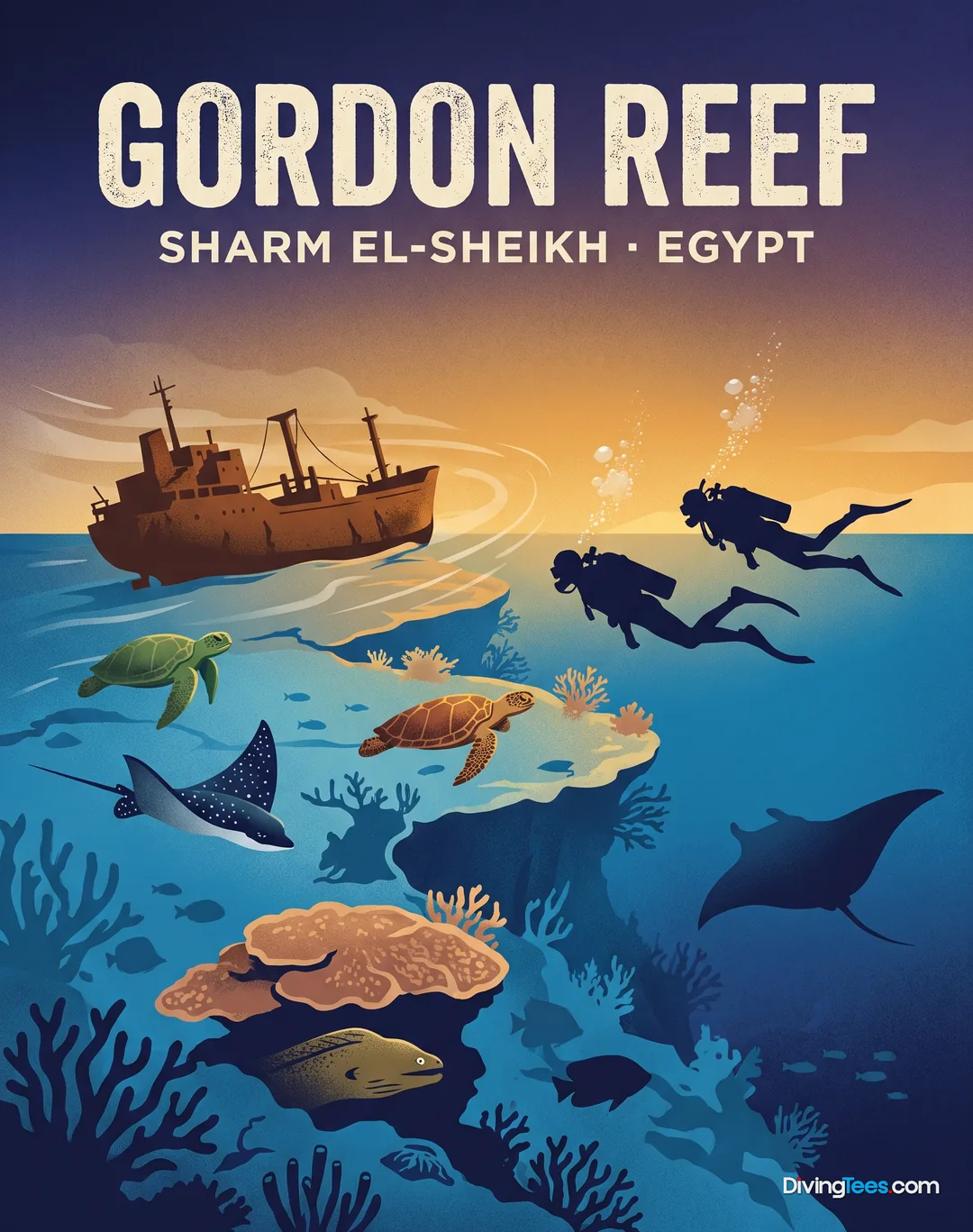
The Deep South program runs from Hamata for 8 days and 7 nights, alternating between Rocky and Zabargad Islands and Elba Reef. Rocky Island is the current-swept choice, with oceanic sharks, barracudas, manta rays and reef life in the water around the island. Fury Shoals brings hard-coral formations, canyons and thriving reef life, with hammerheads, dolphins, turtles and Napoleon wrasse among the possible encounters. At Abu Galawa Soraya, an 18-meter American sailboat wreck rests at 18 metres, surrounded by coral gardens; the site reaches a maximum of -24m. Malahi is a maze of caves, canyons and crevices. The broader Red Sea site list adds the wrecks of Ulysses at 27 metres and the Rosalie Moller between 30 and 50 metres, plus Thistlegorm to -32m. For wall and current diving, Ras Nasrani reaches -60m, while Gordon Reef reaches -30m and includes the Loullia wreck. Exact sites depend on the itinerary and conditions.
Itineraries, dates and prices
Prices per person. Each month shows its lowest price: click a month, or pick an itinerary.
Next departures · 129 departuresfrom £671$897€801
December 2026
February 2027
March 2027
Green dot: a discounted departure that month. Discount calculated by us, against the boat's usual price for a trip of the same length.
See dates and prices
If you click these links and make a purchase on the partner site, DivingDeal may earn a commission, at no extra cost to you.
Dates and prices taken from Divebooker and liveaboard.com, updated 25 October 2026
What you’ll meet underwater
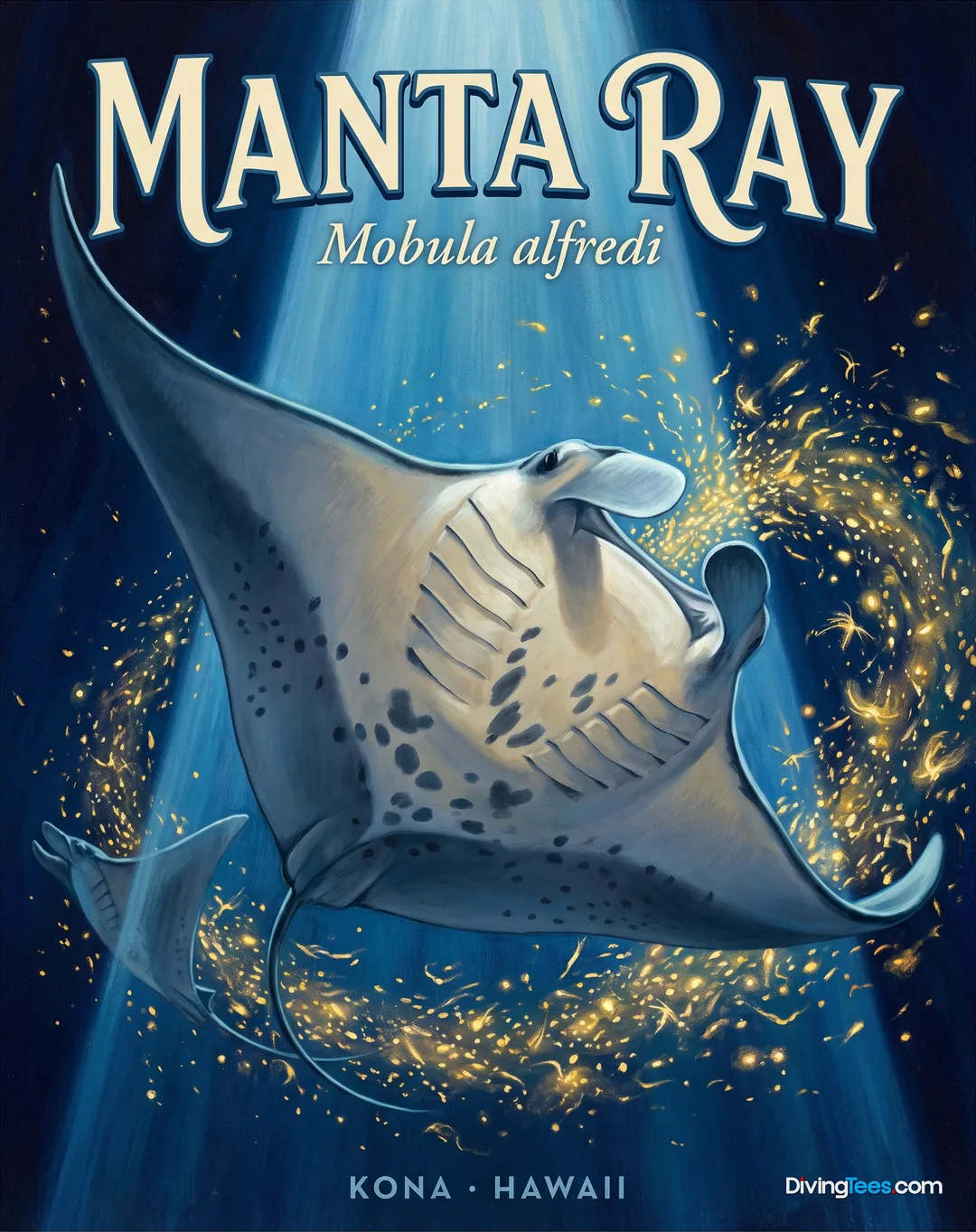
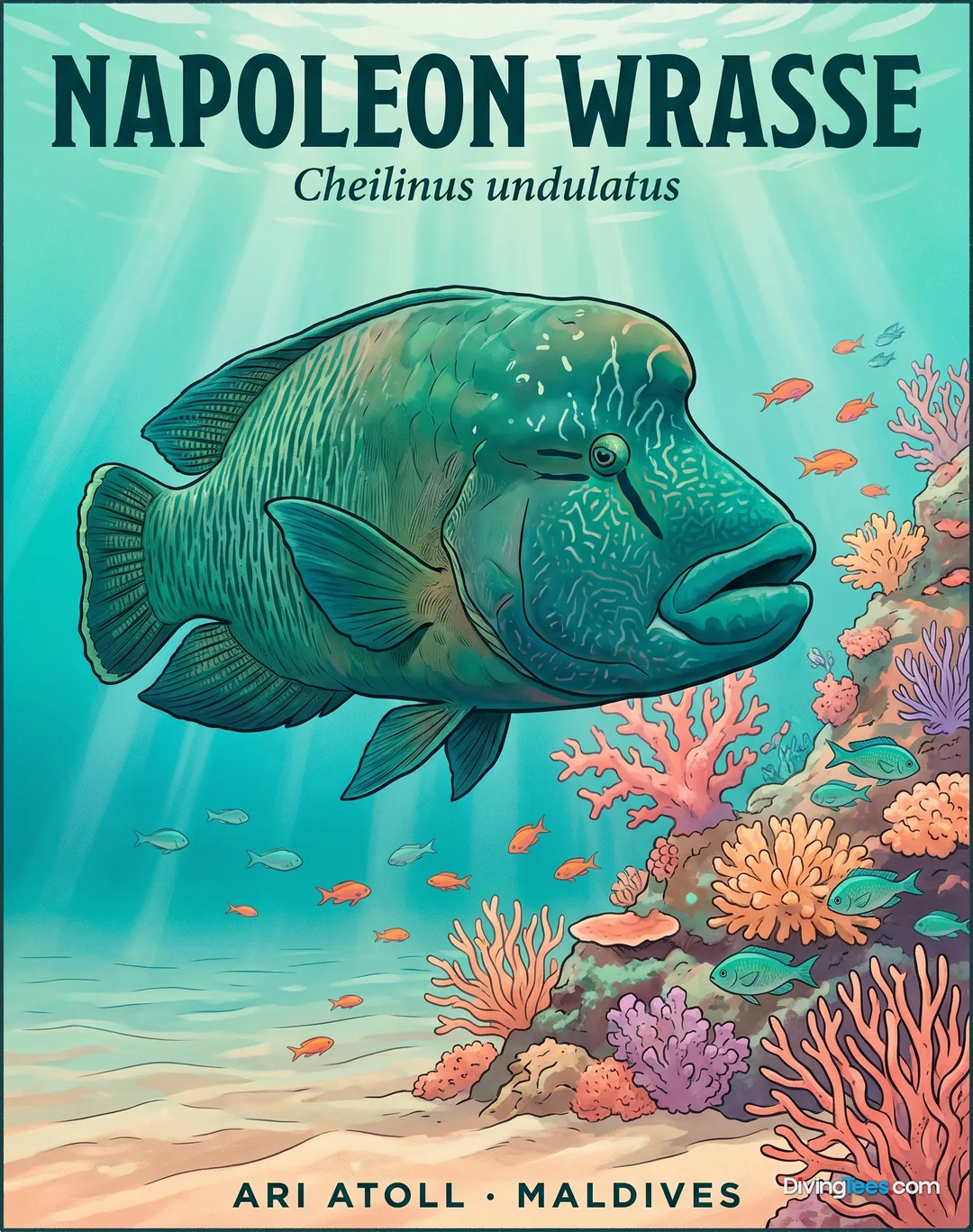
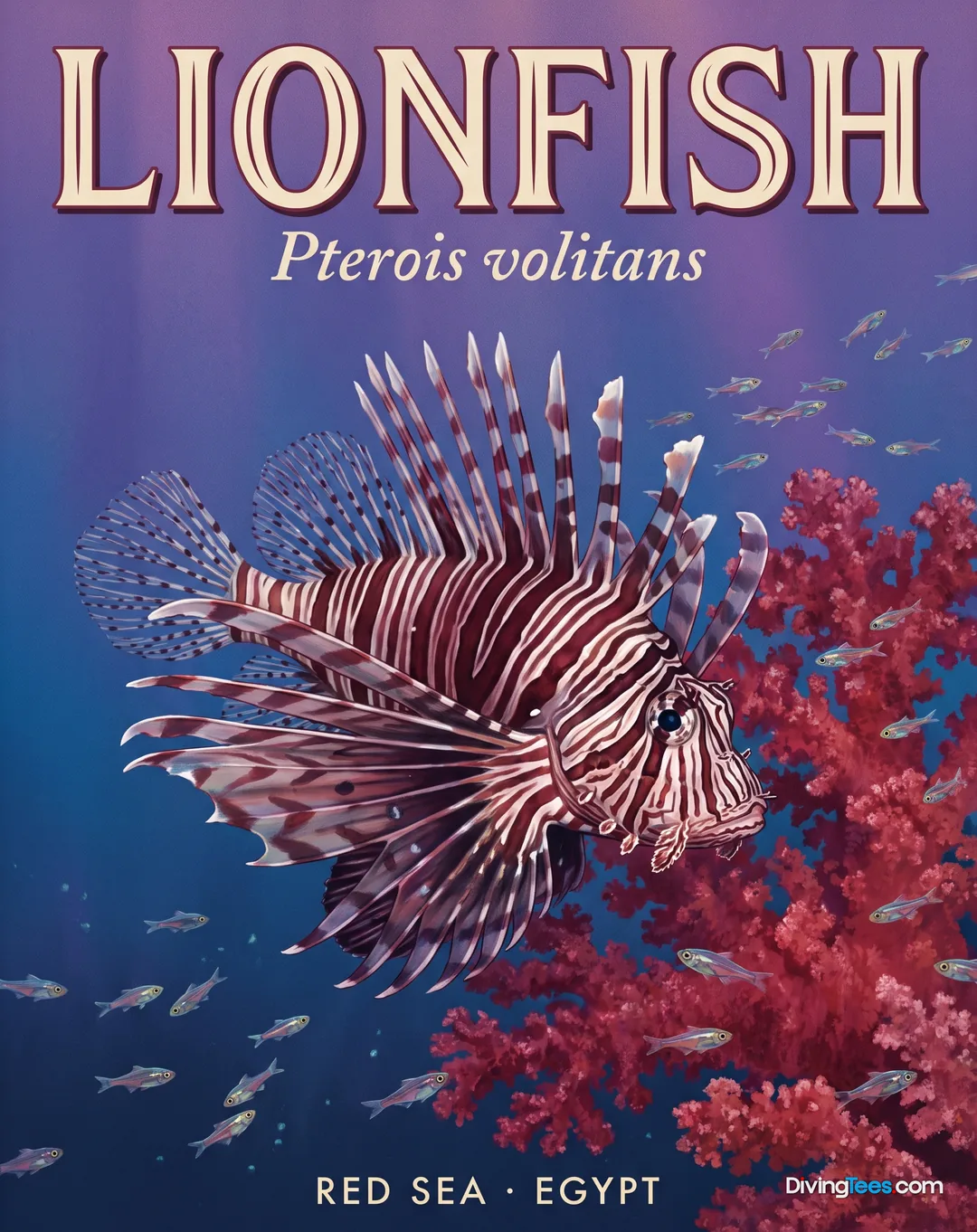
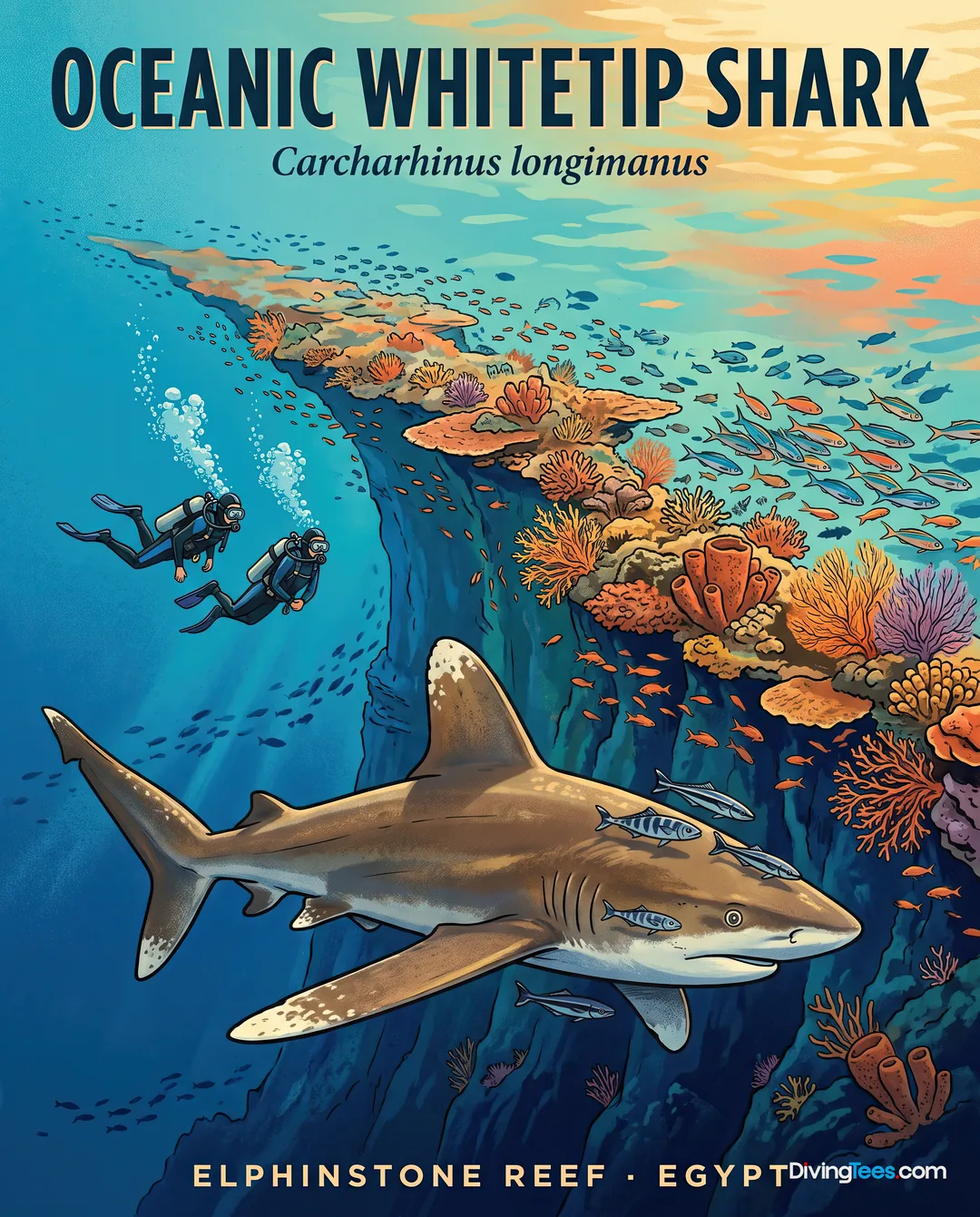
The repeated cast on this route is substantial: groupers, barracudas, Napoleon wrasse, reef sharks, turtles, manta rays, hammerheads, trevallies, lionfish, morays, soft corals, nudibranchs, glassfish and scorpionfish. These are not one-off catalogue entries; several are recorded across much of the site list, so the week keeps changing shape even when the reef structure feels familiar. The reason to visit particular sites is often one extra animal or habitat. Ras Nasrani is the listed site for the oceanic whitetip shark and for gorgonian fans swept by the current. Woodhouse Reef is the place associated with sea turtles and anemones. Gordon Reef is the only listed site for garden eels and stonefish. Fury Shoals adds angelfish and butterflyfish, Abu Galawa Soraya adds sweetlips, Rosalie Moller adds bigeye trevally, and Thistlegorm is where batfish appear in the route records. Strong currents can bring pelagics into view, but no encounter is guaranteed.

Who puts you in the water
Every dive begins with a briefing from the dive staff. The briefing gives the group the site information needed before entry, while the in-water staff member may offer support, photography, videography or help locating a point of interest. That person is not automatically the group's guide: guests are not required to follow the staff member, and the staff member is not a buddy unless the dive is being made only with that diver. On tender dives, staff accompany the tender group and help keep it together in the water. Divers therefore need to manage their own buddy procedures, navigation and ascent, including signaling the tender or yacht after surfacing. Advanced Open Water, Nitrox and other specialty training may be available on board, with options including deep, wreck, navigation, buoyancy, fish identification and underwater photography. The crew speaks English.
The dive deck and the gear
The dive operation is centred on a proper platform and two tenders, each powered by an 85 HP motor. The tenders carry divers out to the site and collect them after surfacing, which is the right arrangement for remote reefs and current work. The boat provides 80 cu ft air tanks with K valves, and Red Sea Aggressor V accommodates both K-valve and DIN regulators. Larger 100 cu ft or 15-litre tanks can be requested as a paid rental, but availability is not guaranteed. Nitrox is available at 32% as an optional extra for certified divers; students can use 32% fills after taking the Nitrox course on board. Rental equipment is available, as are weights and belts, but divers still need their own core kit and computer. Buddy-team diving is required. Rebreathers and underwater scooters are not supported, and sidemount is accepted only in a single-tank configuration.
Between dives
Between dives, Red Sea Aggressor V gives people several ways to come down from the water without leaving the boat. The air-conditioned salon is the retreat when the sun is hard; the terrace and point détente are better for drying gear, talking through a sighting or watching the tenders work around the reef. The jacuzzi is the obvious end-of-day draw, while outdoor showers make a quick rinse easy after climbing back aboard. Audio and video entertainment, cabin TVs and a bar fill the quieter gaps, but none of them need to dominate the trip. The useful pattern is simple: return from a tender dive, rinse, eat, rest, then prepare again. When the boat is underway between remote sites, the deck becomes the place to watch the Red Sea pass rather than another room to occupy.
A day on board
A day begins with the first briefing, then the boat puts divers into the water through the platform or one of the tenders. Breakfast follows the opening dive, and lunch and snacks keep appearing around the next rotations rather than forcing the whole group into one long break. Depending on the itinerary and conditions, the schedule allows 3 to 5 dives in a day. Between entries, tanks are checked, cameras are rinsed, wet gear goes under the outdoor showers and divers choose between the air-conditioned salon, terrace and jacuzzi. The boat may get underway while the group is eating or resting, moving between remote reefs instead of wasting the day on a shore transfer. A later dive gives the day its second wind; after the final return, dinner replaces the briefing room as the meeting point. Then the equipment is left ready for the next cycle.
What you eat aboard
Food is one of the boat's strongest points. Meals are served as a full-board buffet with local cooking, à la carte dinners, vegetarian options and a more elaborate approach than simple expedition catering. Non-alcoholic drinks, water, tea, coffee and snacks are included; beer and wine are available, and alcoholic drinks are included as well. The useful part of this arrangement is not variety for its own sake. Four dives can leave a diver hungry at odd hours, so a buffet lets people eat what they need without waiting for a formal restaurant service. A local dish can sit beside familiar food, while dinner can slow things down after the final equipment rinse. The galley has to feed divers repeatedly, not impress them once, and the near-top food score reflects that it manages the job well.
Nights at sea
The cabins are on the main and upper decks, so the choice is between Master Stateroom and Deluxe Stateroom rather than a maze of room types. Both have air conditioning, private bathrooms and portholes, which give the nights a contained, shipboard feel rather than the broad view of a hotel room. After a day of repetitive dives, that distinction matters: the cabin is a place to shut the door, dry out and sleep without sharing a bathroom. The salon is air-conditioned for the hottest part of the day, while the terrace and outdoor showers take the edge off a wet return from the water. A TV, safe and hair dryer are provided in the cabins, but the real luxury is having a private bathroom after the last dive. The Master Staterooms suit divers wanting more space; the Deluxe Staterooms keep the arrangement straightforward.
Master Stateroom
Deluxe Stateroom
What to know before boarding
Red Sea Aggressor V departs from and returns to Port Hamata, Egypt. An optional airport transfer is available from the airport and is not included by default. Transfer arrangements are communicated with the trip details. Arriving in Egypt the night before departure is advised.
Deck plan
- Length
- 39.9 m
- Beam
- 30 m
- Maximum number of passengers
- 26
- Number of cabins
- 13
- Number of bathrooms
- 13
- Cruising speed
- 10-12 knots
- Tenders
- 2 × 85 hp engines
- Website
- aggressor.com ↗
Hello, I'm Marina, DivingDeal.com's AI assistant. I answer in detail about hotels, dive centres and liveaboards.
Thinking about the whole trip and the flights? Talk it over with Edith →
Marina is an AI. Some links are affiliate links: DivingDeal may earn a commission, at no extra cost to you. Bookings are made with the partner.