Liveaboards · Egypt
Serenity — a Red Sea liveaboard built around serious diving and a capable crew
What makes this boat unique
- Serenity was built in 2000 and renovated in 2023, with 10 air-conditioned ensuite cabins across the lower, main and upper decks.
- Two fast tenders carry divers to and from the reefs, leaving the main boat available as a proper base between dives.
- The dive setup includes 12-litre and 15-litre aluminium DIN tanks, two Coltri compressors, one Bauer compressor and nitrox.
- Routes run from Hurghada and return there, covering Safaga, Hurghada, the Brothers, Daedalus, Elphinstone, Ras Mohamed, Tiran and Dahab.
- The crew speaks English, German and French; passengers rate the crew, food and diving more highly than the boat itself.
The invitation
Serenity is for divers who choose the Red Sea for the water first and want a boat that makes ambitious routes practical. The useful detail is not a polished lounge but the two fast tenders: they take the groups out to the reef and collect them again, while the liveaboard remains a stable base with shaded dive space, hot showers and somewhere to leave cameras charging. The route list reaches from Safaga and Hurghada to the Brothers, Daedalus, Elphinstone and the northern reefs around Dahab. That gives the trip a clear purpose: walls, current and pelagics rather than a week spent circling the same easy reef. Serenity is not sold on the highest boat score. Its stronger points are the crew, the food and the diving, which is exactly where this trip earns its place.
Boarding
Serenity makes the impression of a working dive boat rather than a floating boutique hotel. The 2023 renovation matters here: it gives a vessel built in 2000 a more current interior and a cleaner base for a week of repeated diving. Movement is straightforward, with the cabins on the upper, main and lower decks, a large indoor saloon and dining area, and open decks above for air and light. The upper deck provides the better connection to the sea; the lower cabins trade that position for a quieter, more contained place to sleep. The engine room and machinery are part of the boat's working character, not a feature to hide behind decoration. On deck, the arrangement is practical: two tenders handle the transfers to the sites, leaving the main boat free for kitting up, eating and recovering between dives.
The atmosphere on board
The crew is the part of Serenity that passengers remember most clearly. The captain brings 20 years of Red Sea experience, four skippers handle the fast boats and moorings, an onboard mechanic looks after the working side of the vessel, and the chef has spent two decades cooking in different cuisines. That division of labour shows in a dive week: the tenders are not an afterthought, food is taken seriously, and the boat has people assigned to the jobs that keep repeated launches and recoveries moving. Passenger feedback consistently describes the crew as professional and the boat as comfortable, while the criterion scores put the crew at 9.4 and the boat at 8.7. That is a useful distinction. Serenity may not be the newest-feeling hull in every detail, but the people running it add real value from the first transfer to the last meal.
The sites you’ll dive
The eight-day, seven-night cruises depart from Hurghada and return there, with the route changing by departure: Safaga and Hurghada, Brothers–Daedalus–Elphinstone, North–Ras Mohamed–Tiran–Dahab, North and Wrecks, or North and Brothers. The southern triangle is the headline: Elphinstone drops to -60m on exposed walls where oceanic whitetips, hammerheads, grey and silky sharks, mantas and whale sharks may pass; the Brothers reach -85m with isolated oceanic reefs, walls, currents and pelagic potential. In Safaga and Soma Bay, Abu Kafan combines towering walls with swift current, Fanadir North reaches -30m on a vegetated wall, and Gotha Abu Nugar North stays shallow at -9m among coral gardens. Shaab Claude reaches -22m through passages and Porites formations; Shaab Ruhr Umm Gamar reaches -40m, with pinnacles and at least three wreck remains. In Hurghada, El Fanadir reaches -40m and has a cleaning station, while Shaab Sabina is a -14m labyrinthine coral garden. The northern route brings Dahab's Ras Abu Galum to -80m, the Blue Hole to -130m, Napoleon Reef to -30m and The Islands to -18m.
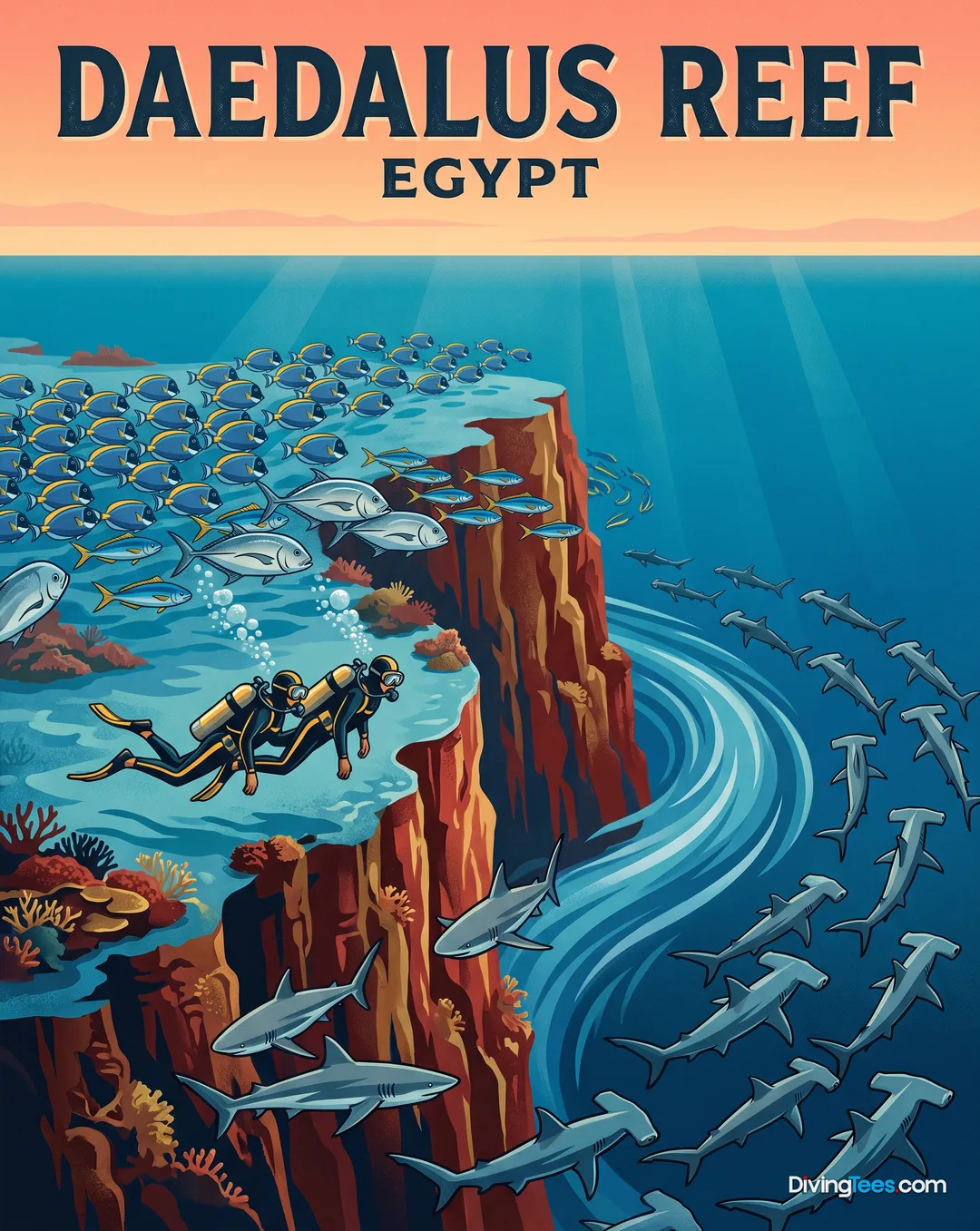
Daedalus →
Max. depth · 40 m
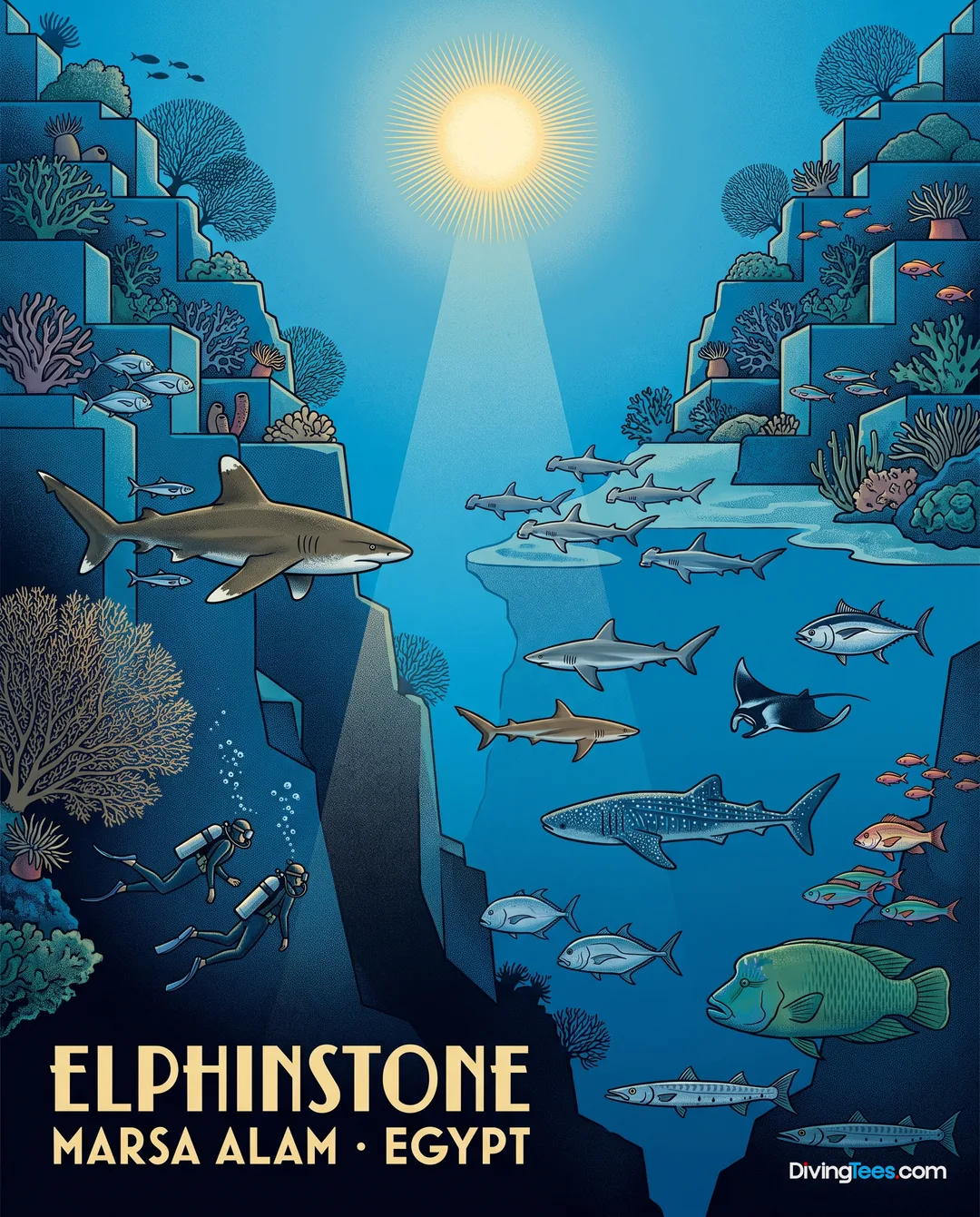
Elphinstone →
Max. depth · 60 m
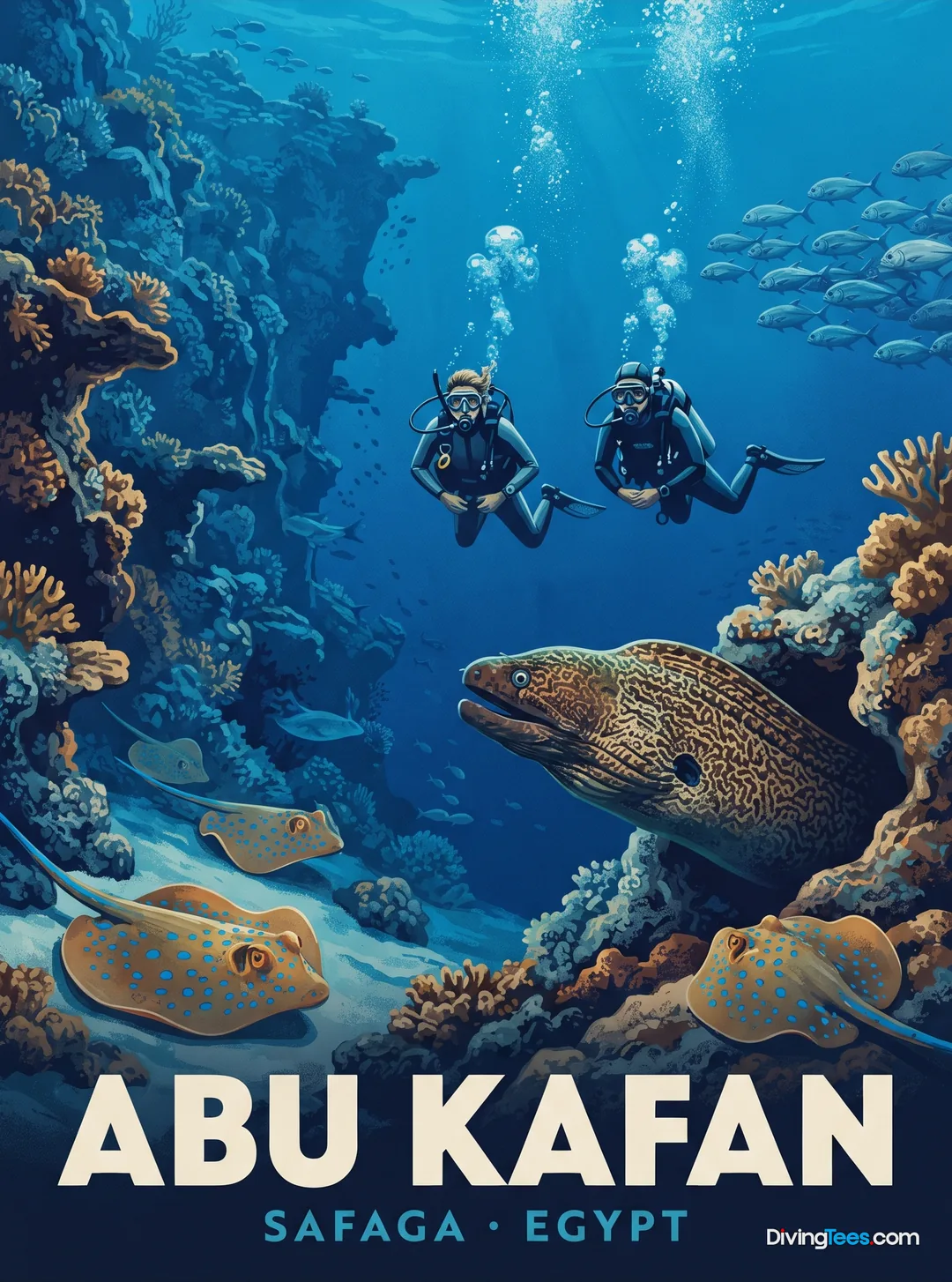
Abu Kafan →
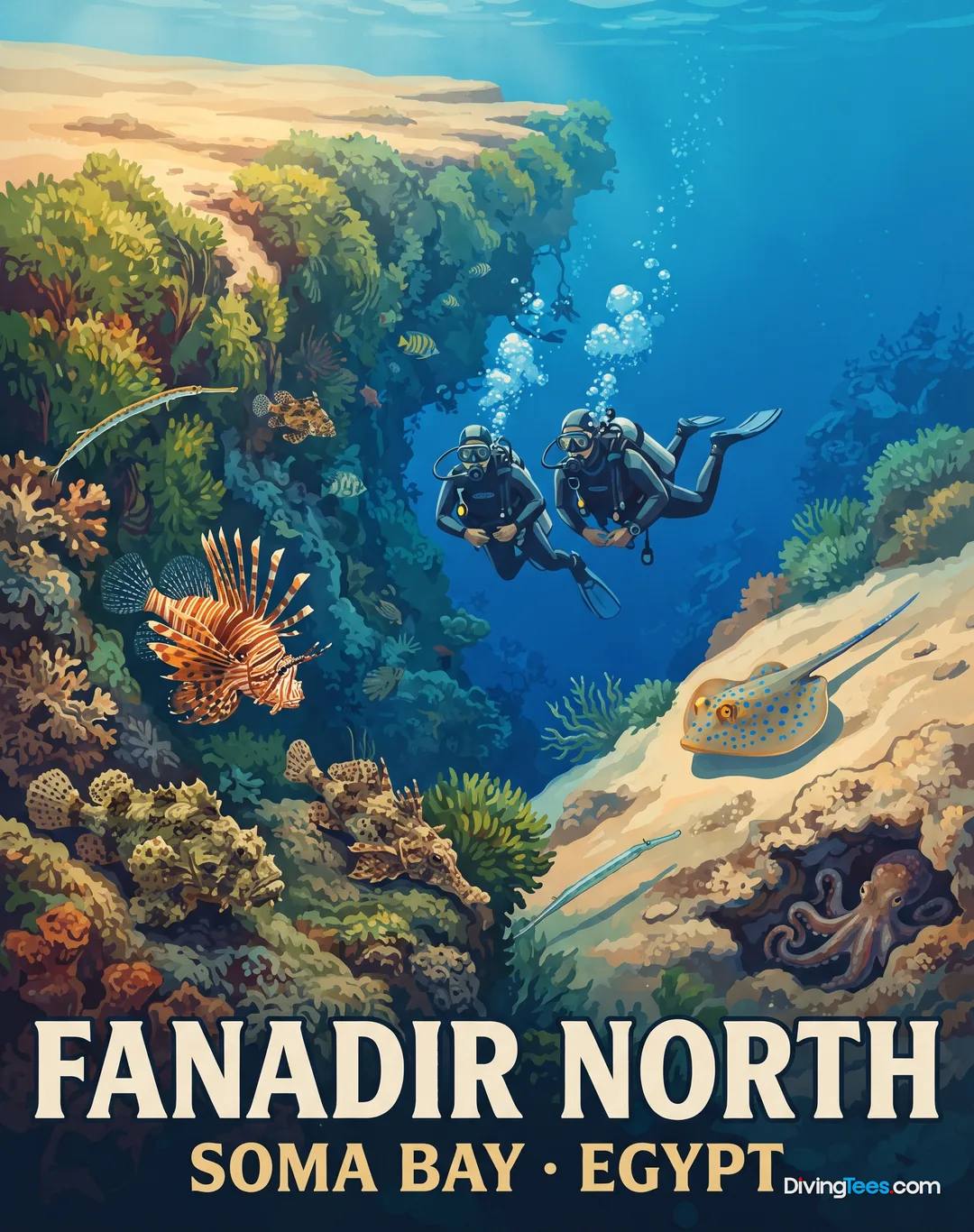
Fanadir North →
Max. depth · 30 m
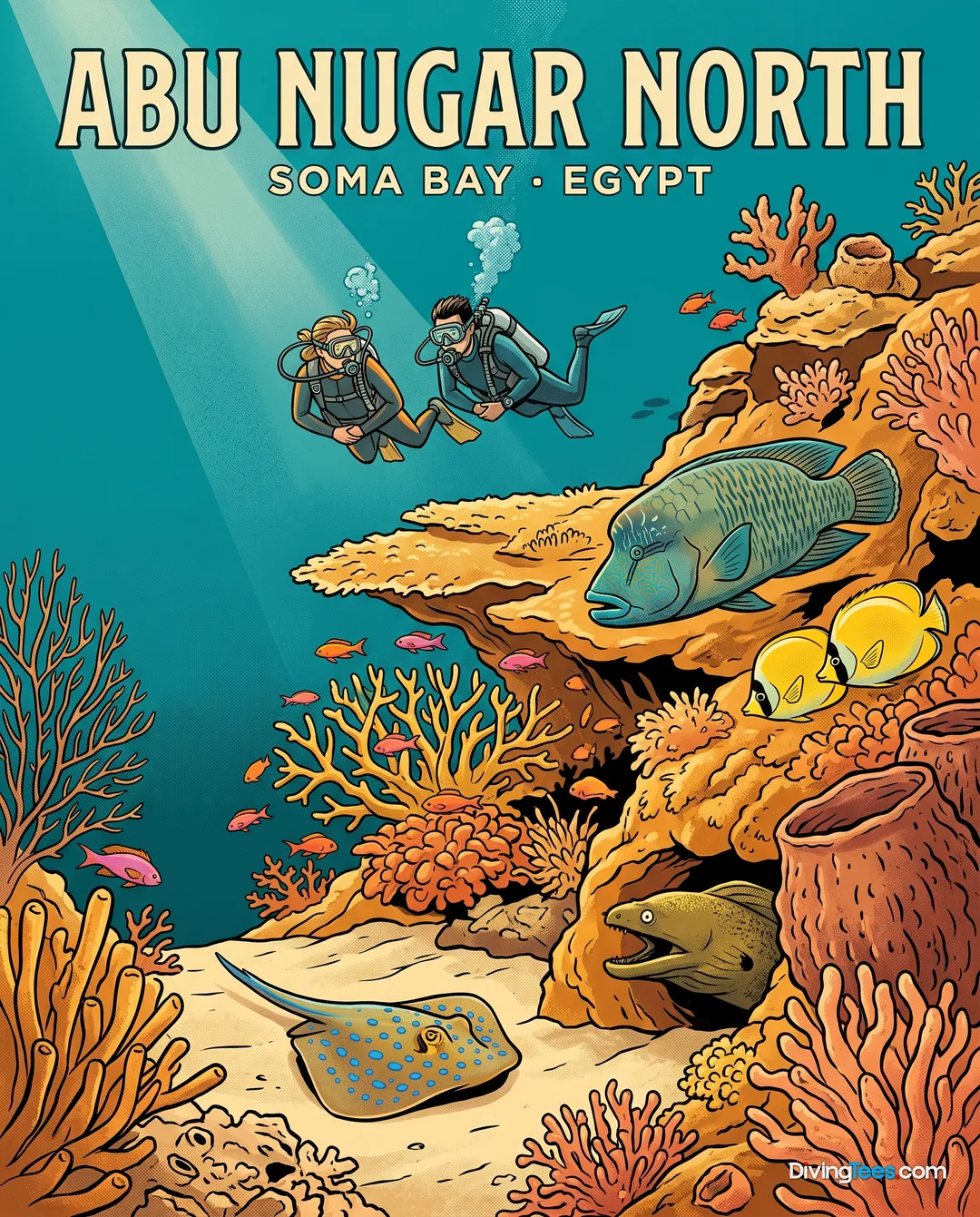
Gotha Abu Nugar North →
Max. depth · 9 m
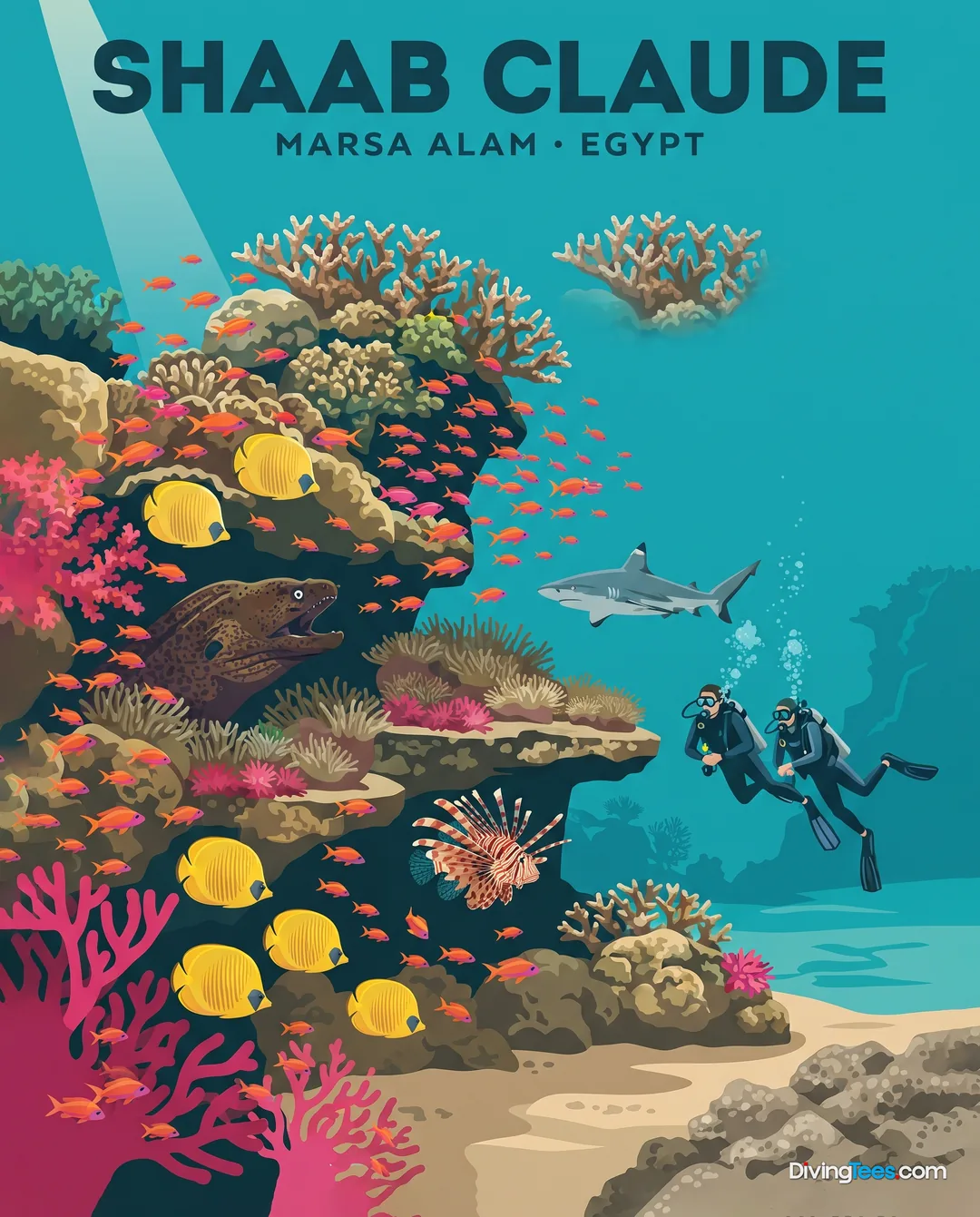
Shaab Claude →
Max. depth · 22 m
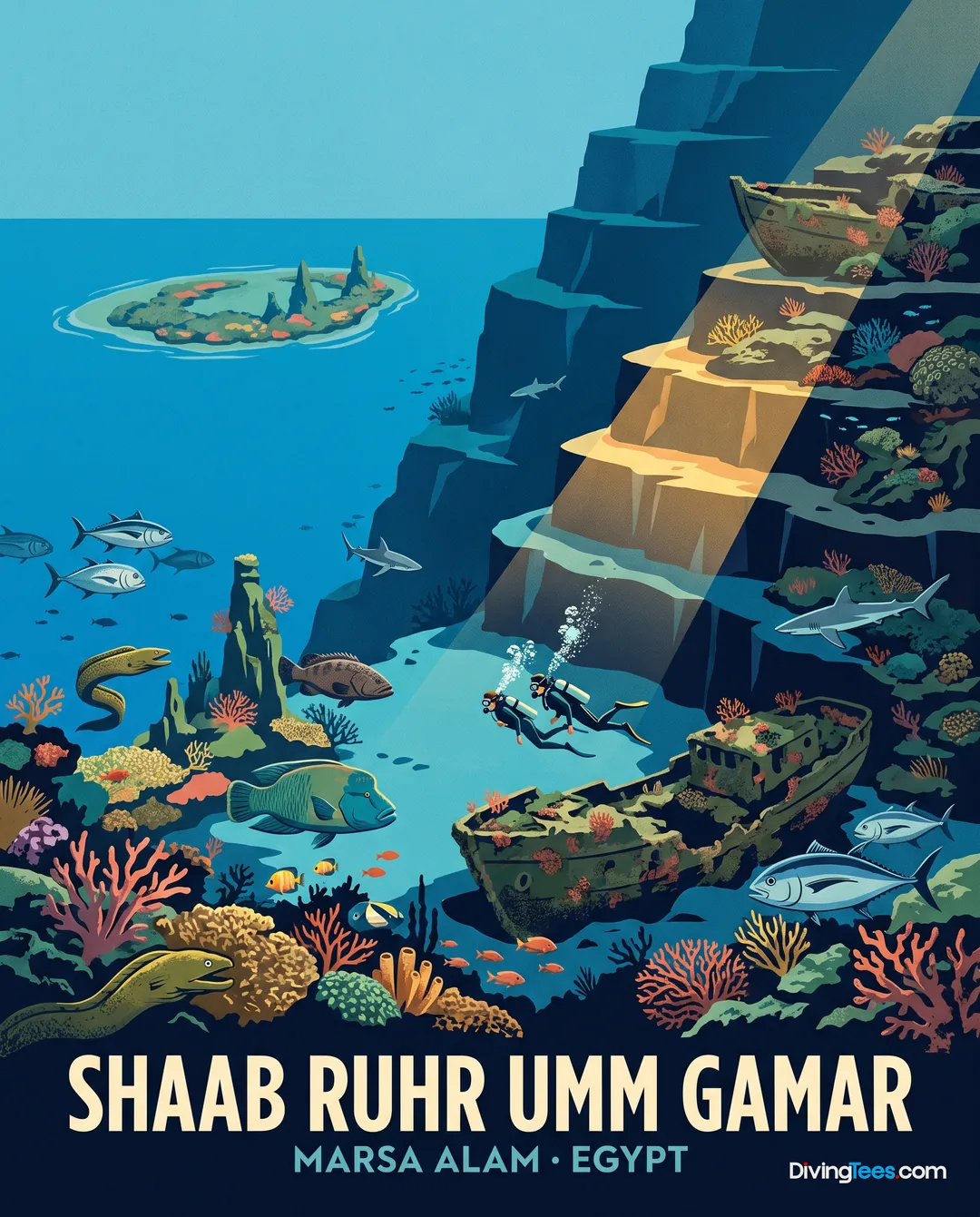
Shaab Ruhr Umm Gamar →
Max. depth · 40 m
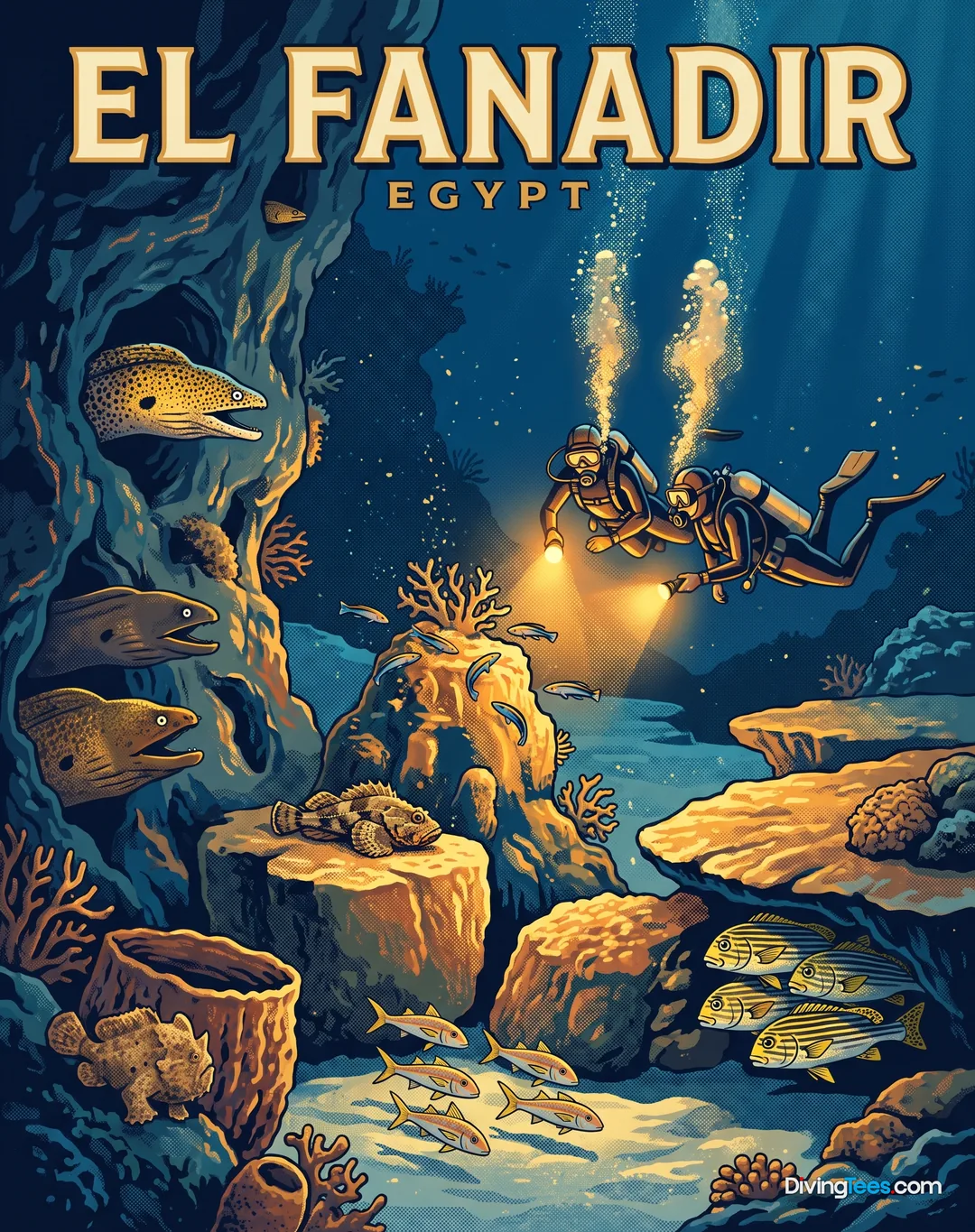
El Fanadir →
Max. depth · 40 m
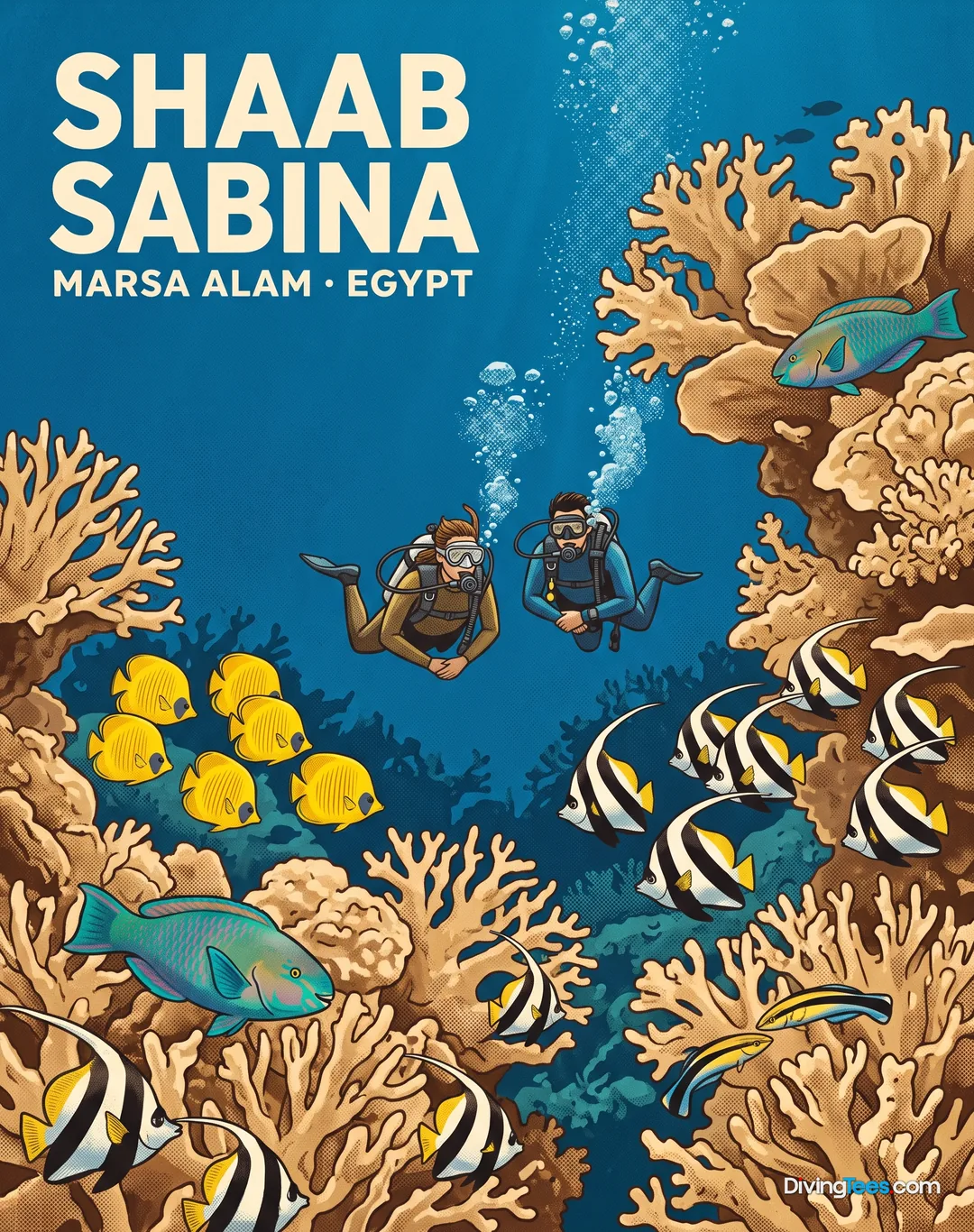
Shaab Sabina →
Max. depth · 14 m
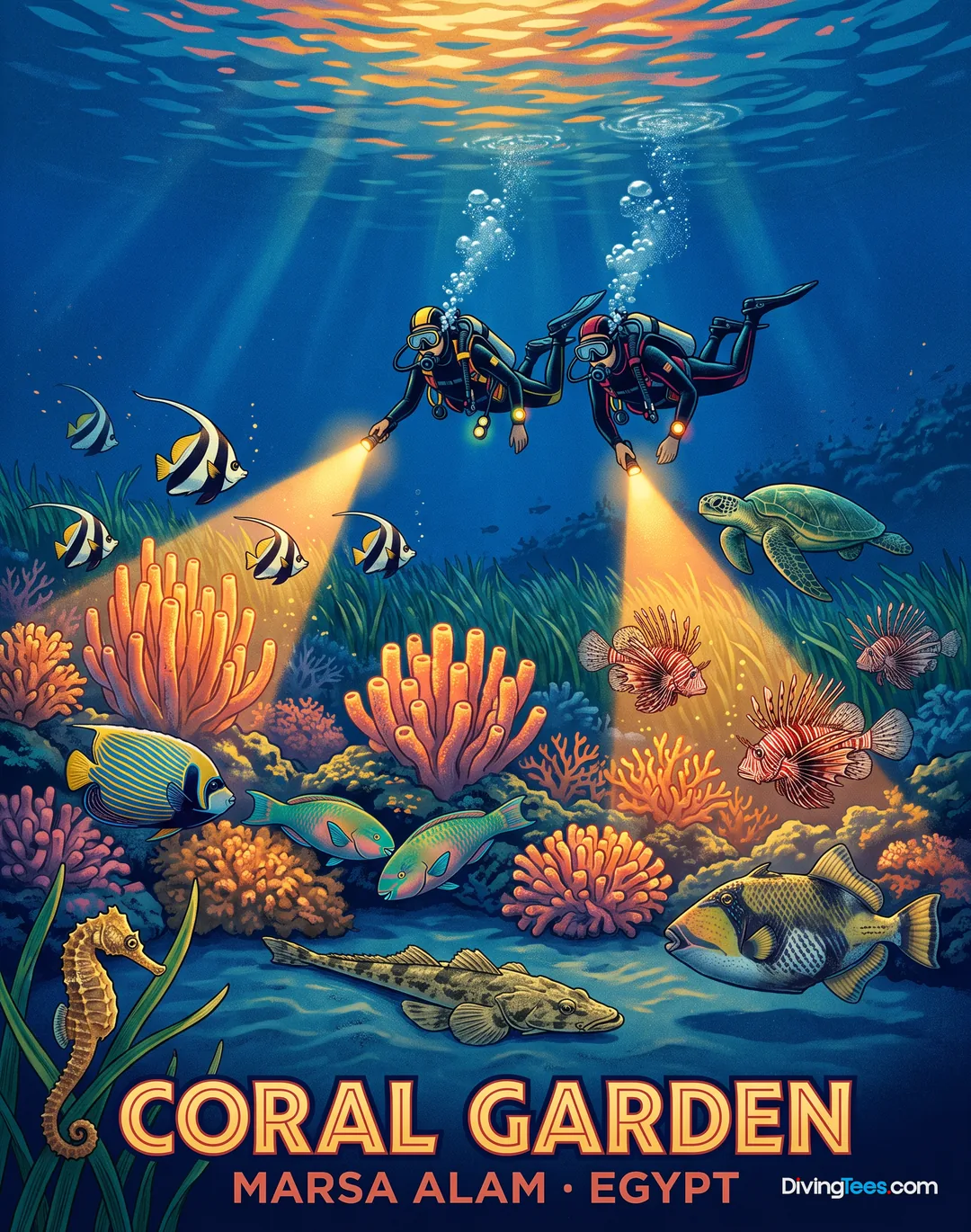
Coral Garden →
Max. depth · 20 m
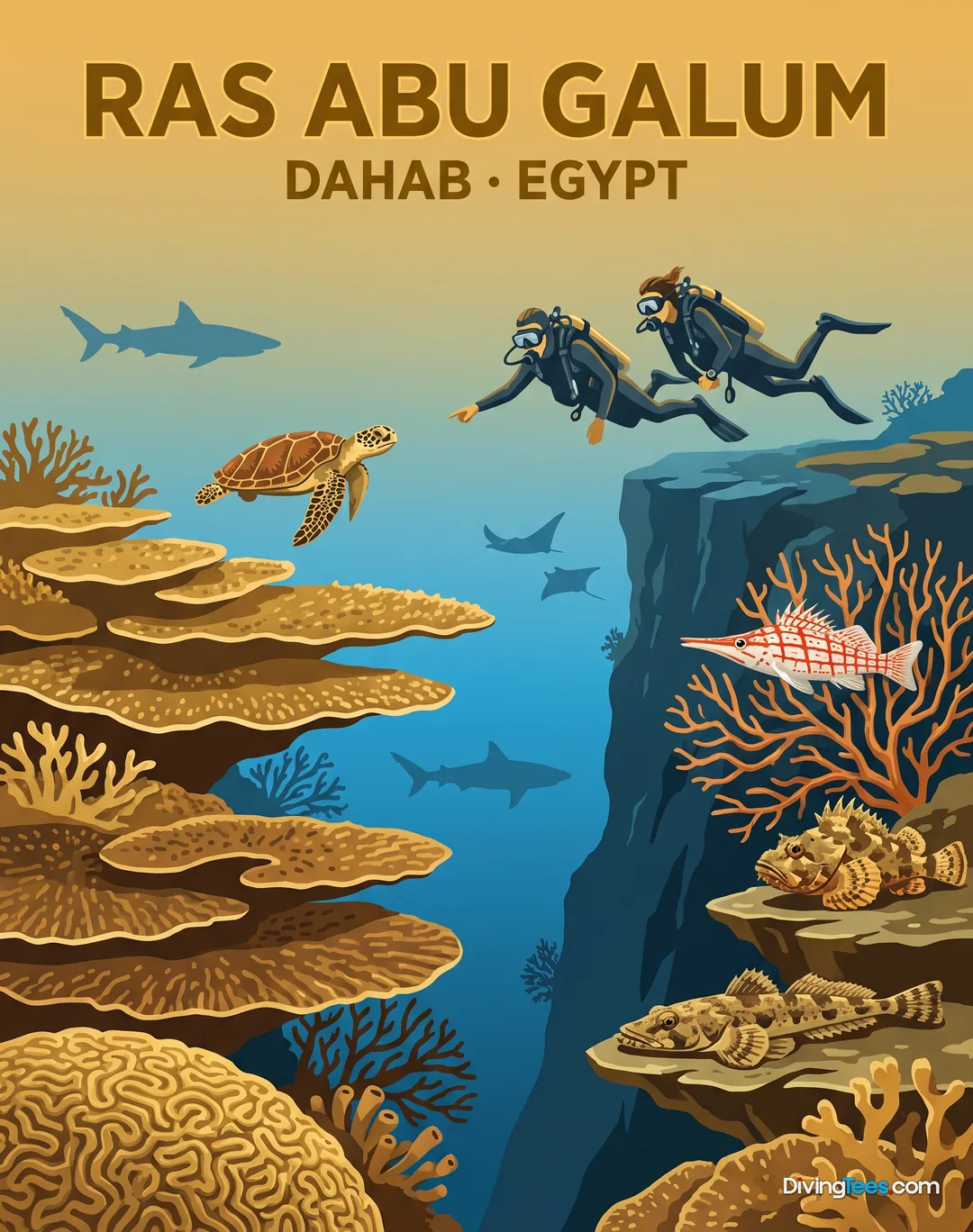
Ras Abu Galum →
Max. depth · 80 m
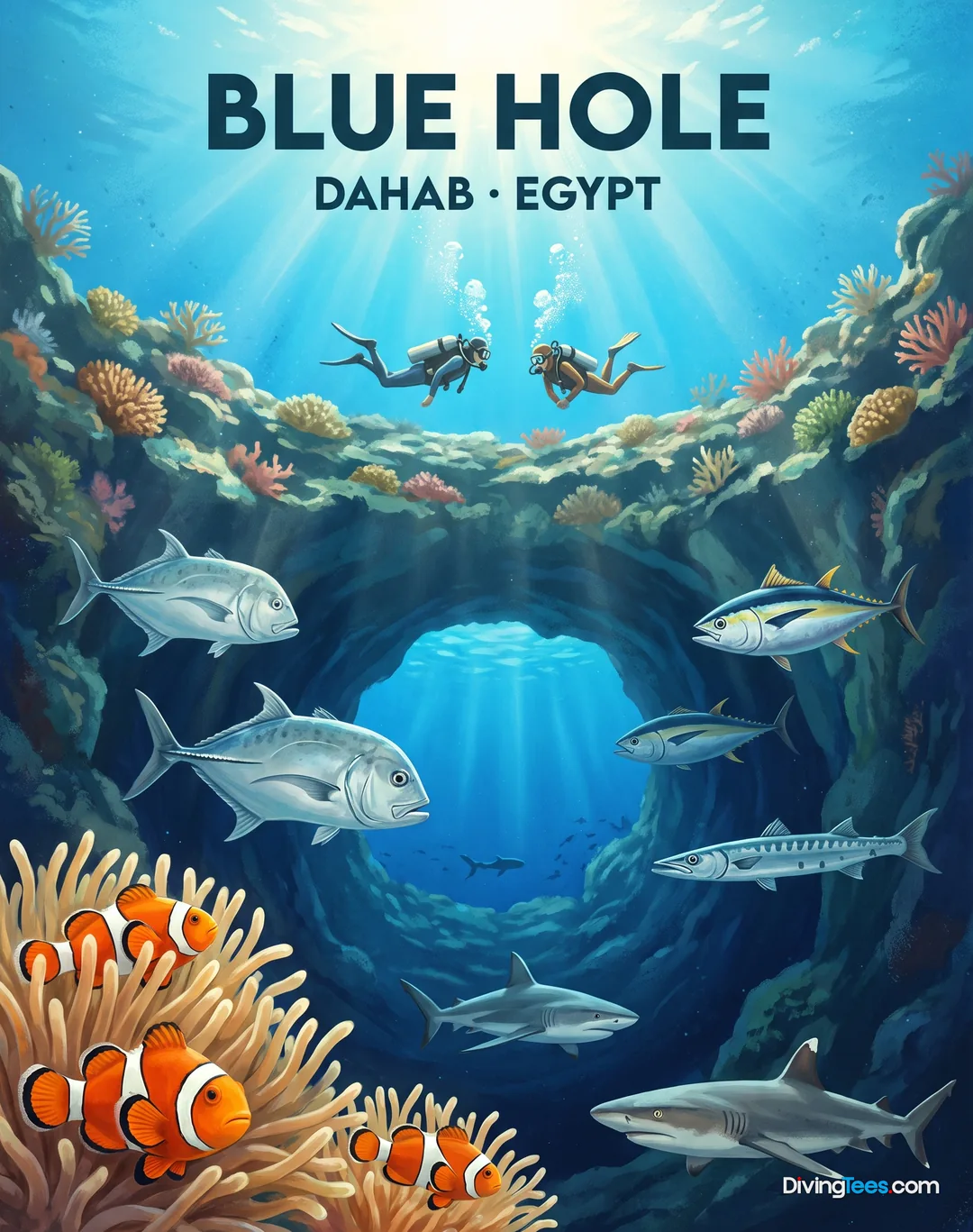
Blue Hole →
Max. depth · 130 m
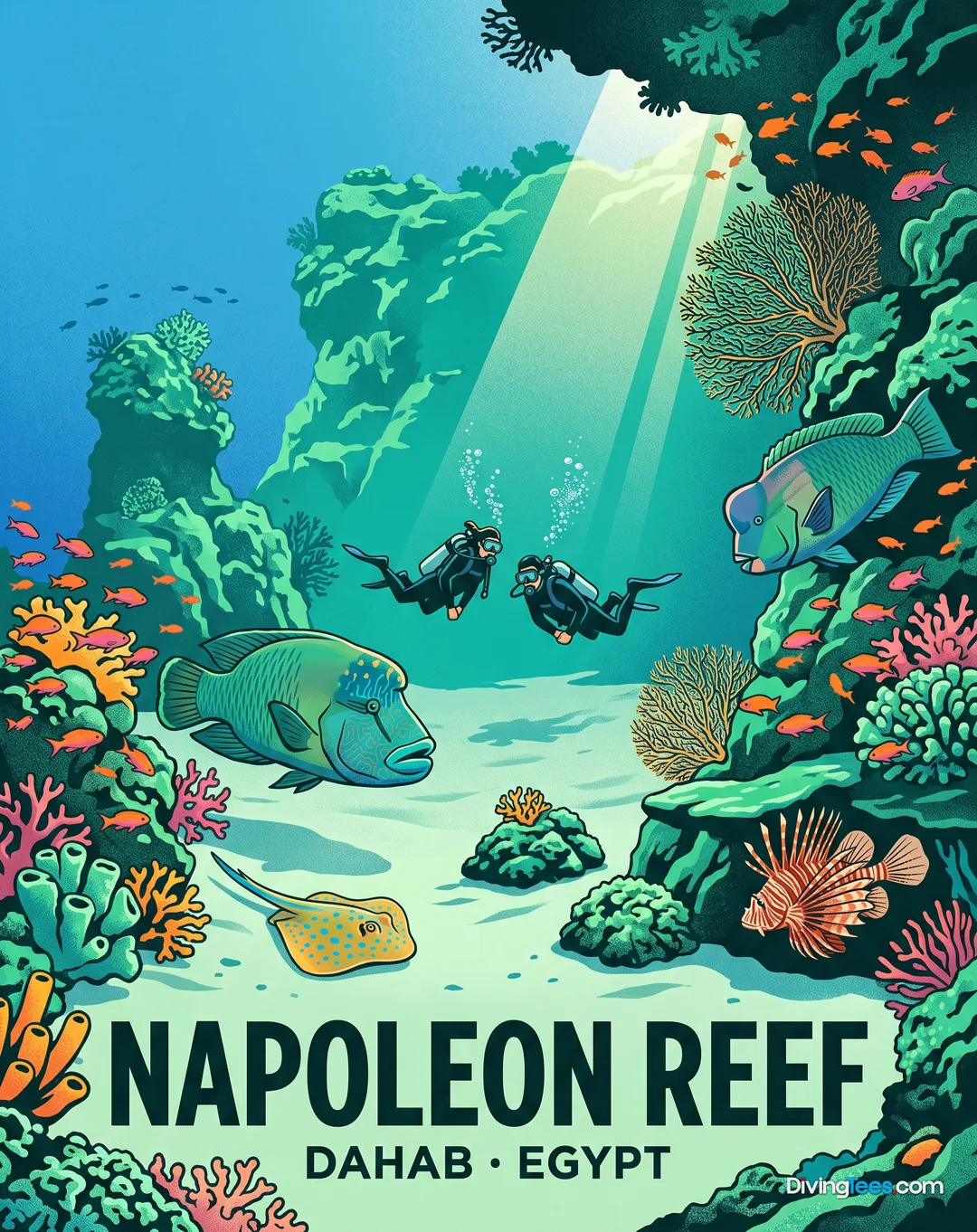
Napoleon Reef →
Max. depth · 30 m
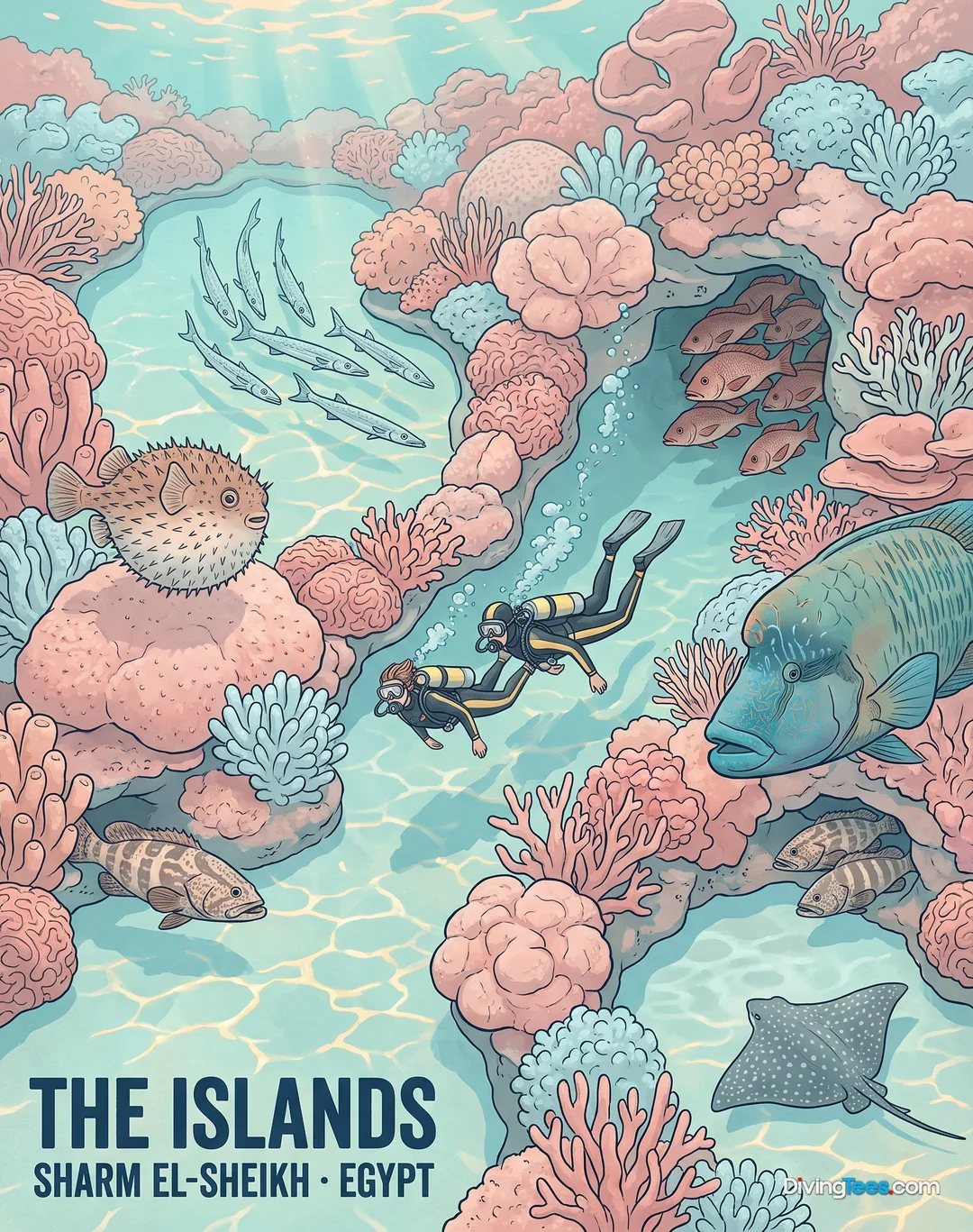
The Islands →
Max. depth · 18 m
Itineraries, dates and prices
Prices per person. Each month shows its lowest price: click a month, or pick an itinerary.
Next departures · 54 departuresfrom £527$705€630
October 2026
November 2026
December 2026
See dates and prices
If you click these links and make a purchase on the partner site, DivingDeal may earn a commission, at no extra cost to you.
Dates and prices taken from Divebooker and liveaboard.com, updated 21 October 2026
What you’ll meet underwater
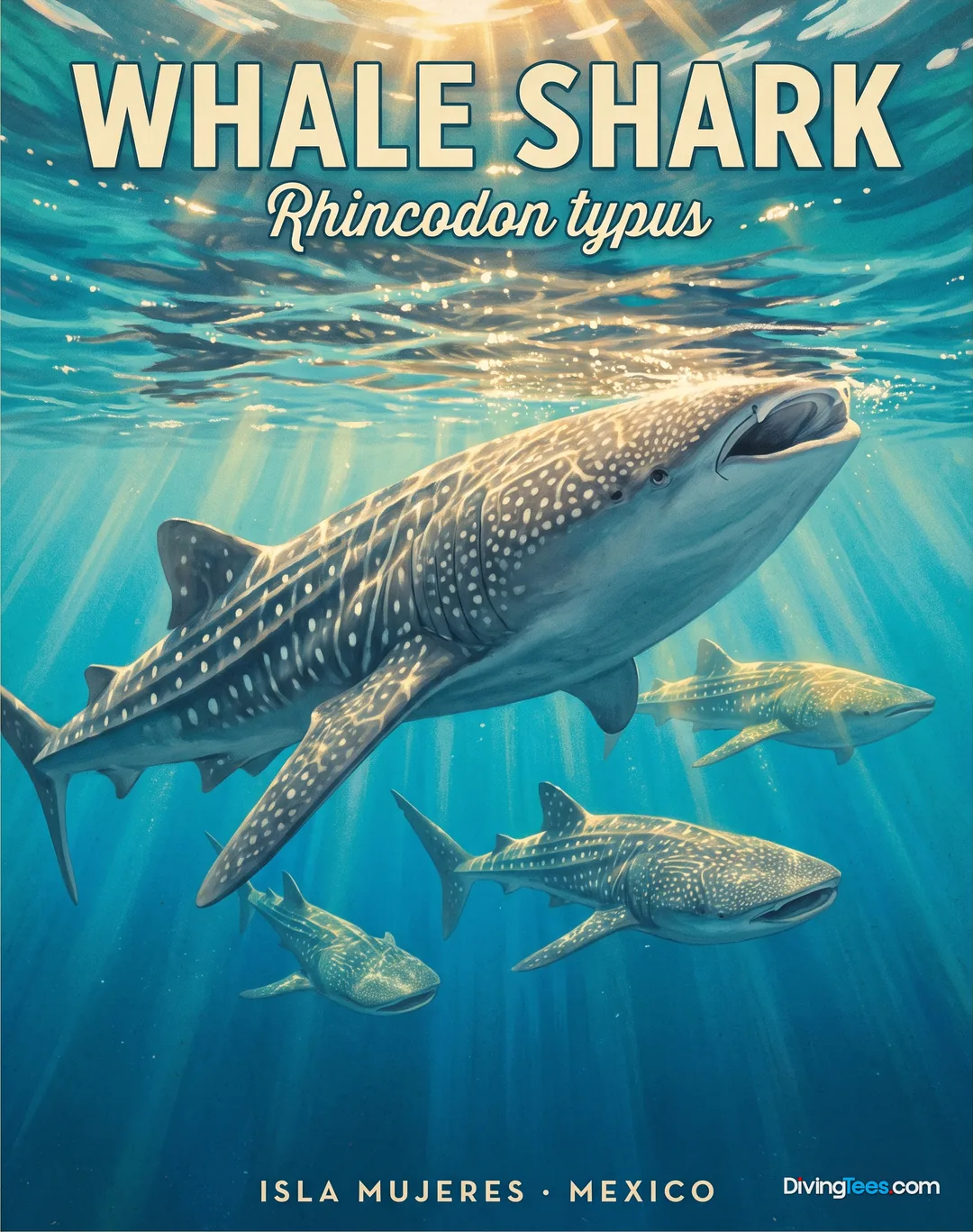
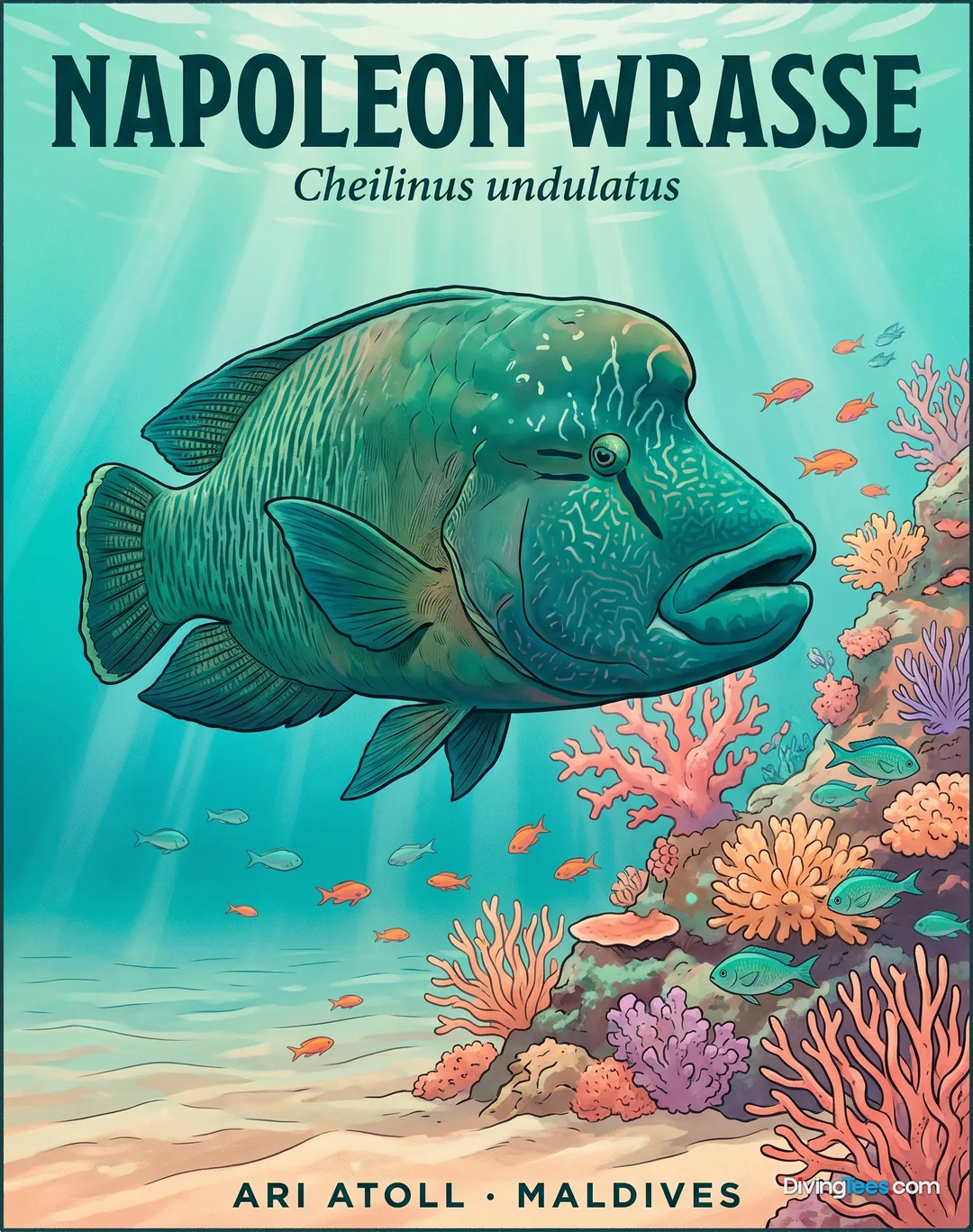
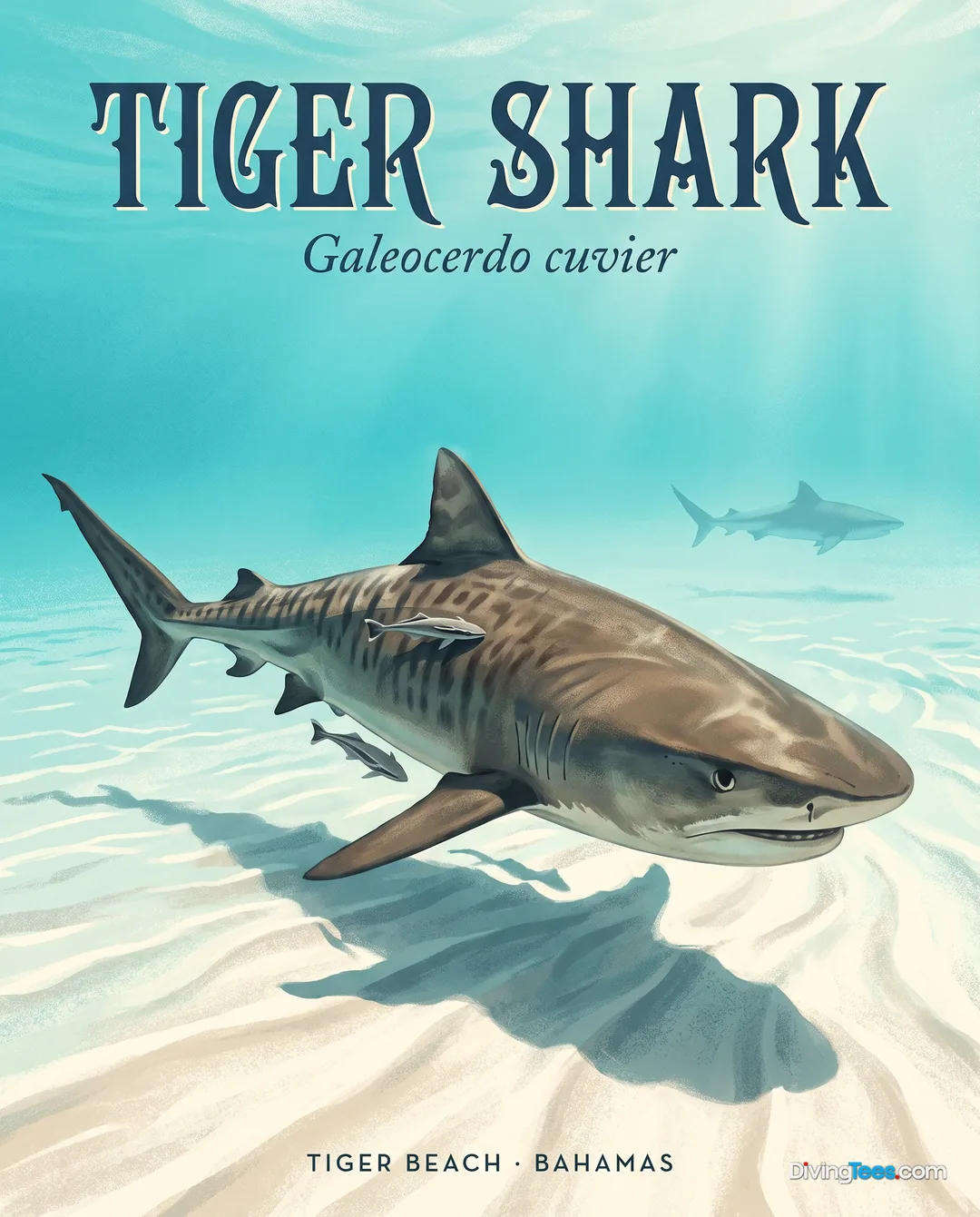
Across the route, the recurring cast is broad enough to keep familiar reefs interesting: sea turtles and morays are recorded at seven sites, napoleon wrasse at five, reef sharks, grey reef sharks and trevallies at five, and barracuda and tuna at four. Anthias, snapper, butterflyfish, scorpionfish, groupers and soft corals fill the closer views, while current and exposed walls create the chance of something larger in the blue. The reason to choose particular sites is often one animal or one setting. Elphinstone is the place for the blacktip reef shark, tiger shark, fusilier and gorgonian recorded only there. Shaab Ruhr Umm Gamar is the sole site listed for giant grouper. Ras Abu Galum is the only named site for bigeye trevally and crocodilefish; El Fanadir for sweetlips and frogfish; Shaab Sabina for damselfish; and Blue Hole for triggerfish. Sightings remain conditions-dependent, but the route gives them somewhere worthwhile to happen.
Who puts you in the water
The working team includes the captain, four tender skippers, an onboard mechanic, dive staff and the galley crew, with English, German and French spoken on board. The tender skippers handle the speedboats and moorings, while the captain brings 20 years of Red Sea experience. Divers can join with different experience levels, and the operator offers training from beginner courses through advanced specialties and professional programs, including nitrox, deep, wreck, drift, sidemount and night-diver courses. Safety equipment includes oxygen, first-aid kits, fire alarms and extinguishers, emergency rafts, life jackets, flares, radar, GPS, sonar, VHF/DSC/SSB radio, and satellite and mobile phones. Crew members are trained in first aid.
The dive deck and the gear
The dive deck is arranged for repeated tender operations rather than a single shore-style entry. Two fast boats, each with a 70-horsepower outboard and a ladder, take divers to and from the sites. On Serenity, divers can use 12-litre aluminium tanks with DIN connection; 15-litre aluminium tanks are also available as an extra. Two Coltri compressors and one Bauer compressor fill the cylinders, with a stated combined setup capacity of 250 litres per minute. Nitrox is available as an optional extra, and the boat supports technical diving and sidemount configurations. There are shaded kitting-up areas, dive platforms, separate camera rinsing, charging stations and a dedicated photo space. Hot cabin showers and outdoor showers handle the return from the water. Rental equipment is available, but specific rental brands and SMB arrangements are not given.
Between dives
Between dives, the best place is the shaded section of the dive area or one of the open upper decks, where wet gear can be left behind and the sea remains in view. Serenity also has an air-conditioned indoor saloon for cooling down, reading or reviewing images, with a separate photo space, charging stations and a camera rinse area. The sundecks divide the day between shade and sun rather than forcing everyone into one crowded corner. A library, audio and video entertainment, and Wi-Fi fill the quieter gaps, but none of them competes with the main reason to be there: checking a camera, drying off, eating, then listening for the next briefing. On longer crossings, the upper deck gives the trip room to breathe; after a demanding wall or current dive, that space is useful.
A day on board
A day begins with the first dive briefing, followed by the tender run to the reef and a return to Serenity for food, water and a chance to strip down the kit. The next dive comes after the surface interval, then another meal and another launch; on a liveaboard, the repeated sequence is the structure of the day rather than something to escape. Between dives, divers move between the shaded dive area, the saloon and the upper decks, with cameras rinsed, batteries charging and snacks available. When the itinerary requires a crossing, the boat gets underway between sites and the sea becomes the view between briefings. Depending on the route and conditions, the day may finish with a later dive, but a night-dive schedule is not fixed here. Full-board meals punctuate the cycle, and the evening usually belongs to drying gear, reviewing photographs and comparing what appeared in the blue.
What you eat aboard
Full-board meals are served buffet-style, with Western and local dishes, fish and seafood, vegetarian and vegan choices, soft drinks, tea, coffee and snacks available through the day. A chef with 20 years of experience across multiple cuisines runs the galley, which helps explain why food is one of Serenity's strongest passenger-tested points. The buffet format is well suited to liveaboard diving: a diver can eat properly after a dive, take something lighter when needed, and return for snacks without making the whole day revolve around one formal sitting. There is also a beach barbecue on routes where the itinerary allows it. The table is therefore functional as well as social: it restores energy between dives and gives the group a place to compare visibility, current and sightings before the next briefing.
Nights at sea
The cabin choice is simple. Lower-deck twin cabins suit divers who want separate beds; the main-deck double cabins suit couples; upper-deck twin cabins put the sleeping space closer to the open air. Cabins are air-conditioned and have private bathrooms, showers, towels and small refrigerators, while some have sea views through standard windows. The saloon has Wi-Fi, a bar, television, video and audio equipment, and a PlayStation 5, but the important test comes after the last dive: there is a private shower, a cooled room and a bed without having to leave the boat. The upper-deck position should feel more connected to the outside; the lower deck is the more enclosed option. Serenity's cabins are comfortable enough for a diving week, though the boat's appeal is the access to the reefs rather than oversized rooms.
Twin Cabin - Lower Deck
Double Cabin - Main Deck
Twin Cabins - Upper Deck
What to know before boarding
Serenity departs from Hurghada and returns to Hurghada on the recorded eight-day, seven-night routes. Airport and hotel transfers are included, with the collection details provided for the trip. Arriving in Egypt the night before departure is the sensible choice, leaving a margin before boarding.
Deck plan
- Year built
- 2000
- Year renovated
- 2023
- Length
- 33 m
- Beam
- 7.5 m
- Maximum number of passengers
- 22
- Number of cabins
- 10
- Number of bathrooms
- 14
- Engines
- 12-cylinder caterpillar 762 hp × 2
- Cruising speed
- 12 knots
- Tenders
- 2
- Website
- diversandco.com ↗
Hello, I'm Marina, DivingDeal.com's AI assistant. I answer in detail about hotels, dive centres and liveaboards.
Thinking about the whole trip and the flights? Talk it over with Edith →
Marina is an AI. Some links are affiliate links: DivingDeal may earn a commission, at no extra cost to you. Bookings are made with the partner.