Liveaboards · Egypt
Snefro Spirit — a practical Red Sea dive boat built around the diving
What makes this boat unique
- Seven-night itineraries leave from and return to Sharm El Sheikh, with 20 or more dives on the longer routes.
- The route reaches Ras Mohammed, the Strait of Tiran, Abu Nuhas, the Thistlegorm and the Rosalie Moller.
- Free nitrox, 12-litre DIN or yoke-compatible tanks and two 25-horsepower Zodiac tenders support the dive operation.
- Nine air-conditioned cabins have private bathrooms, with panoramic windows and an upper-deck cabin location.
- Snefro Spirit is a premier member of Green Fins Egypt.
For subtitles in English: start the video firstthen click the gearat the top right of the video, select “Subtitles/CC”, then “Auto-translate” and choose “English”.
The invitation
Snefro Spirit suits divers who want the northern Red Sea in one continuous trip rather than a hotel-based series of day boats. The seven-night routes bring together Ras Mohammed, the Strait of Tiran, the wrecks of Abu Nuhas and the Thistlegorm, with the Rosalie Moller available on the wider programme. That combination is the reason to choose this boat: reef walls, current dives and serious wrecks sit within the same itinerary. The diving scores strongly, while the crew and food are what passengers tend to remember most clearly. A premier Green Fins Egypt membership adds a conservation-minded side to the operation. The boat is not being sold as a boutique yacht; it is a 33-metre platform arranged to keep a full group diving, eating and resting without leaving the Red Sea behind.
Boarding
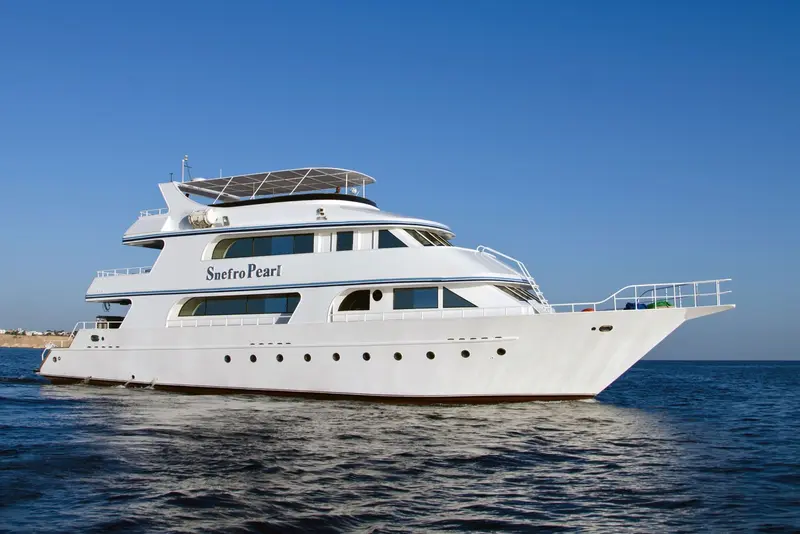
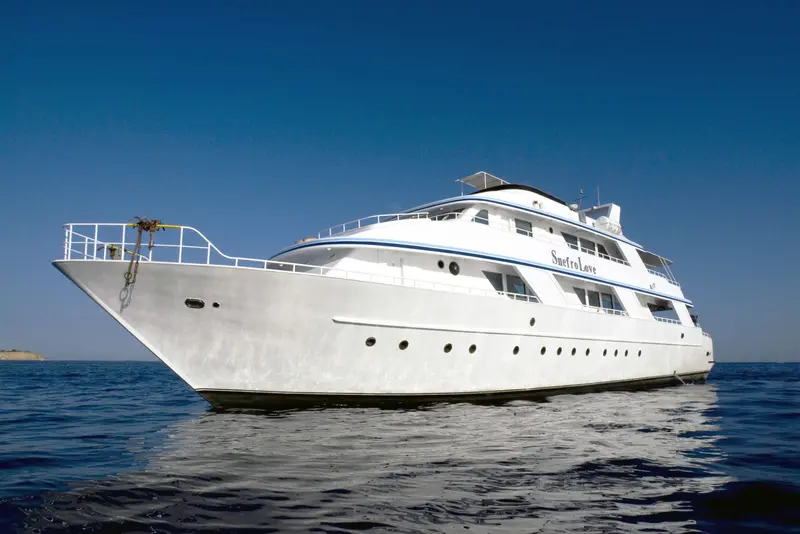
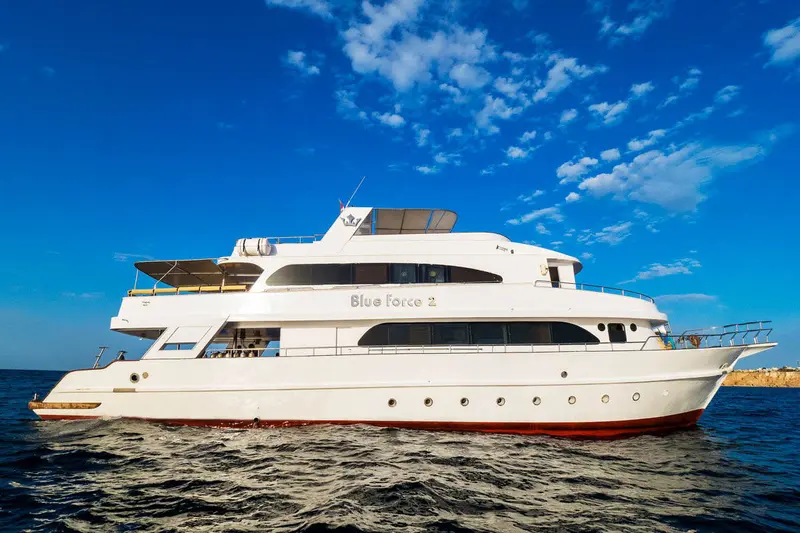
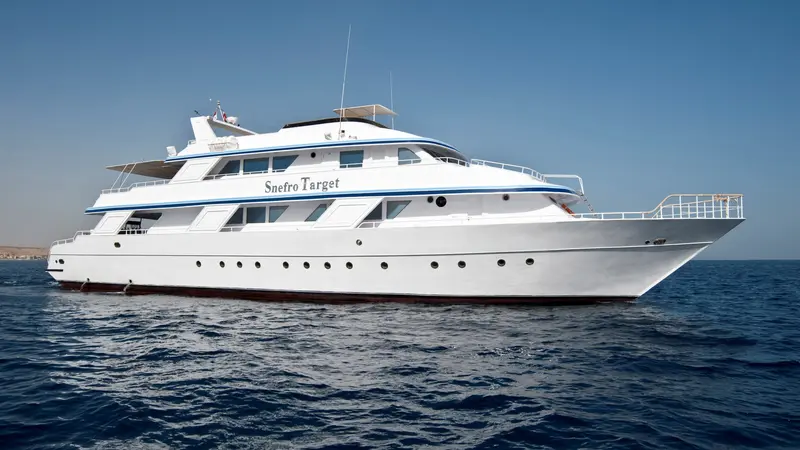
Snefro Spirit arrives as a substantial liveaboard rather than a small charter boat, with the beam to make the common areas usable when all guests are aboard. The 2022 renovation matters more than the launch year: the boat has been kept in service for modern liveaboard diving instead of being presented as a preserved older vessel. Boarding leads into an air-conditioned interior salon, dining area and upper spaces, while the upper-deck cabin location keeps the sleeping areas separate from the lower working deck. Movement is straightforward, with the dive deck and its platform set up for repeated entries and returns. Two Zodiacs handle the work away from the hull. The overall impression is functional and social: eighteen divers share a boat large enough to spread out, but small enough for the crew to know who is entering the water.
The atmosphere on board
The atmosphere is organised without becoming formal. Passenger accounts describe a crew that is warm, polite and quick to help, with guides who stay attentive to the needs of the group. That shows up in the small transitions: returning from a dive, finding food ready, moving through the deck, then getting the next briefing without unnecessary delay. The crew speaks English, German, French, Spanish, Russian and Italian, which helps a mixed group settle into the boat quickly. By evening, the conversation usually belongs to the dives: a wreck hold, a current line, a shark seen in the blue. The boat's own score is 8.9, just below the 9.0 for crew and well below the 9.6 for food. The honest reading is straightforward: the people and the diving carry the experience more strongly than any claim of yacht-like polish.
The sites you’ll dive
The seven-night Sharm El Sheikh routes are built for more than one kind of Red Sea diving, with 20 or more dives on the longer programme. Ras Mohammed brings current-swept reef, gorgonian fans and pelagic water: Ras Nasrani reaches a listed maximum of -60m, while Tower follows a fossil-coral wall beside a sheer drop. In the Strait of Tiran, Thomas Reef reaches -90m and is a deep-wall drift site with soft corals and gorgonians; Gordon Reef combines the Loullia wreck, a southern plateau and a garden-eel colony, with a listed maximum of -30m. Woodhouse Reef is a long, thin drift reef, and South Laguna offers a sheltered lagoon before an outer-wall drift. Far Garden drops from a colourful reef slope to a wall and is listed to -25m. For wreck divers, Ulysses reaches -27m, the Thistlegorm -32m, the Rosalie Moller -50m and the Straits of Gubal -50m. Abu Nuhas concentrates four wrecks close together. Shorter four-day, three-night mini safaris also run between Sharm El Sheikh and the Thistlegorm–Ras Mohammed area, with 9 to 11 dives.
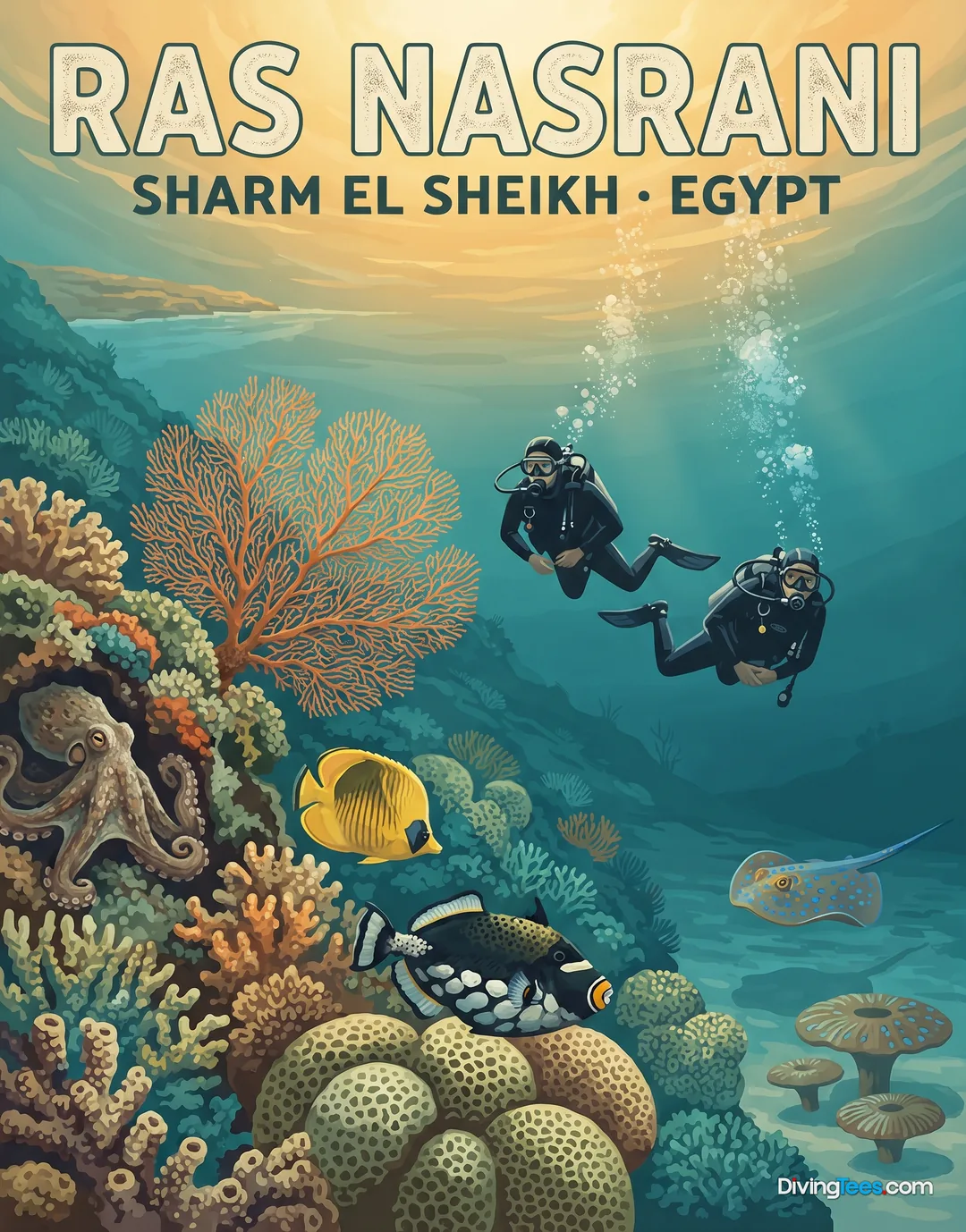
Ras Nasrani →
Max. depth · 60 m
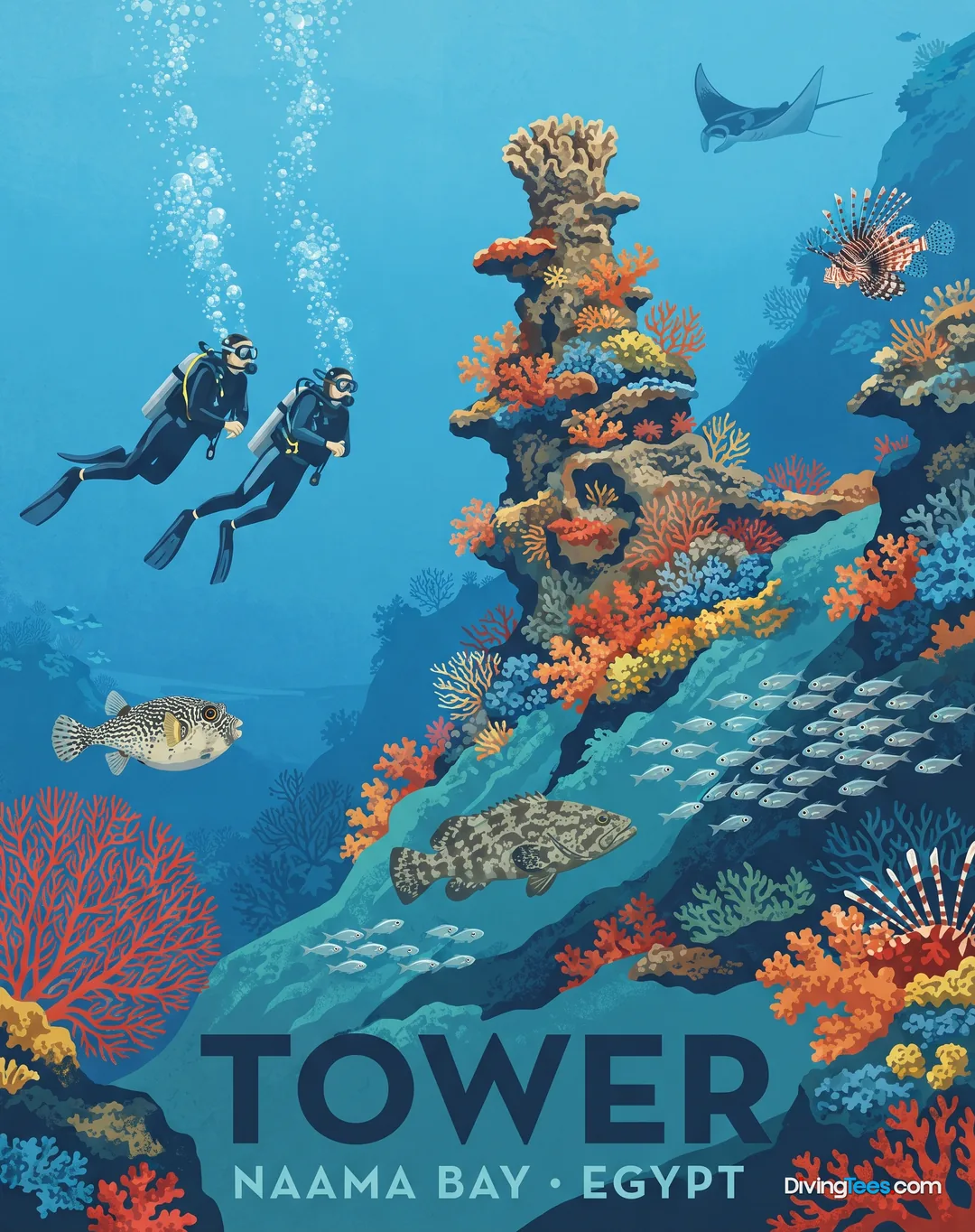
Tower →
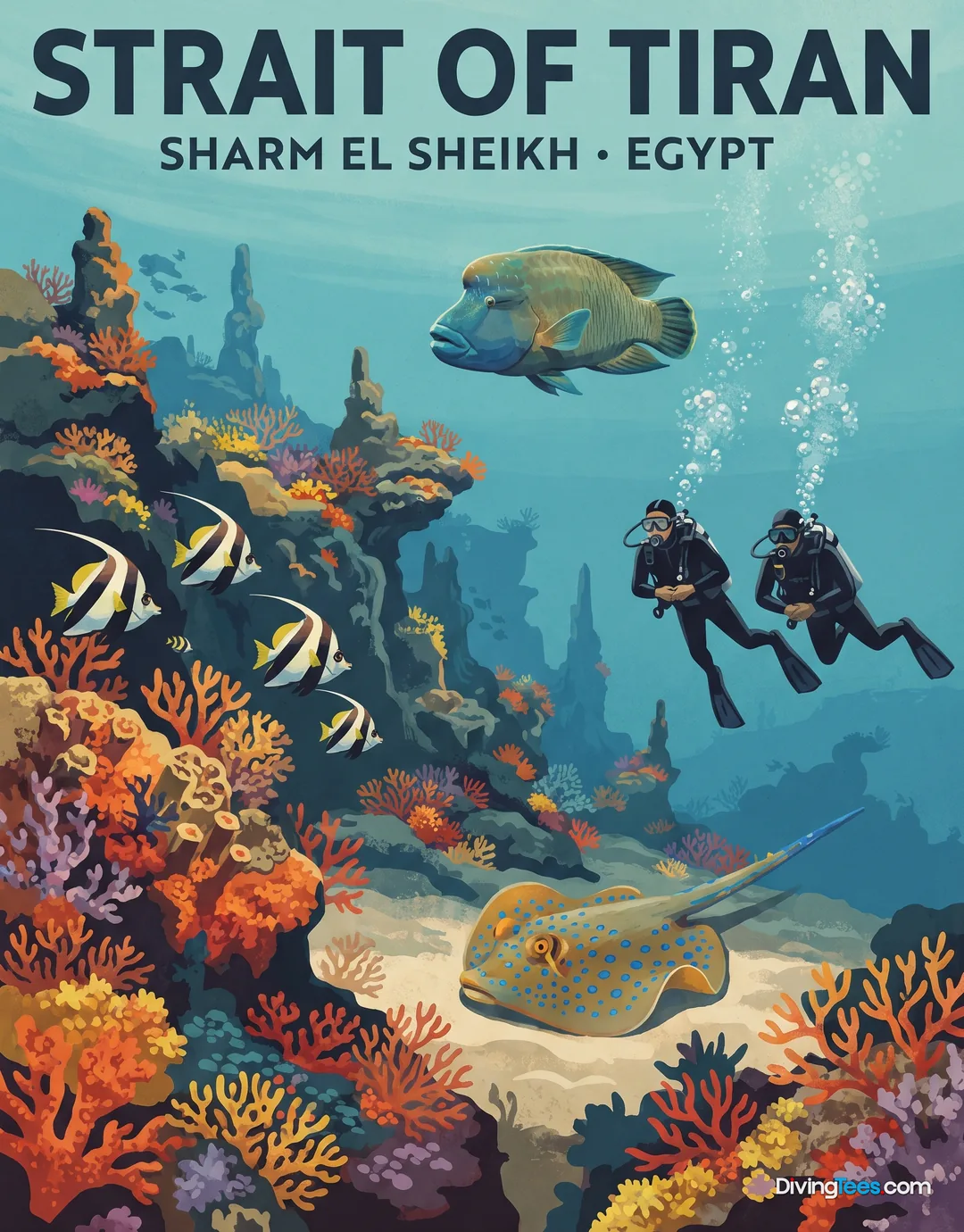
Strait of Tiran →
Max. depth · 40 m
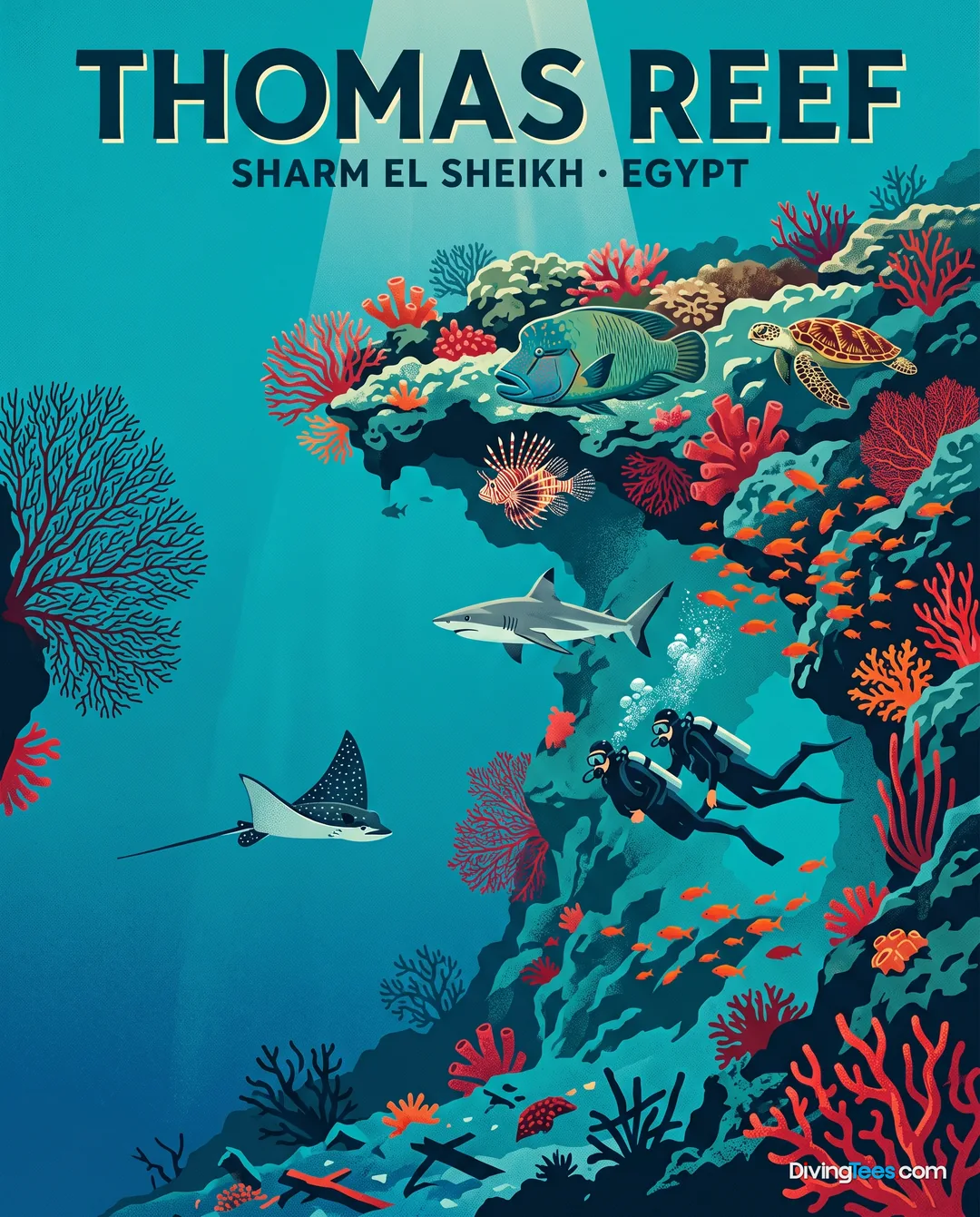
Thomas Reef →
Max. depth · 90 m
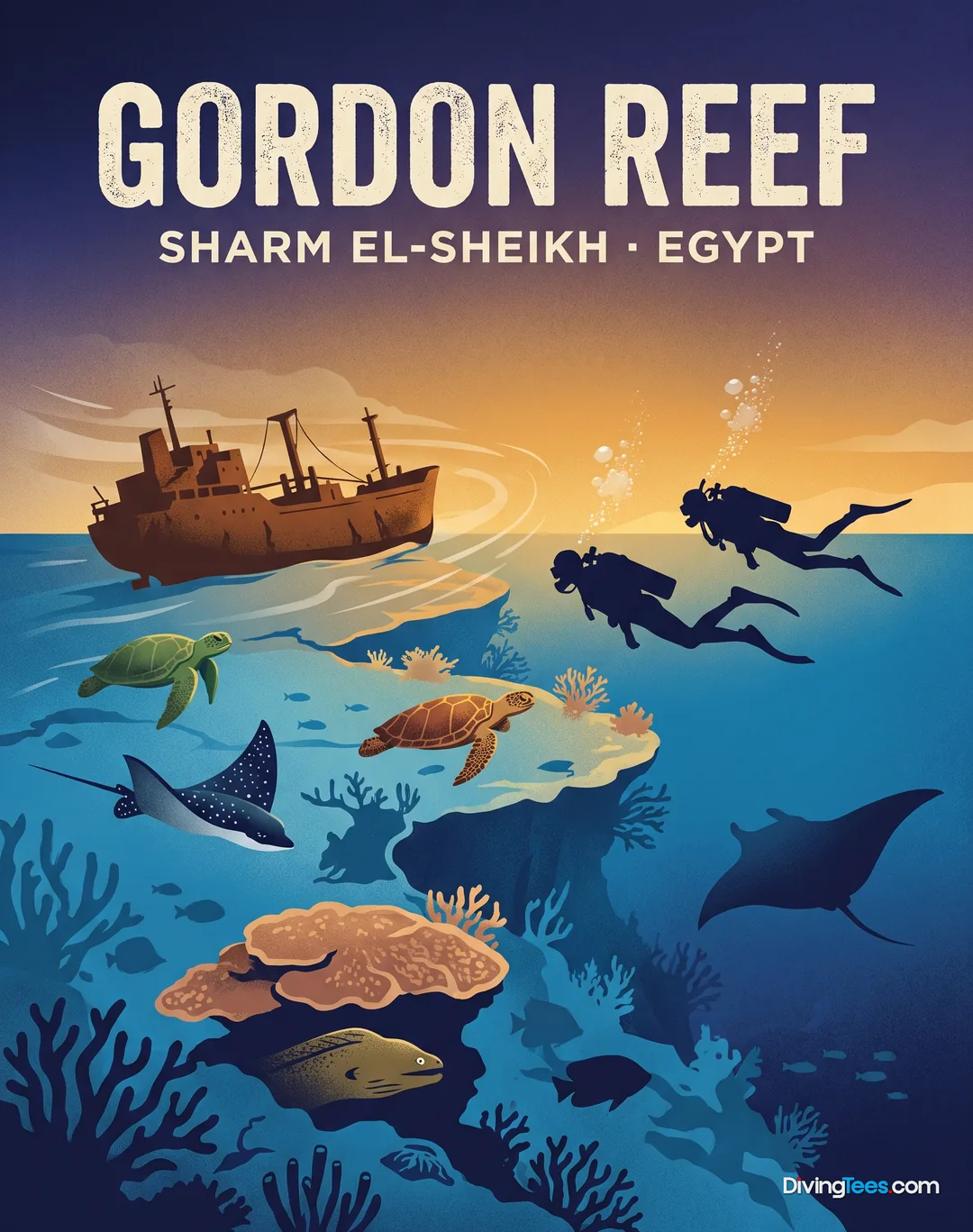
Gordon Reef →
Max. depth · 30 m
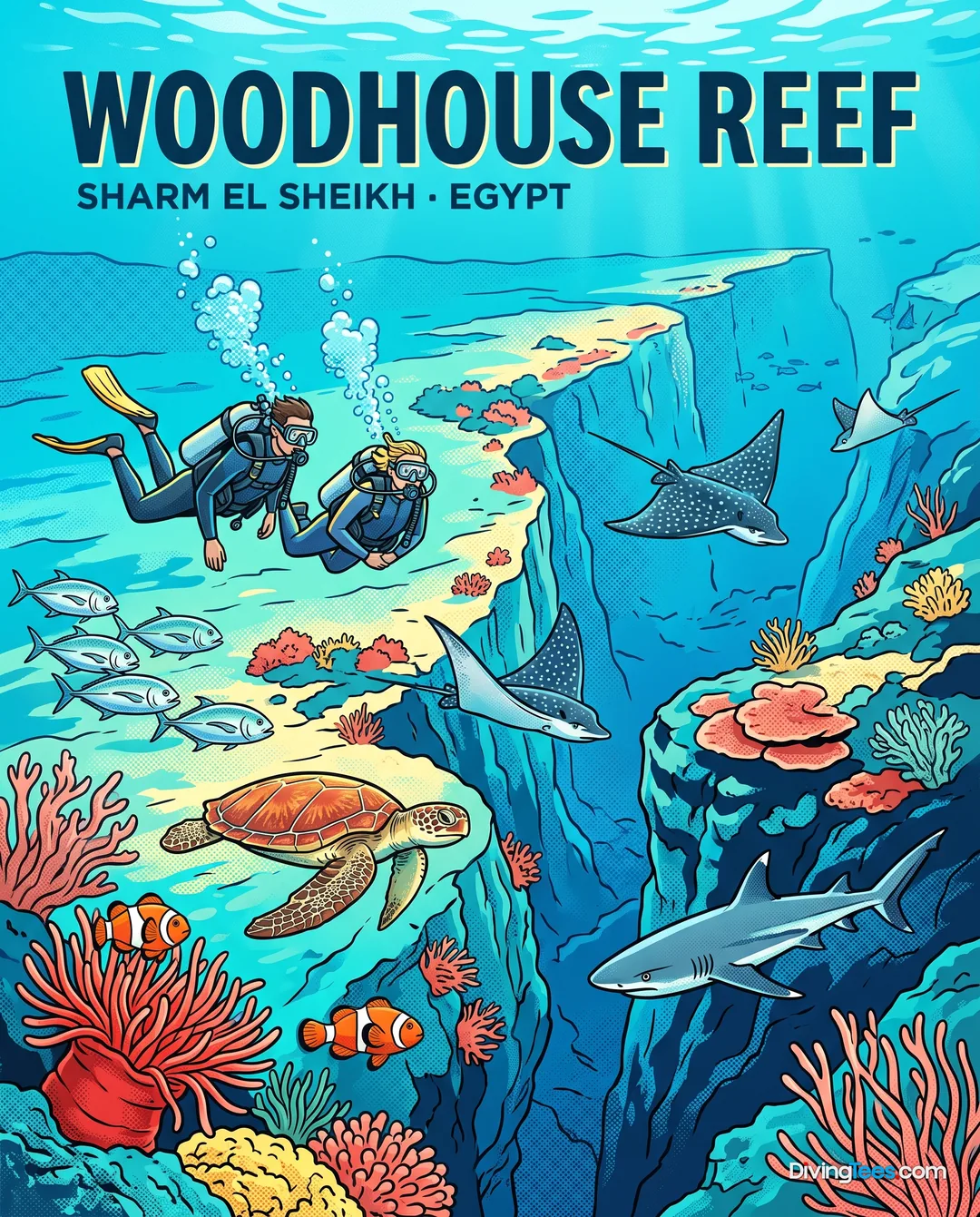
Woodhouse Reef →
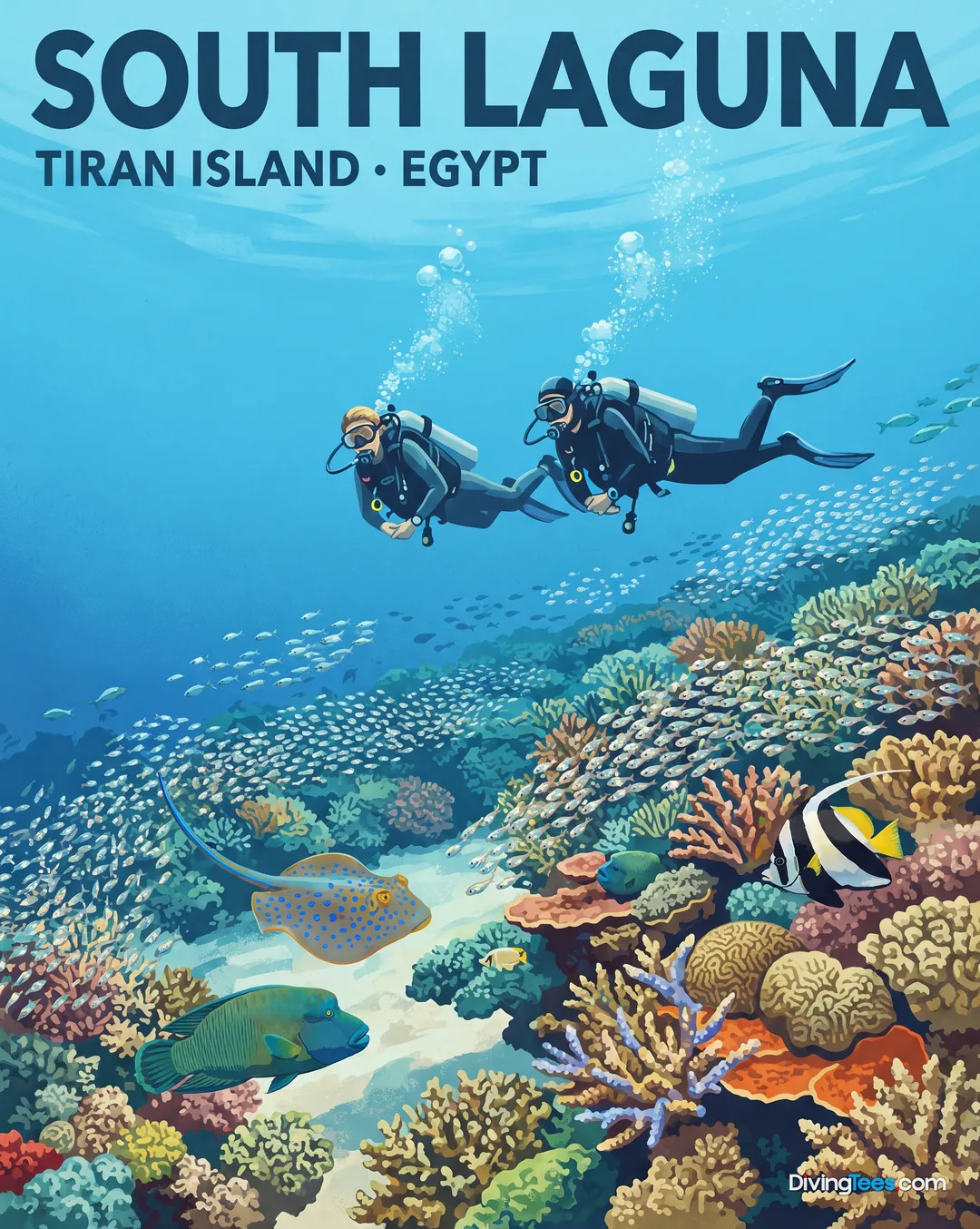
South Laguna →
Max. depth · 30 m
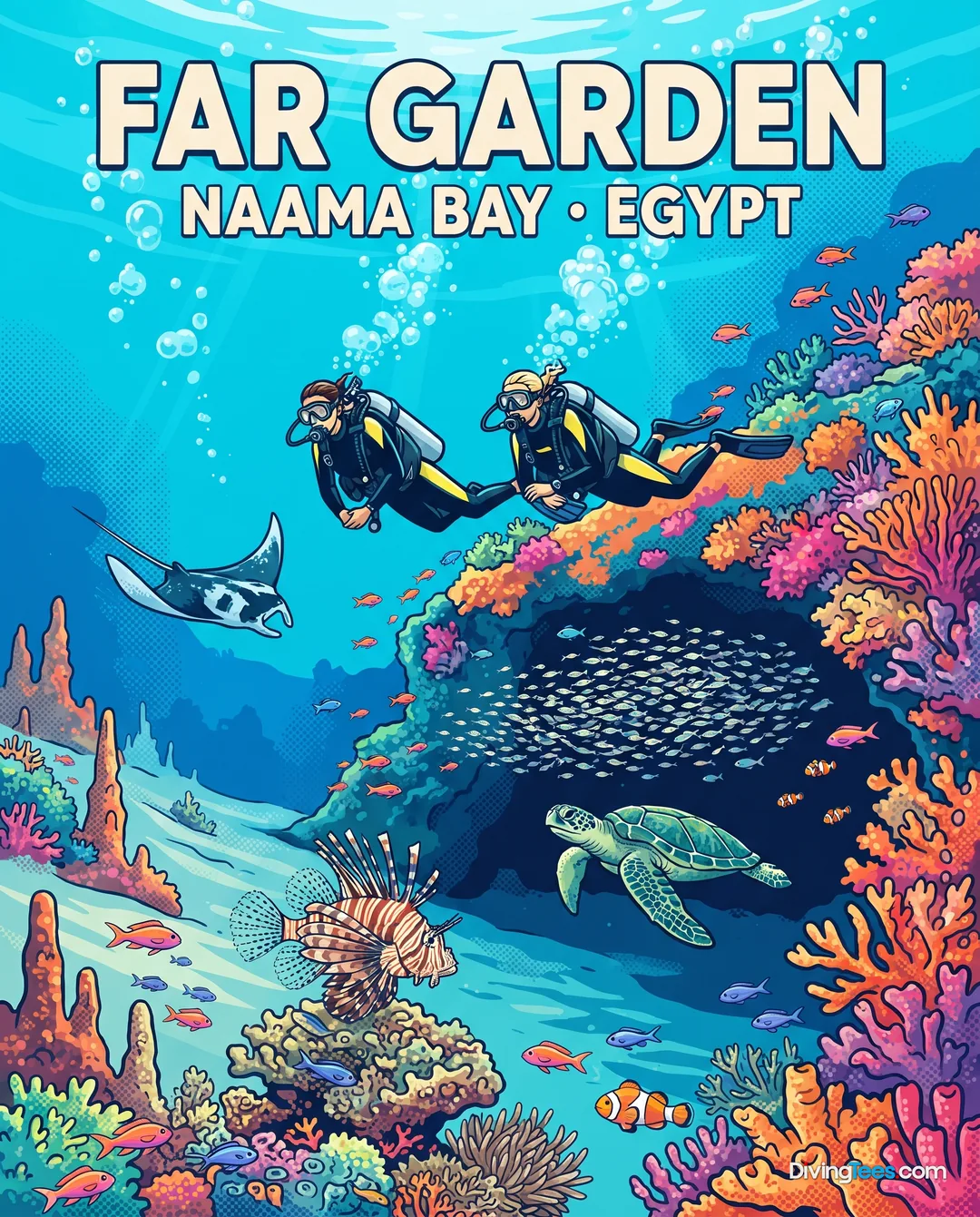
Far Garden →
Max. depth · 25 m
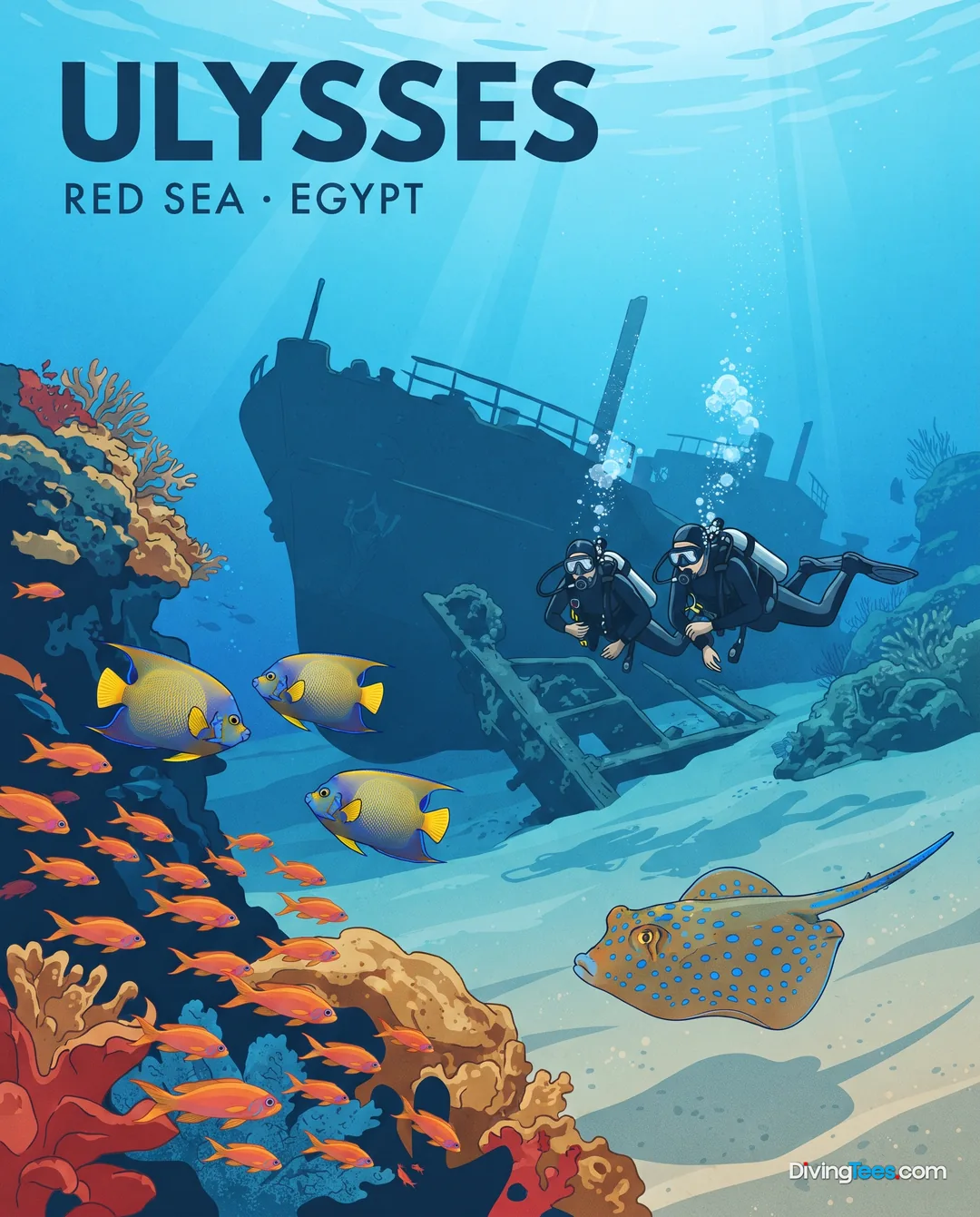
Ulysses →
Max. depth · 27 m
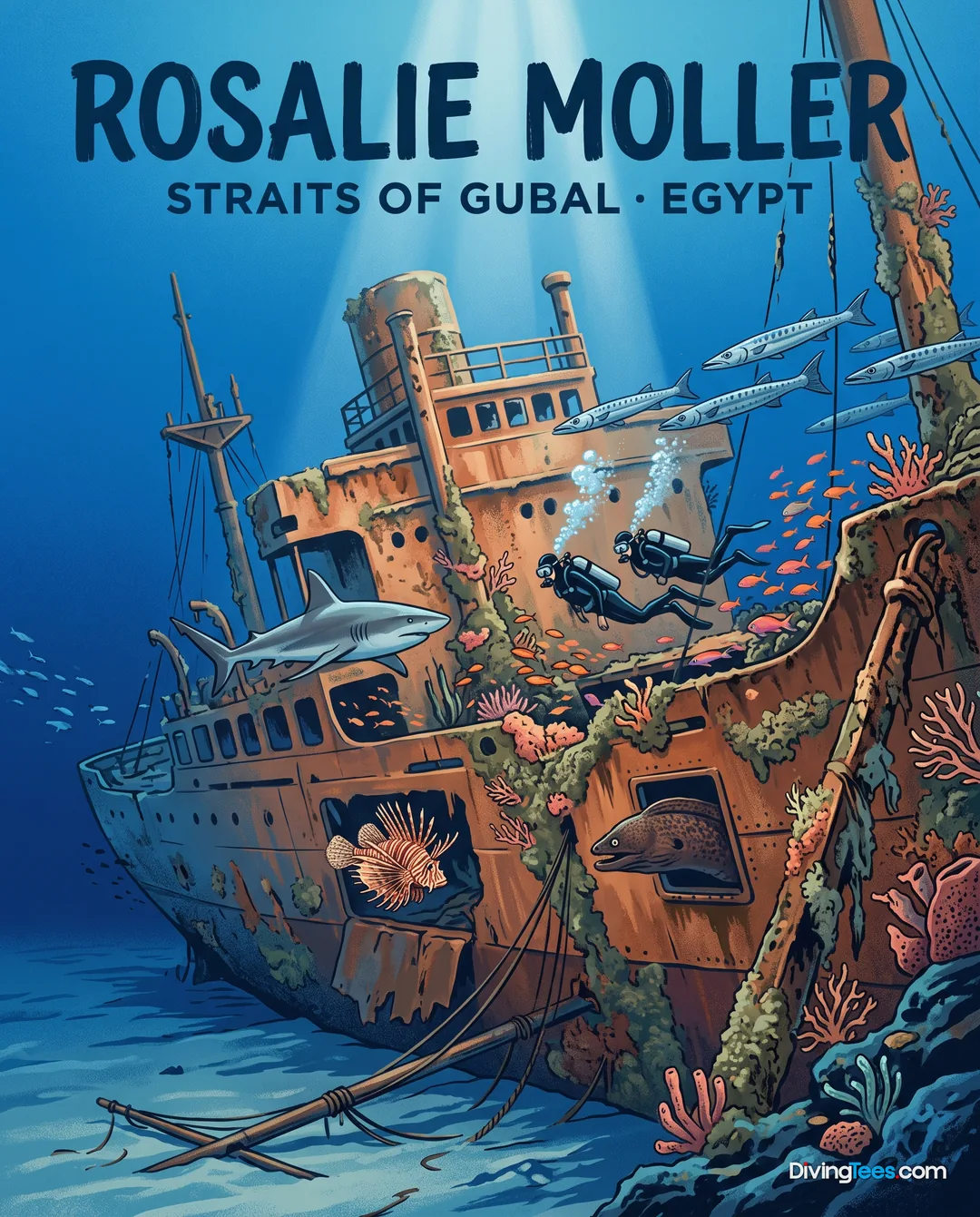
Rosalie Moller →
Max. depth · 50 m
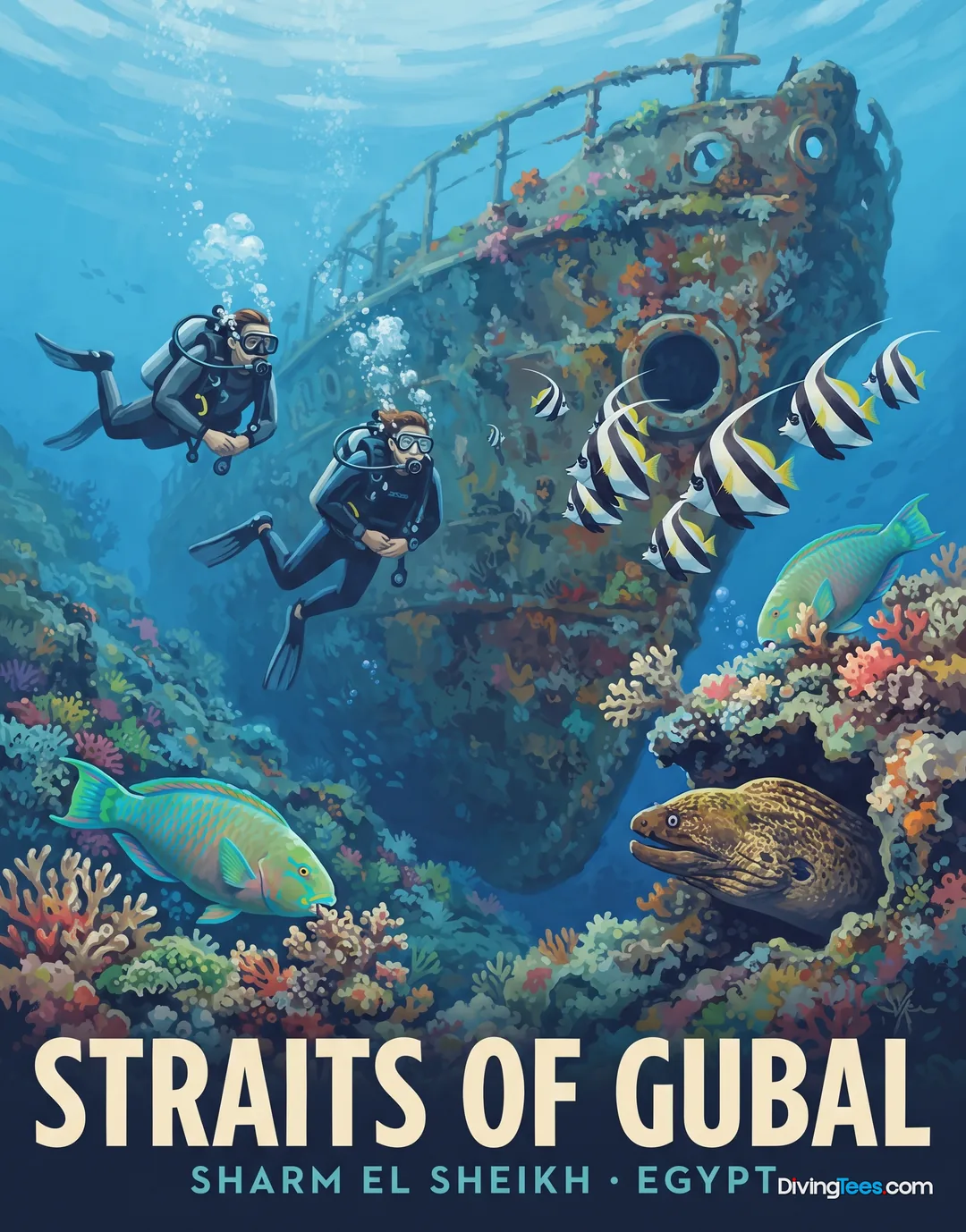
Straits of Gubal →
Max. depth · 50 m
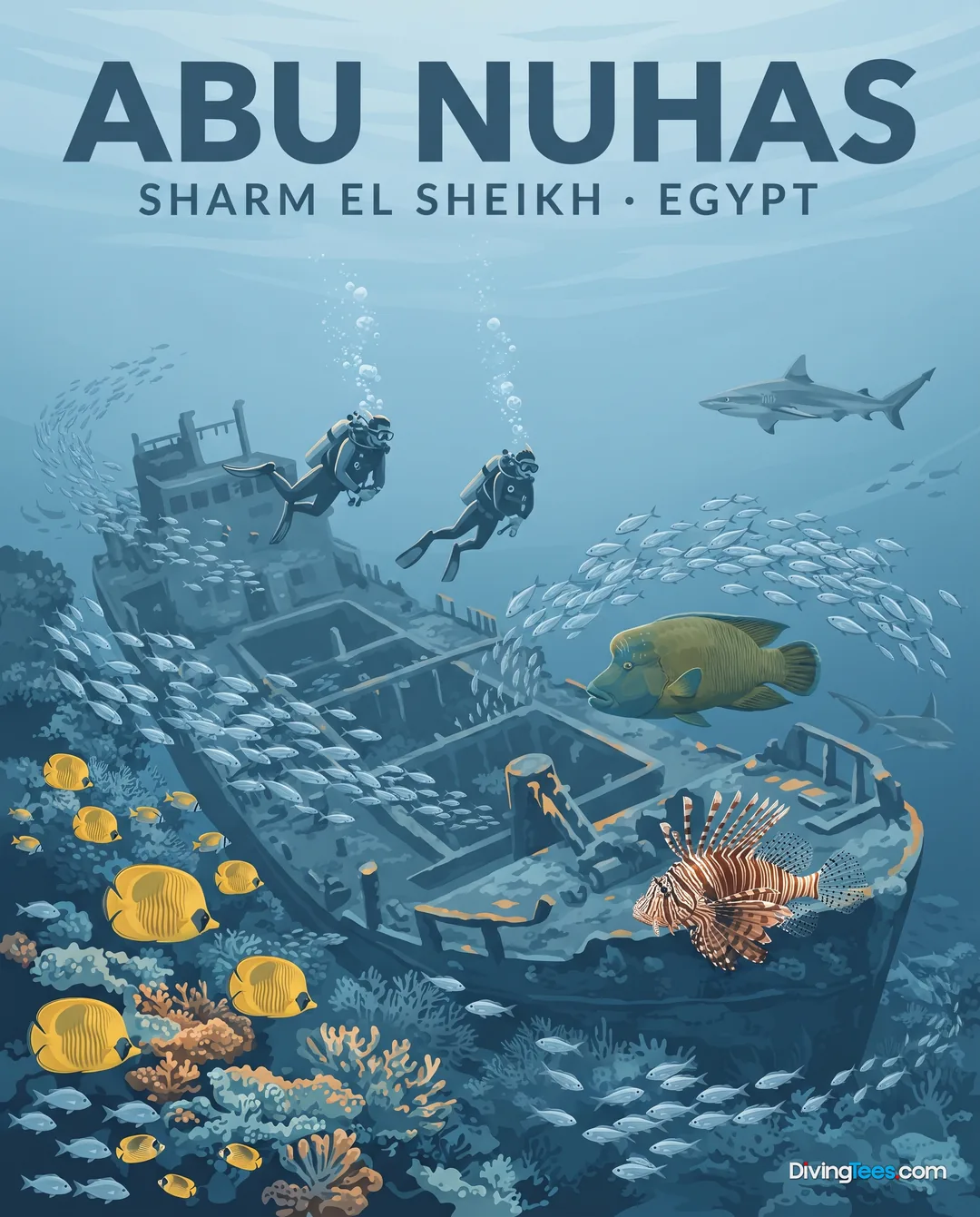
Abu Nuhas →
Itineraries, dates and prices
Prices per person. Each month shows its lowest price: click a month, or pick an itinerary.
Next departures · 31 departuresfrom £1,004$1,342€1,199
April 2027
May 2027
See dates and prices
If you click these links and make a purchase on the partner site, DivingDeal may earn a commission, at no extra cost to you.
Dates and prices taken from Divebooker and liveaboard.com, updated 22 October 2026
What you’ll meet underwater
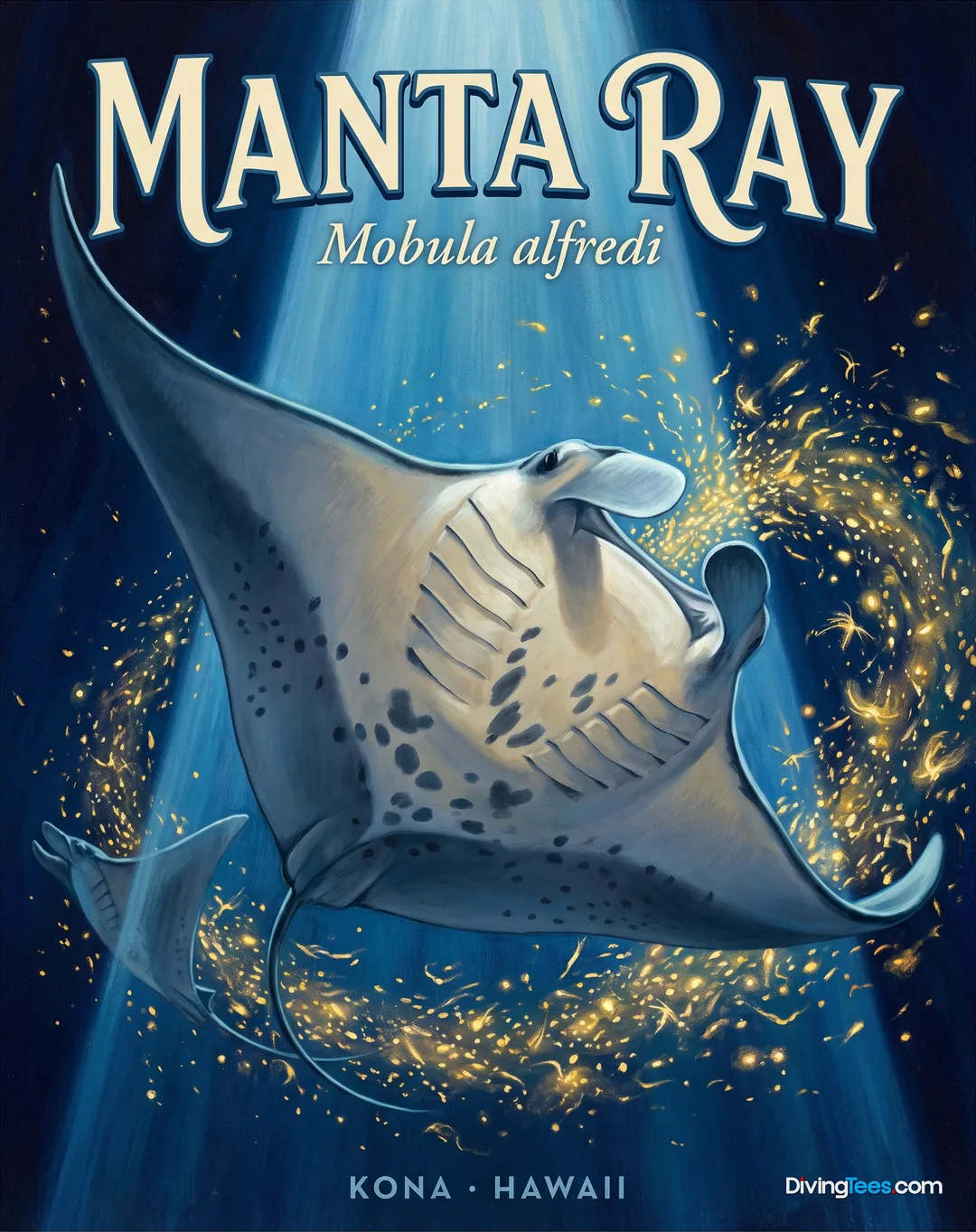
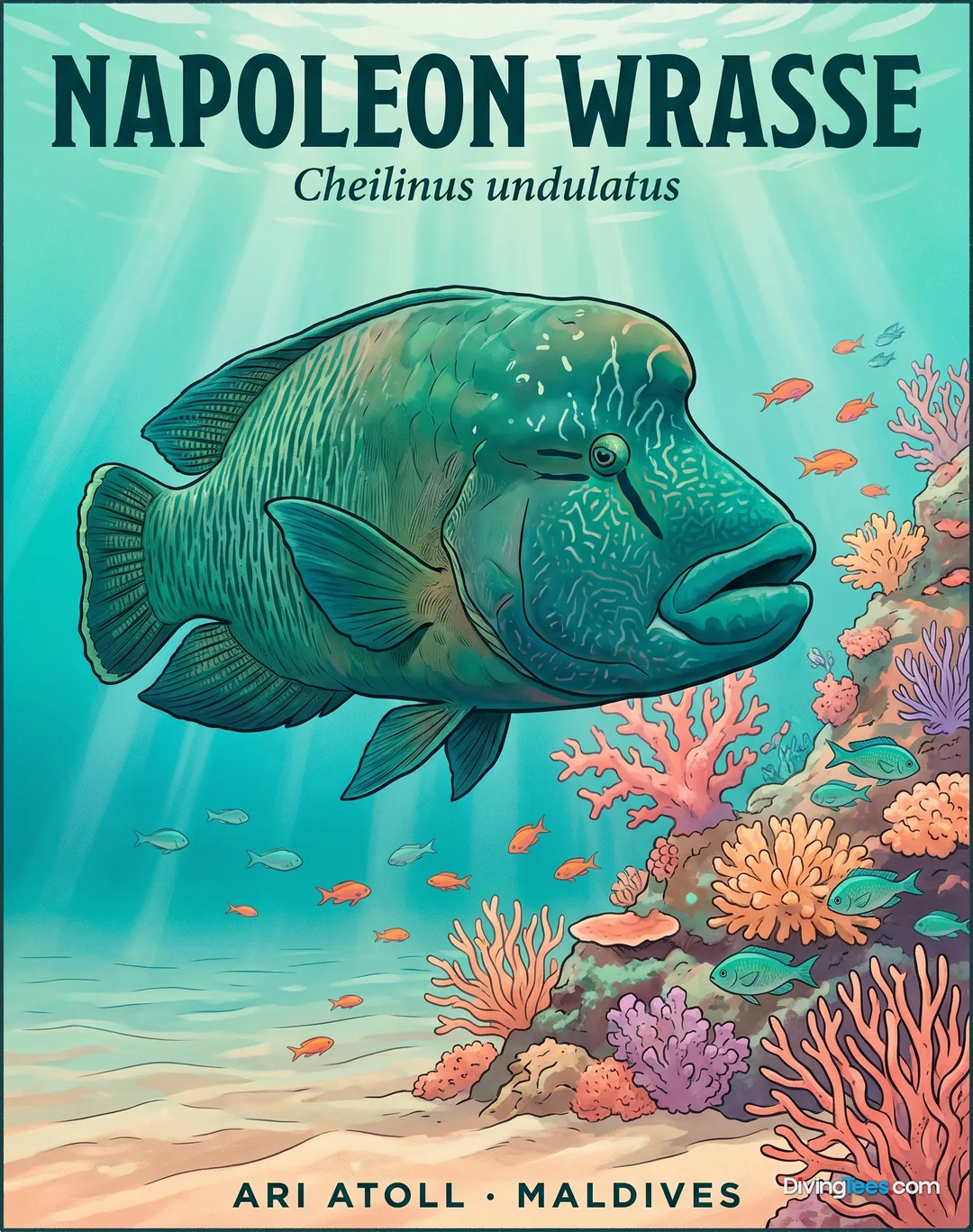
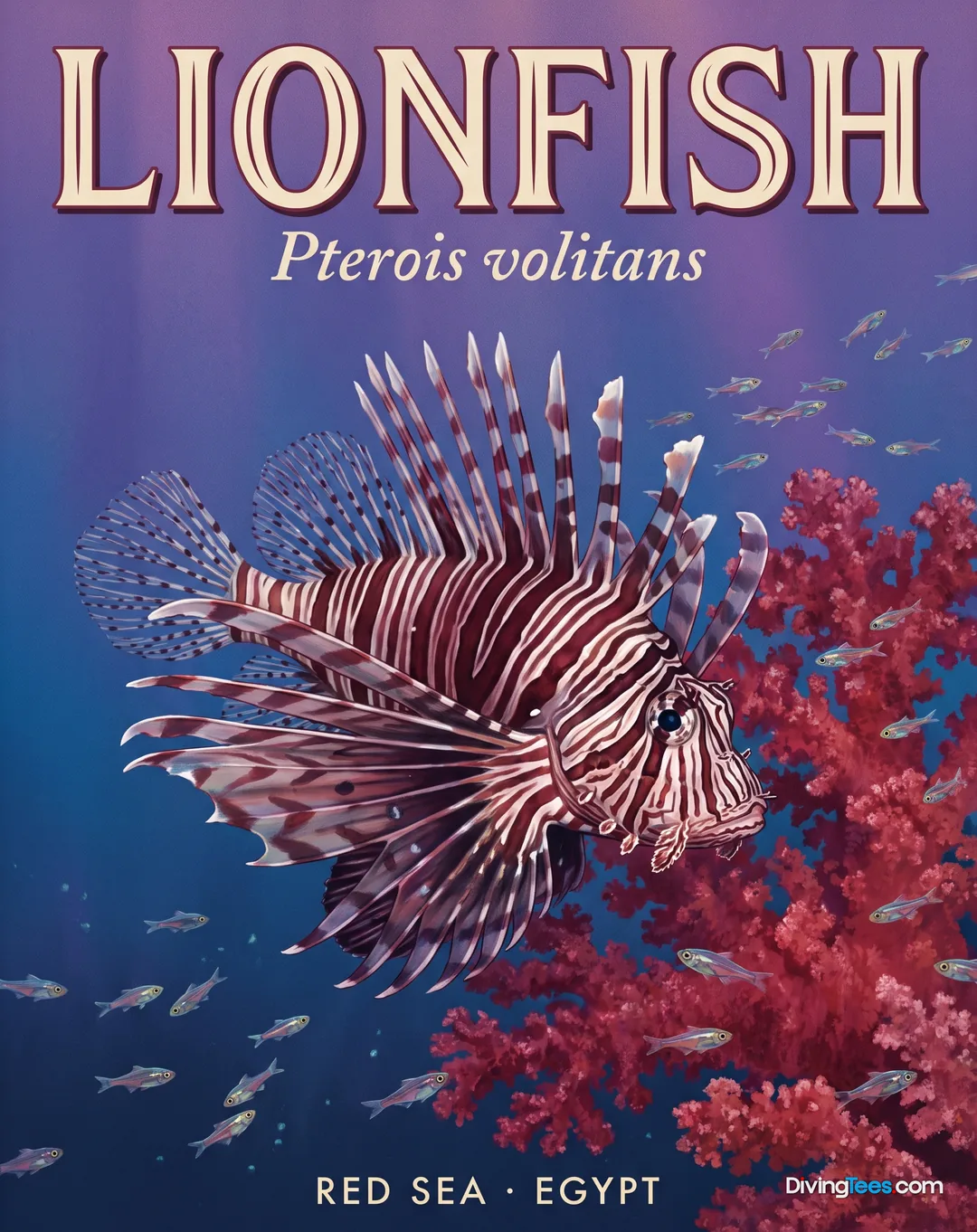
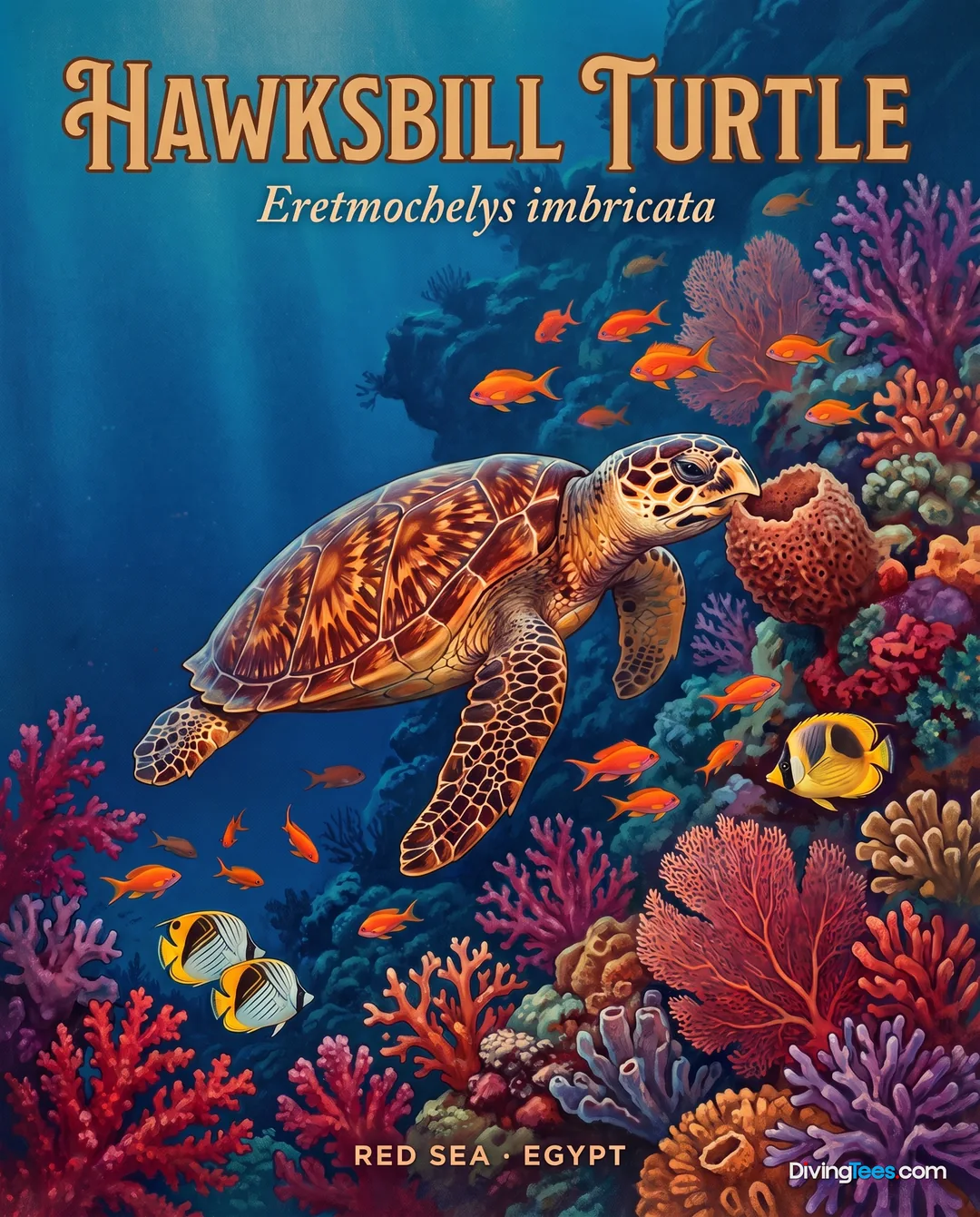
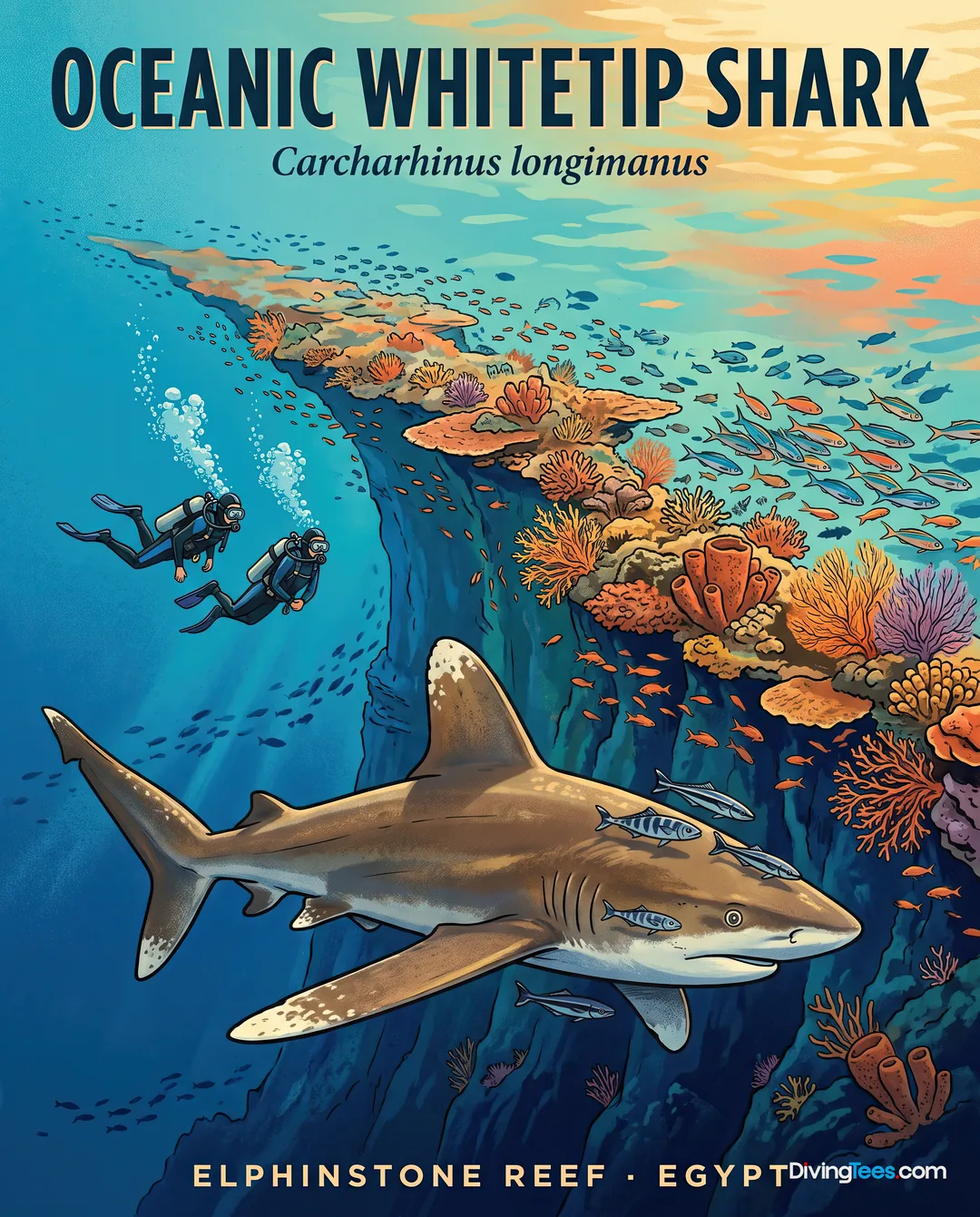
The regular cast is broad: reef sharks, groupers, barracuda, manta rays, sea turtles, napoleon wrasse, morays, jacks, scorpionfish, lionfish, soft corals and clouds of glassfish recur across the route. Currents and drop-offs are part of the reason the larger animals appear in the blue, especially around Ras Mohammed and the Strait of Tiran. The sites also have their own prizes. Thistlegorm is the place associated with dolphins, batfish, rays and hawksbill turtles among the wartime cargo. Ras Nasrani is the named site for an oceanic whitetip shark, gorgonian fans and a chance of larger pelagics. Woodhouse Reef is where a green turtle is recorded, while Gordon Reef offers garden eels, trumpetfish and stonefish among its reef life. Rosalie Moller is the site for bigeye trevally, with barracuda, tuna and groupers around the wreck. These are possibilities, not a checklist; the sea decides which sighting is earned.
Who puts you in the water
Guiding is handled by a local and international crew speaking English, German, French, Spanish, Russian and Italian. Passenger feedback consistently points to guides who brief carefully and remain attentive during the diving. The programme includes sites with current, exposed reef edges and deep wrecks, so the guide's site choice and briefing carry real weight; a current is not treated as scenery. The listed site access includes Open Water Diver level with 15 logged dives for several sites, while more demanding dives have higher requirements. Nitrox certification and other diving courses are available as optional qualifications. Oxygen, first-aid kits and crew trained in first aid are carried aboard, alongside marine radio, GPS, radar, sonar, emergency beacons and life-saving equipment.
The dive deck and the gear
The dive deck is shaded and built for repeated use, with a fixed platform and two Zodiac tenders for sites where the boat cannot sit directly over the reef. Each Zodiac has a 25-horsepower outboard. Standard tanks are 12-litre models compatible with DIN and yoke connections; 15-litre tanks are available as a paid extra. Two Bauer Mariner compressors fill the tanks, and a membrane system produces the free nitrox offered on board. Sidemount diving is supported, and adapters are available for DIN users. The deck also has diver showers and a dedicated space for getting ready before the tender run. Rental equipment is available. The useful point is the workflow: gear stays on the dive deck, the tenders take divers to the site, and the boat collects them from the water rather than asking the group to swim back to the hull.
Between dives
Between dives, the choice is practical: shade on the dive deck, sun on the upper decks, or air conditioning inside. The two sun decks include loungers and shaded areas, while the SkyDeck adds a bar and a more open place to sit when the boat is under way. A sauna, outdoor showers and the terrace give the body somewhere to recover after repeated saltwater entries. The interior salon has audio and video entertainment and a library, but the boat does not need to manufacture activities between dives. Its useful luxury is having more than one temperature and light level available: quiet shade, open sun, or cool indoor air. On a non-diving afternoon, that separation becomes the difference between feeling confined and having room to leave the dive deck behind.
A day on board
A diving day starts with the first briefing, then the group moves from preparation to the platform or one of the Zodiacs. The boat's longer itineraries log 20 or more dives across seven nights, while the shorter mini safari carries 9 to 11 dives over four days and three nights. Meals and snacks sit between the water work, giving divers a practical pause to eat, rinse equipment, talk through the last dive and prepare for the next one. On current sites, the tender is part of the rhythm: divers leave the boat, follow the reef or wreck, surface away from the starting point and are collected where they finish. Under way, the upper decks and SkyDeck provide the gap between one briefing and the next. The day is not presented as a fixed timetable, and no invented wake-up or night-dive hour belongs on the page. What matters is the order: briefing, dive, food, recovery, another dive, then sleep before the cycle begins again.
What you eat aboard
Food is one of the strongest parts of the onboard experience. Meals are served buffet-style, combining local and Western cooking with vegetarian and vegan options, while non-alcoholic drinks, tea, coffee and snacks are available through the day. The galley has to feed divers in stages: something is available after the water, proper meals mark the main pauses, and snacks cover the gaps when a briefing or tender transfer cuts across the day. That matters more than a long menu on a liveaboard. A diver can finish a wreck dive, get warm, and eat without waiting for the whole group to return from a distant restaurant. Welcome cocktails are included; beer, cocktails and other alcoholic drinks are available separately. The food score of 9.6 reflects the part of the boat passengers consistently praise.
Nights at sea
The nine cabins are split between twin cabins on the lower deck and a master suite on the upper deck. Each has air conditioning and a private bathroom; the panoramic windows are the useful detail at the end of a long diving day, bringing daylight into the cabin instead of leaving it entirely dependent on artificial light. The boat also offers a library and an air-conditioned salon, so a cabin is not the only place to retreat between dives. Two sun decks, a terrace and a SkyDeck with bar give the group somewhere else to sleep, read or sit after dinner. The cabin arrangement is simple rather than residentially elaborate. That is the trade: private facilities and several places to sit, with the space organised around a week of diving rather than around large hotel rooms.
Twin Cabins - Lower Deck
Master Suite - Upper Deck
What to know before boarding
Snefro Spirit departs from and returns to Sharm El Sheikh. Airport and hotel transfers are included, with the arrangements communicated for the relevant arrival and departure. Arriving in Sharm El Sheikh the night before is the sensible way to protect the boarding day from flight delays.
What the boat does for the ocean
Snefro Spirit is a premier member of Green Fins Egypt, a programme focused on reducing the environmental impact of diving operations.
- Year built
- 2008
- Year renovated
- 2022
- Length
- 33 m
- Beam
- 8 m
- Maximum number of passengers
- 18
- Number of cabins
- 9
- Number of bathrooms
- 13
- Engines
- 2 × 510 hp G.M.
- Tenders
- 2 Zodiac with a 25 hp outboard
- Website
- kingsnefrofleet.com ↗
Hello, I'm Marina, DivingDeal.com's AI assistant. I answer in detail about hotels, dive centres and liveaboards.
Thinking about the whole trip and the flights? Talk it over with Edith →
Marina is an AI. Some links are affiliate links: DivingDeal may earn a commission, at no extra cost to you. Bookings are made with the partner.