Liveaboards · Egypt
Red Sea Blue Force 2 — a compact, diver-focused Red Sea liveaboard
Deal on this boat
Per person
£1,164$1,556€1,390 £913$1,220€1,090
Discount calculated by us, against the boat's usual price for a trip of the same length.
See all discounted dates ↓What makes this boat unique
- Red Sea Blue Force 2 carries up to 18 divers in nine air-conditioned cabins, each with a private bathroom.
- The dive platform has storage and two tender boats for entries, exits and surface pickups.
- Air and nitrox are available, with DIN and yoke-compatible S80 tanks and support for technical diving.
- Extended North cruises last 9 days and 8 nights; North Route cruises last 8 days and 7 nights.
- The route combines Tiran, Ras Mohammed, coral reefs and major wrecks including Thistlegorm and Rosalie Moller.
For subtitles in English: start the video firstthen click the gearat the top right of the video, select “Subtitles/CC”, then “Auto-translate” and choose “English”.
The invitation
Red Sea Blue Force 2 is chosen for the diving rather than for resort-style excess. Sharm El Sheikh puts the boat close to the Strait of Tiran, Ras Mohammed and the northern wrecks, so the route spends less of the week burning fuel between distant sites and more of it reaching reefs, walls and steel. That makes the boat a good fit for a first liveaboard, but experienced divers are not left with a soft itinerary: the extended route reaches Rosalie Moller, Thistlegorm, Rocky Island and the deeper sites around Tiran. The boat stays small enough for the crew to know who is in which group, who wants a wreck properly, and who would rather spend a dive looking into the reef. The reason to step aboard is simple: a contained Red Sea trip with a broad site list, practical diving arrangements and a crew whose role is felt underwater, not just at the dining table.
Boarding
At the dock, Red Sea Blue Force 2 gives the impression of a working dive boat kept deliberately manageable. There is no resort maze to learn: the saloon and dining area form the indoor centre, the outer decks open onto sun and sea, and the dive platform leads naturally to the tenders. The boat’s scale helps the week feel social without turning every movement into a queue. People meet quickly, then see the same faces at briefings, on the platform and over dinner. Inside, the air conditioning matters after a hot Red Sea entry, while outside the loungers, couches and bar give the surface hours somewhere to go. The arrangement is practical rather than theatrical. It puts the route within easy reach and keeps the important transition short: cabin to gear, gear to tender, tender to reef.
The atmosphere on board
The atmosphere is shaped less by formal service than by repetition. The same crew handles the transfer, cabin routine, meals, briefings, tenders and evening reset, and the fixed team has worked together for years. Three diving guides allow smaller groups to be organised around diver experience and expectations rather than sending the whole boat down as one mass. English and Spanish are spoken. The crew’s accommodating manner is part of the boat’s identity, but the stronger detail is what it produces: a familiar working relationship by the middle of the week, with help appearing before a small problem becomes a missed dive. Evenings are low-key—food, the bar, a film or the day’s video—and the end-of-trip video gives the week a record beyond the photographs on individual cameras. This is a boat where the people are a substantial part of what divers take home.
The sites you’ll dive
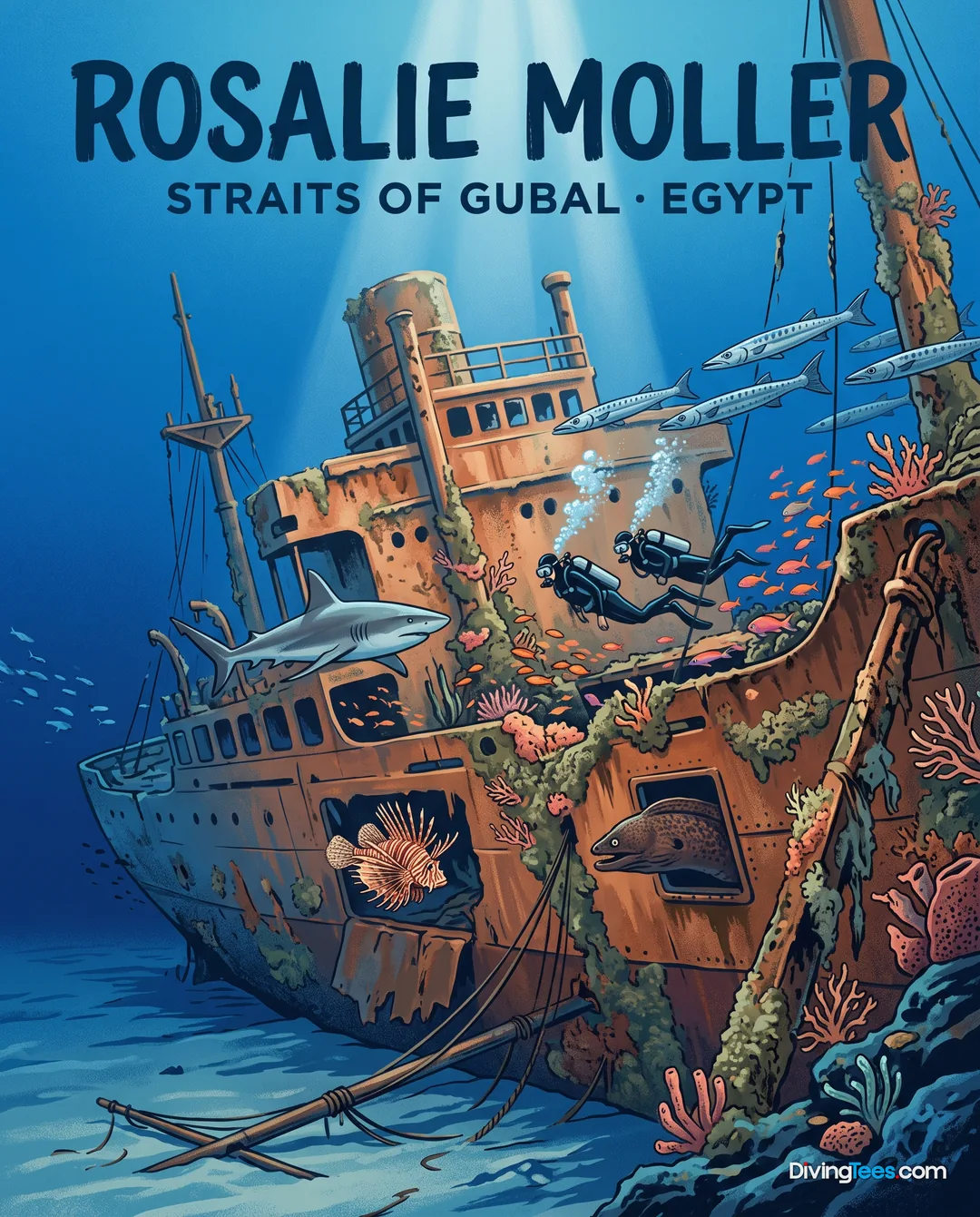
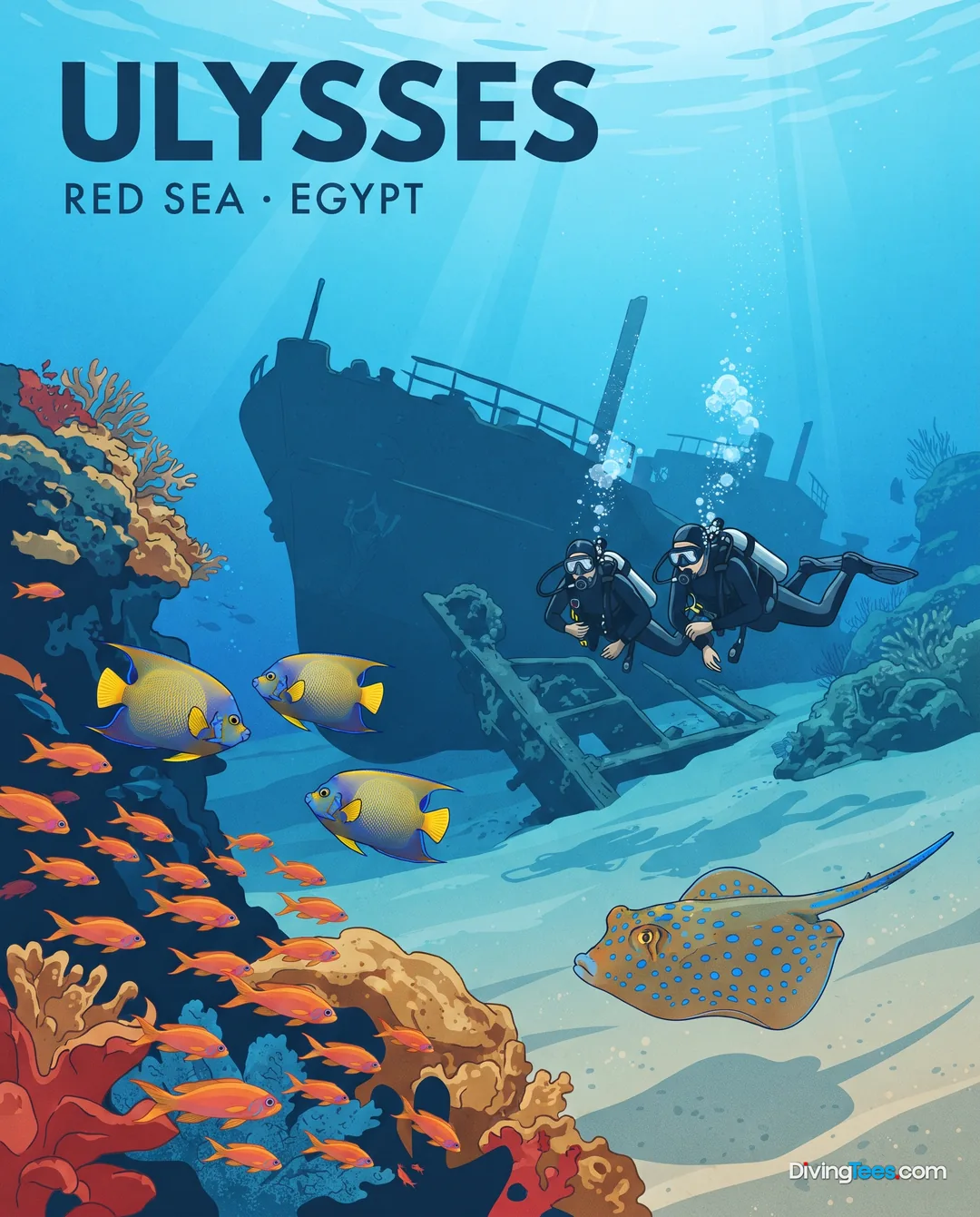
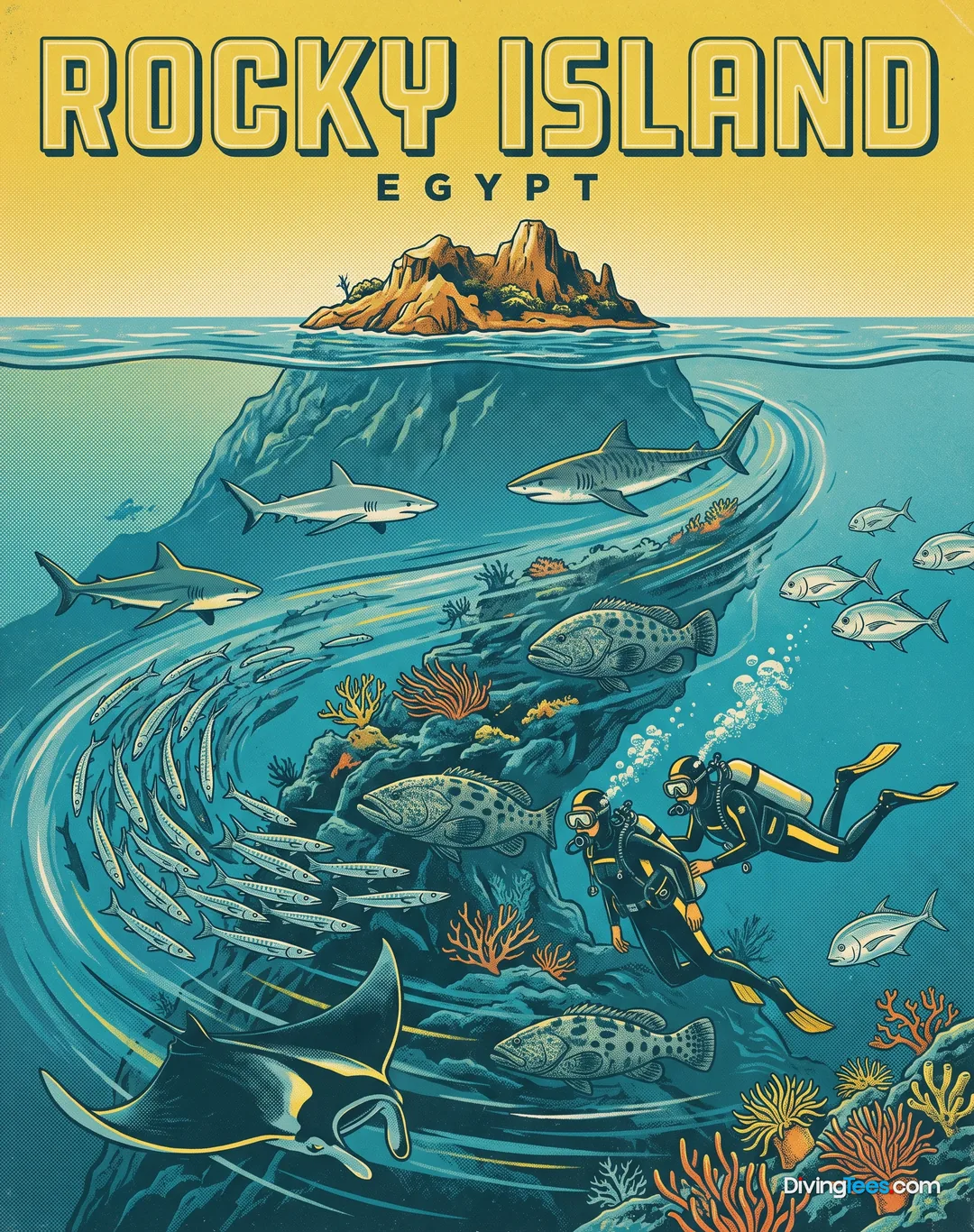
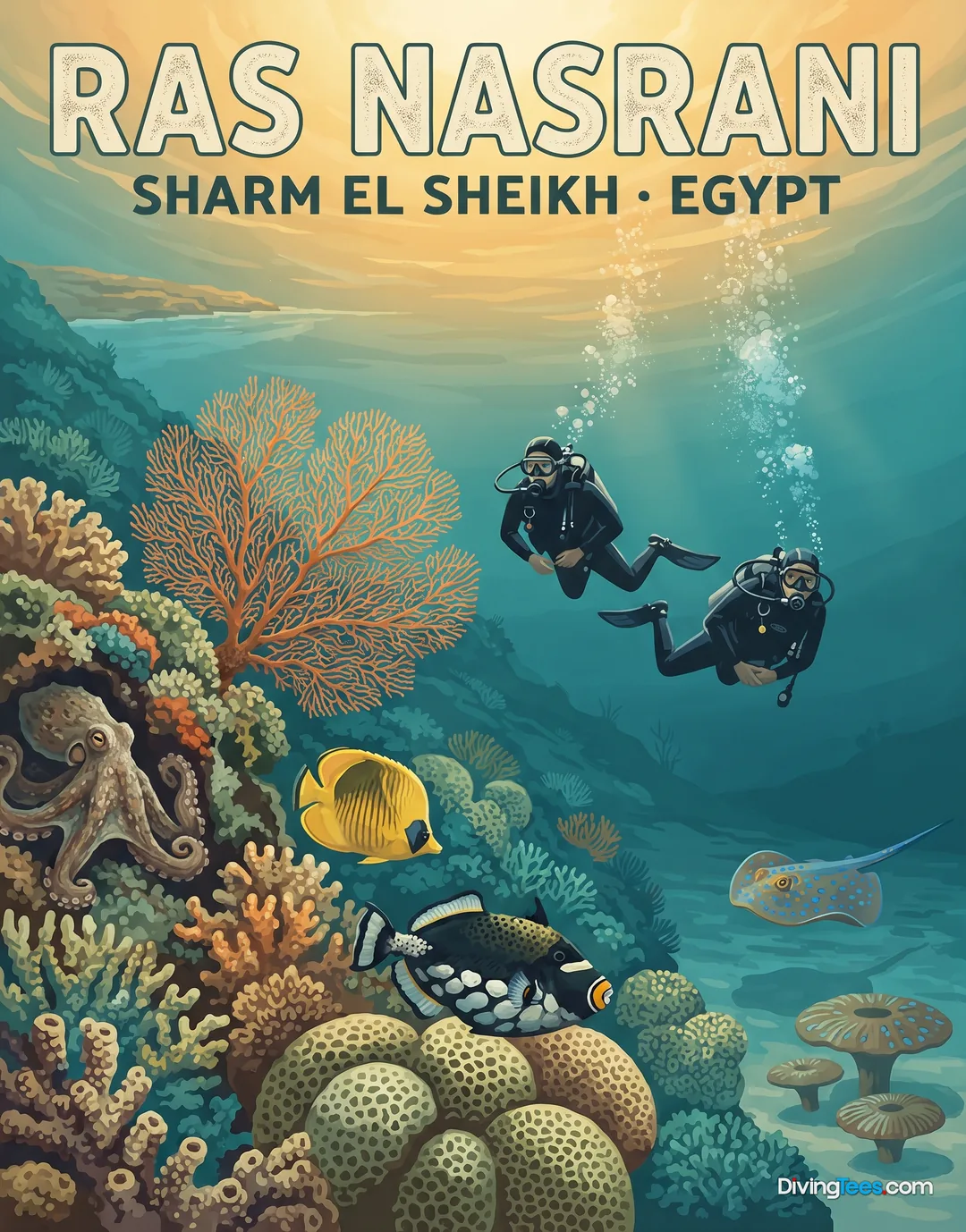
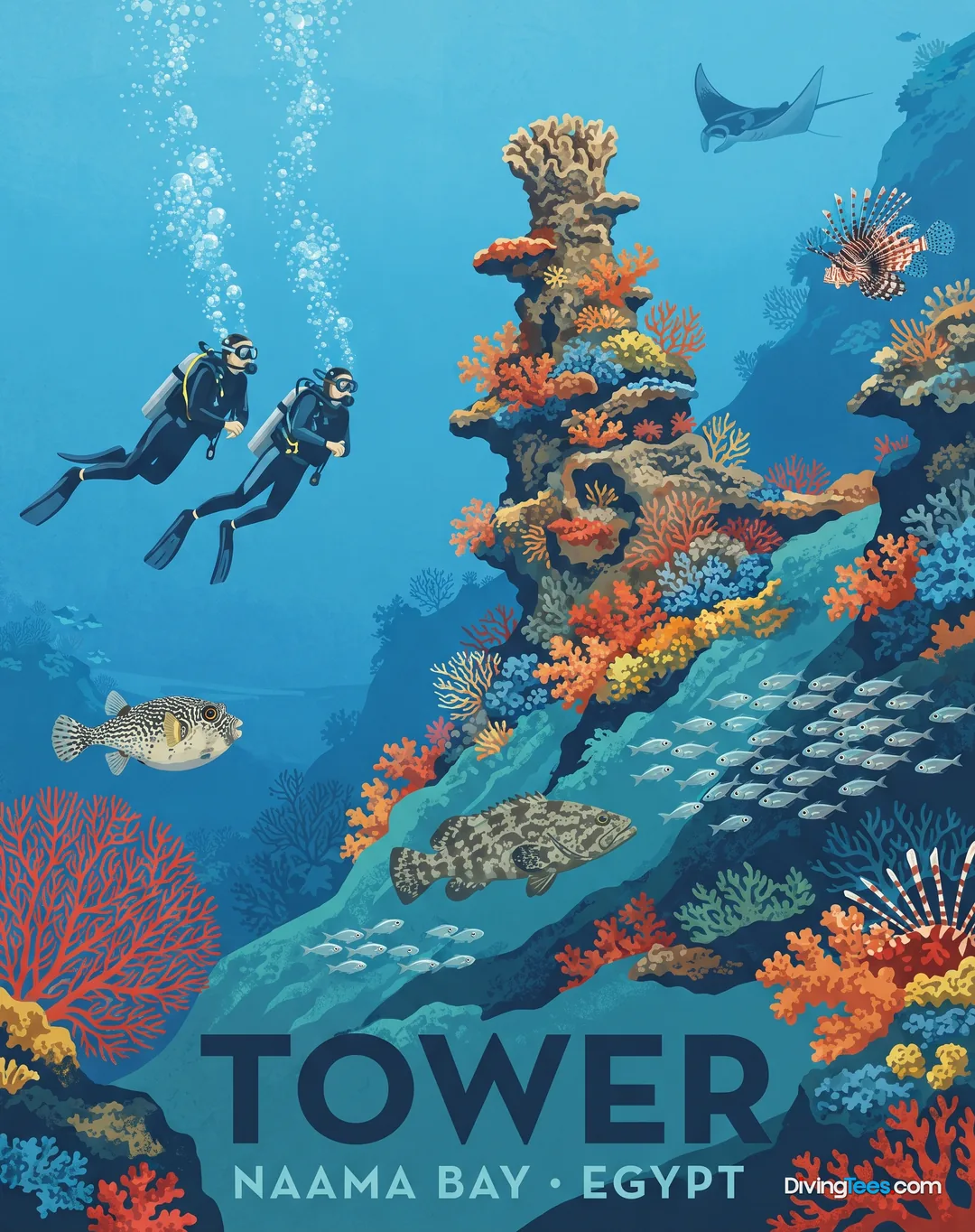
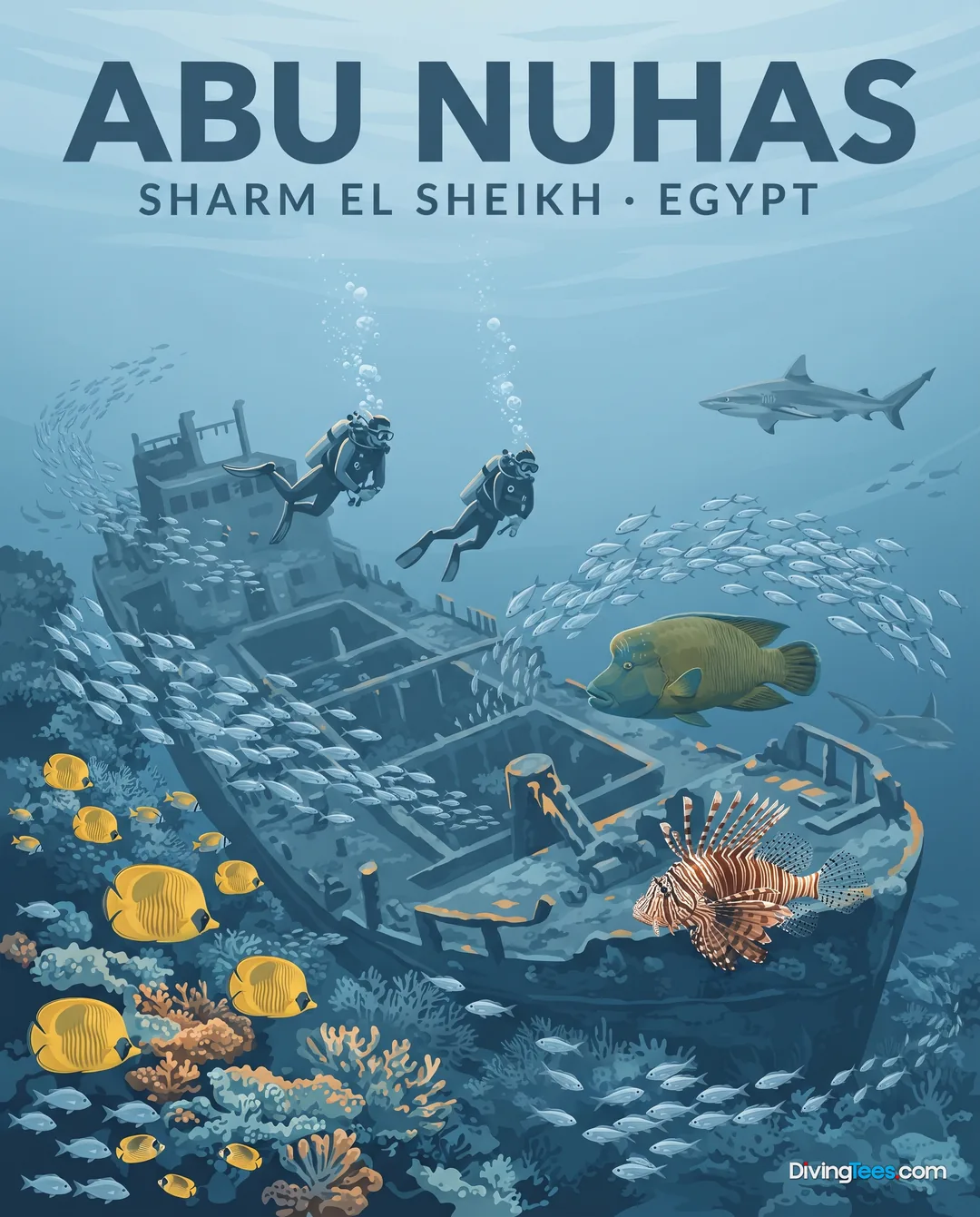
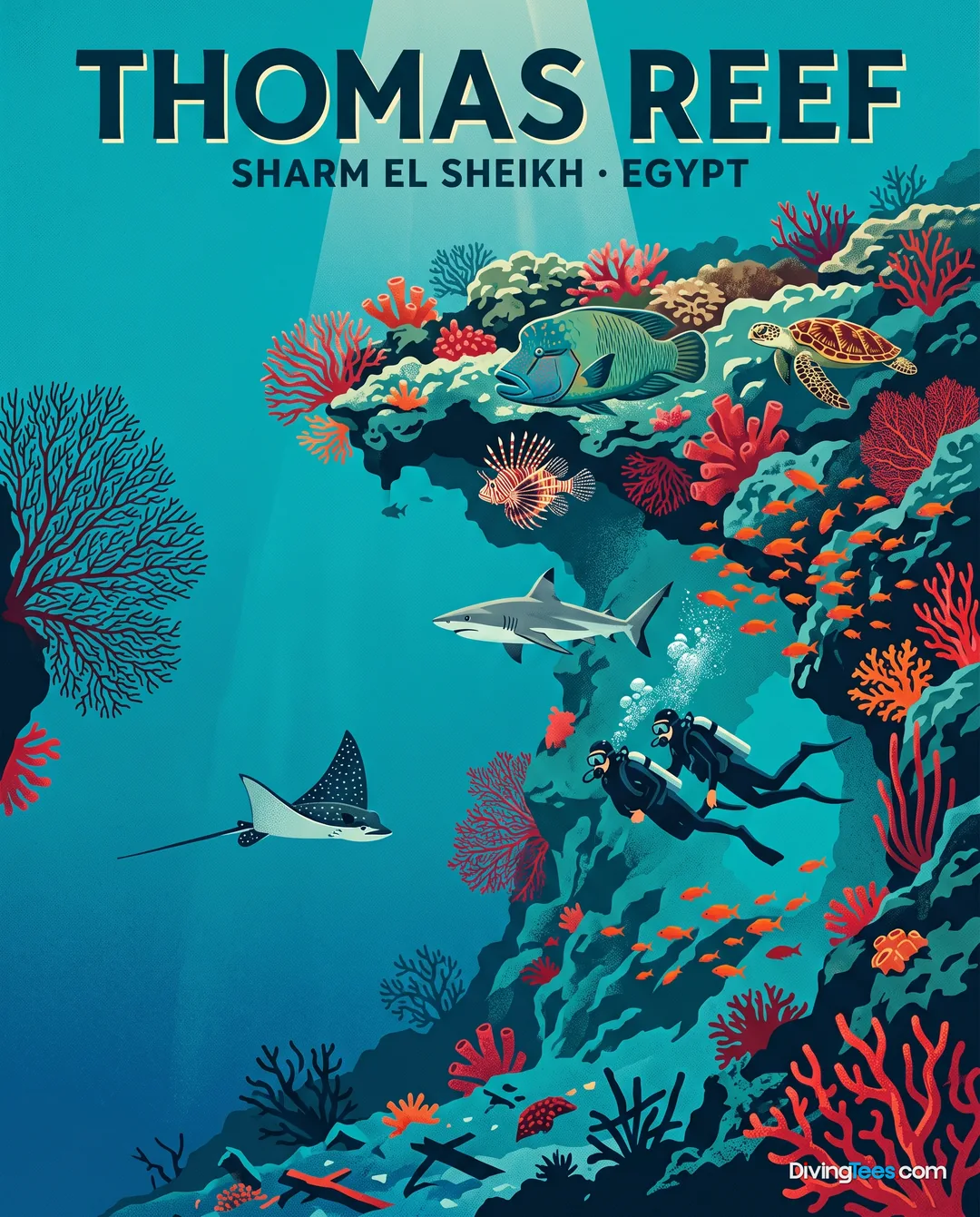
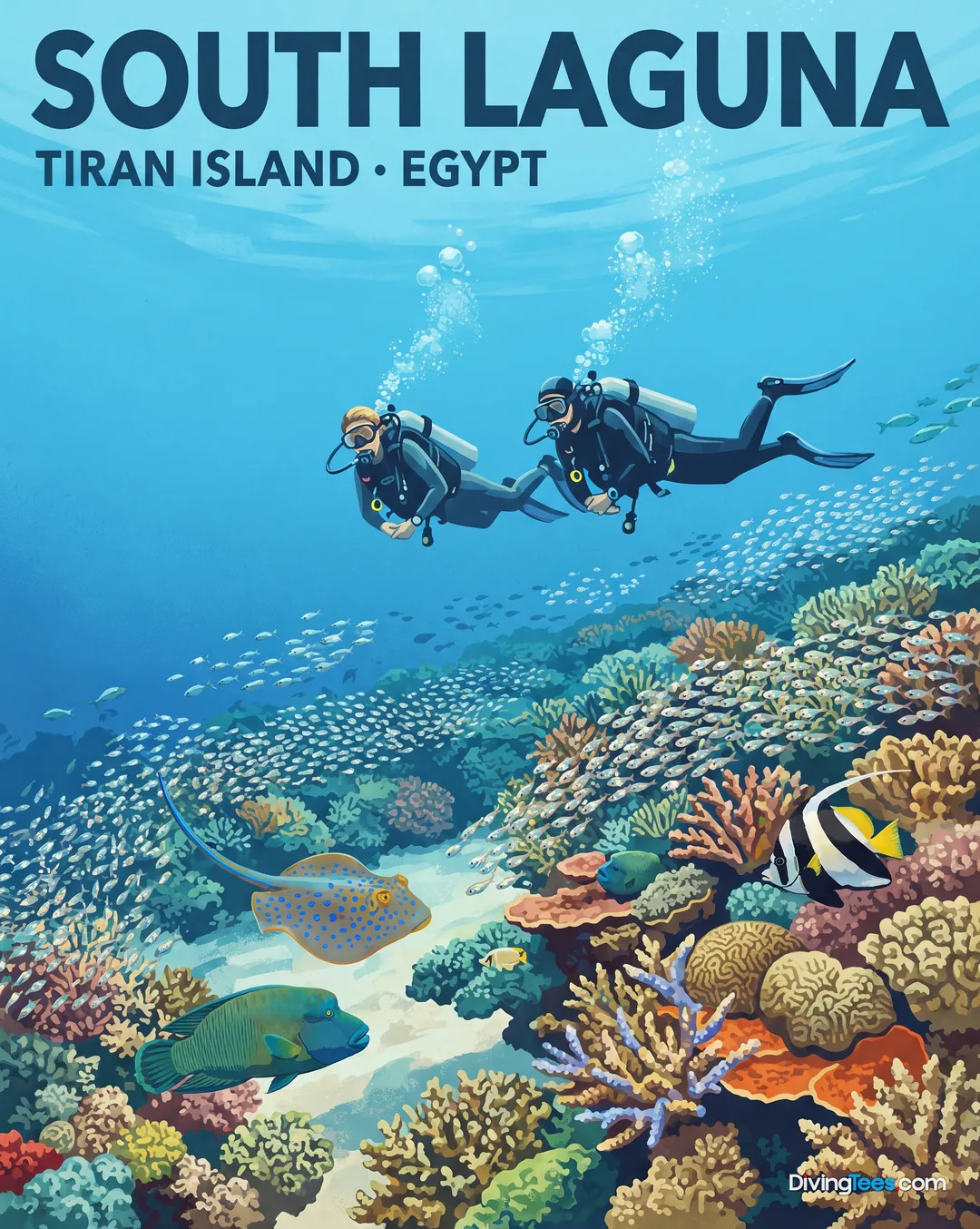
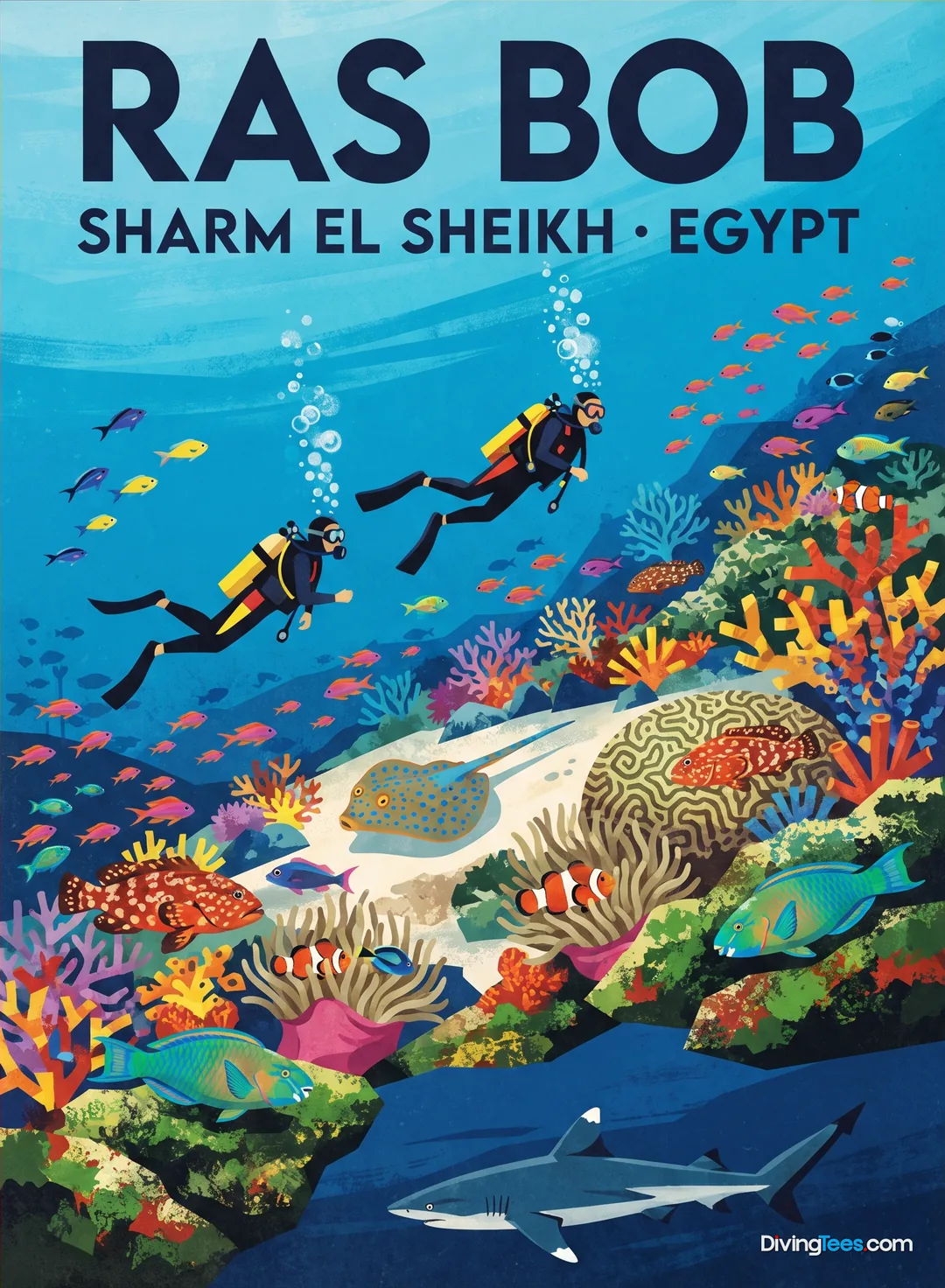
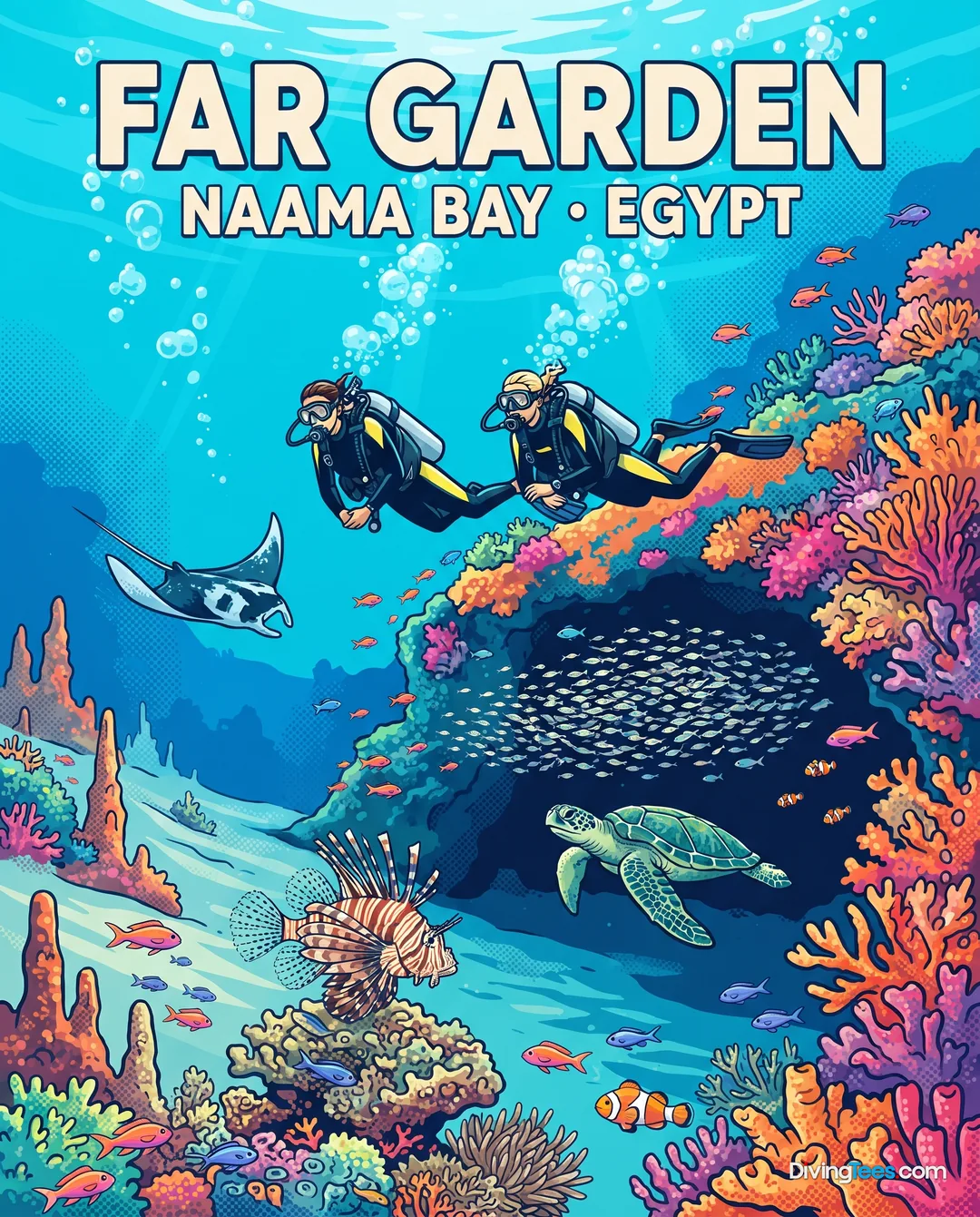
Extended North is the longer Sharm El Sheikh circuit: 9 days and 8 nights, with 6 diving days. North Route lasts 8 days and 7 nights, with 5 diving days. Both bring together Tiran, Ras Mohammed and the northern wrecks, while the extended version reaches further into the site list. Thistlegorm is the wartime merchant wreck, with preserved cargo and a maximum depth of -32m. Rosalie Moller lies between 30 and 50 metres in the Straits of Gubal, where barracudas, tuna, trevally, glassfish, lionfish and groupers move around the steel. Ulysses is a merchant wreck down to -27m. Rocky Island is a current-affected reef where oceanic sharks, schooling barracudas and manta rays are possible. Ras Nasrani reaches -60m, with gorgonian fans and mushroom corals along the cape. Tower is a fossil-coral wall with a sheer drop. Abu Nuhas places four distinct wrecks close together, while Thomas Reef drops as deep as -90m. The route also includes drift sites such as Woodhouse, Gordon, South Laguna, Ras Bob and Far Garden, each offering a different balance of current, wall, plateau and sheltered reef.
Itineraries, dates and prices
Prices per person. Each month shows its lowest price: click a month, or pick an itinerary.
Next departures · 66 departuresfrom £913$1,220€1,090
October 2026
November 2026
December 2026
Green dot: a discounted departure that month. Discount calculated by us, against the boat's usual price for a trip of the same length.
See dates and prices
If you click these links and make a purchase on the partner site, DivingDeal may earn a commission, at no extra cost to you.
Dates and prices taken from Divebooker and liveaboard.com, updated 26 October 2026
What you’ll meet underwater
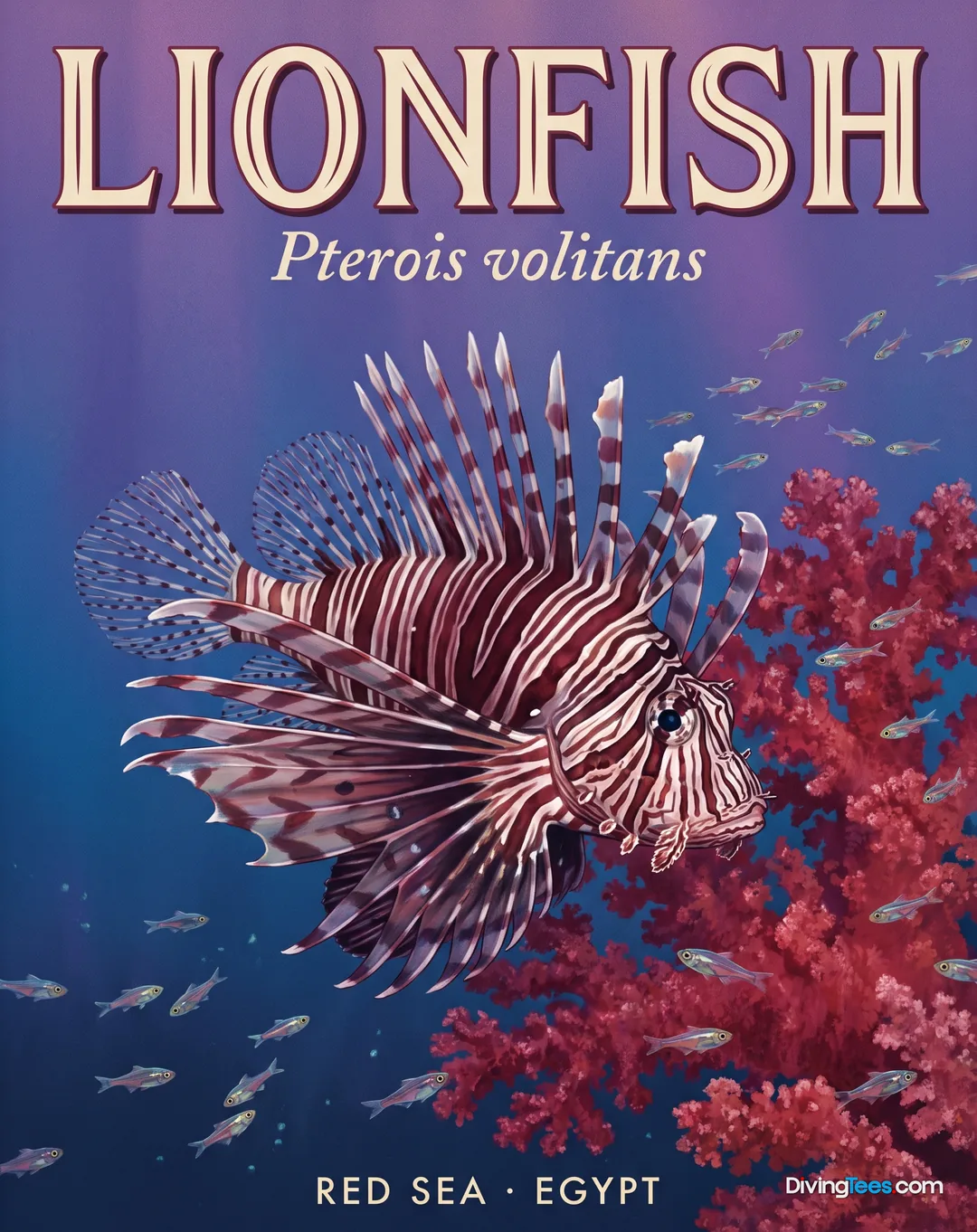
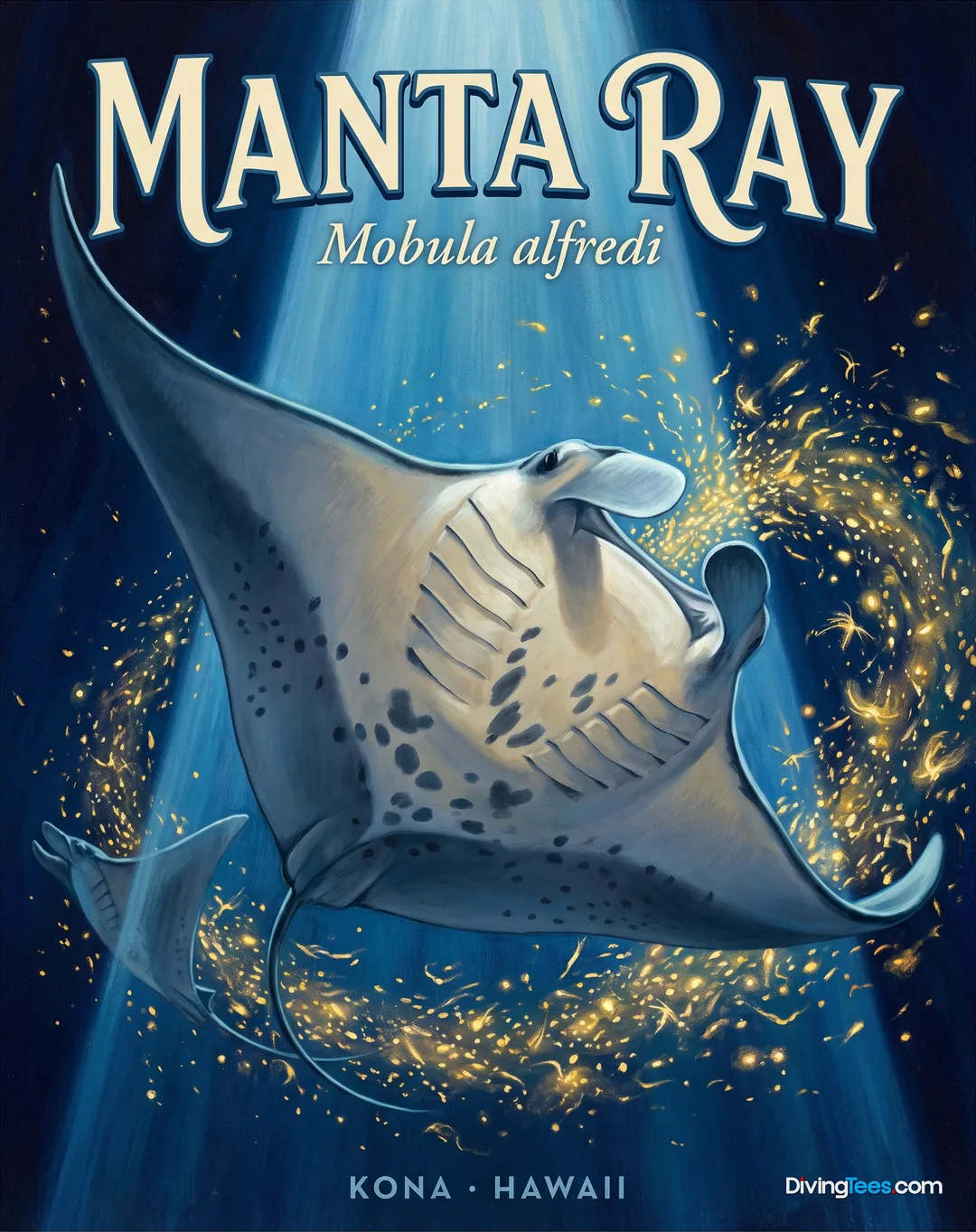
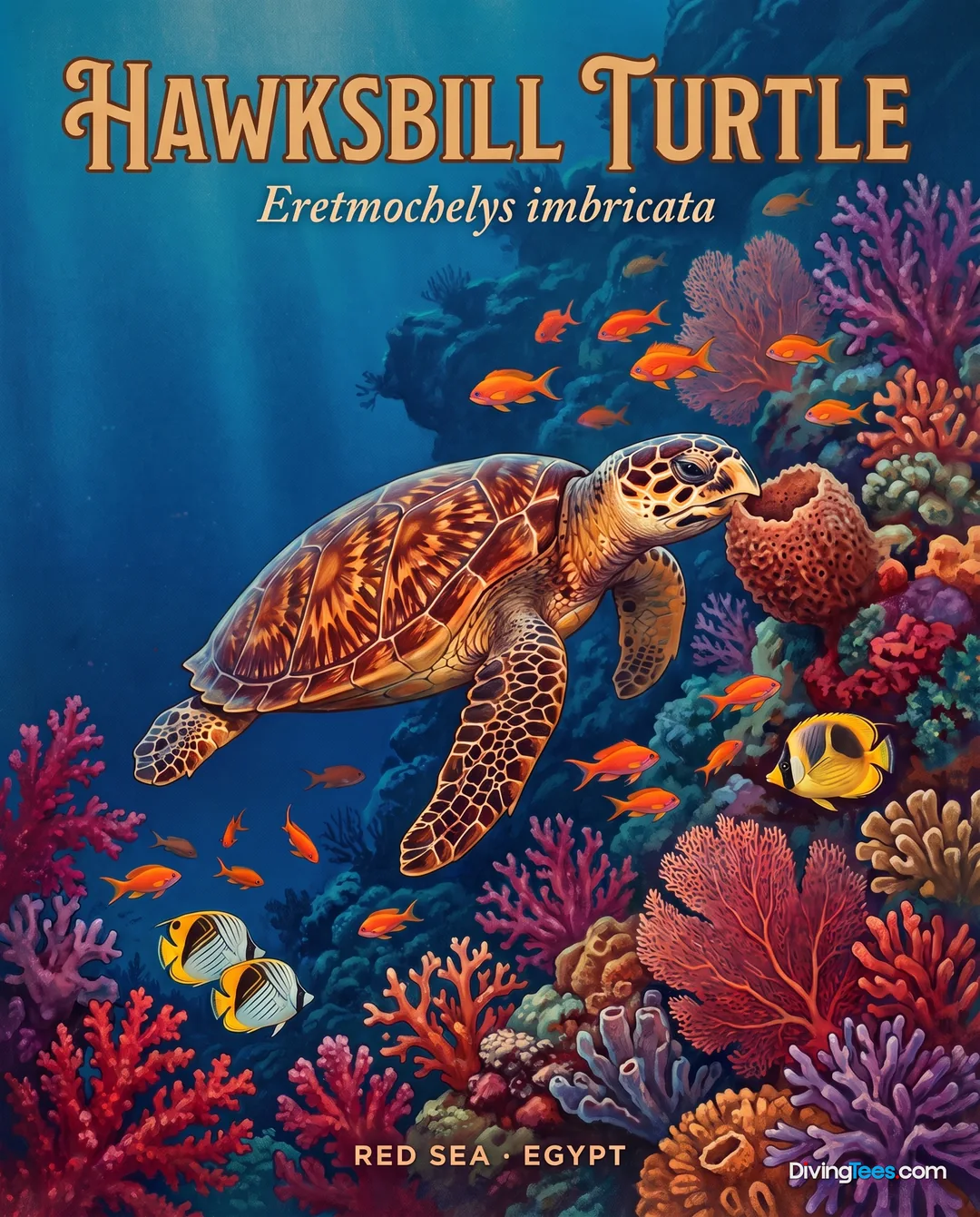
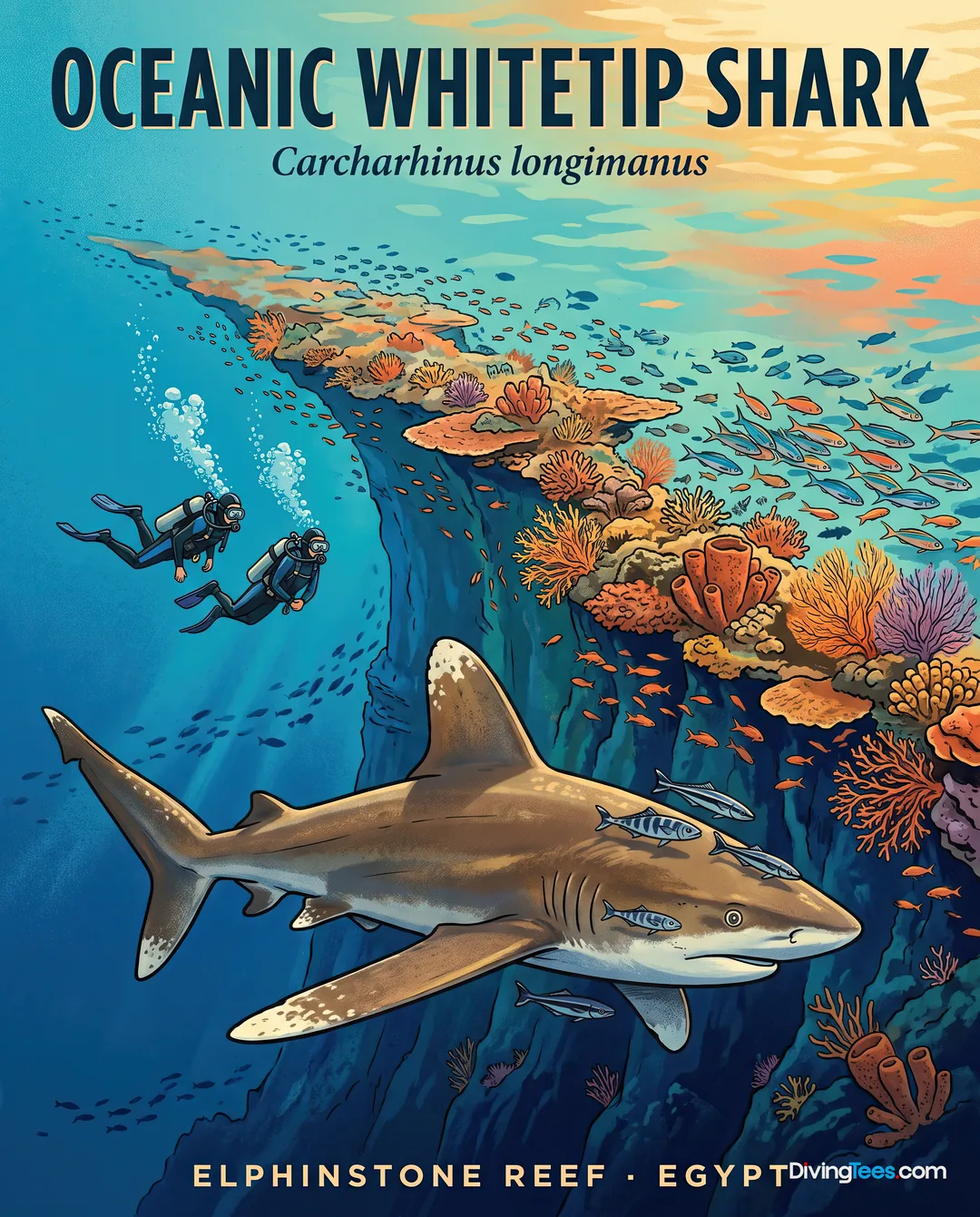
Across this route, the reef’s regular cast is substantial: morays, groupers, reef sharks, barracudas, jacks, scorpionfish, lionfish, glassfish, soft corals, turtles, manta rays and, in the right conditions, larger pelagics. The current-swept capes and drift sites are where the Red Sea starts to feel open, with fish moving through rather than simply holding station on the reef. The named exceptions are worth keeping in mind when choosing dives. Thistlegorm is the only listed site for dolphins, batfish, rays and hawksbill turtles, as well as the historical cargo. Rosalie Moller is the place associated with big-eye trevally. Ras Nasrani is the specific site for an oceanic whitetip shark and gorgonian fans. Woodhouse Reef is the route’s named site for a green turtle, while Gordon Reef is where garden eels, stonefish, trumpetfish and hard-to-miss current movement enter the picture. Rocky Island brings the strongest pelagic possibility, including oceanic whitetips and hammerheads, but currents make those encounters earned rather than promised.
Who puts you in the water
Three diving guides organise the groups and lead the briefings, with the group size kept small enough to account for different skills and aims. Open Water Diver or an equivalent certification is the minimum level for the liveaboard. Advanced Open Water or equivalent and 50 logged dives are recommended, a sensible benchmark for a week that includes current-swept reefs, deep wrecks and repetitive diving. Nitrox certification is required to use nitrox. Advanced and Nitrox courses can be run onboard when the diver’s certification level needs bringing up to the route’s demands. Briefings cover the site and the plan before divers move to the platform and tenders. The boat carries radar, GPS and VHF/DSC/SSB radio, alongside fire alarms and extinguishers. The important practical point is that the guides are not just there to point at animals: they divide the boat into workable groups and keep the diving plan matched to the people entering the water.
The dive deck and the gear
The dive platform is set up for repeated Red Sea operations, with storage space and two tender boats alongside it. Entries and exits are made from the tenders, which take divers to the site and return to collect them after the dive. The boat carries S80 tanks with DIN and yoke compatibility; S100 tanks, double S80 tanks with manifold and stage tanks are optional, as are technical-diving supplies such as helium and sofnolime. Air and nitrox are available, and nitrox certification is required for anyone using it. Rental equipment is available in limited quantity and must be booked before arrival; the range includes complete equipment, regulator, BCD, wetsuit, computer, fins, mask and snorkel, torch, and SMB with spool. The dive programme also supports tech diving. A camera room is provided.
Between dives
Between dives, the useful places are outside. The sun deck has loungers and poufs, while the bow and other open areas give divers somewhere to sit without carrying wet kit into the saloon. Some people will sleep through the surface interval; others will stay near the platform, watch the tender return or talk through what passed the reef. The indoor saloon is air-conditioned for the hottest part of the day and has a library, audio and video entertainment, and a camera room for the less casual work of backing up and preparing equipment. There is also a bar for the hours after diving. The boat’s short northern navigations help here: fewer long passages means less time spent waiting for the next site and more time choosing between shade, a bunk, the camera room and the open deck.
A day on board
On the diving days, the sequence matters more than a clock. The first briefing comes before the first entry, then the boat and tenders keep moving divers through the planned sites while meals and surface intervals divide the day. Six full diving days shape the Extended North route; the North Route gives five. Some days are built around wrecks, where the briefing prepares divers for depth, structure and penetration choices. Others are reef days, with drift profiles and the tender ready to collect divers where they surface. Between entries, the deck becomes a place for drying kit, eating, sleeping or reviewing images in the camera room. On Friday afternoon of the extended itinerary, the boat returns to port; dinner and the night are spent onboard before disembarkation the following morning. The final day is deliberately quieter, leaving time to desaturate residual nitrogen before leaving Sharm El Sheikh. The rhythm is therefore not a hotel timetable but a chain of brief, dive, eat, rest and brief again.
What you eat aboard
Food is one of the boat’s strongest points, with the onboard chef serving buffet meals built around local cooking and a full-board routine. Vegetarian and vegan options are available, and snacks remain available through the day rather than appearing only at fixed meals. That matters on a diving boat: the table is not a decorative pause between excursions but the place where divers replace the energy lost to repeated entries, exits and surface intervals. The food has scored 9.7, higher than the boat and crew scores, and the reason is concrete—the chef is repeatedly remembered for what comes out of the galley. Meals punctuate the route without demanding ceremony. Divers can eat, talk through the last dive, check a camera or get back to the platform before the next briefing. Drinks other than the included water, tea and coffee are handled separately.
Nights at sea
The nine cabins are divided between lower and upper decks. Lower-deck cabins have two beds; upper-deck cabins add a standard exterior window, which gives a little more daylight and a clearer sense of the sea outside. Every cabin has individual air conditioning and a private bathroom with hot-water shower, so the basic job of a liveaboard cabin is handled properly: dry off, cool down, sleep, repeat. The cabins are not suites, and the boat’s appeal is not square metres. It is the privacy of having a door and bathroom after a day in wet gear, combined with enough common space to leave the cabin when the weather is good. Daily housekeeping and cabin towels keep the practical side simple. If the engine, light or window position matters to your sleep, cabin choice should be made with the deck level in mind.
Lower Deck Cabins
Upper Deck Cabins
What to know before boarding
The cruises embark and disembark in Sharm El Sheikh. An airport transfer to the port is included, and the return transfer to the airport is included as well; hotel transfers are also part of the listed arrangements. Embarkation begins from 7:00 p.m. on the first evening, while the extended route finishes with disembarkation before 10:00 a.m. Arriving in Sharm El Sheikh the night before is the sensible choice, leaving the transfer and boarding free of flight-day pressure.
Deck plan
- Length
- 28 m
- Beam
- 7 m
- Maximum number of passengers
- 18 divers
- Number of cabins
- 9
- Number of bathrooms
- 10
- Tenders
- 2 tender boats
- Website
- blueforcefleet.com ↗
Hello, I'm Marina, DivingDeal.com's AI assistant. I answer in detail about hotels, dive centres and liveaboards.
Thinking about the whole trip and the flights? Talk it over with Edith →
Marina is an AI. Some links are affiliate links: DivingDeal may earn a commission, at no extra cost to you. Bookings are made with the partner.