
Cinderella Eldawley Diving Center
Google 4.9/5 (2,954 reviews)
3.1 km away as the crow flies
Sharm El Sheikh · Egypt · Red Sea
Max. depth · 18 mDescend into a vibrant underwater world where coral pinnacles rise from a sandy plateau, teeming with life from anthias to blue-spotted stingrays.
For subtitles in English: start the video firstthen click the gearat the top right of the video, select “Subtitles/CC”, then “Auto-translate” and choose “English”.
Just west of Temple, Ras Katy begins gently, with coral pinnacles breaking the surface of a sandy plateau, starting at a comfortable 5 metres. These formations are alive with colour and movement, drawing you slowly down to the edge of a dramatic wall. The transition from the sunlit shallows to the deeper reef is subtle at first, then gives way to an impressive drop-off that promises encounters with the larger inhabitants of the Red Sea.
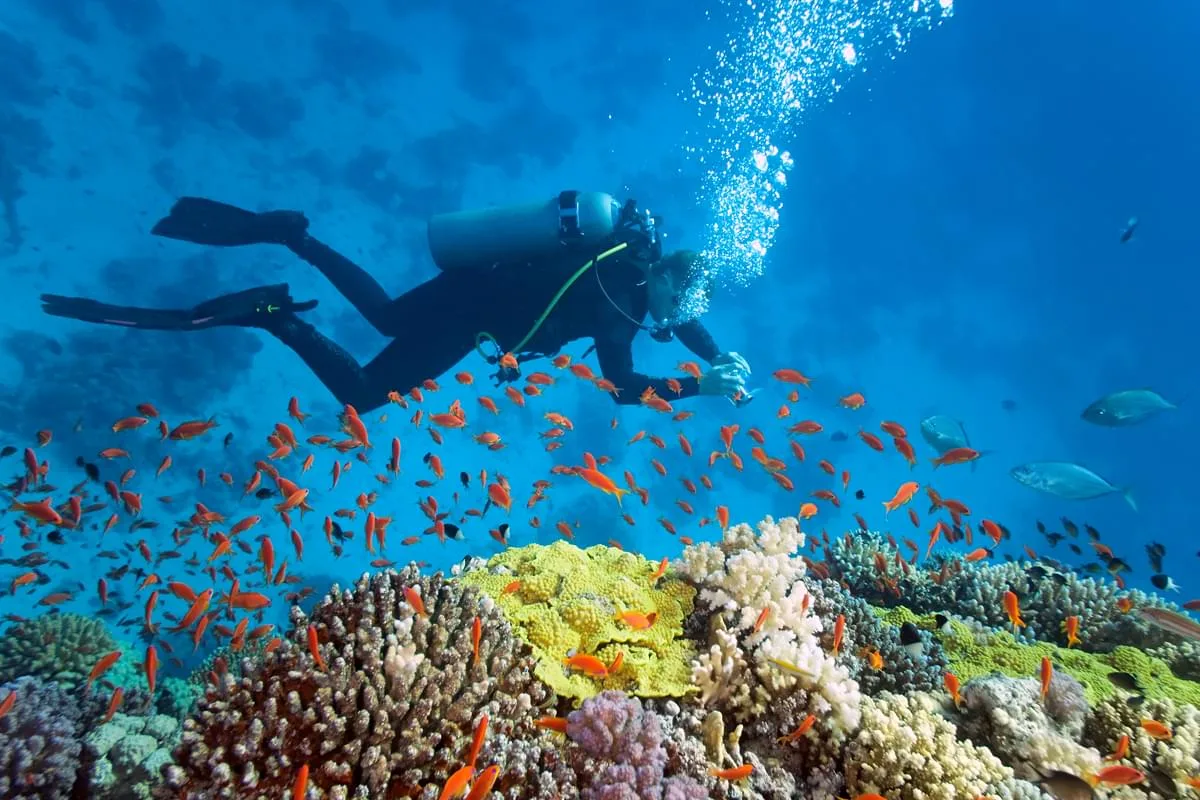
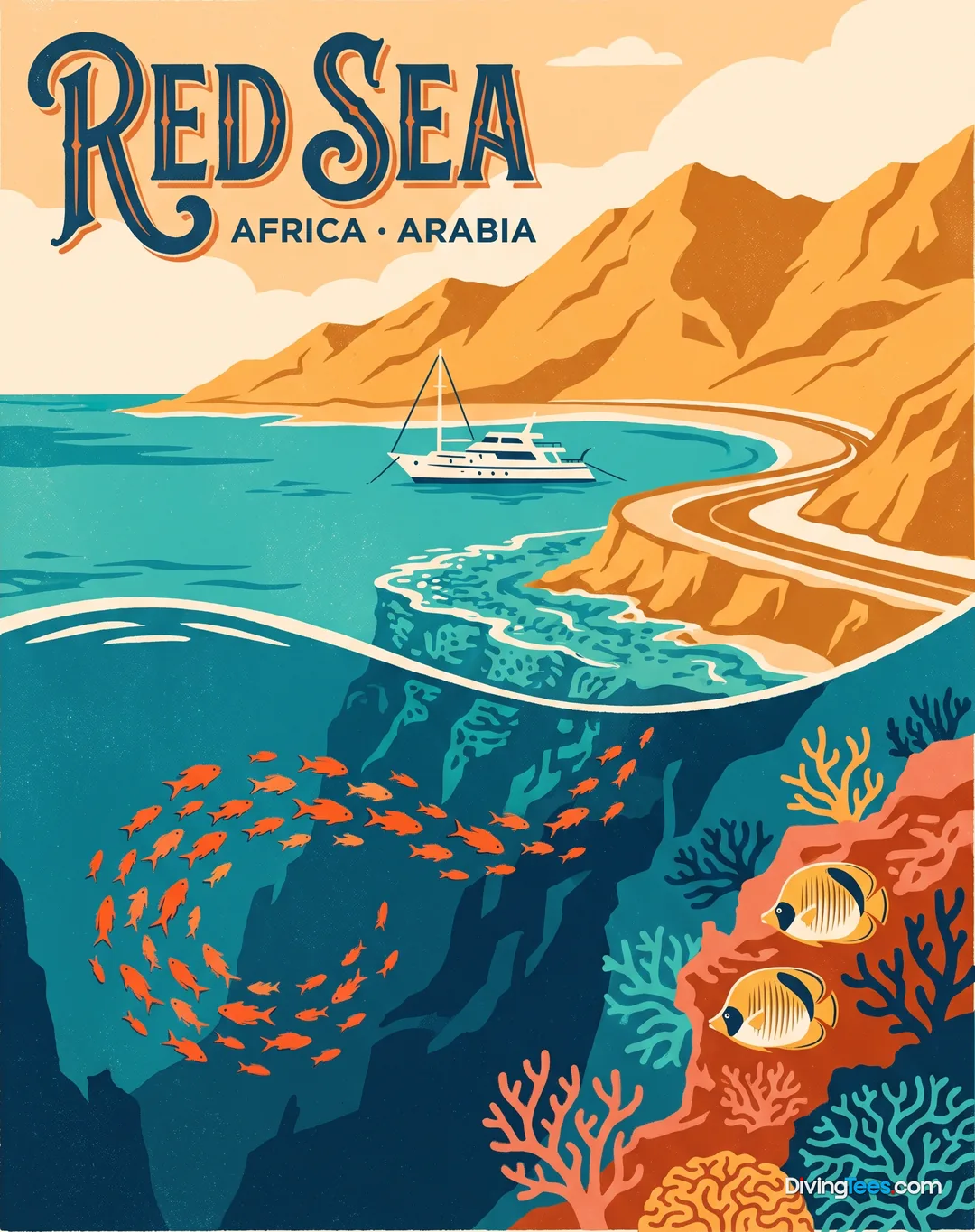
As you approach the 18-metre mark, the plateau gives way to a vibrant wall, a vertical tapestry bustling with activity. Here, countless schools of anthias (Pseudanthias squamipinnis) form shimmering clouds against the coral, their constant motion a mesmerising display. Alongside them, numerous species of butterflyfish (Chaetodon spp.) meander, their distinctive patterns adding to the reef's rich biodiversity. This drop-off is a focal point for the reef's resident population, providing both shelter and hunting grounds.
The deeper sections of Ras Katy reveal a landscape punctuated by fascinating geological features. Small caves and crevasses offer intimate glimpses into the lives of the reef's more secluded residents. Inside, you'll find shimmering schools of glassfish (Parapriacanthus ransonneti), their bodies reflecting the ambient light, often watched by the watchful and elegant lionfish (Pterois miles), which shelter in these protected spots.
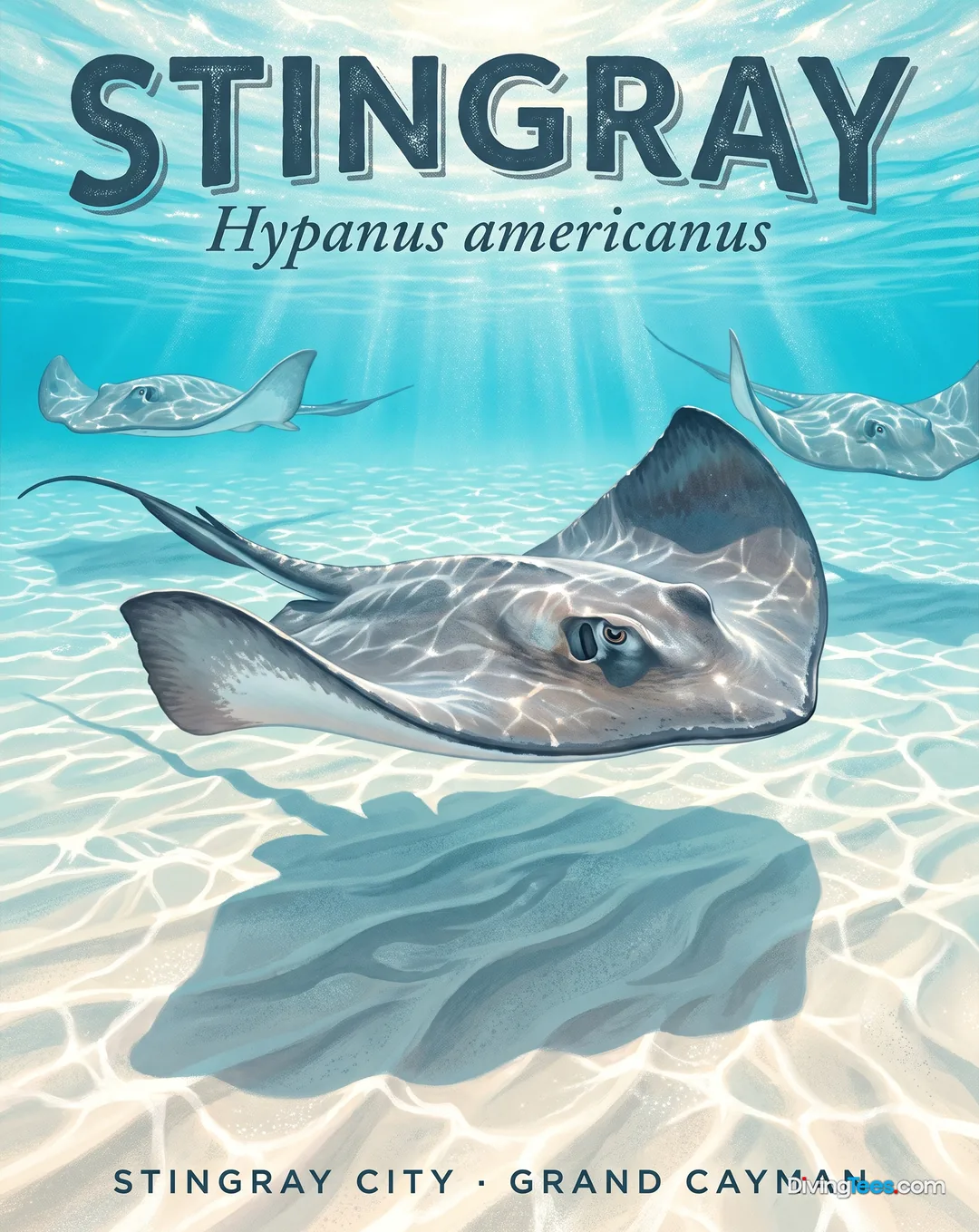
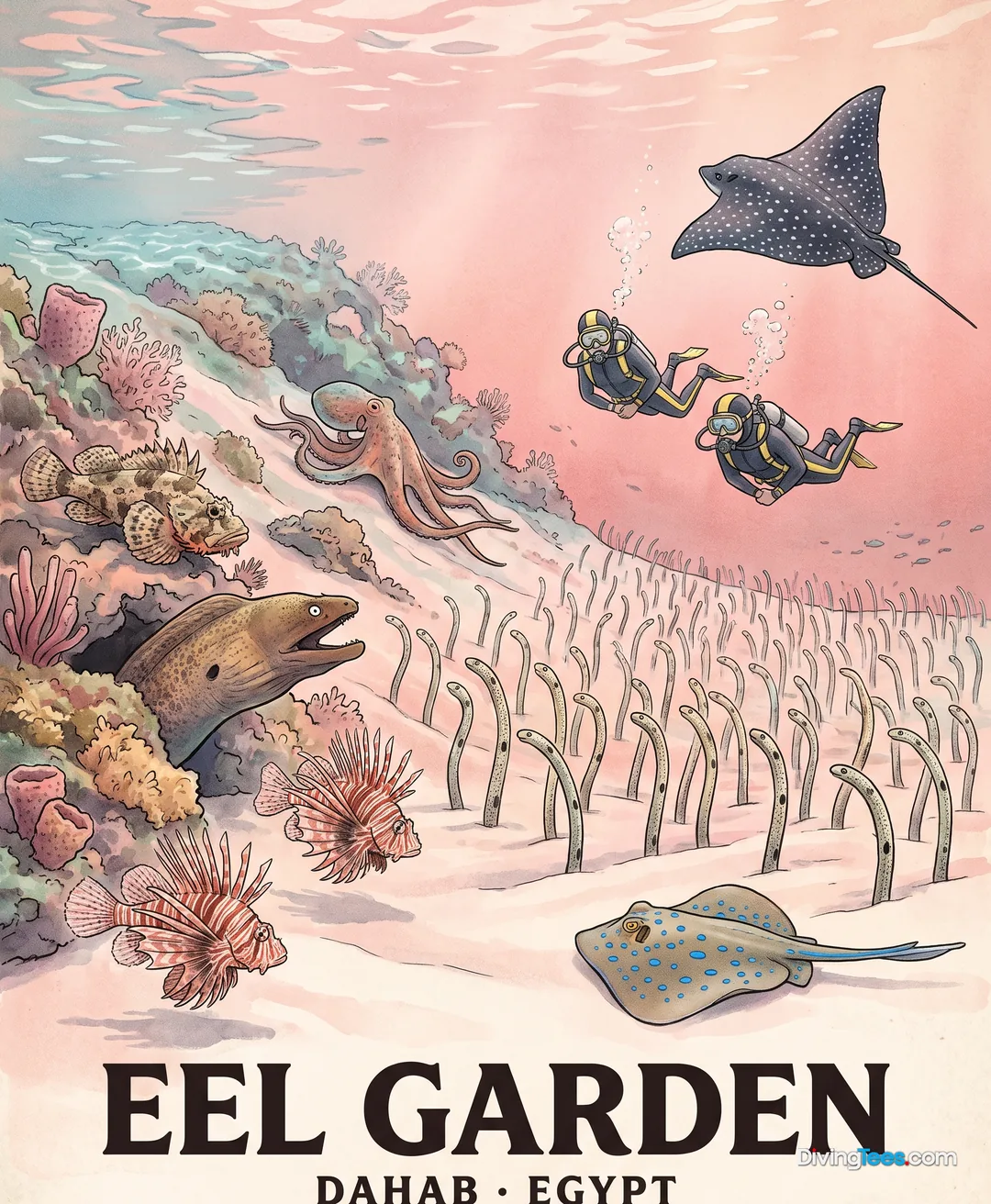
Beyond the main reef structure, the sandy areas hold their own quiet mysteries. Look closely, and you might spot crocodilefish (Papilloculiceps longiceps) perfectly camouflaged against the seafloor, waiting patiently for prey. Blue-spotted stingrays (Taeniura lymma) glide gracefully across the sand, their electric blue spots a striking contrast to the muted tones of their surroundings. Scorpionfish (Scorpaenopsis spp.) blend almost invisibly into the substrate, reminding you to always maintain careful buoyancy.
The character of the dive at Ras Katy is defined by its diverse terrain. From the vibrant coral pinnacles that punctuate the initial plateau to the sheer drop-off densely populated by schooling fish, the site offers a varied underwater journey. Even the more open sandy patches between the coral formations hold hidden gems, revealing creatures like triggerfish (Balistidae spp.) going about their daily routines, adding to the site's rich tapestry of life.
This dive site is accessible from a minimum depth of 5 metres down to 18 metres. It is suitable for DIVER LEVEL 1 certified divers. Currents here can vary, but generally remain manageable, allowing for comfortable exploration of both the pinnacles and the wall section.
11 liveaboards depart from Sharm El Sheikh another way to explore the region, over several days at sea.
You can dive Ras Katy if you are certified as a Diver Level 1. The site begins on a sandy plateau with coral pinnacles and continues toward a wall, offering varied terrain for your exploration. Its profile includes shallower formations, caves, sandy areas, and a deeper reef section.
Ras Katy is accessible from 5 metres down to 18 metres. You begin around coral pinnacles rising from a sandy plateau, then continue toward a wall and drop-off. Along the route, you can explore caves, crevasses, coral formations, and sandy areas with different reef inhabitants.
Currents at Ras Katy can vary, but they generally remain manageable for comfortable exploration. You can move between the coral pinnacles and the wall section while experiencing the site's changing terrain. The dive includes a sandy plateau, a drop-off, caves, crevasses, and open sandy patches.
At Ras Katy, you can see anthias and butterflyfish along the wall, while glassfish and lionfish shelter in caves. Sandy areas may reveal crocodilefish, blue-spotted stingrays, scorpionfish, and triggerfish. Coral pinnacles, the wall, caves, crevasses, and the drop-off create varied settings for observing marine life.